REVIEW · NAMBA
1 Day Takoyaki Making and Osaka Castle Walking Tour
Book on Viator →Operated by JTB Global Marketing & Travel Inc. · Bookable on Viator
One day, Osaka’s flavors and landmarks collide. I love the calm start at Sumiyoshi Taisha, especially the Sorihashi bridge, and I also love the hands-on takoyaki-making lunch with friendly guide help from Momo-san. One consideration: you’ll cover about 7 km, so comfortable walking shoes aren’t optional.
This is a tight, well-paced day built around real Osaka rhythms—shrines, old-school streets, then food you make with your own hands. It runs about 8 hours 50 minutes, starts at 8:50 am in Namba, and ends around 5:40 pm at Namba Station, using public transport along the way (seating isn’t guaranteed).
What makes the tour feel practical is that it doesn’t treat the city like a postcard. You’ll get guided context you can actually use, then time to look, snack, and take photos without feeling totally rushed. And if the Aqua Liner riverboat can’t run, you’re set up with a backup plan.
In This Review
- Key highlights you’ll feel right away
- Osaka in One Day: why this route works
- Sumiyoshi Taisha Shrine and Sorihashi: a quiet start with meaning
- The retro street tram stop: seeing Osaka without the hard sell
- Shinsekai and Tsutenkaku area: where Osaka gets loud
- Takoyaki lunch at Kushikatsu Takoyaki Ajinodaimaru: hands-on Osaka comfort food
- Vegetarian option: yes, but with an important limit
- Why this lunch is good value
- Aqua Liner on the Ogawa River: city views from the water (and the backup plan)
- If the riverboat can’t run
- Osaka Castle: Hideyoshi’s power, plus tower views
- Price and logistics that actually affect your day
- Should you book this Osaka 1-Day Takoyaki and Castle tour?
- FAQ
- Where do I meet the tour and when does it end?
- How long is the tour, and how much will I walk?
- What’s included in lunch, and is takoyaki part of it?
- If I’m vegetarian, can I still eat takoyaki?
- What happens if the Aqua Liner riverboat is canceled?
- Is seating guaranteed during the transit parts?
Key highlights you’ll feel right away
- Sorihashi bridge at Sumiyoshi Taisha: a classic red bridge moment tied to Osaka’s maritime-safety beliefs
- Osaka street-tram nostalgia: a short hop on a retro tram that shows everyday city life
- Shinsekai with Tsutenkaku vibes: street energy, shopping, izakaya atmosphere, and tower views
- 60 minutes of takoyaki-making (all-you-can-eat): learn the process, then eat what you cook
- Ogawa River cruise on the Aqua Liner: big Osaka views from the water, with a museum backup if needed
Osaka in One Day: why this route works
If your Osaka plan is short, you can either pick “top sights” and spend half the day traveling between them—or you can choose a route that matches how the city is actually laid out. This tour is built like that second option.
You start in the Namba area, move into more historic and local Osaka (Sumiyoshi Taisha, tram streets), then shift into a very Osaka-feeling neighborhood (Shinsekai). Midday is food-forward, and the afternoon returns to major landmarks with Osaka Castle and river views. That order matters because it breaks up the day: calm morning, lively lunch, scenic afternoon.
It also helps that the group is small—maximum 15 people. In a group that size, your guide can keep things moving without turning the experience into a conveyor belt. In the reviews, the guide’s style was repeatedly praised: Momo-san gives clear backstories in a way that doesn’t drown you in details, so you still have time to enjoy the actual places.
Sumiyoshi Taisha Shrine and Sorihashi: a quiet start with meaning
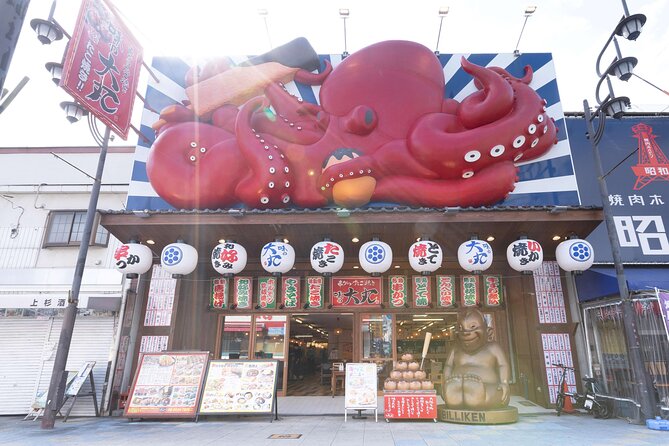
Sumiyoshi Taisha is one of those sites that feels “used,” not just admired. You’re not just looking at architecture—you’re stepping into a shrine that stays connected to local life.
You’ll spend about an hour here, and the best part for many people is the Sorihashi bridge experience. It’s a distinctive feature of the shrine grounds, and it’s also the kind of moment where you understand why people return again and again: it’s peaceful, well-composed, and it looks good without anyone trying too hard.
Sumiyoshi Taisha is also known for a specific type of prayer—maritime safety—and it’s frequented by people praying for prosperity in business. Even if you don’t read Japanese signage, you can pick up the tone from what people are doing and how the space feels.
Tip for your visit: go slowly through the main areas and give yourself a moment to watch the flow of people. The shrine’s atmosphere is the real star here.
The retro street tram stop: seeing Osaka without the hard sell
Next comes a short, easy add-on that changes the pace: a ride on a nostalgic tram. You’ll stop at Sumiyoshitoriimae and spend about 15 minutes here, using the retro tram to get a feel for the streets and daily city life.
This part is valuable because it’s not “another photo stop.” It’s movement—brief, but enough to break up walking and transit anxiety. It also helps you get your bearings for the rest of the day. When you come out of the tram, you’re ready to notice small things: shop fronts, street widths, how people move through neighborhoods.
Osaka is famous for transit, but this is a more local kind of transit memory. If you like seeing a city through how people actually ride and move, you’ll enjoy this section.
Shinsekai and Tsutenkaku area: where Osaka gets loud
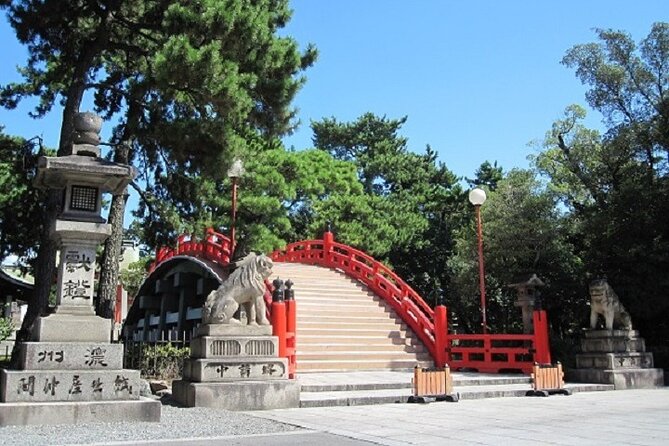
Then you shift into Shinsekai, one of Osaka’s classic downtown-feeling areas. You’ll have about 30 minutes here, which is just enough time to feel the place and still keep the day on schedule.
Shinsekai is lined with lively shopping streets, izakaya spots, game centers, and that unmistakable energy that makes Osaka feel like Osaka. And overhead, Tsutenkaku Tower anchors the area and gives you an easy landmark for orientation.
What I like about this stop: the time isn’t so short that you only skim. It’s long enough to wander, stop for a snack if you want, and take photos without feeling guilty that you’re “behind schedule.”
Possible drawback: 30 minutes can feel quick if you want to shop or if you get pulled into game-center distractions. If that’s your style, set one priority—like a photo spot by Tsutenkaku—and then let the rest be bonus time.
Takoyaki lunch at Kushikatsu Takoyaki Ajinodaimaru: hands-on Osaka comfort food
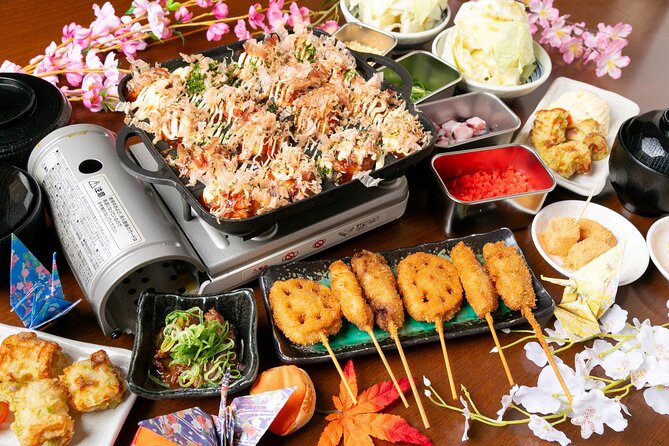
Midday is where the tour turns from sightseeing into something you actively do. At Kushikatsu Takoyaki Ajinodaimaru, you’ll learn to make takoyaki—Osaka’s famous “soul food”—and then you get to eat what you make.
You’ll spend about 1 hour here, and takoyaki-making includes all-you-can-eat takoyaki for 60 minutes. Food isn’t just served; you’re cooking too. That makes the lunch break feel like a real experience, not a pit stop.
A few practical details matter:
- One takoyaki maker is provided for every four customers, so you might be asked to share a table with another group.
- Apart from takoyaki, your lunch includes salted cabbage, deep-fried chikuwa with seaweed, potato salad, three deep-fried skewers, white rice (refills available), and miso soup.
- The takoyaki itself contains octopus, eggs, and animal-derived stock.
Vegetarian option: yes, but with an important limit
If you request a vegetarian meal, you’ll get a special menu. But there’s a catch: those who request vegetarian meals won’t be able to enjoy takoyaki. Instead, you’ll be served items like mini salad, three kinds of appetizers, grilled vegetables in foil, grilled vegetable skewers, deep-fried tofu teppanyaki, grated kelp soup, and white rice.
This is worth knowing up front so you don’t arrive expecting to make takoyaki and then eat a vegetarian version of the same. If vegetarian food is your priority, the menu seems solid; just plan around the fact that the takoyaki part won’t match your dietary needs.
Why this lunch is good value
At this price point, the tour isn’t only buying your time with a guide. It’s packaging a structured food activity plus lunch plus admissions and transport. Takoyaki-making takes time and attention, and that’s exactly what you’re paying for. It also creates a memorable “I did this” moment that you won’t get from simply buying a snack on your own.
Aqua Liner on the Ogawa River: city views from the water (and the backup plan)
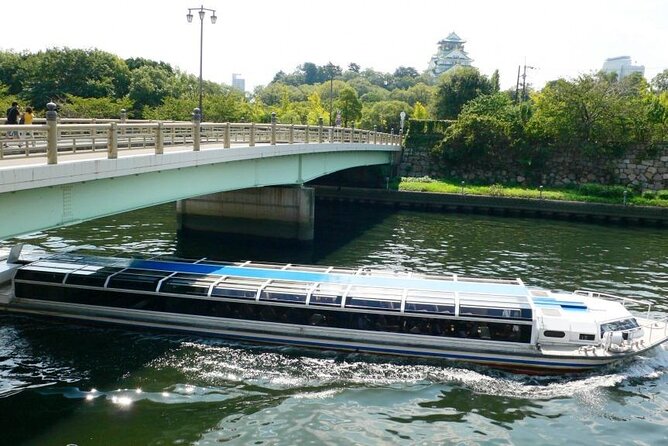
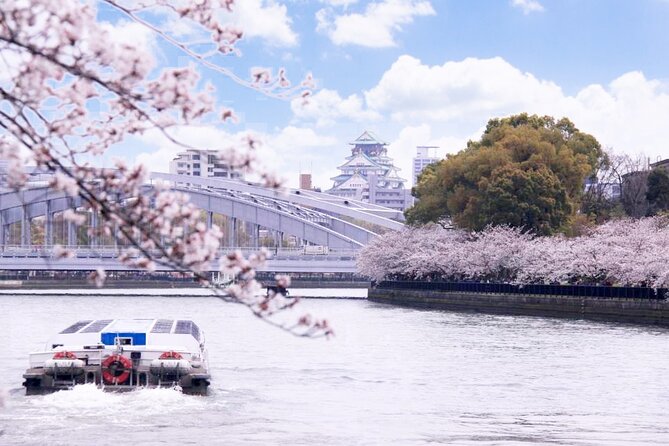
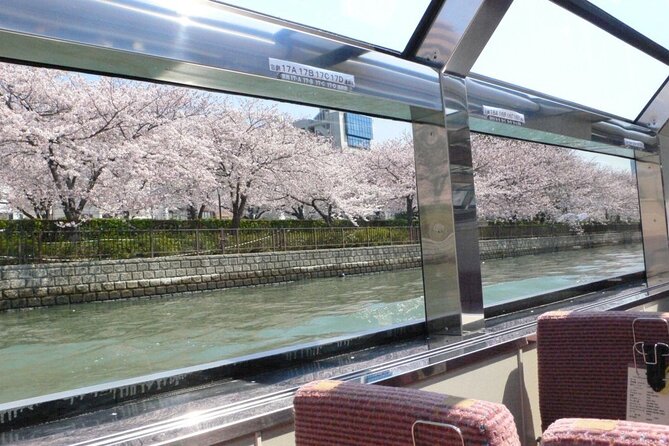
After lunch, you get the kind of Osaka view that feels different from street-level. The Aqua Liner is a water bus/riverboat along the Ogawa River, and you’ll have about 40 minutes on board.
From the water, you see famous places and historic spots from a new angle—flatter light, different angles, and that calm “water-time” feeling that helps your legs recover after earlier walking.
There’s also a useful operational detail: Aqua Liner duration can change depending on schedule changes. The tour notes that until March 24, 2025 and from April 11, 2025, the boarding schedule is changed and the cruise duration can shift from about 40 minutes to about 55 minutes.
If the riverboat can’t run
You’re not left hanging if weather or operations interfere. If Aqua Liner is out of service due to bad weather, temporary suspension, or other operational concerns, the tour visits the Osaka Museum of History instead.
And if Aqua Liner is unavailable on a Tuesday—when the Osaka Museum of History is closed—the guide will issue refunds on tour day: JPY 2,000 for adults and JPY 1,000 for children.
Why this matters for you: it’s not just a “maybe we’ll do it.” There’s a real plan B. For travelers, that reduces the stress factor, and it keeps the day feeling controlled.
Osaka Castle: Hideyoshi’s power, plus tower views
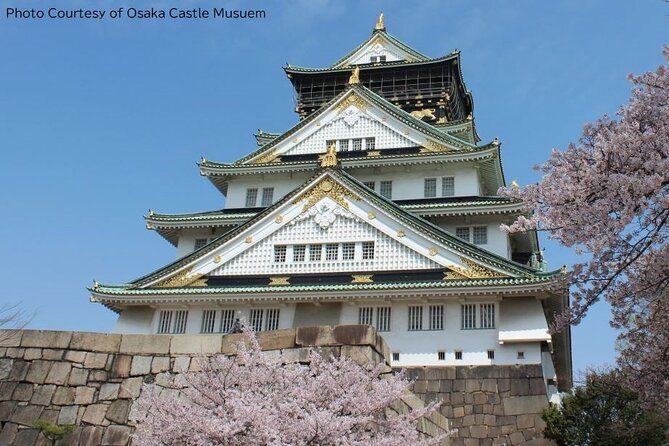
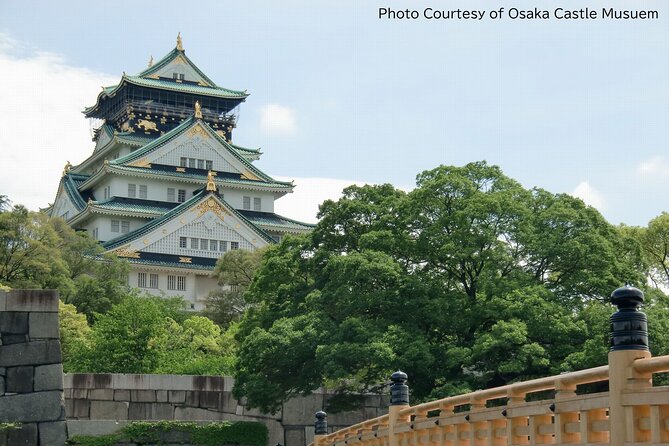
Osaka Castle is the final big-ticket landmark on the schedule. You’ll spend about 1 hour 30 minutes here, including admission, which gives you enough time to walk the grounds and still experience the castle’s main features.
The tour framing is direct: Osaka Castle was founded in the 16th century by Toyotomi Hideyoshi, and it’s known as a symbol of his power. That context helps you read what you’re seeing. Without context, castles can become just “big walls.” With context, you start noticing why the location, scale, and design mattered.
The overview also highlights spectacular views from the tower. Even if you’re not a castle superfan, the tower view component is usually the payoff—because you get the city’s layout in relation to the fortress.
What to watch out for: castle time can get crowded depending on the day. The tour’s timing seems designed to avoid the worst crush, and in the reviews, people liked that the schedule helped them enjoy Osaka Castle without getting steamrolled.
Price and logistics that actually affect your day
This tour costs $148.65 per person and covers a lot: the licensed English guide interpreter fee, lunch, transportation costs, and other admission fees. You’re not just paying for a name on a brochure. You’re paying for guided navigation, organized stops, and the big-ticket items (admissions and transport) bundled in.
For value, the key is what’s included:
- Guide with interpretation: useful at shrines and historic sites where context matters
- Lunch included: and it’s not just a boxed meal; it’s a cooking experience
- Multiple admissions: Sumiyoshi Taisha is free, but Osaka Castle and other components are covered
- Transport costs included: you’ll still do walking, but you’re not managing every transit leg yourself
Operationally, the tour uses public transportation and seating isn’t guaranteed. That’s normal in Japan transit, but you should still mentally plan for it. Bring water, accept that you’ll stand at times, and you’ll be fine.
One more reality check: it’s a walking tour. The tour notes about 7 km of walking. If you do lots of steps already, great. If you don’t, plan to take slower breaks at the stops where you naturally can—like the shrine grounds and castle areas.
Group size also helps. With a maximum of 15 travelers, you’re more likely to feel you’re with a guide instead of moving through the city as a crowd.
Should you book this Osaka 1-Day Takoyaki and Castle tour?
Book it if:
- You want a full, balanced day without having to design an itinerary yourself.
- You care about food you make, not just food you buy.
- You like guided history explanations that stay short and practical—Momo-san’s style is a repeated highlight.
- You want both “old Osaka” energy (shrine, tram, Shinsekai) and big landmark payoff (Osaka Castle + river views).
Skip it if:
- You hate walking and would rather do fewer stops.
- You want unstructured time to wander for hours. This tour is scheduled, so free-roaming is limited.
- Vegetarian takoyaki is a must. The vegetarian option won’t include takoyaki.
If your goal is a memorable, local-feeling Osaka day that mixes landmarks with an actual culinary activity, this tour makes a strong case. You’ll go home with photos, a full stomach, and a better sense of how Osaka connects its old beliefs to its everyday food culture.
FAQ
Where do I meet the tour and when does it end?
The tour starts at Namba Hiroba Square (Pedestrian Paradise) at 8:50 am and ends at Namba Station around 5:40 pm.
How long is the tour, and how much will I walk?
The duration is about 8 hours 50 minutes, and the tour notes that you’ll cover about 7 km of walking.
What’s included in lunch, and is takoyaki part of it?
Lunch includes takoyaki-making (60 minutes of all-you-can-eat takoyaki), plus salted cabbage, deep-fried chikuwa with seaweed, potato salad, three deep-fried skewers, white rice with refills, and miso soup.
If I’m vegetarian, can I still eat takoyaki?
You can request a vegetarian meal, but the vegetarian menu does not include takoyaki. You’ll be given a separate set of vegetarian dishes instead.
What happens if the Aqua Liner riverboat is canceled?
If Aqua Liner can’t operate due to bad weather or other operational issues, the tour visits the Osaka Museum of History instead. If Aqua Liner is unavailable on a Tuesday (when the museum is closed), refunds are issued on tour day.
Is seating guaranteed during the transit parts?
No. The tour uses public transportation, and the note specifically says seating is not guaranteed.