REVIEW · NAGOYA
2.5-Hour Nagoya Tour: Castle History, Local Food & City View
Book on GetYourGuide →Operated by Reelu inc · Bookable on GetYourGuide
Samurai-era walls and street snacks meet in 2.5 hours. This short walking tour pairs Nagoya Castle architecture with real local food culture, so you don’t waste limited time getting the feel of the city.
My favorite parts are the guide-led storytelling—when I hear Risa and Toshi describe what I’m looking at, Nagoya Castle starts to make sense fast—and the easy food stop at Kinshachi Yokocho. One thing to plan for: the food and drinks cost extra, so you’ll want cash or a card budget ready when the snack time hits.
In This Review
- Key points to know before you go
- Nagoya Castle in 90 minutes: what you’ll actually get
- Why the timing works
- East Gate entry: the smartest way to start
- Ninomaru Garden: where you slow down without wasting time
- Honmaru Palace and sliding screens: the part that sticks
- Kinshachi Yokocho: local dishes and a practical food window
- What to do with 30 minutes
- A nice extra some guides may offer
- Price and value: what you’re paying for
- Logistics that can affect your day
- Who this tour is best for
- The guide factor: why names show up in the feedback
- Should you book the 2.5-hour Nagoya tour?
- FAQ
- How long is the tour?
- What language is the guide?
- What does the tour price include?
- What is not included in the price?
- Where do I meet the guide?
- Where do you enter Nagoya Castle?
- How much time is spent at Kinshachi Yokocho?
- Should I bring anything specific?
- Can I cancel and get a refund?
- What if I want to keep my plans flexible?
Key points to know before you go
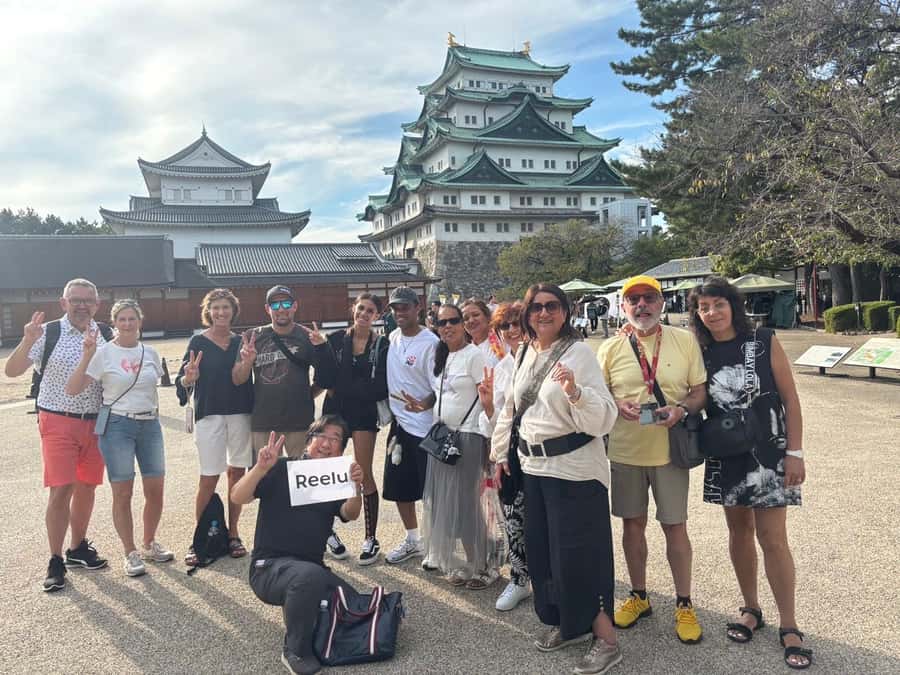
- Enter Nagoya Castle through the East Gate and learn why the layout matters
- Ninomaru Garden gives you a calm break from the crowds and a better sense of castle design
- Honmaru Palace interiors show off sliding screen art and traditional rooms
- Kinshachi Yokocho is timed well for trying a few local bites and doing quick shopping
- English-speaking live guides keep the pace tight and the explanations clear (I’ve seen guides like Mariko, Ray, Shu, and Toshi praised for this)
- $41 for 2.5 hours is a solid value if you want both heritage + food without extra transit time
Nagoya Castle in 90 minutes: what you’ll actually get
Nagoya Castle is one of those places where you can wander and admire—or you can walk in with a guide and suddenly the building details feel like they have names. This tour is built for the second option. You start at the East Gate and move with your guide through the areas that visitors usually miss when they rush.
The big win is that the castle is more than a pretty backdrop. The story is about samurai-era power and how buildings were designed to control movement, protect key rooms, and reflect rank. Even if you’re not a military history person, you’ll still notice the logic: where people would stand, where sightlines would matter, and how the grounds guide you from public spaces toward more controlled areas.
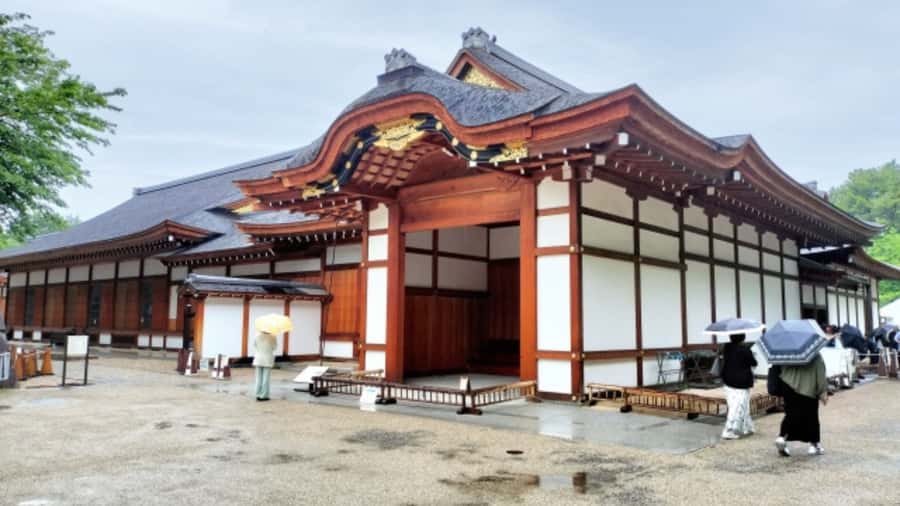
You’ll also spend real time in the places that make the castle feel Japanese rather than museum-like. The Ninomaru Garden is a great example. It’s peaceful enough that your photos won’t look like everyone else’s, and it helps you understand that gardens weren’t just decoration—they were part of the living rhythm of the compound. Then you shift into the Honmaru Palace, where the experience changes from outdoor walking to indoor viewing of traditional spaces. Sliding screen paintings and the feel of the rooms make it easier to picture what everyday ceremony and authority looked like.
Why the timing works
You’re looking at about 1.5 hours at Nagoya Castle. That’s enough time to cover the major sections without feeling like you’re sprinting. For first-timers, it’s a sweet spot: long enough to get context and stop guessing. For cruise passengers or anyone on a tight schedule, it’s also efficient.
If you’re the type who loves lingering, you might want extra time after the tour ends. But for a focused heritage hit, this length keeps you moving and still gives you meaningful stops.
East Gate entry: the smartest way to start
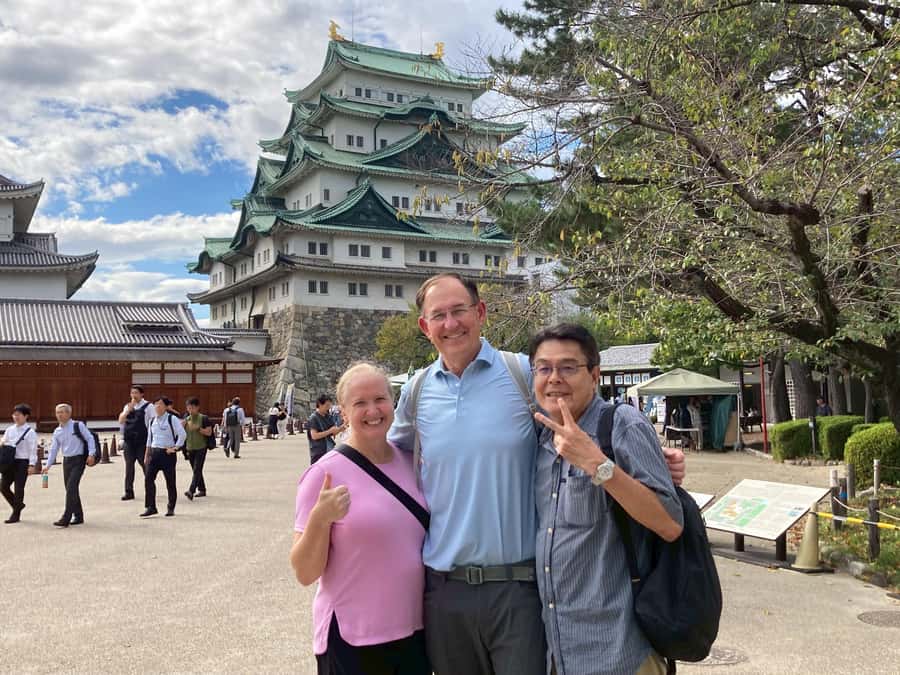
Starting through the East Gate matters more than it sounds. Castle grounds are designed to funnel people and reveal spaces in stages. When you enter the right way, you don’t just see structures—you get a sense of sequence.
Here’s what that means for your experience:
- You’ll see the castle through a guided path rather than random side streets.
- Your guide’s explanations land better because you’re looking at the exact features they’re pointing out.
- You’ll get oriented early, which helps if you plan to explore more on your own after.
This tour also keeps a steady pace. Guides like Mariko are noted for keeping things organized and on time, so you’re not stuck waiting while the group sorts itself out.
Ninomaru Garden: where you slow down without wasting time
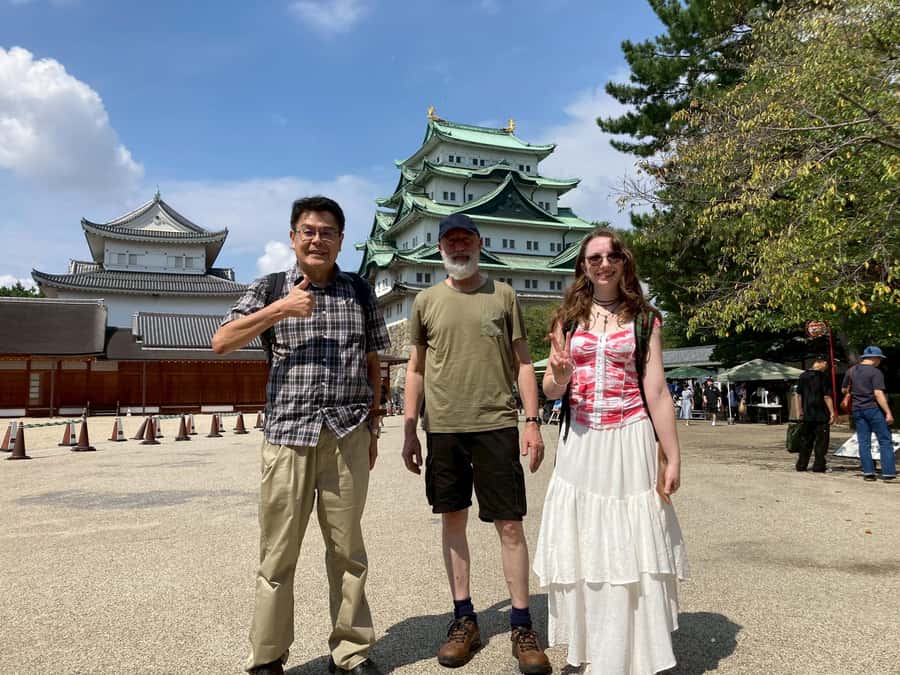
The Ninomaru Garden is the tour’s pressure-release valve. After the early castle sections, it’s a place to reset. You’ll appreciate it more if you take a few moments to look up from your phone. Garden design is part of the story here; it shows how beauty and function can sit side by side.
Even if you only walk through quickly, the guide framing helps. Instead of treating the garden like a green patch, you’ll understand it as a designed space within a larger system. That changes how you notice stone walls, paths, and the way the grounds feel.
If you’re traveling with someone who gets tired fast, this stop is also a good compromise. It’s less strenuous than busy market streets, but it still feels like part of the main attraction.
Honmaru Palace and sliding screens: the part that sticks
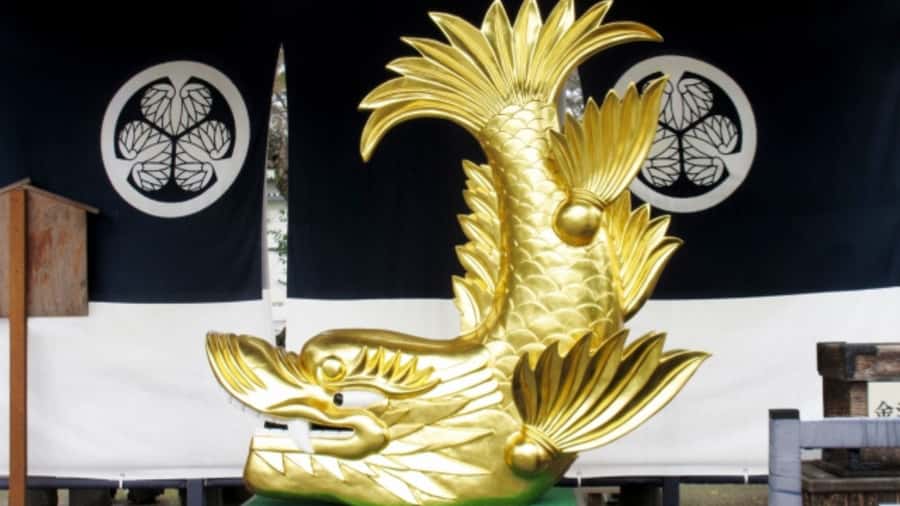
The Honmaru Palace visit is where the tour becomes more than sightseeing. The highlight here is the traditional interiors and the sliding screen paintings inside. These elements are visual storytelling—so your guide’s interpretation makes a difference.
This is the moment where you’ll start connecting dots:
- Castle architecture isn’t only about defense.
- It’s also about status and the way spaces are used for people of different ranks.
- Art and room design work together to communicate authority.
If you love photos, you’ll get good opportunities, but don’t rush. The screens and room details are best when you give them 20–30 seconds each instead of trying to capture everything at once. Your guide can point out what to look for, which helps you avoid the usual problem of blurry or generic shots.
Kinshachi Yokocho: local dishes and a practical food window
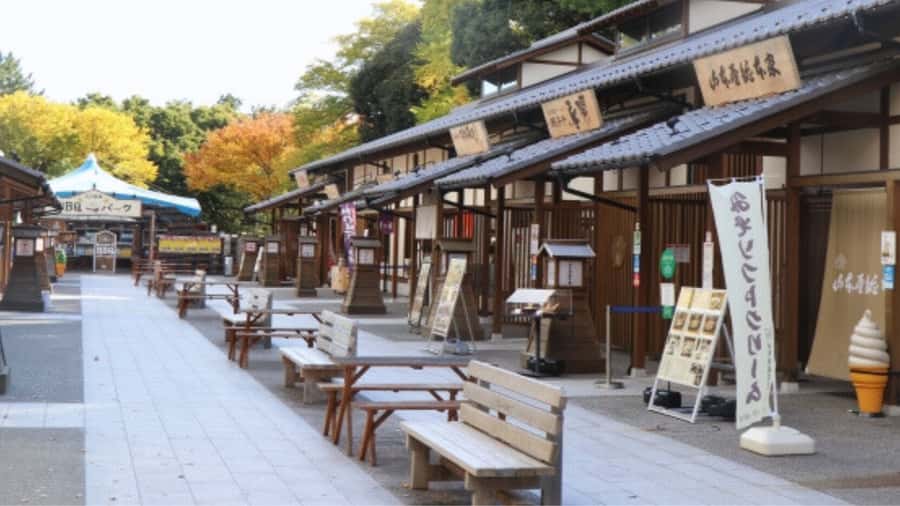
After the castle, you head to Kinshachi Yokocho, timed at about 30 minutes. This isn’t a long food crawl. It’s a focused stop designed to help you taste local flavors without swallowing your schedule.
The surrounding area uses traditional-style storefronts, which makes the snack time feel like you’re stepping into an old-style Nagoya street vibe. Your guide introduces what you’re seeing and what to try, so you’re not standing there guessing what locals actually order.
What to do with 30 minutes
To use this stop well, I suggest a simple strategy:
- Pick one savory bite and one sweet or drinkable item (if you like dessert).
- Browse souvenirs quickly, but don’t let shopping eat all your time.
- Ask your guide what’s most typical for Nagoya, not just what looks good in a photo.
The food and drinks themselves aren’t included, so you’ll pay out of pocket. Still, having a guide pointing you toward the right items can be a big value, because you’ll spend less on trial-and-error.
A nice extra some guides may offer
Some guides are known for sharing extra local ideas beyond the strict itinerary, like where to do a low-key sake tasting. It’s not a guaranteed stop, but it’s the kind of local nudge that can make your day feel more personal.
Price and value: what you’re paying for
The tour costs $41 per person for about 150 minutes (up to 3 hours), including castle admission. Whether that feels like a good deal depends on what you want out of Nagoya in a short window.
Here’s the math that matters:
- You’re paying for a guided castle experience plus entry.
- You’re not paying extra for separate tickets for the included castle areas.
- You’re getting a structured walk rather than figuring out the best order yourself.
If you were to do Nagoya Castle solo, you’d still have to figure out what to prioritize inside and how to interpret what you’re seeing. This tour covers that gap with live explanation. In that sense, the price is less about paying for walking and more about buying clarity and time.
For cruise travelers and first-timers, that’s usually where value lands. You spend your limited hours seeing the right places and learning enough context to enjoy a return visit later—or to keep exploring confidently on your own.
Logistics that can affect your day
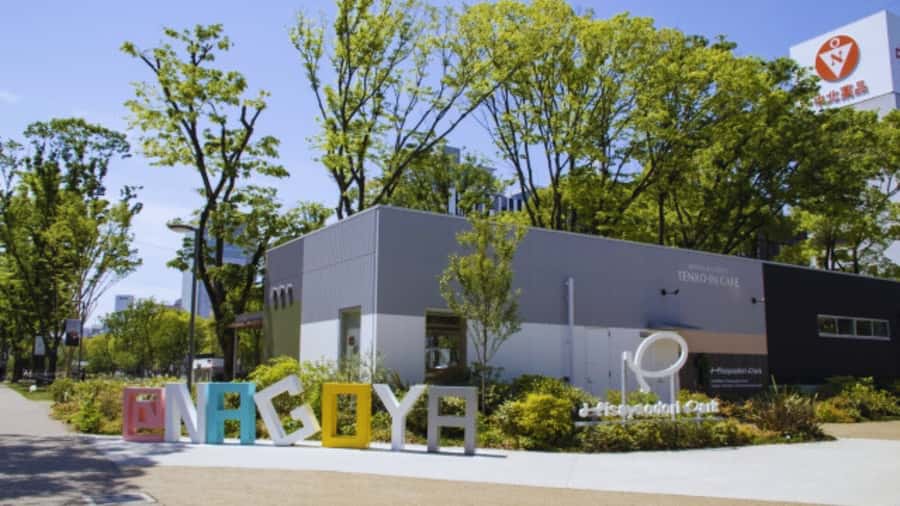
This is a short walking tour, so your comfort matters more than you’d think.
Bring:
- Comfortable shoes (you’ll be on your feet through gardens and palace areas)
- A camera for photos
- Sunscreen on sunny days (recommended)
Know up front:
- Transportation to and from the meeting point is not included.
- Food and drinks at Kinshachi Yokocho are also not included, so you’ll want a small budget ready.
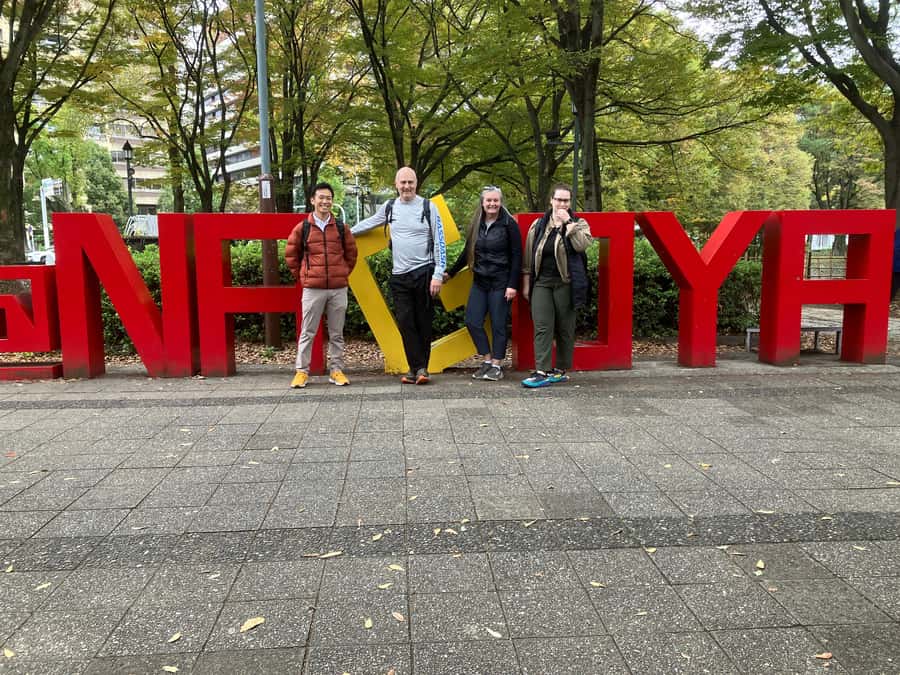
Your meeting point can be one of two starting options: Nagoya Monument or 名古屋港ポートビル (Nagoya Port Building). Either way, you’ll start near the port area region, and your guide will take the group into Nagoya Castle from there.
Who this tour is best for
This tour is a great match if you:
- Have only a few hours and want a full-feeling day
- Want both culture and food without planning
- Prefer a guide who keeps you moving and answers questions along the way
It’s also a smart pick for couples and solo travelers who like structure. If you’re traveling with kids, the pace is fairly direct, but the indoor palace parts can mean some standing and listening. In that case, you’ll do best if your group is okay with a learning-focused visit.
If you’re a serious castle nerd, you might still want more time afterward for extra wandering. This tour gives you a strong foundation, not the last word on every corner of the site.
The guide factor: why names show up in the feedback
Good guides don’t just tell facts—they shape how the site feels. This tour’s reviews repeatedly highlight guides who stayed organized, answered questions patiently, and kept the group oriented.
For example:
- Mariko is praised for organizing the group and explaining cultural meaning.
- Ray is mentioned for being informative and offering local recommendations.
- Toshi is noted for answering even small questions and sharing local side ideas like sake tasting.
- Shu is recognized for making the experience easy to follow and keeping everyone comfortable.
Even if the specific guide changes day to day, that overall approach matters. You’re signing up for clarity and momentum, not just a name-and-date lesson.
Should you book the 2.5-hour Nagoya tour?
I’d book it if you want a compact Nagoya experience that combines castle heritage with a real local food moment. The biggest reason is simple: you get guidance where it counts. Nagoya Castle can feel like a lot if you don’t know where to look. With a guide, it becomes readable.
I’d think twice only if you’re trying to keep spending extremely tight. Food and drinks at Kinshachi Yokocho cost extra, and transportation to the meeting point is on you. Also, if you hate walking, the 2.5-hour format won’t suddenly feel like a museum visit—your feet will work.
Overall, for $41, this is a practical, high-ROI way to see Nagoya’s identity in one morning or afternoon block.
FAQ
How long is the tour?
The tour runs about 150 minutes to 3 hours.
What language is the guide?
The tour includes an English live tour guide.
What does the tour price include?
It includes a guided tour of Nagoya Castle, visits to Ninomaru Garden and Honmaru Palace, and the admission fee to Nagoya Castle.
What is not included in the price?
Transportation to and from the meeting point, personal expenses, and food and drinks are not included.
Where do I meet the guide?
The meeting point may vary by option. It can be at Nagoya Monument or 名古屋港ポートビル (Nagoya Port Building).
Where do you enter Nagoya Castle?
You enter Nagoya Castle through the East Gate.
How much time is spent at Kinshachi Yokocho?
Kinshachi Yokocho is scheduled for about 30 minutes for a break, visiting, street food, and shopping.
Should I bring anything specific?
Wear comfortable shoes and bring a camera. Sunscreen is recommended for sunny days.
Can I cancel and get a refund?
Yes. You can cancel up to 24 hours in advance for a full refund.
What if I want to keep my plans flexible?
You can reserve now and pay later, based on the options shown at booking.