REVIEW · ADDIS ABABA
Addis Ababa +Mount Entoto View Point,Museums Palace Market Tours
Book on Viator →Operated by Daily Addis Tours · Bookable on Viator
Mount Entoto turns Addis Ababa into a view from above. In one half-day you get big skyline panoramas and a well-packed mix of museum, markets, and memorials. One thing to plan for: you’ll likely pay extra if you want to step into the Entoto park itself.
This tour is built for a practical day—pickup and drop-off, air-conditioned transport, and an on-board setup that keeps things moving (including WiFi). The schedule is also flexible enough that your stops can match your interests, which matters when your time in Addis Ababa is short. Still, with so much on the route, expect each highlight to be fast and focused, not slow and lingering.
At 3,200 meters on Entoto Hill, the air changes. Bring a light layer, even if it feels warm downstairs, and keep your pace steady on the uphill drive.
In This Review
- Key highlights you’ll feel on the day
- Riding Up to Mount Entoto: 3,200m Views and Eucalyptus Air
- Menelik II’s Palace Area: Sacred Grounds Under Eucalyptus
- Shiro Meda Market: Handwoven Cotton, Bargains, and Good Gift Finds
- National Museum of Ethiopia: Lucy (Dinkinesh) and the Human Story
- Tiglachin Monument and Ethiopia’s Memorial Map
- Tomoca Coffee, Honey Tasting, and the End-of-Day Taste Test
- Price and Logistics: Why $65.55 Can Make Sense
- Should you book this Addis Ababa Entoto + Museums + Market tour?
- FAQ
- How long is the tour?
- What is the price per person?
- Is pickup and drop-off included?
- What admissions or attraction fees are included?
- Is lunch included?
- Is WiFi provided during the tour?
- Do I have to pay an extra fee to enter Entoto park?
- How much time do you spend at Shiro Meda Market?
- Does the tour include the National Museum of Ethiopia?
- Is alcohol included?
Key highlights you’ll feel on the day
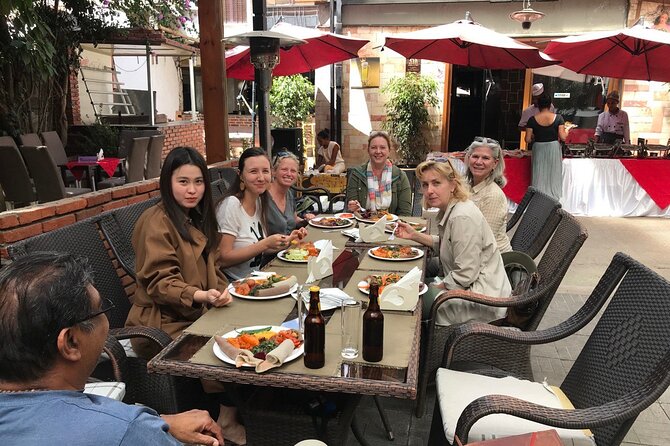
- Mount Entoto at 3,200m: panoramic views over Addis Ababa on clearer days
- Menelik II’s palace grounds: eucalyptus “lung of Addis Ababa” atmosphere and sacred sites
- Shiro Meda market shopping: handwoven cotton textiles, scarves, bedcovers, and bargaining
- National Museum of Ethiopia: Lucy (Dinkinesh) plus major archaeological finds
- Memorial and monarchy stops: Tiglachin Monument, Yekatit 12 memorial, Lion of Judah, Menelik II Square
- Tomoca Coffee + honey tasting: a coffee ceremony moment and Ethiopian honey products
Riding Up to Mount Entoto: 3,200m Views and Eucalyptus Air
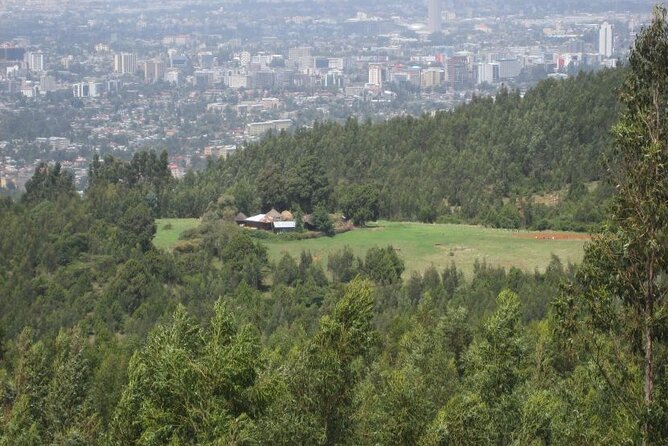
The day starts with the uphill drive to Entoto Hill, which sits around 3,200 meters—basically the roof of Addis Ababa. You’ll pass homes and smaller villages along the way, then climb into areas marked by highland growth and thick eucalyptus. The change is noticeable fast: the air feels different, and the eucalyptus scent is part of the experience.
At the top, the payoff is straightforward. You get a wide-angle view of the city and the surrounding countryside—best on a clear day, but even in mixed weather it’s still a striking way to get your bearings. The timing is tight by design: plan on about 35 minutes at the viewpoint area. That’s enough for photos, a short walk, and a quick “ok, I get this city now” moment.
Two practical notes help here. First, the information you’re given says the Entoto park entrance fee is not included. The price for entering the park is listed as $9 per person—so if you want to actually go inside the park boundaries (not just stand at the view), you should budget for that. Second, altitude can make you feel a bit more winded than you expect, so take it easy on the first steps after arriving.
Menelik II’s Palace Area: Sacred Grounds Under Eucalyptus

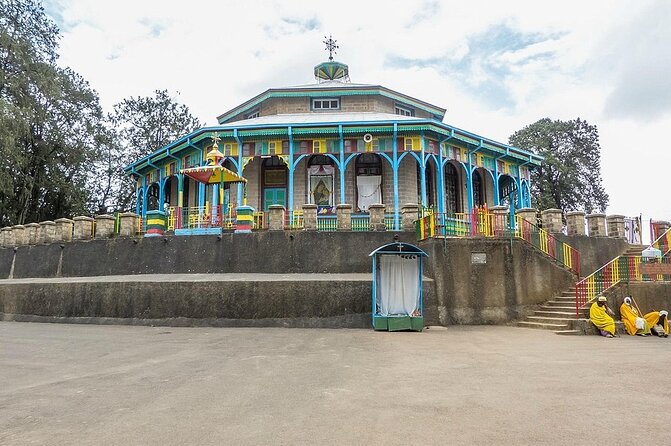
Next comes Emperor Menelik II’s palace area—historical headquarters territory from the early days of Addis Ababa. This isn’t just a photo stop. The setting itself helps you understand why the place matters: it’s described as sacred and tied to religious life, with monasteries and celebrated churches in the broader Mount Entoto zone.
You also get the eucalyptus forest angle, which is more than scenery. The eucalyptus trees were imported during Menelik II’s reign and planted heavily during Haile Selassie’s era. Locals have long treated this “lung of Addis Ababa” as a real resource, including for firewood and earlier building needs. Standing in that forest, you get a sense of how the hills support the city, not just how they look over it.
Your time here is about 1 hour. That’s a solid window for walking the area, reading what you can, and taking in the religious atmosphere around the palace grounds. The “consideration” in this section is simple: because you’re moving on fairly soon after, don’t plan on deep, slow exploration. If you want to study every detail, this tour gives you a great start, but you may still want to revisit later on your own.
Shiro Meda Market: Handwoven Cotton, Bargains, and Good Gift Finds
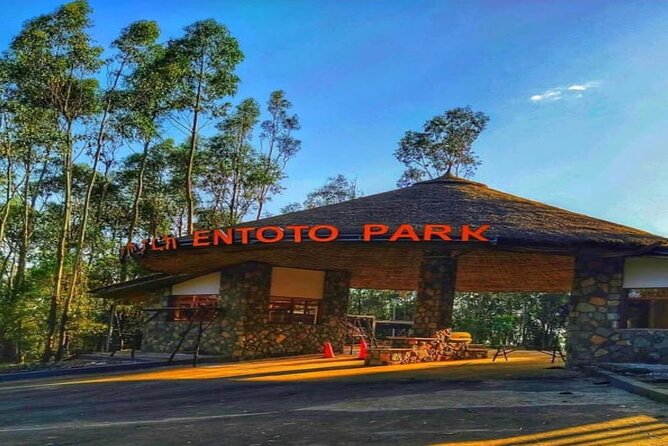
When you want a break from viewpoints and stone memorials, Shiro Meda Market hits the sweet spot. This is a local textiles market near the US Embassy area of Addis Ababa. You’ll see Ethiopian textiles in lots of forms—clothing, linens, and special-occasion pieces. It’s especially known for handwoven cotton items, and it’s a strong place to shop for scarves and everyday-to-special clothing.
The best part is how you’re meant to shop here. Bargaining is part of the game, so go in with patience and a willingness to negotiate. If you’re practical about it, you can score gifts that feel genuinely Ethiopian—bed covers, table clothes, earrings, necklaces, and T-shirts are all mentioned as popular buys. Even if you don’t plan to buy much, this is one of those markets that teaches you what to look for.
Your market time is around 35 minutes. That’s enough to browse, compare, and decide if you want a few items—or just one “I’m taking something home” purchase. If you hate crowds or dislike fast shopping stops, you might feel slightly rushed. But if you like markets and want a concentrated hit without losing half a day, this timing works.
National Museum of Ethiopia: Lucy (Dinkinesh) and the Human Story
Then the tour pivots from modern Ethiopia to deep time at the National Museum of Ethiopia. This is one of the places where you can feel the scale of the country’s archaeological record. The museum is described as strong in both quality and variety, with highlights that are easy to recognize even if you’re not a museum expert.
The biggest name is Lucy—also called Dinkinesh, meaning thou art wonderful in Amharic. The museum’s exhibit covers the 3.5 million-year-old fossil of Australopithecus afarensis. The provided description also stresses why this discovery mattered: it forced people to reconsider human genealogy, showing that ancestors walked roughly 2.5 million years earlier than previously thought. Even if that timeline doesn’t stick perfectly in your head, you’ll remember the “wow” of seeing such an old, central piece of the human story.
This stop runs about 45 minutes. That’s enough to see the major areas and not feel like you’re sprinting through everything. The main drawback: if you’re the type who can spend hours with captions, you may wish you had more time. But as part of a 4–6 hour day, this duration is a smart compromise.
If you want a smooth museum visit, use this order in your head: first, locate the big fossil highlight, then let yourself wander toward older artifacts and pre-Axumite civilization pieces you can spot as you go. It helps you avoid the feeling that you’re missing “the point.”
Tiglachin Monument and Ethiopia’s Memorial Map
After the museum, you shift into Addis Ababa as a place where the past is built into the city. Several memorial and symbolism stops appear back-to-back, and the whole stretch helps you connect events to geography.
One key stop is the Tiglachin Monument, also known as the Derg Monument. It’s a memorial for Ethiopian and Cuban soldiers involved in the Ogaden War. The description gives you concrete details to look for: a central statue, a 50-meter tall pillar, wall reliefs on the sides, and two squares where portraits of Cuban soldiers are visible. There are even mentions of sculptures connected to North Korean government donations in 1984.
Then you have the Yekatit 12 memorial, an obelisk at Sidist Kilo Square. It commemorates the Yekatit 12 pogrom, described as an Italian war crime in Ethiopia occurring from 19 to 21 February 1937, named for the start date in the Ethiopian calendar. Next is the Lion of Judah, tied to biblical roots and also used as a symbol of Ethiopian monarchy, especially Emperor Haile Selassie.
Finally, there’s Menelik II Square, a central public space named after Emperor Menelik II with an equestrian statue and a gathering place vibe for national and religious holidays.
These stops are short—roughly 20 minutes at Tiglachin and around 15 minutes at Lion of Judah—so you don’t have time to overthink it. Instead, treat them like a guided “memorial walk-through,” where your main job is noticing symbols, understanding what each one remembers, and then moving on before you get tired.
Tomoca Coffee, Honey Tasting, and the End-of-Day Taste Test
Before you wrap up, you shift into senses again: coffee and shopping-type finales. At Tomoca Coffee, you’re set up for an Ethiopian coffee moment. The description points to Yirgacheffe and mentions the roasting smell and a coffee ceremony setup that includes frankincense. You’ll get a cup of coffee or a macchiato, and you can buy roasted beans or ground coffee as souvenirs.
Two reasons this stop works well late in the day. One, it’s memorable even if you’re already museum-ed out. Two, the coffee is tied to Ethiopia’s story at the level you can actually taste, not just read.
After that, there’s a quick honey tasting stop at a shop in Bole near the Hyatt Regency area (Safi Honey is named in the information). The focus here is sampling Ethiopian honey products, and it’s listed as admission free. This is a nice finish if you want edible souvenirs that don’t take up luggage volume.
If you’re sensitive to strong smells, you may want to take it slowly during the coffee ceremony portion, since frankincense is part of the experience.
Price and Logistics: Why $65.55 Can Make Sense
At $65.55 per person for a 4 to 6 hour day, this tour is a value play if you want multiple major sights without planning headaches. The price isn’t just for driving around. It includes pickup and drop-off, air-conditioned transport, a driver/guide, and listed admissions and attraction fees—covering things like Menelik II palace admission and museum entry, plus Mount Entoto viewpoint fees as specified.
It also includes WiFi on board, which sounds small but helps when you’re trying to check maps, translate menus later, or just keep your day organized.
Where you should be ready for extra costs is clearly stated. Lunch at the Addis Ababa Restaurant is not included, and tips for your driver/guide are not included either. Also, alcoholic drinks are not included if you choose to purchase them. And remember the key potential surprise at Entoto: Entoto park entrance is not included, listed at $9 per person if you enter the park.
One more practical point: the group size is up to 15 travelers, and the reviews you’re given highlight that the guide can personalize the day. When your time is limited, smaller groups often feel less chaotic than bigger coach tours—especially around shopping and museum transitions.
This tour fits best if you’re:
- on a short Addis Ababa stay
- mixing views + culture + shopping in one efficient block
- comfortable with a schedule that moves every few stops
It may not fit as well if you want deep time at a single museum, or if you prefer very slow pacing without uphill drives and tight stop durations.
Should you book this Addis Ababa Entoto + Museums + Market tour?
Yes—if you want a smart, high-yield day that covers the essentials without you stitching together tickets and transport yourself. The strongest reason to book is the combination: Mount Entoto viewpoints, a major museum stop, and memorials plus shopping—all wrapped in pickup/drop-off and included admissions.
Hold off or plan extra budget if you know you’ll want to enter the Entoto park itself and you want a long, unhurried museum experience. But for most first-timers trying to make the most of limited time, this is a solid way to feel the city’s range in a single afternoon.
FAQ
How long is the tour?
The experience runs about 4 to 6 hours total, with shorter timed stops at each location.
What is the price per person?
The price listed is $65.55 per person.
Is pickup and drop-off included?
Yes. Airport/Hotel pickup and drop-off are included.
What admissions or attraction fees are included?
The included info lists admission fees for Menelik palace, Saint Mary church, and Mount Entoto view points, plus other attraction fees.
Is lunch included?
No. Lunch at the Addis Ababa Restaurant is not included.
Is WiFi provided during the tour?
Yes. There is WiFi on board.
Do I have to pay an extra fee to enter Entoto park?
The information says the Entoto park entrance fee is not included. If you want to enter the park, the cost is listed as $9 per person.
How much time do you spend at Shiro Meda Market?
You get about 35 minutes at Shiro Meda Market.
Does the tour include the National Museum of Ethiopia?
Yes. The National Museum of Ethiopia stop is included, and admission is listed as included.
Is alcohol included?
No. Alcoholic drinks are not included (they’re available to purchase).