REVIEW · NEWCASTLE UPON TYNE
Annual Admission Newcastle Castle Ticket
Book on Viator →Operated by Newcastle Castle · Bookable on Viator
Newcastle Castle is a time machine with stairs. You get access to two surviving medieval sections, the Castle Keep and the Black Gate, and you can walk the corridors, chambers, and exhibits at your own pace. I especially like the way the site connects big eras in one loop, from Roman settlement to medieval stronghold and museum storytelling, and I love the payoff at the top for views over Newcastle and the River Tyne. The main thing to plan for is physical unevenness and steep stairs in the Castle Keep, plus partial accessibility for some areas.
For a little over an hour or closer to two, this feels like a strong anchor stop in Newcastle. The ticket is mobile, and the grounds are designed for independent exploring once you enter through the Black Gate reception. One practical drawback: if you’re expecting full accessibility across both buildings, the Castle Keep upper storeys aren’t open to disabled visitors, with only limited accessible options inside.
In This Review
- Key things to know before you go
- What you’re really buying: annual entry to two medieval buildings
- Entering through the Black Gate: start here, then choose your pace
- Castle Keep: the climb for big views and real old-stone feeling
- What you’ll notice as you go in
- The exhibit vibe inside the Keep
- The payoff: top views over Newcastle and the Tyne
- A smart heads-up
- Black Gate gatehouse: easier access and the best museum comfort
- Why this building is worth your time
- The Black Gate perspective
- The 19th-century railways twist: why the site feels fragmented
- How long should you plan for?
- Built for real-time visiting: mobile ticket and small-group feel
- Accessibility and mobility: plan your route based on the Keep
- What’s accessible
- What’s hard
- Families, kids, and the people-factor
- Dogs and service animals
- Is it worth the price? Annual value beats one-time tickets
- Should you book the Newcastle Castle annual admission?
- FAQ
- What does the annual ticket include?
- How long does the visit usually take?
- Where do I start inside the castle?
- Are both buildings fully accessible?
- Is there an accessible option inside the Castle Keep?
- Are dogs allowed?
- Are there lots of stairs?
- Is there a shop inside?
- Is the ticket mobile?
- What are the opening hours?
Key things to know before you go
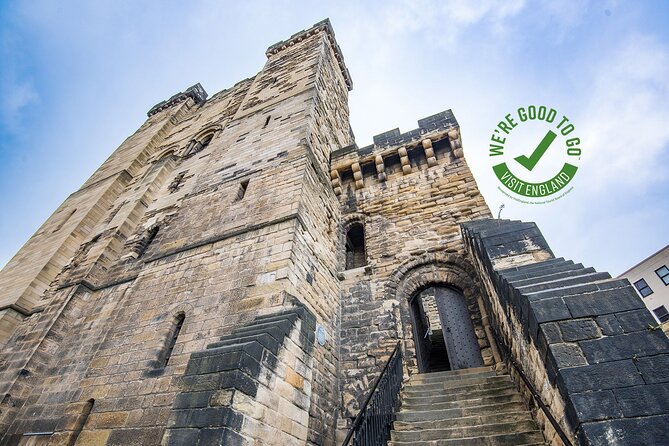
- You enter two buildings: Castle Keep plus the Black Gate gatehouse, cut off from each other by Victorian-era railways
- It is self-guided: exhibits walk you through stories of kings, prisoners, armies, and the Castle Garth community
- Your best views need effort: the climb to the Castle Keep top is steep, uneven, and worth it
- Accessibility is split: Black Gate has ramps and an external lift, while Castle Keep has steep stairs and limited access
- Your annual ticket lasts: valid from your chosen day for 364 more days
What you’re really buying: annual entry to two medieval buildings
This is an annual admission ticket to Newcastle Castle from your selected date, plus the next 364 days. That means you can treat your visit like a first draft today, then circle back later when you have more time or better weather. It is also why the price feels reasonable compared with a one-and-done ticket.
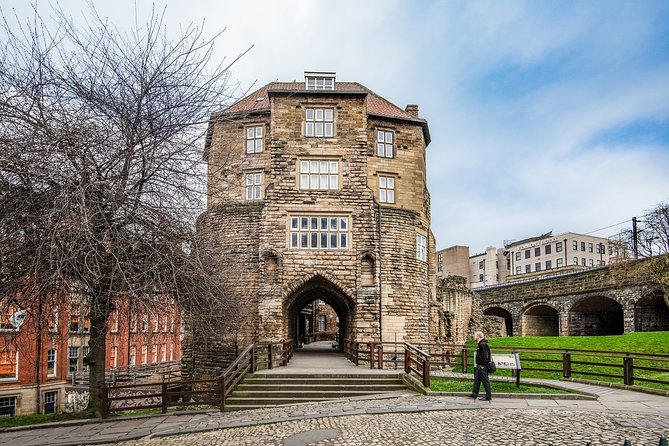
On the ground, the experience is less about a single grand palace and more about a fortress site that survived in pieces. You focus on two buildings: the Castle Keep (the heavier, most stair-heavy structure) and the Black Gate (the gatehouse). The exhibits help connect how the fortress worked and who lived, guarded, or suffered inside.
A clever detail is how the railways of the 1800s physically split the buildings. You are walking a site that history literally broke up for modern transport. That contrast is part of the charm. It also helps explain why what you see today feels both intact and incomplete.
Entering through the Black Gate: start here, then choose your pace
You begin at the Black Gate side at the castle’s reception. This is the smoother starting point for most people, and it sets the tone: it feels like you’re entering a medieval threshold, not just a museum door.
Once you’re inside, you can explore the buildings independently. The exhibits guide you through the castle’s evolution over the years—Roman-era settlement, later medieval stronghold, and its role as a museum in more modern times. The storytelling ties into the people you might not expect to be center stage: kings walking chambers, prisoners held in spaces, and the armies linked to the site’s defense.
If you want a practical visit plan, do Black Gate first while your legs are fresh. Then move to the Castle Keep when you’re ready for the steep, uneven climb.
Castle Keep: the climb for big views and real old-stone feeling
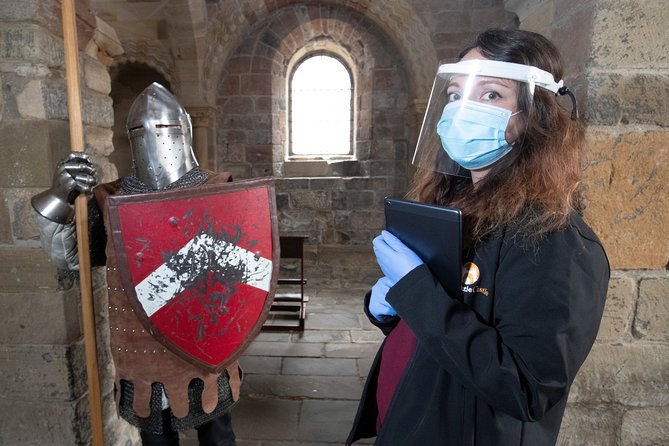
The Castle Keep is the one many people remember, and for good reason. It is the dramatic part of the experience—passageways, chambers, and the sense that you’re moving through spaces where the rules of medieval life were strict.
What you’ll notice as you go in
Expect steep and uneven surfaces. Even when you’re careful, it changes your walking rhythm. That matters because the whole building rewards slow attention. Window views and corridor angles make you look up and through—not just forward.
The exhibit vibe inside the Keep
The exhibits focus on the castle’s characters and functions over time—kings, prisoners, armies—and you can also spot marks left by inhabitants through the ages. It is not just grand walls; it is the lived-in trace of different eras stacked on top of each other.
The payoff: top views over Newcastle and the Tyne
If you’re the kind of traveler who likes a climb only when it pays off, this one fits. Getting to the upper levels is hard work, but the views over Newcastle city and the River Tyne are the reward people talk about. Even in less-than-ideal weather, the perspective can still feel worth it.
A smart heads-up
Some upper storeys are not accessible to disabled visitors. Even if the building is fascinating, you may need to shape your visit around what parts you can reach safely. There is also limited accessible options in the Castle Keep, including an audio-video walk-through of the Gaol in the only fully accessible room there.
Black Gate gatehouse: easier access and the best museum comfort
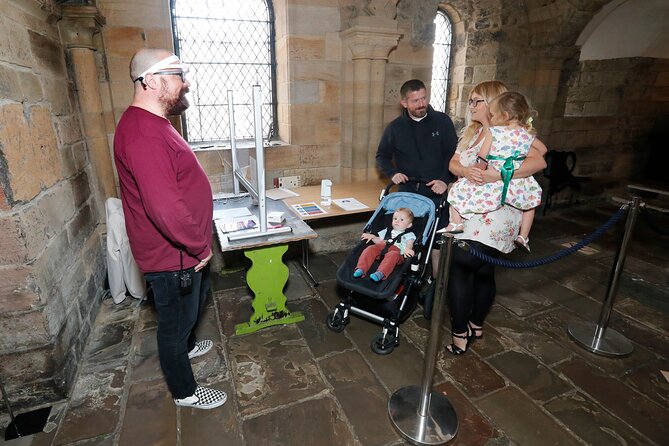
The Black Gate is the more accessible building of the two. If you’re traveling with anyone who needs ramps or an elevator, this is a big reason to include the ticket.
Why this building is worth your time
It’s fully accessible, and the site has ramps plus an external lift. That lift also connects you to higher levels, including the shop. There is an adapted accessible toilet on the first floor.
So while Castle Keep asks your legs to work, Black Gate gives you a smoother museum experience. You can spend more time reading, watching, and orienting yourself. It’s also where you’ll likely feel more relaxed if you’re managing mobility or you just don’t want the constant step-counting.
The Black Gate perspective
Gatehouses are practical buildings: they exist to control movement and defense. Walking through it makes the castle feel like an active system, not just a backdrop.
The 19th-century railways twist: why the site feels fragmented
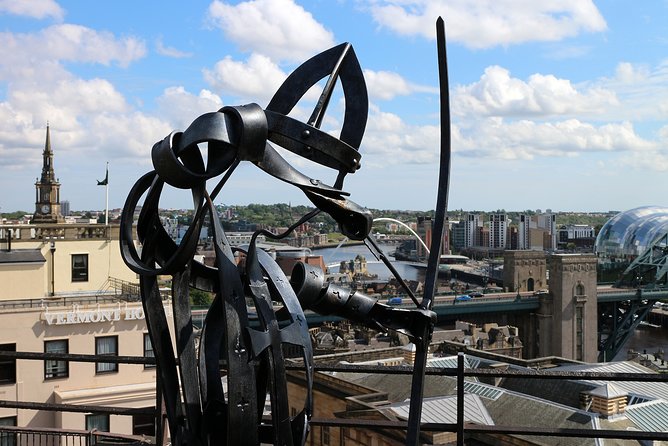
One of the most interesting realities here is that the Castle Keep and Black Gate were cut off from each other by Victorian railways. It is an unfortunate side effect of industrial growth in the North East, but it also creates a very real feeling of history colliding with modern infrastructure.
That means your visit is not one continuous climb from bottom to top in a single block. Instead, you shift between the two buildings, experiencing the fortress in separated sections. If you like places with honest layers—old defense next to modern city logic—this site delivers.
You might also notice the train line running close to parts of the castle. It can be jarring, but it also makes the story feel current, not sealed away.
How long should you plan for?
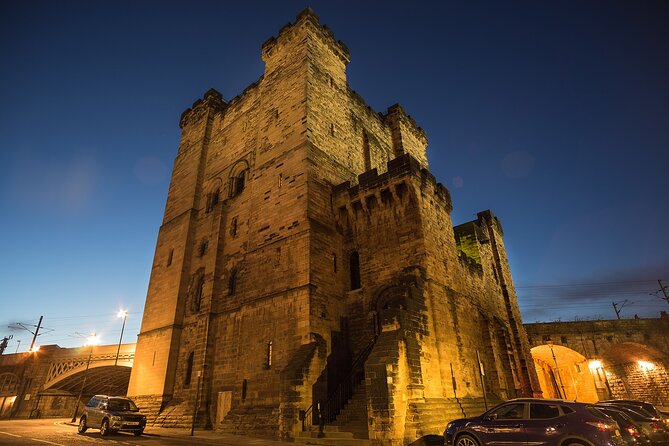
Most visits land around 1 to 2 hours. If you like to read everything and take your time with viewpoints, lean toward the longer end.
Here’s a good rhythm:
- Start at Black Gate, settle in with the exhibits.
- Move to the Castle Keep when you’re ready for stairs and uneven ground.
- Save the top viewpoint climb for when you’re most likely to enjoy it—clearer light often helps, even if you do it in rain.
Built for real-time visiting: mobile ticket and small-group feel
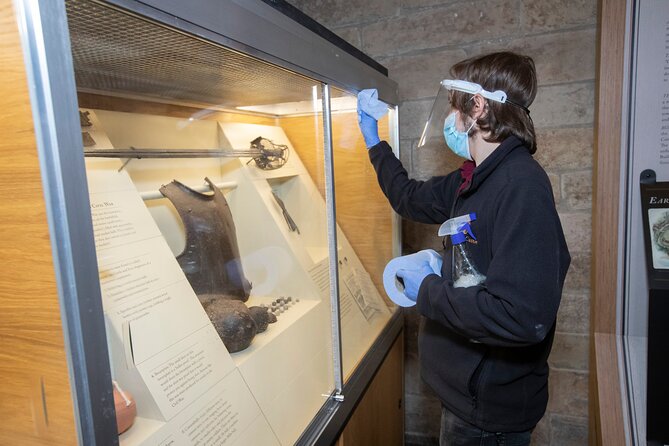
Your ticket is mobile, which is usually a fast way to get into historic sites. Confirmation comes at booking, so you should be able to show your ticket quickly when you arrive.
There is also a maximum of 15 travelers for the experience. That usually helps you avoid the worst crowds and keeps the vibe more walkable.
Accessibility and mobility: plan your route based on the Keep
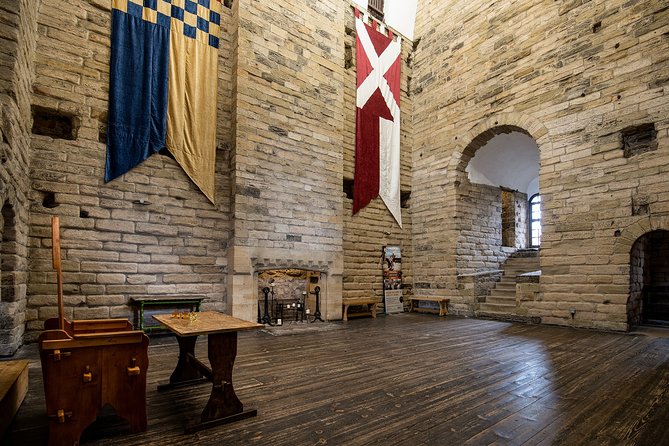
This site has a mixed accessibility picture, and it’s best to know it up front so you don’t waste energy.
What’s accessible
- Black Gate: ramps and an external lift make the building largely accessible, including upper levels such as the shop and an adapted accessible toilet on the first floor.
- Castle Keep: while the building is a Scheduled Ancient Monument, many upper storeys aren’t accessible. However, the Gaol has an audio-video walk-through and is the only fully accessible room in the Castle Keep.
What’s hard
- Steep stairs and uneven surfaces in the Castle Keep.
- Limited access to upper storeys for disabled visitors.
If you’re bringing a mobility aid, wear sturdy footwear, and consider Black Gate as your main anchor inside the castle buildings.
Families, kids, and the people-factor
This is a great choice if you want something historic that still feels like it has action. The exhibits cover kings, prisoners, and armies, and that story language often lands well with kids who get excited by weapons and battle-era details.
On one day, a barber surgeon re-enactor was in the Great Hall, which is the sort of interpretive moment that makes medieval history feel real and a little gory (in the classroom kind of way). It isn’t something I’d build your entire schedule around, but it’s a good reminder that special interpretive talks can pop up.
Also, keep expectations practical: this isn’t a playground castle. It is stone corridors and staircases, so kids will do best when you pace the visit and build in breaks.
Dogs and service animals
Dogs aren’t permitted, except guide dogs. Service animals are allowed. If you’re traveling with a buggy, it can be parked in the reception of the Castle Keep.
Is it worth the price? Annual value beats one-time tickets
At $17.34 per person, the value comes from how long the ticket lasts and how two-building admission works here. You’re not only paying for entry today; you’re buying the option to return within the year to re-read exhibits or re-do the viewpoint climb.
It is especially good value if you:
- like revisiting places when the light changes
- plan to spend a full day in Newcastle and want a dependable historical stop
- want one ticket that can cover a first pass plus a second, slower visit
If you’re in town for only a few hours total, it can still be worth it—but then you’ll want to choose your priorities carefully so you don’t feel rushed.
Should you book the Newcastle Castle annual admission?
Book it if you want a flexible, self-guided castle visit that gives you both indoor exhibits and a real stair-climb payoff. It’s a strong fit for history lovers, families who like interactive exhibits, and anyone who wants to spend 1–2 hours learning in a place that still feels like a fortress.
Skip or plan differently if:
- mobility limits mean steep, uneven stairs in the Castle Keep are a deal-breaker
- you need full access across the whole Keep structure (since upper storeys aren’t accessible)
- you’re coming specifically for a guided experience every minute (the core experience is self-paced through exhibits and rooms)
If you fall in the middle—some flexibility, some stamina—this annual ticket is a smart way to get Newcastle Castle on your itinerary, then revisit it when you’re ready to look closer.
FAQ
What does the annual ticket include?
Your ticket includes annual admission to Newcastle Castle from the day specified, plus 364 days. It covers entry to the Castle Keep and the Black Gate.
How long does the visit usually take?
Plan for about 1 to 2 hours.
Where do I start inside the castle?
You begin your journey at the Black Gate reception.
Are both buildings fully accessible?
The Black Gate is fully accessible, with ramps and an external lift. The Castle Keep has many steep stairs and uneven surfaces, and some upper storeys are not accessible to disabled visitors.
Is there an accessible option inside the Castle Keep?
Yes. There is an audio-video walk-through of the Castle Keep’s Gaol, which is the only fully accessible room in the Castle Keep.
Are dogs allowed?
No, dogs are not permitted except for guide dogs. Service animals are allowed.
Are there lots of stairs?
Yes. The Castle Keep has steep stairs and uneven surfaces, so wearing supportive shoes helps.
Is there a shop inside?
Yes, the Black Gate has access to upper levels where the shop is located.
Is the ticket mobile?
Yes. You’ll have a mobile ticket.
What are the opening hours?
Opening hours are 10:00 AM to 5:00 PM, seven days a week, for the dates listed (01/02/2026 through 12/31/2026).