REVIEW · APELDOORN
Apeldoorn: Het Loo Palace Entry Ticket
Book on GetYourGuide →Operated by Paleis Het Loo · Bookable on GetYourGuide
Royal rooms in Apeldoorn, no passport needed. With an entry ticket to Het Loo Palace, you get a clear look at how Dutch royalty lived for centuries, plus time in the palace gardens. I’m especially drawn to how the experience mixes indoor rooms, museum galleries, and outdoor baroque layout, so your day feels like more than just walking halls.
I like the fact you can choose one of three themed story routes while you tour, with audio that brings specific royal figures into focus. I also love the payoff views, including the palace roof point where Queen Mary drank her tea and the neat, patterned look at the baroque gardens from above. One consideration: if you don’t use the audio app and want the paid audio device, it costs an extra €2.50.
In This Review
- Quick hits before you go
- Het Loo in one day: what this ticket really buys you
- Pick your audio story: three routes, different lenses
- Willem and Marry: power, family, and religion
- Wilhelmina’s Home: 19th- and 20th-century life
- At Home with the Royals: comfort, furniture, and coziness
- The underground foyer: arriving under a glass-bottom fountain
- Inside the palace: rooms where Dutch royalty lived for centuries
- Exhibition House of Orange-Nassau: art and objects with a purpose
- Royal carriages and cars: power you can see in transport
- Palace roof tea spot and baroque garden symmetry
- Baroque gardens: planned for power, kept for the present
- Price and value: is $25 per person a fair deal
- Getting there and making it work from the Netherlands
- Who should book this entry ticket
- Should you book Het Loo Palace entry?
- FAQ
- How long is the visit?
- How much does the Het Loo Palace entry ticket cost?
- What’s included with the ticket?
- Is parking included?
- Do I get audio during the visit?
- What languages are available for the audio?
- Can I cancel for a refund?
- Is there a reserve and pay later option?
- Is the experience wheelchair accessible?
Quick hits before you go
- Three story options: Willem and Marry, Wilhelmina’s Home, or At Home with the Royals
- Underground foyer arrival: you enter via a new underground space under a glass-bottom fountain
- Roof views with context: see the park and the baroque garden symmetry from where Queen Mary drank her tea
- Cars and carriages included: royal transport used for important events is part of the experience
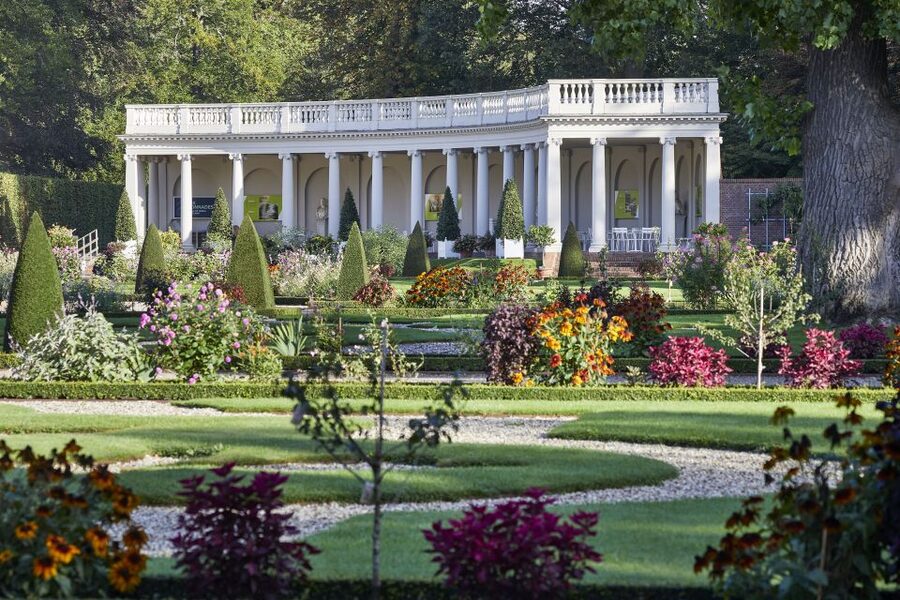
- Gardens recreated to original layout: Willem and Mary’s baroque garden plan is presented as it was first laid out
Het Loo in one day: what this ticket really buys you

Het Loo Palace is the kind of place where a single ticket can cover several different “moods” of royal life. Your entry includes the palace and gardens, plus access to the palace’s museum galleries as you move through the spaces. That matters because many big historic sites only give you one storyline. Here, you can shape your visit by picking a story route, then still enjoy the wider collection, the exhibition space, and the garden plan.
At the center of it all is the simple idea that this wasn’t a one-time showpiece. Kings and queens lived at Het Loo for over 350 years (with the palace becoming a major European center in the era connected to Willem III and Mary). The rooms don’t just look grand. They’re presented as places where power, family, and day-to-day routines met.
If you’re deciding whether $25 per person is worth it, I think the value comes from the mix: rooms, gardens, roof perspective, and the extra layers of audio storytelling. At this price point, you’re not just paying for entry—you’re paying to get a guided narrative structure you can follow at your own pace.
Pick your audio story: three routes, different lenses
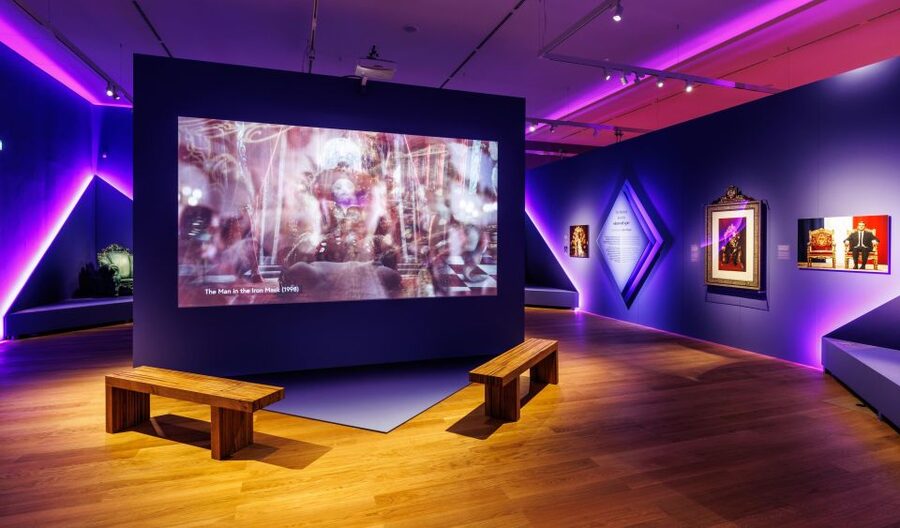
The ticket experience is designed around stories you follow during your visit. You’ll have access to three different story options, using audio delivered either through an app or via a paid audio device (€2.50). The audio is available in Dutch, English, and German, which makes it easy to match your language choice to what you’re most interested in.
Here’s how the three story routes differ, and how I’d choose between them:
Willem and Marry: power, family, and religion
If you want the political drama of the era, this is the track. The story focuses on Willem III and Mary and explains how Het Loo became a center of power in Europe when they were also linked to the English monarchy. Count Hans Willem Bentinck (Willem III’s best friend) takes the role of storyteller, and the audio frames palace life through 17th-century politics and palace secrets.
This route is great if you like when a museum makes the “why” clear: why a palace mattered beyond aesthetics.
Wilhelmina’s Home: 19th- and 20th-century life
This one shifts the tone. You’re guided into the world of Wilhelmina (King Willem-Alexander’s great-grandmother), focusing on her favorite palace and what life felt like there in the 19th and 20th centuries. The story is presented through characters guided by Ziarah and Mark, so it feels more like meeting people than reading about dates.
Choose this if you want a more personal angle—how the palace worked as a home across changing times.
At Home with the Royals: comfort, furniture, and coziness
This story route leans into everyday questions. A palace isn’t just a worksite for a king or queen. It’s also a place where expensive furniture and old paintings share space with the idea of home: is it comfortable, warm, lived-in?
This is the track I’d recommend if you’re touring with someone who gets bored by pure politics, or if you like social history: how status shows up in rooms you can actually stand in.
Practical tip: since you’re only here for a day, pick the story that matches your mood at the start. You can still wander beyond your route, but committing to one audio narrative helps you avoid the classic historic-site feeling of hopping without a plan.
The underground foyer: arriving under a glass-bottom fountain
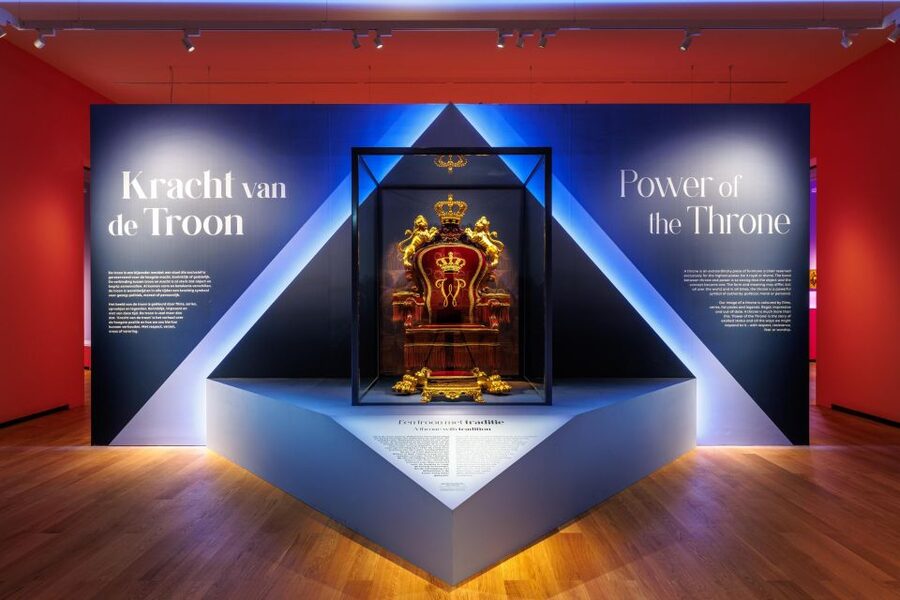
One of the most interesting first moments happens before you even reach the palace rooms. You enter through a new underground foyer, and you can see a glass-bottom fountain below. From a visitor standpoint, this does two useful things.
First, it gives you an orientation moment. You’re not just walking in off the street—you’re stepping into a curated entry sequence that makes the palace feel like a designed experience from the start.
Second, it turns the shift from outdoors to interiors into something memorable. You’ll get your bearings faster, and you’ll be less likely to feel lost once you’re inside.
Inside the palace: rooms where Dutch royalty lived for centuries
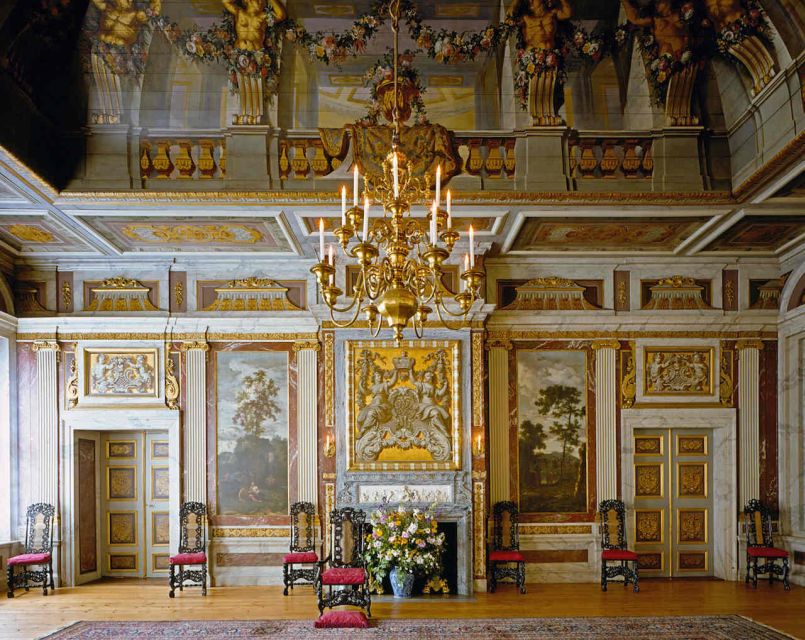
Your entry covers the palace rooms where kings and queens lived for hundreds of years. The key benefit of focusing on these rooms is simple: you can read history with your eyes rather than with your imagination. The spaces are meant to show how royal power was lived in, not just displayed.
Even if you pick one of the audio stories, you’ll still be surrounded by the broader context of the palace. Audio characters are used to bring time periods forward, but the rooms still work on their own as physical evidence of how the monarchy arranged daily life: where people would gather, where power would be felt, and how private and public spaces blur in a royal residence.
A smart strategy here is to slow down for the room-to-room transitions. The palace can feel like a lot of “important-looking rooms” at first. The payoff comes when you connect what the audio says to what you see—like how the same grandeur can reflect different eras and different priorities depending on who’s telling the story.
Exhibition House of Orange-Nassau: art and objects with a purpose
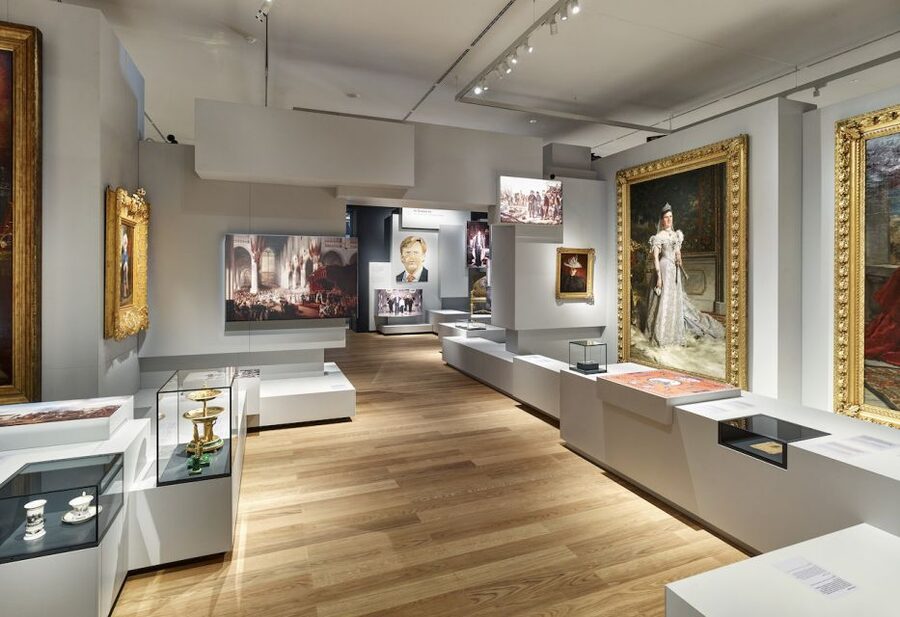
Along the route, there’s an exhibition space called The House of Orange-Nassau. It’s built around works of art, objects, and photos that trace the history of the Dutch monarchy. What I like about this format is that it supports the narrative without turning the whole day into one long lecture.
You’re getting an insight into the private life of the House of Orange-Nassau, which helps when you’re comparing what you see in the rooms with what you learn about the royal family. It also adds variety if you’re the kind of person who wants more than rooms and gardens.
If you’re short on time, don’t try to read every label. Instead, scan for the items that connect directly to your chosen story route, then let the rest be supporting context.
Royal carriages and cars: power you can see in transport
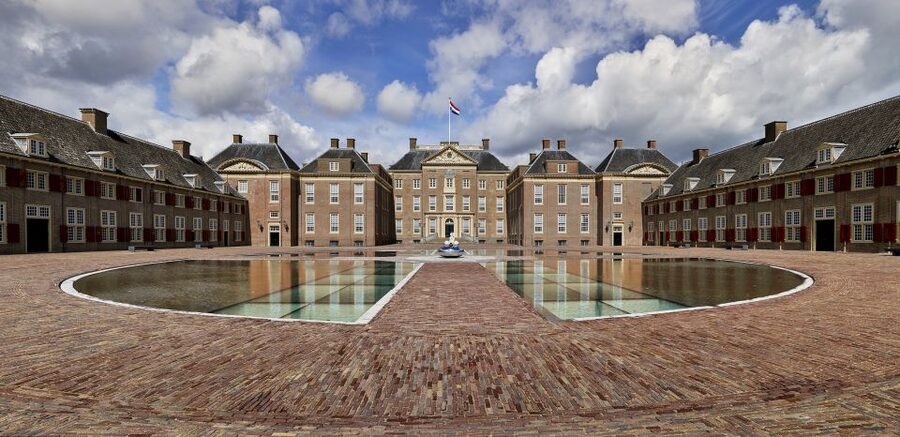
Het Loo includes carriages and cars used by Dutch royals for important events. This is one of those “quietly useful” sections. Transport is often treated like a side note at palaces, but here it helps you understand how ceremonial life worked in practice.
When you look at royal transport in a palace setting, it stops being abstract. You start imagining the day-of routine: the arrival, the movement through crowds, the way an official life needed physical infrastructure as much as it needed beautiful buildings.
It also helps break up the day. After rooms and exhibition spaces, a practical visual section like this feels like a breath.
Palace roof tea spot and baroque garden symmetry
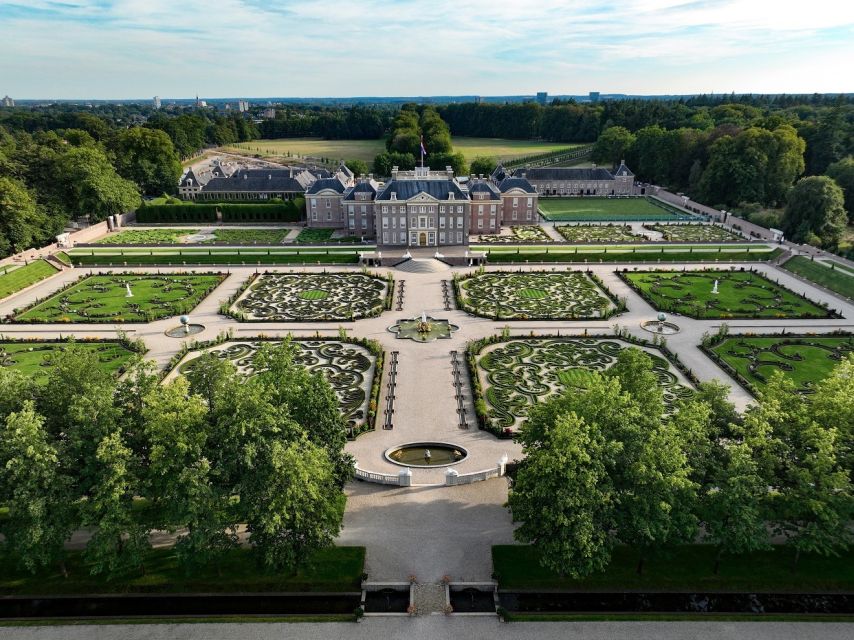
If you do only one outdoor viewpoint during your day, make it the roof. The roof area is where Queen Mary drank her tea, and it gives you a wide view of the park.
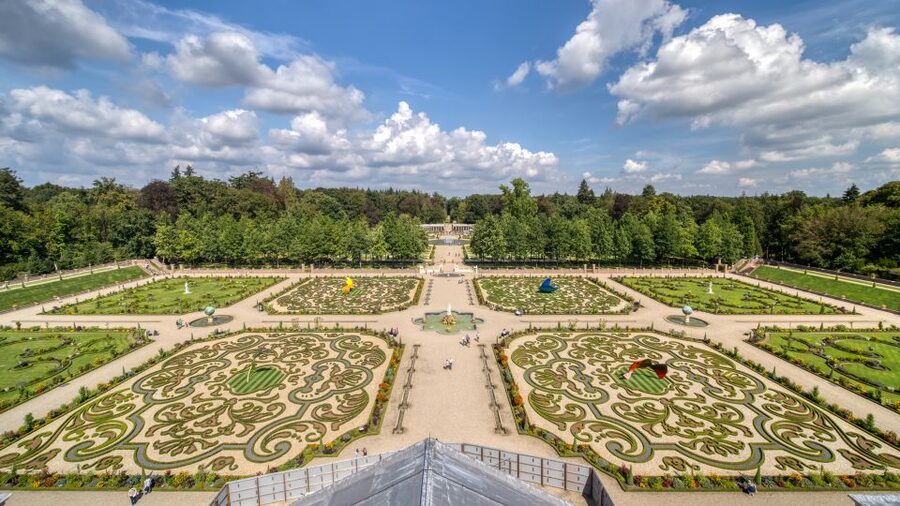
But the bigger reason to go up is visual clarity. From the roof, you can see the symmetry and patterns of the baroque gardens much more clearly than when you’re walking them. Gardens are often designed for perspective. From ground level, you notice plants and paths; from above, you notice geometry.
This viewpoint is especially valuable if you care about design details. It turns the garden from “pretty” into “planned,” and it helps you understand how Willem and Mary used landscape design to show power and wealth.
Practical tip: if the weather is changeable, keep an eye on the sky. You don’t need perfect sunshine, but you’ll enjoy the roof more with clear visibility.
Baroque gardens: planned for power, kept for the present
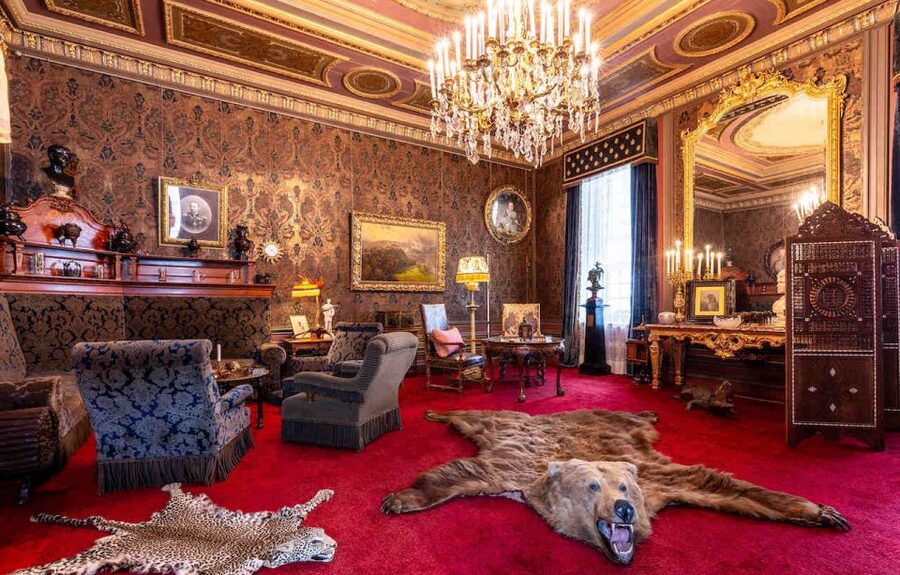
The palace gardens are a major part of the experience. Willem and Mary created a large baroque garden described as showing their power and wealth, with high fountains, impressive statues, and fragrant flowers and plants.
What makes the gardens feel worth your time is the care given to presentation. The layout is described as exactly as the first inhabitants had it laid out. That kind of “design continuity” matters. You’re not just strolling in a themed garden. You’re walking a plan that’s meant to reflect what royalty originally commissioned.
To enjoy the gardens efficiently, I’d think about your pacing. Start with the main paths, then come back for a slower circuit after you’ve seen the roof patterns. You’ll notice more when your mind has both the overhead geometry and the ground-level details.
If you’re traveling in a group, agree early on whether you’ll do the roof first or the gardens first. Either works, but mixing them without a plan can make you feel like you’re double-walking the same area.
Price and value: is $25 per person a fair deal
Let’s talk value in plain terms. At $25 per person, you’re paying for access to Het Loo Palace and the gardens, plus the layered experience of story audio and museum galleries within the palace route. The audio can be via app, or you can pay €2.50 for an audio device in your language.
Why it feels like good value: you’re getting more than one “zone” (palace rooms, exhibition space, transport displays, gardens, and a roof viewpoint). You’re also getting narrative structure. That means you’re not guessing what you’re looking at, even if you don’t speak Dutch.
Where value could feel less perfect: if you’re expecting a guided tour with live narration, this is primarily an audio-based story approach. It’s still very useful, but it’s self-paced. If that mismatch would bother you, plan on spending a bit of time choosing your story route and letting it guide your attention.
Getting there and making it work from the Netherlands
One of the nicer points from real-world feedback is that the site connects well by public transport for people coming from major Dutch cities, including connections reported from The Hague. So if you’re staying in the Randstad area, it’s reasonable to plan Het Loo as a day trip without making transportation the whole event.
On the logistics side, parking is not included. If you drive, you can buy a parking ticket on site for €8. I’d only do this if public transport doesn’t work for your schedule or if you’re traveling with mobility needs that make driving simpler.
Either way, plan to arrive with a little slack. Het Loo isn’t a “rush through everything” kind of place.
Who should book this entry ticket
This is a strong choice for:
- Royalty and European history fans who want a palace that explains more than just architecture
- People who like self-guided audio with clear character storytelling
- Garden lovers who want baroque design shown both from ground level and from the roof
- Visitors who appreciate a mix of indoors, outdoors, and object-based displays like carriages and cars
It might not be your best fit if you want a fully guided, live tour style with tight scheduling, or if you only care about gardens and nothing else.
Should you book Het Loo Palace entry?
I’d say yes if you want a day with real physical atmosphere: royal rooms, story-led audio, a roof viewpoint tied to Queen Mary, and baroque gardens laid out as originally designed. At $25 per person, the mix is the selling point. You won’t feel stuck watching one kind of display all day.
If you’re deciding last-minute, pick the story route that matches your curiosity, then commit to it. That single choice makes the whole visit feel more focused and less like you’re just moving from room to room.
FAQ
How long is the visit?
The activity is listed as valid for 1 day, with duration set as 1 day.
How much does the Het Loo Palace entry ticket cost?
The price is listed as $25 per person.
What’s included with the ticket?
Your ticket includes entry to Paleis Het Loo and the gardens.
Is parking included?
No. Parking is not included, but a parking ticket can be bought on site for €8.
Do I get audio during the visit?
Yes. You can choose from three different stories with audio, available via an app or a paid audio device for €2.50.
What languages are available for the audio?
The audio device (and stories) are available in Dutch, English, and German.
Can I cancel for a refund?
Yes. There is free cancellation up to 24 hours in advance for a full refund.
Is there a reserve and pay later option?
Yes. You can reserve now and pay later, keeping travel plans flexible.
Is the experience wheelchair accessible?
Yes. The activity is listed as wheelchair accessible.