REVIEW · ISTANBUL
Beylerbeyi Palace Skip-the-Line Ticket with Audio Guide
Book on GetYourGuide →Operated by Istanbul Tourist Pass® · Bookable on GetYourGuide
A palace by the Bosphorus, minus the line. Beylerbeyi Palace feels like an Istanbul time machine, and this ticket helps you get in faster and hear the story in 25 languages as you go. It’s an easy add-on day plan with real payoff: Ottoman rooms, guest-reception flair, and those views out toward the water.
What I like most is the skip-the-line entry feel, which matters when you’re trying to see Istanbul efficiently. I also love that the audio guide is ready in the exact language you want—covering everything from the palace’s origins to what you’re looking at as you walk.
The main thing to consider is that the visit is self-guided, so if you prefer a live guide or you’re hoping for lots of space and privacy, it may feel a bit tight in popular spots—and a few people have noted issues with how some staff handle photo moments.
In This Review
- Key reasons this ticket works
- Skip-the-line entry at Beylerbeyi Palace: why it’s worth it
- The 25-language audio guide: how to use it without stress
- Ottoman origins: the site before the palace you see today
- Where the diplomatic drama happens: receiving foreign state guests
- Architecture details you’ll actually notice (if you slow down)
- Bosphorus views and photo moments: timing matters
- Pacing your self-guided visit: how to get value from a short window
- Price and value at about $22: what you’re paying for
- Who this ticket fits best (and who might want a different approach)
- Should you book? My practical call
- FAQ
- FAQ
- How long is the Beylerbeyi Palace visit?
- Is there an audio guide included, and how many languages?
- Do I get the audio guide at the palace?
- What does skip-the-line entry mean here?
- Can I cancel for a refund?
- Is there a pay-later option?
- Is the palace visit wheelchair accessible?
- Are photos or videos allowed?
Key reasons this ticket works
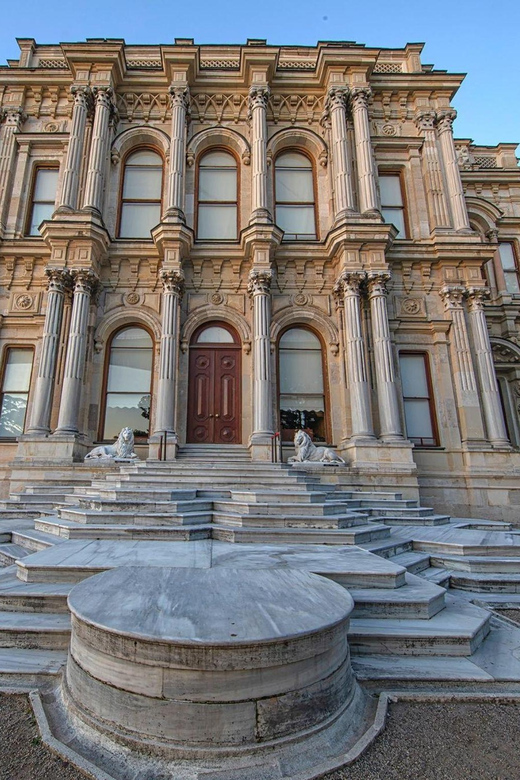
- Skip-the-line entry saves time so you can spend your energy inside the palace
- 25-language audio guide lets you move at your pace without missing the details
- Ottoman palace design shows how architecture and protocol shaped daily life
- Bosphorus views give you a break from indoor rooms and great photo angles
- Museum-palace atmosphere keeps the visit relaxed and easy to pace
Skip-the-line entry at Beylerbeyi Palace: why it’s worth it

Beylerbeyi Palace is right along the Bosphorus, so it’s often paired with other water-front sights. That’s exactly why skip-the-line helps: you’re not just saving minutes, you’re protecting your day. Instead of losing time waiting outside, you can get straight into the palace flow.
You also get a practical advantage from how this ticket is set up: you’re not locked into a group schedule. The “valid 1 day” part gives you flexibility to choose a starting time based on your sightseeing rhythm. If you’re doing a packed Istanbul plan, that freedom is real value.
There’s also a comfort factor. Even when it’s not peak season, Beylerbeyi can still be busy (I’ve seen it described as popular even in winter months). Skip-the-line reduces the stress of crowds right at the entrance, and it makes the palace feel more like a leisurely museum visit than a race.
Wheelchair accessibility is included, so you can plan with confidence if you need step-free access. Like any historic site, paths and room layouts may still affect mobility, so go in with a realistic expectation of slow navigation in older buildings.
You can also read our reviews of more tours and experiences in Istanbul.

The 25-language audio guide: how to use it without stress
This experience is built around an audio guide that’s prepared for you, in 25 languages, and linked to your ticket. The key rule: it’s provided via a link with your tickets and can’t be obtained at the palace. That means your prep matters.
Before you go, do two simple things:
- Make sure your phone has enough battery and you can open the link.
- Bring headphones if you want the full experience without disturbing other visitors.
The language options are broad, including English, German, Russian, Arabic, Persian, French, Italian, Spanish, Turkish, Japanese, Korean, Chinese, and more (the full set totals 25). Even if you’re comfortable in English, I like using a second language if it matches your travel day—sometimes a familiar accent and pace makes history easier to follow.
What you get from the audio guide isn’t just trivia. It helps you connect what you see to what the palace was designed to do. Beylerbeyi wasn’t built as a private family home in the modern sense. It was a stage for power and diplomacy, and the guide helps you notice the differences between spaces meant for daily life versus rooms built for receiving foreign guests.
One more practical note: because the guide is self-paced, you can pause when a room feels important to you. If a corridor seems plain, the audio may explain why it mattered. If a hallway feels crowded, you can keep listening while you wait for space to open up.
Ottoman origins: the site before the palace you see today
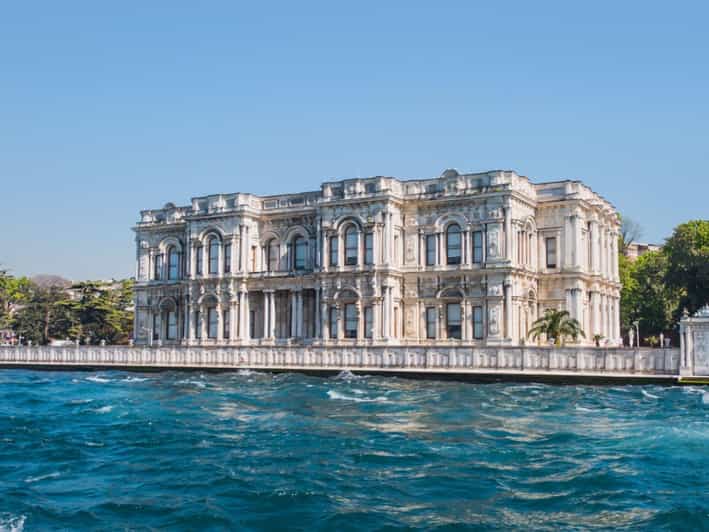
Beylerbeyi Palace isn’t only about the building standing today. The site has layers. The palace story goes back further than most visitors expect.
Here’s the timeline you’ll hear tied to what you’re viewing:
- During the reign of Mahmud II, there was a summer palace on this site.
- A major fire in 1851 pushed that earlier palace out of use.
- Under Abdulaziz, the old structure was demolished.
- Construction of the current palace began in 1863, finished in 1864.
- Furniture arrangement and the official opening followed in 1865.
That “why is this here?” question is where the audio guide shines. Instead of walking through a pretty building with no context, you get the sense of a place built for an era of Ottoman ambition, then maintained through changing political times.
It also helps you understand the palace’s later shift into modern Turkey’s museum world. In the Republic era, Beylerbeyi Palace was placed under the Presidency of National Palaces management in 1925. So when you visit, you’re not just looking at 19th-century rooms—you’re visiting an institution that became part of the way Turkey preserves and presents its heritage.
Where the diplomatic drama happens: receiving foreign state guests
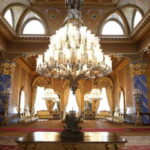
One of the most interesting ideas behind Beylerbeyi Palace is what it was used for. It served as an Ottoman residence for hosting foreign state guests. That purpose shows up in the architecture and the way spaces are expected to flow.
As you walk through, you’ll want to watch for the “palace logic”:
- Rooms that feel more ceremonial than domestic
- Sight lines that look designed for formal arrivals
- Architectural details that signal rank and protocol
You’ll also notice the emphasis on elegance rather than sheer size. That can be a good thing. A smaller, well-structured palace often lets you take your time with key areas without feeling trapped in an endless maze.
The audio guide helps you slow down in the right places. Instead of moving room-to-room just to say you saw everything, you can use the guide to understand what each space was for. That’s how the building becomes more than a photo backdrop.
Architecture details you’ll actually notice (if you slow down)
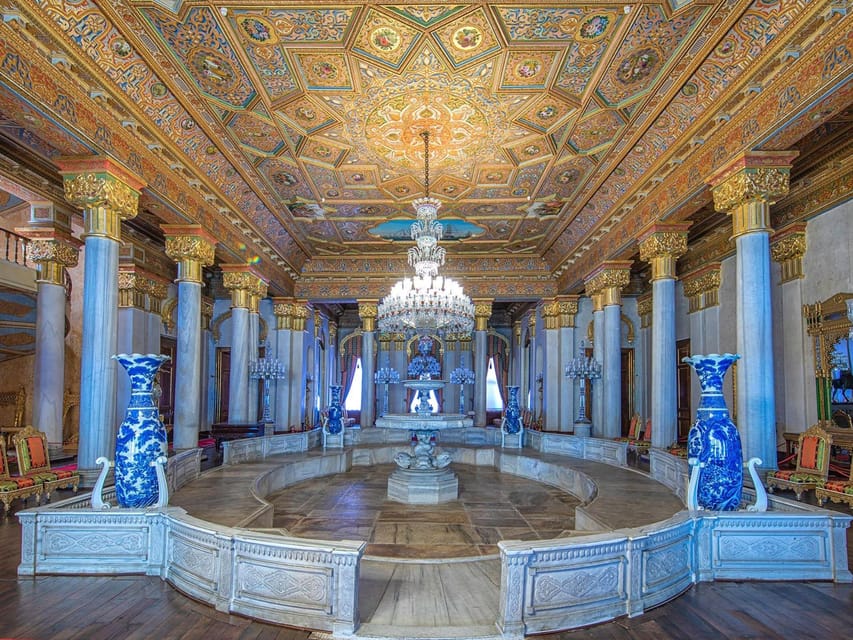
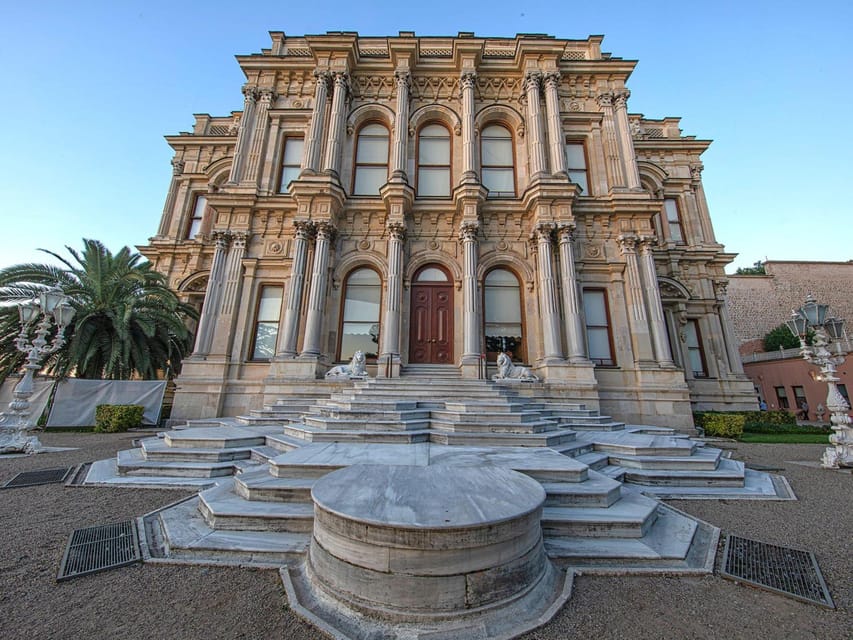
Beylerbeyi is known for Ottoman architecture, and the visit works best when you treat it like a guided walk through design choices.
The audio will help you read details you might otherwise ignore: how rooms are arranged, how decoration supports the atmosphere, and how the palace’s function shaped its look. When a building is meant for diplomacy, decoration and layout aren’t just aesthetics—they support the mood and the message.
I like using a simple rhythm in places like this:
- Walk until something feels “different”
- Pause and listen to the section about that room
- Then take one good look around from the spot the guide implies
You’ll get more out of the palace this way than trying to rush every room. And you can avoid the common trap of spending all your time snapping pictures and missing the story.


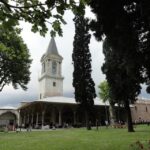

Bosphorus views and photo moments: timing matters
Let’s talk about the part your eyes notice first: the Bosphorus setting. The palace sits along the water, so you get a sense of place that indoor rooms alone can’t deliver.
The views can be a highlight even when the weather isn’t perfect. One feedback note praised the palace as cozy with a great view of a Bosphorus bridge, and that kind of perspective can make a short visit feel satisfying. When you step into a view-facing moment, it’s a built-in reset for your brain.
Photo-wise, plan like a considerate guest:
- Move only when you’re ready, and don’t block stairs or narrow passages.
- If someone asks you to change position, treat it like a normal rule of museum flow, not a personal attack.
A few people have reported friction with staff in areas where photos were being taken in stair zones. That doesn’t mean every staff member will behave the same way, but it’s a strong reminder: keep things calm and follow instructions quickly. The best photos come from good timing, not from forcing space.
Also note a specific guideline mentioned in feedback: photos were allowed while videos weren’t. If you’re planning to film, assume restrictions may apply and keep your camera ready for still shots.
Pacing your self-guided visit: how to get value from a short window
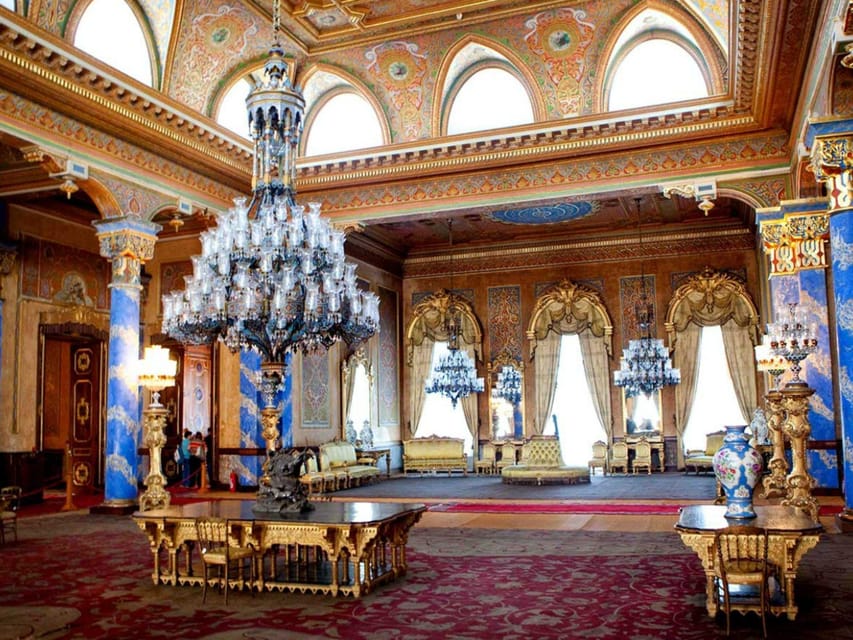
This ticket isn’t a long-day guided tour. It’s designed for a 1-day museum-palace visit where you control your pace. That’s a plus, but it also means you need a plan for how you’ll spend your time.
Here’s how I’d pace Beylerbeyi so you don’t feel rushed:
- Start by using the audio guide early so the palace has context before you hit the main rooms.
- Don’t try to cover every single space like a checklist. Cover the highlights well, then decide if you have energy for more.
- Build in two “listening pauses,” one indoors and one timed around the Bosphorus view. You’ll remember more when your visit has natural breaks.
If it’s busy, don’t fight crowds. Let the flow work for you. The audio guide lets you keep going even when you have to wait for a clearer line of sight.
And if you’re a slower museum visitor, you’re not doing it wrong. Self-paced access is meant for that style of travel.
Price and value at about $22: what you’re paying for
At roughly $22 per person, the value comes from two things you actually use:
1) Skip-the-line entry, which saves time and reduces stress at the door
2) An audio guide in 25 languages, delivered through your ticket link
If you’re the kind of traveler who likes context, the audio component can justify the cost fast. You’re not paying for a voice to fill silence; you’re paying for structure. It turns “nice rooms” into “I know what I’m looking at.”
That said, there’s a fairness check to make. One piece of feedback flagged the palace as small for the price and mentioned difficulty getting satisfying photos. If you’re expecting a huge palace complex with plenty of room to roam, your expectations may run ahead of reality.
So think of the ticket like this: it’s a smart buy if you want quality context and faster entry. It’s less perfect if you want a long, sprawling experience or you’re traveling at peak hours when photo spots can feel crowded.
The overall rating is strong—4.6 out of 5 from 72 ratings—which usually signals that most people find the experience worthwhile, especially for self-guided history with multilingual help.
Who this ticket fits best (and who might want a different approach)

This Beylerbeyi ticket makes the most sense for you if:
- You want independent exploring without giving up history context
- You like museums where an audio guide can explain the key rooms as you go
- You care about getting good views of the Bosphorus without adding time-wasting lines
- You’d rather pay for convenience than gamble on how long you’ll wait
It may not be the best match if:
- You strongly prefer a live guide and interactive Q&A
- You’re very sensitive to noise or to staff instructions in tighter spaces
- You expect a very large palace footprint and plenty of space for photos at every moment
Still, even if you fall into the “small palace” camp, the Bosphorus location and the diplomatic-purpose context can make the visit feel more meaningful than its size suggests.
Should you book? My practical call
If you’re booking Beylerbeyi as part of a normal Istanbul plan, I’d lean yes—especially because you’re not just paying for entry. You’re paying for skip-the-line convenience plus a 25-language audio guide that you can use at your own speed.
Book it if you:
- want to maximize a limited day
- like self-guided museums with context
- value multilingual support so you’re not stuck guessing what you’re seeing
Skip it or consider another format if:
- you need a long guided narrative every step of the way
- you’re traveling during peak crowds and you know you’ll feel stressed in photo-heavy areas
One last tip before you commit: plan your visit around when you’ll actually have time to listen. If you only stroll for a few minutes, you’ll miss the main reason this ticket is better than a basic entry.
FAQ
FAQ
How long is the Beylerbeyi Palace visit?
The ticket is listed for a 1-day experience.
Is there an audio guide included, and how many languages?
Yes. The audio guide is included and available in 25 languages.
Do I get the audio guide at the palace?
No. The audio guide is provided via a link with your tickets and cannot be obtained at the palace.
What does skip-the-line entry mean here?
The ticket includes skip-the-ticket line entry for Beylerbeyi Palace, so you can enter with ease.
Can I cancel for a refund?
Yes. Free cancellation is available up to 24 hours in advance for a full refund.
Is there a pay-later option?
Yes. The offer includes reserve now & pay later, so you can book without paying immediately.
Is the palace visit wheelchair accessible?
Wheelchair accessibility is included.
Are photos or videos allowed?
One provided review notes that photos were allowed while videos were not.