REVIEW · CITE DE CARCASSONNE
Carcassonne: Fortress Walking Tour
Book on GetYourGuide →Operated by Anna Philippe · Bookable on GetYourGuide
Carcassonne slows your steps fast. On this Carcassonne Fortress Walking Tour, you’ll trace the remparts with a guide who explains what you’re actually looking at.
I especially love the tour’s focus on rempart construction—how the walls were built and why they mattered in real military terms, including the Cathars angle. I also like how the walk ends at the Basilica of St. Nazaire and St. Celse, where the stained-glass windows make the final stop feel special instead of rushed.
One consideration: this is a cobble-street fortress walk, and it’s not recommended for people with limited mobility. If walking on uneven stone for 90 minutes sounds like a challenge, you’ll want to think twice.
In This Review
- Key highlights in quick hits
- Why the Porte Narbonnaise meeting point matters
- Walking the cité’s remparts: what you’ll actually learn
- Cathars and military architecture: history tied to the stone
- Views of the count’s castle: what you see without paying the entry fee
- St. Nazaire and St. Celse: stained glass as a calm finale
- How the 90 minutes actually work on your feet
- Private group value: $169 for up to 15 people
- Languages and guide style: practical, with room for humor
- Practical tips before you meet at Porte Narbonnaise
- Who this tour suits best
- Should you book this Carcassonne Fortress Walking Tour?
- FAQ
- Where does the tour start?
- How long is the Carcassonne fortress walking tour?
- Is this a private tour?
- What’s included in the price?
- Is entrance to the comtal castle included?
- Is it suitable for people with mobility impairments?
Key highlights in quick hits
- Porte Narbonnaise start: Meet at the main gate area by the fortified bridge and Lady Carcass bust.
- Remparts explained clearly: You’ll get construction details and the “how defenses worked” story.
- Cathars and military architecture: History connected to what’s still standing.
- Outside-the-castle viewpoints: You’ll see the count’s castle from outside, no need to enter.
- Basilica stained-glass finale: St. Nazaire and St. Celse windows close the tour on beauty.
Why the Porte Narbonnaise meeting point matters
If you’re arriving in Carcassonne for the day, it helps to start at the main fortress gate instead of wandering first. This tour begins at Porte Narbonnaise, the main gate of the fortressed area, close to the P 0 car park. Your guide waits before the fortified bridge, near the Lady Carcass bust, so you’ll have a real visual cue right away.
That location choice is smart. You’re basically starting your story where the medieval town story begins: at the threshold between the modern approach and the walled world inside.
Walking the cité’s remparts: what you’ll actually learn
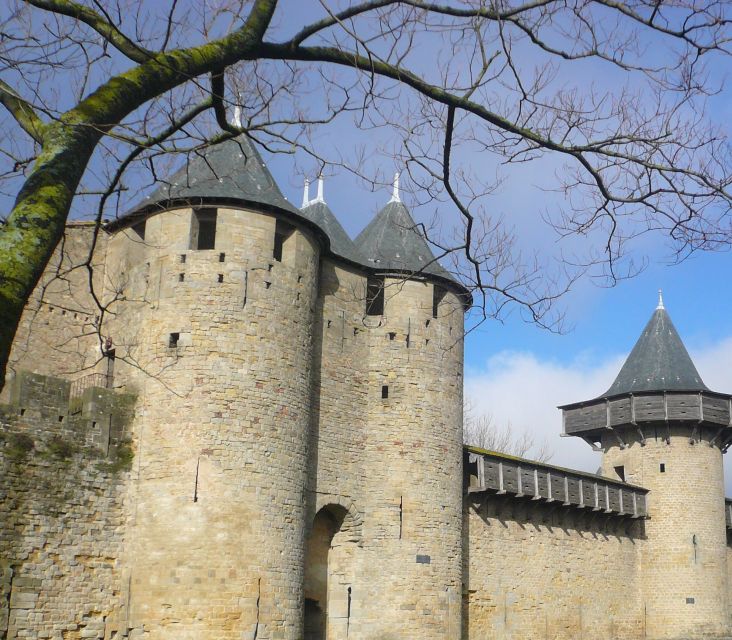
The heart of this experience is a guided walk through the old fortress town area, focused on the Cité de Carcassonne. You’re not just taking pretty photos of stone walls. You’re learning how the remparts were built, how the layout supports defense, and what the builders were trying to solve.
Expect your guide to point out how monumental this citadel looks up close—and then translate that size into practical meaning. When you hear about construction methods and military thinking, the walls stop being background and start being the main “text” of the city.
This is also where the tour stays grounded in legible details rather than heavy theory. Even if medieval fortifications aren’t your usual hobby, the way the guide explains the architecture helps you connect shapes and materials to function. It’s the kind of walking tour that teaches you to notice.
Cathars and military architecture: history tied to the stone
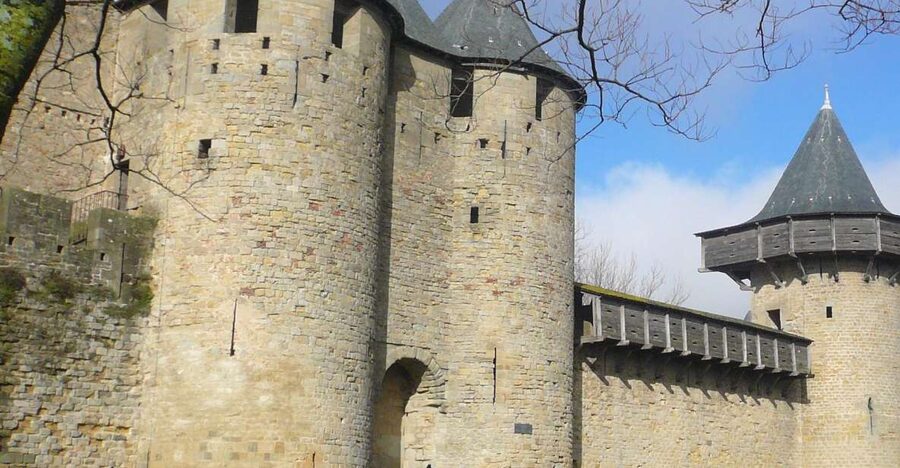
One of the most interesting parts is the way the guide brings in the Cathars and connects them to how the fortress was used. The topic can sound abstract when you read about it. Here, you’re hearing it while you’re looking at walls built for control and protection.
You’ll get explanations about mysterious Cathars themes alongside the realities of military architecture. The payoff is that the story feels physical. You can stand where people once moved under threat and understand why the fortress design mattered.
Also, the guide style tends to keep the tone lively. The tour is led by Anna Philippe, and multiple visitors highlight her mix of clear knowledge with funny stories and reflections. That matters, because fortress history can get dry fast if the guide doesn’t add human rhythm.
Views of the count’s castle: what you see without paying the entry fee
The tour includes panoramic views of the outside of the count’s castle, known in the area as the comtal castle. Since entrance to the comtal castle and inner rempart is not included (it’s listed separately at €13), you’ll mostly experience the castle as an outer-world presence.
That can be a benefit. Not everyone wants to add another timed ticketed visit when they’re already in a short 90-minute tour. If you mostly want the big-picture view—how power sits on the edge of the walls—you’ll still get plenty.
You’ll be guided while observing the structure from the outside, with the remparts’ logic explained as you look. If you do decide later that you want to go inside, at least you’ll have a better sense of what you’re paying to see.
St. Nazaire and St. Celse: stained glass as a calm finale
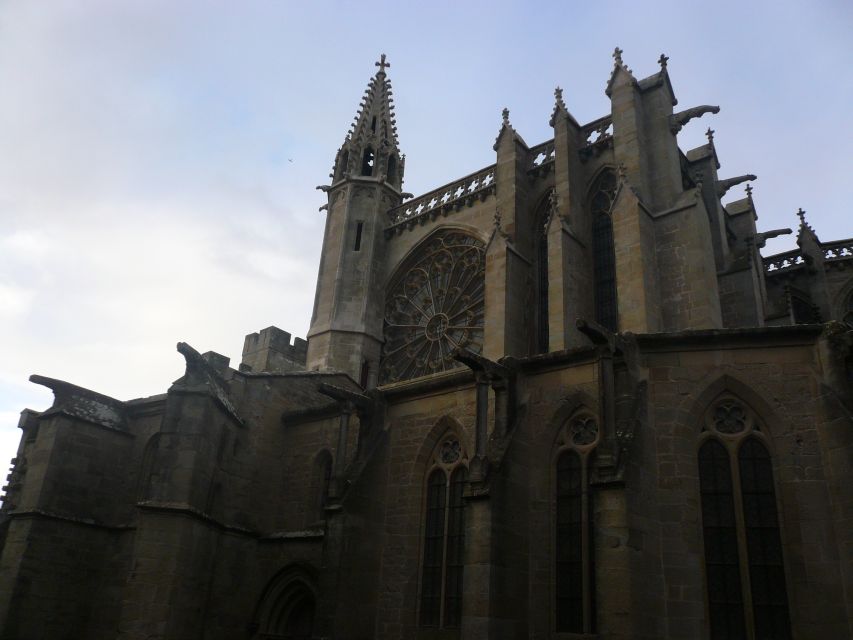
Ending at the Basilica St. Nazaire and St. Celse is one of the smartest ways to close a fortress walk. After 90 minutes of stone defenses and military design, a church interior (and especially its stained-glass artistry) changes the mood.
The tour highlights the basilica’s stained-glass windows, and that’s exactly the kind of detail that makes a short tour feel richer. You’re not only hearing history; you’re getting an artistic payoff that feels tied to the place rather than pasted on at the end.
Even if you don’t plan to sit for long, the guide’s framing helps you look at the windows with intention instead of rushing past them. It’s a good reminder that medieval towns weren’t only about war—they were also about devotion, ceremony, and art.
How the 90 minutes actually work on your feet
This experience runs about 90 minutes, and it’s built for a private group. That matters more than it sounds. A private format usually means you can move at a pace that works for your group and ask questions if something catches your interest.
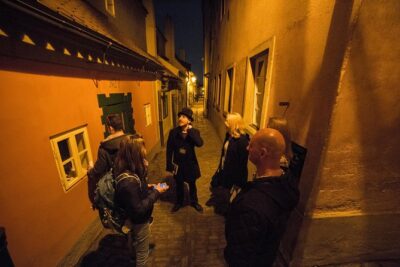
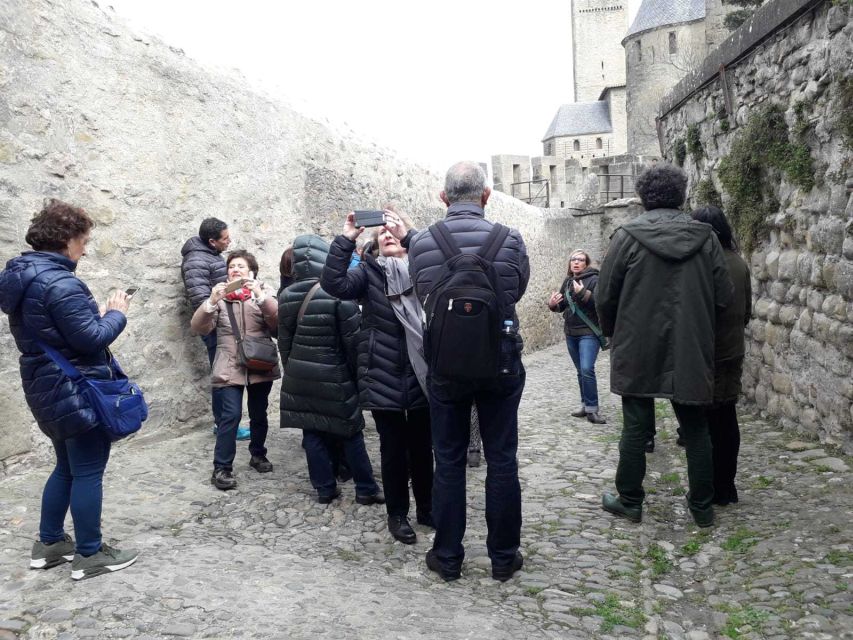
The walk also happens through narrow, cobbled medieval streets, so comfortable shoes aren’t optional. You’ll want shoes with solid grip and a bit of cushioning. If your feet get tired easily, plan a slow start and give yourself time to settle into the uneven ground.
Because the tour isn’t described as covering the inner castle, it tends to feel efficient. You get the main fortress narrative—walls, defenses, Cathars context, outside castle viewpoints—then a calm final stop at the basilica.
Private group value: $169 for up to 15 people
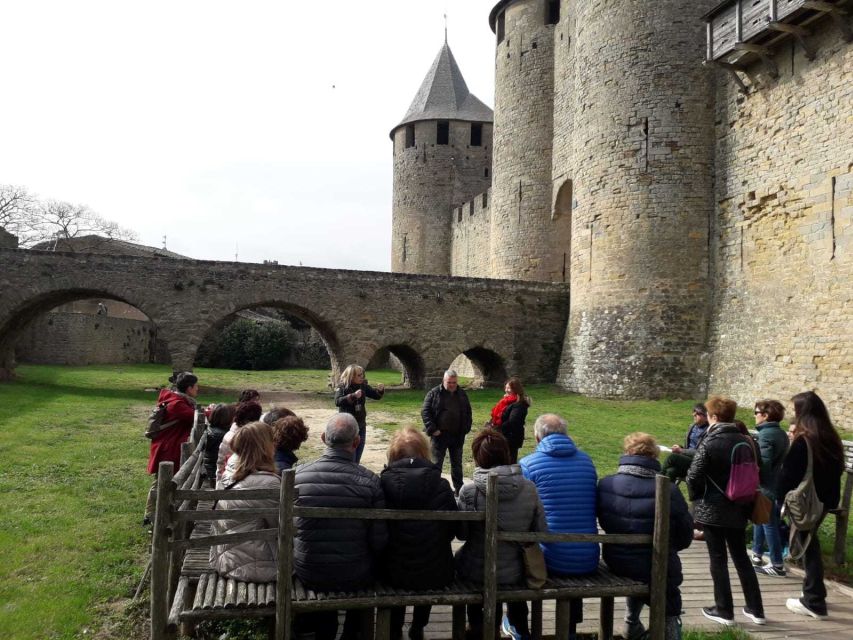
Price is listed as $169 per group up to 15 people, which is where the value can get very good. If you’re traveling solo or as a couple, you may feel like this is aimed more at families, friends, or small groups who want one guide and a shared pace.
Here’s how to think about it: in places like Carcassonne, small-group tours usually charge per person, and the “real” cost is time—making sure you can actually see and understand what you paid to enter. This tour gives you a guided learning layer across the fortress area without requiring you to buy multiple admissions upfront.
The one extra cost you might consider is the €13 entrance for the comtal castle and inner rempart. Since that’s not included, you keep flexibility. If you’re curious, you can add it later. If you’d rather spend your time elsewhere, you’re not locked into paying for an interior ticket as part of this tour.
Languages and guide style: practical, with room for humor
Your guide speaks French, English, and Spanish, which is a big help if your group includes mixed language comfort levels. It also reduces the chance you’ll miss important details. This is the kind of tour where small explanations matter.
Anna Philippe is highlighted as a top reason people enjoyed the tour. Visitors specifically praised her generosity with knowledge and her humor, plus how she got people involved rather than lecturing from a distance. That style tends to make fortress architecture feel less like a textbook and more like a guided walk through someone’s understanding of the city.
If you like tours that combine facts with light storytelling, you’ll likely click with this one.
Practical tips before you meet at Porte Narbonnaise
Bring comfortable shoes—the streets are cobbled and the walking is part of the experience. Also, consider the fact that this tour is not recommended for people with limited mobility, so don’t assume you’ll be able to “power through” it.
For meeting-day success, arrive with enough time to find the right spot at Porte Narbonnaise. The meeting location is specific: near the fortified bridge and close to the Lady Carcass bust. If you show up late, you may miss the clean start, and it’s easier to locate once you’ve already oriented yourself in the area.
Finally, decide in advance whether you want the €13 castle/inner rempart entry. If you only want the outside viewpoints and the fortress narrative, you can keep it simple. If you want to step deeper into the castle spaces, you’ll likely appreciate the context the guide gives you first.
Who this tour suits best
This is ideal if you want Carcassonne in a short, focused format that prioritizes understanding. You’ll like it if you enjoy architecture, fortifications, and stories tied to real places.
It also works well for groups up to 15 because it’s structured as a private group experience. If you’re traveling with friends, relatives, or kids old enough to handle the walking pace and cobbles, having one guide can help you keep everyone engaged.
If you want a long, in-depth museum-style visit inside the castle complex, this might feel like the “outside overview” version. But if your goal is to learn quickly and end with a beautiful basilica stop, it fits well.
Should you book this Carcassonne Fortress Walking Tour?
I’d book it if you want a 90-minute guided walk that teaches you how the fortress works, then rewards you with Basilica stained-glass at the end. Starting at Porte Narbonnaise and getting explanations for the remparts and Cathars-related context is a smart way to get oriented fast in the Cité.
Skip it or choose a different option if your group can’t manage cobbled walking or if limited mobility is a real concern. And if you already know you want to go inside the comtal castle, factor in the separate €13 entrance fee so you can plan your day without surprises.
If you want Carcassonne that feels understandable, not just scenic, this private tour with Anna Philippe is a strong value pick.
FAQ
Where does the tour start?
The meeting point is Porte Narbonnaise, at the main gate of the fortress, close to the P 0 car park. Your guide will be waiting before the fortified bridge, near the Lady Carcass bust.
How long is the Carcassonne fortress walking tour?
The tour lasts about 90 minutes.
Is this a private tour?
Yes. It’s a private group experience.
What’s included in the price?
The tour includes a private guided tour.
Is entrance to the comtal castle included?
No. Entrance to the comtal castle and inner rempart costs €13 and is not included.
Is it suitable for people with mobility impairments?
It is not recommended for people with mobility impairments. The tour involves walking on the fortress streets and is described as not suitable for limited mobility.