REVIEW · VALLETTA
Casa Rocca Piccola palace & museum entrance ticket
Book on Viator →Operated by V. Tabone Travel · Bookable on Viator
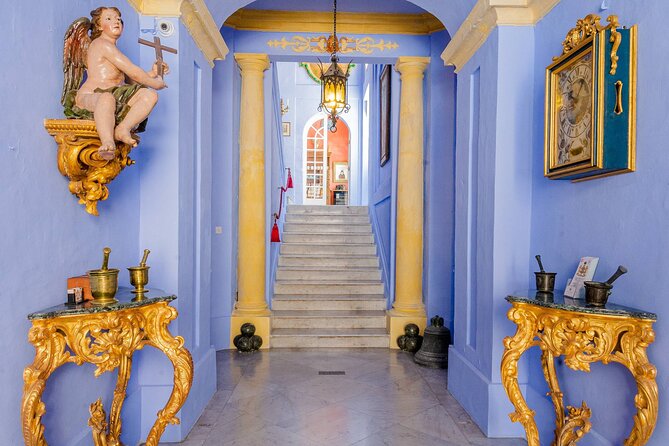
Casa Rocca Piccola starts in a wow hallway. This 16th-century palace-museum in Valletta mixes period rooms with a truly memorable WWII air-raid shelter beneath it. I love the priority admission, because it helps you get inside without turning your day into a waiting game. I also love how the visit offers different ways to go—live guided tour, audio, or a printed guide—so you can match your pace to your day.
One thing to consider: guided visits can feel a bit fast if you want extra context on the family and their lives in Malta. If you’re the kind of person who likes stopping, reading everything, and soaking up names and dates, the audio option can help you slow down.
In This Review
- Key things that make Casa Rocca Piccola worth your time
- Casa Rocca Piccola: a Valletta palace that’s still a real home
- Priority admission and choosing your entry time in Valletta
- Upstairs rooms: furniture, silver, paintings, and family portraits
- The WWII tunnels below: air-raid shelter carved into the rock
- Guided tour vs audio self-tour: pick the pace you want
- Garden time, parrot spotting, and a proper break on site
- How long should you plan for? (30 minutes to 6 hours)
- Is it good value for $12.62?
- Should you book Casa Rocca Piccola?
- FAQ
- What is Casa Rocca Piccola in Valletta?
- How long does the visit take?
- What’s included with the entrance ticket?
- Can I choose what time I enter?
- What can I see inside besides rooms and art?
- Are there facilities on site?
- Can I cancel for a refund?
Key things that make Casa Rocca Piccola worth your time
- Priority entry that helps you beat the lines and keep your Valletta schedule on track
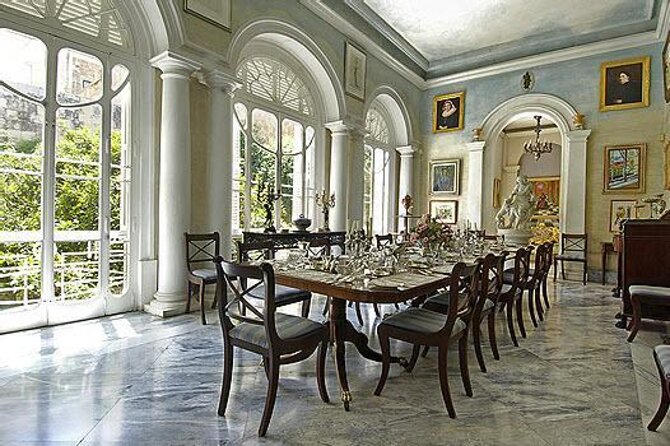
- 50+ rooms of period furniture, silver, and paintings, with modern works mixed in
- WWII tunnels and shelter below the palace, built into the rock and used during air raids
- Pick your entry time, so it fits your sightseeing rhythm and heat management
- Tour formats included: live English guiding, audio self-tour in several languages, plus a printed guide option
- Garden breaks with a parrot (and turtles), plus on-site food and a bookshop
Casa Rocca Piccola: a Valletta palace that’s still a real home
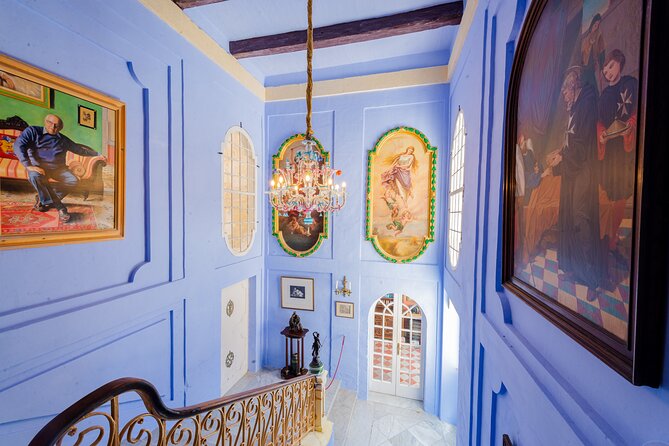
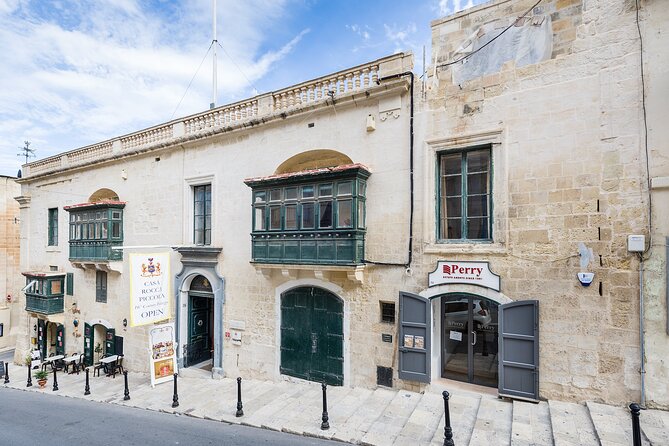
Casa Rocca Piccola is a 16th-century palace that has been open for viewing as a living museum for years. It was built over 400 years ago for Don Pietro La Rocca, a Knight of Malta. Today, it’s the ancestral home of the de Piro family, one of Malta’s noble families.
The first surprise is how much you get for a ticket. You’re not wandering through a few rooms. The palace has over 50 rooms open to visitors, and many of them are arranged like you’re stepping through someone else’s everyday world—except the everyday world is antiques, portraits, and carefully displayed collections.
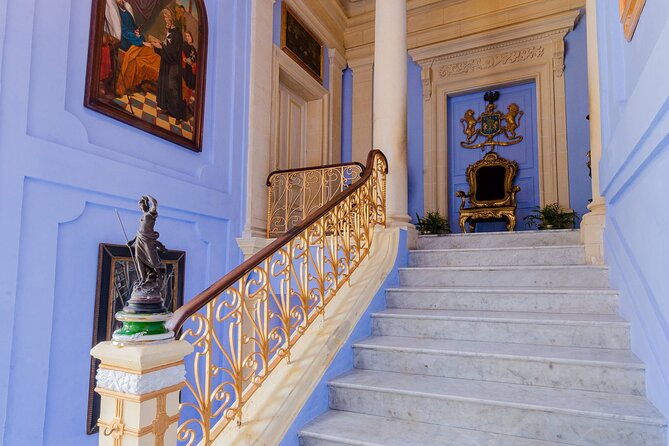
The palace’s collections are a big part of the appeal. You’ll see furniture, silver, and paintings gathered from Malta and across Europe. One neat detail is that the display isn’t stuck in the past; modern paintings show up alongside older family portraits. You’ll also spot the ancestral imagery of the Marquises de Piro and the Barons of Budach, which gives the rooms a sense of lineage rather than just decoration.
You can also read our reviews of more tours and experiences in Valletta.
Priority admission and choosing your entry time in Valletta
Valletta can get crowded, and timing matters. This ticket includes priority admission, which is the practical difference between spending your energy on photos and spending it on waiting.
You also get to choose your entry time, which is underrated in a place like Valletta. If you’re trying to line up with church visits, viewpoints, or lunch, this helps you build a smoother day instead of rushing to beat a fixed tour slot.
Cost-wise, you’re paying $12.62 per person for a palace visit that can run from about 30 minutes up to 6 hours. That range depends on whether you move quickly, choose a guided pace, or take time with audio and slower room-to-room viewing. In plain terms: this isn’t a quick in-and-out ticket. It’s a chance to see Malta’s nobility rooms and the WWII shelter in one package.
And if you like to plan ahead, note that this experience is typically booked about 22 days in advance on average. I’d rather you book early too, because Valletta days sell out.
Upstairs rooms: furniture, silver, paintings, and family portraits
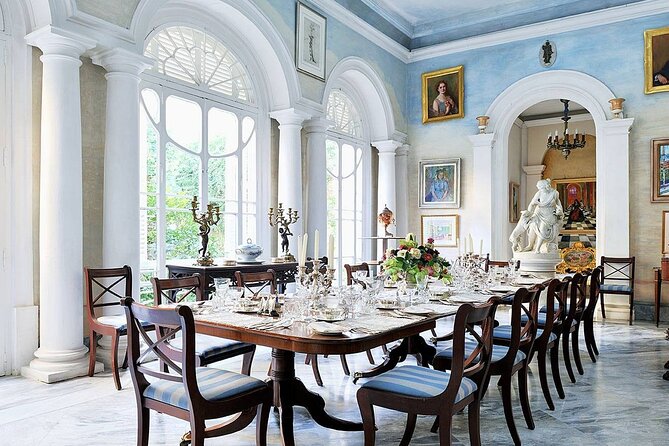
Once you’re inside, the palace’s layout does a good job of keeping you moving without feeling like a conveyor belt. The tour or audio route takes you through rooms filled with period furniture, silver, and paintings. You’re not just looking at objects—you’re looking at how the family displayed identity and taste.
A fun detail to watch for: the way different pieces are mixed in the rooms. Some collections are clearly arranged to show craftsmanship and status. But the palace also includes modern paintings placed among older ancestral portraits. That contrast makes it feel less like a staged history set and more like a collection that’s been cared for over time.
If you’re interested in specifics, keep an eye on the portraits of the Marquises de Piro and the Barons of Budach. The palace doesn’t only show objects; it repeatedly brings you back to who this family was and how they wanted to be seen.
The WWII tunnels below: air-raid shelter carved into the rock
Here’s the part that most people remember after they leave: the tunnels and bomb shelter network underneath Casa Rocca Piccola. Under the palace, passages were cut out from the rock and used during World War II as air raid shelters.
The scale is the shocker. It’s not a cramped crawlspace with one scary corner. The shelter network is described as having room for more people, with over 100 people sheltering there from bombs dropped on Valletta. That turns it from an interesting add-on into the most emotionally resonant section of the visit.
You’ll feel the shift in tone once you go underground. The palace rooms are about art and lineage. The tunnels are about survival, fear, and the reality of life in a city under attack. If you want a museum experience that doesn’t stay in one mood, this is where it changes gears.
Guided tour vs audio self-tour: pick the pace you want
This entrance ticket includes options that matter in real life: a group guided tour in English, an audio self-tour in English (plus French, German, Italian, and Spanish), or use of a printed guide. That means you’re not forced into one pace.
If you prefer to follow a story and keep things moving, a live guide can be a great way to connect the dots. In the past, guides such as Daniela and Stephen have led tours, and the emphasis tends to be on making the rooms feel understandable, not just visually pretty.
If you want control, audio is the easy win. The audio helps you take your time room by room, with explanations that can be paced to your attention span. It’s also a smart choice if you felt you wanted more background on the ancestors and their lives beyond the basics.
One practical caution: some guided tours can move quickly. If your top goal is to read every label and really absorb family details, choose audio or allow extra time in the rooms you care about most.
Garden time, parrot spotting, and a proper break on site
Casa Rocca Piccola isn’t only indoor rooms. The site includes a garden area, and it’s worth using it as a breather. You’re in Valletta, so heat can bully your schedule. The garden and the outdoor pause give you a moment to reset.
One review detail that comes up often: there’s a parrot you may spot during your visit, and there are also turtles in the garden. It’s the kind of small, unexpected moment that makes a palace feel human instead of formal.
You’ll also find basic conveniences that make the visit easier to fit into a sightseeing day. There are restrooms, a bookshop, and the on-site restaurant La Giara (plus a cafe-style option noted by visitors). Translation: you can plan this as a half-day stop without turning it into a frantic dash to find food.
How long should you plan for? (30 minutes to 6 hours)
This ticket can stretch from about 30 minutes to 6 hours. That’s a huge range, so decide what kind of visit you want.
- If you’re doing this as a focused stop, you can probably manage a shorter visit by using the guided format or the audio route and skipping extra lingering.
- If you want to slow down, choose rooms selectively, and spend time underground and in the garden, plan closer to the longer end.
The WWII tunnels are the most time-intensive part emotionally and physically. Give yourself enough time to go down, understand what you’re seeing, and then come back up without feeling rushed.
Is it good value for $12.62?
At $12.62 per person, this ticket is strong value because it bundles three things that are usually sold separately: a high-quality palace visit, an extensive room collection, and the WWII shelter network underneath.
The priority admission also matters for value. If you hate waiting, it’s not a small perk. It protects your time, and time is your most expensive resource on a tight Valletta itinerary.
The palace itself offers a lot per ticket: 50+ rooms, multiple art types (furniture, silver, paintings, portraits), and a mix of old and newer pieces. Then you add the tunnels, which are part museum, part historical reality check.
Who should go? I’d steer this toward:
- couples and solo travelers who want something beyond the standard big-bus Malta route
- people who like interiors, collections, and homes of the wealthy
- anyone who wants Valletta history that goes beyond buildings and into what daily life felt like
Who might not love it? If you only want a quick highlight stop and don’t care about decorative collections or underground spaces, you may feel you’re paying for more than you plan to use.
Should you book Casa Rocca Piccola?
I think you should book if you want a palace plus WWII tunnels combo in one ticket, and you like the idea of pacing your visit with guide options. The priority admission and the flexibility of choosing your entry time make it easier to fit into a busy Valletta day. And the underground shelter is the sort of experience that tends to stick with you after the photos fade.
Book if you can also see yourself spending time on interiors and details—because this is one of those places where slowing down pays off.
If you want, tell me what month you’re going and what other Valletta sights you’re planning. I’ll help you slot Casa Rocca Piccola into a smart, low-stress day.
FAQ
What is Casa Rocca Piccola in Valletta?
Casa Rocca Piccola is a 16th-century palace and museum in Valletta, Malta. It’s a living museum linked to the de Piro family and includes many rooms open for viewing, plus WWII tunnels used as air raid shelters.
How long does the visit take?
The experience duration is listed as about 30 minutes to 6 hours, depending on how you move through the rooms and tunnels and whether you use guided or audio formats.
What’s included with the entrance ticket?
Your entrance ticket includes priority admission plus access to the palace and museum. It also includes live guided tours in English and/or audio self-tours in English, French, German, Italian, and Spanish, along with a printed guide option.
Can I choose what time I enter?
Yes. You can select an entry time that fits your Malta sightseeing schedule.
What can I see inside besides rooms and art?
Under the palace, you can visit WWII air-raid shelters and tunnels carved out from the rock, which held over 100 people during the bombings on Valletta.
Are there facilities on site?
Yes. There are restrooms, a bookshop, and the La Giara restaurant on site.
Can I cancel for a refund?
Yes. Free cancellation is available up to 24 hours before the experience’s start time for a full refund. After that cutoff, the amount paid is not refunded.