REVIEW · KRITSA
Crete: Lasithi Plateau & Knossos Palace Day Trip
Book on GetYourGuide →Operated by SEALAND TRAVEL · Bookable on GetYourGuide
A whole day of myth, windmills, and village life. This Crete day trip strings together traditional villages on the Lasithi Plateau, a stop for historic monastery art, and then a guided walk through Knossos Palace.
I especially like the mix of big-name sights with smaller, hands-on moments, like fresco spotting at Panagia Kera and watching how olive oil is made in Avdou. One thing to plan for: entrance fees for Knossos and Panagia Kera aren’t included, and you’ll also pay for your own food and drinks.
The route feels efficient without rushing, because it breaks the day into clear chunks with time to look, stroll, and take photos. The guide format (English/French/German) is also a plus if you want clear context as you move from village to viewpoint. Still, it’s not a slow, independent kind of day—you’ll be following a set schedule on a bus.
In This Review
- Key moments I’d circle on this Crete itinerary
- Getting picked up and getting your bearings in Krasi
- Panagia Kera: frescoes and a myth you can actually see
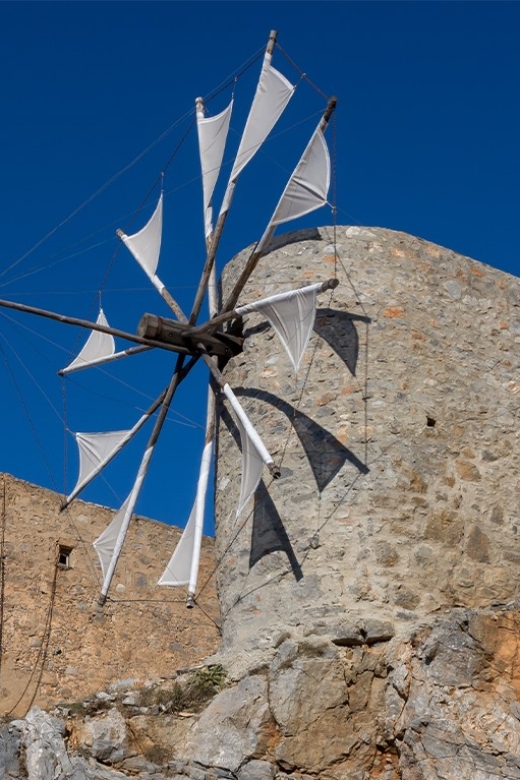
- Lasithi Plateau views: windmills that still shape the day
- Psychro ceramic workshop: hands-on craft time
- Seli viewpoints and renovated windmills for photos
- Lunch in a traditional tavern on the plateau
- Avdou olive oil factory: see the process, then taste
- Knossos Palace with a guide: Minos and the Minotaur, explained on site
- Price and what you might pay extra at the door
- Who this day trip fits best (and who should think twice)
- Should you book the Crete Lasithi Plateau & Knossos day trip?
- FAQ
- What’s included in the price?
- What’s not included?
- How long is the day trip?
- What languages are available for the guide?
- Where do I get picked up and dropped off?
- Is the tour wheelchair accessible?
- Is there free cancellation?
Key moments I’d circle on this Crete itinerary
- Krasi’s plane tree: a giant landmark by the village square and springs
- Panagia Kera frescoes: 14th-century wall paintings tied to local legend
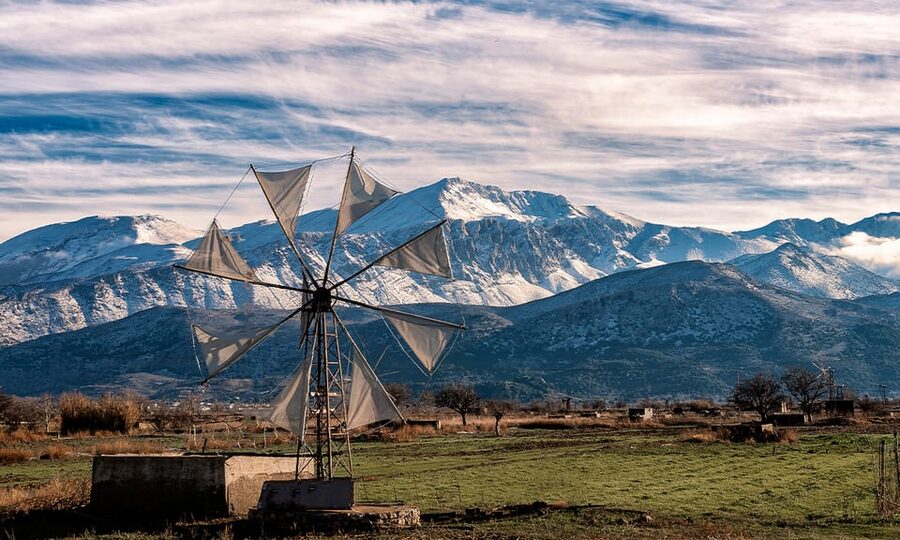
- Lasithi Plateau windmills: white sails and photo stops at restored mills
- Family-run Avdou olive oil tasting: see production, then sample the results
- Knossos Palace guided tour: King Minos and the Minotaur myth, explained on site
Getting picked up and getting your bearings in Krasi
Most days on Crete start with a practical part: you’re collected from a set list of pickup areas, then you’re off by air-conditioned bus. After that, the day settles into a steady rhythm—one village stop, one cultural stop, then more time in the countryside as the elevation changes.
Your first major stop is Krasi, centered around a famous plane tree in the village square. This isn’t a museum-like pause. You walk around, enjoy the calmer pace of a working village, and enjoy the natural cue that there are springs nearby. It’s the kind of early stop that helps you understand what Lasithi feels like once you’re away from the coast.
You get about an hour of free time here and a straightforward walk. Wear comfortable shoes, because even “just strolling” on an old village layout can mean cobbles and uneven ground. If you like taking photos, Krasi is a good place to start—early light can make the tree and the square look even more dramatic.
Panagia Kera: frescoes and a myth you can actually see
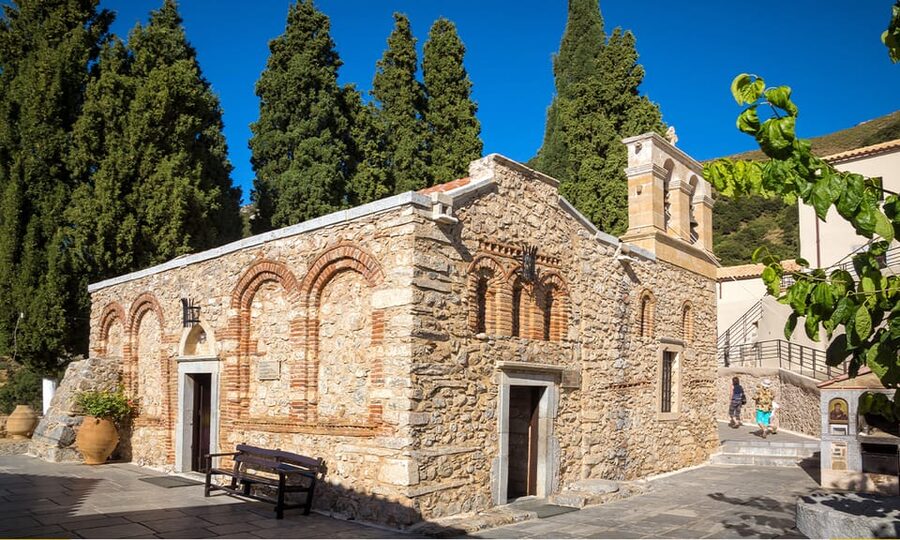
Next up is Panagia Kera, a historic monastery stop built for sightseeing, not just passing through. The time window is shorter—around 30 minutes of scenic drive time before you arrive, plus time on site—but it’s tightly focused.
What you’re here for is the 14th-century frescoes. This is one of the best “stop-and-look” moments of the day because you’re not just learning about ancient Crete in the abstract. You’re seeing painted detail on walls, and that makes the stories feel less like trivia.
There’s also a myth connection tied to the monastery. Even if you don’t catch every detail, the setting helps: you’re in a place that shaped local tradition, not a generic photo spot. It’s also one of the reasons I think this tour works well for first-time visitors—this is Crete’s layered identity: Christian-era art placed over older cultural threads.
One consideration: entry to Panagia Kera isn’t included, so budget for it when you’re planning your total spend. If you love art and symbolism, this is the moment where that interest pays off.
Lasithi Plateau views: windmills that still shape the day
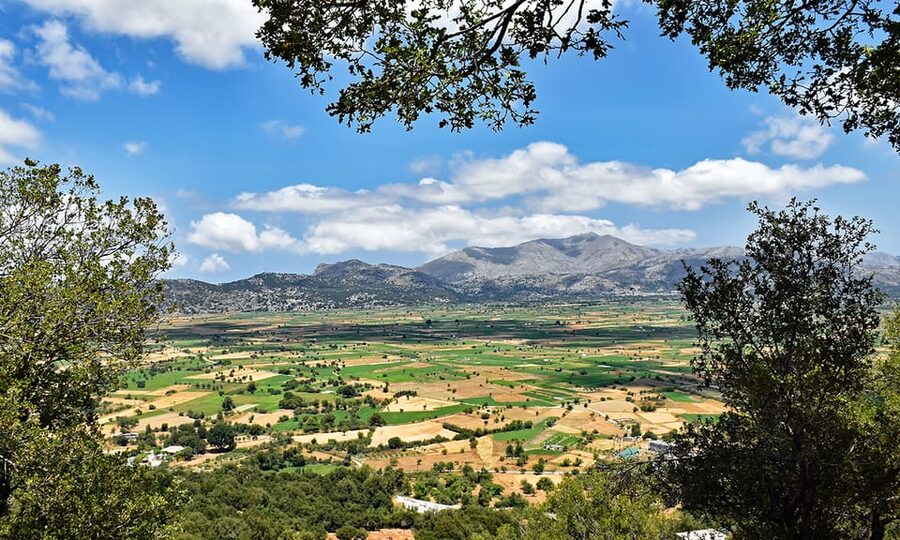
After the monastery stop, the bus heads deeper into Lasithi Plateau country. This is where the day starts feeling more open, with long sightlines and that unmistakable plateau atmosphere.
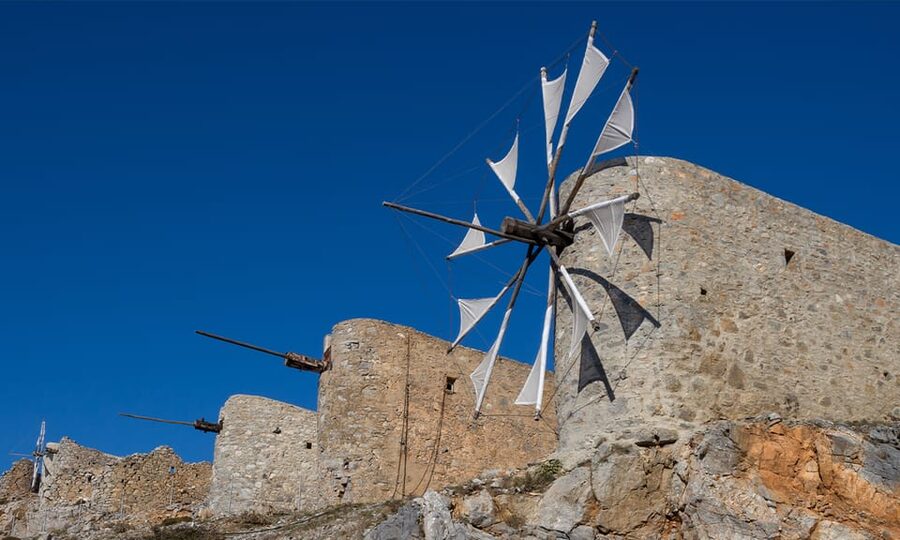
A key visual hit here is the region’s old irrigation system: the white-sailed windmills. Even if you’ve seen pictures before, standing near them (and seeing the scale) makes a difference. These mills are tied to how people managed water on the plateau, so you’re not just looking at scenery—you’re seeing infrastructure turned into identity.
You’ll also get a stop at the plateau area with time for shopping (about 20 minutes). This is a quick chance to pick up small local items, but it’s not a full market crawl. If you want to avoid feeling rushed, treat this as a “browse only” window unless you already know what you’re hunting for.
There’s also a practical rhythm to this part of the day: the bus moves you between points, and then you stop long enough to look and take photos. If you get motion sickness, this is a good time to be strategic—sit where you feel best (usually toward the front), and bring sunglasses and water because the plateau can feel bright.
Psychro ceramic workshop: hands-on craft time
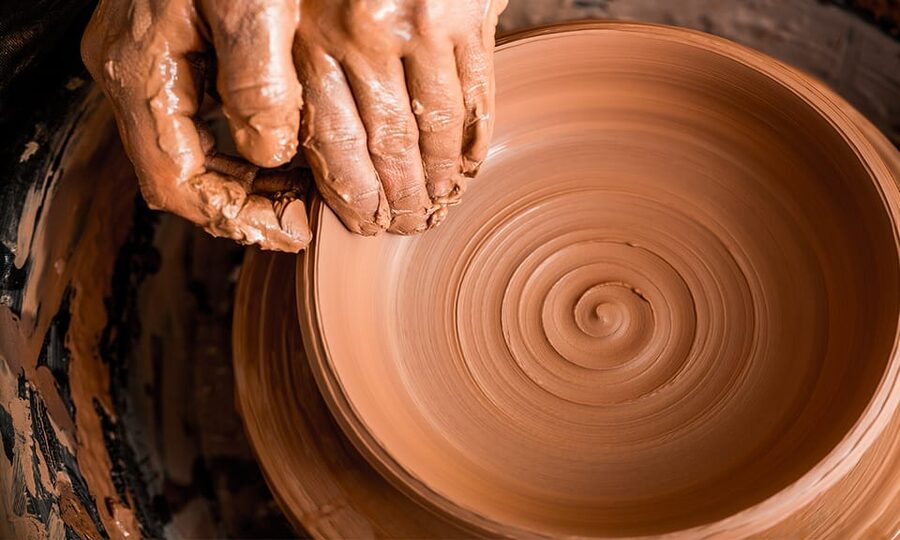
As the tour moves toward Psychro, you’ll stop at a small family-run ceramic workshop. This is one of those stops that breaks up the history/landmark feel with something you can watch in real time: how pottery is made, and what goes into turning raw materials into usable forms.
You’ll have time to shop around, but the bigger value is the explanation while the craft is happening. In places like this, you learn faster because the process is visible. One review highlight specifically mentioned a potter named George at the ceramic stop, which is a good reminder that you may get personal, local storytelling—not just a generic demo.
Don’t expect this to be long. It’s more like a focused craft window. Still, it’s a strong match if you like to bring home something meaningful instead of another magnet.
Seli viewpoints and renovated windmills for photos
Later you reach Seli, a point set up for the kind of photos you’ll actually keep. The views here are built around the plateau and the windmill imagery. You’ll also see renovated windmills, which add a “then-and-now” contrast: how old technology is preserved or reimagined for today.
This portion feels like the day’s visual climax before lunch. It’s not a full wandering hike, but it’s enough time to pause, look around, and shoot a few angles without feeling like you’re constantly back on the bus.
If you’re the type who takes photos seriously, bring a hat and sunscreen. This is open country. Shade is limited, and the sun can hit fast even when the air feels pleasant.
Lunch in a traditional tavern on the plateau
Lunch is built in as about 1.5 hours at a traditional tavern in the heart of the plateau area. This is where the tour acknowledges a key truth: you’re spending the whole day outdoors and in transit, so you need a real break.
Food and drinks are not included, but the lunch stop is still part of the value of the day trip because it removes the “where should we eat?” stress. You’re not trying to navigate menus and timing while your day is already packed.
If you want to make the lunch time work well, plan to keep it simple:
- order something local or seasonal
- drink water
- use the restrooms before you head back to the bus
One helpful note from real-world experience on this route: lunch options can be well priced for what you get, and service is usually efficient because the group has a schedule. Still, it’s smart to bring some cash in your day bag, since you might want small purchases after lunch.
Avdou olive oil factory: see the process, then taste
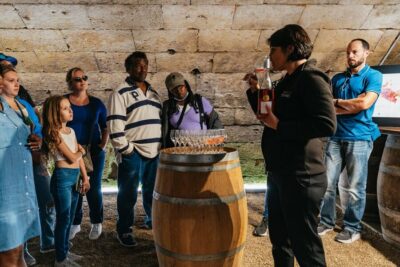
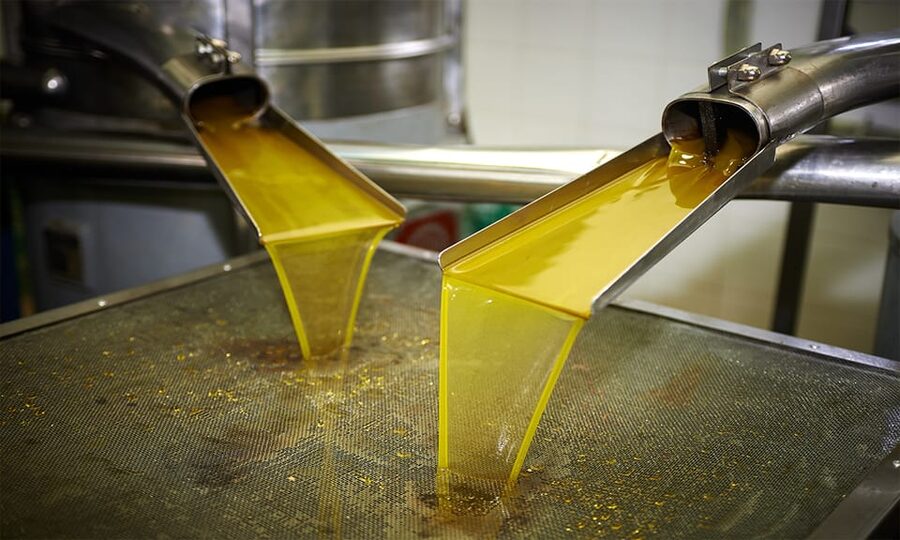
After lunch, the tour shifts back toward a craft and food theme with a stop in Avdou. This is a family-run olive oil factory visit where you learn the process of making olive oil and then enjoy an olive oil tasting.
This is more than a sales stop. It’s a chance to understand what you’re actually buying later. You get to see production steps, hear the reasoning behind different product styles, and then taste the results. That tasting part matters because it gives you a frame of reference—when you later shop on Crete or back home, you’ll remember what the “good stuff” tastes like.
What makes Avdou stand out on a long day is pacing. You’re not just seated in a history lecture. You’re in motion through the process, learning by watching.
Again, the tasting is included, but food and drinks are not. For shopping, bring a credit card, but also have cash ready in case you want to buy directly from the producer.
Knossos Palace with a guide: Minos and the Minotaur, explained on site
The final major stop is Knossos Palace, the biggest Minoan-era palace site. You’ll get a guided tour (about 1.5 hours), which is the right length here. Knossos can feel overwhelming if you’re left alone with signage. With a guide, you get a thread through the rooms and courtyard so you know what you’re looking at.
You’ll also learn the Minotaur myth and how it connects to the story of King Minos. The big advantage of this guided format is that you don’t have to memorize names on your own. The guide helps you connect myth to place.
Entry to Knossos is not included, so plan that extra cost. It’s worth treating it as part of your total budget because you’re paying for access to a major world-site, then relying on the guide to translate it into something you can actually understand while you’re standing in the ruins.
Practical tip: comfortable shoes matter here even more than earlier stops. You’ll be walking around archaeological areas with uneven surfaces. If you’re wearing sandals, consider switching to something more supportive.
Price and what you might pay extra at the door
The listed price is about $50.82 per person, and that includes a lot of logistics: roundtrip hotel pickup/drop-off, a bus ride, a guide, plus the olive oil factory tour and tasting.
But it’s not an all-in, pay-one-time deal. You should expect extra costs for:
- entry to the Palace of Knossos
- entry to the Monastery of Kera
- lunch and drinks
That trade-off is common on Crete day trips: the tour operator covers the travel time and the guided storytelling, and you pay site admission and your own meals. Reviews also point out that admissions can add up, sometimes around a noticeable chunk per person.
So here’s the value lens I’d use: if you’re trying to see two major cultural anchors (Kera and Knossos) plus a plateau experience with craft and food stops, this price structure can be a good deal. If you already plan to visit Knossos and you hate paying extra for admissions, you might prefer a more self-guided option.
Who this day trip fits best (and who should think twice)
This tour is best for you if you want:
- a single-day hit at Knossos without figuring out transport
- countryside views plus village time (not only one city stop)
- hands-on food/craft moments like olive oil tasting and ceramics
- a guide that explains the places as you go, in English, French, or German
It’s also a solid pick for early Crete visitors who want an organized first taste of the island beyond the beach strip.
Think twice if:
- you need wheelchair accessibility (it’s not suitable for wheelchair users)
- you dislike group pacing or fixed schedules
- you don’t want to pay extra site admissions
If you’re comfortable walking on uneven ground and you pack for sun, this format is a practical way to see a lot without feeling like you’re constantly driving.
Should you book the Crete Lasithi Plateau & Knossos day trip?
I’d book it if your ideal day on Crete is part myth, part craft, and part viewpoint hunting, with the work handled for you. The strongest reasons to choose this one are the guided Knossos tour plus the way the day adds “local texture” through Panagia Kera, Avdou olive oil tasting, and the ceramic workshop—not just big monuments.
The main reason to pause is money math. Since Knossos and Panagia Kera entry aren’t included, your total day cost will be higher than the headline price. If you budget for that and you’re okay paying for your own lunch and drinks, the overall value makes sense.
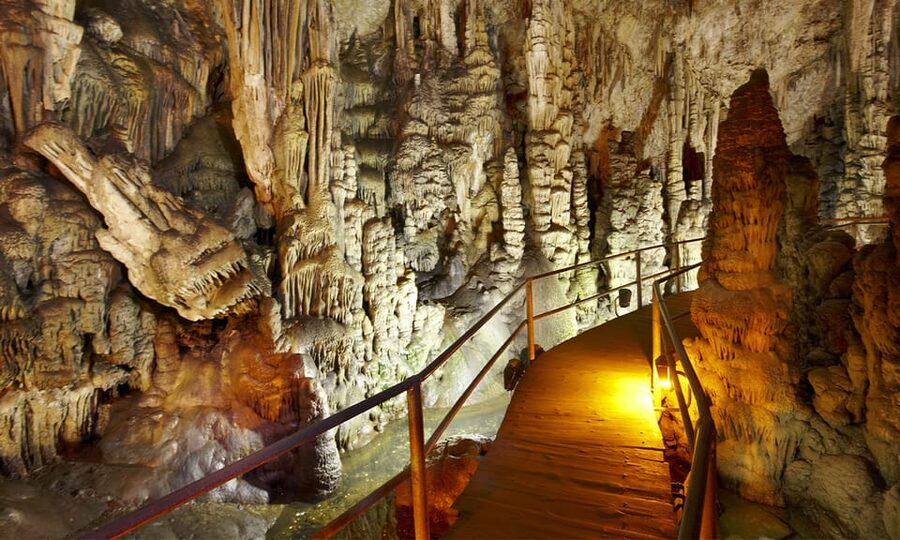
If you care about specific optional natural stops sometimes mentioned alongside this route (for example, Zeus Cave), verify your exact schedule after booking so your day matches your priorities.
FAQ
What’s included in the price?
The tour price includes hotel pickup and drop-off, transfer by air-conditioned bus, a guide, a tour of an olive oil factory, and an olive oil tasting.
What’s not included?
You’ll pay separately for food and drinks, entry to the Palace of Knossos, and entry to Monastery of Kera.
How long is the day trip?
The duration is about 10 hours, with starting times varying by availability.
What languages are available for the guide?
The live guide is available in English, French, and German.
Where do I get picked up and dropped off?
Pickup and drop-off are available at specific points across areas including Sisi, Malia, Stalis, Hersonissos, Anissaras, Analipsi, Gouves, Gournes Gouvon, Kokkini Hani, Karteros, Heraklion, Ammoudara, and Stalida.
Is the tour wheelchair accessible?
No. The tour is not suitable for wheelchair users.
Is there free cancellation?
Yes. You can cancel up to 24 hours in advance for a full refund.