REVIEW · DOVER CASTLE
Dover Castle Admission Ticket
Book on GetYourGuide →Operated by English Heritage · Bookable on GetYourGuide
Dover Castle packs centuries underground. This English Heritage site blends Henry II’s medieval palace with staged figures in the rooms, then drops you into tunnels that explain the Dunkirk evacuation and other wartime moments. You get a rare chance to see how the same hillline could function as a royal stronghold, then a survival machine.
I especially like the climb to the Great Tower roof for wide views over Dover, and I love how the underground storytelling uses film, audio, and archive images to make 1940 feel real. The main drawback is physical: expect steep slopes, lots of steps, and uneven ground, so comfortable shoes matter.
In This Review
- Dover Castle highlights you’ll feel in your feet
- Henry II’s palace rooms: a medieval start that sets the pace
- The Great Tower climb: views worth the stairs
- WWII tunnels and the Dunkirk evacuation story
- Dover Castle Under Siege: interactive displays plus reopened medieval tunnels
- Tunnels, hospitals, and what to do when the lines build
- Walking reality check: stairs, slopes, and rough ground
- Price and value: is $33 per person worth it?
- Who should book this Dover Castle day ticket
- Final call: should you book?
- FAQ
- How long should I plan for Dover Castle admission?
- What’s the last time I can enter?
- Where does Dover Castle admission start?
- What does the admission ticket include?
- Is Dover Castle wheelchair accessible?
- Is there a family admission option?
Dover Castle highlights you’ll feel in your feet
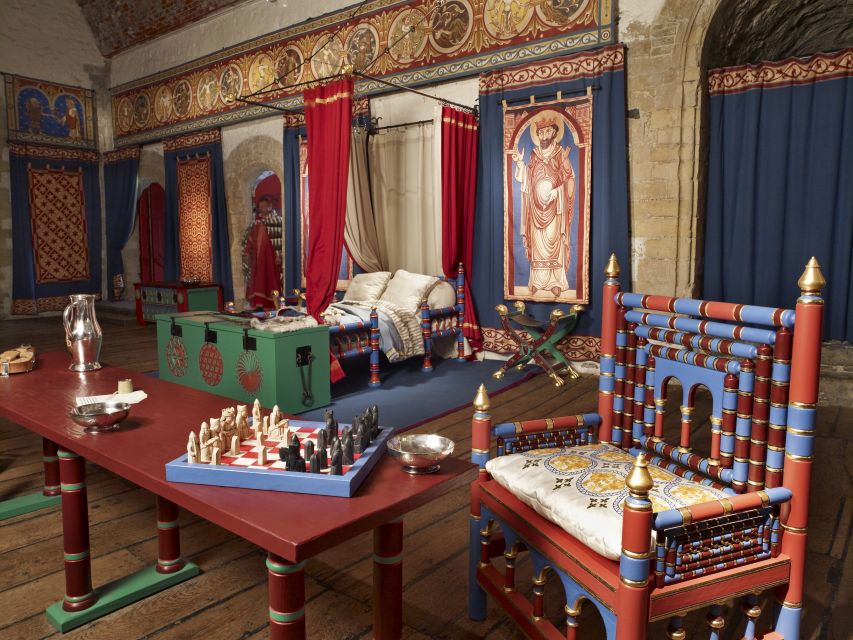
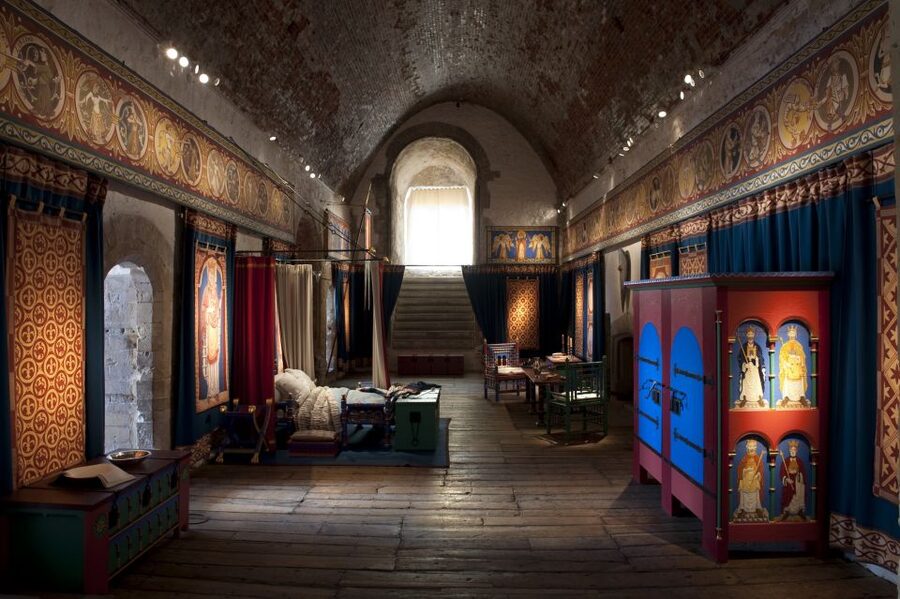
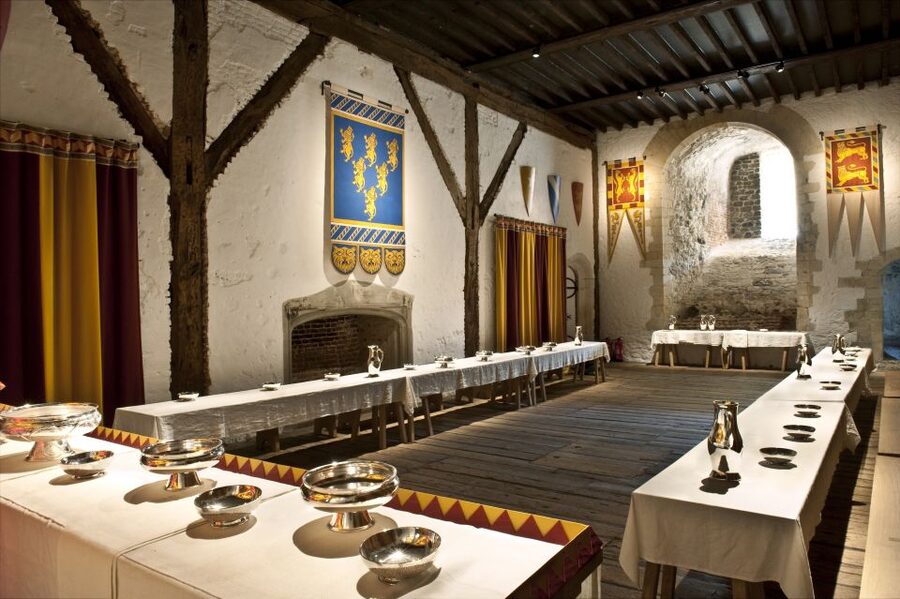
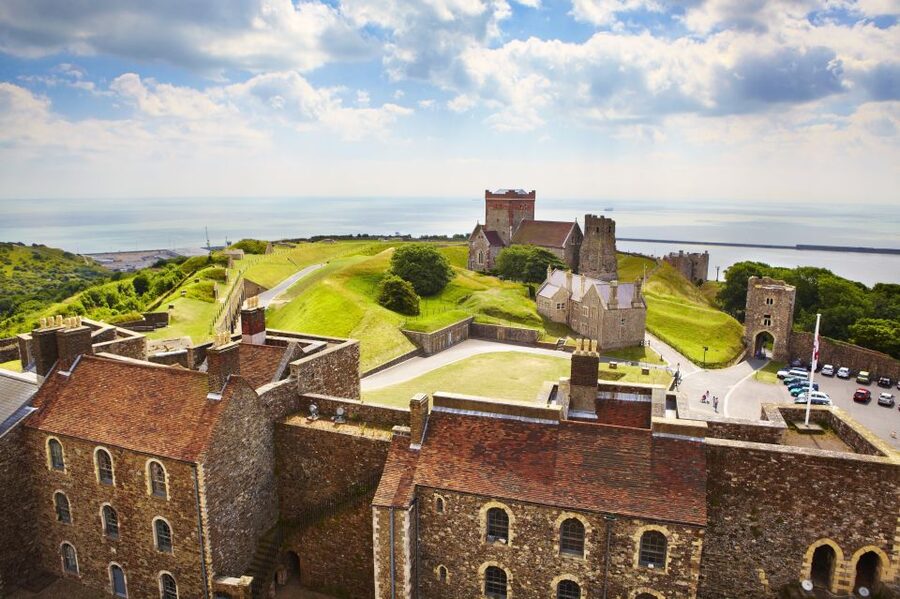
- Henry II’s palace rooms with lifelike hologram figures in private chambers, the great hall, kitchen, and armories
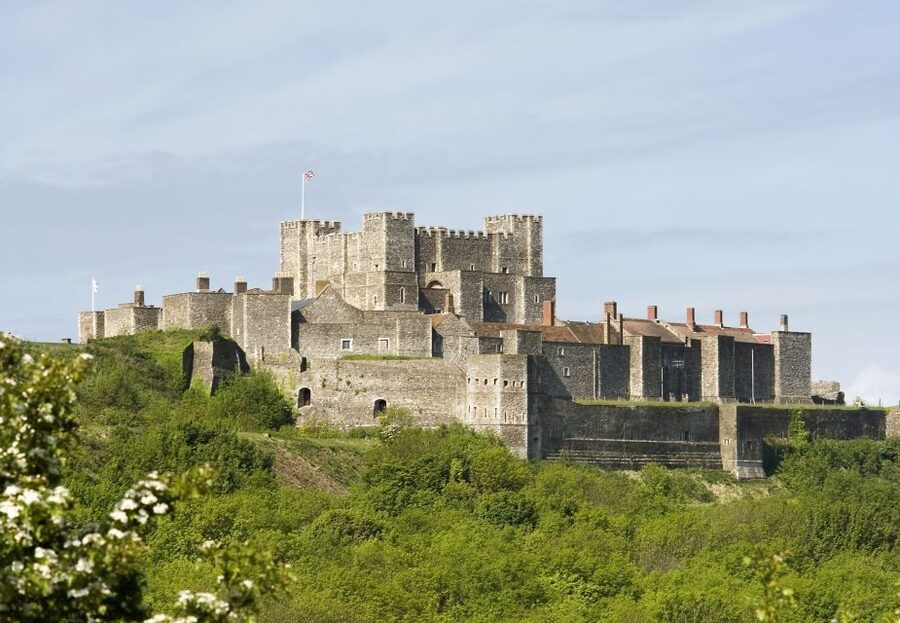
- Great Tower roof views from one of England’s strongest medieval fortifications
- Secret tunnels linking medieval, Napoleonic, and WWII conflict stories
- Dunkirk evacuation presentation focused on the rescue of over 300,000 troops with film and audio
- Dover Castle Under Siege immersive, interactive displays plus reopened medieval tunnels
- A rare anti-aircraft gun in action inside the WWII setting
Henry II’s palace rooms: a medieval start that sets the pace
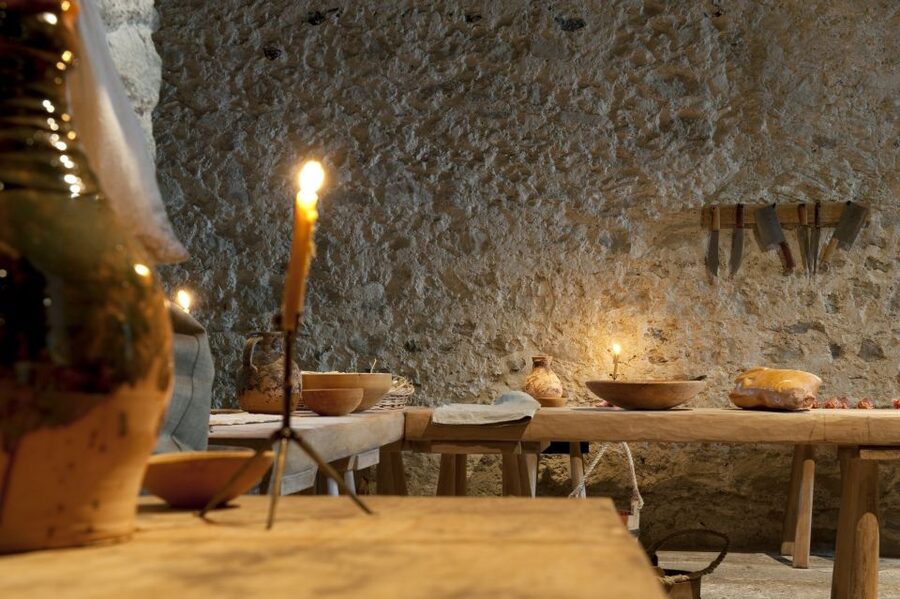
Start at the top, not the bottom. Dover Castle’s medieval side works best as your first move because it gives you orientation: where power lived, how rooms were laid out, and why this fortress mattered before it became a wartime refuge.
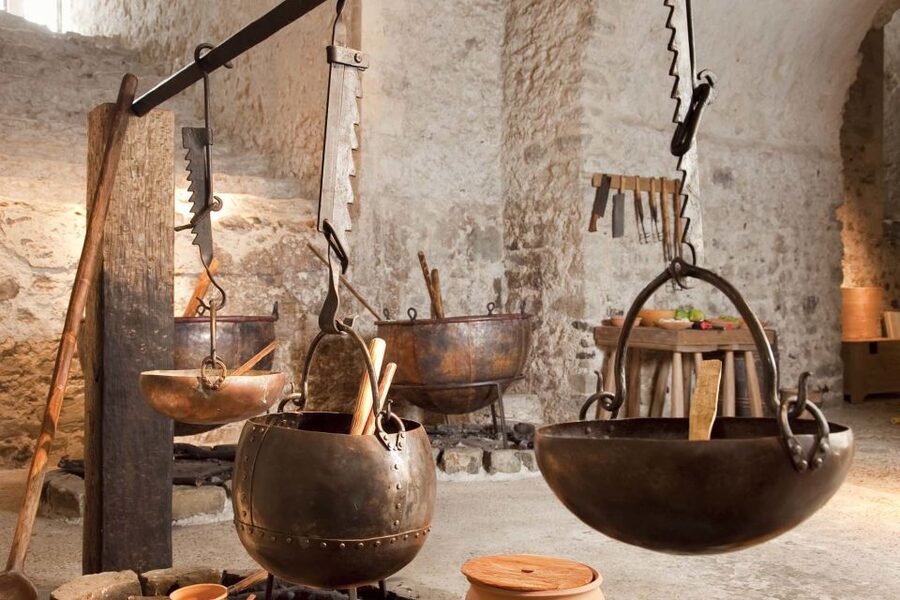
Inside the palace areas, you’ll follow lifelike hologram figures through Henry II’s guest rooms and great hall, and you’ll pass the kitchen and armories. That staging is more than decoration. It helps your brain picture daily life, not just dates and names. You also get little “aha” moments as you move between spaces that feel connected but weren’t meant for casual wandering.
If you’re into engineering details, look out for the castle’s well-known water feature, including the fresh water hole reported as around 100 meters deep. It’s one of those facts that sounds impressive until you see it and realize how practical it was in a siege situation.
The Great Tower climb: views worth the stairs
Then come the stairs. The Great Tower is the centerpiece climb, and you’ll be rewarded at the top with panoramic views from the roof. The castle’s height isn’t just for dramatic photos; it’s where strength and surveillance lived.
The roof viewpoint is also where you’ll notice the site’s “real terrain” factor. You may get hot in warmer months, and there are steps and edges where a clear warning would help. Go slowly, watch your footing, and don’t rush your photos. A little care here saves a lot of trouble later.
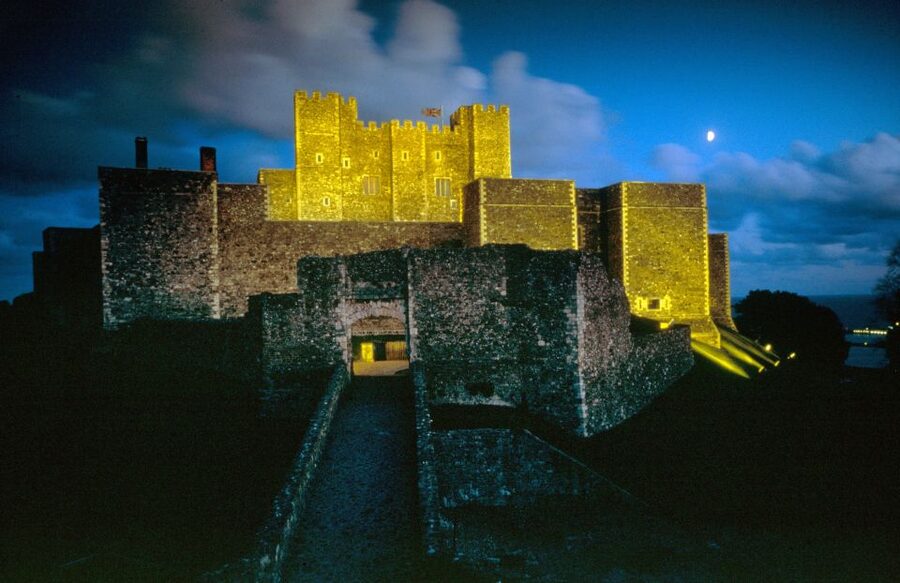
From above, the scale of the fortress becomes obvious. You can see why this was described as one of the strongest castles in England and why Dover’s strategic position mattered so much. Even if you’re not a history superfan, you’ll feel the logic of the place: land, access, and defense all tied together.
WWII tunnels and the Dunkirk evacuation story
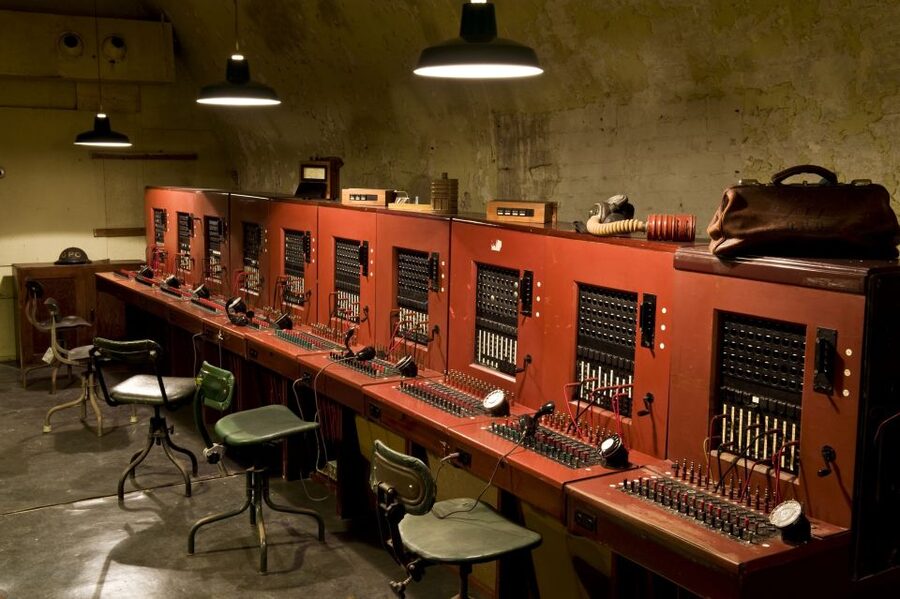
When you head underground, the castle changes personality. The wartime tunnels are the reason many people come, and they’re built around a very specific story: the 1940 Miracle of Dunkirk and the evacuation of over 300,000 British and allied troops.
What makes this part work is the mix of media. You’re not just walking through dark corridors; the experience uses film, audio, and archive photography to guide you through what happened. It’s designed so your understanding doesn’t depend on reading tiny labels while you’re standing in a draft.
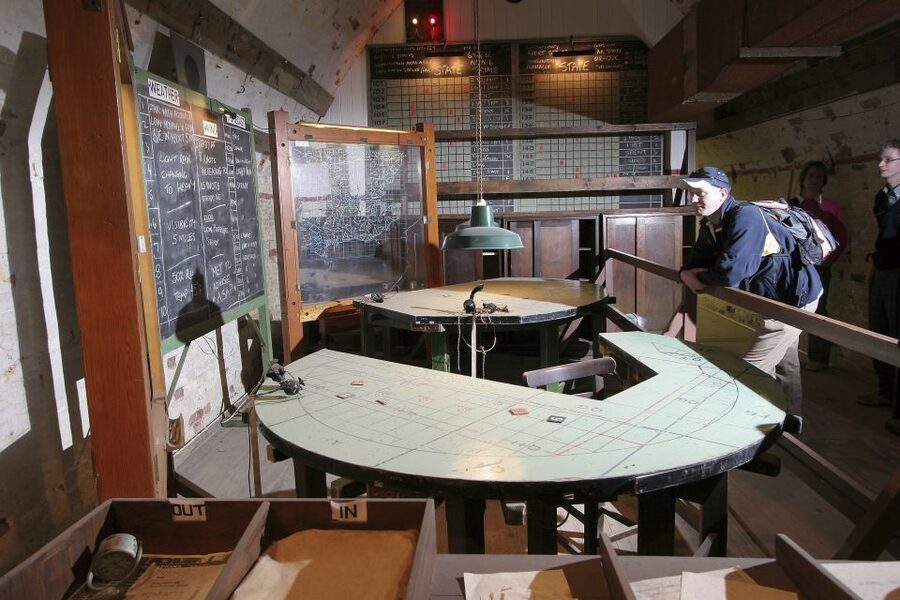
You’ll also find explanations tied to the castle’s role as an operational space, including underground areas such as a hospital setup and a Dunkirk operation center setting. If you like your history grounded in how people actually survived and worked, this is the section that usually sticks in your mind.
And yes, you can also see a rare anti-aircraft gun in action. It’s one of those moments that turns history from theory into equipment—metal, purpose, and urgency.
Dover Castle Under Siege: interactive displays plus reopened medieval tunnels
The newest pull here is Dover Castle Under Siege, which is now open. This attraction reframes the castle’s toughest moments through immersive, interactive displays, and it also includes reopened medieval tunnels.
Think of it as a bridge between eras. The tunnels aren’t treated like a random maze; they’re presented as connected survival infrastructure. That’s valuable because it helps you stop seeing the medieval and WWII parts as separate attractions and start seeing them as a single long story of the same hill being used again and again.
If you’re visiting with kids, or anyone who gets bored by plain room-to-room museum pacing, the interactive approach can keep attention moving. You may also spot seasonal or family-friendly touches in the wider grounds, including activity moments around the site.
Tunnels, hospitals, and what to do when the lines build
Here’s the practical truth: some parts can get queued up. One common friction point is how people are directed toward the tunnels right away, which can create a lump of visitors before you’ve even toured the medieval spaces.
So I recommend a simple plan:
- If you want the smoothest flow, aim to handle the medieval rooms and the Great Tower first, then go underground later.
- If tunnels are your top priority, be ready to wait a bit and keep your schedule flexible.
You’ll also want time for the hospital and other underground areas tied to WWII. Those spaces add depth, and trying to sprint through them usually means you miss the cues that make the story land.
In general, plan on at least a half day for the castle itself, and closer to 4 hours if you want the underground tunnel presentations properly. If you only have a short visit window, you’ll have to choose. The good news is there’s still plenty to see even if you can’t hit every timed activity.
Walking reality check: stairs, slopes, and rough ground
Let’s be honest about the body part of the trip. This site involves plenty of walking and more than its share of stairs and slopes. The ground can be uneven, and some paths feel rough underfoot, which can be tricky if you’re traveling with mobility limitations or you don’t wear supportive shoes.
If you’re older, visiting after a long travel day, or you just dislike relentless staircases, I suggest pacing yourself like it’s a mini hike. Pause when you need to, take water breaks, and don’t treat the roof climb as a quick stop. That roof viewpoint is great, but it’s also where your energy gets tested.
If you’re wheelchair using, the site is described as wheelchair accessible. Still, you’ll want to plan for uneven outdoor terrain and slope movement, so give yourself a little more time than you think you need.
Price and value: is $33 per person worth it?
At about $33 per person for a one-day admission ticket, Dover Castle isn’t cheap. But it’s also not just a single “see it, move on” stop. You’re paying for multiple eras packed into one hill: a medieval palace experience with staged figures, a major tower climb and views, and a major underground WWII story that includes Dunkirk evacuation interpretation.
Value comes from variety. Many castles do either medieval or WWII well, but Dover Castle tries to do both in the same visit window. When you add in the anti-aircraft gun moment and the new interactive Under Siege attraction, the ticket starts to make sense.
Is it worth it if you only care about one era? Maybe, but you’ll probably feel like you paid for parts you didn’t fully use. If you’re split between medieval and WWII, though, this is exactly the kind of place that justifies the price.
Who should book this Dover Castle day ticket
This ticket fits best if you like:
- A mix of medieval fortification and WWII survival storytelling
- Photo-worthy views from a high point, plus hands-on-feeling underground scenes
- A one-day plan that can take you from palace rooms to tunnels without changing locations
It also suits families, especially when kids get extra activities on busier periods. On the flip side, if your group hates stairs or you’re trying to keep things very low-impact, the physical effort can feel like the main event.
Language support is listed as part of the experience details, so you can also plan based on your comfort level.
Final call: should you book?
If you’re going to be in South East England and you want a day that mixes palace rooms, a major climb, and the most gripping WWII storytelling on this side of the Channel, book Dover Castle. The combination of Great Tower views, Dunkirk tunnels, and the added Under Siege experience gives you real variety for your time.
I’d skip (or at least rethink) the plan only if stairs and long uneven walking are deal-breakers. Otherwise, bring good shoes, start with the medieval rooms to avoid tunnel bottlenecks, and give yourself enough time to actually process what you’re seeing.
FAQ
How long should I plan for Dover Castle admission?
The ticket is valid for one day. In practice, plan around 4 hours if you want to explore the castle grounds and include the tunnel tours at a comfortable pace.
What’s the last time I can enter?
The last entry time is 2 hours before closing. If you’re exchanging a voucher for tickets, you should reach the ticket office at least 2 hours before closing.
Where does Dover Castle admission start?
The meeting point is Castle Hill, Dover, Kent, CT16 1HU.
What does the admission ticket include?
Your admission ticket gives entry to Dover Castle areas highlighted on-site, including the medieval palace rooms with lifelike figures and the underground tunnel experiences, including the Dunkirk evacuation story presentation and related wartime settings.
Is Dover Castle wheelchair accessible?
Yes, the site is listed as wheelchair accessible.
Is there a family admission option?
Yes. Family Admission allows entry for 2 adults and up to 3 children aged 5 to 17.