REVIEW · FERRARA
Ferrara: Estense Castle Guided Tour
Book on GetYourGuide →Operated by Consorzio Visit Ferrara · Bookable on GetYourGuide
Ferrara feels instantly legible at Estense Castle. This tour turns a big, beautiful building into a story you can follow, especially with headsets and a guide who explains the Estense family drama. I also love the walk from bright upper rooms to the underground prisons. The one thing to watch is that the meeting area can feel a bit chaotic, and the castle can get crowded.
You get about 1.5 hours with a qualified guide, plus extra time for moving through rooms and the museum stops. I found the art and legends work best when the guide is strong at storytelling, and the tour has a track record of that kind of performance, including guides like Virna and Luisa Veronese mentioned in recent feedback.
One more practical note: the guided part is around $15, but the museum entry ticket is separate. If you’re not careful with time, you can also lose minutes trying to find the group right at the start—so plan to arrive early.
In This Review
- Key highlights you’ll actually care about
- Estense Castle in Ferrara: why it’s more than just impressive walls
- Meeting point and pacing: what your first 30 minutes should look like
- First-floor medieval halls and the cannons’ flight: the fortress part makes sense
- Noble floor and Oranges Garden: views, ceremony, and the ducal lifestyle
- Frescoes and Estense secrets: how the legends add texture
- Underground prisons: the tour’s honest, darker turn
- Boldini and Giovanni Battista Crema: the art stops aren’t random
- Price and ticket math: what you’re really paying for
- Who should book this guided tour (and who might prefer another option)
- Should you book the Estense Castle guided tour?
- FAQ
- Is the guided tour in English or Italian?
- Are headsets included?
- Does the tour price include the castle entrance ticket?
- How long is the guided tour?
- When does the tour run?
- Where do I meet the guide?
- Does it include skip-the-line entry?
- Is the castle tour wheelchair accessible?
Key highlights you’ll actually care about
- Skip-the-line entry via a separate entrance, so you spend less time waiting at the door.
- Headsets included, which makes a big difference in stone corridors and busy rooms.
- First-floor medieval halls and the cannons’ flight help you picture the castle as a fortress, not just a pretty palace.
- Oranges Garden views over Ferrara’s squares give you the best “so this is why it mattered” perspective.
- Ducal chapel and frescoed halls show how power and art sat side by side.
- Underground prisons and Estense legends bring the darker side into the same walking route.
Estense Castle in Ferrara: why it’s more than just impressive walls
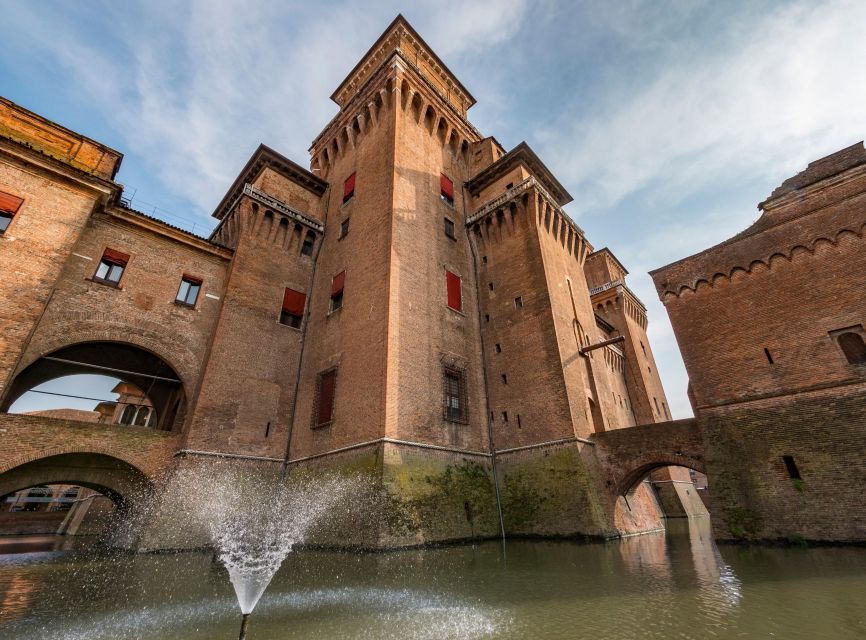
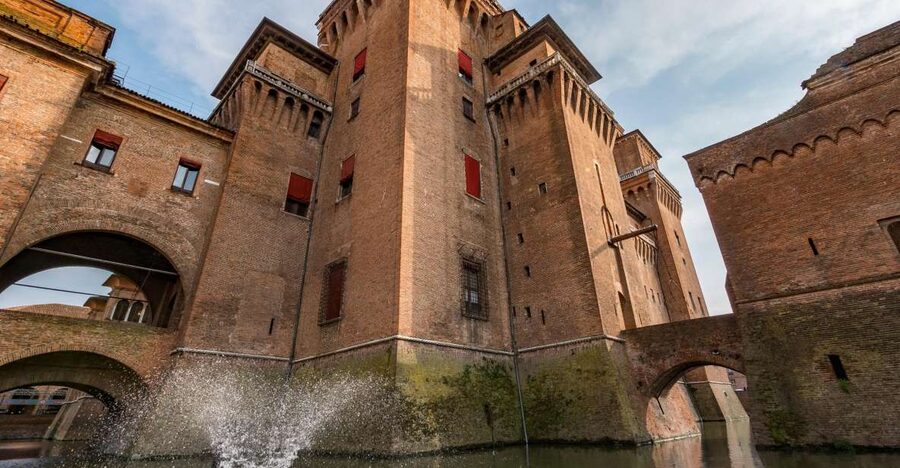
Estense Castle is Ferrara’s clearest landmark, the one you see and instantly understand you’re in a place shaped by ducal rule and military needs. What I like about this tour is that it doesn’t treat the castle like a single monument. It treats it like a machine that changed over time: from fortress geometry to a ducal residence where views, ceremony, and art mattered.
The guided flow is designed to help you “read” the building. First you get the defensive logic (rooms, layout, and details that connect to the castle’s fortress roots). Then you move into the noble spaces where status becomes visible in frescoed halls and chapel design. Finally, you end in the darker areas, including the underground prisons, so the story doesn’t turn into museum-scented fluff.
Meeting point and pacing: what your first 30 minutes should look like
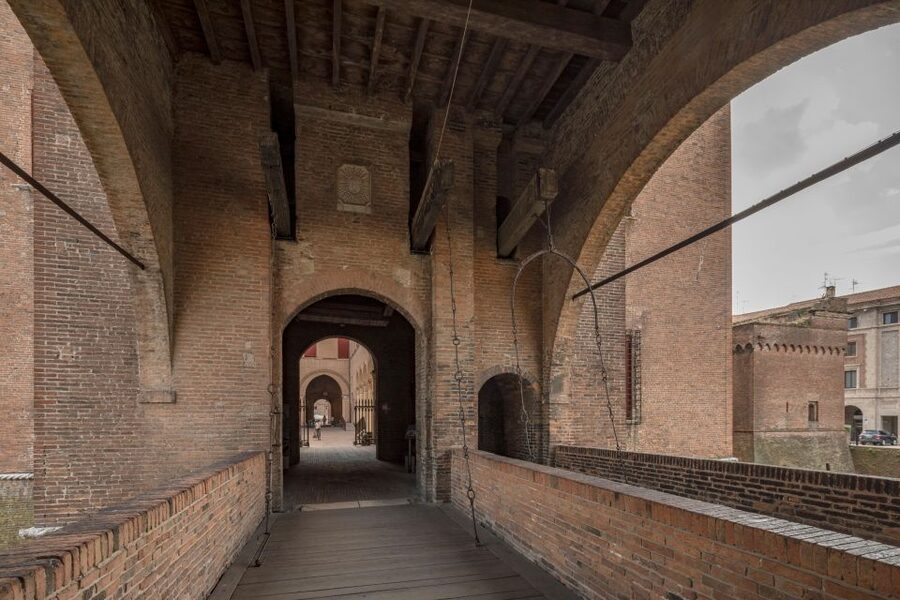
This tour meets in the castle courtyard near the loggia, under the arcade. You’re supposed to arrive 30 minutes before departure, not right at the start, because the group needs time to check in and get organized.
You’ll also want to think about pacing. The overall activity is listed at about 2 hours, while the guided visit is around 1.5 hours. That extra half hour is basically your buffer for entering, walking between rooms, and using the skip-the-line entry that keeps the tour from getting stuck behind long lines.
One small reality check: one recent experience noted that the meeting point can feel confusing and the castle can be overcrowded. So I’d rather you show up early and enjoy the courtyard for a moment than show up at the last second and end up playing human GPS.
First-floor medieval halls and the cannons’ flight: the fortress part makes sense
The tour’s opening run gives you the castle’s medieval personality. On the first floor, you’ll move through ancient medieval halls, and you’ll hear about the cannons’ flight—details that help you picture how the castle was meant to defend Ferrara.
This is where the guide’s job matters most. Without someone explaining what you’re seeing, it’s easy to glance at stone and think it’s just “old.” With the right context, you start noticing how the spaces connect to practical defense needs: sightlines, circulation, and how different areas might have been used in different periods.
If you’re into military architecture or simply like feeling oriented, this first phase is a win. You’re not just sightseeing. You’re building a mental map.
Noble floor and Oranges Garden: views, ceremony, and the ducal lifestyle
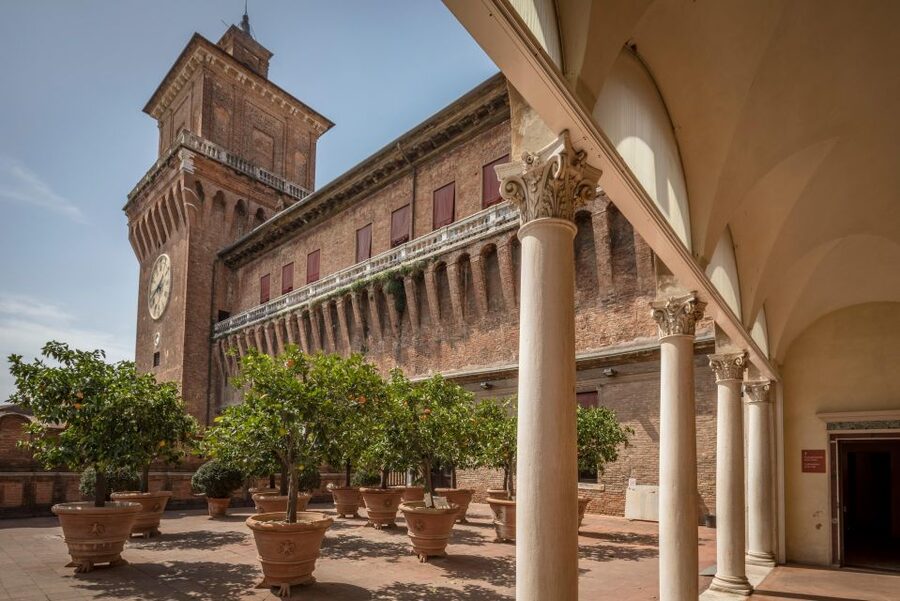
Once you climb into the noble floor, the mood shifts. You’ll get rooms and corridors that feel built for display, not defense. One of the standout stops is the Oranges Garden, which overlooks the city squares. Even if you know Ferrara’s streets already, this angle makes the ducal court feel less abstract.
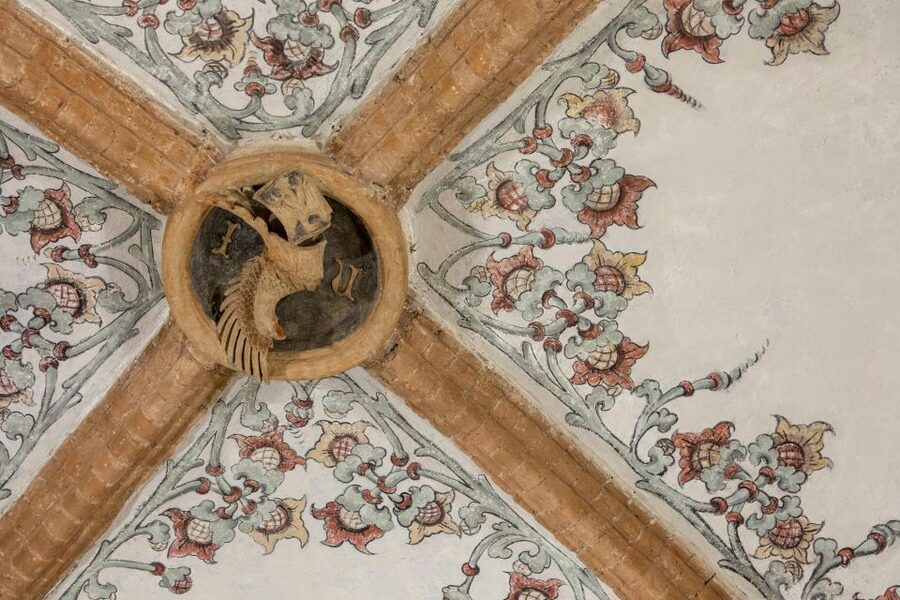
From there, the tour takes you through the ducal chapel and the wide frescoed halls. This is the part where you’ll understand why the Estes invested in art and formal space. The frescoes aren’t just decoration. They’re part of how authority communicated itself.
The biggest practical value here: you’ll come out with a clearer sense of how Ferrara’s city center connects visually to the castle. Standing at the right vantage point, it clicks. The castle wasn’t built to sit isolated. It was built to oversee and influence.
Frescoes and Estense secrets: how the legends add texture
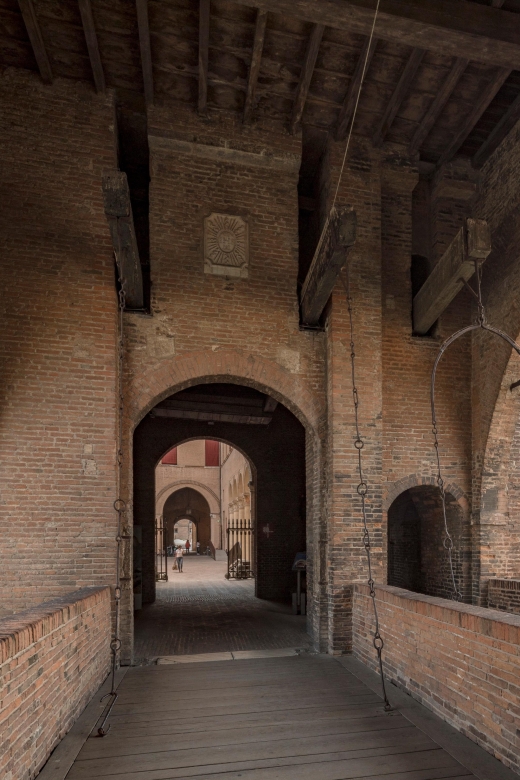
The core promise of the tour is that you’ll discover secrets and legends tied to the Estense family. In my view, that’s not “extra storytelling for fun.” It’s what turns architecture into human-scale history.
When a guide has good narrative skills, you start noticing the same patterns repeatedly: symbolic choices, recurring themes, and why certain rooms likely had specific functions. That’s also where the best guides shine. Recent feedback specifically praised guide Virna for being very interesting and well prepared, and another highlighted Luisa Veronese for making the past feel like it was happening in real time.
Not every guide will sound exactly the same, but the tour format is built around this idea: legends and details are used to guide your attention, so you leave with more than photos.
Underground prisons: the tour’s honest, darker turn
A castle tour that avoids the unpleasant parts can feel fake. Here, the highlight list includes the underground prisons, and that matters. It gives the visit balance.
Even without heavy theatrics, prison spaces force you to confront the other side of power: control, punishment, and fear. It’s also a great contrast to the frescoed rooms and garden views. You walk from spaces built for dignity into spaces built for confinement, and the change hits harder when it happens within the same route.
If you’re traveling with kids or sensitive about grim subjects, decide based on your group. The tour does include this darker element, so it’s good to know you’re not signing up only for pretty halls.
Boldini and Giovanni Battista Crema: the art stops aren’t random
The final phase includes exhibitions dedicated to Ferrara painters Giovanni Boldini and Giovanni Battista Crema. This is a smart way to end, because it ties the city to creativity beyond the castle’s own walls.
One reason I like this stop: it gives your visit a present-day feel. You’re not only looking back at medieval and ducal eras. You’re connecting Ferrara to artists whose work helped shape how the city is seen.
If art is your priority, don’t treat this as an afterthought. Allow a little time to actually look. The same building that tells ducal stories also functions as a museum space for later creativity, and that link can be surprisingly satisfying.
Price and ticket math: what you’re really paying for
The tour price is listed at $15 per person, but the castle entrance ticket is not included. That’s important for value math. You’re paying primarily for the guided experience and headsets, plus the benefit of skip-the-line entry through a separate entrance.
Museum entry prices are:
- Full price: €12
- Reduced: €10
- Free tickets for certain categories, including minors under 13, some minors under paying-adult rules, specific student groups in Ferrara, and certain professional roles listed for the museum.
There’s also an €1 discount per ticket for Amici del Castello. If you qualify, that can nudge the total cost down in a meaningful way.
So what’s the value? You’re getting:
- A guided narrative that organizes the rooms in a way a self-guided visit might not.
- Headsets, which are more than a convenience in a castle setting.
- Skip-the-line access, which can save time when crowds build.
If you already speak Italian well and you’re comfortable moving independently, you could do this on your own. But if you want the building explained while you walk, this is usually the easiest way to get it without spending extra energy figuring out what matters.
Who should book this guided tour (and who might prefer another option)
This guided tour makes the most sense if you:
- Want a structured route through medieval halls, noble spaces, prisons, and art exhibits.
- Travel with someone who appreciates context while they look.
- Like Ferrara enough that you don’t mind slower museum-style pacing.
It’s less ideal if you:
- Don’t speak Italian, since the guide is Italian only.
- Prefer long, unstructured wandering where you control every minute.
- Hate crowds and are very sensitive to busy indoor rooms. One experience flagged overcrowding, and castles often peak when multiple groups arrive close together.
Wheelchair accessibility is listed, which is a plus for planning a smoother visit for mobility needs.
Should you book the Estense Castle guided tour?
Yes, with one practical checklist. Book it if you want a guided explanation that connects fortress roots, ducal life, prison realities, and later art in a single coherent walk. The headsets and skip-the-line approach are real advantages, and the art stops for Boldini and Giovanni Battista Crema give the visit a satisfying ending.
Hold off or double-check your timing if you strongly dislike crowded starts or you tend to arrive late. The meeting point can be confusing when everyone is rushing, and one note about disorganization is enough to justify arriving early and keeping your expectations realistic.
FAQ
Is the guided tour in English or Italian?
The guided tour is in Italian only.
Are headsets included?
Yes. Headsets are included so you can hear the guide clearly.
Does the tour price include the castle entrance ticket?
No. The entrance ticket to Estense Castle is not included. You pay it separately.
How long is the guided tour?
The guided visit lasts around 1.5 hours, and the full activity is listed at about 2 hours.
When does the tour run?
It starts every Saturday at 3.30 p.m.
Where do I meet the guide?
You meet in the castle courtyard near the loggia, under the arcade.
Does it include skip-the-line entry?
Yes. It includes skip-the-line access through a separate entrance.
Is the castle tour wheelchair accessible?
Wheelchair accessibility is listed for the tour.