REVIEW · EDINBURGH
From Edinburgh: Glamis and Dunnottar Castles Tour in Italian
Book on GetYourGuide →Operated by Scozia Tour · Bookable on GetYourGuide
Some days, the road does the bragging. This Italian-guided tour takes you from Edinburgh out to Dunnottar Castle and Glamis Castle, where you get serious scenery, strong storytelling, and real time to look around. I like that it’s built like a day outdoors, not a rushed museum shuffle, and you also get a practical seaside reset in Stonehaven along the way.
The big thing to consider is weather and footing: castle access depends on conditions, and Glamis/Dunnottar mean walking on uneven ground and steps. Also, entrance fees and food aren’t included, so your final cost depends on what you choose to pay once you’re there.
In This Review
- Key highlights worth clocking before you go
- A Full-Day Drive From Edinburgh: what 10 hours really feels like
- Meeting at 190 High Street and finishing near Hanover Street
- The ride out of Edinburgh: Forth bridges, fishing villages, and story stops
- Dunnottar Castle on the cliffs: the stop that earns the time
- If Dunnottar can’t be accessed
- Stonehaven: the seaside reset that keeps the day sane
- Glamis Castle: Macbeth connections and the Victorian Gothic feel
- Dundee on the return: V&A Dundee and the HMS Discovery connection
- Silicon Glen and Edinburgh ideas: how the day finishes
- Winter routing (Dec 15 to Mar 22): Aberdour Castle, Forth Bridge viewpoints, and weather-first logic
- A real note on winter risk
- Price and value for $74: what you’re paying for, and what you’ll pay extra
- Who this tour suits best (and who should skip it)
- Should you book the Glamis and Dunnottar Castles Tour?
- FAQ
- How long is the Glamis and Dunnottar Castles tour?
- What is the price per person?
- Where do I meet the tour, and where does it end?
- Is the tour guide speaking Italian?
- Are castle entrance fees included?
- Is lunch included?
- How much time do I get at Dunnottar Castle?
- How much time do I get at Glamis Castle?
- What happens if weather prevents access to Dunnottar?
- Is this tour suitable for people with mobility impairments?
Key highlights worth clocking before you go
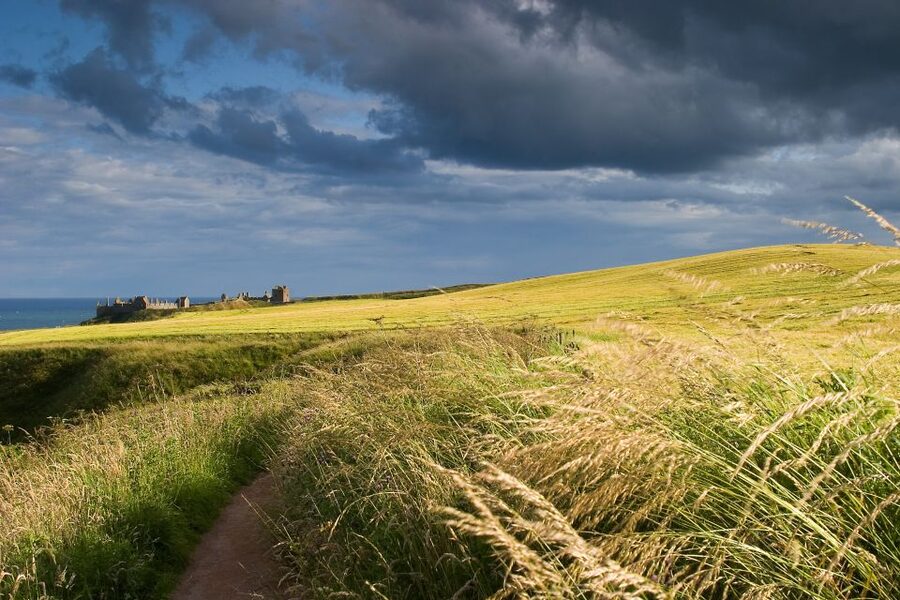
- Clifftop Dunnottar with guided explanation plus 75 minutes to explore at your own pace
- Glamis Castle visit tied to Macbeth and the Queen Mother, with a guided tour and time to wander
- Stonehaven break for harbor views and a proper pause before the next driving leg
- Two itinerary versions: a spring/fall route and a winter route with Aberdour Castle and viewpoint stops
- Italian live commentary throughout the day, led by guides such as Lorenzo or Francesco
- Dundee stop to see V&A Dundee and learn about HMS Discovery, without getting stuck all day
A Full-Day Drive From Edinburgh: what 10 hours really feels like
This is a classic day trip: you start in Edinburgh, spend a lot of the day on the road, then hit the two main castles—Dunnottar and Glamis—plus a couple of shorter story-and-photo stops. The total duration is listed as 10 hours, so you’ll want a steady breakfast and comfortable shoes from the start.
I like that the plan gives you time blocks that make sense for castle sites rather than just drop-and-run. Dunnottar gets the longer dedicated window (75 minutes), Glamis gets a guided tour plus additional free time (2 hours), and Stonehaven gets about an hour to breathe.
The flip side: you’re not walking between far-apart neighborhoods like on a city tour. You’ll be relying on the coach/minivan schedule, and the day can feel slower in winter when the light is short and conditions can tighten up.
You can also read our reviews of more tours and experiences in Edinburgh.


Meeting at 190 High Street and finishing near Hanover Street
You meet at 190 High Street on the Royal Mile area (EH1 1RW). The tour ends at 76 Hanover St (EH2 1EL), which is a convenient landing point because it puts you back in central Edinburgh.
No hotel pickup is listed, so plan to get yourself to the meeting point with enough buffer time. Also keep in mind you’re starting from a tourist-heavy area; I’d rather arrive early and relax than try to sprint through the Royal Mile when you’re still finding your bearings.
The ride out of Edinburgh: Forth bridges, fishing villages, and story stops
You don’t just “get transported.” The itinerary is built around viewpoint and photo-worthy travel corridors, including the Forth crossings and the coastal villages.
On the route running until December 14, 2025, the day starts with a drive that crosses the Forth River and passes by North Queensferry and South Queensferry—the kind of place where you can see why engineering and maritime life shaped the area. The tour then moves on toward Dundee, stopping at the Tay River for panoramic views of the Tay Bridge and the RRS Discovery (the ship used by Captain Robert Falcon Scott in his Antarctic expedition).
On the winter schedule (from December 15, 2025 to March 22, 2026), you swap part of that route for a more coastal approach, plus a dedicated viewpoint: the Three Bridges Viewpoint. From there, you can frame the Forth Bridge, Forth Road Bridge, and the Queensferry Crossing in one sweep, plus get photos of the villages of North and South Queensferry.
Why I think these travel segments matter: they break up the day so you don’t feel like you’re only watching a window. They also set context for what you’ll see later—coastal fortresses like Dunnottar didn’t exist in a vacuum, and the region’s geography is the whole point.
Dunnottar Castle on the cliffs: the stop that earns the time
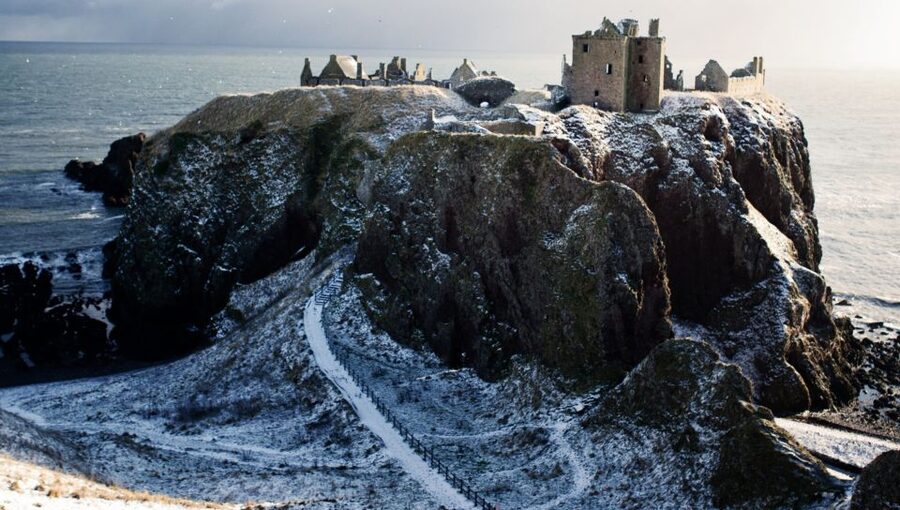
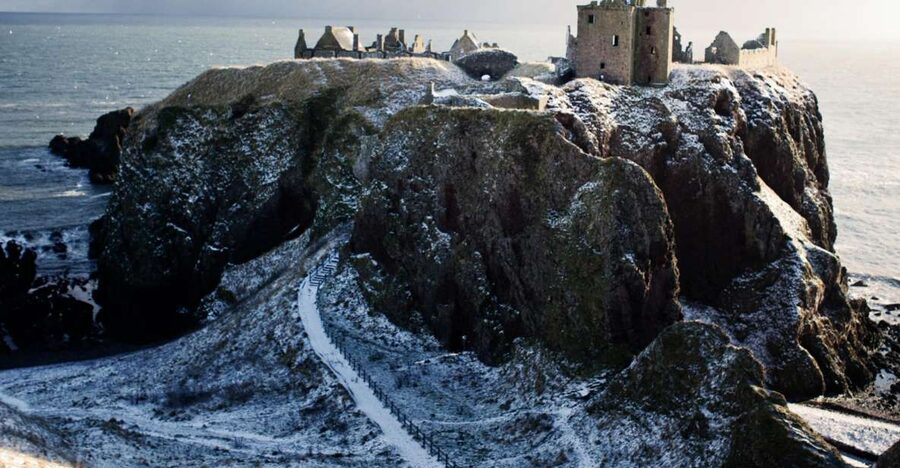
If you’re choosing this tour for one reason, it’s Dunnottar. The fortress sits perched on cliffs overlooking the North Sea, and the whole vibe is “nature plus architecture” rather than “castle in a flat field.”
On the main itinerary, you’ll get about 75 minutes of combined time for a photo stop and visit/free time. That’s enough time to walk the accessible areas, take in the cliff views, and still have room to linger if the weather cooperates.
Dunnottar also has a specific historical role that makes the storytelling more than generic “castle facts.” It was a key location during the Wars of Independence in the 13th and 14th centuries. And it’s the sort of place that’s been visually powerful for artists and filmmakers—so even if you’re not chasing pop-culture connections, you’ll feel the dramatic setting.
Practical caution: this is listed as not suitable for people with mobility impairments. Even when the castle is accessible, you should expect uneven ground, stairs, and the kind of walking that’s fine for most people but not for everyone. Also, access can change with adverse weather.
If Dunnottar can’t be accessed
The plan includes a backup: if weather prevents access, you’ll get a photo stop at a panoramic viewpoint and also visit Stonehaven instead. On the winter itinerary, it’s similar in spirit (you’ll do a panoramic viewpoint for photos), and entrance is noted as not included.
So your goal at Dunnottar is clear: try to get inside if access allows, but if it doesn’t, at least you’re not left stranded without views.






Stonehaven: the seaside reset that keeps the day sane
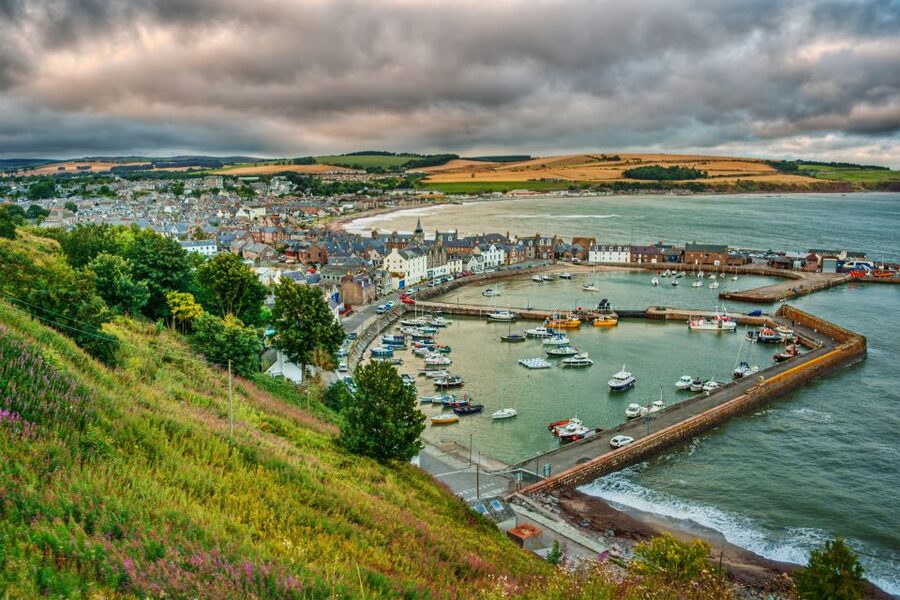
Between castle stops, Stonehaven functions like a pressure valve. It’s a charming seaside village with a lively harbor and colorful buildings, and you get around 1 hour there.
On the main schedule, that break lands after the Dunnottar segment, giving you time to walk along the harbor areas and find a place for food on your own—your tour includes no lunch and no food/drinks, but the village is built for exactly that kind of stop. The winter schedule keeps the Stonehaven break too, described as a setting for local cafes and a seaside stroll.
I like Stonehaven on these routes because it adds a “real day” feel. You’re not just collecting sights; you’re taking a breath, eating something you like, and letting the scenery sink in before you head inland toward Glamis.
Glamis Castle: Macbeth connections and the Victorian Gothic feel
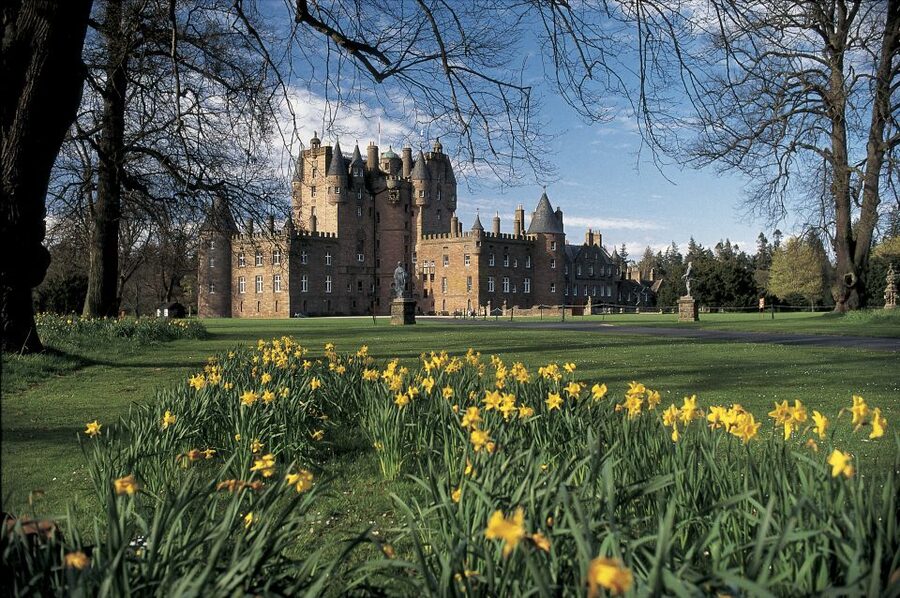
After Stonehaven, you move on to Glamis Castle, another big draw of the day. Glamis is famous for its connection to Macbeth and the Queen Mother, and the tour frames it as a Victorian Gothic masterpiece with gardens worth your time.
You’ll have guided tour time plus about 2 hours total for visiting and free time. That time structure matters. A guided segment is great for context—especially when you’re hearing legends and political or cultural connections—but the free time is what lets you look at architecture details, gardens, and the spaces that do the heavy lifting visually.
Also, the tour is described as visiting the Earl of Strathmore’s family home and gardens. That’s a key difference from castles that feel purely like ruins. Even when you’re just observing from public areas, it tends to feel more personal and maintained.
If you care about atmosphere and storytelling, Glamis is where that really comes through. You can expect the guide to connect the castle to Scottish lore and the surrounding landscape—without requiring you to be a scholar to enjoy it.
Dundee on the return: V&A Dundee and the HMS Discovery connection
Dundee is a shorter stop, but it’s chosen for a reason: maritime and design/tech identity. You’ll have about 30 minutes on the main itinerary (and it’s also listed as a final cultural stop on the winter version).
In Dundee, the focus is on the V&A Dundee and the city’s maritime legacy, including the HMS Discovery linked to Robert Falcon Scott’s Antarctic expedition. Even though time is limited, it’s a nice way to end the day on something different from castles: a museum-shaped reminder that Scotland’s story isn’t only medieval.
My practical advice: treat this as a “see it, orient fast, then enjoy the last moments” stop. Don’t plan to read every label. Use the time to get the big picture and grab a couple of photos you’ll actually want later.
Silicon Glen and Edinburgh ideas: how the day finishes
On the main itinerary, you return via Silicon Glen, Scotland’s tech valley. You’ll also get suggestions from your guide for more to do in Edinburgh after you get back.
Even if you’re not heading straight to tech museums, those kinds of suggestions help you use your remaining time well—especially if this day trip is part of a longer visit.
The key is to stay flexible once you’re back. You’ll likely feel a bit tired, so I’d plan a low-effort evening—dinner near your end point, then an easy walk to reset.
Winter routing (Dec 15 to Mar 22): Aberdour Castle, Forth Bridge viewpoints, and weather-first logic
Winter changes the rhythm, even though the core idea stays the same: castles plus coastal context, taught in Italian, with contingency planning.
On the winter itinerary, you’ll start east through Fife and along the North Sea coast. Your first stop is the Three Bridges Viewpoint for big engineering photos—Forth Bridge, Forth Road Bridge, and Queensferry Crossing all in one frame.
Next comes Aberdour Castle, described as one of Scotland’s oldest fortresses, with structures dating to the 12th century and a mix of medieval and Renaissance elements. That stop is a good match for people who like variety: it breaks the day up so you’re not doing all castles back-to-back without changing mental gears.
Then you reach Dunnottar Castle again, perched on cliffs—but the winter notes say entrance is not included, and if weather blocks access, you’ll do a panoramic photo viewpoint instead.
Stonehaven follows for a lunch-style break, and then Dundee ends the day with V&A Dundee and the HMS Discovery maritime connection—before the drive back to Edinburgh.
A real note on winter risk
The tour’s weather plan is clearly spelled out. Still, winter in Scotland can be brutal on transport schedules and timing. One participant described a situation where the vehicle was unable to handle snowy conditions and they had to wait outside in the cold. I don’t think this is the norm, but it’s enough of a caution to take seriously: bring a mindset for delays, especially on snowy days.
Price and value for $74: what you’re paying for, and what you’ll pay extra
The price is listed as $74 per person for a full-day outing. That’s not only for “getting to places.” You’re paying for:
- Round-trip transportation by air-conditioned coach or minivan
- Live commentary in Italian from a guide during the day
- A route that strings together multiple stops efficiently: Dunnottar, Glamis (or other winter items), Stonehaven, and Dundee
What’s not included matters: entrance fees are not included, and food and drinks/lunch are not included. That means your final spend could rise depending on ticket costs at Dunnottar and Glamis, plus what you choose to eat in Stonehaven.
Here’s how I’d judge the value for your money: this tour is worth it if you want a structured day with an Italian guide and you’d like help linking places to stories. If you’d rather DIY each stop with your own guidebooks, or if you’re only interested in one castle, you may feel the price less justified once you add entrances.
At $74, the best-case scenario is simple: you visit both castles with good weather, you get the guided time at Glamis, and the rest of the day feels like a bonus. The worst-case scenario is also clear in the tour notes: weather can reduce access at Dunnottar, pushing you toward viewpoints.
Who this tour suits best (and who should skip it)
This is a great match if you:
- Want an Italian-guided day from Edinburgh without renting a car
- Love castles with drama—especially cliff settings like Dunnottar
- Prefer a tour that gives real time at major stops (75 minutes at Dunnottar, about 2 hours at Glamis)
It’s a weaker fit if you:
- Have mobility limitations (the tour is listed as not suitable for people with mobility impairments)
- Hate long coach days (this is a full day with substantial driving)
- Don’t want to pay extra for entrances once you arrive (entrance fees are not included)
I also think this works well for couples or small groups of friends who can agree on a “big sights day,” plus people who want a guide who can explain what you’re actually looking at.
Should you book the Glamis and Dunnottar Castles Tour?
I’d book it if you’re aiming for a full-day Scotland experience that feels scenic, not only sightseeing. Dunnottar’s cliff setting makes it worth the trip, Glamis brings both architecture and Macbeth/royal legend connections, and Stonehaven adds a real break that helps the day stay enjoyable.
Skip it or think twice if you know you won’t handle weather changes well, or if you can’t manage walking and uneven ground at castle sites. Since entrance fees aren’t included, also budget for tickets and be ready to pick up lunch in Stonehaven.
If your travel dates line up with the right itinerary version—and you’re comfortable with a 10-hour day—this is a strong way to see two of Scotland’s standout castle experiences with Italian guidance and practical pacing.
FAQ
How long is the Glamis and Dunnottar Castles tour?
The tour duration is listed as 10 hours.
What is the price per person?
The price is listed as $74 per person.
Where do I meet the tour, and where does it end?
You meet at 190 High Street, Edinburgh (EH1 1RW) and the tour finishes at 76 Hanover St, Edinburgh (EH2 1EL).
Is the tour guide speaking Italian?
Yes. The tour includes live commentary in Italian, and the guide information notes Italian as the language.
Are castle entrance fees included?
No. Entrance fees are not included.
Is lunch included?
No. Food and drinks are not included, and lunch is not included.
How much time do I get at Dunnottar Castle?
Dunnottar includes a photo stop/visit/free time block totaling about 75 minutes.
How much time do I get at Glamis Castle?
Glamis includes a guided tour and free time totaling about 2 hours.
What happens if weather prevents access to Dunnottar?
If adverse weather prevents access, you’ll get a photo stop at a panoramic viewpoint and then visit Stonehaven instead. On the winter itinerary, you’ll also switch to a panoramic viewpoint for photos, and entrance is noted as not included.
Is this tour suitable for people with mobility impairments?
No. The tour is listed as not suitable for people with mobility impairments.