REVIEW · EDINBURGH
From Edinburgh: Holy Island, Alnwick Castle & Northumbria
Book on GetYourGuide →Operated by Timberbush Tours · Bookable on GetYourGuide
Two worlds of England and Scotland in one day. This trip strings together Lindisfarne’s tidal-time drama, priory ruins tied to early manuscripts, and the chance to taste Lindisfarne Mead. Then you land in Alnwick, where Harry Potter and Downton Abbey filming locations make the stonework feel extra real.
I also love the Alnwick Gardens stop, especially the Grand Cascade and the guided Poison Gardens. One possible drawback: the day is well-paced, so if you want tons of time at Holy Island Castle ruins or you read every sign slowly, you may feel slightly rushed.
In This Review
- Key highlights worth planning for
- A Northumbria day that feels bigger than it is
- Getting to Lindisfarne: where timing really comes from
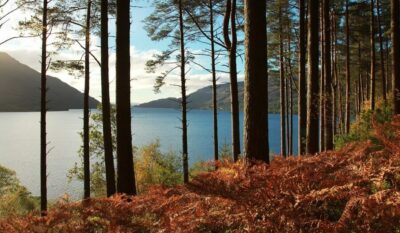
- Holy Island of Lindisfarne: mead, priory ruins, and the view from the causeway
- The drive by Bamburgh: seeing power on the coast
- Alnwick town and Alnwick Castle: where Percy power meets film magic
- Alnwick Gardens: Grand Cascade fountain and the Poison Gardens walkthrough
- Coldstream, Flodden Field, and the border feel on the way back
- Price and comfort: what you’re paying for with an $85 day trip
- Practical tips so your day doesn’t slip away
- Should you book this day trip from Edinburgh?
- FAQ
- How long is the From Edinburgh: Holy Island, Alnwick Castle & Northumbria day trip?
- Where do I meet in Edinburgh?
- Why might the tour run in reverse?
- What will I do on Holy Island?
- Do you stop at Alnwick Castle and Alnwick Gardens?
- Is there a stop at Flodden Field?
- Are young children allowed on this tour?
Key highlights worth planning for
- Tides can change the route around Lindisfarne, sometimes running the day in reverse
- Monks’ Lindisfarne Mead tasting is built into the experience, not an optional extra
- Lindisfarne Priory ruins connect you to the setting where the Lindisfarne Gospels were produced
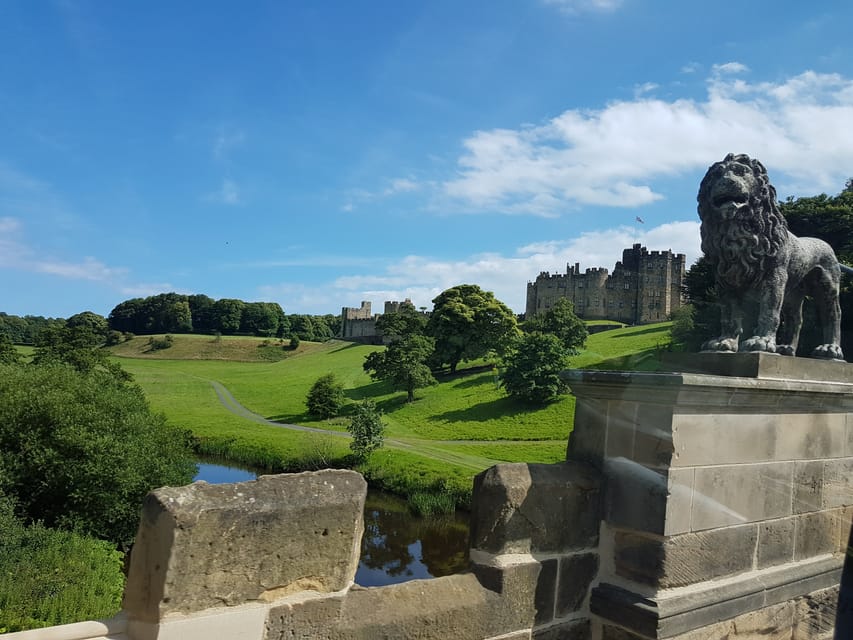
- Alnwick Castle is the main event with Percy-family ties and famous film backdrops
- Alnwick Gardens hits hard with the Grand Cascade and guided Poison Gardens sessions
- Coldstream and a Flodden Field photo stop help break up the ride back to Scotland
A Northumbria day that feels bigger than it is
This is the kind of day trip that does two things at once: it gets you out of Edinburgh fast, and it makes the countryside feel like part of the story instead of just getting you there. You’ll ride a modern air-conditioned bus with live commentary, which matters because Northumbria’s places are packed with names, dates, and power struggles. The included driver-guide style also helps you connect the dots between religion, border life, and the later rise of English nobility.
For me, the value is in the pairing. Holy Island gives you scale and calm—then Alnwick delivers drama: a medieval castle complex, film locations, and gardens that lean into shock-and-awe with the Poison Gardens. At $85 for a 9-hour loop (with transportation and guided interpretation), the math works best if you’d rather avoid renting a car and you like structured time on the ground.
This isn’t a slow wander day. It’s a “hit the key chapters” day. If you want total flexibility to hang around for hours at every viewpoint, you might prefer a self-drive plan. But if you want a clean, organized overview with memorable stops, this fits nicely.
You can also read our reviews of more tours and experiences in Edinburgh.


Getting to Lindisfarne: where timing really comes from
The day starts at Castle Terrace, Edinburgh (outside the NCP Car Park). You’ll take a coach ride south with the driver-guide narrating the route. That live commentary is useful because the drive isn’t random scenery—Bamburgh and the surrounding Northumbrian landscape are part of the story you’ll hear later at the island and the castles.
Here’s the big scheduling truth: Lindisfarne is tidal. The tour routing is subject to the tidal timetable, and the plan can occasionally run in reverse depending on access. What this means for you is simple—don’t treat the order of stops as guaranteed down to the minute. Your day is designed around the island’s access window, not around a fixed checklist.
I’d also plan for weather reality. This part of the UK can shift quickly, and Lindisfarne is exposed. Bring weather-appropriate layers and keep your shoes comfortable. One review note you can take seriously: this kind of stop is outdoorsy by nature, so if the day turns wet or windy, you’ll feel it more here than at the castle interiors.
The good news is that the tour structure has room for adjustments. If Holy Island can’t be accessed the usual way, your guide keeps the day moving so you still leave with the “Northumbria feeling,” not just a shortened version of it.
Holy Island of Lindisfarne: mead, priory ruins, and the view from the causeway
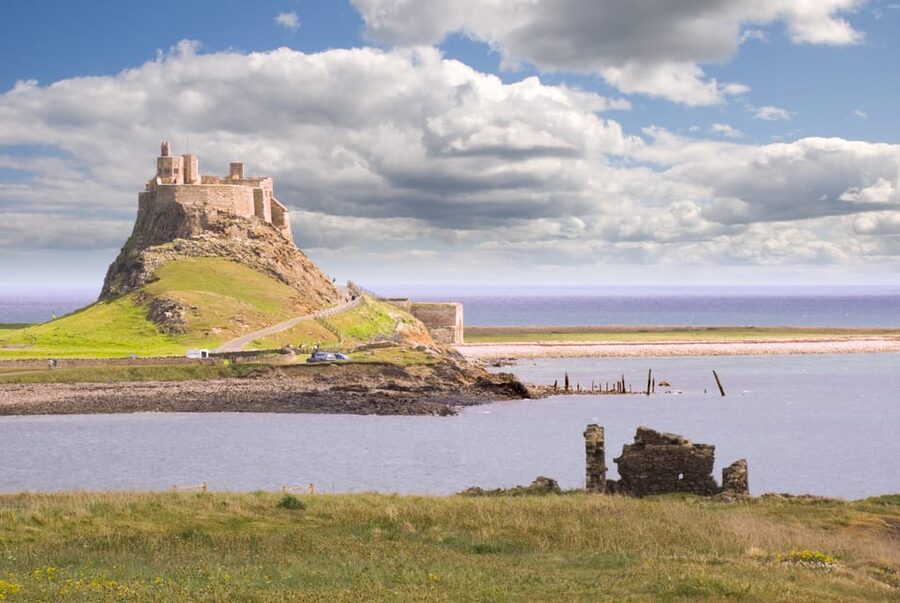
Holy Island is the heart of the trip for a reason. Even before you get to buildings, you’re entering a place defined by one simple rule: the causeway connection changes with the tide. That makes the island feel special in a way that’s hard to fake with anything else in the UK.
On the island, you get time for free exploration, then a guided visit connected to the priory ruins. This is where the setting matters. Lindisfarne wasn’t just a village; it was once a major center of religious learning in the British Isles. The ruins you see connect to the production of the Lindisfarne Gospels, so the stones aren’t only picturesque—they’re tied to how ideas traveled and survived.
Then comes the best snack on the day: tasting Lindisfarne Mead, brewed by monks on Holy Island. It’s not presented as a tourist gimmick. It’s a small, cultural taste that anchors the religious story in something you can actually experience. If you’re curious about traditional foods or you like the idea of pairing a place with a local product, this stop is a real win.
You’ll also get a chance to take in the exterior views of Lindisfarne Castle, dating back to the mid-1500s. The castle is a visual landmark from the island experience, even if you don’t do a deep, ticket-heavy tour of every structure. The wider point: Holy Island turns a day trip into a “sense of time” trip, where past and present sit close together.
Tip for prioritizing your time: if your weather is decent, spend your first time on Holy Island on viewpoints and walking the area before committing to a slower stop. If the weather turns, prioritize the priory ruins and the areas that are easiest to shelter in.
The drive by Bamburgh: seeing power on the coast
After Holy Island, the route heads south passing Bamburgh, described as an ancient capital of Northumbria. Even without a full stop, Bamburgh is worth understanding because it helps you picture how this region worked before modern borders made everything feel neat on a map.
In some departures, you may get extra photo opportunities at Bamburgh Castle—sometimes as a quick stop, sometimes as a drive-by if the group returns early. That variability is normal for a day trip, especially when earlier timing is in play. Don’t count on it as guaranteed, but it’s smart to keep a camera ready when you’re moving through.
The practical benefit of passing Bamburgh is perspective. You’re not just moving from one attraction to another. You’re traveling across the kind of terrain that shaped history: coastal strongholds, religious centers, and later border towns that cared deeply about control.
If you love history that connects place to power—who ruled, who protected, who fought—this drive helps you feel the logic of the itinerary instead of treating the stops like disconnected postcards.
Alnwick town and Alnwick Castle: where Percy power meets film magic
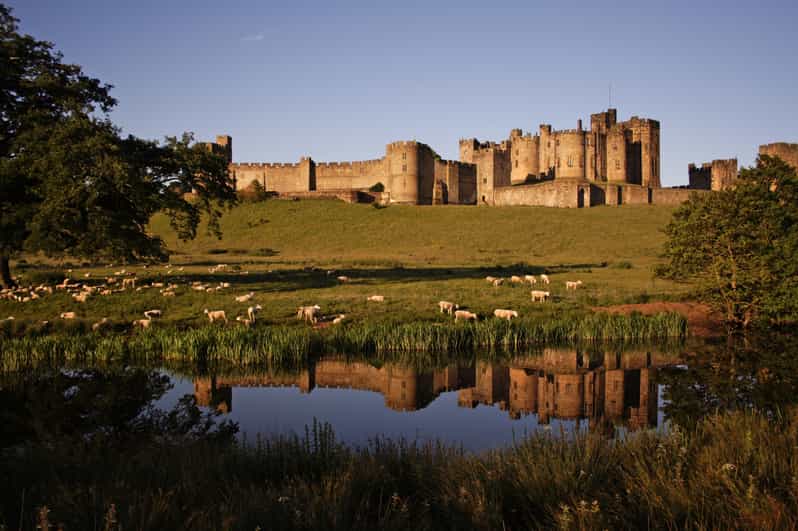
Alnwick is your main town base, and the castle is the reason most people mark this tour on their calendar. The town time gives you choices: grab lunch on your own schedule, wander the center, and pick your pace before you step into the big-ticket attraction.
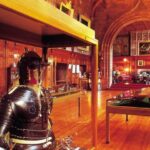
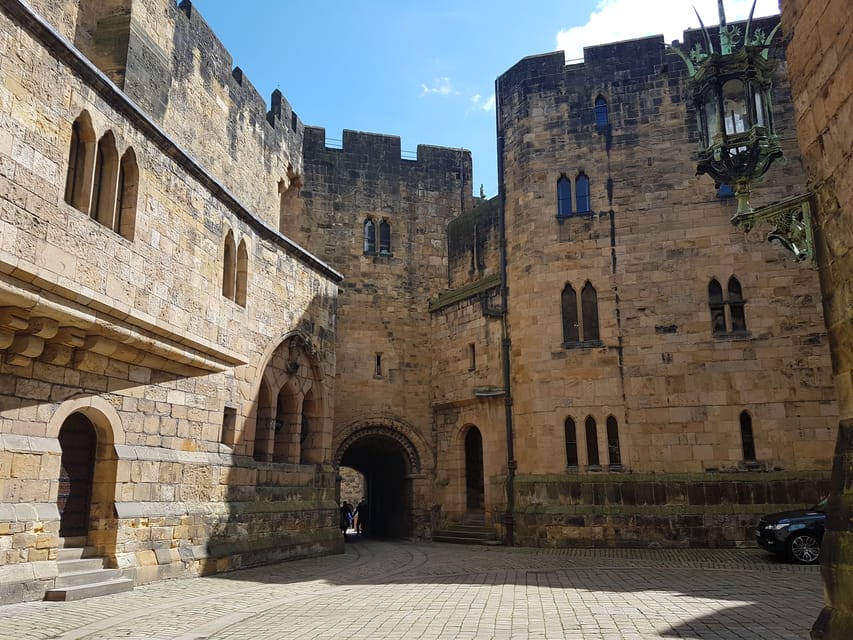
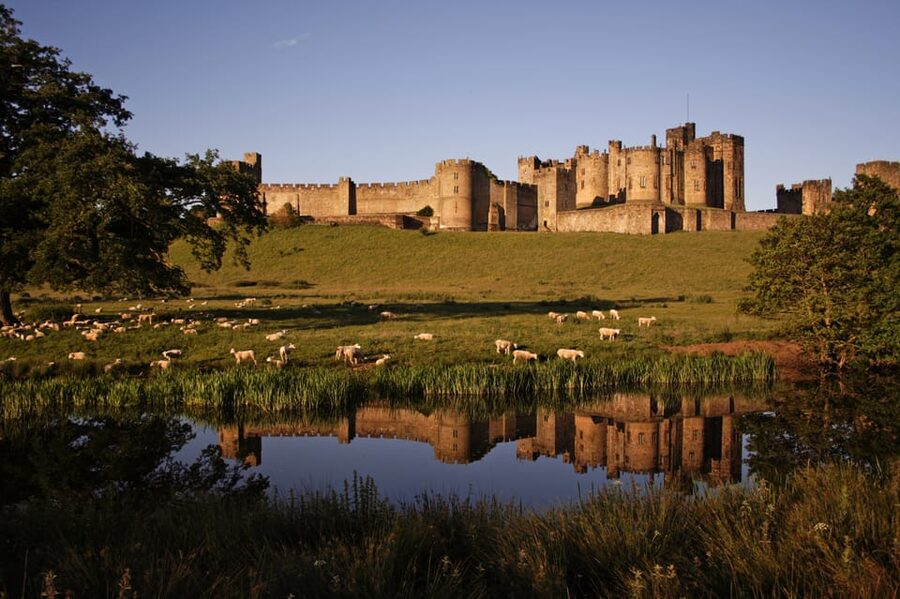
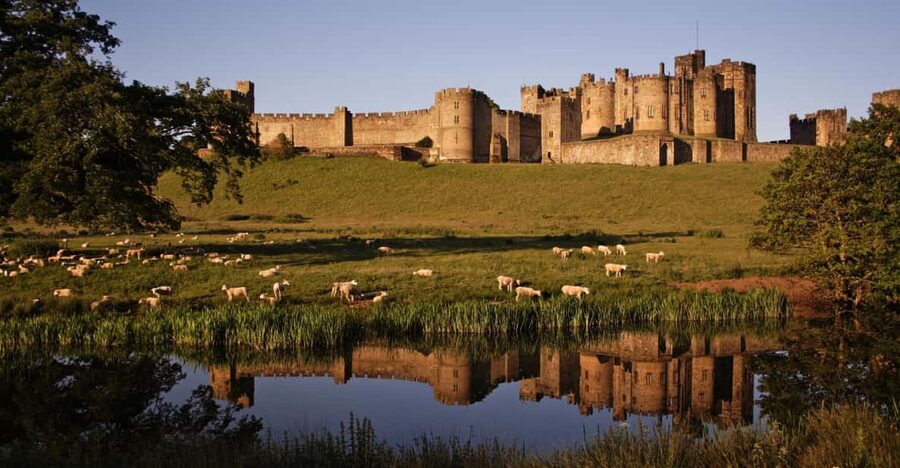
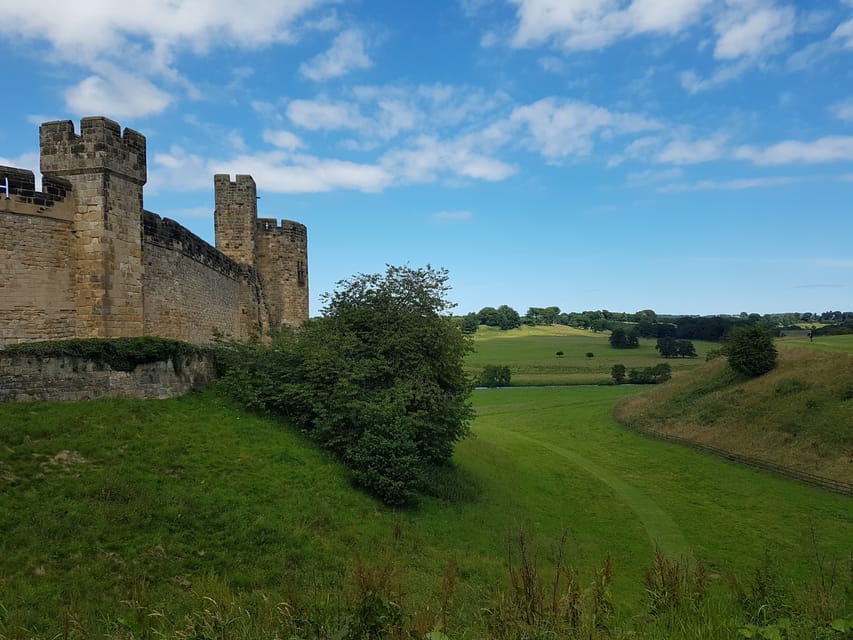
Alnwick Castle is known as the Windsor of the North, and you feel why once you’re in the complex. It was home to the Percy family for over 700 years, which is one of those rare timeframes that makes the building feel like it has accumulated stories. Even if you don’t go full-on into every room, the sheer scale gives you a strong sense of “this place mattered.”
What I like about Alnwick is the way it blends old and pop culture without turning the old part invisible. The grounds have been used for Downton Abbey and Harry Potter filming, so you’ll spot moments where your brain immediately connects cinematic scenes to real stone. That doesn’t replace history; it can actually pull you into it faster.
You’ll also have a decision point: do you focus more on the castle itself or build in the garden time aggressively? On this tour, the gardens are a major second act, so I recommend treating the castle as the anchor and using the time at a comfortable intensity. If you love reading every plaque, be ready for time pressure. If you’re more into views and overall structure, you’ll likely find the castle visit satisfying.
One more practical note: if you want to do hands-on activities linked to the castle grounds, check what’s operating on the day. Castle events can depend on the season, and you’ll want to know what you can realistically fit in before the bus time squeezes you.






Alnwick Gardens: Grand Cascade fountain and the Poison Gardens walkthrough
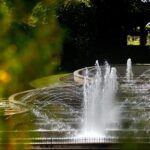
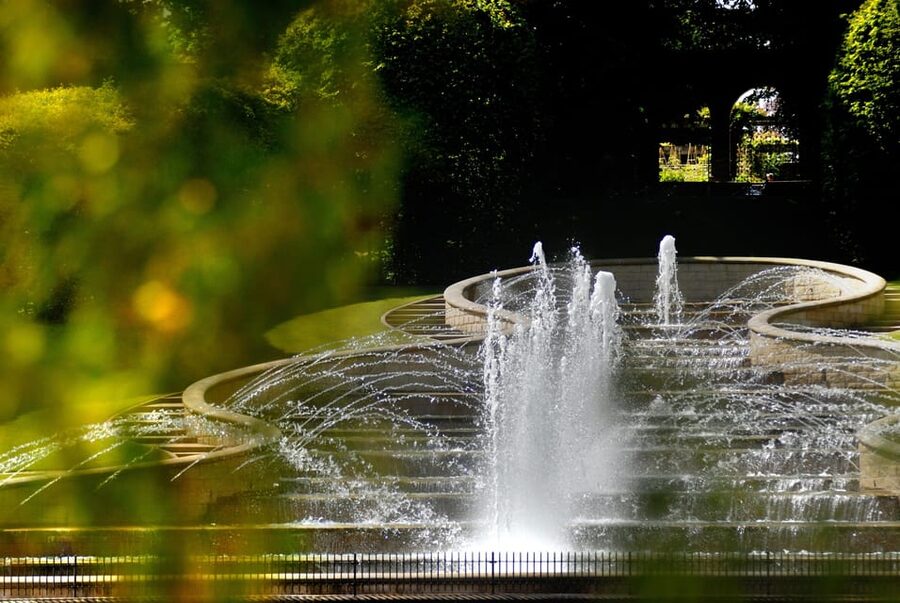
Alnwick Gardens is where this trip earns extra style points. The Grand Cascade is the kind of spectacle that photographs well, but it’s better in person because you can feel the scale and the design choices around it. It’s a break from castle stone—more movement, more sightlines, and more time to just enjoy.
Then there’s the Poison Gardens, which is more than a gimmick. The tour includes it, and it’s a guided experience at regular intervals. That means you’ll want to time your visit so you don’t miss the session. If you’re the type who likes to move quickly from one stop to another, slow down here. The value is in the guide-led explanations and the fact that the garden theme forces you to notice plant details you’d otherwise skip.
This stop is also a good “reset” for the day. After Holy Island and castle interiors, the gardens let you stretch your legs, take in open-air design, and catch your breath. It’s also where the day’s theme changes: from religious learning to noble power, and then to a playful, slightly spooky education style.
If you’ve got a soft spot for botanical themes, I’d put special attention on Poison Gardens. If you don’t, you can still enjoy the overall garden design and the Grand Cascade without needing to be a plant expert.
Coldstream, Flodden Field, and the border feel on the way back
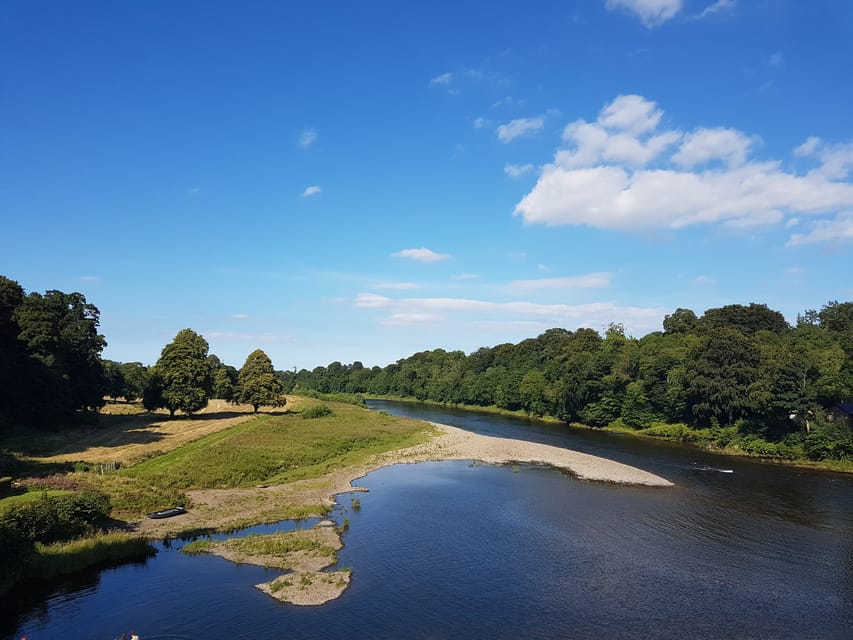
As the afternoon moves on, you’ll head north and cross the River Tweed back into Scotland. The border town stop is Coldstream, which works well as a reset point. You get a break time, and it helps break the return ride so the day doesn’t just feel like “watch the scenery go by.”
If time allows, there’s also a photo stop at Flodden Field Memorial, tied to the infamous battle of 1513 and the death of James IV. Even as a quick stop, it gives context to the whole Scotland-English border story that hangs in the air during this kind of route. You’re not just visiting random sites—you’re walking through places connected to the moments that shaped later tensions.
The biggest practical benefit of these final stops is simple: they keep you comfortable. You’re tired after a full day, and a short break can make the return drive feel easier.
If the Flodden stop doesn’t fit your exact departure due to timing, don’t treat it as a failure. The tour still hits its main targets, and this is a bonus-style moment when the schedule allows.
Price and comfort: what you’re paying for with an $85 day trip
This tour’s price can feel steep until you list what’s included. You’re paying for transportation, live commentary, a driver-guide, and digital written translations, all packed into a full day out of Edinburgh. You’re also paying for the biggest headache relief: coordinating a multi-stop route that’s partly controlled by tides.
In other words, the cost buys you time and stress reduction. You don’t need to plan driving, parking, and timing around Lindisfarne’s access window. That’s the real value, especially if you’re only in Scotland briefly or you’d rather spend your energy on sights than logistics.
Comfort-wise, the bus is described as modern and air-conditioned. Seating can still feel tight on long days in any coach, and it’s worth wearing your most forgiving outfit. Bring a layer you’re happy to keep on, since you’ll be outside at least some of the time on the island and around the gardens.
For $85, you should expect a structured day with limited slack. If you’re the type who hates schedules, you may feel constrained. If you’re okay with a “best-of” rhythm, the day delivers a lot of memorable geography.
Practical tips so your day doesn’t slip away
A few small choices make a big difference on a day like this:
- Wear comfortable shoes. Holy Island and the garden areas involve walking and uneven terrain at times.
- Pack weather layers. Lindisfarne and the coast can change fast, and you’ll be outside.
- Keep your day plan simple: castle first, gardens second, and let the Holy Island time be about walking and atmosphere, not cramming.
- If the guide offers extra photo opportunities (for example around Bamburgh when timing works), be ready with your camera before you get the chance.
- If you love photo timing, remember this day is guided by access windows and travel time, not by your ideal “golden hour” schedule.
One more practical thing: meet early enough that you’re not hustling at the start. The pickup point is Castle Terrace outside the NCP Car Park at EH1 2EW, and the bus departure timing matters.
Also note the tour has clear rules: no pets are allowed (assistance dogs are allowed), and children under 4 aren’t permitted. Wheelchair users aren’t listed as suitable for this tour, so plan accordingly.
Should you book this day trip from Edinburgh?
I think this is a great booking when you want a strong snapshot of Northumbria without hiring a car. Holy Island gives you atmosphere and a meaningful link to early religious learning, and Alnwick Castle plus Alnwick Gardens deliver the kind of variety that keeps the day from feeling one-note.
Book it if you:
- like guided history with story-driven narration
- want filming-location magic tied to real medieval settings
- enjoy a structured day where transport and timing are handled
Skip it if you:
- need long, unstructured time at each stop
- hate any schedule changes tied to tides
- want a fully accessible, step-by-step route plan (this one isn’t framed that way)
If you fall in the first group, you’ll likely feel like you packed more meaning into a single day than most two- or three-stop itineraries manage.
FAQ
How long is the From Edinburgh: Holy Island, Alnwick Castle & Northumbria day trip?
It runs for 9 hours.
Where do I meet in Edinburgh?
You meet at Castle Terrace, Edinburgh EH1 2EW, outside the NCP Car Park.
Why might the tour run in reverse?
The routing depends on the tidal timetable at Lindisfarne. If access changes, the tour may run in reverse.
What will I do on Holy Island?
You’ll have free time on Holy Island, visit Lindisfarne Priory ruins, and sample Lindisfarne mead. You’ll also see views connected to Lindisfarne Castle.
Do you stop at Alnwick Castle and Alnwick Gardens?
Yes. You’ll explore Alnwick and visit Alnwick Castle, then visit the Alnwick Garden, including the Grand Cascade and the Poison Gardens.
Is there a stop at Flodden Field?
There is a Flodden Field memorial photo stop if time permits.
Are young children allowed on this tour?
Children under 4 years old are not permitted.