REVIEW · EDINBURGH
From Edinburgh: Scottish Castles Tour in Spanish
Book on GetYourGuide →Operated by Viajar Por Escocia · Bookable on GetYourGuide
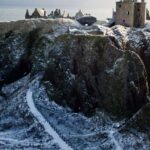
Dunnottar Castle looks like it’s defying gravity. This full-day Scottish Castles Tour in Spanish strings together some serious coast views and real stone-and-story history, from Dunnottar’s cliff fortress angles to Glamis’s Macbeth lore. I like that you get a professional Spanish guide plus organized transport, so you’re not wasting time figuring out routes. One thing to consider: it’s a long day, and the audio headset method can bother some people if you’re sensitive to headphones.
The best part for me is how the day is planned around big highlights instead of “drive-by sightseeing.” You’ll also get timed free moments in places like Stonehaven, which helps you reset before the next stop. If you’re aiming to hear your guide clearly, keep in mind the tour is Spanish, and it’s not positioned as bilingual.
At $70 per person for a 10-hour outing, this can be good value because you’re paying mainly for transport and guidance across multiple sites. Just budget extra for entrance fees and food, since neither is included.
In This Review
- Key highlights you’ll actually feel during the day
- A Spanish day trip from Edinburgh: how the 10 hours run
- Dunnottar Castle above the North Sea cliffs (and the weather swap)
- Three Bridges Viewpoint and the Queensferry photo loop (winter route)
- Aberdour Castle: from 12th-century fortress to Renaissance rooms (winter route)
- Stonehaven break: the seaside reset between castles
- Glamis Castle and Macbeth lore with a real royal connection
- Dundee stops: Tay Bridge views and maritime icons
- Price and value: $70 buys transport and a Spanish guide
- Small details that can make or break your comfort
- Who should book this Spanish castles tour
- Should you book Scottish Castles Tour in Spanish?
- FAQ
- Where is the meeting point for the tour?
- How long is the Scottish Castles Tour in Spanish?
- What language is the guide?
- Is food included in the price?
- Are entrance fees included for castles like Dunnottar or Glamis?
- What happens if weather prevents access to Dunnottar Castle?
- Is this tour suitable for wheelchair users or people with mobility impairments?
- How much does it cost, and is cancellation possible?
Key highlights you’ll actually feel during the day
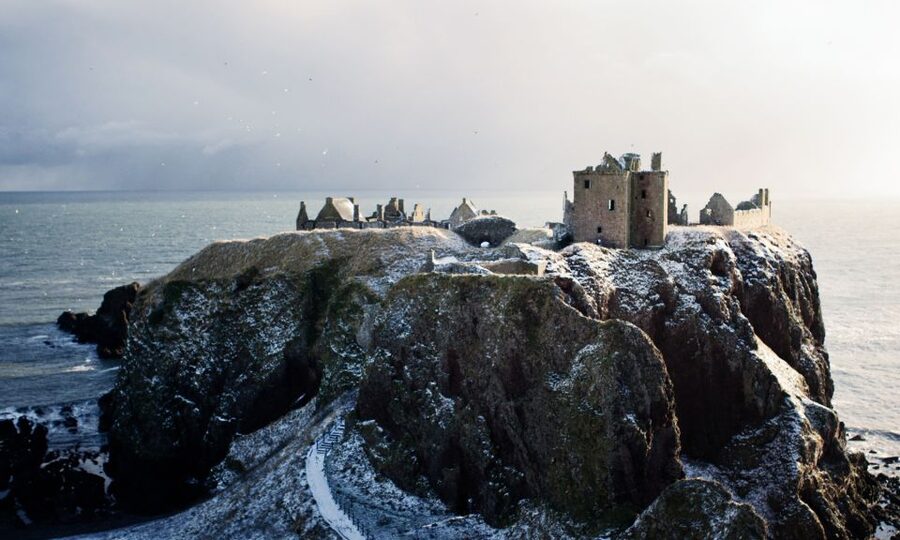
- Dunnottar Castle above the North Sea: dramatic cliffs and a big Wars of Independence storyline.
- Three Bridges Viewpoint (winter route): photos of the Forth Bridge, Forth Road Bridge, and the Queensferry Crossing.
- Aberdour Castle (winter route): a fortress with 12th-century roots and medieval-to-Renaissance layers.
- Glamis Castle (until Dec 14, 2025 route): Macbeth connections plus the Queen Mother tie-in.
- Spanish guide with headset-style audio: helpful for navigation, but take breaks if audio hurts your head.
A Spanish day trip from Edinburgh: how the 10 hours run
You start on the Royal Mile at 190 High Street in Edinburgh, then you’re on the road by coach or minivan for a full stretch—about 2.5 hours early on, depending on the day’s route. The tour ends back in Edinburgh at 76 Hanover St, so you’re not left stranded far out.
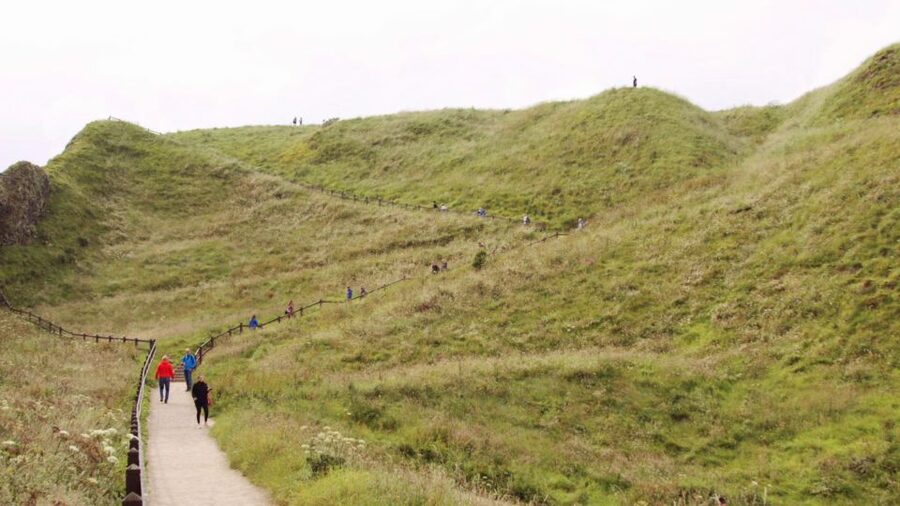
This is the kind of day where good shoes matter. You’ll be doing castle viewing and walking on uneven ground, and Dunnottar’s terrain is famously cliff-adjacent. Wear something comfortable and grippy, because you’ll want your footing for views and photo stops.
Also, plan your energy for timing, not just mileage. You get a set amount of time at each main stop, so you’ll need to move at a reasonable pace. If you prefer slow sightseeing where you can linger without watching the clock, this won’t feel slow.
Finally, language is the whole point here. The guide is Spanish, and the commentary runs through Spanish-language audio, not English explanations. If you speak Spanish comfortably—or at least understand guided history-style Spanish—you’ll get more out of every stop.
You can also read our reviews of more tours and experiences in Edinburgh.


Dunnottar Castle above the North Sea cliffs (and the weather swap)
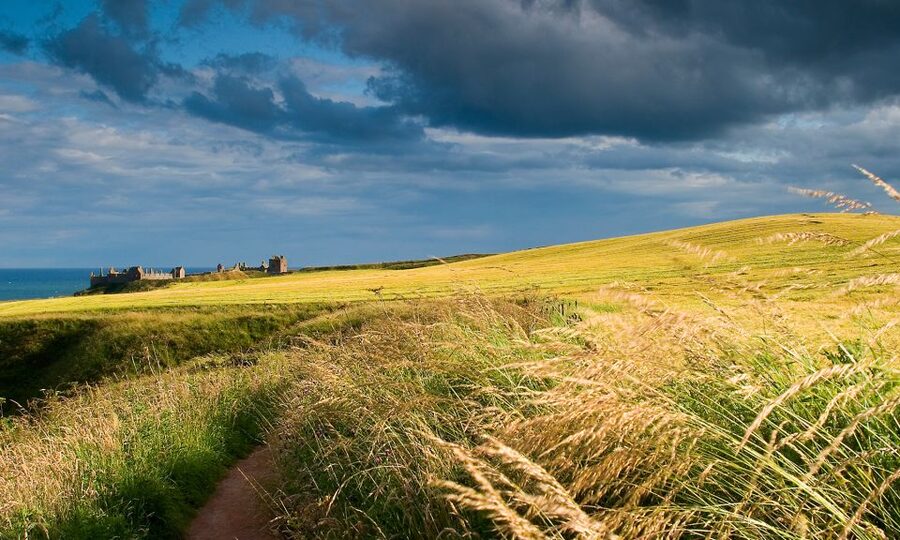
Dunnottar Castle is the star: a fortress perched on cliffs above the North Sea. Expect the guide to connect it to Scotland’s Wars of Independence in the 13th and 14th centuries. It’s the sort of place where the setting matters as much as the story, because the dramatic coastline explains why this spot had military value.
On the day, you’ll get about 75 minutes for photo time, exploring, and taking it in at your own pace. Entrance isn’t included, so you should plan to pay your ticket separately if you want to go inside and fully use that time.
One smart part of the plan is the weather contingency. If conditions prevent access to Dunnottar, the tour shifts to a photo stop at a panoramic viewpoint and often adds a visit to Stonehaven instead. That keeps the day from turning into a big “sorry, nothing today” situation.
Practical tip: if you’re the type who hates rushing inside once you get there, you might want to start with the best viewpoints first. Then, if you still have energy, go deeper into the areas you missed during the quick scans.
Three Bridges Viewpoint and the Queensferry photo loop (winter route)
On the winter itinerary (Dec 15, 2025 to Mar 22, 2026), the first major wow moment is the Three Bridges Viewpoint. This is where you can photograph the Forth Bridge, the Forth Road Bridge, and the newer Queensferry Crossing in one frame—plus the villages of North and South Queensferry nearby.
This stop is all about engineering and scale. Even if you’re not a “big bridge person,” the viewpoint helps you understand why this area is so famous: it’s a real corridor of movement across the Firth, not just a pretty structure in the distance.
Time here is built around photos and scenery, which makes it a good moment to stretch your legs early in the day. It’s also a nice change from the castle-heavy theme, giving your brain a break from fortress walls for a bit.
If you’re prone to photo freeze (aka you stop moving and your hands get cold), bring a layer you can pull on quickly. Winter on the coast can be brisk, even when the day looks calm.
Aberdour Castle: from 12th-century fortress to Renaissance rooms (winter route)
Next on the winter schedule is Aberdour Castle, described as one of Scotland’s oldest fortresses, dating back to the 12th century. What I like about this stop is that it’s not just one-era vibes. You’re looking at medieval and Renaissance structures together, which helps you see how power and living styles changed over time.
The guide also frames the castle’s strategic importance, so you’re not only walking through walls. You’ll understand why this fortress mattered, and what its position did for its historical role. That context makes the visit feel less like random stone and more like a timeline you can picture.
As with other castle stops, wear sturdy shoes. Even when the walking seems “short,” castle sites often have uneven ground and stairs. You’ll be glad you didn’t come in slick soles.
This is a strong choice for anyone who wants something a bit different from the big famous names. It keeps the theme, but with a slightly different flavor.
Stonehaven break: the seaside reset between castles
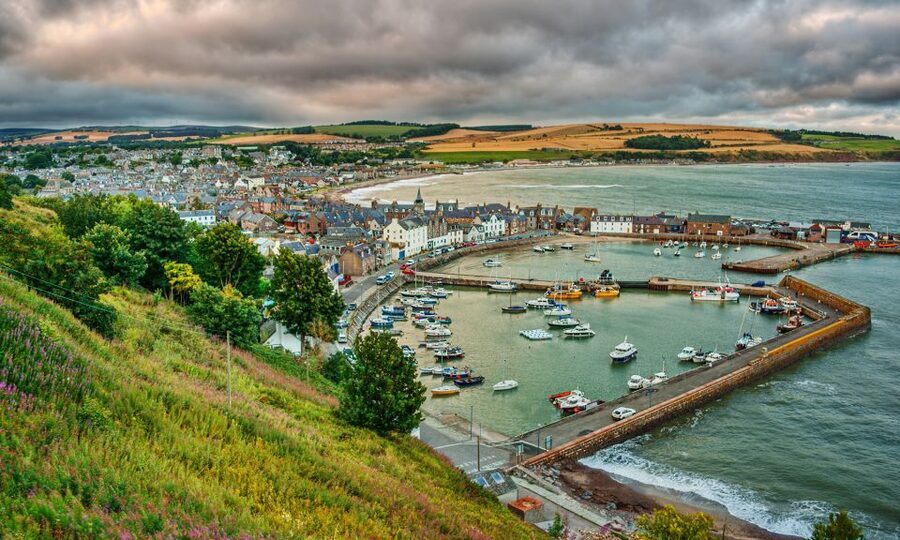
Stonehaven is your practical break in the middle of the day, usually timed with a visit and then free time (about 1 hour). It’s a charming seaside town with a harbor and colorful houses, and it gives you a chance to trade castle stairs for flat ground and sea air.
This is also where you can handle the “food reality.” Since meals and drinks aren’t included, you’ll want to plan for lunch or snacks here. The tour’s schedule builds in a stop before and/or around lunch depending on the itinerary, so you’re not stuck skipping a meal.
I like that Stonehaven works as both a mental breather and a photo pause. When you’re moving between major sites, a small town stop helps you avoid the “everything blends together” feeling.
One more practical note: if you’re using a headset for audio, this is a good time to take it out for a few minutes and give your ears a rest. If you’ve ever had headphone fatigue, you’ll appreciate the break.






Glamis Castle and Macbeth lore with a real royal connection
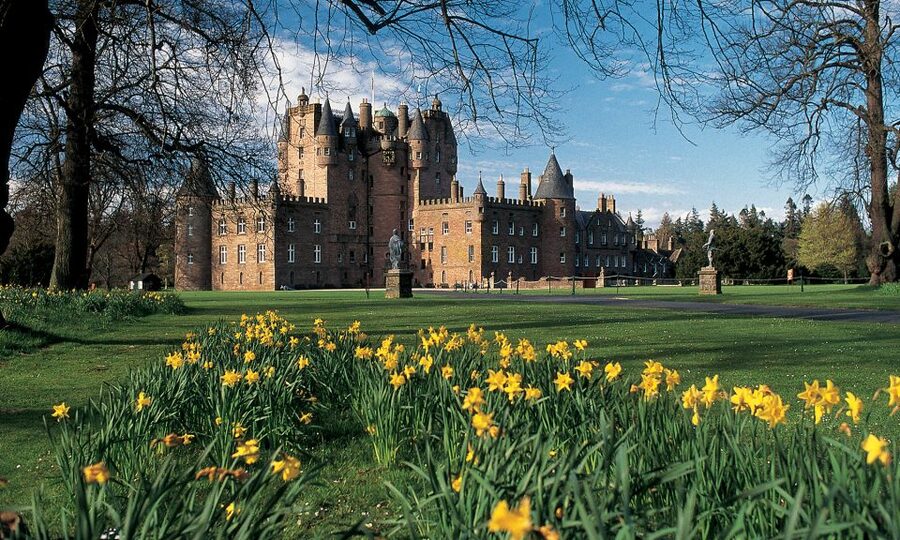
On the itinerary running until Dec 14, 2025, Glamis Castle replaces the winter stops (like Three Bridges Viewpoint and Aberdour). Glamis is famous for connections to Macbeth and also to the Queen Mother, which means you get folklore plus royal-era symbolism tied to the building.
You’ll have guided tour time (about 2 hours) plus free time. That guided portion matters here because Glamis Castle is a big, architectural place, and the “why” behind what you’re seeing is usually the difference between casual photos and a meaningful visit.
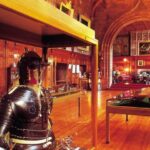
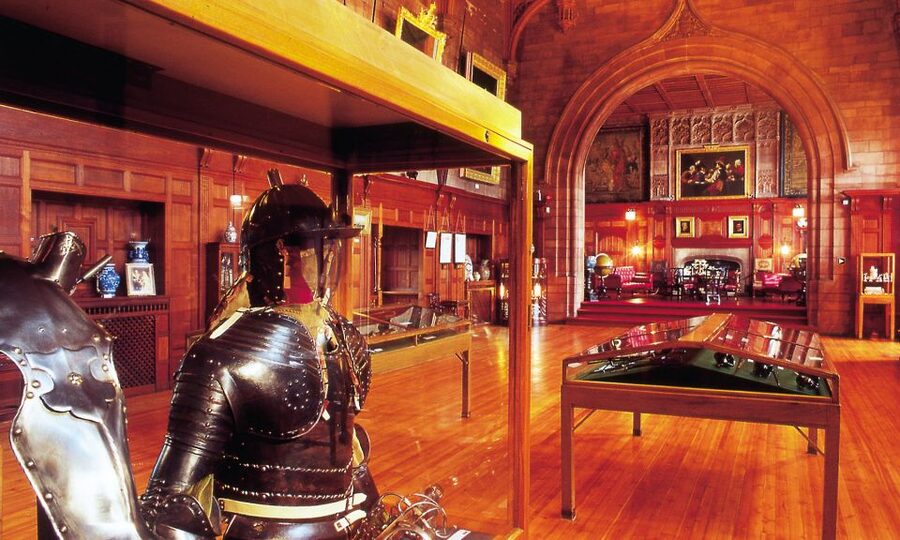
The castle is described as Victorian Gothic, and the gardens are part of the experience too. If you enjoy rooms and details, Glamis can reward patience—just remember you’re still in a 10-hour day, so you won’t have hours and hours to wander.
Because entrance fees aren’t included, check in advance how ticketing works for your exact date and time window. Then you can spend your paid visit time without scrambling.
Dundee stops: Tay Bridge views and maritime icons
Dundee shows up on both itineraries, but with a different flavor.
On the earlier (until Dec 14, 2025) route, you stop in Dundee for a short sightseeing window (about 30 minutes) focused around the Tay River. The idea is to catch panoramic views of the Tay Bridge and the RRS Discovery, the ship used by Captain Robert Falcon Scott in his Antarctic expedition. Even in a short time, this is a strong maritime anchor.
On the winter route, Dundee gets slightly more culture-forward with V&A Dundee and a look at the city’s maritime legacy, including HMS Discovery. The emphasis shifts from bridge-and-ship views to museum-and-story framing, which is useful if you want the day to end with something more interpretive.
I like Dundee for this tour because it balances the castles. After centuries of fortresses and royal sites, you get a modern city angle plus ship heritage. It helps the day feel varied instead of repeating the same kind of sight.
Price and value: $70 buys transport and a Spanish guide
At $70 per person for a full 10-hour day, the value comes from what’s included: a professional Spanish guide and transport by coach or minivan. You’re paying to move between dispersed coastal and inland stops without doing it yourself.
What you pay extra for:
- Food and drinks
- Entrance fees (including castle admissions)
So the real cost is $70 plus whatever you spend on tickets and meals. That’s not a problem if you’re already planning to go inside at places like Dunnottar or Glamis. If you’re hoping to stroll only outside and skip tickets, the tour still works, but it’s not maximizing what you’re paying for.
Also, this is not a light, relaxed city walk day. It’s a moving tour. If you’re okay with that tradeoff, you’ll likely feel like you got a lot of locations into one calendar day.
If you want to make it smooth: eat a solid breakfast, then plan lunch timing around Stonehaven. That way you’re not paying for convenience while rushing.
Small details that can make or break your comfort

A few comfort items are worth knowing.
First, audio delivery. The tour uses headset-style audio for following commentary. That can be great for clarity, but if you’ve had headaches from over-ear phones or prolonged audio attention, plan quick breaks. Even a short pause at Stonehaven can help.
Second, time at the main sights can be tight. Dunnottar gets around 75 minutes, and Glamis is guided for about 2 hours. If you’re the type who wants to read every sign and linger in every room, set expectations. You’ll have to choose what matters most to you.
Third, keep track of belongings. One issue worth taking seriously is that items left on the bus can be hard to recover. That doesn’t mean it’ll happen to you, but it’s a good reminder: check your seat before you exit at every stop.
Finally, mobility limits. This tour isn’t suitable for people with mobility impairments or for wheelchair users. The ground at castle sites and the general moving format make it hard to accommodate.
If your body plan is solid and Spanish is your working language, you’ll likely enjoy this day a lot.
Who should book this Spanish castles tour
This is a good fit if:
- You want a Spanish-language guide and you’re comfortable following history commentary in Spanish.
- You like big, visual coastal scenery, especially around Dunnottar.
- You prefer guided structure over DIY planning for multiple sites.
It may not be the best fit if:
- You need the tour in English or you struggle following guided audio in Spanish.
- Headsets and long audio sessions give you headaches.
- You want lots of unstructured free time at each main attraction.
If you get a guide like Frederico, the experience is often described as professional and reassuring, with clear information. Drivers can also make the logistics feel easier, and Aida is one name that has shown up alongside that kind of smooth, careful service.
Should you book Scottish Castles Tour in Spanish?
I’d book it if you’re looking for a single-day hit list: Dunnottar’s cliff views, a second major castle stop based on your dates (Glamis or Aberdour), plus seaside downtime in Stonehaven and a Dundee finale. The Spanish guide and organized transport make it easier to focus on the places, not the routes.
Skip it if Spanish commentary is a deal-breaker for you, if you’re sensitive to headset audio, or if your mobility needs make castle walking unrealistic.
If your goal is to see Scotland’s east-coast highlights with a clear plan and not spend your vacation “figuring it out,” this tour is a solid option.
FAQ
Where is the meeting point for the tour?
You meet at 190 High Street, Royal Mile, Edinburgh (EH1 1RW).
How long is the Scottish Castles Tour in Spanish?
The tour lasts 10 hours.
What language is the guide?
The live tour guide speaks Spanish.
Is food included in the price?
No. Food and drinks are not included.
Are entrance fees included for castles like Dunnottar or Glamis?
No. Entrance fees are not included.
What happens if weather prevents access to Dunnottar Castle?
If adverse weather stops access, the tour offers a photo stop at a panoramic viewpoint and may include a visit to Stonehaven instead.
Is this tour suitable for wheelchair users or people with mobility impairments?
No. It is not suitable for people with mobility impairments or wheelchair users.
How much does it cost, and is cancellation possible?
It costs $70 per person. You can cancel up to 24 hours in advance for a full refund, and there’s a reserve now & pay later option.