REVIEW · HIMEJI
Himeji: Himeji Castle Guided Tour – UNESCO Heritage
Book on GetYourGuide →Operated by DeepExperience, Inc. · Bookable on GetYourGuide
Himeji feels like it’s frozen in time. This guided experience gets you inside White Heron Castle with a friendly local guide who points out what most people miss, plus a photo moment in front of the iconic tower. I especially like how the guide story-mixes history, architecture, and practical tips so your visit sticks, and you don’t just shuffle through rooms.
One thing to plan around: the castle route involves over 100 steps indoors, and it’s not a good match if you struggle with walking long stretches or climbing.
In This Review
- Key things you’ll notice on this Himeji tour
- Why Himeji Castle still hits hard: White-plaster, battle-proof, photo-proof
- Meeting at JR Himeji Station: easy start, clear handoff
- Touring the Himeji Castle tower: what “intact beauty” looks like up close
- Shoes, stairs, and small movement rules
- Photo strategy: how to get the tower shot without wasting your energy
- KoKo-en Garden: the calm reset after castle climbs
- Shoshazan Engyo-ji Temple: why the second half matters
- Guide quality: the real reason people come back
- Duration and pacing: from tight schedule to full relaxed half-day
- Price and value: is $83 actually fair?
- Who this tour suits best (and who should rethink it)
- Should you book the Himeji Castle guided tour?
- FAQ
- Where do I meet the guide for this tour?
- What’s included in the tour price?
- Which languages are available for the live guide?
- How long is the experience?
- What places are part of the guided experience?
- Is this tour OK if I have trouble walking or climbing stairs?
- How much does the tour cost per person?
Key things you’ll notice on this Himeji tour
- Tower-focused photos in front of Himeji Castle’s most famous viewpoint
- Hidden charms explained by your guide, beyond the usual highlights
- Intact-feeling UNESCO site, preserved since the early 1600s
- KoKo-en Garden pacing that balances ponds, paths, and seasonal blooms
- Engyo-ji Temple add-on, giving you a second cultural layer beyond the castle
- Private or small-group options, which makes questions easy and personal
Why Himeji Castle still hits hard: White-plaster, battle-proof, photo-proof
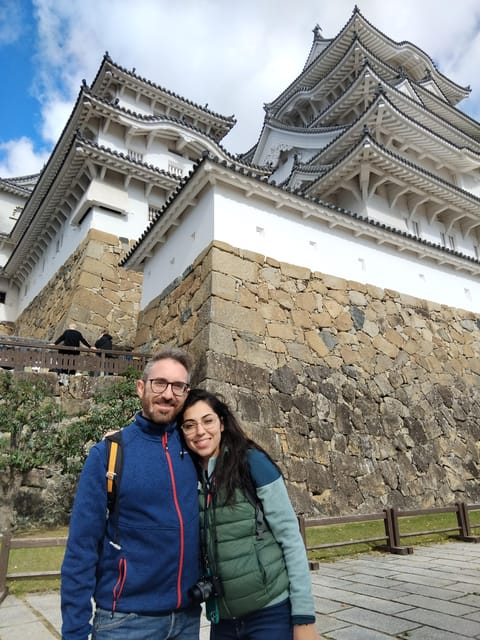
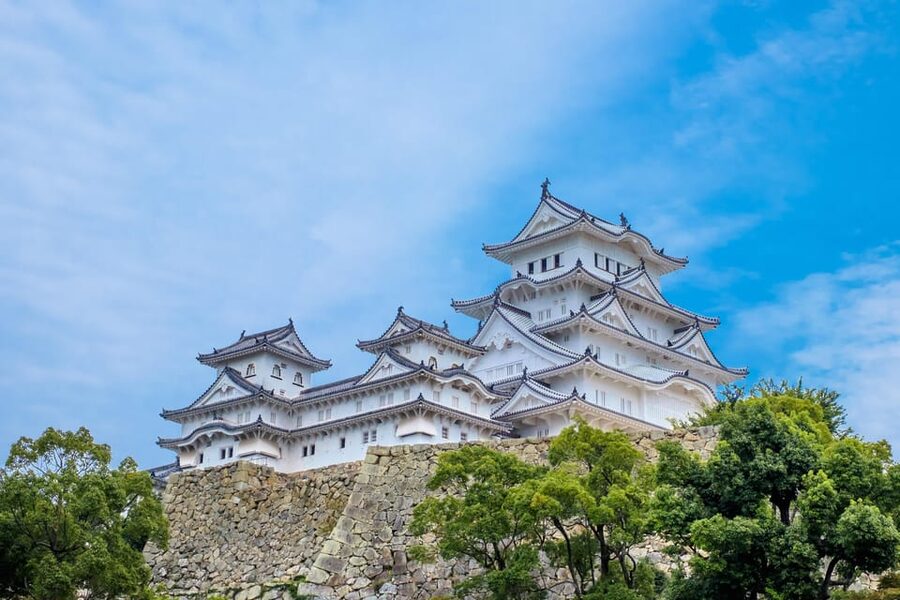
Himeji Castle is famous for a reason. It’s called the White Heron Castle because the exterior looks clean and bright, and the whole silhouette feels elegant rather than bulky. What makes it even more gripping is the preservation story: it was built in the early 1600s, it never saw a battle, and it survived the bombings of World War II.
From the start, this matters because you experience a structure that still feels original. When a place has been carefully protected for centuries, your photos look like the real thing, not a modern recreation.
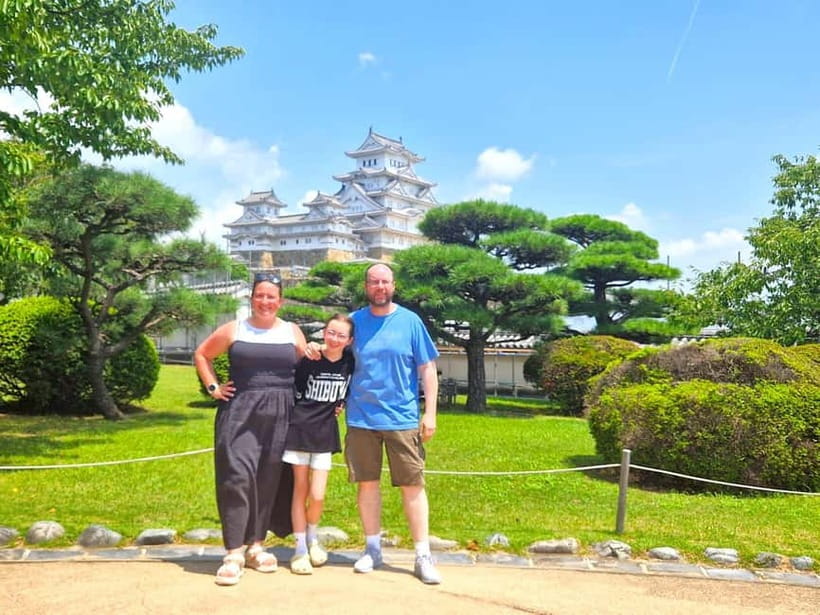
And yes, you’ll take a classic picture in front of the castle tower. It’s one of those small, well-timed moments that instantly anchors the day in your memory.
You can also read our reviews of more tours and experiences in Himeji.
Meeting at JR Himeji Station: easy start, clear handoff
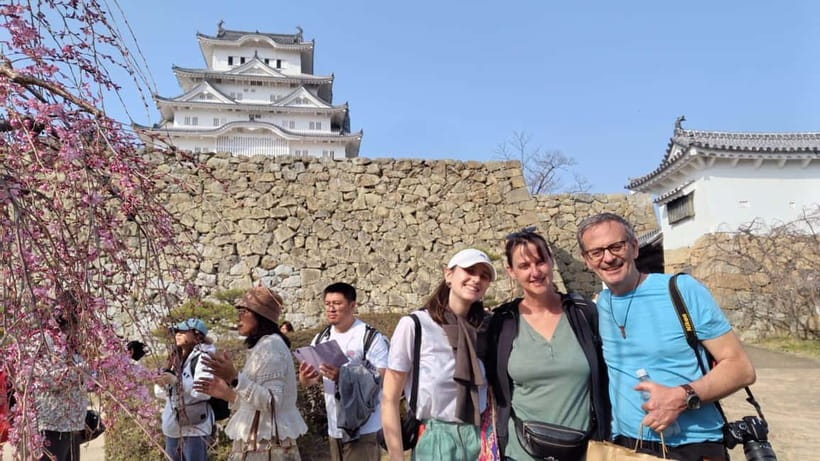
Your meeting is straightforward: meet your guide in front of the central ticket gate at JR Himeji station. The guide will be holding a yellow sign with the DeepExperience logo.
This is the kind of start that saves energy. You’re not hunting for someone in the crowd, and you’re not wasting time figuring out how to connect local routes before you even reach the castle grounds.
If you’re the type who likes to plan, this tour also tends to include drop-offs at different points after the visit, including near Himeji Castle, KoKo-en, and JR Himeji station.
Touring the Himeji Castle tower: what “intact beauty” looks like up close
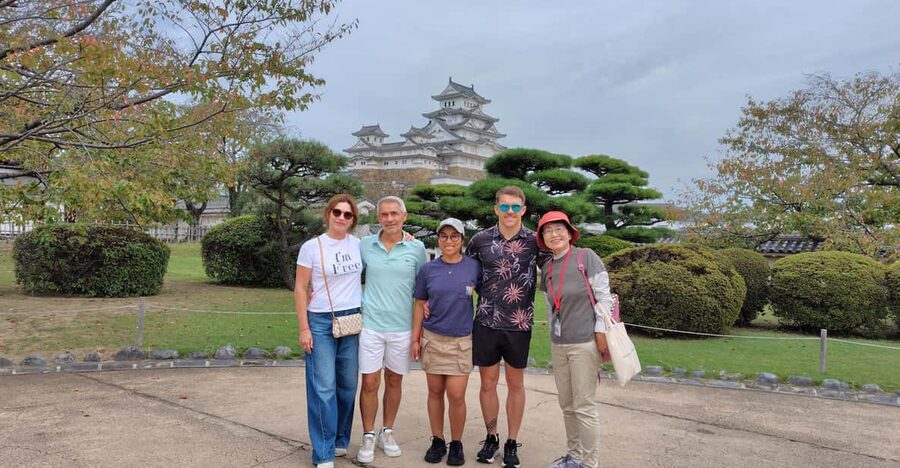
The core of your morning or afternoon is the castle itself, including time around the 6-storied castle tower. A good guide here changes everything. They translate what you’re seeing—defensive design, layout logic, and building choices—into stories that actually make sense while you’re standing in the space.
Himeji’s interior experience is also part of the charm, even if it isn’t a filled-with-everything museum like some European castles. You get the feel of how the castle operates as a system: movement paths, stair climbs, and the way the site is organized to control flow.
One practical note: the visit involves climbing over 100 steps inside. The castle is historic, so it’s not designed for comfort-first sightseeing. Plan for steady pace days. If you’re bringing someone who tires easily, decide early whether this castle is worth the climb for them.
Shoes, stairs, and small movement rules
Himeji is strict about visitor rules. You might find yourself walking indoor wooden stairs without shoes, often in socks. This can be totally fine once you’re prepared, but it’s something to consider if you’re used to touring in normal footwear and you don’t want to think about it halfway through.
Photo strategy: how to get the tower shot without wasting your energy
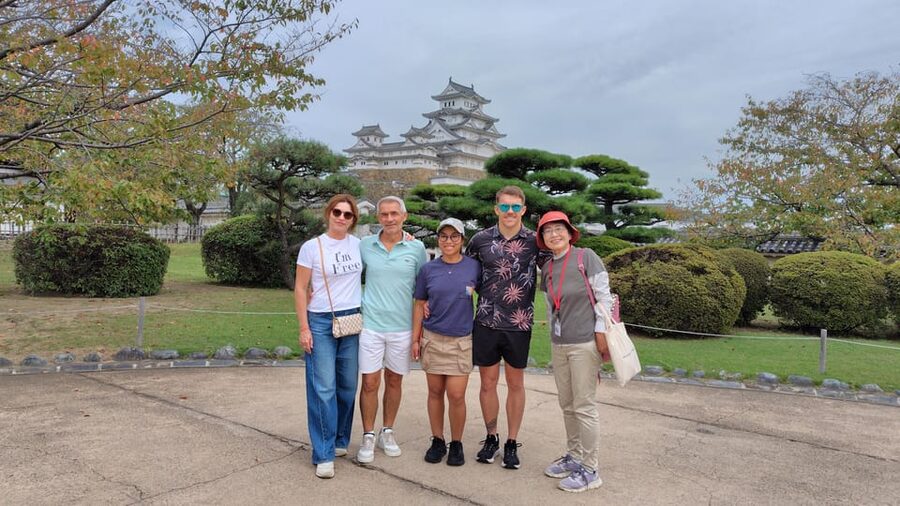
The tour includes a dedicated photo moment in front of the castle tower, which sounds simple, but it’s smart. Himeji gets busy, and the best photo spots can be taken quickly when people swarm for the same angle.
Your guide can also help you aim for spots that match what you want—whether that’s a clear full-tower frame or a more scenic angle that includes surrounding details. In several guide experiences from the program, guests have said the guide was patient and pointed out photo locations on the fly.
My advice: take your first tower photo early in your visit if you care about crisp framing. Then let the second half of your time be about details—stairways, viewpoints, and the little architectural cues you wouldn’t notice alone.
KoKo-en Garden: the calm reset after castle climbs
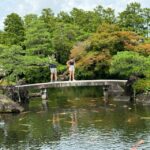
After the castle, you shift gears to Koko-en (KoKo-en) Garden with a guided walk. Expect peaceful ponds, seasonal blooms, and a slower pace that lets your legs rest while your eyes keep working.
This stop is valuable because it balances the day. A castle tour can feel intense—stairs, viewpoints, and strong structure all at once. KoKo-en gives you a different kind of Japanese design thinking: controlled nature, quiet water, and paths that encourage you to pause.
A small realism check: parts of the garden can have closures due to repair work depending on the season and site conditions. If you’re someone who hates missing sections, go in with flexible expectations. You’ll still get the point of the garden even if some areas are off-limits.
If a teahouse option is operating during your visit, you may find a short tea experience available on-site. One visitor noted the tea doesn’t take long and can be a fun add-on. I’d treat it as optional comfort, not a must-do.
Shoshazan Engyo-ji Temple: why the second half matters
The tour also includes Shoshazan Engyo-ji Temple, guided for about two hours. This is where your visit becomes more than a castle checklist.
A castle is one story—power, defense, architecture. A temple adds another: religion, place-based tradition, and the ways Japan’s culture layers meaning onto geography. When you visit Himeji and its surrounding areas in one connected day, your understanding becomes more grounded. You’re not treating the site like a standalone postcard.
This temple portion also gives you a change in walking pattern and mood. If the castle is the vertical climb and the structured fortress vibe, Engyo-ji tends to feel more spacious and reflective, with time to slow down.
Guide quality: the real reason people come back
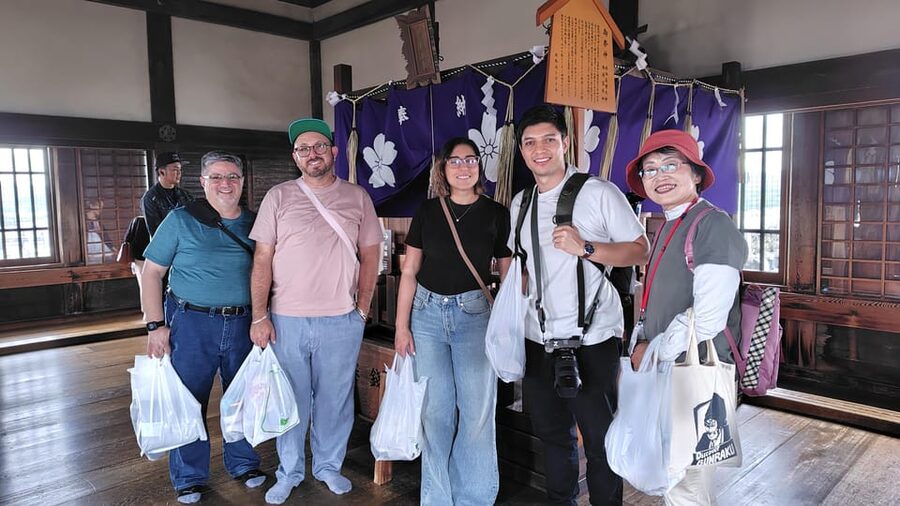
At this price point, the guide is the main value engine. A lot of guests highlight how guides handle questions well and adjust the pacing so it feels personal. You’ll hear explanations about history, architecture, and even small myths or legends tied to the site.
Names that have come up in past experiences include Naoko, Junko, Meri, Satoshi, Megumi, Rie, Chiyuki, Kaya, and Kaido. The important part for you isn’t the name itself—it’s the pattern: guides who are attentive, punctual, and willing to tailor what you want to see.
Some guides also help with practical little missions like locating collectible items connected to the area. If you like taking home something more than a photo, ask your guide about collectible stamps during the visit. It’s an easy way to make the day feel like a personal quest.
Duration and pacing: from tight schedule to full relaxed half-day
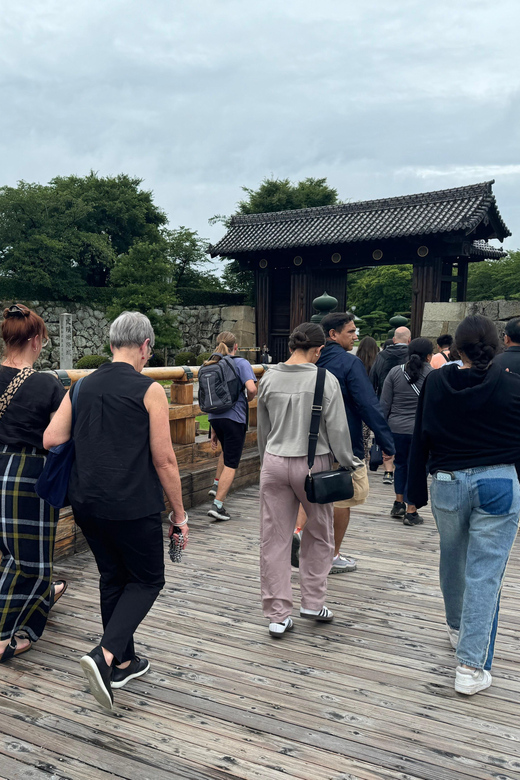
The total time listed for this experience ranges from 150 to 450 minutes. That’s a wide window because tour options can be combined differently—castle-only versus castle plus garden and temple, plus time for stops.
This is why the tour works for different trip styles:
- If you’re on a tight Kansai itinerary, you can keep it efficient around Himeji Castle.
- If you want the full cultural spread—castle, KoKo-en, temple—you’re set up for a longer, calmer day.
Use your own energy level to decide. If you like taking pictures and reading details, you’ll probably appreciate the longer end of the timing.
Price and value: is $83 actually fair?
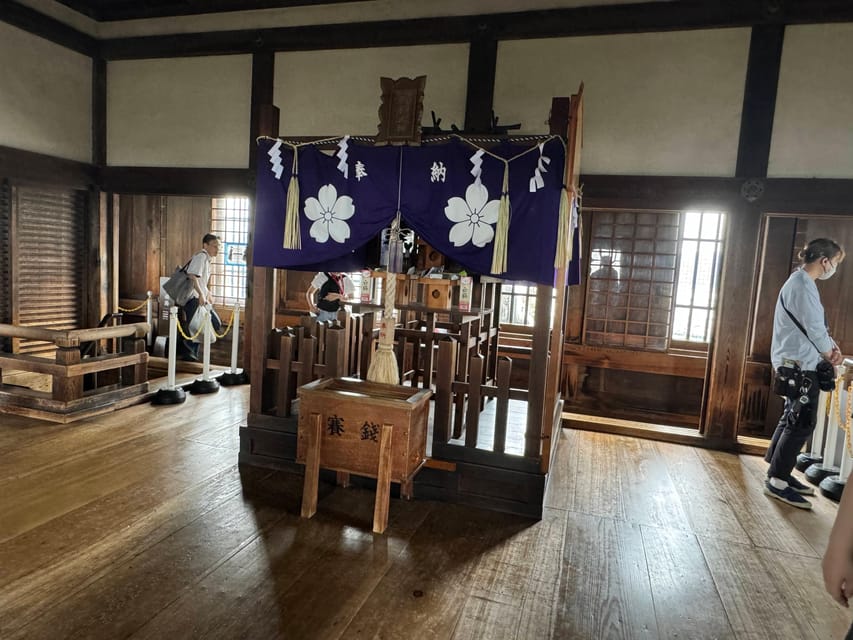
At $83 per person, this tour is positioned as a guided UNESCO experience with entry support and a structured route. The cost is easier to justify when you think about what you’re buying:
- A guide who explains what you’re looking at instead of you guessing
- Entry coverage for Himeji Castle
- A guided, time-efficient way to add KoKo-en and Shoshazan Engyo-ji Temple within one plan
In past experiences with this program, guests have indicated the castle and garden tickets were handled as part of the booking price. Even if your exact inclusions vary slightly by selected option, the overall idea stays the same: you’re paying for guided access and reduced mental work.
Where you can judge value quickly is fit. If you can’t comfortably handle 100+ steps and indoor stair climbs, no guide can fix that. In that case, money won’t buy enjoyment. But if your legs are good and you enjoy historical explanations, the guide-focused format is usually worth it.
Who this tour suits best (and who should rethink it)
This is ideal for you if you want:
- A guided UNESCO Himeji Castle visit, not a self-guided blur
- A mix of architecture + story + calm garden time
- English or Japanese guidance (depending on your preference)
- A smaller-group or private feel, which helps on crowded days
It’s not suitable if you have mobility limitations. The tour explicitly warns about difficulty walking due to the internal stair demands, and it’s not designed for mobility impairments.
If you’re traveling with kids, it can work because guides often keep the tone engaging and handle questions patiently. Still, be honest about stamina: this is a lot of walking plus stairs.
Should you book the Himeji Castle guided tour?
If you’re coming to Himeji for the real experience—the intact castle, the meaning behind the design, and the ability to ask questions while you stand in the space—then I’d book it. The guide-led format is the difference between seeing a beautiful structure and understanding why it’s so special.
Skip or modify your plan only if climbing indoors is a hard no for you. Otherwise, grab a spot, meet at JR Himeji’s central gate with your guide sign, and plan to spend your time looking up, looking around, and letting the stories connect the dots.
FAQ
Where do I meet the guide for this tour?
Meet your guide in front of the central ticket gate at JR Himeji station. The guide will be holding a yellow sign with the DeepExperience logo.
What’s included in the tour price?
The tour includes a guide and entry to Himeji Castle.
Which languages are available for the live guide?
The live guide is available in English and Japanese.
How long is the experience?
The duration is listed as 150 to 450 minutes. Starting times vary based on availability.
What places are part of the guided experience?
The guided plan includes Himeji Castle, Koko-en (KoKo-en) Garden, and Shoshazan Engyo-ji Temple.
Is this tour OK if I have trouble walking or climbing stairs?
No. The tour requires climbing over 100 steps inside the castle, so it’s advised against booking if you may have difficulty walking. It’s also not suitable for people with mobility impairments.
How much does the tour cost per person?
The price is $83 per person.