REVIEW · BELGRADE
Iron Gate Tour: Golubac Fortress, Lepenski Vir+National Park
Book on GetYourGuide →Operated by Balkan roads d.o.o · Bookable on GetYourGuide
Iron Gates is a lot more than a stop. This day tour ties together Golubac Fortress and Lepenski Vir with Djerdap National Park scenery, so you get myth, archaeology, and river drama in one tight 10 hours. If you like history you can actually picture, the fortress legends and the way the guide explains the Danube river life make the whole route click.
I especially like the Danube viewpoints—this area is famous for why the route through the Iron Gates feels so important. I also like that the tour doesn’t rush the Neolithic story at Lepenski Vir; you walk and get guided context about how people lived around 8,000 years ago.
The one drawback to plan around: the regular Golubac fortress ticket covers the green zone, and access to the high tower and ramparts only happens on certain days and depends on weather. In winter (Nov–Apr), Kapetan Mišin Breg is not open, so you should expect the itinerary to adjust.
In This Review
- Key highlights you should care about
- First impressions: a single day, three very different kinds of wonder
- Golubac Fortress: river defense, legend, and the feeling of being watched
- Djerdap National Park drives: how to “feel” the Iron Gates without hiking all day
- Lepenski Vir: Europe’s oldest urban settlement, explained in human terms
- Kapetan Mišin Breg: a breather with local flavor (and a seasonal catch)
- Timing and what 10 hours feels like from Belgrade
- Price and value: what $128 buys you, and what it doesn’t
- Guides and style: English explanations that connect the dots
- Practical tips before you go: shoes, weather, and fortress access
- Who this tour suits best (and who should skip it)
- Should you book the Iron Gate Tour: Golubac Fortress and Lepenski Vir?
- FAQ
- How long is the Iron Gate Tour?
- What sites does the tour visit?
- Is the tour guided and in English?
- Is the group small?
- What’s included in the price?
- What should I bring?
- Can I access the high tower and ramparts at Golubac Fortress?
Key highlights you should care about
- Spectacular Danube gorge views from the Iron Gates area, timed for photo moments
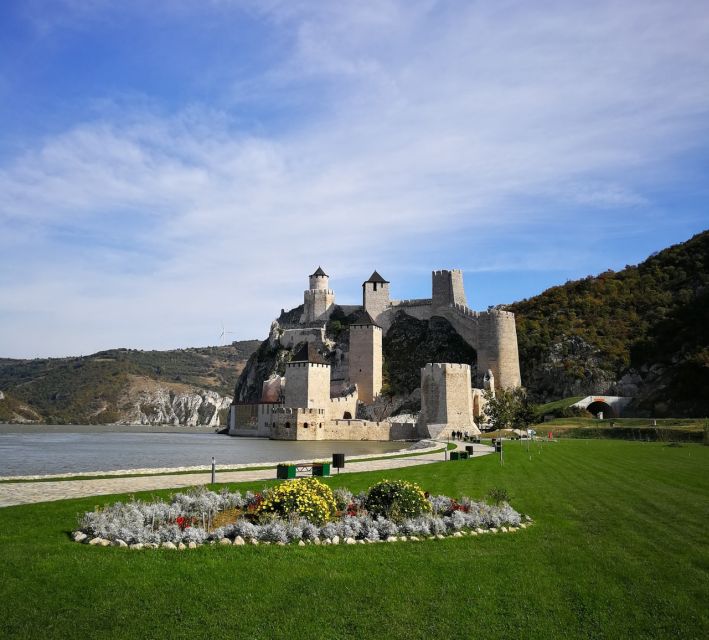
- Golubac Fortress with medieval legends, including a story of forbidden love and a princess in the highest tower
- Lepenski Vir, Europe’s oldest urban settlement told with a guided walk and clear context for daily life
- Djerdap National Park scenery in motion, including a sense of how wide the Danube is to how deep it becomes
- Small group of up to 10, which usually makes questions easier
- Professional English guide, with strong storytelling from guides such as Miloš, Novica, and Stepan
First impressions: a single day, three very different kinds of wonder
This tour is built for people who want maximum value without doing the logistics themselves. You start in Belgrade, then spend most of the day moving through the Iron Gates region: fortress walls above the river, an archaeology site that explains Neolithic life, and a national park that’s all about natural scale and river bends.
The pacing is also smart. You get a solid block for Golubac (photo stop plus guided tour), time to breathe and look around, and then a guided visit at Lepenski Vir where you’re not just standing and reading. The result is a day that feels structured, not frantic.
The best part is that each stop answers a different question:
- Golubac helps you understand power and defense in a narrow river corridor.
- Lepenski Vir helps you understand settlement life and belief systems long before cities elsewhere.
- Djerdap helps you see why nature shaped movement, trade, and survival here.
You can also read our reviews of more tours and experiences in Belgrade.
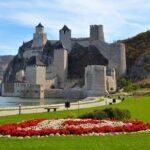
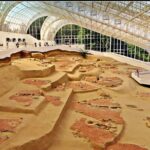
Golubac Fortress: river defense, legend, and the feeling of being watched
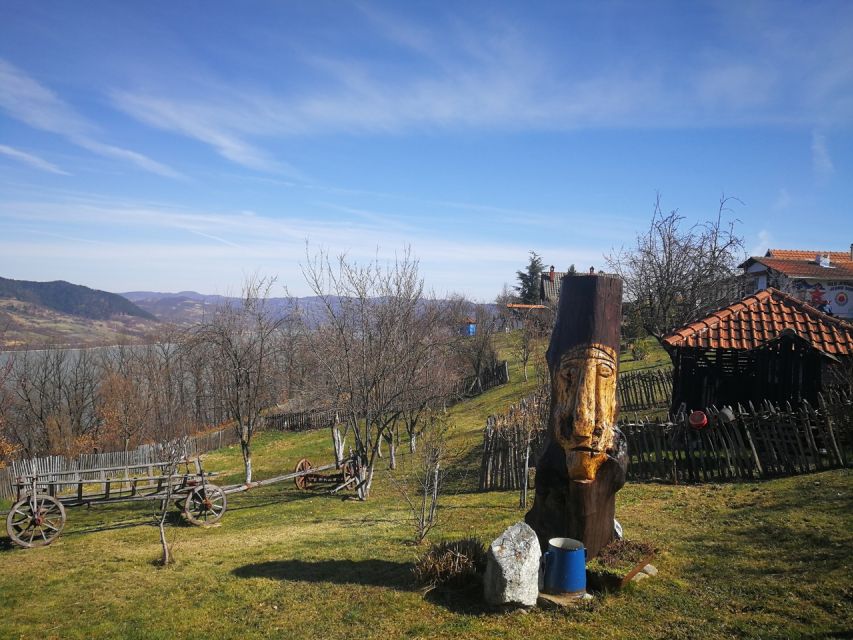
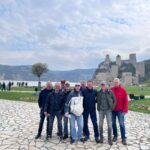
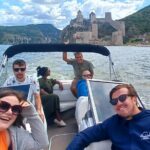
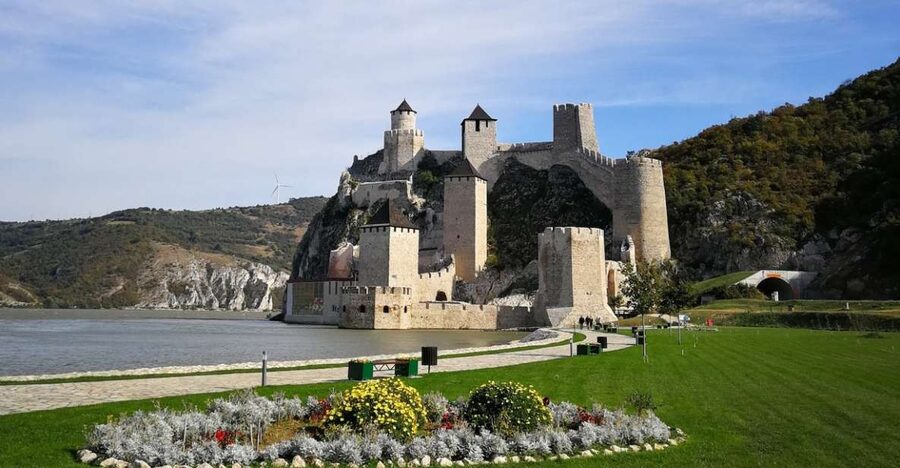
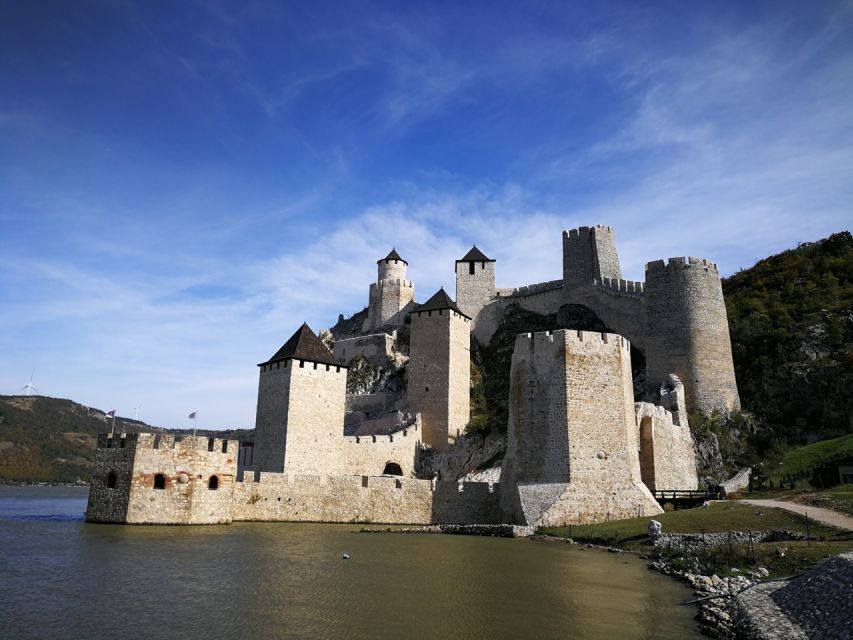
Golubac Fortress is the emotional anchor of the day. Even if you only have a brief window to look, it hits you with how strongly it controls the river. The Danube here is the kind of landmark that isn’t just scenery. It’s the reason the fortress mattered.
You’ll have a photo stop and then a guided visit (about 2 hours) where the guide brings the medieval setting to life. The story that stands out from the tour description is the legend tied to forbidden love: a princess is said to be captured in the highest tower. Whether you treat it as legend or historical flavor, it’s a great way to make the fortress walls feel human, not just stone.
One practical note that matters for your expectations: the tour visits the fortress green zone using the regular ticket. The high tower and ramparts are only available on certain days and depend on weather, so you might not be able to climb to those upper viewpoints. That doesn’t make the visit less worthwhile, but it does mean you should manage the “top-of-the-fortress” fantasy.
If you’re a view-lover, you’ll still get scenic looks from the way the day is timed, including a short break with time for fresh photos after the main tour. If you’re someone who likes to move steadily, the guided pace plus some free time is usually a comfortable mix.
Djerdap National Park drives: how to “feel” the Iron Gates without hiking all day
Djerdap National Park is a big deal in Serbia, and this tour uses that size well. You spend time driving through the park and getting scenic views along the way, not just visiting a single viewpoint and calling it a day. The description promises the feeling of the Danube from its widest to its deepest in the gorge, and the driving segments are there to support that.
There’s a rhythm to it: short scenic stretches with photo opportunities, then breaks that let you reset. After Golubac, you get a scenic drive and views for about 30 minutes. Later, you get breaks inside the park (including about an hour) and another scenic drive segment (about an hour) before the return to Belgrade.
What this means for you: you’ll likely spend more time looking out of the van than climbing trails. If that sounds boring, it might be the wrong tour for you. If you want the wow-factor of scale—big river bends, tight gorge walls, and the sense of how the region shapes travel—this format works.
And since the tour runs rain or shine, it’s worth keeping rain gear in mind. Weather can sharpen the river drama; it can also reduce visibility, so bring the right attitude. In bad weather, your “best views” might be shorter bursts, not long panoramic moments.
Lepenski Vir: Europe’s oldest urban settlement, explained in human terms
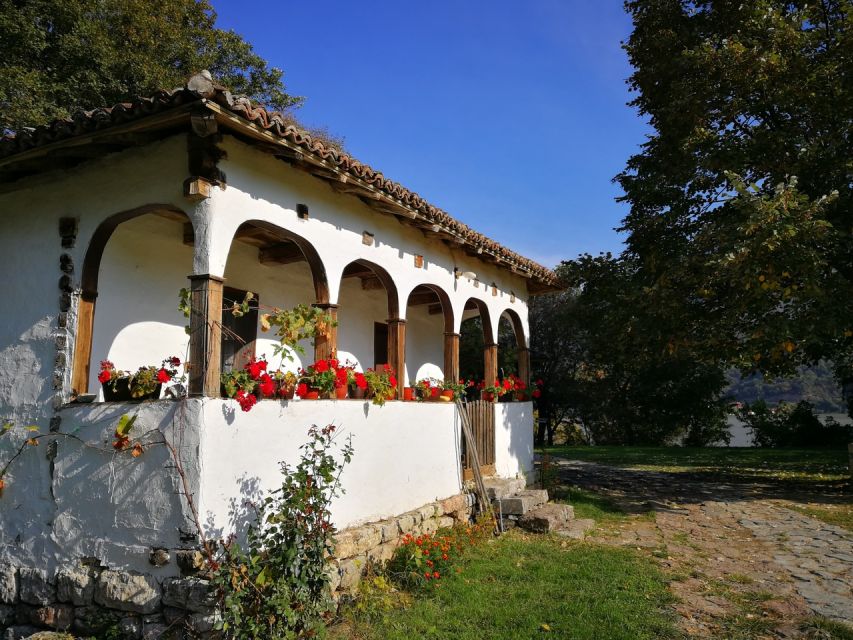
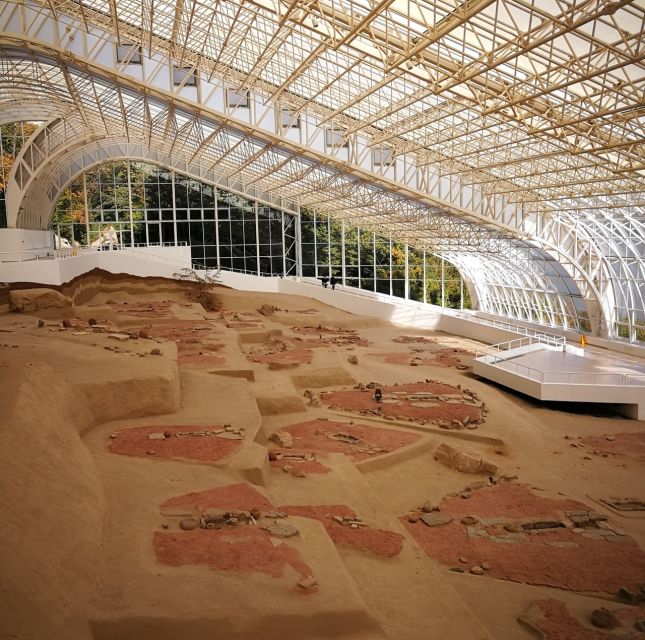
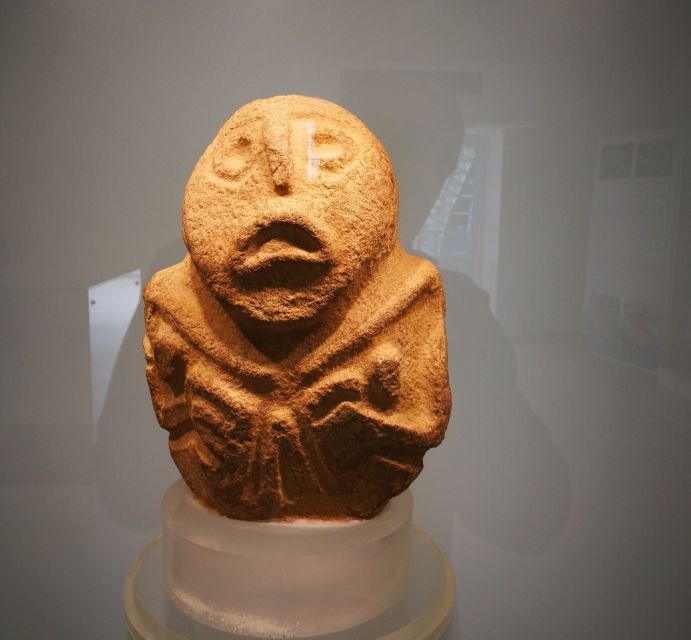
Lepenski Vir is where the tour shifts gears from medieval defense to Neolithic life. The big selling point here is simple: it’s described as the oldest urban settlement in Europe, and the guided tour helps you understand why people settled there about 8,000 years ago.
During the visit (around 75 minutes total), you’ll get guided context and time to walk. The tour focuses on practical questions that make the site feel real:
- what the Neolithic people looked like
- what they were doing day to day
- what gods they prayed to
That last part matters. A lot of archaeology tours stop at objects and dates. Here, the framing is about life and belief. Even if you don’t remember every detail, you’ll likely remember the feeling of a place built around the Danube’s pull.
One way to think about value: Lepenski Vir can be the kind of stop that becomes a blur if you’re left to wander alone. A guided visit keeps the story coherent, especially when you’re moving fast between broader scenic regions like Djerdap.
Comfort-wise, you’ll want comfortable shoes. The walking component isn’t described as extreme, but archaeological sites usually involve uneven surfaces and museum-like paths. Plan for feet-first enjoyment.
Kapetan Mišin Breg: a breather with local flavor (and a seasonal catch)
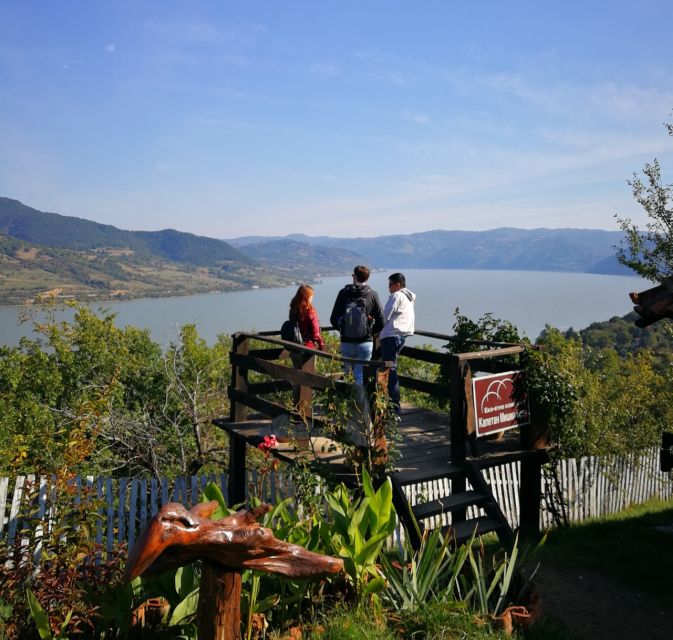
Kapetan Mišin Breg is included as a stop with break time, a photo stop, a guided visit, and a walk (about 1 hour). This is one of those parts of the day that can pleasantly break up the big historical themes.
You’ll get sightseeing and time to look around, which helps when you’ve spent the morning moving between fortress and archaeology. It’s a useful reminder that this region isn’t only about ancient ruins and legends. There’s also a human-scale layer here.
The catch is seasonal. In winter, from November through April, Kapetan Mišin Breg is not open due to weather conditions, and the tour won’t visit this household. If you’re planning a winter trip, treat it as a “maybe” stop that you should not plan around as your main memory of the day.
Timing and what 10 hours feels like from Belgrade
This is a 10-hour tour with hotel pickup and drop-off in Belgrade, plus significant driving time. Expect a van ride of about 105 minutes to reach the first big stop area, then shorter transfers between sites.
The itinerary structure matters because it affects your energy:
- Golubac takes up a big early block with both guided time and photo moments.
- Djerdap scenic driving is spread out so your eyes can rest between history stops.
- Lepenski Vir lands mid-day with a guided visit and walk.
- The later Kapetan Mišin Breg and Djerdap breaks give you mental recovery before the return drive.
Small group size is the other timing factor. With a limit of 10 participants, you’re less likely to feel swallowed by a big crowd. It also tends to make it easier for the guide to answer questions in English without rushing.
If you’re sensitive to long drives, this tour still might be workable because the day isn’t only sitting. There are breaks, viewpoints, and guided time blocks. Just keep snacks and water on your personal shopping list, because food and drinks aren’t included.
Price and value: what $128 buys you, and what it doesn’t
At $128 per person, you’re paying for a full-day package that includes:
- hotel pickup and drop-off
- a professional English-speaking tour guide
- entry tickets to Golubac, Lepenski Vir, and Djerdap National Park
- transportation by van
What you don’t get is food and drinks. That’s common for day trips from a central city, but it’s still something to budget for. A simple grocery stop before pickup (or bringing your own snack) can keep the day comfortable, especially if you’re traveling with dietary needs.
So is $128 a good deal? Usually, yes, because the tickets and transport are folded in. The guide also reduces the “I’m standing in the right place but I don’t know why” problem, especially at Lepenski Vir where context matters a lot. You’re not just collecting photos; you’re getting a coherent story through three very different stops.
The small-group limit helps too. When you’re in a van with fewer people, the day runs smoother and questions feel less like interruptions.
Guides and style: English explanations that connect the dots
The tour is described as having a live English guide, and the tone coming through in the provided feedback is that the guides know both the history and the geography. Names that appear in the guide stories include Miloš, Novica, and Stepan.
What I like about this kind of staffing approach is that the day’s story depends on explanation. Djerdap views make more sense when the guide connects them to the river’s role. Fortress legends land better when the guide explains the setting and why certain towers or locations mattered. Lepenski Vir becomes far more memorable when the guide talks about what life might have looked like for the people who lived there.
If you’re the type of traveler who enjoys asking questions, small group size makes that easier. If you’re not, you’ll still benefit from the guide filling in the background so you don’t feel lost.
Practical tips before you go: shoes, weather, and fortress access
This tour runs rain or shine. That means you should pack for changing conditions, not for a perfect day of sun. Comfortable shoes are a must, especially with guided walking at Lepenski Vir and the walk at Kapetan Mišin Breg.
Also plan around fortress access. The regular ticket covers the green zone. High tower and ramparts access is only available on certain days and depends on weather. If your top priority is reaching the very highest parts, check your expectations early. You’ll still tour Golubac with guided time and enjoy scenic viewpoints, but it won’t be guaranteed tower access.
For winter travelers (Nov–Apr), remember Kapetan Mišin Breg is not open due to weather, so you should be ready for that stop to be skipped.
Finally, because food and drinks aren’t included, plan your energy. Bring water, consider a snack, and decide if you want to purchase lunch on your own during breaks.
Who this tour suits best (and who should skip it)
This experience is a strong match if you want:
- big Danube views without arranging a car
- a guide-led explanation at Lepenski Vir, not just a self-guided museum wander
- a day that mixes legend, archaeology, and national park scenery
- a small group atmosphere (up to 10 participants)
It might not be the best fit if:
- you want lots of hiking. The format is more about sightseeing and guided visits than long trails.
- you’re only interested in climbing the highest fortress points. Access to the high tower and ramparts isn’t guaranteed with the regular ticket.
- you travel in winter expecting every stop to be open. Kapetan Mišin Breg is closed Nov–Apr.
Should you book the Iron Gate Tour: Golubac Fortress and Lepenski Vir?
If your goal is to see the Iron Gates region in one smooth day and come away with a clear story, I’d say it’s a smart booking. The value is strong because you get transportation, tickets, and a professional English guide, plus time at Lepenski Vir that’s guided enough to make the site stick.
The main thing to decide is your priority: do you want big river views and guided context more than maximum physical access to fortress towers or long hikes? If yes, you’ll likely be happy with this plan.
If you tell me your travel month and whether you care most about fortress climbing, I can help you decide how to set expectations for Golubac and Kapetan Mišin Breg.
FAQ
How long is the Iron Gate Tour?
It runs for about 10 hours, with hotel pickup and drop-off in Belgrade.
What sites does the tour visit?
You’ll visit Golubac Fortress, Lepenski Vir, and Djerdap National Park, plus a stop at Kapetan Mišin Breg.
Is the tour guided and in English?
Yes. It includes a live tour guide who speaks English.
Is the group small?
Yes. The tour is limited to a small group of up to 10 participants.
What’s included in the price?
Hotel pickup and drop-off, a professional guide, entry tickets to Golubac Fortress, Lepenski Vir, and Djerdap National Park, and transportation are included.
What should I bring?
Bring comfortable shoes. The tour takes place rain or shine, so plan for the weather conditions.
Can I access the high tower and ramparts at Golubac Fortress?
Not always. With the regular ticket, you’ll visit the green zone. Access to the high tower and ramparts is available only on certain days and depends on weather conditions.