REVIEW · TIRANA
Kruja Castle ,Sari Salltik & Durrës fromTirana
Book on Viator →Operated by Guidealbania · Bookable on Viator
A day like this hits fast—mountains first, then the sea. You’ll get Krujë Castle and the Museum of Skenderbeg, plus the Roman and Byzantine layers of Durrës, guided by folks like Adi who make the stories click. The one thing to keep in mind is the schedule is full, so you may feel short on time if you want lots of wandering on your own.
I like that the tour is built for efficiency without turning into chaos: you start with pickup right at your hotel, ride in an air-conditioned vehicle, and walk with a guide through the places that usually take independent travelers longer to understand. You’ll also end with a slower coastal moment on the Shetitorja Vollga promenade—an easy change of pace after the ruins.
In This Review
- Small group touring with hotel pickup from Tirana
- Krujë Castle + Skenderbeg Museum with guided context
- Old Bazaar of Krujë for real shopping time
- Durrës in layers: Roman, Byzantine, Venetian, and Italian-era touches
- Shetitorja Vollga promenade for an Adriatic reset
- Sari Salltik on Mount Krujë for views and a spiritual site
- A Mountain-to-Sea Day Trip From Tirana (And Why It Works)
- Hotel Pickup, Air-Conditioned Comfort, and Small-Group Reality
- Krujë Castle and Skenderbeg Museum: The Story Behind the Stone
- A note on museum entry costs
- Krujë’s Old Bazaar: 400 Years of Marketplace Energy
- Durrës: Roman Amphitheater to Byzantine Forum (A City That Keeps Repeating)
- Durrës Amphitheater
- Old Byzantine Market
- Venetian Tower and Durrës Castle
- Byzantine Forum (Macellum) and Italian-Style Street: The Middle Layers
- Venetian Tower Views, Durrës Castle Walls, and Quick Photo Time
- Shetitorja Vollga Promenade and Optional Seafood Lunch
- Sari Salltik: A Bektashi Shrine With Big Mountaintop Views
- Guides Like Adi (And Why Their Style Changes Everything)
- The main drawback to expect: time pressure
- Value at $84.10: Transport, Stops, and a Full Day of Meaning
- Who Should Book This Tour (And Who Should Skip It)
- Should You Book Krujë, Durrës, and Sari Salltik From Tirana?
- FAQ
- How long is the tour?
- What is the price per person?
- Is hotel pickup included?
- How many people are in the group?
- Is a mobile ticket provided?
- Which stops are included?
- Are any admission fees included?
- Is lunch included?
- What’s the cancellation policy?
- When will I get confirmation?
Small group touring with hotel pickup from Tirana
- Maximum 15 travelers, plus hotel pickup, so you’re not stuck in a big coach.
Krujë Castle + Skenderbeg Museum with guided context
- You don’t just see walls—you learn why Skenderbeg mattered and what you’re looking at inside.
You can also read our reviews of more tours and experiences in Tirana.
Old Bazaar of Krujë for real shopping time
- A proper stop for the historic Ottoman-style bazaar stretch.
Durrës in layers: Roman, Byzantine, Venetian, and Italian-era touches
- You’ll move between major landmarks and smaller archaeological moments.
Shetitorja Vollga promenade for an Adriatic reset
- A calm seaside walk, with optional seafood lunch nearby.
Sari Salltik on Mount Krujë for views and a spiritual site
- A 45-minute stop with panoramic views over the coast and a Bektashi shrine.

A Mountain-to-Sea Day Trip From Tirana (And Why It Works)

If you only have a few days in Albania, this is a smart use of your time. You start in the hills around Krujë, then head to Durrës on the Adriatic coast. That alone is a great value: you get a real sense of how the country changes from inland stone to seaside air.
What makes the day work is the way the stops connect. In Krujë, the focus is identity and resistance. In Durrës, the focus is geography and strategy—cities that were fought over, traded through, and rebuilt again and again.
Hotel Pickup, Air-Conditioned Comfort, and Small-Group Reality
The day begins with a simple promise: you wait for the guide at the appointed time at your hotel, and then you’re off. The vehicle is air-conditioned, which matters on long drives—especially when you’re moving between viewpoints and open-air ruins.
The group size is capped at 15 travelers, which usually makes the tour feel more personal than the mass-market buses. Guides also come across as careful drivers in the reviews, and the vibe is practical: they want you to reach the next stop on time and not feel rushed by logistics.
One realism check: because the day is packed, you’ll likely spend more time traveling between locations than you would on a slower self-guided plan. One visitor even said the driving time felt like the weak spot. If you’re the type who wants to linger, bring patience—or pick a different trip later.
Krujë Castle and Skenderbeg Museum: The Story Behind the Stone
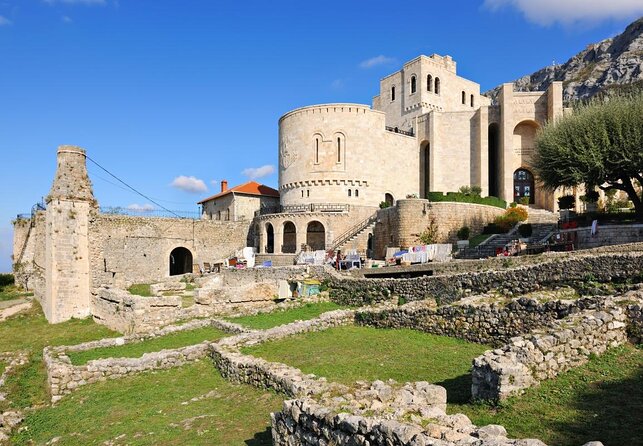
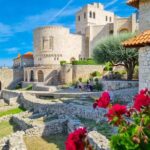
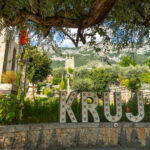
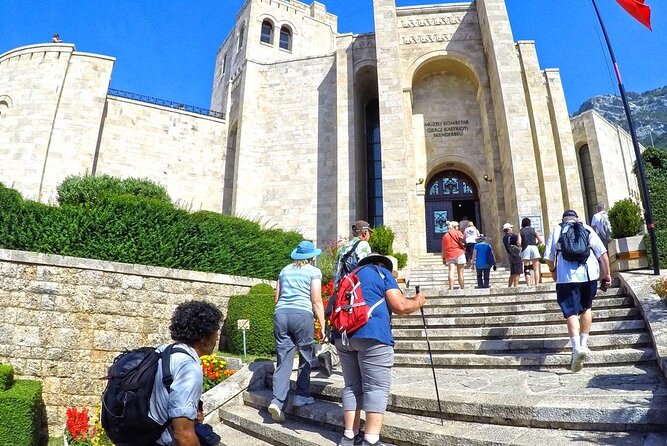
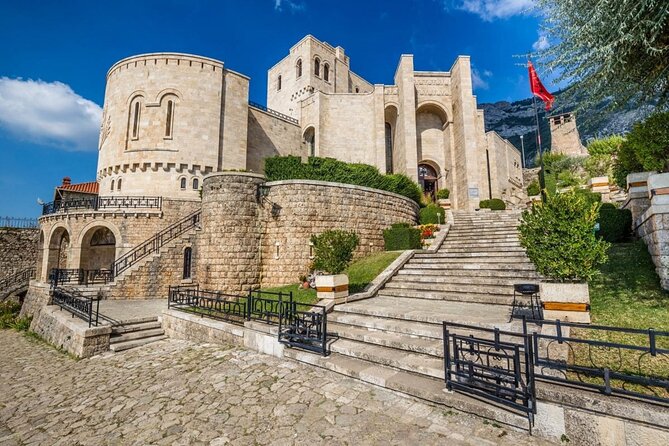
Krujë Castle is the headline. This is where you’ll see the Museum of Skenderbeg and the castle grounds tied to the 15th century resistance led by Skenderbeg against the Ottoman Empire. Even if you’ve read about the period, it lands differently when someone points out what you’re actually looking at—old roads, traditional houses in the castle area, and how the layout supports defense and visibility.
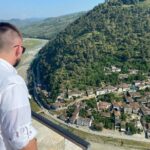
Inside the castle area, the guide helps you connect the museum material to the physical space around you. You also get the payoff view: you can photograph the mountains and the city of Krujë from the castle heights. That’s the kind of photo you’ll keep, because it’s not just “a view.” It shows the geography that shaped the history.
A note on museum entry costs
The tour plan references admission related to the Krujë stop, but recent visitor notes mention a small additional entry fee for the castle/museum area (around 5€). What this means for you: check your confirmation details before you go, and keep a little cash or card buffer for the museum entry if your booking doesn’t include it.
Time on this stop is about two hours, which is enough for a guided pass and some photos, but not enough for a slow, museum-only day.
Krujë’s Old Bazaar: 400 Years of Marketplace Energy
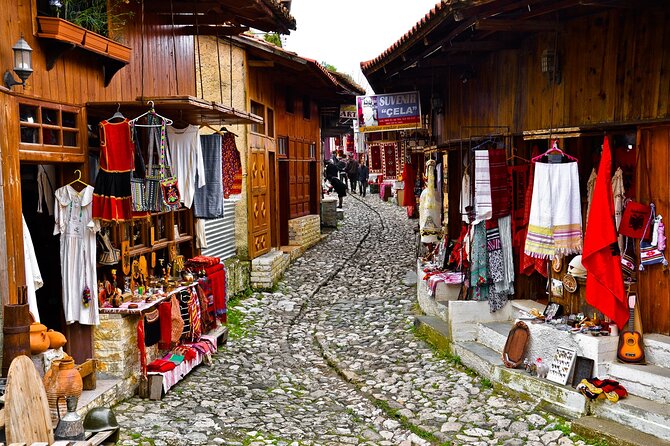
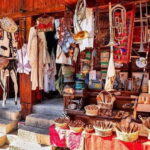
After the castle, you’ll visit the Old Bazaar of Krujë, described as one of the oldest in Albania, with an original marketplace dating back more than 400 years. This bazaar runs in an Ottoman-style pattern, so it feels like more than a souvenir strip. You’ll walk the stretch and get a sense of how commerce and daily life used to flow here.
Why I like this stop: it’s not only about history. You can actually use it. It’s a chance to browse, pick up small gifts, and pause for a drink if you want. One practical tip: if you want photos without crowds, go slower early in the bazaar walk and let other groups move ahead.
This stop is timed at around two hours, which is usually the right amount for a bazaar visit—long enough to look, not so long that you get bored.
Durrës: Roman Amphitheater to Byzantine Forum (A City That Keeps Repeating)
Then you’re on the move to Durrës, one of Albania’s oldest cities. The tour frames Durrës as a place with stacked eras, and it delivers. The day is basically a timeline you can walk through.
Durrës Amphitheater
One of the first major landmarks is the Durrës Amphitheater, built in the early 2nd century. It’s described as one of the largest amphitheaters in the Balkans, and the scale is what hits you. The guide gives context about gladiator-era spectatorship and how Roman entertainment worked at city level.
Old Byzantine Market
Next comes the Old Byzantine Market, tied to the trading past. You’ll see remnants of a commercial center, which makes the ruins feel less random. Instead of imagining a “mystery pile of stones,” you’re thinking about everyday movement—goods, people, and ships.
Venetian Tower and Durrës Castle
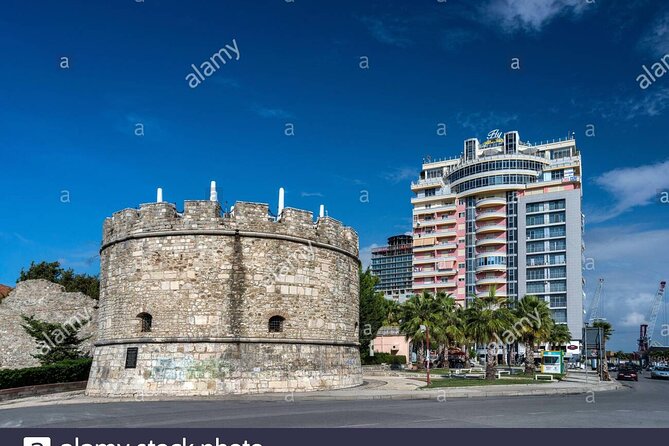
You’ll also visit the Venetian Tower, a 15th-century fortress structure showing Venetian and Ottoman influence. It’s also tied to Durrës Castle, with surviving walls and a citadel origin referenced to the Byzantine period.
What I appreciate here is the mix: you get big named monuments (amphitheater), plus smaller but meaningful architectural pieces (tower, market remains). That combo helps you understand how Durrës stayed important.
Byzantine Forum (Macellum) and Italian-Style Street: The Middle Layers
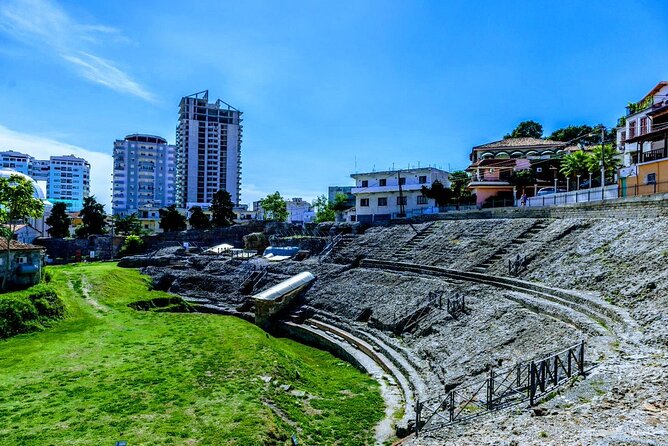
After the main Durrës sightseeing, you continue with the Byzantine Forum (Macellum), dated to the 6th century under Emperor Anastasios I (481–518). This is a true archaeological stop in the center of the city. You walk through the ruins and see architectural remains like circular colonnades—again, not just “look at ruins,” but “here’s what kind of public space this was.”
From there, you’ll walk along an Italian-style street with buildings tied to the early 20th century, associated with King Zog’s reign. This is a nice twist, because it adds a more European-looking layer to a city that already carries Roman and Byzantine traces.
The time for this segment is about 1 hour 30 minutes. It’s enough to understand the site if you pay attention, but if you’re the type who wants to read every sign yourself, you might wish for more.
Venetian Tower Views, Durrës Castle Walls, and Quick Photo Time
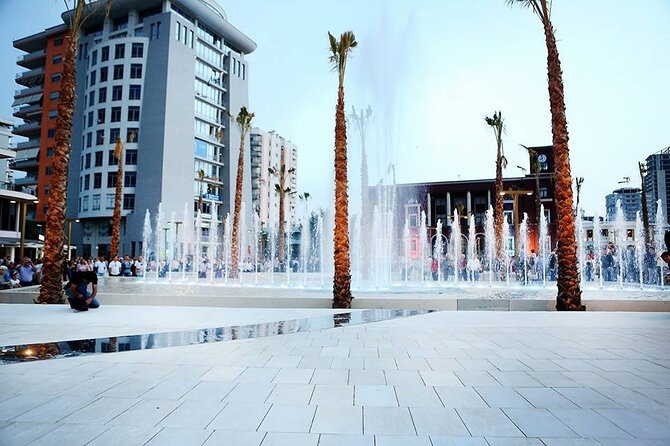
Another Durrës highlight is the Venetian Tower area with panoramic views of the city and coastline. There’s also time for the castle-related look around. The tour gives this portion about 30 minutes.
This is the spot for photos and a breather. If you’re planning your camera shots, do the wide coastline angles first, then zoom in on the architecture details.
30 minutes is short, so don’t count on a long sitting spell. Think: quick elevation, quick photos, back into the flow.
Shetitorja Vollga Promenade and Optional Seafood Lunch
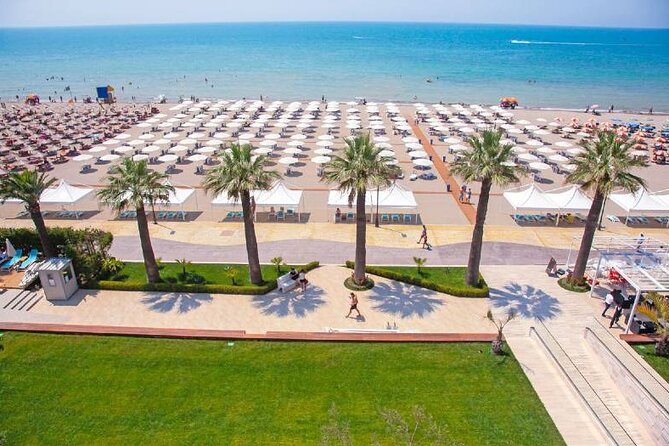
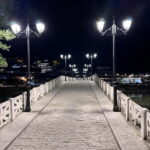
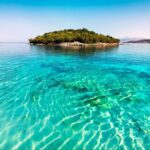
After the ruins, the tour adds a more relaxed ending in Durrës at the Promenade Park (Shetitorja Vollga). This is a coastal boulevard with palm trees, cafés, and restaurants along the Adriatic Sea.
You’ll have about one hour here. The tour description notes that you can take a swim in the Adriatic if you want, and you’ll have an optional seafood lunch at a seafront restaurant. That’s the kind of reward that makes a long day feel worth it.
One practical note: if you skip lunch, use the promenade time for a drink and people-watching. If you do eat, try to order something easy and local—fish or seafood—so you don’t lose too much time to a long meal.
Sari Salltik: A Bektashi Shrine With Big Mountaintop Views
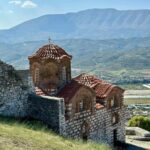
Your final themed stop is Sari Salltik on Mount Krujë above the city. This is a historic Bektashi shrine dedicated to Sari Saltik, a 13th-century dervish and folk saint revered in parts of the Balkans.
The tour frames it as a spiritual place people visit for good luck, and it also offers panoramic views over the Adriatic coast. That combination matters: you’re not only looking at a viewpoint; you’re visiting a place that functions as a living spiritual stop for believers.
Time here is around 45 minutes. It’s enough to absorb the setting, take photos, and have a calm ending to the day before heading back toward Tirana.
Guides Like Adi (And Why Their Style Changes Everything)
This tour is only as good as the guiding. And the strong theme in the guide feedback is how they bring the sites to life with stories and clear explanations.
I keep seeing names like Adi, plus other guides such as Besnik, Ali, and Skerdi, each praised for professionalism, friendly hosting, and strong driving. A common point: the guide explains not just facts, but how Albania’s geography and history connect—mountains and fortresses in Krujë, then trade routes and invaders in Durrës.
One more helpful detail from the reviews: guides even handle small comfort touches during the day. If it rains, they keep the plan moving. In one rainy-day experience, the guide adjusted without making it feel like the day fell apart.
The main drawback to expect: time pressure
There’s also a recurring concern: the day can feel rushed in certain spots. One person said they had only about 20 minutes of free time in places that probably needed more breathing room, and another flagged that they’d have preferred fewer stops with deeper time in each.
So here’s the advice: if you really want to slow down in Krujë or linger in Durrës, decide what matters most to you and be ready to let the rest stay “guided-and-onward.”
Value at $84.10: Transport, Stops, and a Full Day of Meaning
At $84.10 per person, you’re paying for a whole bundle: hotel pickup, air-conditioned transport, a guided route across two major areas, and multiple stops tied to different historical periods.
The value is strongest if you:
- don’t want to plan logistics between towns
- want a guide to explain what you’re seeing in each ruin
- like mixing castles, bazaars, archaeology, and a seaside walk
It may be weaker if you’re the kind of traveler who only wants one major site and hours of free time. The schedule is designed to cover a lot, which is great for first-time coverage but not ideal for deep solo exploration.
Also, watch for personal expenses:
- Lunch is optional (and you’ll pay separately if you choose it).
- Museum/castle admission can depend on your booking details; keep a small buffer in case your voucher doesn’t cover it.
Who Should Book This Tour (And Who Should Skip It)
This is a great fit for you if you’re:
- short on time in Tirana and want a day that shows inland + coast contrast
- interested in Albanian resistance stories tied to Skenderbeg
- curious about how Roman, Byzantine, Venetian, and early 20th-century influences appear in one city like Durrës
- happy to follow a schedule as long as the guide explains the sites clearly
I’d skip it if:
- you want long, slow museum time or lots of unscheduled wandering
- you’re very sensitive to “drive time”
- you’re traveling with a group that needs extra space in the vehicle, since some experiences mention feeling cramped when the group is at capacity
Should You Book Krujë, Durrës, and Sari Salltik From Tirana?
If you want one organized day that shows the why behind the places—castle, bazaar, Roman ruins, Byzantine forum, Venetian tower, and a seaside promenade—then book it. This tour is built to help you connect the dots fast, without making you manage transport or timing.
I’d especially recommend it if you’re coming to Albania for the first time and want a guided “greatest hits” day that still includes quieter moments like Sari Salltik’s mountaintop views.
If you hate feeling rushed, send yourself a decision rule: choose whether you care more about Krujë Castle and the museum or Durrës’s archaeology and promenade. The day will still be enjoyable, but your enjoyment will depend on which part you’re willing to “skim” a bit.
FAQ
How long is the tour?
It runs about 8 to 9 hours.
What is the price per person?
The price is $84.10 per person.
Is hotel pickup included?
Yes. The guide picks you up from your hotel, and you wait for them at the appointed time.
How many people are in the group?
The tour has a maximum of 15 travelers.
Is a mobile ticket provided?
Yes, the tour uses a mobile ticket.
Which stops are included?
The tour includes Krujë Castle and the Museum of Skenderbeg, the Old Bazaar of Krujë, Durrës (including major landmarks), the Byzantine Forum (Macellum), the Venetian Tower and Durrës Castle area, the Shetitorja Vollga promenade, and Sari Salltik.
Are any admission fees included?
The plan lists admission ticket included for the Krujë Castle area stop and free admission for several Durrës stops and for Sari Salltik. Some visitors also report a small entry fee for the castle/museum area, so check your confirmation.
Is lunch included?
Lunch is optional. The tour describes an opportunity to have seafood lunch in Durrës, but it’s not stated as included.
What’s the cancellation policy?
You can cancel for a full refund up to 24 hours before the experience start time.
When will I get confirmation?
Confirmation is received at the time of booking.