REVIEW · MADRID
Madrid Sightseeing Tour with Royal Palace Skip the Line Ticket
Book on Viator →Operated by Julia Travel S.L · Bookable on Viator
Royal Palace lines can ruin your day. This Madrid tour pairs a fast city highlights circuit with a Royal Palace skip-the-line guided visit, with context from Moorish origins through later royal Madrid. You’ll also swing by major squares and big landmark areas so you leave knowing how the city “fits together.”
I love two parts in particular. First, you get a real guide inside the palace, not just an entrance ticket; the tour includes an individual radio system so you can actually hear the commentary. Second, the coach-and-sight approach helps you cover a lot of Madrid in a single morning, including photo stops around Gran Vía, Puerta de Alcalá, and the Paseo del Prado museum zone.
One possible drawback to plan around: even with skip-the-line access, crowds and security checks can still cause delays. And since the tour is described as being in Spanish and English, you may hear both languages back-to-back at times, which can feel slower if you only want English.
In This Review
- Key things I’d circle before you go
- Royal Palace first: what the skip-the-line actually buys you
- A morning route through Madrid’s squares and monuments
- Moorish-to-royal Madrid: the “how did this city become this?” segment
- Prado’s neighborhood and the 18th-century gates
- Modern Madrid stops: Gran Vía, finance areas, and stadium vibes
- Inside the Royal Palace: throne room, apartments, and collections
- Timing, group size, and the reality of skipping lines
- Who this tour is best for (and who should skip it)
- Price and value: is about $80 a fair deal?
- Should you book this Madrid Royal Palace skip-the-line tour?
- FAQ
- How long is the Madrid sightseeing tour with the Royal Palace skip-the-line ticket?
- What’s included for the Royal Palace portion?
- Does the tour include skip-the-line access?
- What languages is the tour offered in?
- Where do I meet the tour, and where does it end?
- Can I cancel for a full refund?
Key things I’d circle before you go
- Skip-the-line palace entry with a guided circuit that focuses on throne room, banqueting rooms, and royal apartments
- Moorish roots in Barrio de la Morería, then a jump forward to Habsburg-era squares and later royal Madrid
- Big landmark photo stops like Gran Vía, Puerta de Alcalá, Cibeles Fountain, Santiago Bernabéu area, and Las Ventas bullring
- Air-conditioned coach plus radio guidance for the palace portion, making a packed day more bearable
- Short walking segments with comfy-shoe advice, plus rest and picture stops when weather allows
- Small-group cap of 30 travelers, which usually means less chaos than big-departure tours
Royal Palace first: what the skip-the-line actually buys you
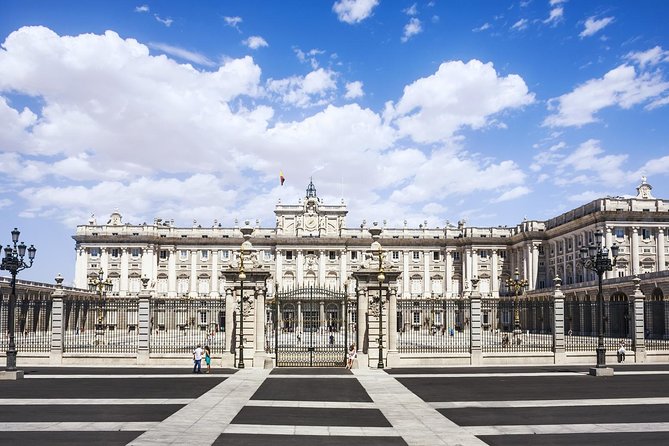
If your main goal is the Royal Palace, this tour makes the smart move by bundling your arrival with pre-arranged access. Instead of wandering around and trying to time a ticket line, you’re aimed at getting inside and starting the story quickly. That matters because the palace is huge, and once you’re inside, you’ll want your brain switched on for what you’re looking at.
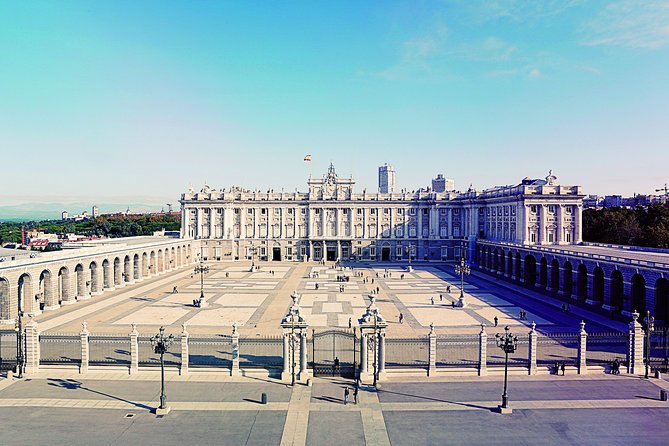
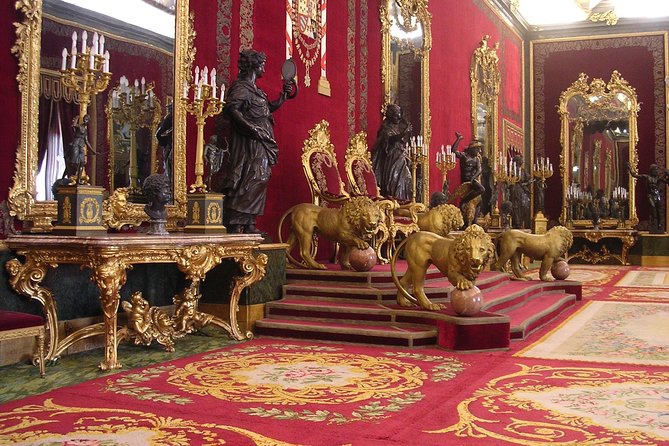
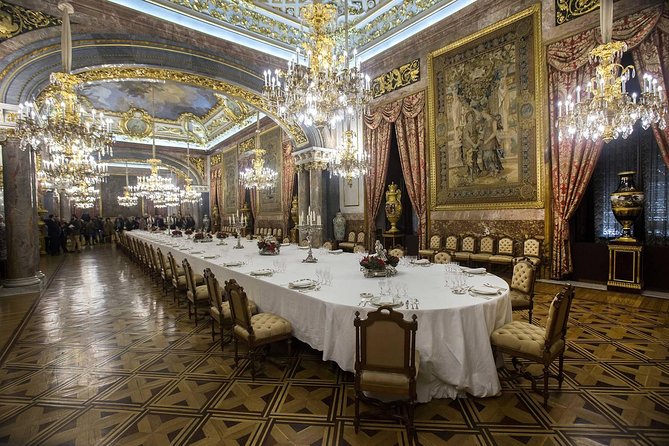
The palace visit is guided and includes an individual radioguided system, so you’re not forced to strain your ears in a crowded room. On top of that, the tour includes time to see the throne room, banqueting spaces, and the private royal apartments, plus standout collections such as antique clocks, armor, art, porcelain, and woven wall hangings. You’ll also hear about works by Spanish masters like Goya and Velázquez.
A useful detail: when the guided part ends, you can stay and explore at your own pace, including visiting the Royal Armory on your own. The viewpoint from the armory square is specifically called out, so if you like architecture-and-angles photos, leave a few minutes unstructured for that moment.
You can also read our reviews of more tours and experiences in Madrid.

A morning route through Madrid’s squares and monuments
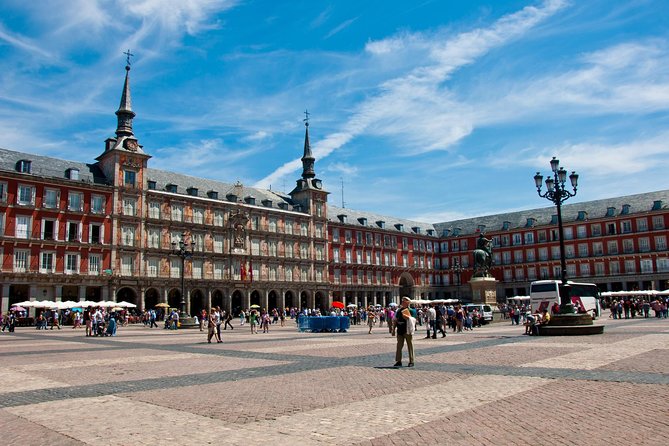
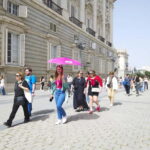
This tour starts in central Madrid (Julià Travel Madrid on C. de San Nicolás, 15) around 9:00 am and finishes near the palace area. Expect about four hours total, with a mix of short walking and coach time. The pace is designed for an overview—meaning you’ll get good context fast, but you won’t be lingering for long.
Early on, you’ll hit the classic heart of Madrid’s old-city grid. Plaza Mayor is a key stop, and you’ll also connect with nearby highlights like Plaza de la Villa and Puerta del Sol. From there, you move along toward Puerta del Sol again as part of the city flow, then you head toward Puerta de Toledo. That gate has Napoleonic-era roots, and it’s one of those places where a quick “why it’s here” explanation makes the stone feel less random.
You’ll also see major street-name Madrid: Gran Vía and Calle Mayor are both part of the route. Gran Vía is the place where you get that big, modern Madrid energy—wide, confident, and designed for movement. Calle Mayor feels more old-world in its rhythm, and pairing the two helps you understand how Madrid grew without losing its central identity.
Moorish-to-royal Madrid: the “how did this city become this?” segment
What makes this tour stand out from generic sightseeing is the historical jump: you’re not just seeing famous spots, you’re getting a timeline. The tour specifically flags Madrid’s Moorish beginnings in Barrio de la Morería, an older Moorish neighborhood area. Even if your time there is limited, it’s a useful anchor point, because it frames later Madrid as something layered—not a single-style city dropped in one era.
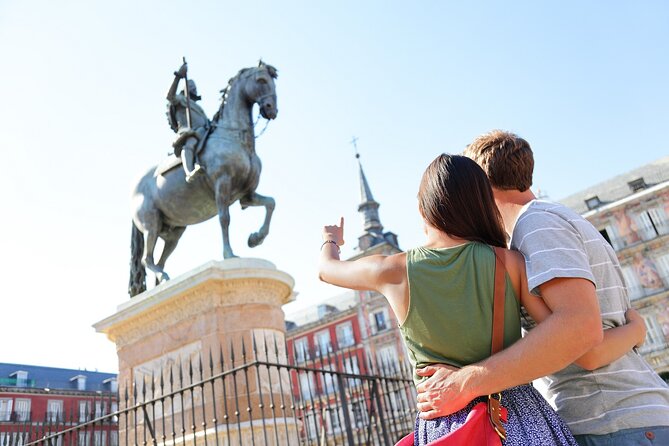
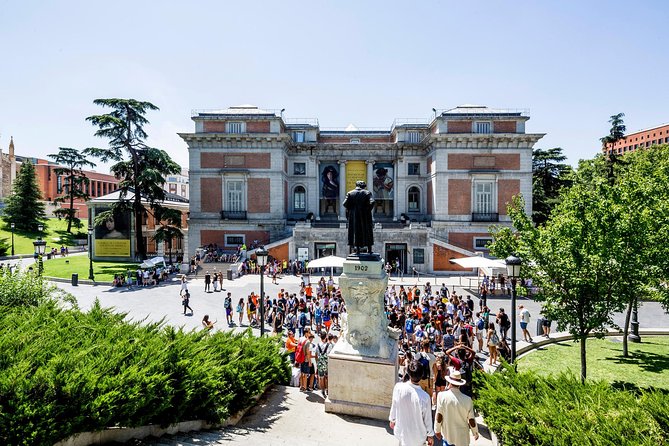
After that Moorish origin comes a shift into Habsburg-era Madrid. You’ll connect this with the kind of grand urban landmarks the Habsburg period is associated with, including central squares and streets such as Plaza Mayor and areas around Calle Mayor. The tour also references the Prado Museum area in the same broader arc, which matters because the Paseo del Prado museum zone is where Madrid’s cultural identity becomes very visible.
Then the route steps into the 18th-century story around Charles III and Madrid’s rise as a knowledge and cultural center. You’ll be shown monuments and gates tied to that building boom era, including Monumento de la Encarnación and major ceremonial access points such as Puerta del Sol and Puerta de la Opera. Again, the stop length won’t let you read every detail like a slow museum visitor, but the guide framing makes it easier to recognize what you’re seeing later on your own.
Prado’s neighborhood and the 18th-century gates
One of the practical advantages of this tour is that it organizes Madrid’s big walking zones into short, understandable chunks. The route includes Paseo del Prado, and it specifically points you toward the museum corridor idea—Thyssen, Prado, and Reina Sofía are mentioned in the way the street connects them. If you’re planning what to do on your own later, this “you’re standing by these museums, here’s how they relate” is exactly what you need.
You’ll also pass through areas connected to civic life and public art cues: the tour mentions Carrera de San Jerónimo Street, Las Cortes (the Spanish Parliament area), and Neptune’s Square. Puerta de Alcalá is highlighted as the most famous of the city’s historic gates, and it’s a great stop to use as a mental reset. If you’re the type who likes to understand the layout, gates and ceremonial streets are how Madrid’s structure becomes legible.
A quick word on photography: because so many of these moments are coach-side or brief pauses, plan your photos like a scavenger list. I’d bring a small strap or secure pocket for your phone/camera and be ready to move when your guide says it’s time. This is not the kind of day where you’ll want to stop and browse everything slowly.
Modern Madrid stops: Gran Vía, finance areas, and stadium vibes
After you’ve worked through the older layers, you move into Madrid’s modern “big Madrid” zones. The route includes Gran Vía and Paseo de la Castellana, plus mentions neighborhoods like Barrio Salamanca and Parque del Oeste. That shift is more than scenic. It helps you see how Madrid’s wealth and institutions expressed themselves in later building—wide boulevards, grand facades, and modern public spaces.
You’ll also get landmark passes tied to popular culture and sports identity, including stops near Santiago Bernabéu and the mention of seeing Ventas Bullring. Ventas is treated as a quick photo/stop moment, so if you’re genuinely into bullfighting architecture or want a deeper look, you’ll likely want to plan a separate visit later.
Cibeles Fountain appears too, and it’s tied to Real Madrid fan celebrations. That kind of detail sounds small, but it’s useful: it tells you what the landmark means in living Madrid, not just what it looks like in a guidebook photo.


Inside the Royal Palace: throne room, apartments, and collections
The palace portion is the core of your money and time. The tour’s inside visit is guided, with an emphasis on high-impact rooms: the throne room, banqueting halls, and the royal apartments. You also get a structured route through major features like the grand staircase.
What I like here is that the palace isn’t presented only as a building. You’re directed toward specific collections and objects—antique clocks, armor, art, porcelain, and the palace’s decorative woven wall hangings. It’s the difference between seeing “lots of rooms” and understanding why the rooms were staged the way they were.
The tour also calls out names that many first-time visitors only recognize from art books: Goya and Velázquez are mentioned as part of what you’ll see. If you’re a fan, this can help you connect a museum experience to the palace setting—different mood, same Spanish art power.
One practical consideration: you might find that photography inside is restricted. The best approach is to keep your camera accessible but follow staff rules quickly so you don’t slow the group down.
Timing, group size, and the reality of skipping lines
This is about four hours total, and the structure is clear: you start with city orientation, then you finish at the palace with a guided visit. The tour uses an air-conditioned motor coach, which helps on hot Madrid days. Also, there’s a max group size of 30, so you’re usually not buried in a swarm of people.
Still, keep the skip-the-line part grounded. The tour notes that crowds or security protocols can lead to delays even when skip-the-line is included. That’s normal for a major palace—big entry points mean big checks. If you’re the kind of person who needs guaranteed timing, build in a little buffer for the first half-hour at the palace area.
Also pay attention to pacing expectations. The tour involves several visits on foot, and comfortable shoes are recommended. It’s not a marathon, but it’s enough walking that you’ll appreciate good soles and no tight footwear. Some stops are short by design, so you’ll want to be ready to move on.
Finally, since the tour says it includes Spanish and English, you’ll likely hear frequent language switching. On days when the guide’s rhythm is fast, you can still get value—but it helps to go in knowing it’s a bilingual format rather than a purely English-only experience.
Who this tour is best for (and who should skip it)
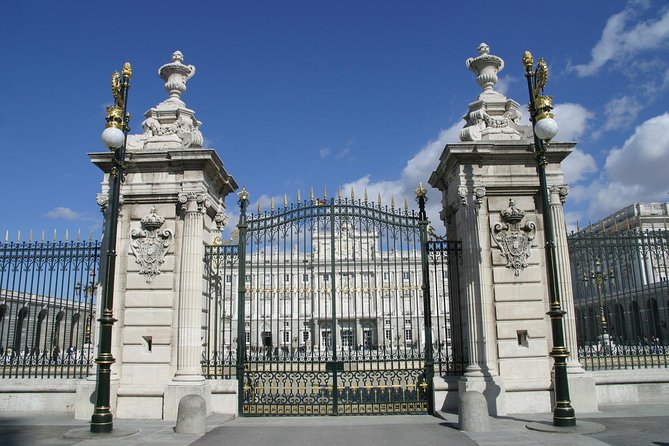
This tour is a strong match if you want two things at once: a quick Madrid orientation and a guided Royal Palace visit. If it’s your first day, the city overview helps you decide what to come back for later. If the palace is your main objective, the skip-the-line and guided inside time reduce wasted effort.
It’s also a good fit if you don’t want to plan a route across a dozen neighborhoods. The coach route covers a lot of ground: historic gates, central squares, major boulevards, and landmark districts. You’ll still have to walk, but the heavy lifting is done for you.
Where it may not work as well is if you want a slow, room-by-room pace inside the palace with lots of reading time. The guided format prioritizes highlights, so if you’re a deep-dive plaque reader, you might feel rushed and prefer a self-guided palace entry later.
If you land with guides praised for clarity and energy—names like Miguel, Carmen González, Pablo, and Martha come up in past experiences—your palace visit can feel especially fun. If you’re hoping the guide will be perfectly paced in your preferred language, be ready for a bilingual tour style.
Price and value: is about $80 a fair deal?
At $80.42 per person, you’re paying for more than a palace ticket. You’re paying for three value drivers that matter in Madrid: skip-the-line access, a guided inside palace experience, and the city overview by air-conditioned coach plus coordinated stops.
The biggest value is your time. You get a structured introduction to major Madrid eras—Moorish roots, Habsburg-era centers, 18th-century royal Madrid, then modern boulevard life—without needing to stitch it together yourself. If you’ve only got a single morning to “get your bearings,” this tour saves the guesswork.
The second value driver is hearing the palace story clearly. The radioguided system is the kind of detail that improves the experience, especially in crowded rooms where voices can get swallowed.
That said, if you’re already a confident planner and you prefer to wander at your own speed, you might find better value in a self-guided plan plus separate museum tickets. But for most first-timers, the combination of guided palace time and organized city orientation is the money part.
Should you book this Madrid Royal Palace skip-the-line tour?
Book it if you:
- Want a guided Royal Palace visit with skip-the-line access
- Like your city history organized into a simple timeline
- Need a fast first-day overview of squares, gates, and major neighborhoods
- Prefer a small-group cap and a radio system for palace commentary
Skip it if you:
- Want an English-only experience with zero bilingual switching
- Hate the idea of brief stops and coach-side viewing
- Plan to spend a lot of time reading every plaque inside the palace (you’ll likely feel rushed)
If your goal is to see the Royal Palace and understand what you’re looking at without losing half your day in lines or route planning, this is one of the more practical ways to do it.
FAQ
How long is the Madrid sightseeing tour with the Royal Palace skip-the-line ticket?
It’s listed at about 4 hours.
What’s included for the Royal Palace portion?
You get Royal Palace admission plus a guided visit, along with an individual radioguided system for the palace.
Does the tour include skip-the-line access?
Yes. The Royal Palace admission includes skip-the-line access.
What languages is the tour offered in?
It’s offered in English, and it also includes Spanish and English during the tour.
Where do I meet the tour, and where does it end?
The start is at Julià Travel Madrid on C. de San Nicolás, 15 (Centro), and the tour ends at Palacio Real (Centro). The start time is 9:00 am.
Can I cancel for a full refund?
Yes, you can cancel for free up to 24 hours before the experience’s start time for a full refund.