REVIEW · MAFRA
Mafra: National Palace of Mafra Entry Ticket
Book on GetYourGuide →Operated by Distributor: GetYourGuide Tours & Tickets GmbH · Bookable on GetYourGuide
Mafra feels like a royal time machine. One ticket gets you into a UNESCO-listed palace complex where baroque-and-neoclassical splendor meets real 18th-century court life. You’ll wander through the royal palace and convent spaces, then end up at the basilica for the big moments.
I love two things most: the six historic organs (yes, you’re seeing a lot more than one) and the library with over 36,000 volumes, Portugal’s largest. If you’re the kind of traveler who likes history you can point to, this place hands you details on a plate.
The main catch is simple: this is self-guided entry, and parts of the complex can be closed for works, which can shrink what you’re able to see on the day you go.
In This Review
- Key things to know before you go
- Where Mafra Fits in Your Lisbon-Region Day
- Entering with Your QR Code at the Basilica Entrance
- The Royal Palace Complex: Neoclassical and Baroque Court Power
- Basilica Time: Six Historic Organs Worth Planning For
- The Library with 36,000 Volumes and Two Carillons
- Art Collections: Italian Sculpture Plus Portuguese Painting
- Convent Grounds and the 18th-Century Hospital
- How Long You Really Need (And When to Go)
- Price and Value: Is This $17 Worth It?
- Should You Book the Mafra Ticket?
- FAQ
- How long is an average visit to the Palace of Mafra?
- What are the opening hours and which day is it closed?
- What does the entry ticket include?
- Where do I present my QR code?
- How long is the ticket valid?
- Is this ticket refundable?
- When is the palace closed?
Key things to know before you go
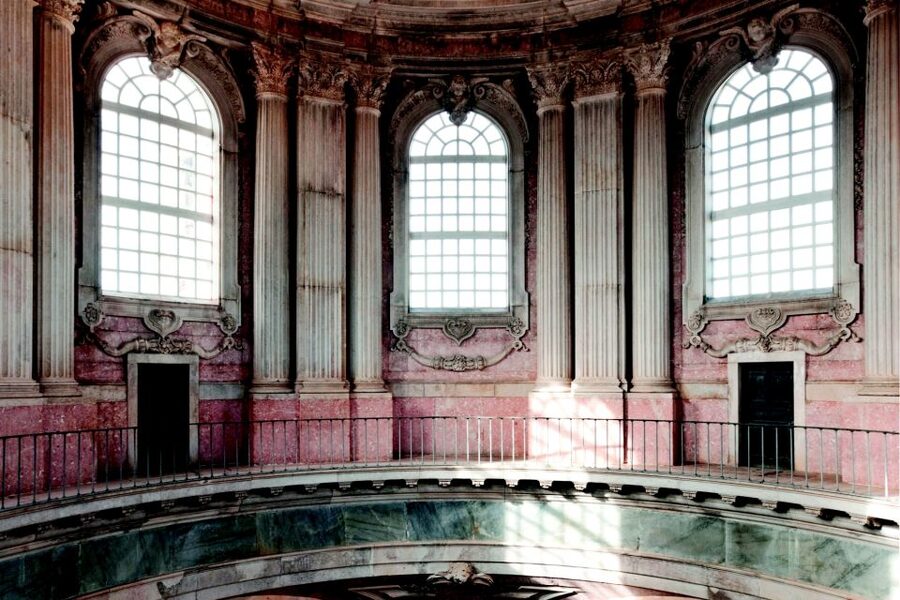
- UNESCO World Heritage Site: Mafra has been listed since 2019.
- Basilica stop: Plan time for the impressive set of six historic organs.
- Library scale: You’re looking at 36,000+ different book volumes.
- Art collections: Expect Italian sculpture and Italian and Portuguese painting collections.
- Royal life setting: The complex connects to 300 years of royal religious events and even hunting in the reserve.
- Hospital and carillons: Two carillons and an 18th-century hospital are part of the complex story.
Where Mafra Fits in Your Lisbon-Region Day
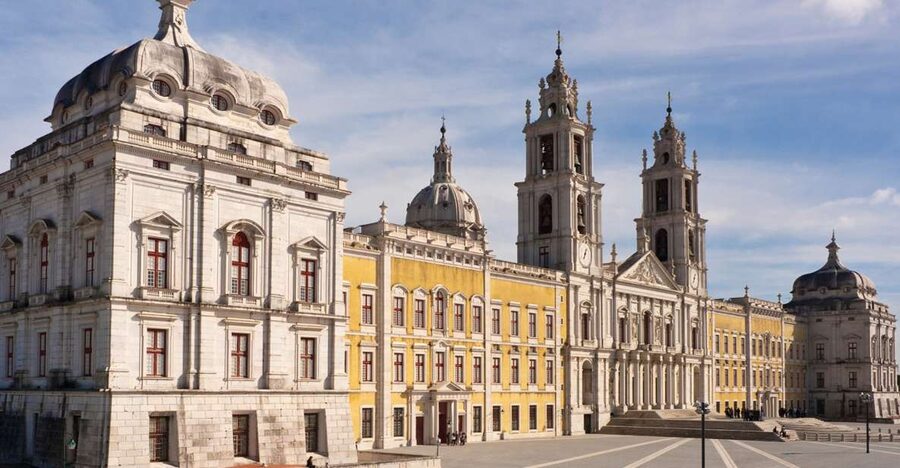
Mafra is one of those day trips that turns a standard sightseeing plan into something more memorable. Instead of chasing one viewpoint after another, you get a full palace complex with architecture, music, books, art, and even a hospital tied to the same site.
At a high level, what you’re seeing is the result of big 18th-century ambitions. The palace was built for royal religious feasts, court moments, and the kind of hunting tradition that makes monarchs sound surprisingly sporty. That mix matters because it explains why the building isn’t just a pretty façade. It was designed for how people of power actually lived and moved through spaces.
For you, this means a more satisfying visit if you enjoy layered sites: one location, many kinds of highlights, and enough variety to keep your attention even during the quiet parts.
Entering with Your QR Code at the Basilica Entrance
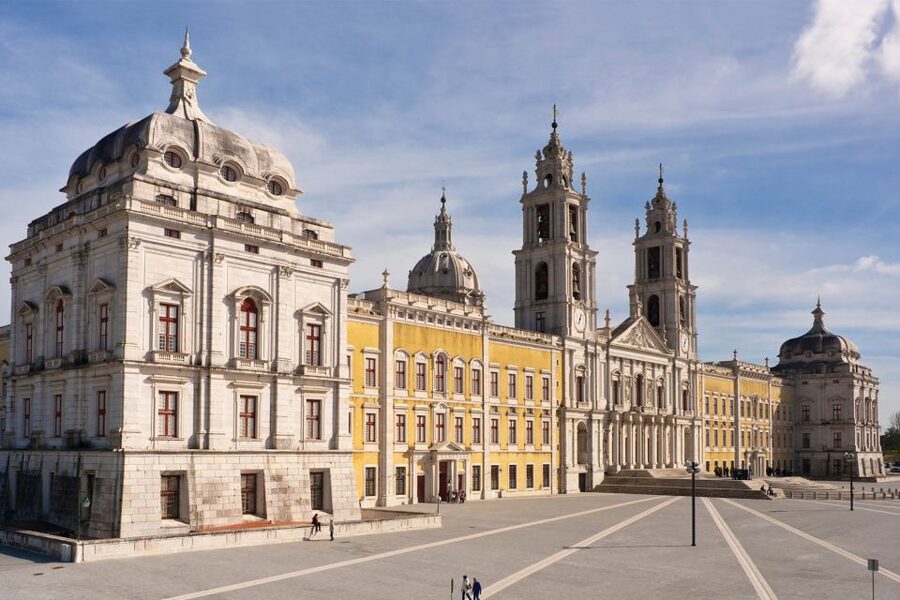
Your ticket is an entry ticket, valid for one day. On arrival, present your QR code at the entrance to the left of the basilica’s main entrance. That matters because this isn’t one of those places where you’ll accidentally drift in and figure it out later. Start at the right door, then let the site guide your route.
Because it’s self-guided entry, you’ll want to be proactive. Bring your curiosity, move at your own pace, and don’t assume every room will feel equally accessible. The complex includes multiple parts—royal palace, convent, basilica, and more—so planning 1–2 hours helps you avoid the trap of racing through and missing the good stuff.
One extra practical point: the palace is open daily from 9:30 AM to 5:30 PM, with last entry at 4:30 PM, and it’s closed every Tuesday.
The Royal Palace Complex: Neoclassical and Baroque Court Power
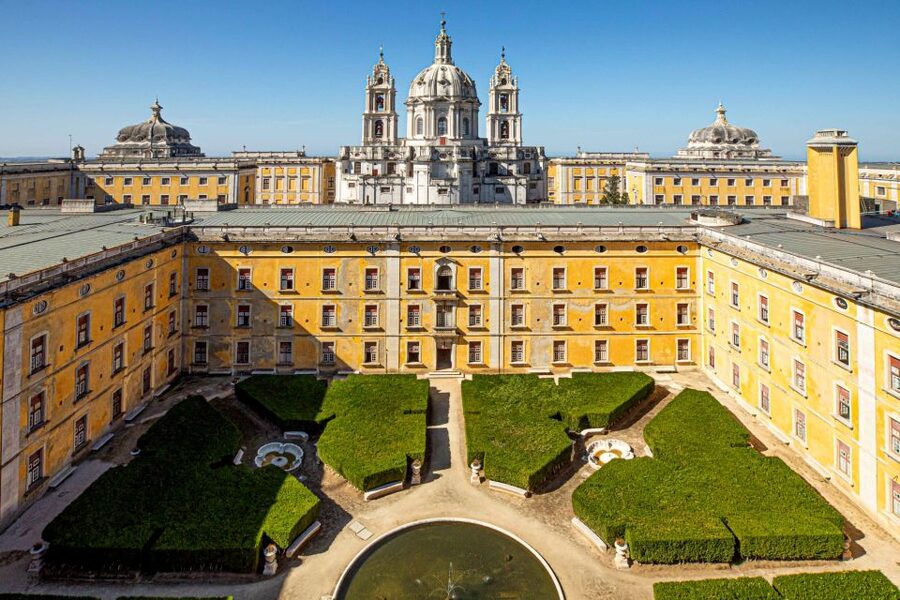
The palace complex is described as an 18th-century masterpiece with Neoclassical and Baroque architecture. That combo is why Mafra can feel different from other royal sites. You’re not just touring a single style. You’re seeing how design, religion, and authority all got welded together.
Inside, the royal palace areas give you a sense of scale and intention. Think of the spaces as built for ceremony and visibility—places where being seen mattered as much as being comfortable. You’ll also get the overall feeling of a complex that was meant to host frequent royal moments, not just one-and-done visits.
What I like about this section is that it’s not only decorative. Even without a guided explanation, the structure tells you what the site was for: court life, religious celebration, and the everyday logistics of housing and caring for people connected to the royal world.
Tip: wear shoes you don’t mind getting a workout from. Mafra is not a quick hallway tour.
Basilica Time: Six Historic Organs Worth Planning For
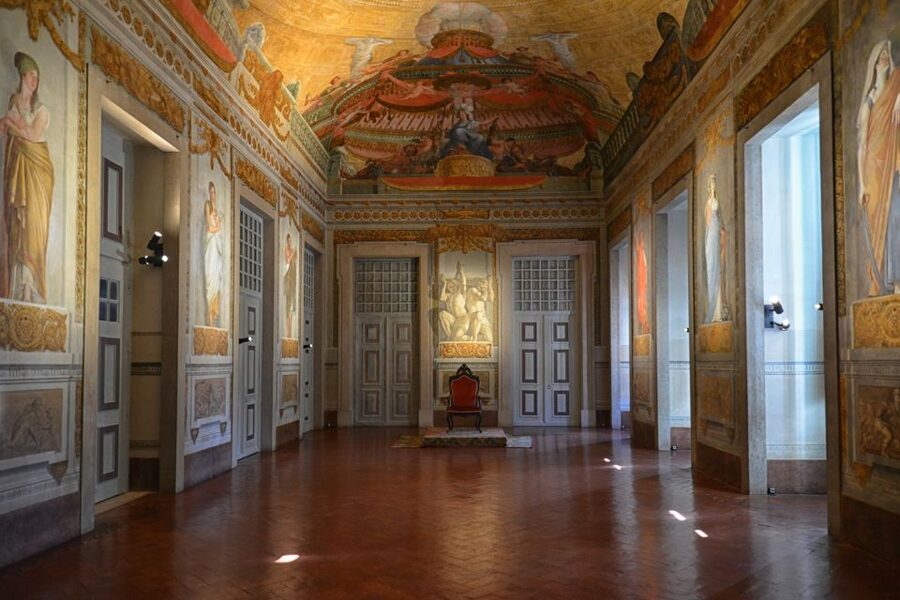
The basilica is the headliner stop, and for good reason. You’ll be able to admire a unique set of six historical organs, which is exactly the sort of detail that turns a normal church visit into something more specific and memorable.
Even if you don’t read music history, the fact that there are six organs at this site is instantly interesting. It suggests careful planning around sound, ceremony, and religious performance. It’s also the kind of highlight you’ll feel in your body—bigger than an object you just look at. It becomes a centerpiece to anchor your visit.
A practical consideration: some areas can be closed for works on the day you go, which can affect basilica access or what you can walk through. If your heart is set on seeing everything in one go, aim for an early arrival window within opening hours, and be ready to adjust your route if you encounter temporary closures.
The Library with 36,000 Volumes and Two Carillons
Then there’s the library—Portugal’s largest, with over 36,000 different book volumes. Even if you’re not a book-collector type, the sheer scale changes your mindset. It’s one thing to see a room with shelves. It’s another to be standing inside a major knowledge hub that was part of a royal complex.
If you love museums that mix visual beauty with function, this is where Mafra starts to feel personal. You can think of it as the intellectual counterpart to the basilica’s ceremonial role: one space for public worship, the other for private and institutional learning.
You’ll also encounter two carillons at the palace complex. Carillons are a reminder that sound, schedule, and ceremony all mattered—this wasn’t just architecture for looking. It was a living system tied to time, celebration, and the rhythms of royal life.
One more planning note: the library may be affected by works. If you’re traveling during a period when maintenance is scheduled, check what’s open once you’re on-site and adjust your expectations.
Art Collections: Italian Sculpture Plus Portuguese Painting
Mafra isn’t only about organs and books. You’ll also see an impressive collection of Italian sculptures and Italian and Portuguese paintings. That’s a meaningful combination because it reflects how Portugal’s royal world connected to broader European art currents.
For you, this section is valuable because it balances the heavier “monument” feeling of palaces. Paintings and sculpture give your eyes a different job: instead of scanning for architectural details, you can focus on composition, style, and subject matter. It breaks up the visit so you’re not constantly evaluating size and symmetry.
It also helps make the ticket feel more worth it. A lot of palace experiences become one-note after a while. Here, the art gives you another angle to enjoy the complex without feeling like you’ve seen only one type of display.
Convent Grounds and the 18th-Century Hospital
The ticket also covers the royal convent areas and even an 18th-century hospital. That last part is especially interesting because it turns Mafra from a purely ceremonial site into something more human.
A hospital inside a royal complex tells you that royal events and responsibilities didn’t stop at faith and pageantry. There were practical roles attached to the same institution. Even if you don’t linger long, seeing that the site included care facilities can change how you interpret the entire complex.
Do note the reality of visiting a large historic site: not every part is guaranteed to be accessible at all times. On some days, portions such as areas associated with the hospital have limited access. If you end up facing closures, it doesn’t mean the visit is a waste—it just means you should prioritize the basilica and the library first, then fill in the rest.
How Long You Really Need (And When to Go)
The average visit takes 1–2 hours, so Mafra fits well into a day trip pace without swallowing your whole schedule. If you want photos and a calm walk, give it the higher end of that range. If you’re efficient and focused on the key highlights, you can likely manage closer to one hour.
Open daily 9:30 AM–5:30 PM, closed on Tuesday. You also want to keep the holiday closures in mind: January 1, Easter Sunday, May 1, Ascension Thursday, and December 25.
When you arrive, head to the basilica area early. That way, if something is closed for works, you still start with the biggest items—especially the six historic organs and the main basilica experience.
If you’re sensitive to crowds, earlier tends to help at most major sites. Mafra is still a palace complex, but your best odds for a smoother walk are to come sooner rather than later.
Price and Value: Is This $17 Worth It?
At about $17 per person, this ticket isn’t overpriced for what you get—assuming the key parts are open. You’re paying for access to multiple major components: palace, convent, and basilica, plus the chance to see the library, art collections, carillons, organs, and the hospital areas.
Here’s the value question you should ask yourself: do you want a self-guided, highlight-heavy entry to one of Portugal’s most impressive UNESCO sites? If yes, the price can feel fair because you’re not paying just for a single room or a short viewpoint stop.
If you’re expecting an included audio guide or a guided tour style explanation, keep expectations realistic. This is entry ticket territory, so the self-paced format means you’ll enjoy it most if you like reading signage and letting the site’s objects do the talking.
Also factor in the possibility of closures for works. If the library or basilica areas are restricted that day, your $17 buys less than the ideal full route.
Should You Book the Mafra Ticket?
Book it if you want a single ticket that covers a UNESCO palace complex with multiple major highlights: the basilica’s six historic organs, the 36,000-volume library, and major Italian sculpture plus Portuguese and Italian painting collections. It’s also a strong pick if you like your history physical—things you can see, walk through, and compare in one visit.
Skip or reconsider if a library and basilica are your must-sees and you’re traveling during a period when works are common. In those cases, you might end up with fewer accessible areas than you hoped for. And if you want a guided experience with built-in explanations, this entry ticket style may feel like you’re doing more work yourself than you planned.
FAQ
How long is an average visit to the Palace of Mafra?
The average visit takes 1–2 hours.
What are the opening hours and which day is it closed?
The palace is open 9:30 AM–5:30 PM every day except Tuesday, and last entry is at 4:30 PM.
What does the entry ticket include?
Your ticket grants you access to the royal palace, convent, and basilica.
Where do I present my QR code?
Present your QR code at the entrance to the left of the basilica’s main entrance.
How long is the ticket valid?
The ticket is valid for 1 day.
Is this ticket refundable?
No. The activity is non-refundable.
When is the palace closed?
It is closed on January 1, Easter Sunday, May 1, Ascension Thursday, and December 25.