REVIEW · NAGANO
Nagano/Matsumoto: Matsumoto Castle and Narai-juku Day Trip
Book on GetYourGuide →Operated by Machinovate Japan Ltd. · Bookable on GetYourGuide
One day, three very different slices of Japan. I particularly loved the chance to climb Matsumoto Castle’s six stories and take in the intricate woodwork from the top, and I also liked how Frog Street turns a neighborhood walk into something playful without losing the local vibe. The main thing to consider is that this day is mostly outdoors and involves steep, narrow steps inside the castle.
You’ll get an English-speaking guide who helps connect the dots between samurai power, Edo-era travel, and everyday local culture. That’s the point of paying for a guided trip: you come away with context, not just photos. If you’re not comfortable with lots of walking and stairs, this one can feel like a tough day.
In This Review
- Key highlights worth your attention
- Matsumoto Castle: climbing the oldest surviving tower with real samurai context
- Nawate-dori (Frog Street): a themed walk that’s more than a gimmick
- Narai-juku in the Kiso Valley: walking a well-preserved post town with mountain views
- Getting from Nagano to Matsumoto: why the bus timing matters on a 1-day loop
- Price and value: what $180 really buys you
- Your English guide: the difference between facts and understanding
- Practical packing for a day of stairs, rain, and winter snow
- Should you book this Nagano–Matsumoto and Narai-juku day trip?
- FAQ
- What’s the duration of the Matsumoto Castle and Narai-juku day trip?
- Where do I meet the guide?
- Is transportation included between Nagano, Matsumoto, and Narai-juku?
- What does the tour include for sightseeing?
- Does the price include lunch?
- What language is the tour guide?
- Is this tour suitable for wheelchair users or people with mobility impairments?
- Do I need to bring anything for weather?
- What if I need to cancel or change plans?
Key highlights worth your attention
- Six stories up at Matsumoto Castle with views over Matsumoto City
- Nawate-dori (Frog Street) and its frog-themed shops, snacks, and souvenirs
- Narai-juku’s Edo-era post-town feel in Japan’s Kiso Valley
- Guided walking with time to wander so you can pace yourself
- English guides who explain the why, not just the what
- Smart value at $180 when you factor in transport plus entry plus guidance
Matsumoto Castle: climbing the oldest surviving tower with real samurai context
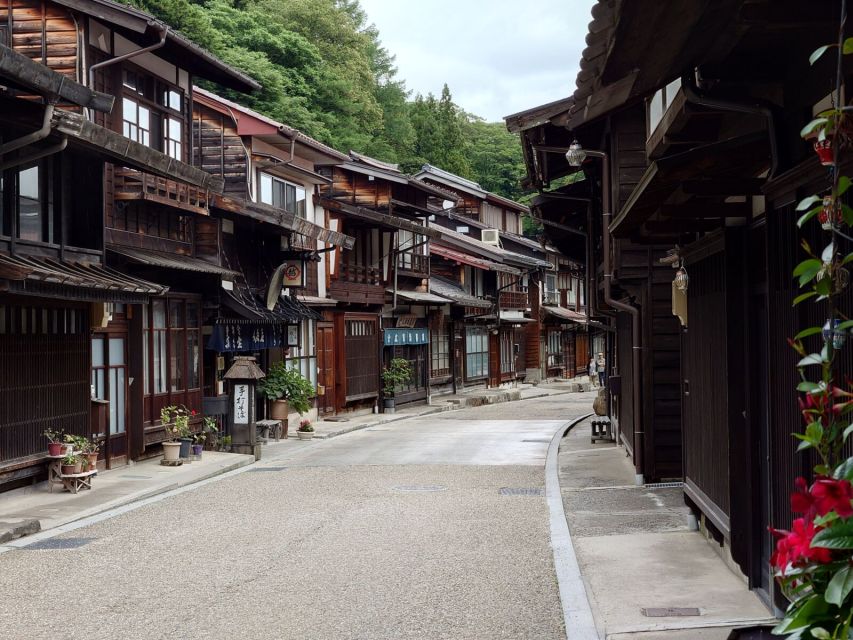
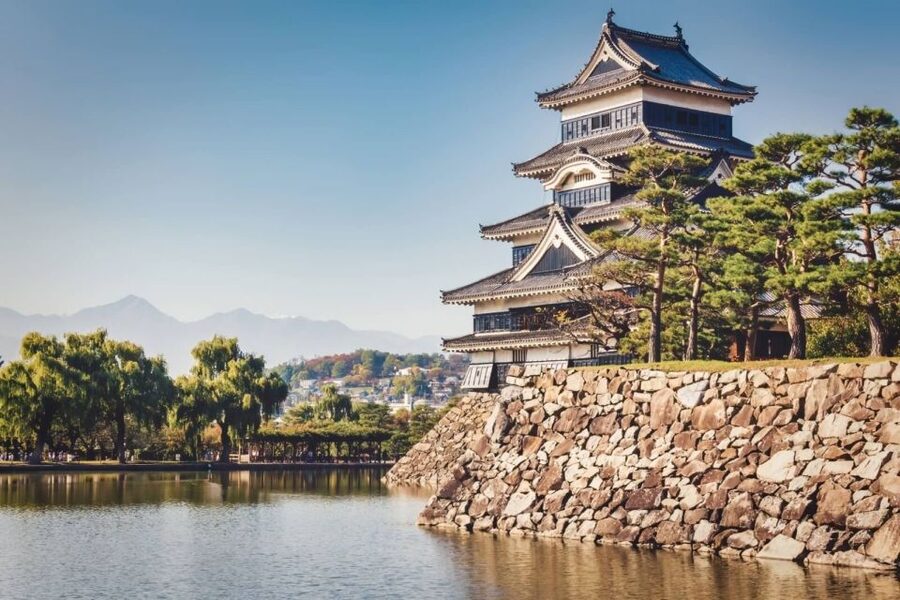
Matsumoto Castle is the star for a reason. This is one of Japan’s best-preserved castle towers from the late Warring States Period, and it’s the oldest surviving five-tier, six-story castle tower still standing. Even if castles aren’t your usual thing, the way it’s built makes it feel practical and defensive at the same time. You’re not just looking at a structure; you’re seeing how power was designed into wood, stone, and layout.
On this tour, you’ll start with a guided look at the castle grounds and history before you move inside. The guided part matters because it turns random details—like weapon displays and artifacts—into a clearer picture of warrior life around the time the castle was first built. You also get a chance to observe the castle from multiple angles as you climb, which is a big part of why this stop works so well.
Then comes the reality check: the climb is steep and the stairs are narrow. You can absolutely still do it, but plan your pace and take breaks when you need them. Once you reach higher levels, the payoff is real: you’ll see intricate woodwork up close and get wide views over Matsumoto. This is also where the castle stops feeling like a “sight” and starts feeling like a machine for controlling visibility—built for people who understood threats.
If you like history explained clearly in English, this stop is strong. If you want a low-effort day, this is not it.
You can also read our reviews of more tours and experiences in Nagano.
Nawate-dori (Frog Street): a themed walk that’s more than a gimmick
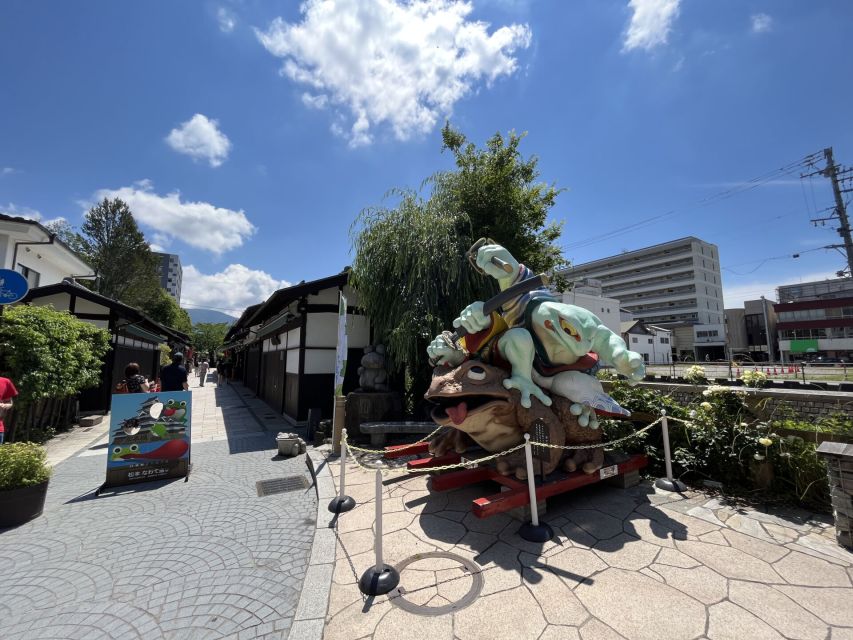
Right after meeting up, you’ll head to Matsumoto’s Nawate-dori, also called Frog Street (Kaeru Michi). This is a surprisingly fun warm-up before the more solemn castle. The street is known for frog-themed shops and food—over 50 places for browsing, snacking, and picking up small gifts. It’s the kind of place where you can wander without needing a map, because the theme is loud and easy to follow.
What makes it work isn’t just the novelty. You’re shopping in a living old-street atmosphere, and that changes how you experience it. The area sells familiar Japanese sweets and snacks—things like o-senbei (rice crackers), taiyaki (fish-shaped pastries), dagashi (retro candy), and ice cream—but framed in frog culture. You can treat it like a casual stroll, or you can turn it into a mini food mission if you enjoy trying small tastes.
The best strategy is to keep your expectations flexible. If the shops are busy, it can be a lively stop with quick browsing. If the day is rainy (it happens), you’ll still get value because it’s made for short indoor-and-outdoor hops.
One more practical tip: Frog Street is close enough to the castle day flow that you won’t waste time. It’s basically the calm-before-the-stairs moment—use it to slow down, buy a snack, and get your bearings.
Narai-juku in the Kiso Valley: walking a well-preserved post town with mountain views
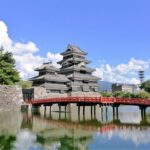
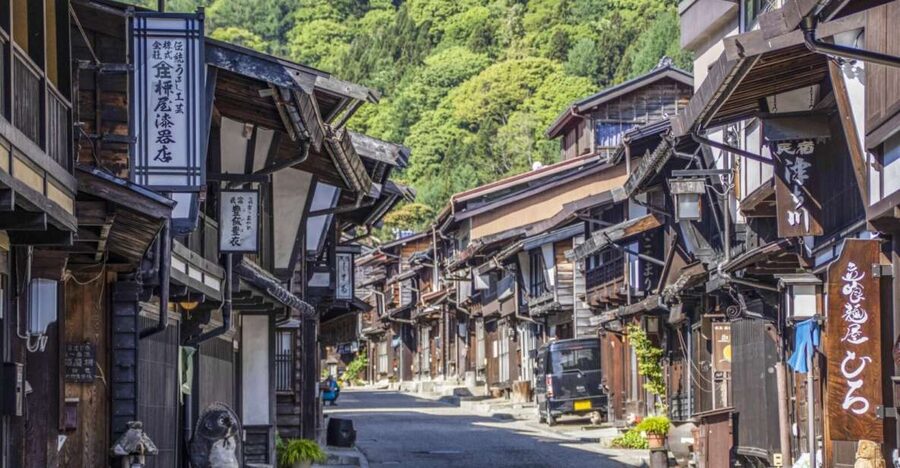
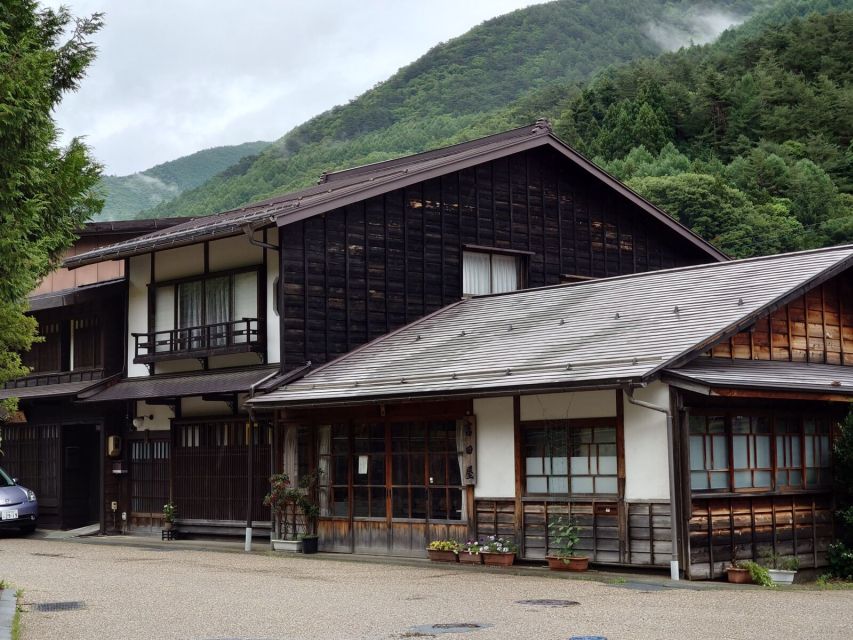
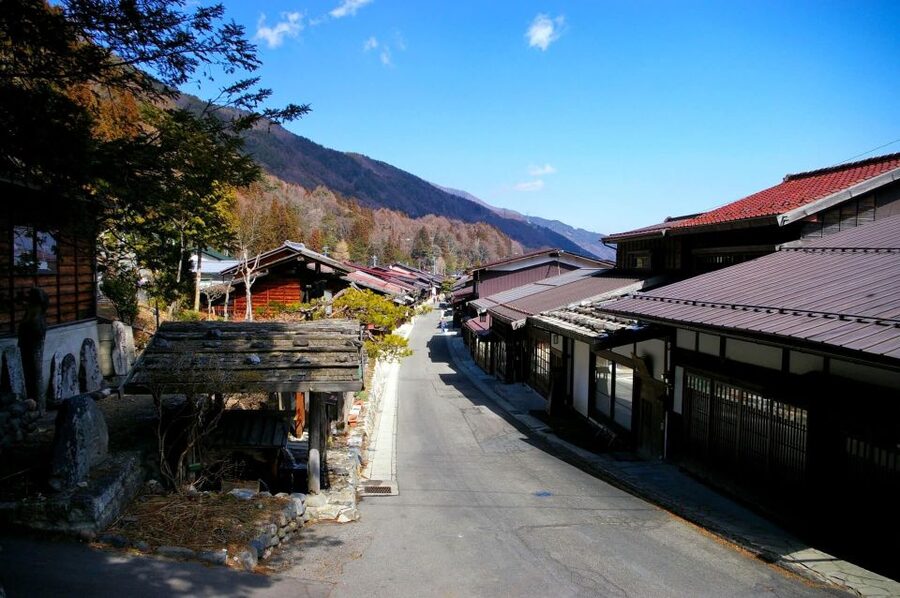
Narai-juku is the second big reason to take this trip. This old post town once served travelers moving along the Nakasendo road between Tokyo and Kyoto, and today it’s known for being quaint and well preserved. If you want Japan that feels slower and more human-scaled than big-city sightseeing, Narai-juku delivers.
Your guided portion focuses on how the town’s construction worked and what life was like during its golden age. You’ll learn enough to make the wooden buildings and street layout feel meaningful, not just pretty. Then you’ll have about an hour of free time to explore the main street on your own and grab a bite.
The scenic part is hard to ignore. Even when you’re only outside briefly, you’re often surrounded by fields and mountains, and in winter the scenery can sit under snow cover. That visual contrast—old wooden streets with wintry mountain light—makes Narai-juku feel like a postcard you don’t have to force.
A useful planning note: shop opening can vary. On some days, several stores may be closed because a lot of business runs more strongly on weekends. That doesn’t ruin the town—it just changes what you’ll find to buy. If a shop window is your priority, arrive with the mindset that you might see open favorites and some closed shutters.
Food is typically easy to find during the free time, and the town has the kind of casual cafés and restaurants where you can keep things simple. One highlight from a vegetarian-friendly guide experience: it’s worth asking your guide what local options work for you if your diet has limits.
Getting from Nagano to Matsumoto: why the bus timing matters on a 1-day loop
This is a full-day outing designed around rail-and-road connections that fit one schedule. You’ll meet your guide at one of the starting points—either Nagano Station, Matsumoto Station, or Kokusai 21—and then board the coach to Matsumoto. The driving time from Nagano to Matsumoto is about 100 minutes, which is long enough to count as real travel but short enough that you don’t lose the day.
Once in Matsumoto, you’ll spend substantial time at the castle and then transfer again to Narai-juku. The ride between the castle area and Narai-juku is about an hour. The return journey is about 2 hours 25 minutes, with drop-offs at the same three locations.
Why this matters to you: if you’re the type who hates rushing, you’ll still want to move at a comfortable pace during the big walking sections, because the schedule has multiple fixed anchors. At the same time, the coach does the heavy lifting for you. You’re not navigating transfers, buying separate tickets for each leg, or guessing your way through timing between sites.
Also, the transport is a big part of the value. Many people underestimate how exhausting Japan transit can be when you’re bouncing between two towns in a single day.
Price and value: what $180 really buys you
At $180 per person, you’re not paying for just a ride and a couple photos. You’re paying for guided interpretation at the two main sites plus transportation between Nagano and Matsumoto and Narai-juku. Entry into Matsumoto Castle is also included, and the Narai-juku walk is guided.
That combination is key. One guide-and-driver setup means you’re not stuck trying to coordinate timing on your own. It’s also why people feel the cost is reasonable when compared to doing it independently: public transport and castle entry can add up quickly, but paying for a guide saves you the time and confusion factor.
What’s not included is lunch. So, plan to either eat during your free time in Narai-juku or choose a meal stop around Matsumoto Castle area. If you have food needs (vegetarian, dietary restrictions), use your guide. In at least one experience, the guide actively helped with vegetarian options, which is exactly what you want from a day-trip setup.
Also, weather affects the overall comfort more than you might think. The trip spends much of the day outdoors, and rain or snow makes footwear and layers more important than usual. If you show up prepared, the value feels even better because you can focus on the sights instead of fighting the weather.
Your English guide: the difference between facts and understanding
This tour lives and dies by the guide, and the guide experience here seems consistently strong. You’ll have an English-speaking live guide, and from what I’ve seen in similar one-day regional tours, the big win is how they connect sites so the day feels like a story.
In past days, guides such as Shawn, Joyce, and Nadin have been involved, and the style described is practical and context-heavy—historical stories tied directly to what you’re looking at. One person even highlighted that the guide gave extra keys to understand the visit context, and another mentioned a fun add-on like origami during the day.
I also like that this kind of guiding tends to handle real needs, not just scripts. For example, one vegetarian-friendly experience noted that the guide took care and helped make the day work. That’s a big deal because rural-day trips can be harder to navigate for dietary restrictions once you’re off the main drag.
What you should do: listen early. The castle explanations and the Narai-juku construction stories help you see the same place in a deeper way. The later free time in Narai-juku becomes more enjoyable because you’re already oriented.
Practical packing for a day of stairs, rain, and winter snow
You’ll want to dress for changeable weather. The tour is mostly outdoors, and even with a coach schedule, you’ll be outside enough that rain gear isn’t optional—especially if you’re visiting in wet months.
Bring:
- sunglasses and a sun hat (yes, even for Japan winters when light can be sharp)
- an umbrella and rain gear
- weather-appropriate clothing that you can layer
In winter, the ground can have snow. Wear waterproof, winter shoes and warm clothing. This is one of those tours where what you wear changes how good the day feels. If you’re uncomfortable on slippery surfaces, you’ll feel it immediately on the castle stairs.
And plan for the castle’s physical side. The climb involves steep, narrow steps. If stairs bother you, take your time and pace yourself; if you have mobility issues or use a wheelchair, this tour isn’t suitable based on the provided information.
Finally, keep your day simple. Snacks can be helpful if you’re hungry between guided stops, and a small umbrella-folding routine saves time when the weather shifts quickly.
Should you book this Nagano–Matsumoto and Narai-juku day trip?
Book it if you want a tightly organized one-day taste of central Japan: Matsumoto Castle for samurai-era structure and views, Nawate-dori for a fun cultural detour, and Narai-juku for a calm Edo-era post town in the Kiso Valley. The best part is that you’re not just visiting places—you’re getting enough context to make them click, and the English guide support helps a lot.
Consider skipping (or choosing another option) if your priorities are low-walking sightseeing. The castle climb is real, and the day is weather-dependent.
If you’re flexible, a bit curious, and ready for stairs and outdoor walking, this is a strong value way to see more than one classic Nagano-area highlight in a single day.
FAQ
What’s the duration of the Matsumoto Castle and Narai-juku day trip?
It runs for one day, with check availability for starting times.
Where do I meet the guide?
The meeting point can vary by booking option, with listed starting locations including Nagano Station, Matsumoto Station, and Kokusai 21.
Is transportation included between Nagano, Matsumoto, and Narai-juku?
Yes. The tour includes transportation between destinations from Nagano and Matsumoto, and also provides drop-offs at the listed locations.
What does the tour include for sightseeing?
You get a guided visit of Matsumoto Castle (including the entry ticket) and a guided walk in Narai-juku. Frog Street is also part of the experience.
Does the price include lunch?
No. Lunch is not included.
What language is the tour guide?
The live tour guide offers English.
Is this tour suitable for wheelchair users or people with mobility impairments?
No. It is not suitable for mobility impairments or wheelchair users.
Do I need to bring anything for weather?
Yes. The recommended items include sunglasses, a sun hat, an umbrella, rain gear, and weather-appropriate clothing. In winter, waterproof, winter shoes and warm layers are especially important.
What if I need to cancel or change plans?
You can cancel up to 24 hours in advance for a full refund, and the reserve & pay later option is available to keep plans flexible.