REVIEW · RUDESHEIM AM RHEIN
Rhine Valley Castles: 1.5-Hour Boat Tour from Rüdesheim
Book on GetYourGuide →Operated by Rössler Linie GmbH & Co.KG · Bookable on GetYourGuide
Castles roll by fast on the Middle Rhine. This 105-minute boat tour from Rüdesheim is an easy way to see the UNESCO Middle Rhine Valley without the stress of driving between viewpoints.
I love two things most. First, the sheer variety of castle views—from intact fortresses to famous ruins—plus the wine slopes that frame the river. Second, the boat itself: three decks with indoor seating and open-air spots so you can choose comfort and still grab photos.
One catch: this can feel more like a hop-on ferry than a tightly paced guided cruise. Expect stop-and-go docking time, and on some sailings the onboard commentary can be tough to hear if you’re far from the speakers or seated on busier decks.
In This Review
- Key highlights to notice before you go
- A 105-minute cruise through the UNESCO Middle Rhine Valley
- Rüdesheim and the wine-town start: what your first views set up
- What you see on the river: castles, ruins, and the order of the sights
- How the commentary helps (and when it doesn’t)
- Assmannhausen and the Pinot Noir slopes: wine scenery that actually matters
- Bingen and the Rhine park: when the cruise turns into a day plan
- Mouse Tower at Binger Loch and Ehrenfels ruins: the spots that feel like legend
- Nahe river confluence and Klopp Castle: the little geography moments
- Niederwald Monument and Osteinpark: the grand finale from the deck
- Boat comfort, decks, and onboard service: what works day to day
- Food and drinks: nice extras, but plan for cash
- Price value at around $19: what you’re really paying for
- Should you book the Rhine Valley Castles cruise from Rüdesheim?
- FAQ
- Is this tour a roundtrip from Rüdesheim?
- How long is the Rhine Valley Castles boat tour?
- What does the ticket price include?
- Are food and drinks included?
- Can I pay by card for food and drinks onboard?
- What languages are available onboard?
- Are there places to get off and on during the cruise?
- Is the boat tour wheelchair accessible?
Key highlights to notice before you go
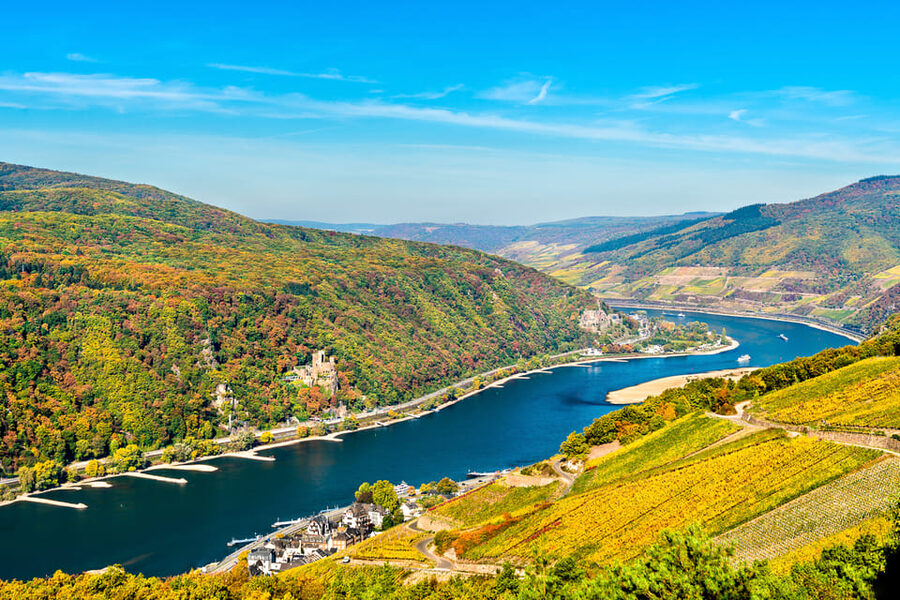
- UNESCO Middle Rhine Valley views in just 105 minutes, with castles and vineyards lining both banks
- Three-deck boat layout (indoors, plus sun decks) so you can move with the weather
- Famous sights along the river like Rheinstein, Reichenstein, Ehrenfels ruins, and the Mouse Tower at Binger Loch
- Poet and legend storytelling theme tied to Rhine Romanticism, robber barons, and historic trade routes
- Food and drinks available onboard, but purchases are cash only (no credit card machine onboard)
- Open-style stops you can plan around, including time options in places like Bingen and nearby towns
A 105-minute cruise through the UNESCO Middle Rhine Valley
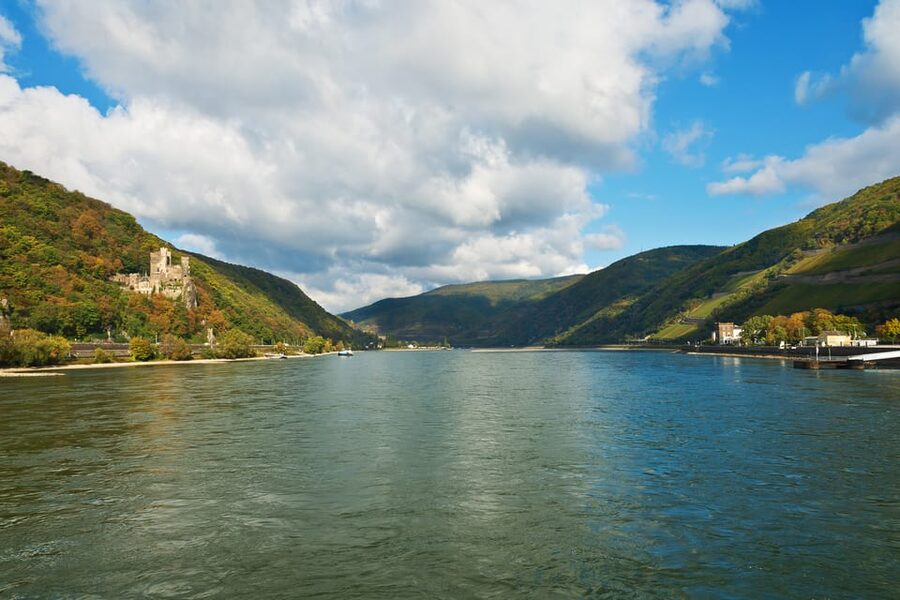
The Middle Rhine is the river section most people picture when they think of fairytale Europe: steep slopes, winding water, and castles placed like punctuation marks. The best part here is the time. At around 1.5 hours, you get a focused sampling of the valley’s best-known landmarks without spending your whole day commuting between lookouts.
You’ll also get the story angle. The narration theme connects the river to old trade routes—toll castles, robber-barons, and the people who helped turn the Rhine into literature. The onboard commentary often leans into the cultural side of the Rhine Romanticism era, with references to writers like Victor Hugo, Johann Wolfgang von Goethe, and Heinrich Heine (listed as present in spirit). Even if you’re not a literature buff, it helps you look at what you’re seeing with a bit more meaning than just “cool castle number three.”
From a practical standpoint, the cruise hits a smart sweet spot: long enough to see multiple iconic sites, short enough that you can still do the rest of your day in Rüdesheim or along the river.
Rüdesheim and the wine-town start: what your first views set up
Most sailings begin in Rüdesheim, and right away the town helps set the tone. This area is tightly linked to wine culture, and you’ll see that theme return again and again on the water—vineyards perched on slopes, and towns that feel built around the river.
One reason I like starting in Rüdesheim is logistics. You’re not trying to “arrive” somewhere remote. You’re already in a visitor-friendly base town, with plenty of sights you can match to your cruise timing. After the boat ride, you’ll still have energy for a stroll, a snack, or a quick detour into the Old Town flavor—especially around Drosselgasse, a famous lane associated with Rüdesheim’s visitor scene.
And even before you get into the castle-heavy stretch, this cruise gives you context: the Middle Rhine Valley is declared a UNESCO World Heritage Site (2002), and the ship’s route is designed around how the castles sit along an older corridor of movement and commerce.
What you see on the river: castles, ruins, and the order of the sights
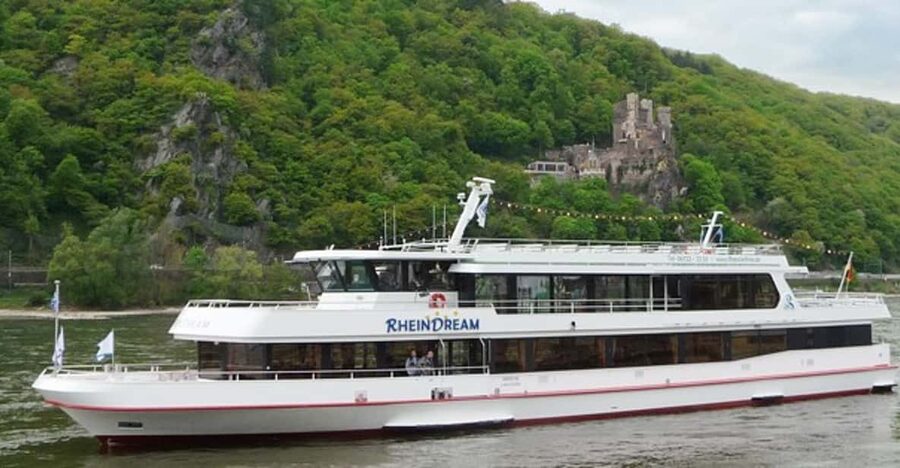
The Middle Rhine’s signature is contrast. You don’t just see one castle. You see a mix: intact castles, ruined strongholds, and small tower-like landmarks that look like they belong in a legend.
Along this route, you’re likely to clock these major names from the water:
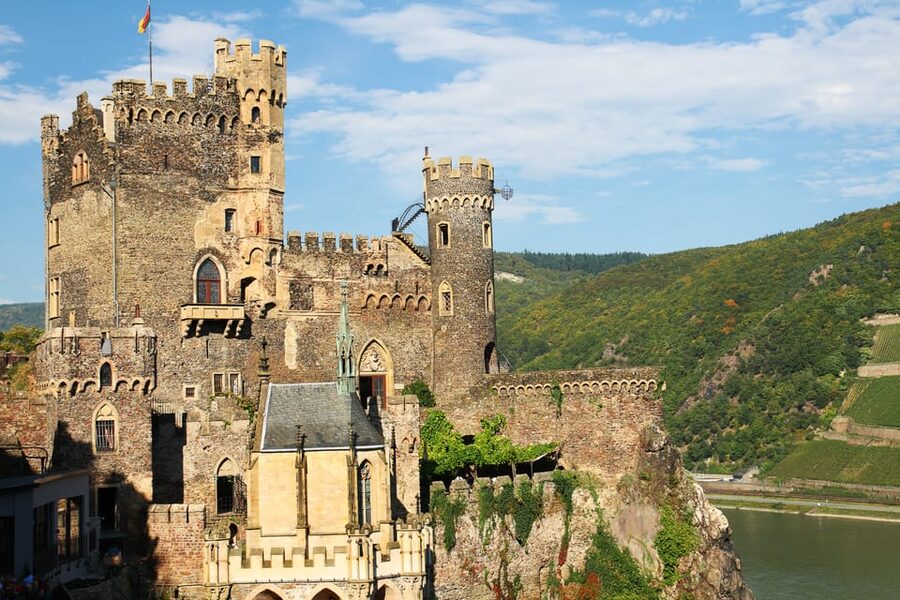
- Rheinstein Castle
- Reichenstein Castle (near Trechtingshausen)
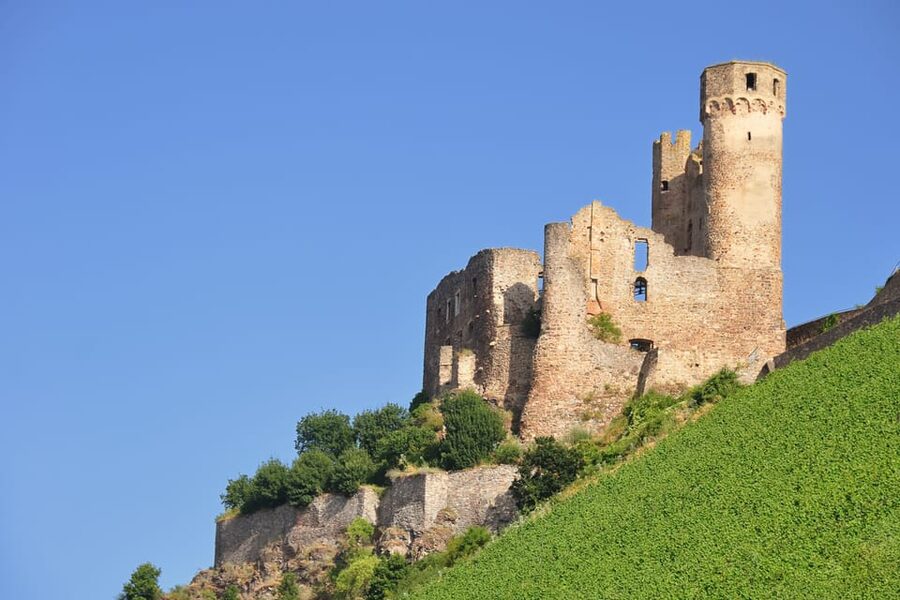
- Ehrenfels Castle ruins
- Mouse Tower of Binger Loch (the fabled tower that’s become part of Rhine storytelling)
- Klopp Castle
- Niederwald Monument and the Niederwald Temple in Osteinpark
Here’s the thing: even if the ship pauses at stops, the views you get while cruising are what justify the time. The castles are positioned so you can see their silhouettes change as you move downstream/upstream. If you prefer photos, aim to do at least part of the ride on the deck where you can lean into the view. If you prefer comfort, go inside—big windows help, and the indoor tables make it easier to stay seated without fighting for space.
How the commentary helps (and when it doesn’t)
The narration is a big part of why this tour feels like more than a ferry ride. It points out what to look for on the banks and connects places to themes like medieval fortifications, former toll points, and the romanticized stories that turned the Rhine into a cultural symbol.
Still, keep your expectations realistic. Several details depend on volume and where you’re sitting. If you want the story clearly, don’t always assume the top deck will be perfect for listening. I’d rather you plan for moving closer to the speakers at key moments than count on hearing everything from a distance.
Assmannhausen and the Pinot Noir slopes: wine scenery that actually matters
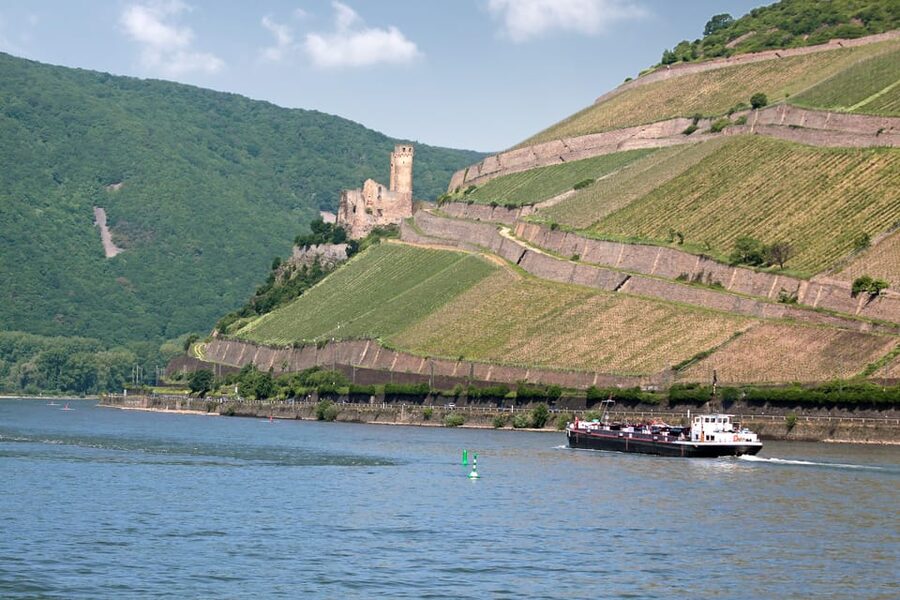
Wine on the Rhine isn’t a background detail—it shapes the whole look of the valley. One of the stops/tied-in sight areas is Assmannhausen, known for Pinot Noir vineyards. Seeing those slopes from the water gives you an idea of why this region’s wines became famous: the terrain is steep, the rows are close to the river, and the geography forces a very specific kind of cultivation.
Even if you don’t plan to taste wine today, the visual impact is real. The vineyards read like a map—straight lines cutting across hillsides and terraces wrapping around river bends. It’s the kind of view that helps the whole castles-and-legends vibe feel grounded.
This is also where the cruise’s cultural storytelling can be especially useful. The Rhine Romanticism theme makes more sense when you can connect “poets wrote about it” to “I can see why the scenery inspired that mood.”
Bingen and the Rhine park: when the cruise turns into a day plan
If you’re planning your time in the wider area, Bingen is a big deal on this route. You’ll be able to experience its riverside setting and the famous Rhine park tied to the 2008 horticultural show.
Here’s how this can work for you: this ride has an open, flexible stop feel. Some sailings function like a hop-on setup, which can let you spend a short chunk of time in a town and then continue the day without rushing to catch a separate bus or longer transfer.
One practical note based on real-world sailing: the ship may allow you to get off at Bingen at a point across the river from where you joined. If that matches where you’re staying, it can genuinely save time and effort. Just remember you’ll need to plan your return around the boat’s actual stops and timing.
Mouse Tower at Binger Loch and Ehrenfels ruins: the spots that feel like legend
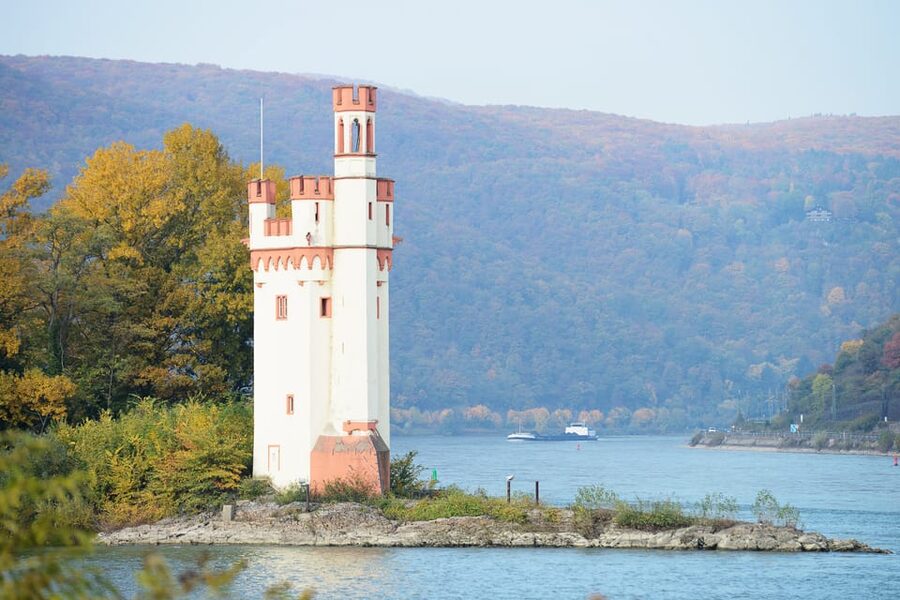
This cruise has a few “you’re going to remember that” landmarks, and two of them are tied to legend and dramatic ruins.
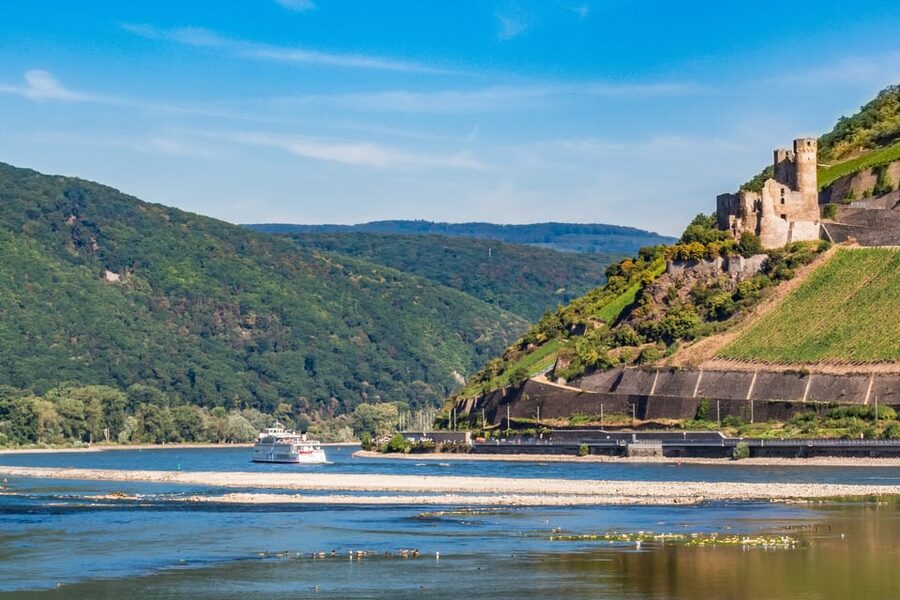
- Ehrenfels Castle ruins: From the river, ruins can be more impressive than intact buildings because you see how the structure fits the cliffside and how the waterline carved the landscape.
- Mouse Tower of Binger Loch: This is the fabled tower associated with the Binger Loch area. Even if you don’t know the story, the tower’s placement makes it easy to imagine why it stuck in the cultural memory.
The key is how the ship presents them. You’re not hiking up for a “best angle and done” photo. You’re floating along, so you get gradual sightlines—castle silhouette first, then more detail, then it slides away behind you. That slow reveal is a large part of the appeal.
Nahe river confluence and Klopp Castle: the little geography moments
Some of the best river moments aren’t castles at all. They’re the geographic cues that break the scenery into a new scene.
You’ll see the Nahe flowing into the Rhine, and it’s one of those subtle shifts that helps you orient yourself. When a smaller river meets a bigger one, the valley often changes texture. From the water, it also adds a natural “landmark” so you can track how you’re progressing through the route.
Then comes Klopp Castle. It’s the kind of sight that reads well from the deck: solid, old, and visually connected to why this stretch became strategic in medieval times. The storytelling angle often ties back to those themes of trade routes and control points, and the river actually helps you understand it. Castles make more sense when you see the travel corridor they guarded.
Niederwald Monument and Osteinpark: the grand finale from the deck
As the cruise continues, it heads toward the Niederwald Monument area, with the Germania figure and the Niederwald Temple located in Osteinpark.
This part can feel different from the castles you see along the banks. Instead of medieval fortifications hugging the river edge, you get a more monumental, landmark-style end point. From the water, it becomes a “frame” for the final stretch—especially useful if you’re trying to understand how wide this valley really is and how the view corridors open up.
If weather is good, keep a side-by-side habit: one minute look for castle details, the next minute look for the bigger view that shows you how the valley bends and opens. That swing from micro to macro is where this whole cruise becomes satisfying.
Boat comfort, decks, and onboard service: what works day to day
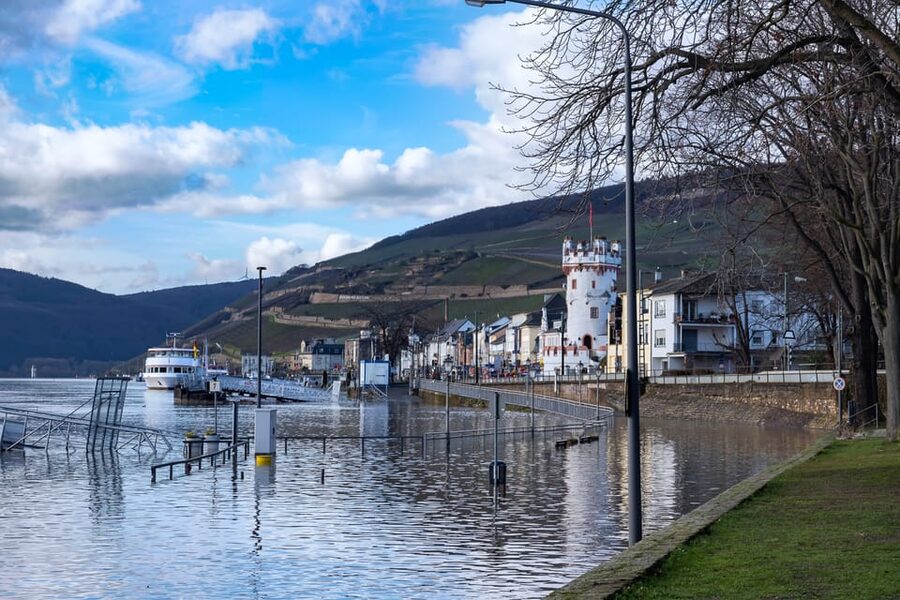
The boat is set up for moving around. You get options:
- Inside seating with tables (good if you want warmth and less wind)
- Upper open deck for fresh air and photos
Multiple real-world sailing experiences point out that the boat feels clean and comfortable, and the layout lets you switch decks as conditions change. That matters on the Rhine because weather can flip fast. If it starts pouring, you don’t have to abandon the view—you can duck inside and still watch the scenery go by through windows.
Food and drinks: nice extras, but plan for cash
Food and drinks aren’t included. But you can order onboard, and that’s handy if you want to turn the cruise into a relaxed half-day rather than a snack hunt.
The big practical warning: there is no credit card machine on board, so bring cash if you plan to buy anything. This is one of those details that can make or break convenience. I’d rather you have a few euros ready than scramble later.
Also, if you’re sensitive to noise or cigarette smoke: open-air decks can get busy. The best move is to position yourself where you can hear the speakers when you need the narration, and stay mindful of doorways and airflow.
Price value at around $19: what you’re really paying for
At about $19 per person for roughly 105 minutes, this cruise is priced for value rather than luxury. You’re not buying a long private guide experience. You’re buying something more practical: a low-effort way to see a UNESCO section of the Rhine with multiple iconic sights in a short time window.
For the price, you get:
- Multiple major landmarks visible from the water (castles, ruins, and towers)
- Vineyard scenery linked to the region’s wine identity
- A narration layer that explains what you’re seeing, even if volume varies by spot
- The ability to shape your day around stops, depending on the sailing
Where it may feel less “worth it” for some people: if you want a very controlled, uninterrupted, commentary-heavy experience with minimal pauses, a stop-and-go river route can frustrate you. But if you’re flexible and focused on the scenery, the cost makes a lot of sense.
This is also a good option for mixed groups—adults who want views, and kids who want something that isn’t a museum or a long walking tour.
Should you book the Rhine Valley Castles cruise from Rüdesheim?
Book it if you want an efficient way to see the Middle Rhine Valley castles and wine slopes without planning a full day of bus-and-walk sightseeing. It’s especially smart for first-timers who want the “greatest hits” from the water, and for people who like to pair a relaxing ride with time back on land in Rüdesheim or Bingen.
Skip it (or pair it differently) if you’re mainly chasing a very polished, fully audible guided tour experience with minimal docking time. In that case, you might prefer a longer, more focused land-based castle plan—or be ready to accept that the speakers can be hit-or-miss depending on where you stand.
FAQ
Is this tour a roundtrip from Rüdesheim?
Yes. The boat trip runs through the Middle Rhine Valley and ends back at the meeting point.
How long is the Rhine Valley Castles boat tour?
The duration is about 1.5 hours, listed as 105 minutes.
What does the ticket price include?
The price includes the boat trip only.
Are food and drinks included?
No. Food and drinks are not included in the ticket price.
Can I pay by card for food and drinks onboard?
No. There is no credit card machine on board, so cash is required if you want to buy food or drinks.
What languages are available onboard?
The driver/staff are listed as German and English.
Are there places to get off and on during the cruise?
This experience works like an open ticket with stops along the route, so you can plan to get off at certain locations and get back on.
Is the boat tour wheelchair accessible?
No. It is not suitable for wheelchair users.
If you want, tell me your travel month and where you’re staying (Rüdesheim, Bingen, Mainz, etc.). I’ll help you pick a realistic timing for the cruise and a good follow-up plan on land.