REVIEW · SALAMANCA
Salamanca: Monterrey Palace Audio-Guided Tour
Book on GetYourGuide →Operated by Palacio de Monterrey · Bookable on GetYourGuide
A palace that explains itself. The Monterrey Palace audio tour gives you a calm, room-by-room way to understand who lived here, what they collected, and why the building looks so Spanish Renaissance.
I especially like the audio-by-room setup, which helps you move at your speed and revisit the parts you care about. One thing to plan for: the route ends with a fortified-tower viewpoint that involves a real climb, so bring your energy (and take breaks if you need to).
In This Review
- Key things that make this tour worth your time
- Monterrey Palace in Salamanca: self-guided, audio-led pacing that works
- The Monterrey Palace story: from the Monterreys to the House of Alba
- Renaissance architecture you can see: why the building matters
- Art and furniture highlights: Ribera, Alonso Sánchez Coello, and Carreño de Miranda
- How the audio guide feels in practice (and how to get more from it)
- The fortified tower viewpoint: great payoff, real staircase effort
- Optional deeper look: kitchens and servants’ quarters (staff perspective)
- Price and value: why $8 for an hour feels like a bargain
- Who this tour suits best (and who should think twice)
- Should you book this Monterrey Palace audio tour?
- FAQ
- FAQ
- How long is the Monterrey Palace audio-guided tour?
- Is this tour self-guided or a live guided tour?
- What languages are available for the audio guide?
- Do I need to exchange a voucher before entering?
- Can I take photos inside the palace?
- Does the tour include an audio guide?
- Is there a panoramic viewpoint at the end?
- Is this activity wheelchair accessible?
- Does the tour include kitchens and servants’ quarters?
Key things that make this tour worth your time
- Room-by-room audio that you can repeat, so you don’t miss details
- Monterrey family origins + House of Alba ownership, tied together as you walk
- Art-focused viewing featuring José de Ribera, Alonso Sánchez Coello, and Carreño de Miranda
- Spanish Renaissance architecture you can actually see, not just read about
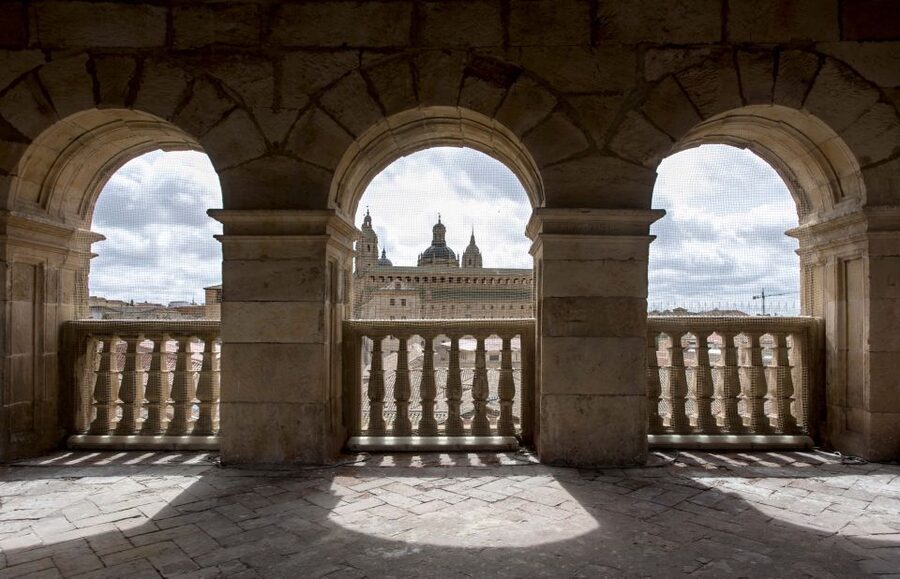
- A final panoramic view from a fortified tower
- Optional add-on for kitchens and servants’ quarters if you want the staff perspective
Monterrey Palace in Salamanca: self-guided, audio-led pacing that works
This is a self-guided tour built around an audio guide. Instead of following a group tempo, you control your pace room to room, which matters in a palace—some spaces are meant for standing and looking, while others are more about reading the story and moving on.
To start, you’ll exchange your voucher at the ticket counter before you begin. The good part: you can skip the ticket line, so you spend less time queued up and more time inside the palace. The tour is designed to take about 1 hour, so it’s a solid pick when you want culture without turning your day into a long haul.
You also get audio in English, Spanish, and French. I like that choice because it’s easy to match your language while still keeping the experience self-led. And since photography isn’t allowed inside, the tour leans harder on what you can observe directly—artwork details, furniture, and the architecture.
The Monterrey Palace story: from the Monterreys to the House of Alba

The heart of the experience is the way the palace is presented as a living home, not a museum shell. You learn about the Monterrey family, who were the first residents, and then how the House of Alba owns the palace now. As you move through rooms, the narrative keeps connecting past and present.
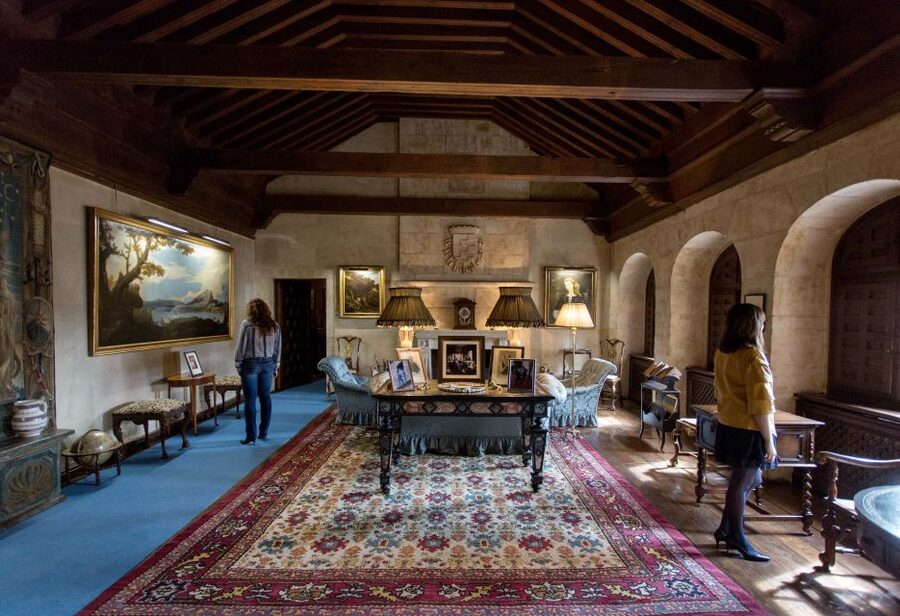
What you’ll feel as you walk is that the guide doesn’t treat the palace like a distant object. It’s more like you’re being shown the same places people used over generations—some spaces meant for public display, others more private. The tour specifically directs you toward the palace’s most intimate quarters, including rooms the House of Alba uses daily.
That small emphasis changes how you look at everything. You start noticing furniture and arrangement choices as part of daily life, not just “things to photograph.” It also gives you a clearer sense of why a palace’s design is not only about status, but also about comfort and routine.
Renaissance architecture you can see: why the building matters
One of the highlights is the palace’s Spanish Renaissance architecture. This isn’t just a label; the audio guide points you toward features you can actually register while you’re standing there—proportions, room flow, and the sense of a carefully planned interior.
In practical terms, architecture becomes easier to understand when the tour gives you a reason to slow down. Here, the palace’s layout and style help explain how the Monterrey residence was meant to function: where you’d move, where you’d host, and where you’d retreat. You don’t need a design degree. The tour nudges you to notice the parts that make the place feel coherent and intentional.
If you’re the type who likes buildings but sometimes feels lost on guided tours, this self-guided format can be a win. You can pause, rewind in your audio, and linger where your attention naturally lands.
Art and furniture highlights: Ribera, Alonso Sánchez Coello, and Carreño de Miranda
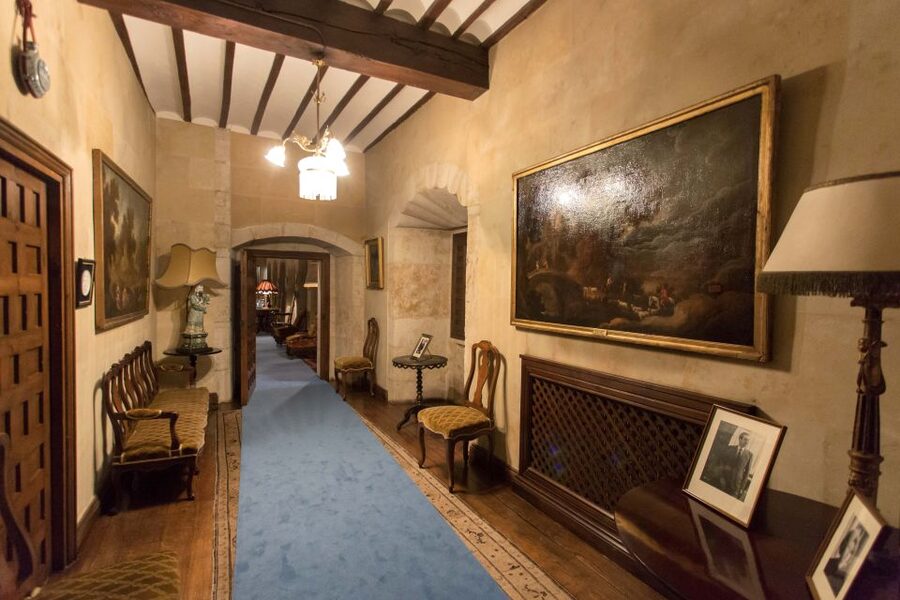
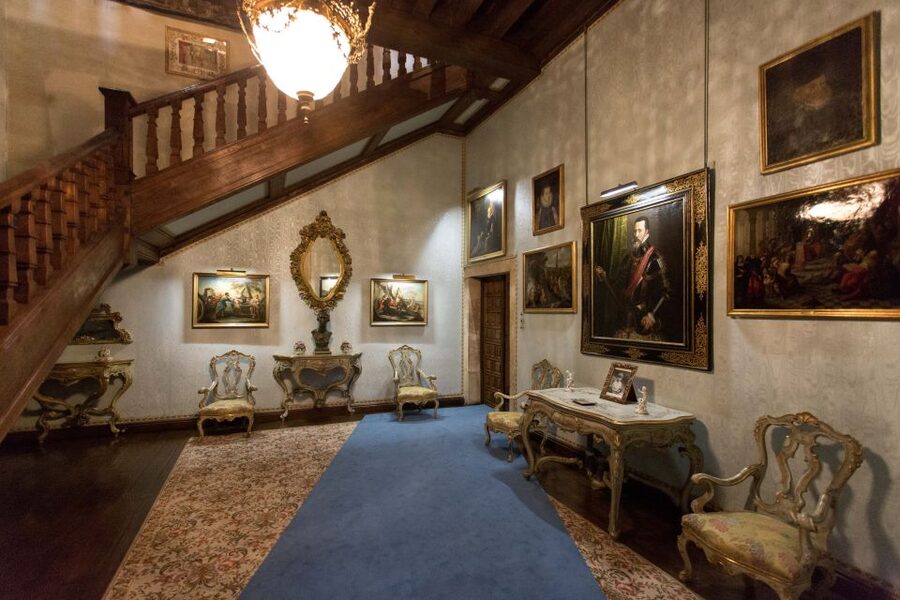
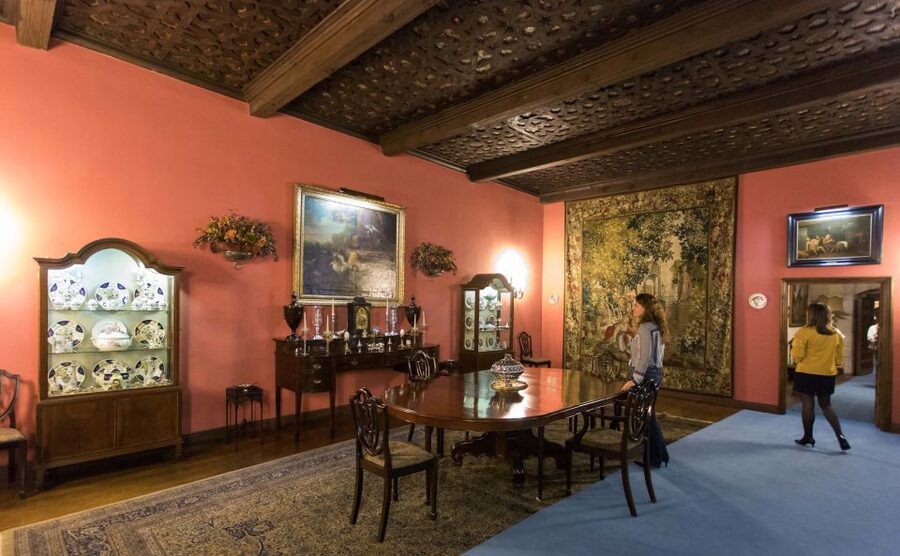
What really pulls your eye inside is the art and furniture collection. The tour spotlights key names tied to the palace’s interior collection, including José de Ribera, Alonso Sánchez Coello, and Carreño de Miranda. Even if you don’t know these artists well, the audio guide helps you connect what you’re seeing to the larger idea of taste, power, and collecting.
I like how the tour doesn’t treat artwork as “background.” You’re guided to look at objects with enough context to make them more than decorative wall hangings. You’ll also encounter furniture and interior details that make the palace feel designed for real rooms and real days—not just a set of display cases.
Another smart touch: the audio experience includes a fusion of music, voices, and images. That kind of staging can easily feel gimmicky in the wrong place, but here it’s used to support the story as you move. The result is that the art and rooms start to feel connected, not isolated.
How the audio guide feels in practice (and how to get more from it)
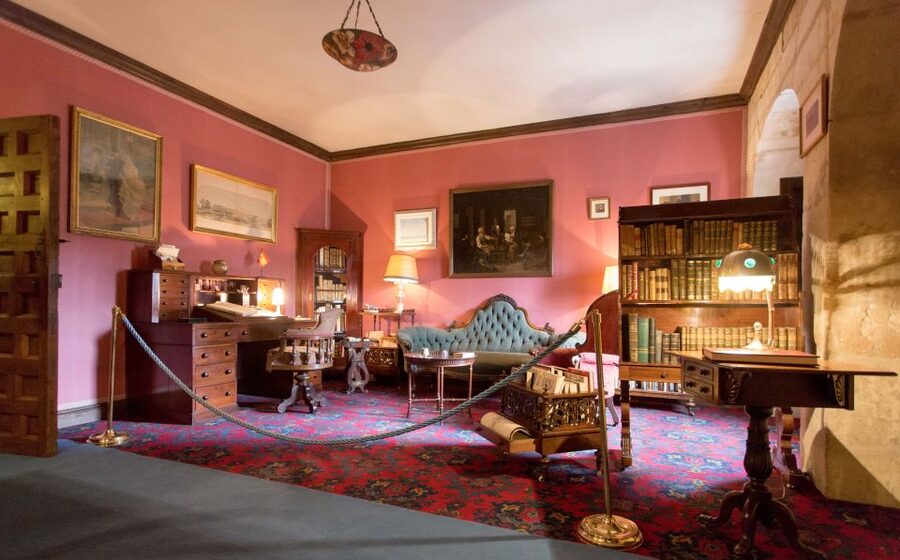
This tour shines because the audio doesn’t force you into one fixed path of listening. The experience is built around independent audio per area/room, so you can focus on what interests you and skip what doesn’t. If you’re the “I need a second pass” type, this matters: you can go back and replay what you want.
There’s also a practical comfort angle. Several people highlight how the content level feels right—enough to understand the story, without turning it into a lecture. That’s exactly how I like an audio tour: informative, but not exhausting.
One small consideration: keep your audio volume under control. If you’re using a speaker instead of headphones, it can be easy to annoy others nearby. If you’ve got the option, headphones make everything smoother—and you’ll hear the music-and-voice moments more clearly.
Also note: there’s no picture-taking inside. So don’t plan your visit as a photo shoot. Plan it as a looking-and-learning session.
The fortified tower viewpoint: great payoff, real staircase effort
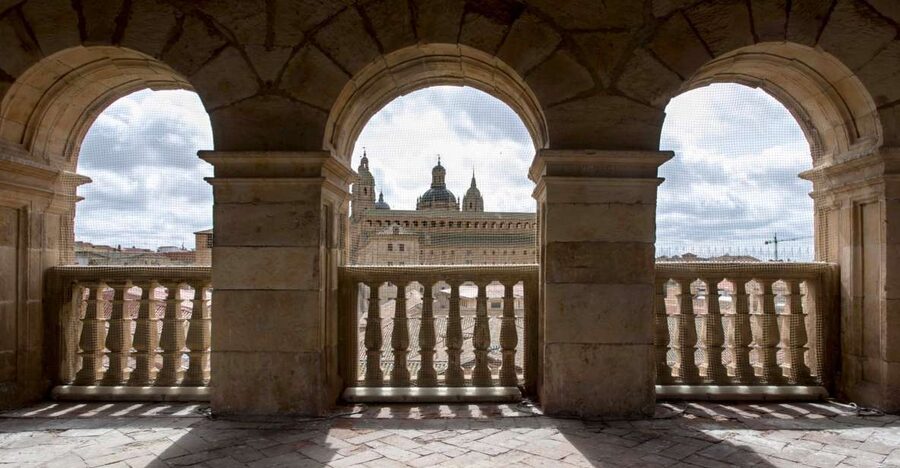
The tour ends with a panoramic view of Salamanca from one of the palace’s fortified towers. This is where the whole visit feels like it clicks: you leave the intimate rooms and get the city view that makes the palace feel strategically placed and historically anchored.
Here’s the main “be ready” part. The tower climb can be demanding—expect around 75 steps total. One visitor even mentioned needing help and that making it to the tower was tricky, especially if you want a place to rest.
So if you have knee issues, stamina limits, or you just know stairs tire you out fast, I’d plan for that now rather than trying to power through at the end. The view is the payoff, but it’s not worth suffering through just to say you did.
Optional deeper look: kitchens and servants’ quarters (staff perspective)
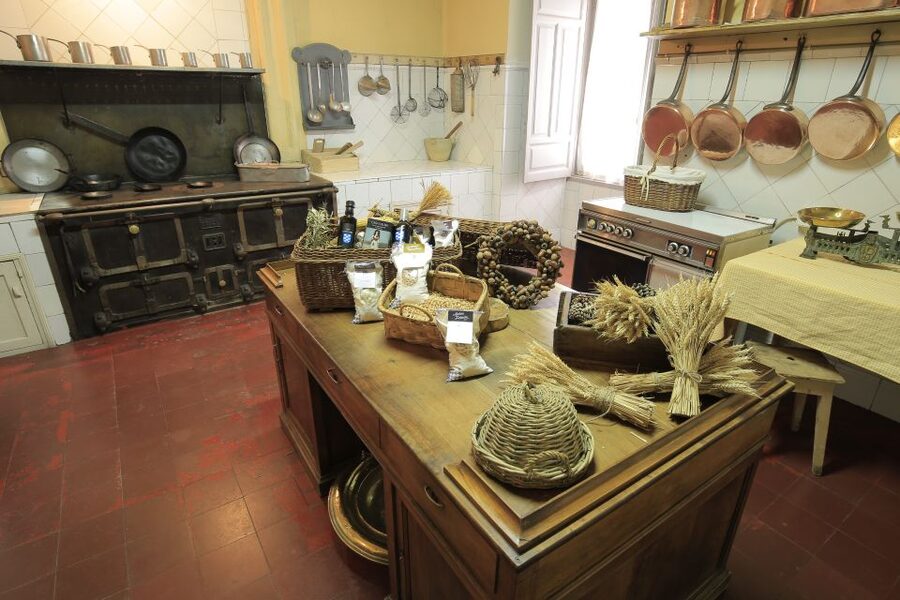
If you choose the more comprehensive version, the tour adds the kitchens and servants’ quarters. This is a different lens on the same palace. Instead of only seeing how elites lived, you also get a look at the spaces that powered daily operations and supported the household.
Walking the corridor of servant rooms helps you picture how the palace ran behind the scenes. The tour also notes that some areas are still used by palace staff today, which adds a realism you don’t get from rooms that feel completely staged.
Then you reach the kitchen, where you’ll hear about recipes favored by the House of Alba. Even if you’re not a food history nerd, it gives you a human anchor—taste and routine, not just architecture and paintings.
Now, a reality check: the kitchens and servant areas aren’t guaranteed to be your favorite part. If you’re most drawn to the grand art and formal rooms, the practical life spaces may feel a bit less exciting. But if you like seeing how people actually worked and lived, this add-on gives the palace more depth.
Price and value: why $8 for an hour feels like a bargain
At $8 per person for about 1 hour, this tour is strong value for what you get: a self-guided route, an audio guide in multiple languages, access to the palace interior, and a structured story that takes you from ownership history to major art highlights and a tower viewpoint.
The value isn’t only the cost. It’s the way the experience is packaged to fit a short window in Salamanca. You’re not committing to a half-day guided program. You’re getting a focused palace visit with enough context to feel like you understood what you saw.
Also, the skip the ticket line element helps the value feel real. Time spent waiting is still time you lose, and in busy old towns, that matters. You trade waiting for moving.
Who this tour suits best (and who should think twice)
This is a great fit if you want:
- Control over your pace with an audio guide
- A palace visit focused on art, furniture, and architecture
- A clear story connecting Monterrey origins and House of Alba today
- A final Salamanca panoramic view to close things out
It’s less ideal if:
- You rely on wheelchair access (the tour is not suitable for wheelchair users, based on the activity info you have)
- You expect lots of photos (no photography inside)
- You dislike stairs (tower viewpoint involves a significant climb)
If you fall in the middle—like you can handle some stairs but need to rest—go anyway, just plan your pacing. Consider carrying water, and expect the tour to feel more physical at the end than in the beginning.
Should you book this Monterrey Palace audio tour?
I’d book it if you’re looking for an efficient, well-paced way to see the Monterrey Palace interior without locking yourself into a group schedule. The combination of room-by-room audio, major art names like José de Ribera and Alonso Sánchez Coello, and the closing fortified-tower panorama makes it more than a quick walk-through.
I wouldn’t book only if you strongly dislike stair climbs or if you need wheelchair-friendly access. And if you’re unsure whether the kitchens/servant areas interest you, pick the base route first or choose the enhanced option when you want the staff perspective and kitchen story.
FAQ
FAQ
How long is the Monterrey Palace audio-guided tour?
It’s about 1 hour long.
Is this tour self-guided or a live guided tour?
It’s self-guided, with an audio guide included.
What languages are available for the audio guide?
The audio guide is available in English, Spanish, and French.
Do I need to exchange a voucher before entering?
Yes. You must exchange your voucher at the ticket counter before the tour begins.
Can I take photos inside the palace?
No, photography is not allowed inside.
Does the tour include an audio guide?
Yes, the audio guide is included.
Is there a panoramic viewpoint at the end?
Yes. The tour finishes with a panoramic view of Salamanca from one of the palace’s fortified towers.
Is this activity wheelchair accessible?
No, it is not suitable for wheelchair users.
Does the tour include kitchens and servants’ quarters?
That depends on which version you select. A more comprehensive option includes the kitchens and servants’ quarters, with additional areas like the servant rooms corridor and the kitchen recipe information.