REVIEW · RIMINI
San Leo: Fortress Entry Ticket and Cagliostro’s Prison
Book on GetYourGuide →Operated by Arcadia Tour Operator e DMC · Bookable on GetYourGuide
A fortress that feels Roman. San Leo lets you roam through a huge stronghold and then slow down in rooms devoted to weapons and Cagliostro’s prison cell. My only real caution is that much of what you see is in Italian, so you may want to plan for some reading—or go with a translation mindset.
You’ll be visiting a historic stronghold sitting above a tiny village of under 3,000 people in the Romagna hinterland. Expect towers, fortifications, multiple exhibition spaces (including WW-era material and contemporary works), plus the virtual ecomuseum Musleo and a shop on-site. The ticket is valid for one day, so it’s ideal for fitting into a flexible Rimini-area itinerary.
In This Review
- Key Things I’d Prioritize
- San Leo Fortress in Romagna: Why This Ticket Feels Worth It
- Entering the Fortress: Your Best Game Plan Once You’re Inside
- Weapons, World Wars, and Historical Artefacts: What You’ll Actually See
- The Torture Instruments Exhibit: Dark, but Presented as History
- The Vasari/Medici Fresco Replica: A Clever Way to Place the Fortress in Time
- Cagliostro’s Prison Cell: Why One Room Can Be the Whole Point
- Musleo Virtual Ecomuseum: How to Use Technology Without Losing the Magic
- Opening Hours and Timing: When to Go and When to Avoid Stress
- Price and Value: Is $11 a Good Deal for What You Get?
- Who This Fortress Ticket Suits Best (and Who Might Not)
- Practical Tips That Make the Visit Easier
- Should You Book the San Leo Fortress Entry and Cagliostro’s Prison?
- FAQ
- What does the San Leo Fortress entry ticket include?
- How much is the ticket?
- How long is the ticket valid?
- Is the fortress closed on any day of the week?
- What are the opening hours in the March 31 to June 29 period?
- Are Cagliostro’s prison cell and Musleo included in the entry?
- Is there a book shop on site?
- Is this activity suitable for very elderly visitors?
Key Things I’d Prioritize
- Cagliostro’s famous cell: one room where the story becomes very tangible.
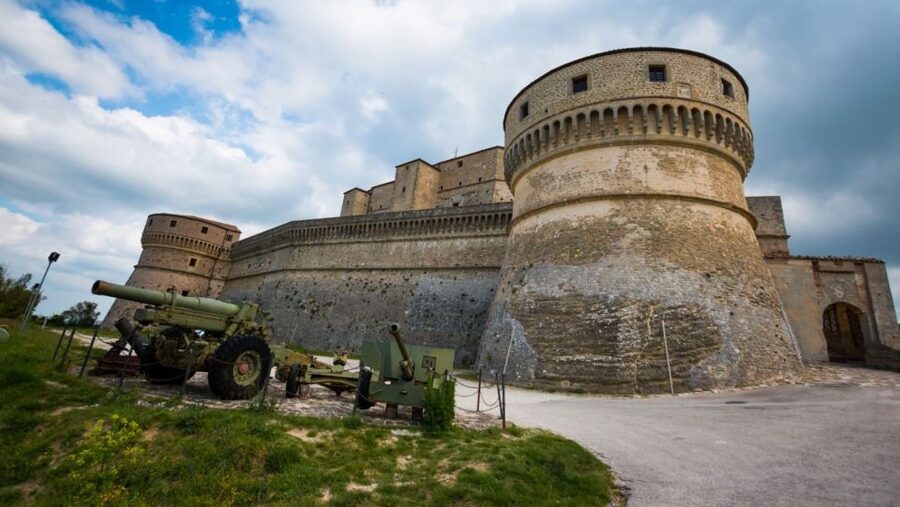
- Weapons collection across centuries: including items dating back to the 1500s.
- Torture-instruments exhibition: dark, historical, and handled as an exhibit rather than a gimmick.
- A Vasari/Medici fresco replica: a specific artistic reference point inside the fortress setting.
- Musleo (virtual ecomuseum): a different way to understand the site beyond the physical rooms.
- A fortress complex with towers and fortifications: not just one museum room.
San Leo Fortress in Romagna: Why This Ticket Feels Worth It
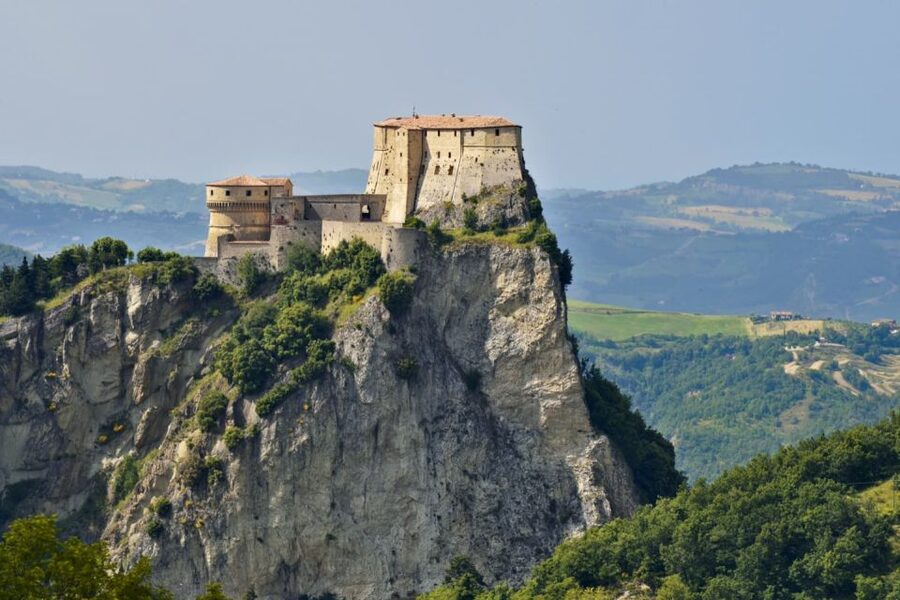
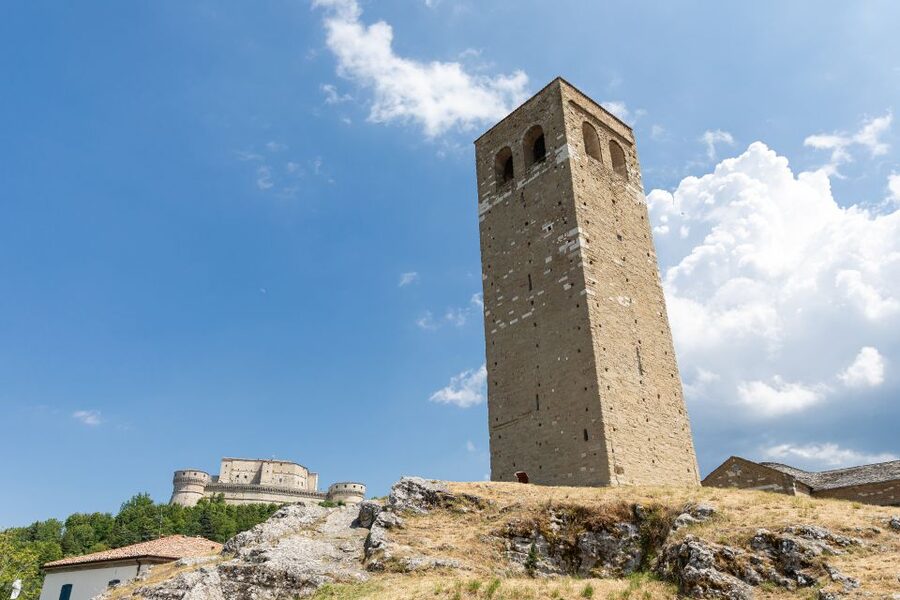
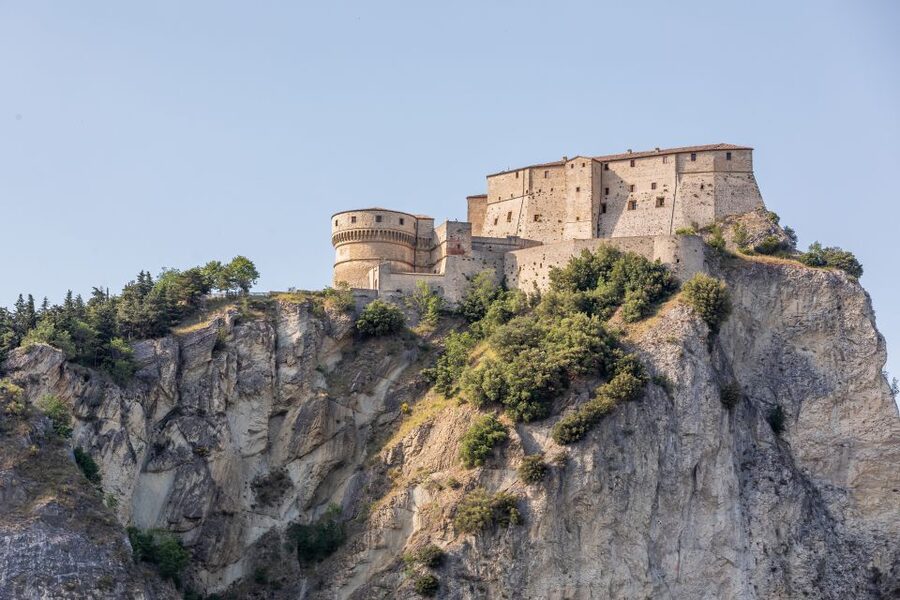
San Leo is the kind of place that gives you the “how did this all fit up here?” feeling fast. The fortress sits at the top of a village with fewer than 3,000 residents, and that scale matters. You aren’t walking through a busy tourist grid. You’re in a small community, looking up at massive stone.
What I like most is the sense of continuity. The site is described as a Roman landmark in the hinterland of Rimini, and the fortress framing helps those Roman origins feel less abstract. As you move from room to room, you get the idea that this place wasn’t built for convenience. It was built for control.
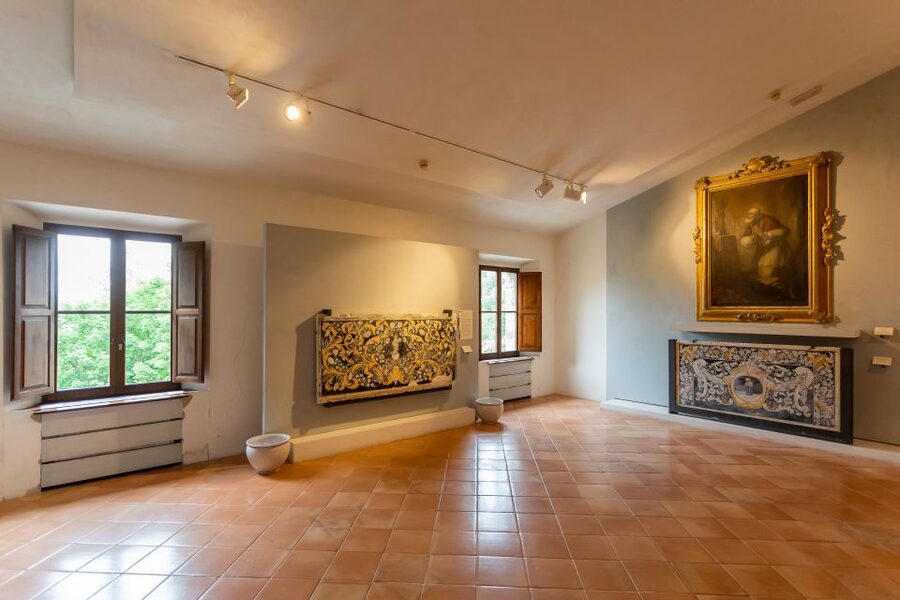
A second big plus is variety inside the walls. You’re not choosing between history OR art OR “cool stuff.” The fortress covers military material (including weapons dating back to the 1500s), wartime collections from the First and Second World Wars, and also art-related elements like a replica of a fresco connected to the Medici family and work by contemporary artists. If you like attractions that keep changing tone, San Leo does that.
The drawback is simple: you may spend more time decoding Italian signage than you’d like. The format is fascinating, but text-heavy. If you’re the type who hates squinting through labels, plan to go slow and accept that you’re piecing the story together.
Entering the Fortress: Your Best Game Plan Once You’re Inside
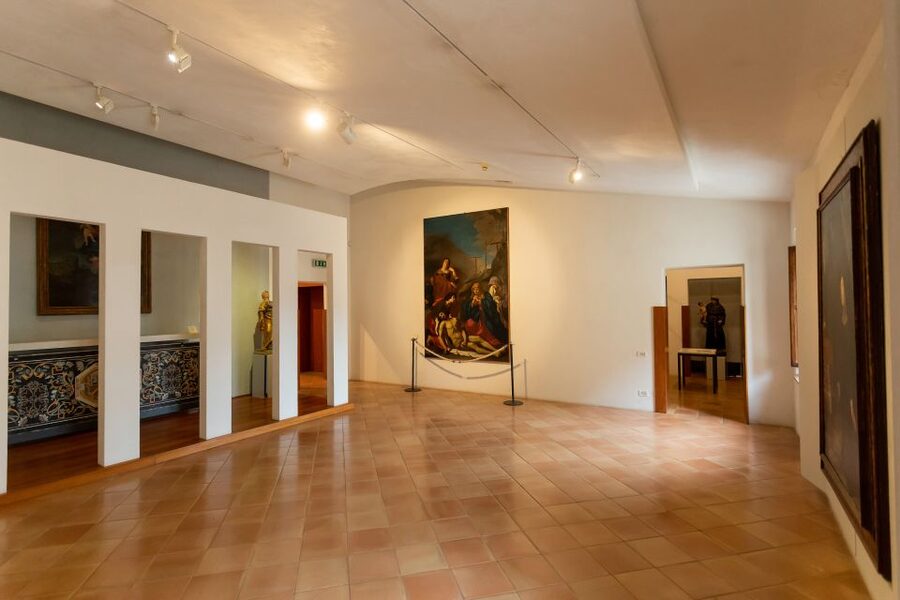
Your ticket gets you access to the fortress rooms and key attractions, including the Cagliostro cell and Musleo. The experience is largely self-guided once you’re in, so your route matters more than with a timed tour.
I’d start with the sections that are hardest to “recreate” later. In this case, that means going toward Cagliostro’s prison cell early so you don’t end up rushing it at the end. Then branch out into the broader exhibitions: weapons, historical artefacts, and the torture-instruments display.
After you’ve got the big themes in your head, turn to the setting itself. The fortress isn’t just rooms; it includes towers and fortifications. Taking a slow walk through those areas helps you understand why a collection like weapons even belongs here. It’s not displayed as random objects; it’s placed inside a structure built to defend.
One practical note: because the fortress is on top of a village, expect your visit to include walking uphill and moving between rooms. Comfortable shoes help more than you might think.
Weapons, World Wars, and Historical Artefacts: What You’ll Actually See
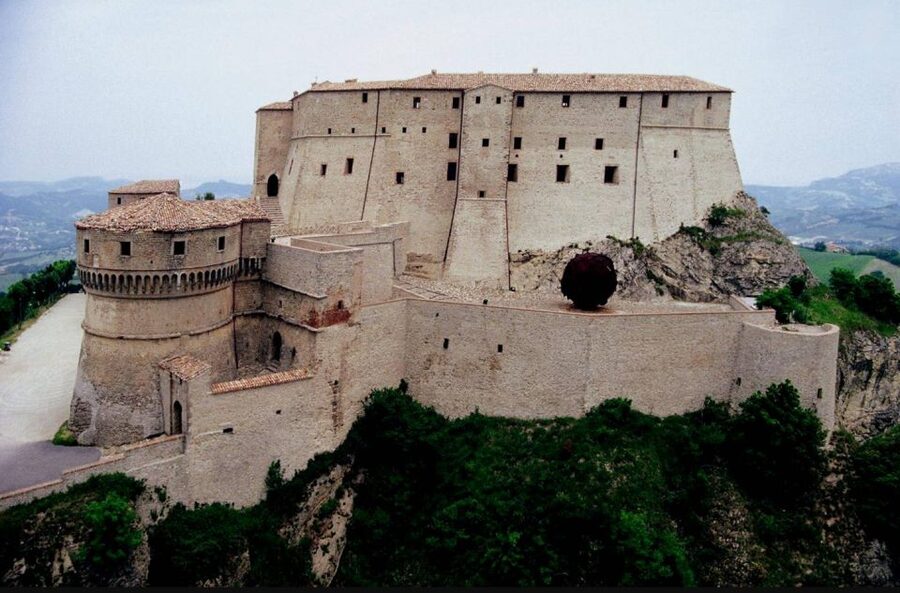
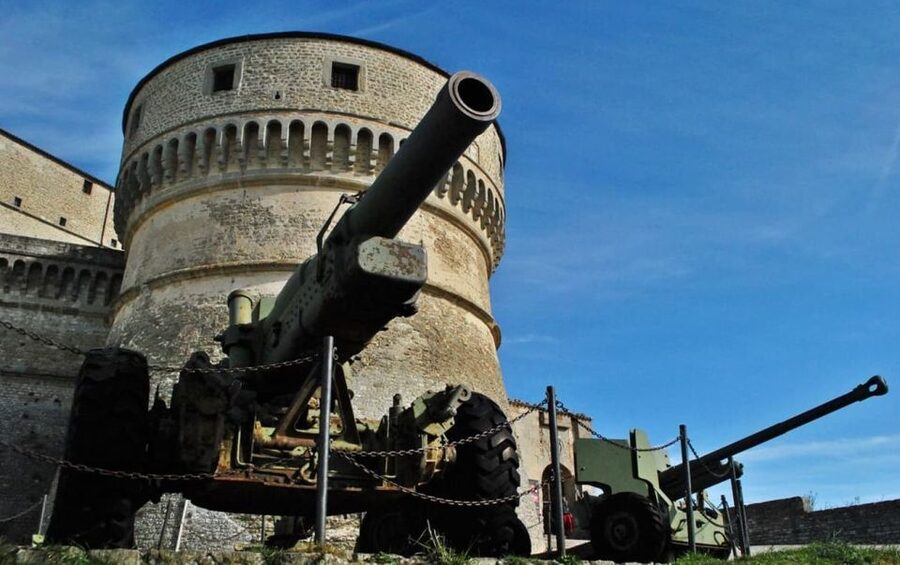
One reason this fortress ticket scores well is the range of the exhibits. You get weaponry and historical items that span centuries, including a collection of weapons dating back to the 1500s. That’s not just a throwback display. It gives you a baseline for how military design and priorities evolved over time.
You’ll also see exhibitions linked to the First and Second World Wars. Even without extra storytelling, the contrast works: older weapons and later war equipment sit in the same fortress environment, and your brain naturally starts comparing eras. It’s a strong way to experience history as change instead of as a single snapshot.
Then there are historical artefacts beyond weapons, plus exhibition spaces that shift from “military” to “cultural.” One of the most interesting pieces of art context is the replica of a fresco by Vasari showing the taking of San Leo by the Medici family. Even if you’re not a Renaissance specialist, this kind of reference point helps you connect politics and power to the built environment.
You’ll also find contemporary works inside the fortress today. That detail matters. It shows the fortress isn’t locked in time. It’s a working cultural site that still adds new layers.
The Torture Instruments Exhibit: Dark, but Presented as History
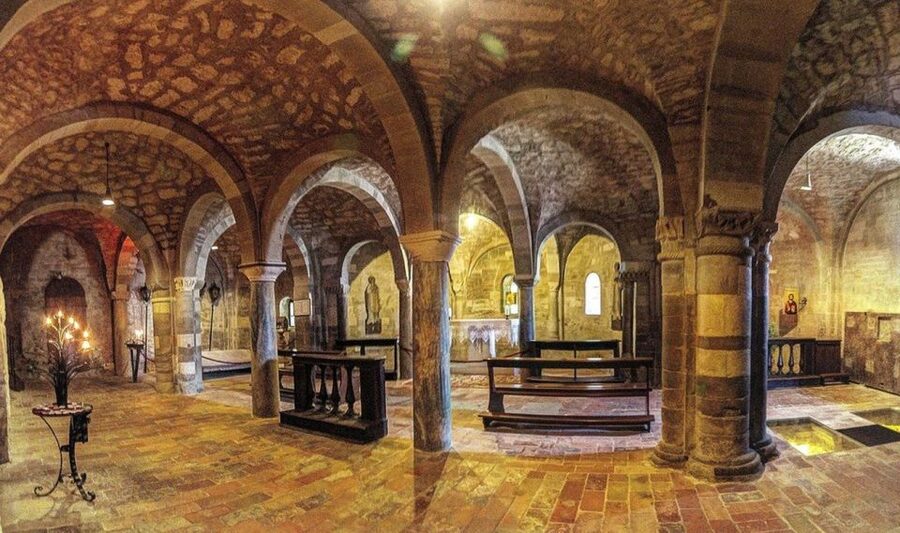
The fortress includes an exhibition of torture instruments. The key word here is presented as an exhibit. This isn’t billed as entertainment; it’s shown as historical evidence inside a museum-like framework.
If you’re sensitive to graphic themes, give yourself control. I’d move through this section at your own pace and avoid rushing. The fortress already has a lot to read and look at. Adding stress doesn’t help.
If you can handle it, the exhibit is useful because it changes your mental lens. A fortress isn’t only about weapons and walls. It’s also about power and control, and that darker side is part of the historical record.
The Vasari/Medici Fresco Replica: A Clever Way to Place the Fortress in Time
One of the more specific details you’ll come across is a replica of Vasari’s fresco representing the taking of San Leo by the Medici family. That’s a very particular reference, and it turns a military site into something more story-based.
Why it works: it gives you a named connection to major historical actors. Instead of treating the fortress as a generic “old place,” you start mapping it to actual power struggles. The fresco connection also gives your visit a more artistic rhythm, which breaks up the heavier rooms.
If you’re the kind of visitor who likes a “handle” for memory—something you can later say, This is the moment—this replica is that handle.
Cagliostro’s Prison Cell: Why One Room Can Be the Whole Point
The headline attraction here is the famous cell of the alchemist magician Count Cagliostro. And in a fortress full of collections, this is the spot that often anchors the emotional tone of the visit.
This is where the museum feeling tightens. A prison cell is naturally intimate. Even without lots of extra interpretation, you can feel the difference between artifacts displayed at arm’s length and an enclosed space meant for confinement.
If you like stories that mix legend with history, Cagliostro’s cell is the part you’ll remember after the rest fades into a blur of exhibits. It also gives the fortress a personality, not just a resume of wars and weapons.
Musleo Virtual Ecomuseum: How to Use Technology Without Losing the Magic
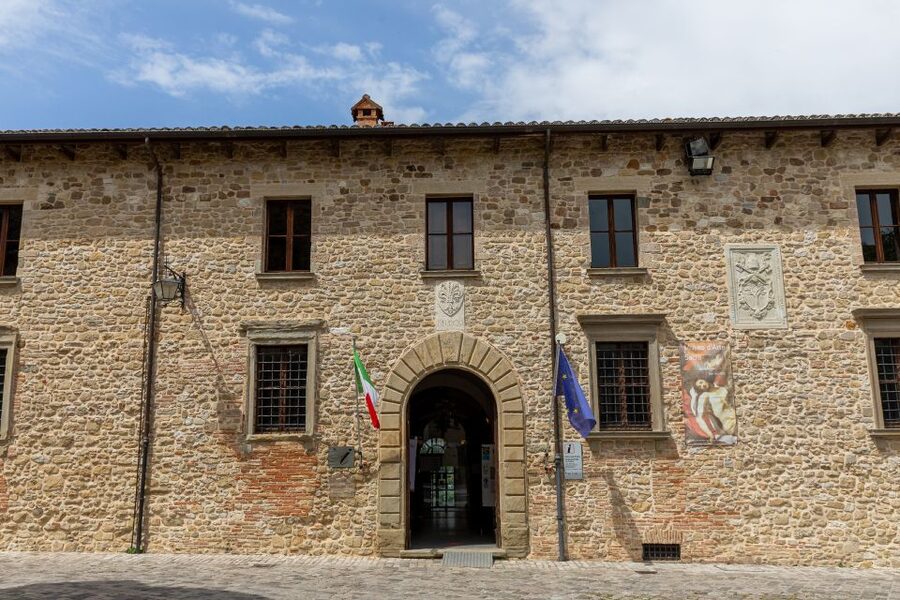
Included with your ticket is the virtual ecomuseum of San Leo, called Musleo. “Virtual” can mean different things depending on the site, but the goal here is straightforward: help you understand the place through digital storytelling and interpretation.
I’d treat Musleo as your reset button. After you’ve walked through rooms of objects, Musleo can help you step back and connect those objects to broader meaning—how San Leo fits into its environment and identity.
If Italian signage is a challenge for you, don’t assume Musleo will solve everything. But it’s at least one section of the visit that can be easier to follow when it focuses on guided interpretation rather than static labels.
Opening Hours and Timing: When to Go and When to Avoid Stress
San Leo Fortress isn’t open every day. It is closed on Tuesdays year-round based on the listed schedule. Plan around that, especially if you’re building a multi-stop day in the Rimini area.
Hours change by season. As examples from the schedule:
- From March 31 to June 29, you can go Mon–Fri 10:30 AM to 6:00 PM, and weekends/public holidays 10:00 AM to 7:00 PM.
- In October, you’ll see shorter days: Mon–Fri 10:30 AM to 5:45 PM (last entry 5:00 PM).
- In November, the schedule remains similar but with earlier last entries, and there are also specific notes about free entry on certain days.
- In December and January, the closing times remain in the mid-afternoon range, with extra holiday notes.
My practical advice: aim to arrive with a cushion. The fortress has multiple rooms plus towers and fortifications, and it’s easy to misjudge how long you’ll want to linger with the weapons, WW-era material, and the torture instruments display.
Price and Value: Is $11 a Good Deal for What You Get?
At about $11 per person, the ticket price is low enough that you can justify it even if you don’t know San Leo beyond the fortress. You’re paying for access to a large complex, not a single gallery.
The real value is that the ticket stacks multiple experiences:
- fortress rooms with weapons and artefacts (including 1500s items)
- First and Second World War exhibitions
- a torture-instruments exhibit
- the Cagliostro cell
- Musleo (virtual ecomuseum)
- towers and fortifications
- plus a book shop
If you’re the kind of traveler who likes sites where one ticket covers both “big visuals” (fortifications) and “curiosity rooms” (weapons, torture instruments, a specific fresco replica), this price makes sense.
If you’re only looking for one thing—say, just Cagliostro’s cell—then any extra time spent in other rooms might feel like extra. But based on how the exhibitions are laid out, most people end up appreciating more than their original target.
Who This Fortress Ticket Suits Best (and Who Might Not)
This is a great match if you want a compact but varied museum experience in a real fortress structure. It’s also a good fit for visitors who enjoy seeing how power shows up in objects—military gear, wartime material, and even the darker side of enforcement through the torture instruments exhibit.
It’s less ideal if you want a guided, language-supported experience. With a lot of signage in Italian, plan to read slowly or accept that you’ll understand some parts through atmosphere more than text.
Also, it’s specifically noted as not suitable for people over 95 years. If you’re traveling with someone in that range, it’s worth taking that into account early.
Practical Tips That Make the Visit Easier
I’d go in with the mindset that you’re exploring a site, not just consuming exhibits. The fortress’s structure—rooms, towers, fortifications—does part of the teaching for you. When you stop moving and look outward, the walls start making sense.
Because signage can be Italian-heavy, you can still make the most of it:
- take your time with the main rooms rather than sprinting
- focus first on the attractions you care about most (like Cagliostro and the weapons)
- treat Musleo as a way to connect the dots
And yes, wear shoes you’d trust on old stone. A fortress visit is physical even when you don’t notice it as much at first.
Should You Book the San Leo Fortress Entry and Cagliostro’s Prison?
With a 4.2 rating from 38 reviews, this is clearly a popular choice for people who like historical places that feel slightly theatrical in the best way. For the price, it offers enough variety to keep most visitors busy for a full day slot.
Book it if you want:
- a big fortress complex with multiple exhibit types
- weapons and wartime material in a fortress setting
- the standout emotional stop of Cagliostro’s prison cell
- the included Musleo interpretation layer
Skip it (or rethink your timing) if:
- you need a language-heavy experience with lots of immediate translation support
- dark historical themes like the torture instruments exhibit would be stressful for you
- you’re visiting on a day it’s closed (especially Tuesdays)
If you’re traveling through the Romagna region and you can spare a day, this ticket is one of the more straightforward value bets: you pay a modest amount and walk away with strong images—stone walls, weapons, and that cell—stuck in your head.
FAQ
What does the San Leo Fortress entry ticket include?
Your ticket includes entry to the fortress rooms, the famous cell of Count Cagliostro, and the virtual ecomuseum Musleo, plus access to the various fortress exhibits.
How much is the ticket?
The price listed is about $11 per person.
How long is the ticket valid?
The ticket is valid for 1 day. You’ll need to check availability to see the starting times.
Is the fortress closed on any day of the week?
Yes. It is closed on Tuesdays.
What are the opening hours in the March 31 to June 29 period?
From March 31 to June 29, it is open Monday to Friday from 10:30 AM to 6:00 PM, and Saturday, Sunday, and public holidays from 10:00 AM to 7:00 PM.
Are Cagliostro’s prison cell and Musleo included in the entry?
Yes. The Cagliostro cell and Musleo are both included with the entry ticket.
Is there a book shop on site?
Yes. A book shop is available.
Is this activity suitable for very elderly visitors?
It is noted as not suitable for people over 95 years.