REVIEW · TALASNAL
Schist Villages and medieval castles tour
Book on GetYourGuide →Operated by Epicocentro · Bookable on GetYourGuide
Schist villages feel like time travel. I love how this tour turns Aldeias de Xisto into a living story, guided by Mónica and her mountain-smart history of the region. You start in Coimbra and you end with a soak-in-the-water kind of calm.
My favorite parts are the schist village walking and the way Mónica ties the stone houses to real habits people still keep. The second big win is the castle contrast: simple village life alongside medieval power, so you get the whole picture instead of just pretty buildings.
One thing to plan for: this is active walking on uneven ground, and it is not suitable for wheelchair users or mobility impairments. If you need fully smooth surfaces or lots of sitting time, you’ll want to rethink.
In This Review
- Key takeaways before you go
- From Coimbra to schist stone towns: what this trip really is
- The Aldeias de Xisto villages: how to see the stone towns
- What to watch for while you walk
- The medieval castles: why two sites change your view of the region
- River natural pool time: the payoff after the walking
- What to bring for the water stop
- The optional traditional lunch: when it’s worth adding
- Who should choose the lunch option
- Transportation and timing: how to make the 4.5 hours feel “enough”
- Price and value: what $129 buys you
- Weather, wildfires, and real-world conditions in the region
- Who this tour fits best (and who should skip it)
- How to plan for the best day
- Should you book? My honest take
- FAQ
- How long is the Schist Villages and medieval castles tour?
- Where does the tour start?
- What languages is the live guide available in?
- Is lunch included?
- Can I swim during the tour?
- Is the tour suitable for wheelchair users or mobility impairments?
Key takeaways before you go
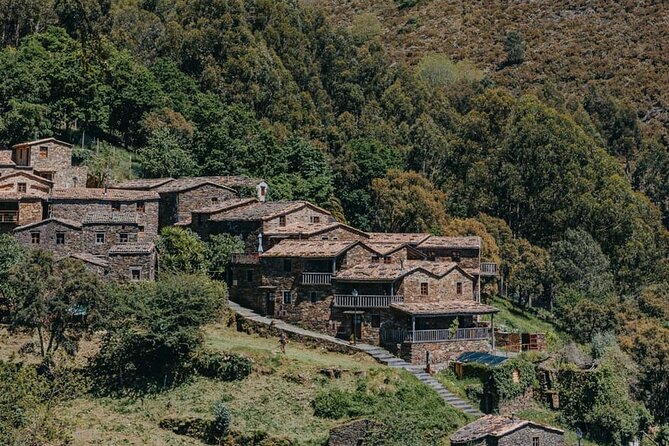
- Mónica as a guide: friendly, talkative, and quick to connect village life to bigger Portuguese history.
- Aldeias de Xisto focus: you don’t just pass through—your guide helps you read the schist, streets, and customs.
- Two castles, plus village contrast: medieval sites alongside everyday stone dwellings.
- Natural pool time: you can swim and reset your brain after the walks.
- Private group feel: often very small, which makes questions and conversation easy.
From Coimbra to schist stone towns: what this trip really is
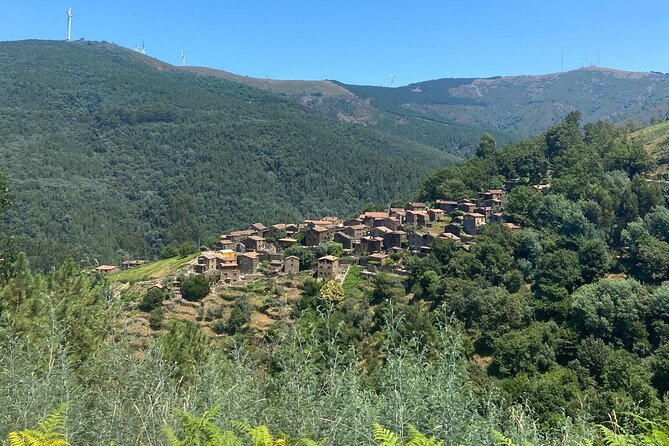
This tour is built for people who want Portugal beyond the usual city checklist. You’ll leave Coimbra and spend your time in the Viseu District region where schist villages sit on slopes like they grew there. Expect a guided day-trip style experience, but with a practical reality: the tour time is listed as 4.5 hours, so this is not a long, slow crawl. It’s more like a concentrated route with meaningful stops.
The tone is hands-on. You’ll walk, you’ll look closely, and your guide will give you context so the scenery makes sense. That matters with schist villages, because the stone isn’t just a photo backdrop. It shaped how people built homes, stored goods, and lived with the land.
If your idea of a good tour includes conversation, you’re in the right place. Many guests highlight Mónica’s ability to keep everyone engaged, even when it’s just a small group or even one person. You’ll also hear personal touches—childhood stories and local perspectives—that make the history feel less like a lecture and more like a place you could actually understand.
The Aldeias de Xisto villages: how to see the stone towns
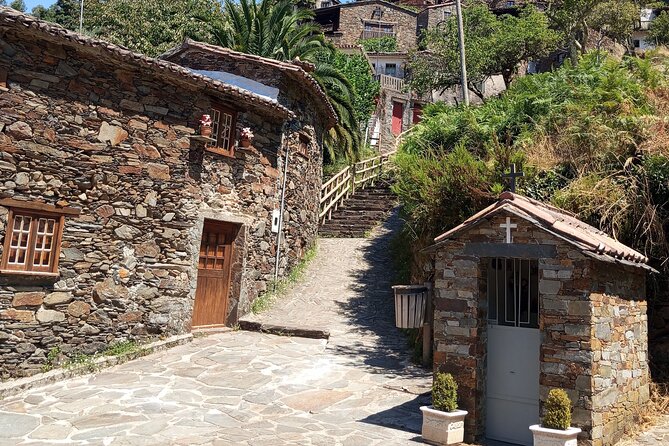
Aldeias de Xisto is Portugal’s schist villages network, and it’s exactly the kind of area where you need a guide to slow your brain down. When you arrive in each village, the key is to look at patterns: how the schist is used, how homes face the street, and how the layout supports daily life.
Here’s the thing I’d keep in mind: schist villages can look similar from a distance, but your guide will help you spot differences up close. In the tour experience, you’ll see how some areas feel more renovated, while others feel closer to the original, simpler texture of village life. That contrast is useful. It shows how communities preserve identity while also adapting to modern needs.
You’ll also get help imagining the past. Not just dates and titles—more like daily routines. People still live with traditions shaped by geography: stone construction, paths made for movement in hills, and the kind of quiet rhythm you only notice once you’re standing in the street, not zooming past in a car.
What to watch for while you walk
- Schist walls and rooflines: they tell you what materials were available and how builders solved weather and temperature.
- Street scale: the villages are small enough that you feel the human size of the place.
- Town differences: you’ll likely stop at more than one village so you can compare “renovated” vs. “more natural” feel.
Also, if you like wildlife, keep your eyes open. One guest noted deer along the way, and it’s the kind of reminder that this region isn’t just stone—it’s still nature at work around the villages.
The medieval castles: why two sites change your view of the region
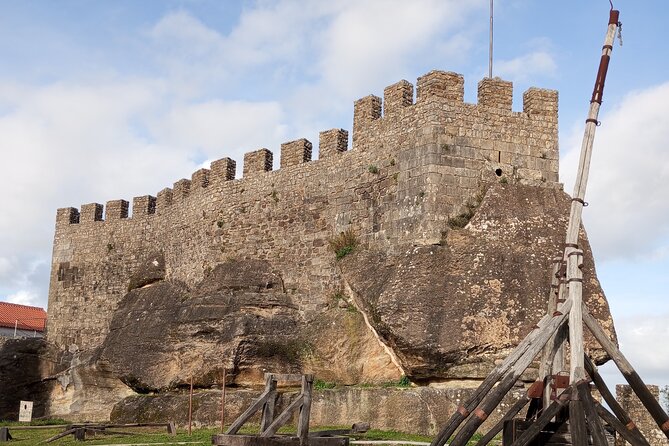
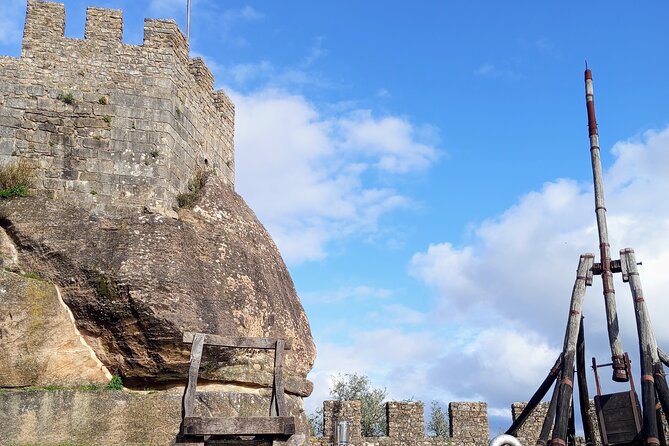
After the schist villages, medieval castles add a different layer. Villages show you the everyday side of life. Castles show you power, defense, and the political story that shaped who lived where and why.
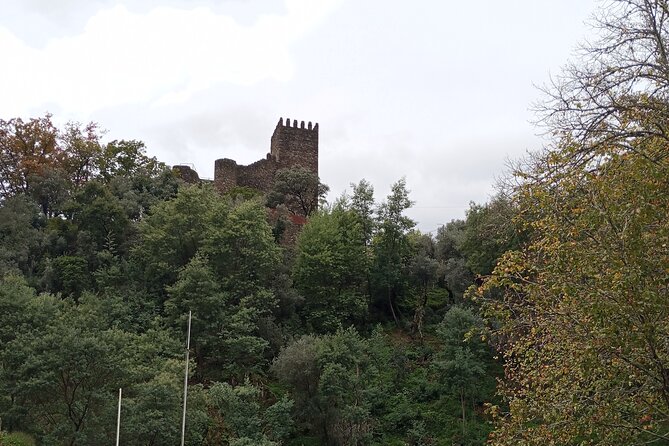
The tour includes guided access to two medieval castles, and you’ll get history and context tied back to the Coimbra area. You also get a contrasting castle stop at Penela as part of the route. That mix matters. If you only see one fortress type, it’s easy to treat castles as isolated monuments. With two different angles, they become tools for understanding the bigger regional network.
Here’s my practical take: castles are often where tours rush. This one is designed to connect what you’re seeing to what you just walked through. That makes the contrast feel logical, not random. Schist villages aren’t just scenic; they’re the civilian world next to the medieval command world.
Even when the weather is moody, castles still work. One guest mentioned rainy, foggy conditions adding atmosphere. If it’s cloudy, don’t assume it’s a washout. It can make the hills and stone feel even more dramatic.
River natural pool time: the payoff after the walking
One of the best reasons to choose this tour is the chance to take a dip in natural waters. This is one of those “tour math” moments: you’re out on foot, you’re absorbing history, and then you get a real body reset.
The tour description frames it as an opportunity to swim and relax in a tranquil environment. Based on that, plan for a quick break rather than a long swim session like you’d plan at a beach club. Still, for many people, it’s exactly the memory they carry home.
What to bring for the water stop
- Swimwear and a towel (if you want to use the pool)
- Comfortable shoes for the village walking
- Snacks and water so you’re not stuck hungry during transitions
If you’re sensitive to cold water or you hate wet-change logistics, you might prefer to just dip your feet and take photos. You’ll still get the calm part.
The optional traditional lunch: when it’s worth adding
Lunch is offered as a traditional meal at a local restaurant, but it’s not included unless you request it. I like that flexibility because it lets you match the meal to your day. If you want to keep the experience more “walk-focused,” you can skip lunch and use snacks you bring. If you want the full local rhythm, choosing the lunch option gives you a more grounded feel for what a schist village day looks like.
One tour note: since meals aren’t included by default, you should plan your timing around when you’ll eat if you pick that option. Also, ask questions if you have dietary needs, because the tour data here doesn’t specify menu details.
Who should choose the lunch option
You’ll probably be glad you added lunch if you:
- like eating where the story happens
- want a slower sit-down moment
- enjoy conversations with local restaurant staff (your guide can help with context)
Transportation and timing: how to make the 4.5 hours feel “enough”
This tour runs about 4.5 hours, including travel from Coimbra and time at stops. That duration is a big part of the value. You’re not surrendering a whole day. Instead, you get a packed introduction to schist villages plus medieval castles plus a natural-water break.
Most of the time, the flow is built like this:
- pickup from Coimbra (often from your hotel)
- drive into the schist villages area
- guided village time for history and walking
- castle visit(s) with context
- natural pool relaxation
- return toward Coimbra
A practical note from the route style: expect hills and winding roads. One guest mentioned feeling completely safe with the driving. Still, if you get car-sick, bring a remedy. The region’s road geography is part of the experience, but it can be uncomfortable if you’re prone to motion sickness.
Price and value: what $129 buys you
At $129 per person, this isn’t a “cheap and fast” tour. It’s priced like an experience with real guide time, transportation, and planned guided stops.
Where the value comes from:
- Private group feel: the reviews frequently suggest small groups, even one-on-one situations. That’s what turns a guided tour from information into a conversation.
- Guided history + walking: schist villages are hard to read without help. The guide’s role is a key part of the product.
- Two castle experiences: castles can be quick photo stops, but here they’re paired with explanations and contrast.
- Natural swimming time: that’s not universal on every region tour, and it changes how you remember the day.
If you love structure—specific stops, timing, guide explanations—you’ll likely feel it’s worth it. If you just want photos and don’t care about interpretation, you might feel it’s pricier than a DIY drive. But if you want to understand why the villages look the way they do, this price starts to make sense fast.
Weather, wildfires, and real-world conditions in the region
Portugal’s interior can change fast by season. One guest specifically mentioned that parts of the mountains had been affected by wildfires, so the area wasn’t as green as usual. The good news in that story was that the villages were still intact and remained lovely.
So here’s how I’d handle this as a traveler: don’t assume perfect greenery every time. If you’re traveling after heavy weather or fire seasons, the colors may be different. The village experience can still be strong—stone is stone—but nature’s look can shift.
Who this tour fits best (and who should skip it)
This is a great match if you:
- want a guided introduction to schist villages and medieval history
- enjoy a personal, conversation-friendly tour style with Mónica
- like walking but you’re okay with a moderate pace
- want a natural-water moment to balance the history
It’s a weaker fit if you:
- need wheelchair access or smooth, flat walking surfaces
- can’t handle uneven ground
- want a long day with lots of free time (this is structured and time-efficient)
How to plan for the best day
A few small choices make a big difference.
First, wear comfortable shoes with grip. Schist towns mean uneven streets and stone steps. Second, bring water and snacks. The tour includes transportation and guidance, but not included meals by default. Third, consider packing swimwear and a towel if you plan to use the natural pool.
If you care about photos, time your shots with your guide’s explanations. A good strategy is to listen first, then shoot second. The difference is huge once you know what you’re looking at.
And if you’re a talker, be ready. Many guests described deep conversation and a highly personal feel, especially in small group setups. Bring curiosity. This tour rewards questions.
Should you book? My honest take
Book this tour if you want a compact, guided hit of schist village life plus medieval castles—without spending an entire day on the road. The biggest reason is the guide-led interpretation. With Mónica, the stone towns and castle sites don’t stay separate. They connect, and you leave understanding the region’s logic, not just collecting images.
Skip it if you need wheelchair-friendly access or if your walking tolerance is low. Also skip it if you hate structure and want long free wandering; this experience is designed around planned stops and a smooth flow.
If your goal is to see the authentic texture of central Portugal—stone villages, medieval history, and a real chance to relax in natural water—this one is a strong choice.
FAQ
How long is the Schist Villages and medieval castles tour?
The tour duration is listed as 4.5 hours.
Where does the tour start?
You start with a pickup from your hotel in Coimbra. Transportation can also be arranged from another specific point upon request and agreement on the value.
What languages is the live guide available in?
The live tour guide is available in English, Portuguese, and Spanish.
Is lunch included?
A traditional lunch is included only if you request it. Meals are otherwise not included, and you can arrange a meal at a local restaurant.
Can I swim during the tour?
Yes. The tour includes an opportunity to swim in natural waters. Bring swimwear and a towel if you want to use it.
Is the tour suitable for wheelchair users or mobility impairments?
No. It is not suitable for people with mobility impairments or wheelchair users.