REVIEW · SUWON
Seoul : Suwon Hwaseong Fortress+Starfield Library+Waujeongsa
Book on GetYourGuide →Operated by Korea Time Tour · Bookable on GetYourGuide
Suwon makes a great change of pace from Seoul. In one day, you mix the big-ticket sights of Hwaseong Fortress with a modern photo stop at Starfield Library, then slow down at Waujeongsa Temple. I like how the schedule is built around contrast, not just ticking boxes.
You’ll also get hands-on time at the Hanbok Wearing Experience Center, including kimbap making and a gim (dried laver) making stop where you can buy souvenirs. One thing to plan for: this tour involves a lot of walking, so wear comfortable shoes and take it easy if you’re not used to long stretches.
In This Review
- Key things that make this Suwon day tour special
- A practical reason to choose Suwon instead of staying in Seoul
- How the day is paced: transport, timing, and your walking budget
- Entering UNESCO Hwaseong Fortress: big walls, smart defense, and a personal story
- Starfield Library: the modern photo stop that actually feels like culture
- Waujeongsa Temple: slowing down with a gold-leaf giant Buddha
- Hanbok Wearing Experience Center: hands-on gim and kimbap (plus the fun finish)
- Price and value: is $49 a fair deal for this many moving parts?
- Who this tour suits best (and who should skip it)
- Small realities that can affect your experience
- Quick verdict: should you book this Suwon day tour?
- FAQ
- How much does the Suwon Hwaseong + Starfield Library + Waujeongsa tour cost?
- What’s included in the price?
- Are meals provided during the tour?
- How long is the tour and how much walking is involved?
- Where does the tour start and end?
- Is the tour suitable for wheelchair users or people with heart problems?
- Are pets allowed on this tour?
- Do children need to be included in the headcount?
- Is a baby seat provided for infants?
- What if the itinerary changes due to weather or traffic?
Key things that make this Suwon day tour special

- UNESCO Hwaseong Fortress: a massive, well-preserved 18c wall system measuring about 5.7 km
- Starfield Library photo stop: a contemporary cultural hit built for big, satisfying pictures
- Waujeongsa Temple scale: a main hall Buddha statue over 10 meters tall made with gold leaf
- Temple details beyond the main view: stone pagoda and stone bell plus a giant stone Buddha on a lotus pedestal
- Hands-on food culture: kimbap making plus gim processing and buying chances
- Guide energy matters: guides like Jinyong, Sean Kim, Andrew, and April are repeatedly praised for explanations and pacing
A practical reason to choose Suwon instead of staying in Seoul
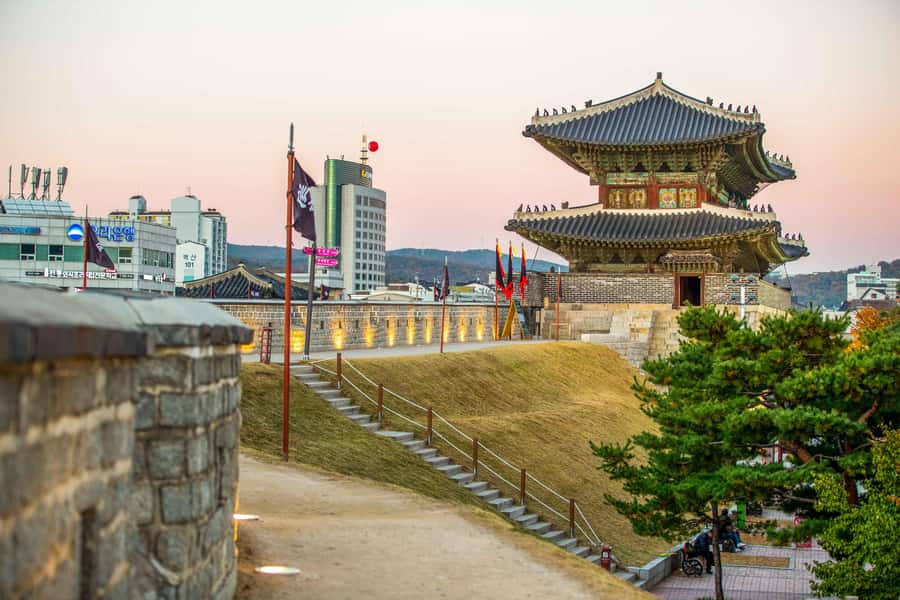
Suwon sits in Gyeonggi Province, close enough to Seoul that a day trip feels realistic. That matters, because Suwon is the rare city where you can see something old and something new without living in transit time.
The best part is the pacing logic: you start with a major historical landmark, then switch gears to a modern cultural stop, then end with a calmer, spiritual visit. If you like days that feel like a story—rather than a checklist—you’ll probably enjoy this mix.
How the day is paced: transport, timing, and your walking budget
This is a guided day tour with round-trip transportation from Seoul, using an air-conditioned vehicle (or heated when it’s cold). It runs from a meeting point that can vary depending on your option, and it ends back at the same meeting area.
Here’s the practical bit: you should expect significant walking. The route includes fortress walking along the fortification areas and temple grounds, plus moving between stops. If you have heart issues, the tour is not suitable, and it’s also not set up for wheelchair users. Comfortable shoes are not optional—think foot comfort first, fashion later.
Also, the itinerary can shift a bit due to traffic and weather, so plan to stay flexible. You’re not buying a film-script schedule. You’re buying a guided day where the guide adjusts in real time.
Entering UNESCO Hwaseong Fortress: big walls, smart defense, and a personal story
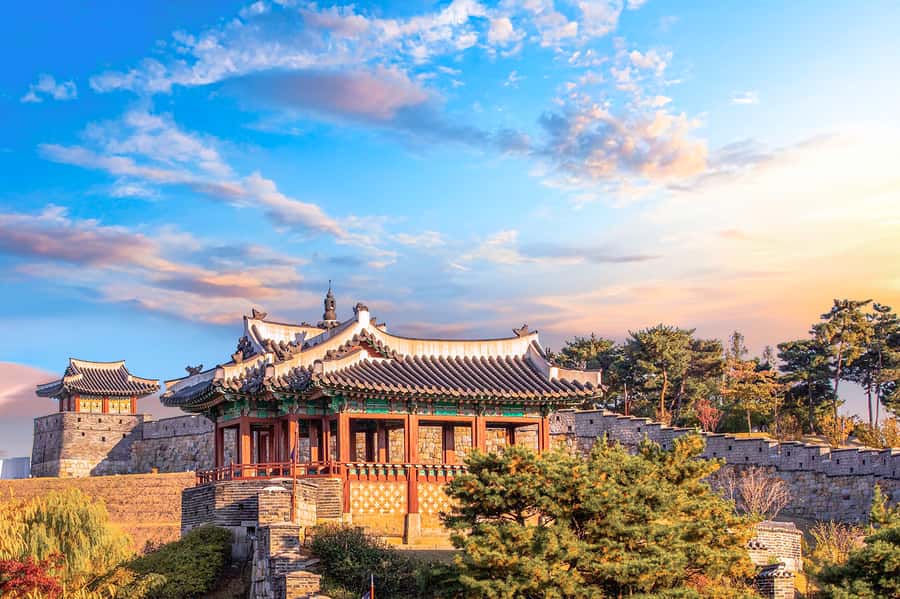
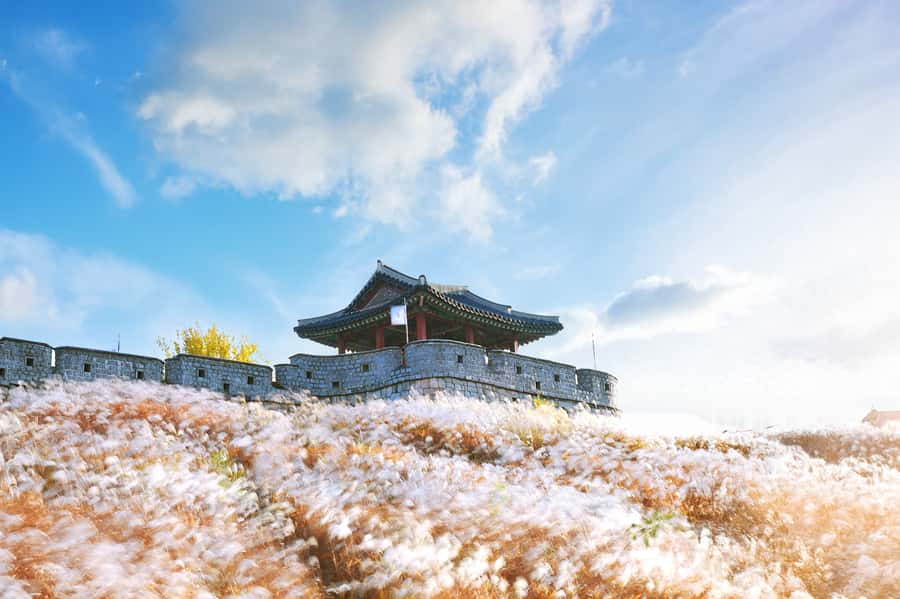
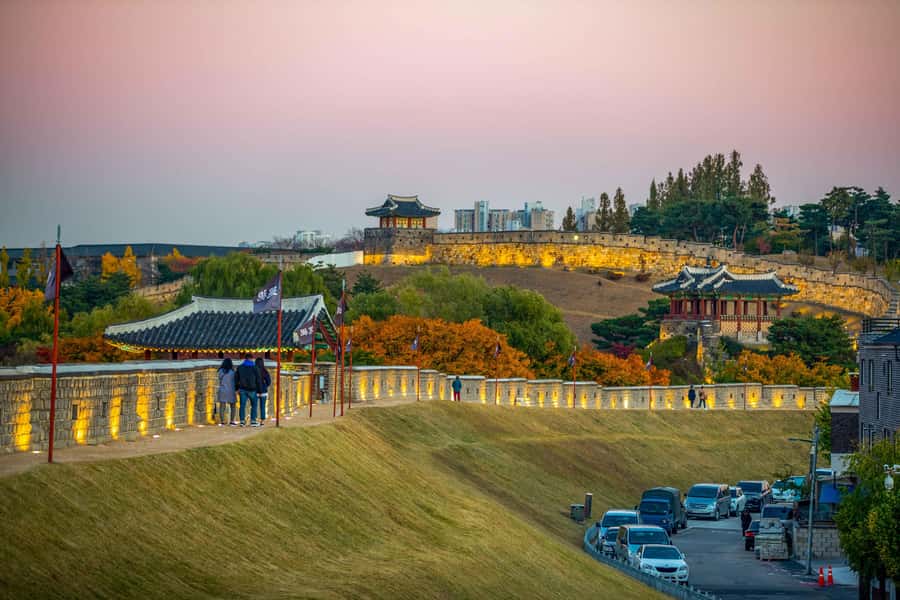
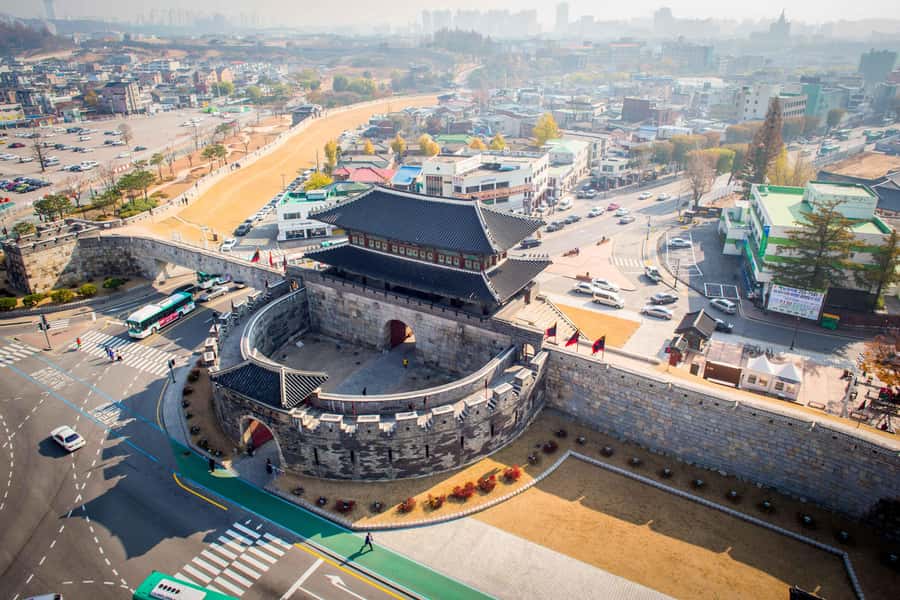
Suwon Hwaseong Fortress is UNESCO-protected and was built in the 18th century. It’s massive—about 5.7 km of structure—and it’s still well preserved. The “why” behind the fortress is more than military. It was also built in part as a way to honor his father, which gives the place an added emotional layer beyond stonework.
What you’ll notice as you move around: the fortress was designed with a strategic layout and a natural defense approach. That means it’s not just walls for looks. The design is meant to work with terrain, and it helps you understand how defense and planning shaped the city.
What I think makes this stop worth your time: you’re not just looking at one view. You’re walking through the idea of a system—how the fortress functions as a protective ring. If you enjoy architecture, city planning, or just places that feel engineered, this is your anchor attraction.
A useful detail from guide-style feedback you can apply to your own day: guides like Jinyong and Andrew are praised for explaining things in a way that stays interesting, and they tend to adapt to what the group wants. If you’re curious about the defensive logic or the human story behind it, speak up early so you get more of that focus.
Starfield Library: the modern photo stop that actually feels like culture
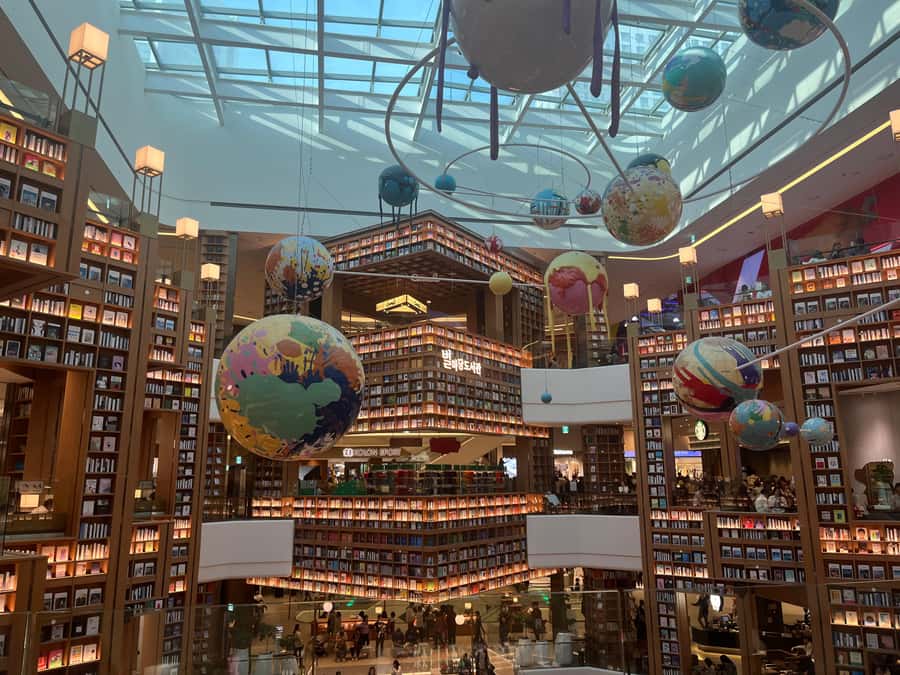
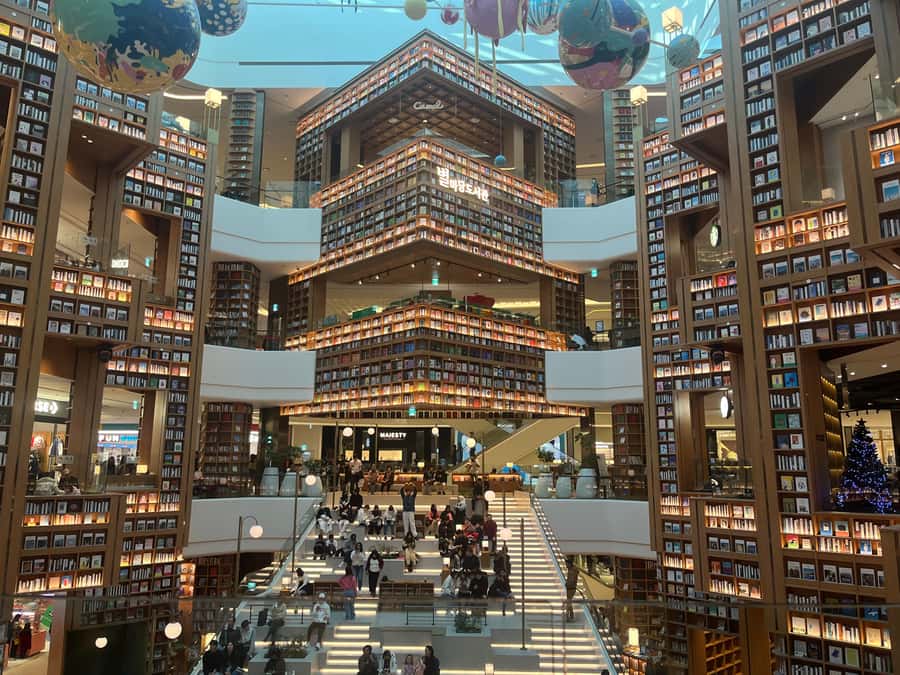
After the fortress, you head to Starfield Library, which is known as a standout photo spot. The premise is simple: books in a dramatic visual setting, designed to look good from multiple angles. It’s the kind of place where you’ll understand why people plan their outfit and lens choice.
But it’s more than a quick click. This library functions as a contemporary cultural hub for Suwon, and that’s the point of the placement in the day. You’re going from a fortress built for survival to a space built for learning and public life.
Practical tip: bring your phone battery life mindset. This is the stop where you’ll likely want a few takes, not one. It’s also the easiest place in the day trip to feel “caught up” when you’re tired—because even a short pause can feel rewarding.
Waujeongsa Temple: slowing down with a gold-leaf giant Buddha
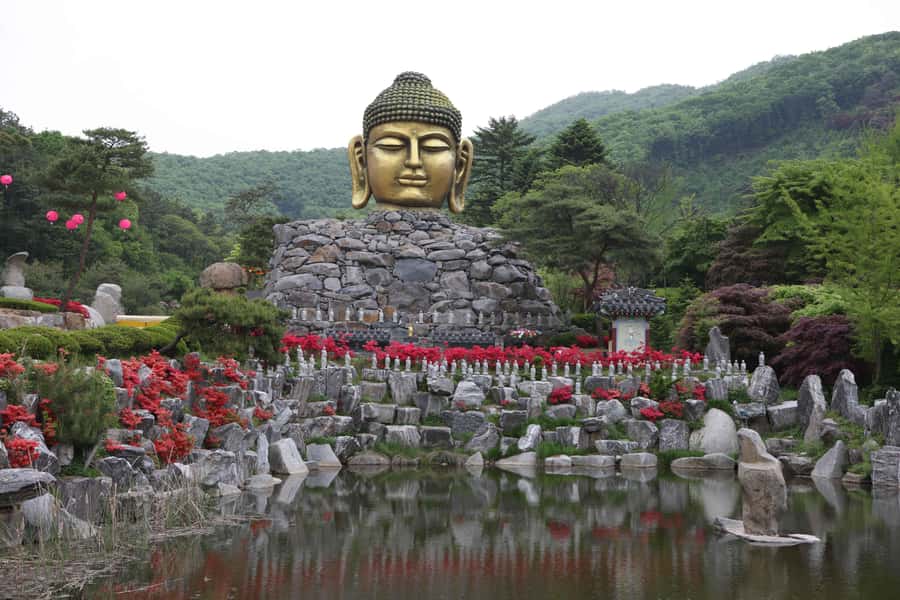
Waujeongsa Temple is your calm button. The main hall features a Buddha statue over 10 meters tall, made with gold leaf. Seeing a figure at that scale changes your sense of proportion. It’s not subtle.
The temple grounds also include other stone and sculptural elements: a giant stone Buddha seated on a lotus pedestal, a stone pagoda, and a stone bell. That variety is important because it keeps your visit from becoming one-view-only. You get multiple details to look at while you walk.
If you’re the type who likes spiritual spaces but also appreciates photos, you’ll likely enjoy how this stop works in both modes. You can take your time without feeling like you’re holding up the group too much—temple visits have a natural rhythm.
From the way the day is designed, this also helps you recover mentally from the fortress walking. It’s a different environment: quieter, more contemplative, and easier to enjoy slowly.
Hanbok Wearing Experience Center: hands-on gim and kimbap (plus the fun finish)
The tour doesn’t end with scenery. It ends with an interactive cultural segment at the Hanbok Wearing Experience Center, where you can see the process of making gim (dried laver) and buy souvenirs related to it.
You also get kimbap making experience along with hanbok wearing experience as part of the included activities. This is one of the strongest value pieces of the day, because you’re taking home more than photos: you’re leaving with a better feel for what these foods and crafts actually involve.
Even if you’re not a cooking person, the payoff is usually in the stories and process. You can taste with more context later, and buying gim as a souvenir becomes more meaningful when you’ve seen the making.
One extra note from guide-style experiences shared about this tour: some days include other traditional culture moments like martial arts demonstrations and traditional archery. That isn’t listed as the core included part of the experience, but it’s worth knowing that the day can include extra performances depending on how things run.
Price and value: is $49 a fair deal for this many moving parts?
At $49 per person, the value is all about what’s included. Your ticket covers:
- admissions to the attractions
- an English-speaking tour guide/driver
- round-trip transport from Seoul
- kimbap making and hanbok wearing at the Hanbok Wearing Experience Center
Meals aren’t included, so you’ll want to plan for that. But even then, you’re paying for a full structured day with transportation and multiple entry points. If you were to do this independently, you’d still pay for tickets, local transit, and the time cost of coordinating everything across three big destinations plus the food/culture workshop.
I think the big value win is the workshop. Tours that only point and walk can feel thin. This one adds a practical cultural activity, which makes the day feel like more than movement from one landmark to the next.
Who this tour suits best (and who should skip it)
This tour is a great fit if you want:
- a day trip from Seoul that feels like a real change of pace
- a strong pairing of UNESCO heritage and modern culture
- temples plus hands-on food experience, not just photo stops
- clear explanations and a guide who keeps the day moving (some guides have a reputation for great energy and tailoring explanations)
It may not be your best match if:
- you have limited mobility or you can’t handle significant walking (the tour isn’t suitable for wheelchair users)
- you have heart problems (explicitly not suitable)
- you want a low-effort day with minimal walking
Small realities that can affect your experience
A few things you should mentally prep for:
- The vehicle type (car/van/bus) depends on group size. Either way, it’s set up for comfort.
- The day includes multiple zones, so you’ll be switching mental gears often—fortress intensity, then library photos, then temple calm, then workshop focus.
- Pets aren’t allowed, so plan accordingly if you’re traveling with animals.
- The day can change slightly based on traffic and weather, so think of it as guided flow, not a museum audioguide you can pause and restart.
Quick verdict: should you book this Suwon day tour?
If you want a full Suwon day with real variety—Hwaseong Fortress, Starfield Library, Waujeongsa Temple, and a hands-on gim/kimbap/hanbok finish—this is the kind of tour that tends to feel worth it. The strongest selling points are the UNESCO walking day plus the included workshop time, and the guides’ reputation for keeping explanations engaging (with names like Jinyong, Sean Kim, Andrew, and April showing up again and again).
Just be honest with yourself about the walking and comfort needs. If you’re ready for a active day, you should book. If you’d rather sit down every hour, look for something lighter.
FAQ
How much does the Suwon Hwaseong + Starfield Library + Waujeongsa tour cost?
It’s listed at $49 per person.
What’s included in the price?
Admission to the attractions, an English-speaking tour guide/driver, round-trip transportation from Seoul, and the kimbap making and hanbok wearing experiences at the Hanbok Wearing Experience Center.
Are meals provided during the tour?
No. Meals and beverages are not included.
How long is the tour and how much walking is involved?
The tour involves significant walking, since it includes fortress walking and temple grounds. Comfortable shoes are recommended. (Specific duration isn’t provided in the information you gave.)
Where does the tour start and end?
It starts from a meeting point that can vary depending on the option booked, and it ends back at the meeting point.
Is the tour suitable for wheelchair users or people with heart problems?
No. It is not suitable for wheelchair users and is also not suitable for people with heart problems.
Are pets allowed on this tour?
No, pets are not allowed.
Do children need to be included in the headcount?
Yes. Children aged over 3 must be included in the passenger headcount.
Is a baby seat provided for infants?
No. Baby seats are not available. Infants (0-2) are free only if they sit on laps in the vehicle.
What if the itinerary changes due to weather or traffic?
The exact itinerary might be slightly changed depending on traffic and weather conditions.