REVIEW · SINTRA PALACE
Sintra: National Palace and Gardens Skip-the-Line Ticket
Book on GetYourGuide →Operated by Distributor: GetYourGuide Tours & Tickets GmbH · Bookable on GetYourGuide
Sintra is a time machine. This skip-the-line National Palace ticket takes you through about 1,000 years of royal Portuguese history, starting with an early Moorish castle and later reshaped by Portugal’s kings. I love the palace’s best-preserved medieval feel, especially the glazed-tile work in the courtyards. I also like that the self-paced visit is supported by a free audio guide app, with audio in multiple languages. One thing to plan for: access can get steep and crowded, and parts of the site may be closed on certain days.
What makes this ticket especially useful is that you’re not buying “a quick look.” You’re buying time. The audio guide keeps you oriented, and the new audiovisual feature adds human stories inside the visitor route. A skip-the-line pass is also smart in Sintra, where timing and queues can swing fast.
If you only have half a day, this is a strong choice compared to bigger, more sprawling Sintra sites. But if you’re hoping for a relaxed flat walk, you should know the palace involves stairs, tight turns, and uneven steps.
In This Review
- Key things to know before you go
- National Palace of Sintra: What This Skip-the-Line Ticket Really Gets You
- A 1,000-Year Story in Stone and Tiles (Moorish Roots to Portuguese Royals)
- Courtyards, Water Features, and the Azulejo Glow You’ll Notice Fast
- Inside Rooms Worth Slowing Down: Heraldic Space and the Chapel
- Your Self-Guided Plan: Audio App, Four Languages, and New Video Portraits
- Practical Timing in Sintra: Hours, Last Admission, and Crowd Reality
- Footnotes You’ll Care About: Stairs, Accessibility, and Getting Oriented
- Price and Value: Is $15 a Smart Deal Here?
- Who This Fits Best (And Who Might Want Another Option)
- Should You Book This National Palace Skip-the-Line Ticket or Not?
- FAQ
- What’s included with the Sintra National Palace skip-the-line ticket?
- Is a guided tour included?
- What languages are available for the audio guide?
- What are the opening hours and last admission time?
- How long should I plan to visit?
- Does this ticket let me skip the line?
- Is the ticket valid for one day?
- Are food and drinks included?
- Can I cancel and get a refund?
- Where do I meet at the start of the experience?
Key things to know before you go
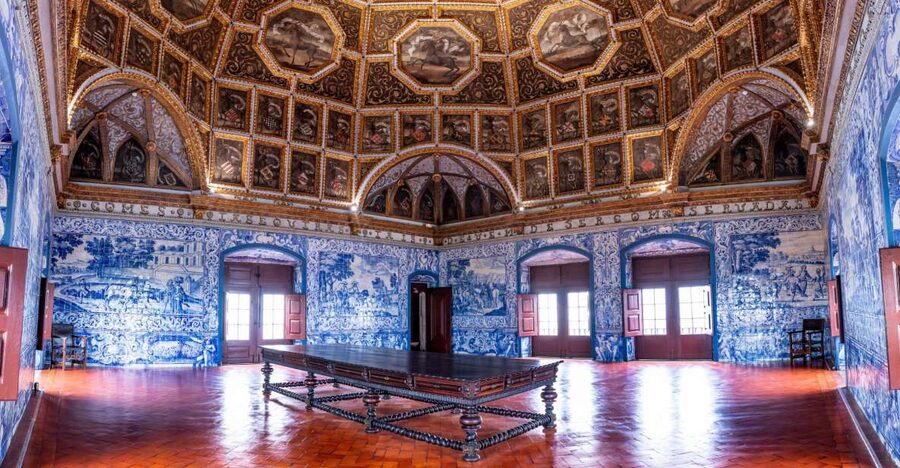
- Skip-the-line entry: You’re set up to go straight in when crowds build.
- 1,000 years in one palace: Moorish origins, Portuguese royal expansions, and later architectural styles in the same building.
- Manueline + Mudejar details: Expect decorative interiors and courtyards influenced by different eras and tastes.
- Azulejo tile courtyards with water features: The glazed patterns and water elements are a big payoff.
- Audio guide plus new video portraits: You get both a practical guide and short dramatized historical character films.
- Last admission is 5:30 PM: You’ll want to time your entry so you don’t get cut off at the end of the day.
National Palace of Sintra: What This Skip-the-Line Ticket Really Gets You
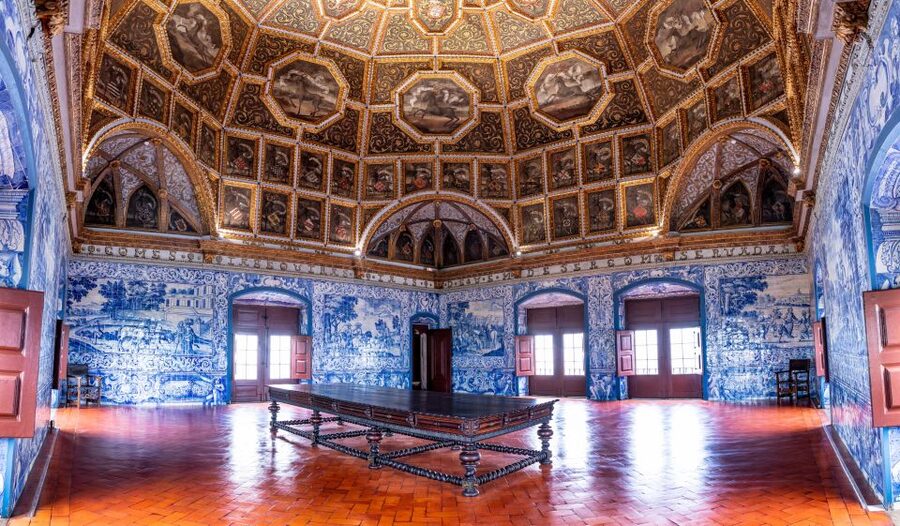
This is a straight-up ticket for the National Palace of Sintra with skip-the-line access plus a free audio guide via an app. No live guide is included, so you’re responsible for your own pace. For me, that’s a good fit because Sintra days can get hectic. You don’t want to feel rushed through rooms you’ll revisit in your head for days.
You should plan for self-guided exploration inside the palace areas that are open that day. The palace is historically layered, so you’ll keep noticing how one era’s additions respond to earlier foundations. It’s one of those places where the building itself teaches you the story.
The ticket also supports a newer feature: short embedded films that introduce 14 forgotten historical figures, from cooks to queens. They’re shown as part of the route, and they’re voiced by Portuguese actors, with Portuguese and English options. Think of it as character-driven context while you walk room to room.
A 1,000-Year Story in Stone and Tiles (Moorish Roots to Portuguese Royals)

The palace’s timeline is part of the magic. The site began as a Moorish fortress after the Umayyad conquest of Hispania in the 8th century. Later, the first king of Portugal extended the fortress in 1147, and you can still feel that shift in the structure and layout.
Then come the Portuguese royal expansions, where the design starts using the natural setting and the palace’s existing geometry in clever ways. That’s where Manueline and Mudejar influences show up most clearly. In plain terms, you’re seeing an evolving royal “home base” that adapted to changing rulers, styles, and ambitions over centuries.
This matters for your experience because it changes how you look at details. Instead of treating the palace like a museum of pretty rooms, you start noticing how windows, arches, tile patterns, and courtyards reflect who had power and what they wanted to project.
Courtyards, Water Features, and the Azulejo Glow You’ll Notice Fast
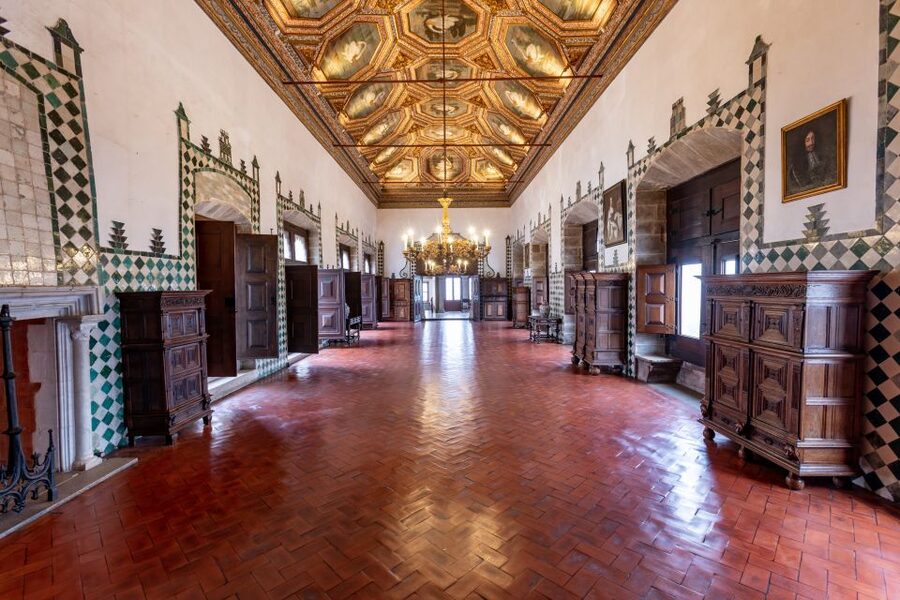
If there’s one part of the National Palace that practically begs for slow walking, it’s the courtyards. You’ll see decorative styles tied to Manueline and Mudejar aesthetics, and you’ll likely get your first big “wow” from the glazed tilework.
Courtyards also bring the water features into the mix. The sound and sight of water makes the place feel cooler and more alive than you’d expect from stone walls alone. It’s a nice reminder that palaces weren’t just for viewing art—they were functional spaces where daily life happened.
The tile patterns are especially worth your attention. Several visitors highlight the blue tiles as a standout, and I agree the effect is immediate: the walls don’t just decorate rooms, they transform them. If you like architecture you can read with your eyes, spend extra time here and let your brain connect patterns to the eras you’re seeing.
Inside Rooms Worth Slowing Down: Heraldic Space and the Chapel
Even though this is a single palace ticket, the interior feels varied. Some rooms are ornate and public-facing. Others feel more intimate, like you’re peeking into the daily rhythm of court life.
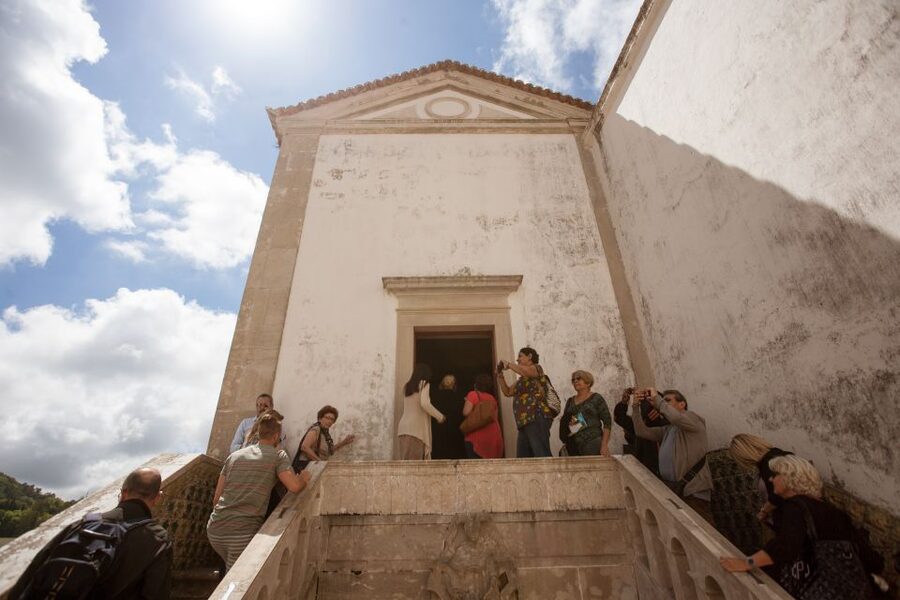
Two interiors come up again and again in what people remember: the Heraldic Room and the chapel. The heraldry is a great place to slow down because it compresses political messaging into decoration. In a palace, that’s not just pretty art—it’s communication.
The chapel also matters. Religious spaces in royal settings often reflect both wealth and control. When you compare the chapel’s mood to the rest of the rooms, you get a fuller picture of how different parts of the palace served different kinds of power.
And if you enjoy “how people actually lived” details, keep an eye out for the kitchen area or kitchen-related displays. One booking notes that the kitchen was particularly interesting, which fits with how the palace tells its story through daily life, not just royalty.
Your Self-Guided Plan: Audio App, Four Languages, and New Video Portraits

The included audio guide is a big reason this ticket works well for many visitors. You get free audio through an app, with Portuguese, English, Spanish, and French. That means you can pick the language you’re most comfortable with and still get context as you go.
What I like about audio guides is that they keep you from wandering randomly. The palace is full of visual details, and without some structure it’s easy to miss why certain features matter. With audio, you’ll usually understand what you’re seeing before you move on.
Then there’s the newest layer: embedded films with interactive video portraits of 14 historical figures. They bring to life short stories across different centuries, and they’re voiced by Portuguese actors. These character films add an emotional angle—you start thinking about real roles inside the palace, not just the architecture.
Practical tip: don’t try to “do everything.” I recommend choosing a pace that matches your attention span. If you’re the type who reads every plaque, you’ll naturally spend more time. If you skim, you can still catch the key architecture highlights using the audio to guide your route.
Practical Timing in Sintra: Hours, Last Admission, and Crowd Reality
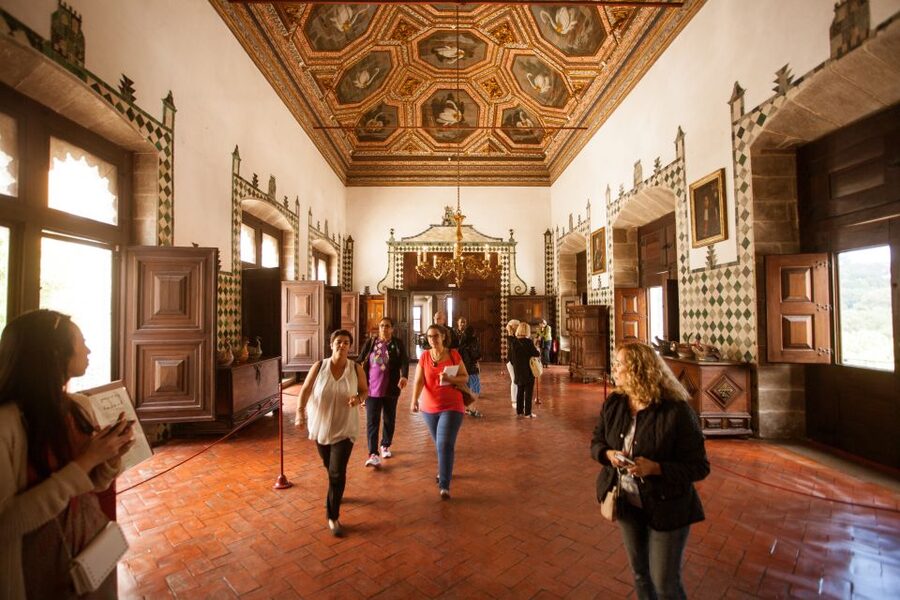
The National Palace of Sintra is open 9:30 AM to 6:00 PM, with last admission at 5:30 PM. That last half hour isn’t a suggestion. It’s when doors start closing, routes narrow, and your day can end sooner than you expect.
Planning wise, I’d treat 5:30 PM as your deadline for entry, not your deadline for finishing. Give yourself time to exit and orient yourself outside. Sintra is pretty, but it’s also a place where you can lose energy quickly if you push too late.
Crowd levels can vary by day and time. Some people report arriving in the afternoon on a Saturday with no line at all. Others mention busy moments. The skip-the-line ticket helps most when queues form, but it doesn’t magically erase every peak-hour bottleneck.
Also note that not every part of the palace may be open on your visit. One review points out that some areas weren’t accessible, which can happen with maintenance, closures, or safety decisions. If that affects you, your best move is to focus on the open highlights and use the audio guide to keep the story coherent even if you can’t go everywhere.
Footnotes You’ll Care About: Stairs, Accessibility, and Getting Oriented
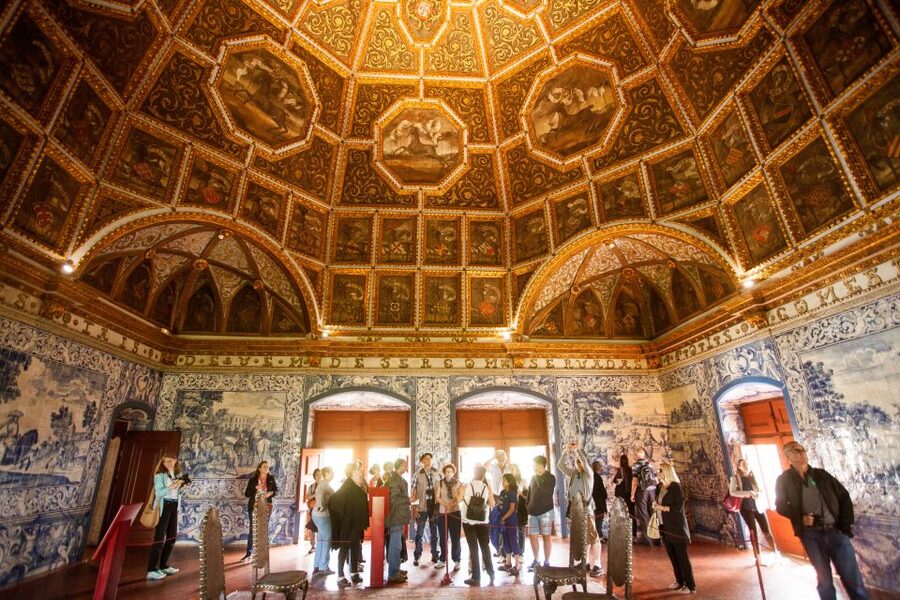
This palace is not built for flat, easy movement. A visitor specifically called out that mobility access is very difficult, including a lack of hand rails for steps. If you use a mobility aid or you’re sensitive to stairs and uneven steps, you should assume the palace will be challenging.
Even for able-bodied visitors, expect plenty of up-and-down movement. One review mentions being prepared for walking stairs and hills. That’s real-world advice you should respect. Wear shoes you trust. Sintra’s cobbles and stone steps can feel more tiring than they look.
Orientation is another theme. Some visitors say entry was confusing and that better direction would help. Another person noted there was no signage and they went back and forth. My take: arrive with a little buffer time and keep an eye out for staff at the entrance area. When in doubt, ask quickly and then start your visit—don’t burn your best energy searching.
Price and Value: Is $15 a Smart Deal Here?
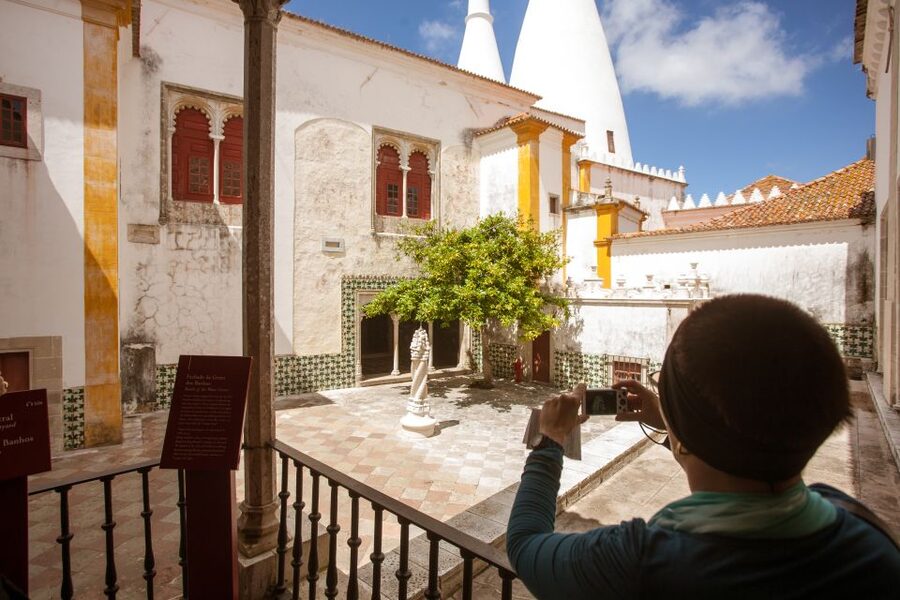
At $15 per person, this ticket can be strong value because it bundles two things that cost you effort when you’re in Sintra: time and context. Skip-the-line access can save you real hours if you’re visiting during busier windows. And the audio guide app prevents the common “pretty palace, but I’m not sure what I’m looking at” problem.
Is it the cheapest way to see Sintra? Not necessarily, since other Sintra options exist. But for the National Palace specifically, the combination of history-rich rooms and a multi-language audio system makes the price feel fair.
One more value angle: you can take as much time as you want once you’re inside. Several people describe the visit as manageable for about an hour and a bit, but that doesn’t mean you’re forced to rush. If you’re a slower explorer, you can stretch it longer—just stay aware of the last admission cutoff.
If you’re on a tight schedule and deciding between Sintra sites, this is the one you pick when you want royal interior details, not just views from outside.
Who This Fits Best (And Who Might Want Another Option)
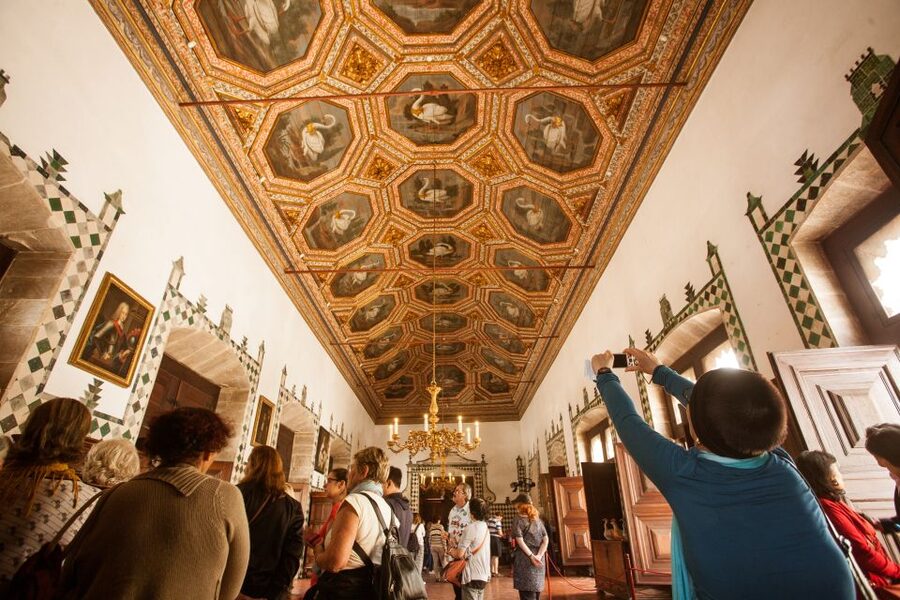
This ticket is a great fit if you:
- Want a royal palace experience with heavy architectural detail.
- Enjoy history you can see, not just read.
- Prefer self-paced touring with an audio guide in your language.
- Like “character story” add-ons, like the new video portraits of figures such as cooks and queens.
You might reconsider if you:
- Need mostly flat walking or strong accessibility support. The palace includes stairs and narrow movement areas.
- Want a fully guided experience. This ticket does not include a guided tour, so you’re using the audio guide rather than relying on a person to shepherd you room to room.
- Are arriving so late that you’ll miss outdoor areas. Courtyard and garden access can be affected by closing times, so don’t treat this as an afterthought.
Should You Book This National Palace Skip-the-Line Ticket or Not?
Yes, I’d book it if you’re prioritizing the National Palace of Sintra and you want to spend your time inside the rooms and courtyards rather than lost in ticket lines. The skip-the-line setup plus the audio guide in multiple languages makes the visit easier to manage, especially in a place where timing matters.
I’d also book it if you like architecture with storytelling. The palace’s long timeline—from Moorish origins through Portuguese royal expansions—lands best when you’re not rushing.
Hold off if stairs and mobility constraints are a deal-breaker for you, or if you’re already set on a different Sintra site and just want a quick stop. In that case, you might put your money into an option that matches your walking comfort and the kind of sights you want most.
In most cases, though, this is a practical, good-value way to experience one of Sintra’s key historical monuments.
FAQ
What’s included with the Sintra National Palace skip-the-line ticket?
Your ticket includes entry to the National Palace of Sintra and a free audio guide via an app.
Is a guided tour included?
No. A guided tour is not included with this ticket.
What languages are available for the audio guide?
The audio guide is available in Portuguese, English, Spanish, and French.
What are the opening hours and last admission time?
The National Palace of Sintra is open from 9:30 AM to 6:00 PM, with last admission at 5:30 PM.
How long should I plan to visit?
Many people find they need about an hour and a bit to see the palace well, though you can take more time if you want.
Does this ticket let me skip the line?
Yes. It’s a skip-the-line entry ticket.
Is the ticket valid for one day?
Yes. It is valid for 1 day, and availability depends on the starting time.
Are food and drinks included?
No. Food and drinks are not included.
Can I cancel and get a refund?
No. The cancellation policy states this activity is non-refundable.
Where do I meet at the start of the experience?
The meeting point may vary depending on the option booked.