REVIEW · CHIANG KAI SHEK MEMORIAL HALL
Taipei: Morning City Tour with National Palace Museum Ticket
Book on GetYourGuide →Operated by Edison Tours · Bookable on GetYourGuide
Four Taipei icons in just four hours. This morning tour strings together National Palace Museum, the Chiang Kai-shek area, and the famous Martyrs’ Shrine guard changing, with a guide who helps you connect what you’re seeing to Taiwan’s political and cultural story. I also like the simple structure: clear stops, timed sightseeing, and an included museum ticket so your plan doesn’t stall.
The biggest plus for me is the museum visit. You get entry to one of the world’s best art-and-history collections, plus a guided route that helps you spot the most famous pieces without losing the whole morning. I also like that the itinerary is built for first-time orientation, so Taipei feels less like a blur when you’re done.
The main drawback to watch for is pace. It’s fast by design, and the National Palace Museum can be crowded, so you’ll see key highlights rather than linger like you would on a solo day.
In This Review
- Key highlights you will actually feel in 4 hours
- Why this 4-hour Taipei morning route works for first-timers
- MRT Zhongxiao Xinsheng meeting point: the start is straightforward
- Chiang Kai-shek Memorial Hall: what you see in 30 minutes, and why it matters
- Presidential Office pass-by plus the Grand Hotel Taipei photo stop
- Martyrs’ Shrine and the guard changing (hourly 09:00–17:00)
- National Palace Museum: the included ticket and the key pieces you should prioritize
- Price and value: what $53 buys you (and what it doesn’t)
- Pacing and comfort: the tradeoffs you should know up front
- Practical tips so the day feels smooth
- Should you book this Taipei morning city tour?
- FAQ
- FAQ
- How long is the Taipei morning tour?
- Is the National Palace Museum ticket included?
- What stops are included in the 4-hour itinerary?
- Where do I meet the guide, and where does the tour end?
- Does the tour include food?
- Is this tour wheelchair accessible?
Key highlights you will actually feel in 4 hours
- National Palace Museum ticket included, saving time and simplifying the plan
- Hourly guard ceremony at Martyrs’ Shrine (09:00 to 17:00), with a dedicated stop to catch it
- Guided context across major landmarks, from Japanese-era architecture to modern political memorials
- Built-in photo time at the Grand Hotel Taipei, plus quick landmark views
- Small-group feel is possible, with private group availability and even solo travelers reported on past departures
- Return to central Taipei, either near Ximending or back around MRT Zhongxiao Xinsheng
Why this 4-hour Taipei morning route works for first-timers
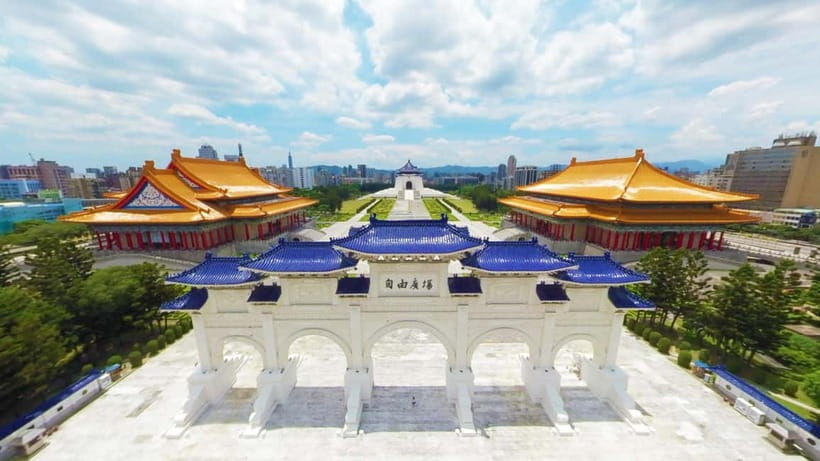
This is a classic “get your bearings fast” tour, but it’s not just a bus loop of postcards. The route is chosen so you can understand Taipei’s modern identity by moving through the same few power-and-memory sites people talk about nonstop: the memorial for Chiang Kai-shek, the Martyrs’ Shrine ritual, and then the National Palace Museum as a cultural anchor.
You also get a clean half-day shape. The schedule is tight, but it’s tight in the useful way: you cover the main sights you’d otherwise spend planning for, then you still have the rest of your day to eat, shop, or roam.
One more underrated win: the tour has a guaranteed departure even with a minimum of 1 participant. That means you’re less likely to get stuck waiting for a group to form, which matters when you have limited time.
MRT Zhongxiao Xinsheng meeting point: the start is straightforward
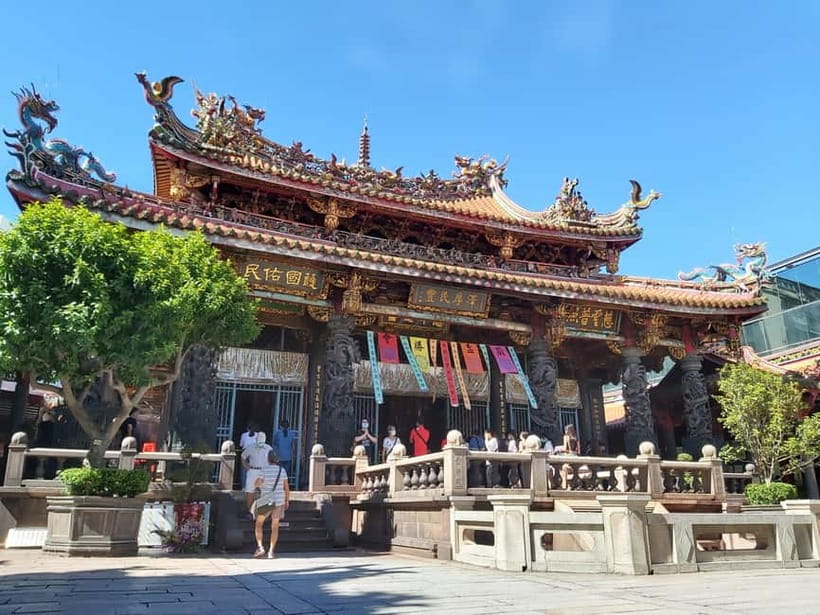
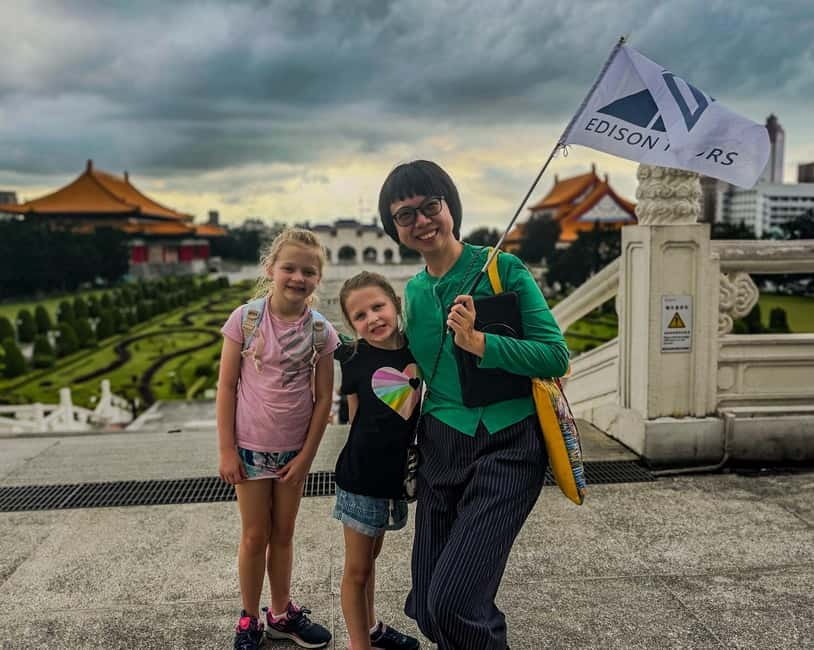
You meet at MRT Zhongxiao Xinsheng Station (BL14 / O07), Exit 2. Your guide waits near the exit with the operator logo flag (EDISON TOURS). It helps to arrive a few minutes early so you can spot the flag quickly and start on time.
If you opt for pickup in a private tour, you’ll wait in the hotel lobby (or on the ground level if the lobby is elevated) about 10 minutes before the scheduled pickup. Either way, the handoff tends to be organized, which is a big deal when you’re navigating Taipei transit for the first time.
Language support is broad. Group commentary is offered in English or Chinese, while private tours can add Vietnamese and Indonesian. Past guide performance names that show up often include James, Den, Felix, and Chiara, with consistent praise for clear explanations and good interaction. You can’t pick the guide, but this gives you a hint of what the experience is designed to deliver.
Chiang Kai-shek Memorial Hall: what you see in 30 minutes, and why it matters
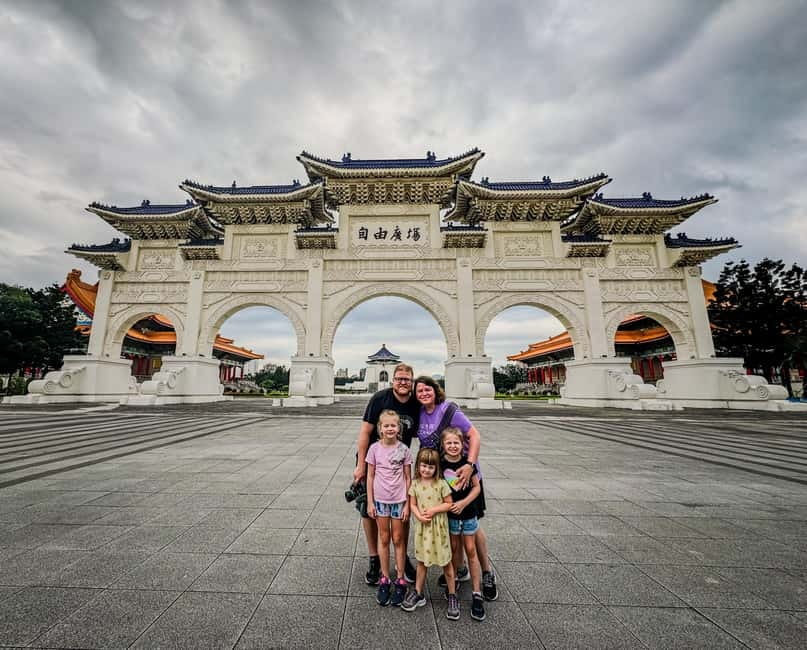
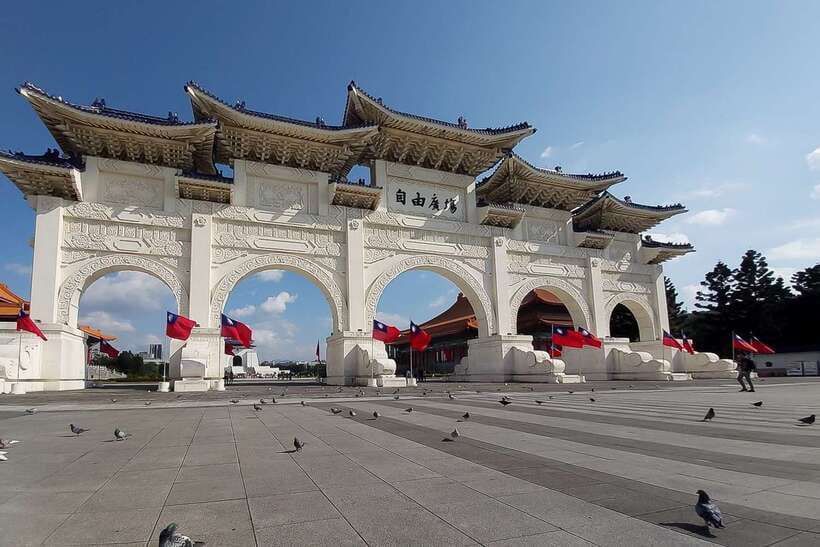
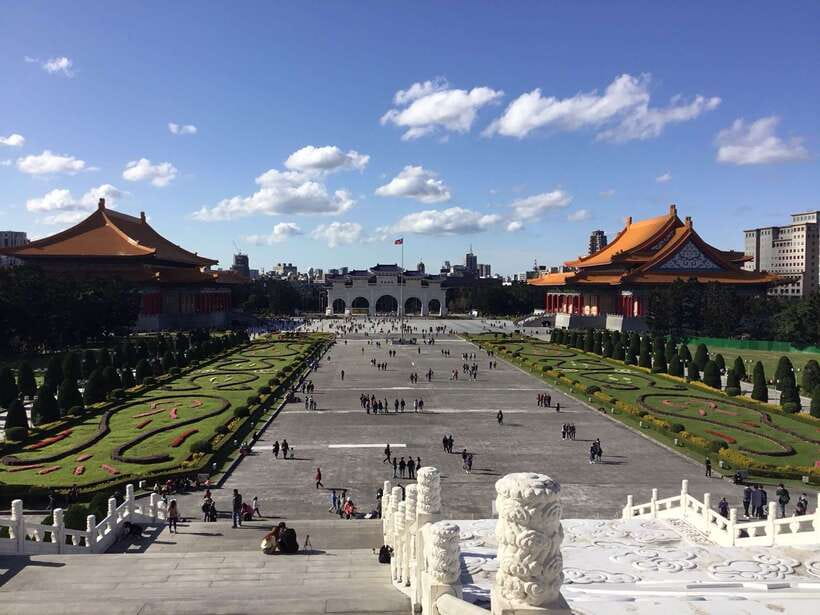
The tour stops at Chiang Kai-shek Memorial Hall for about 30 minutes. This is one of Taipei’s most recognizable landmarks: a large plaza and Chinese-style park setting around a hall with white marble walls and a roof with blue glazed tiles.
Inside, the main draw is the exhibition space and the large bronze statue of Chiang Kai-shek sitting within. There are also historic documents, photographs, and films you can check out during your short visit. Even in half an hour, you can get the basic meaning of the place: it’s a memorial that blends architecture, spectacle, and curated history.
The theater and concert hall on either side of the plaza are also worth noting while you’re there. They’re part of why this area feels like a political hub and a cultural hub at the same time.
Realistic tip: 30 minutes is enough to get oriented, but not enough to read every caption. If you care about museum-style detail, treat this stop as your context-setting chapter before the deeper dive at the National Palace Museum.
Presidential Office pass-by plus the Grand Hotel Taipei photo stop
Next comes a pass-by of the Presidential Office Building. You don’t go inside on this tour, but the exterior matters. The building is described as neo-Renaissance, built in the 1910s during Japanese colonization, originally serving as the Governor-General’s office, and today it operates as Taiwan’s seat of political power. It’s a strong example of how Taipei reuses and repurposes built history.
Then you get a photo stop at Grand Hotel Taipei for about 20 minutes. Even if you’re only taking a few pictures, that time is useful. It gives you a breather in the middle of the political landmark sequence and helps you connect the city’s skyline and street-level vibe to what you’ve already been seeing.
This is also where the tour’s pace becomes obvious: you’re not wandering freely for long. Instead, you’re stopping often enough to feel like you’re moving through the city with purpose, not just driving past it.
Martyrs’ Shrine and the guard changing (hourly 09:00–17:00)
The highlight that people remember most is the Martyrs’ Shrine stop. You’ll have about 25 minutes to sightseeing here, and the schedule is timed for a ceremony that runs often: the changing of the guard is performed hourly from 09:00 to 17:00 every day.
The shrine was built in 1969 and is dedicated to fallen soldiers from civil wars and armed conflicts, honoring their spirit. Every year on Youth Day and Armed Forces Day, the president of Taiwan leads civil and military officials to pay floral tribute to the martyrs.
Here’s the practical value: this is one of those moments where the ritual is the message. Even if you don’t read every sign, you’ll understand the tone quickly—ceremony, respect, and national remembrance. And because it’s hourly, it’s easier to time your experience than it is at attractions with fixed daily showtimes.
One consideration: you’ll be around other tourists during the ceremony window. If you’re sensitive to crowd noise, keep expectations flexible. The tour is short, so your best strategy is to arrive ready to watch first, then look around second.
National Palace Museum: the included ticket and the key pieces you should prioritize
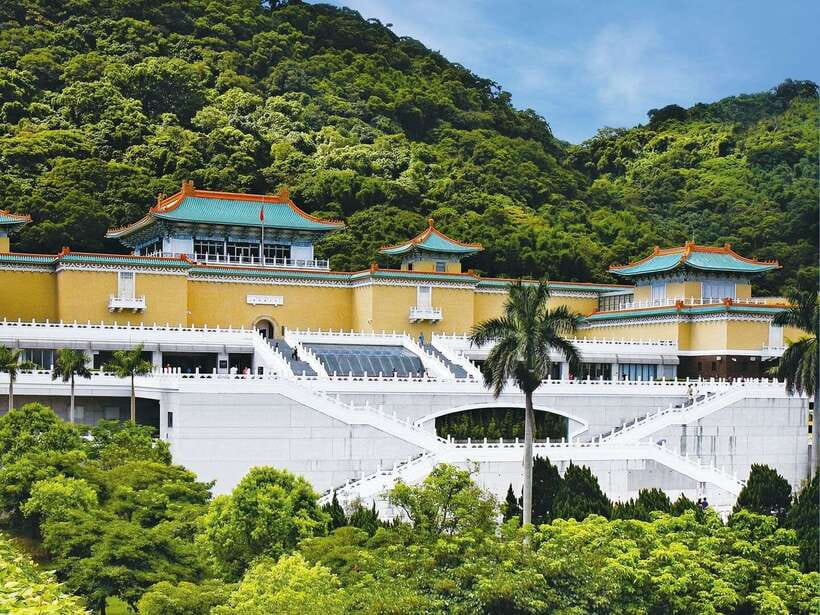
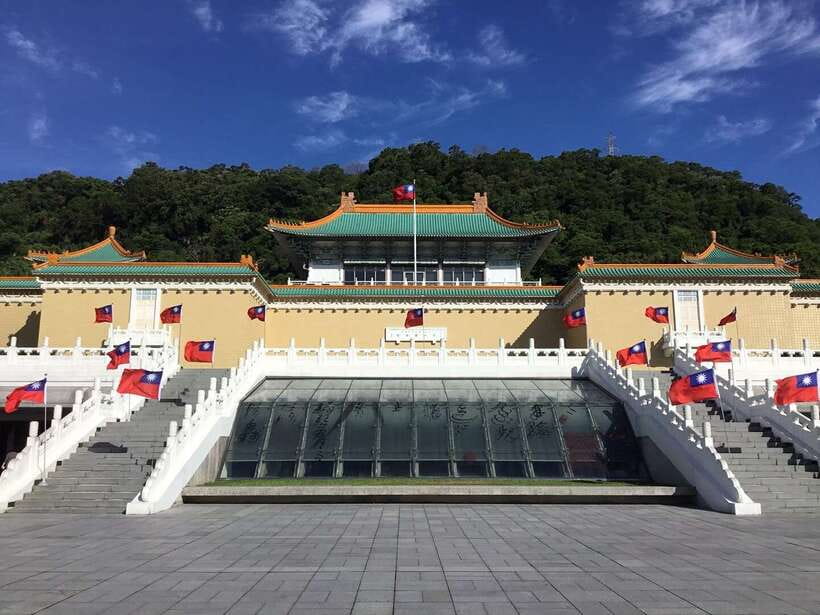
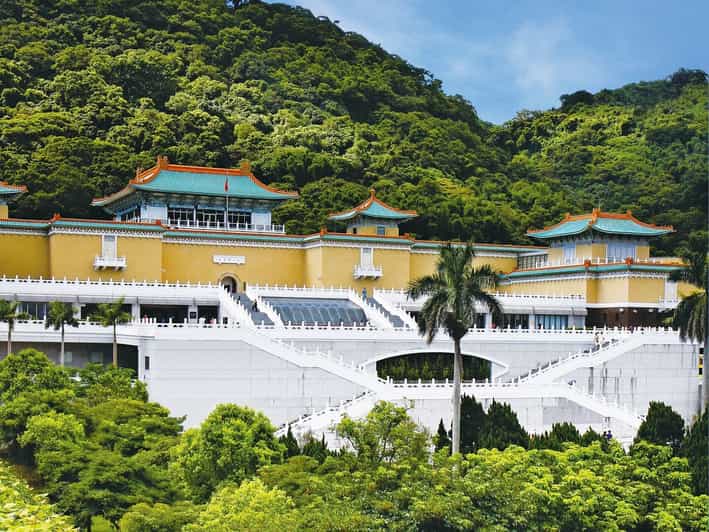
Now for the main event: National Palace Museum, with about 80 minutes on-site. The tour includes the entrance ticket, which is a major value saver in its own right. You’re paying for guided sightseeing plus admission, not just transport and a narrative.
The museum is often described as one of the four greatest museums in the world, and the collection is massive: more than 600,000 court treasures spanning the Song, Yuan, Ming, and Qing Dynasties. In a short visit, the goal isn’t to see everything. The goal is to see the most famous anchors so the collection doesn’t feel random.
A pair of objects consistently draw the biggest crowds:
- Jadeite Cabbage
- Meat-Shaped Stone
If you want to make your 80 minutes feel more personal, pick your two or three “must see” objects in advance (especially the Jadeite Cabbage and Meat-Shaped Stone) and let the guide do the rest. That way, even if crowds slow your path, you still get the payoff.
About crowds: this stop can feel loud and busy, and one past participant even noted the experience can be overwhelming even with headphone transmitters. Another common theme is that the museum visit can feel crowded, but you still come away with a solid sense of the top highlights.
Motion-sickness tip: the museum is a walking experience, but getting there also involves time in a vehicle. If you’re prone to feeling carsick, sit toward the front of the van when possible and take your time before you stand up and move around.
Price and value: what $53 buys you (and what it doesn’t)
At $53 per person, you’re buying a bundle: a licensed guide, air-conditioned transportation, and the museum ticket. That package matters because the National Palace Museum is the most expensive part to do independently once you add admission, plus the time it takes to plan a smart route through Taipei.
What you’re not buying is food. There are no meals or drinks included, so you’ll want to have a plan for lunch right after the tour. Also note: this isn’t a slow, sit-down day. It’s a structured half-day that prioritizes getting you to the right places in the right order.
Is it worth it? For first-time visitors with limited time, I think it is. You leave with a clearer mental map of Taipei’s political and cultural landmarks, and you avoid the “wander and wonder” problem that hits when you arrive without local context.
If you’re the type who wants to spend hours reading and comparing artifacts, you might prefer a longer museum-focused plan. This tour is designed for highlights, not deep study.
Pacing and comfort: the tradeoffs you should know up front
This tour is described (and experienced, based on feedback) as action-focused and sometimes a bit speedy. You’ll do short sightseeing windows at each major stop, so you won’t have endless time for side streets or extra photo detours.
Vehicle comfort is generally fine, but traffic in Taipei can make the ride feel chaotic at times. One participant noted feeling carsick toward the back. If you’re worried about that, tell your group lead you’d rather sit where you feel steadier, or aim for a seat near the front in your transport.
Also keep an eye on weather and crowd conditions. The museum can be busy, and ceremony areas can be crowded around showtimes. The tour does note that the sequence and time at stops may adjust for traffic and weather, so don’t plan a tight appointment immediately after the tour ends.
Practical tips so the day feels smooth
A few small things make a noticeable difference.
- Wear comfortable shoes. You’ll walk, and the museum is active even with guided direction.
- Bring cash. The tour specifically says to have cash, so don’t assume everything will be card-friendly.
- Avoid oversize luggage and large bags. Big bags aren’t allowed, so pack light.
- If you’re traveling with kids, note the rules: unaccompanied minors aren’t allowed, and children under 12 must be accompanied by an adult.
- If you want accessibility info, the tour is listed as wheelchair accessible.
Food and drink are not included, so I’d plan to either grab something before the tour or immediately after. And since the tour ends with a return transfer, think ahead about where you want your next stop to be—Ximending is an easy choice if you want shopping and street food energy, while MRT Zhongxiao Xinsheng is handy if you’re continuing by train.
Should you book this Taipei morning city tour?
Book it if you want a fast, well-structured overview of Taipei’s most iconic sites, and you especially want the National Palace Museum covered without doing logistics yourself. It’s also a smart pick if your schedule is tight, like an airport day or a short visit when you still want more than just photos.
Skip it or look for a longer alternative if you’re the kind of person who needs hours in a museum to feel satisfied. This plan gives you highlights and context, but not long lingering time.
One last check: choose this tour when your morning window overlaps with the kind of ceremony energy you want at Martyrs’ Shrine. Because the guard changing runs hourly 09:00–17:00, you’re more likely to catch something memorable within the day.
FAQ
FAQ
How long is the Taipei morning tour?
The tour duration is listed as 4 hours.
Is the National Palace Museum ticket included?
Yes. Entrance ticket to the National Palace Museum is included.
What stops are included in the 4-hour itinerary?
You’ll visit Chiang Kai-shek Memorial Hall, see the Presidential Office Building (pass by), have a photo stop at Grand Hotel Taipei, visit Martyrs’ Shrine, and then tour National Palace Museum.
Where do I meet the guide, and where does the tour end?
Meet your guide at MRT Zhongxiao Xinsheng Station (BL14 / O07), Exit 2. The tour ends back at the meeting area, with return transfer to a chosen drop-off location such as Ximending Shopping District or MRT Zhongxiao Xinsheng Station.
Does the tour include food?
No. Food and drinks are not included.
Is this tour wheelchair accessible?
Yes. The tour is listed as wheelchair accessible.