REVIEW · TAIPEI CITY
Taipei: National Palace & Shung Ye Aborigines Museums Ticket
Book on GetYourGuide →Operated by Fontrip · Bookable on GetYourGuide
A palace museum plus an aboriginal museum? That combo makes Taipei feel bigger. This ticket pairs the National Palace Museum (a world-famous collection of Chinese art spanning thousands of years) with the Shung Ye Museum of Formosan Aborigines, focused on Taiwan’s 14 recognized tribes and their tools, clothing, and ceremonial objects.
I especially like how the big museum stays manageable once you use the right approach (an audio guide helps a lot), and I love the contrast with Shung Ye, where you can slow down and focus on everyday life and tradition—hunting tools, garments, and cultural artifacts. One drawback to consider: the aboriginal museum is smaller and narrower in scope, so if you want a long, multi-day museum marathon, this one-day format may feel short.
In This Review
- Key Things You’ll Want to Know Before You Go
- One-Day Value: How These Two Taipei Museums Fit Together
- National Palace Museum: Taiwan’s Iconic World-Class Collection
- Jadeite Cabbage, Bronze Ritual Vessels, and Calligraphy Scrolls
- The National Palace Museum’s Layout: How to Avoid Museum Burnout
- Shung Ye Museum: Taiwan’s 14 Tribes Through Everyday Art and Ceremony
- Multimedia, Artifacts, and the Human Scale of Shung Ye
- How These Museums Together Change What You Think About Taiwan
- Ticket Rules and Entry: Small Details That Prevent Hassle
- How Long Should You Spend at Each Museum?
- Price and Value: What You’re Actually Paying For
- Who This Ticket Is Best For (and Who Might Skip It)
- Should You Book This Taipei National Palace & Shung Ye Museum Ticket?
- FAQ
- What does the ticket include?
- How much does it cost?
- How long is the experience valid?
- Do I need a guided tour?
- Are food and drinks allowed inside?
- Is flash photography allowed?
- Is wheelchair accessibility available?
- Can I enter quickly without waiting in a long line?
- What language options are available?
Key Things You’ll Want to Know Before You Go
- Two museums, one ticket: National Palace Museum plus Shung Ye Museum of Formosan Aborigines in a single day
- Big-name National Palace hits: Jadeite Cabbage, Bronze Ritual Vessels, and famous calligraphy works
- A smoother visit strategy: the audio guide is strongly worth using at the National Palace Museum
- Shung Ye is focused and human-scale: traditional clothing, hunting tools, and ceremonial items for 14 tribes
- Shorter time needed at Shung Ye: you can often see the Shung Ye museum in about 30 minutes if you move efficiently
One-Day Value: How These Two Taipei Museums Fit Together
If you only have one day in Taipei and you want culture that actually changes your perspective, this ticket makes a lot of sense. For a little over $12 per person, you get admission to both museums, including access to permanent and special exhibits. You also skip the ticket line, which matters in popular places where time goes missing fast.
The real value is the pairing. The National Palace Museum gives you Taiwan’s connection to the Chinese imperial art world—objects that were made for courts, rituals, and scholarship, not for decoration alone. Then Shung Ye turns the spotlight back toward the island: the history and culture of Taiwan’s 14 recognized Aboriginal tribes, told through art, daily tools, clothing, and ceremony.
One practical note: this is not a guided tour. There’s no included guide talking you through the rooms. That’s good if you like to move at your own pace, but it also means you should be ready to choose what you want to see instead of letting a schedule drive you.
National Palace Museum: Taiwan’s Iconic World-Class Collection
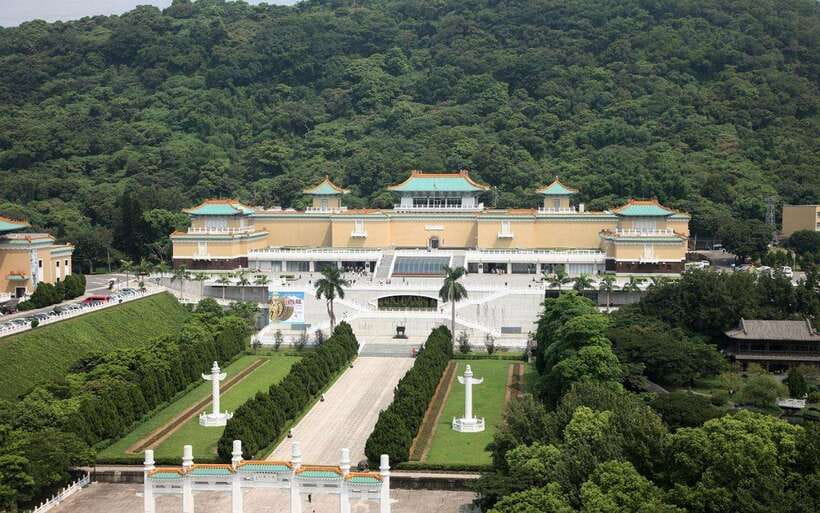
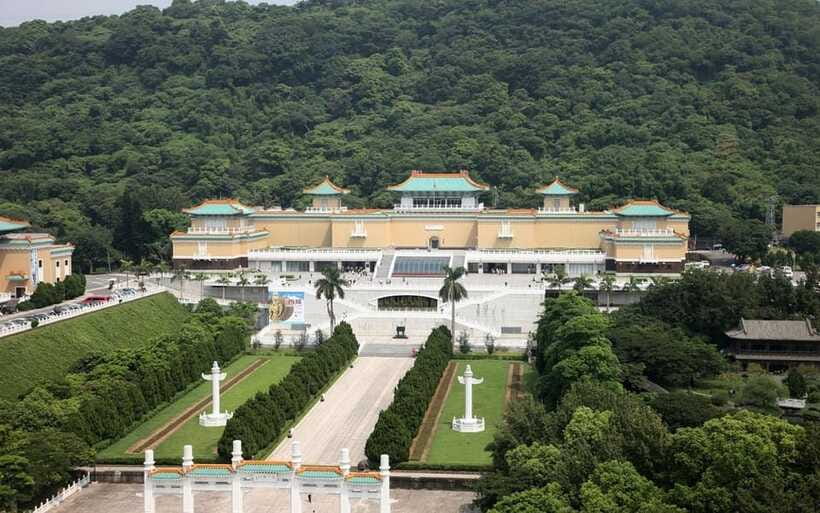
The National Palace Museum is the main event, and it earns that reputation. The museum houses one of the world’s largest collections of Chinese art and artifacts, covering more than 5,000 years. It’s also set on a hillside, so the whole place feels like a destination, not just a stop.
What I like about the way this museum works for most visitors is how the layout can feel overwhelming at first, then gets easier. Yes, there are lots of masterpieces. But the site is built so you can still enjoy a thoughtful route without feeling lost in endless galleries.
Here’s how to get more out of your time: use the audio guide. One reviewer recommendation that really tracks is this—an audio guide helps you focus on key exhibits and understand why they matter. Without it, you might admire objects but miss the story behind them.
And staffing matters too. The National Palace Museum has multilingual staff who are helpful and efficient, so if you need directions or clarification, you’re not stuck guessing.
Jadeite Cabbage, Bronze Ritual Vessels, and Calligraphy Scrolls
If you’re the type who likes highlights, the National Palace delivers. The most famous objects people name are famous for a reason, and you can see major “must-sees” here in a single visit.
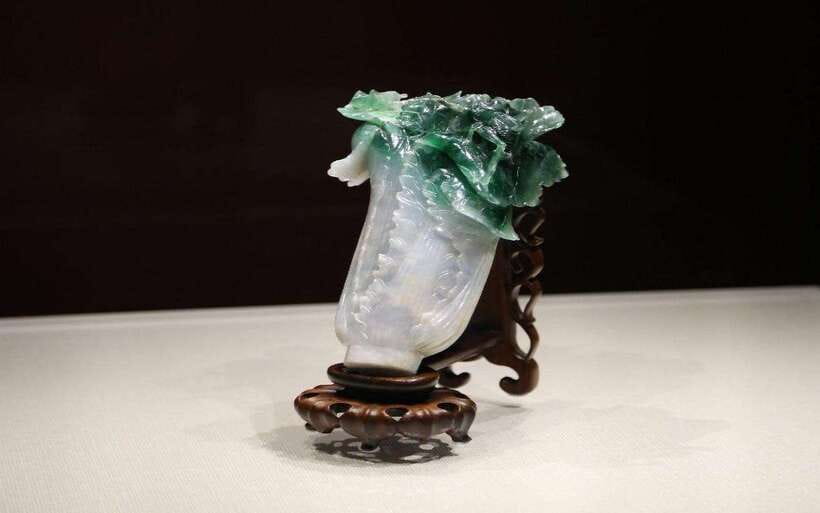
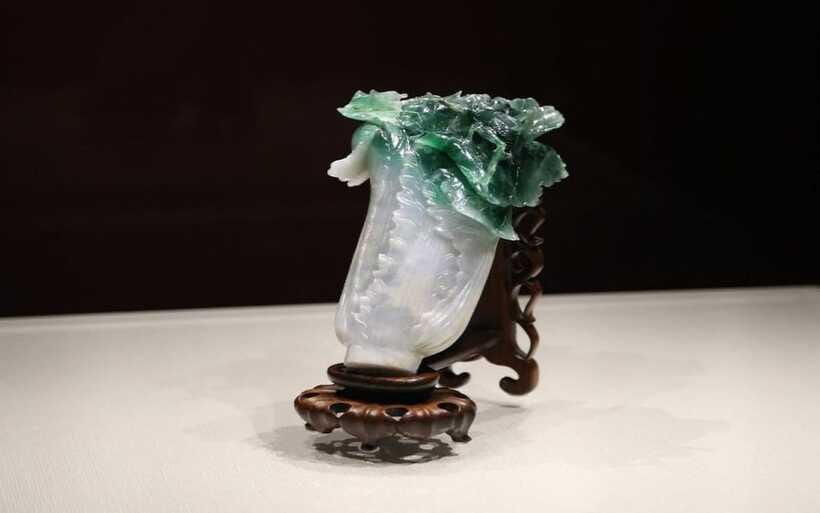
You’ll find the Jadeite Cabbage, known for its astonishing realism and fine detail. You’ll also see the Bronze Ritual Vessels, which connect art to ritual life—these weren’t just made to look pretty, they were part of structured ceremony. And don’t skip the calligraphy scrolls: they show how writing itself became an art form, with style, rhythm, and authority.
A useful way to approach these pieces: slow down and look for technique. At the jade works, notice how light and surface texture make the object feel almost alive. With bronze ritual vessels, pay attention to pattern and form—how shapes relate to function and status. With calligraphy, look for balance and how each line contributes to the overall movement.
This is where having an audio guide helps again. It can turn a “wow, that’s beautiful” moment into “okay, I get what this represents.”
The National Palace Museum’s Layout: How to Avoid Museum Burnout
This museum can be a lot. Not because it’s badly organized, but because the concentration of history and art is huge. You walk in expecting one kind of experience and you end up with a thousand tiny decisions: which hall first, what to pause for, where to cut corners, where to earn your time.
One practical trick is to pick a main route through the highlights and then allow yourself optional detours. If you try to see everything, you’ll spend energy rushing instead of appreciating the objects. If you plan for “most important, then explore,” you’ll feel more satisfied.
Another tip: give yourself momentum. After you’ve seen a few major pieces, your eyes start sorting faster—materials, craftsmanship, and themes begin to click. The museum then becomes easier to navigate emotionally, not just physically.
Also remember the rule: flash photography isn’t allowed inside. That matters for how you experience the galleries. You’ll rely on your own eyes and your phone without flash, which is fine once you accept that this is a slow-looking museum.
Shung Ye Museum: Taiwan’s 14 Tribes Through Everyday Art and Ceremony
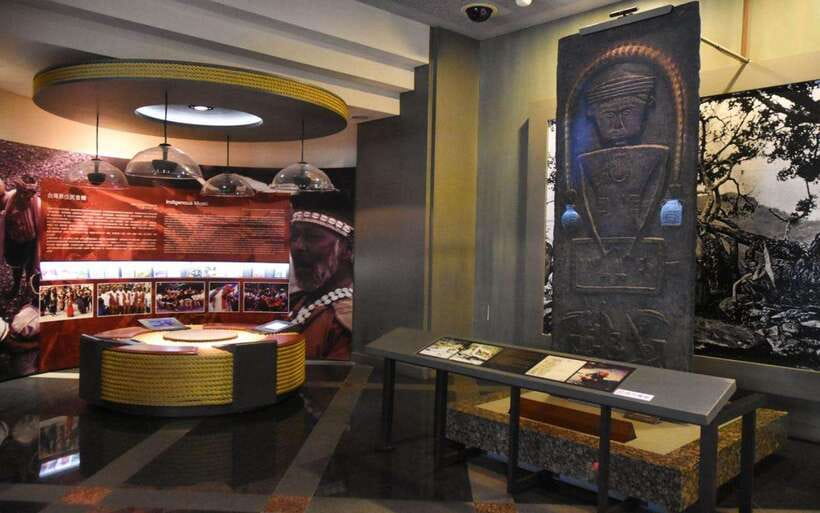
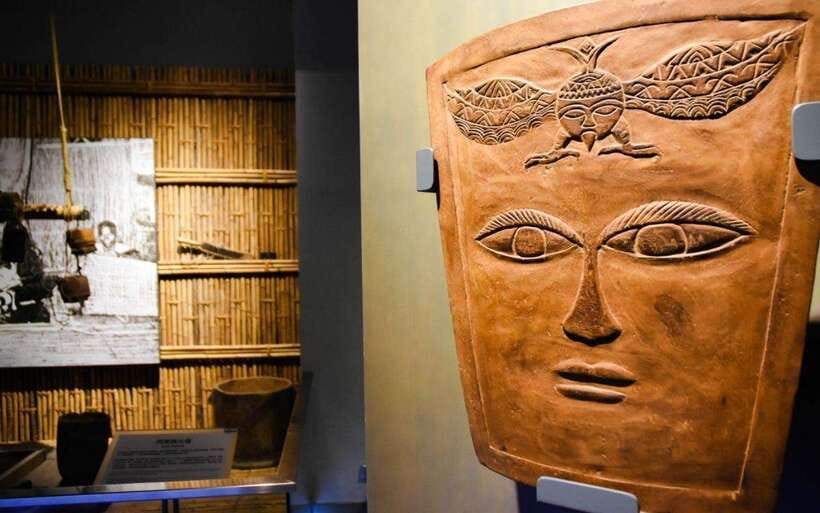
After the National Palace, Shung Ye feels like a thoughtful reset. The Shung Ye Museum of Formosan Aborigines focuses on Taiwan’s recognized indigenous cultures and presents them through artifacts that reflect real life—traditional clothing, hunting tools, and ceremonial items.
The museum also uses multimedia displays to help bring traditions and lifestyles into focus. That’s especially helpful if you’re new to the subject, because it adds context that objects alone can’t always explain.
One thing to calibrate your expectations: Shung Ye is much smaller than the National Palace. That can be a drawback if you want a long museum day, but it can also be a plus. You can move through with clarity, spending time where you feel curiosity instead of being stuck trying to outrun crowding.
In fact, it’s easy to cover Shung Ye in about 30 minutes if you’re moving efficiently and you’re mainly there for the highlights. If you’re more of a reader, slower observer, or someone who likes to re-check details, you’ll naturally spend longer—but the museum won’t drain your whole day on its own.
Multimedia, Artifacts, and the Human Scale of Shung Ye
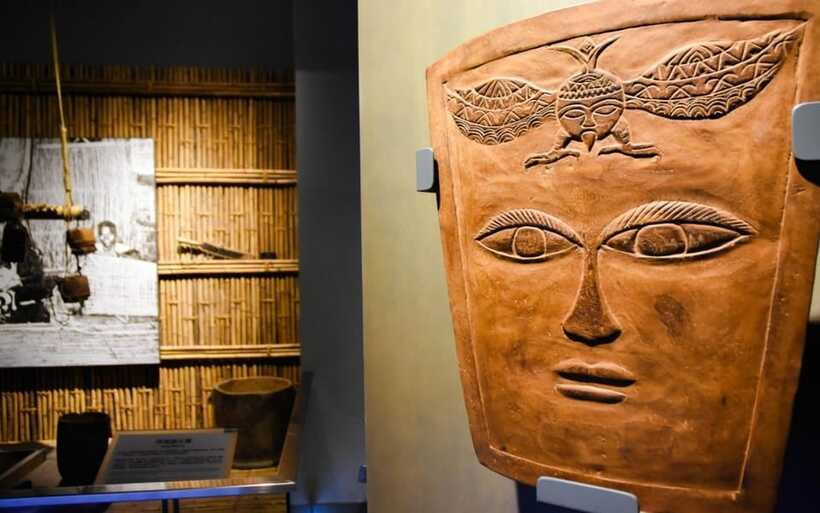
Shung Ye’s power is its focus. Instead of asking you to absorb thousands of years of imperial artifacts, it asks you to pay attention to identity, practice, and continuity. You’ll see materials and objects that show craftsmanship tied to daily needs and community life.
As you move from room to room, look for patterns in how cultures express themselves:
- clothing materials and design
- tools and what they imply about environment and survival
- ceremonial objects and how community values show up in art
Even if you only spend a short time, you’ll probably leave with a different sense of Taiwan—not as a single story, but as layered cultures that persisted and adapted through time.
How These Museums Together Change What You Think About Taiwan
This ticket is more than a convenience bundle. It creates a meaningful contrast.
The National Palace Museum represents a Chinese cultural legacy brought into focus through art objects designed for elite settings and long dynastic traditions. Shung Ye shifts the emphasis to Taiwan’s indigenous cultures—the 14 recognized tribes—and how their histories and cultural expressions are preserved through artifacts, clothing, tools, and storytelling displays.
When you connect the two, you get a clearer picture of why Taiwan’s history feels complicated in a good way. You start seeing Taiwan less like a single museum narrative and more like a place where different identities shaped what the island became.
If you like your travel with meaning but not heavy-handed lessons, this is a strong combo.
Ticket Rules and Entry: Small Details That Prevent Hassle
Before you go, know the basic museum rules so you don’t waste time once you’re inside.
- Flash photography is not allowed in the museums.
- Food and drinks aren’t allowed inside the exhibit areas.
- Wheelchair accessibility is limited, and the experience isn’t suitable for wheelchair users.
For entry, you’ll want to have your ticket ready. The experience notes that you can skip the ticket line, and one practical detail people reported is using a QR code at the entrance for easy entry. It’s a small thing, but it helps you move in without that pause-and-wait feeling.
This is also worth planning as a self-guided visit. There’s no hotel pickup or drop-off, and there’s no included guided tour. You’ll want to handle your own transit to Taipei’s museum area and then enjoy the museums at your pace.
How Long Should You Spend at Each Museum?
Since this is a 1-day ticket, time management is the key to enjoying both without feeling rushed.
A good way to think about it:
- National Palace Museum deserves your main chunk of the day because it’s massive and spans over 5,000 years of material.
- Shung Ye is the shorter follow-up. It can take around 30 minutes if you go for highlights, but you can slow down if you want to read and watch the multimedia.
If you try to do both museums at a sprint pace, you’ll miss the point of the pairing. But if you plan for the National Palace as the anchor and Shung Ye as the focused, human-scale counterpart, you’ll probably feel nicely balanced.
Also keep your energy in mind. The National Palace is the bigger mental workout. Shung Ye is easier to digest, almost like a cultural breather—so you’ll enjoy it more if you don’t start it with exhaustion.
Price and Value: What You’re Actually Paying For
At about $12 per person, the value is mainly in access. You’re paying for two separate museum admissions in a single ticket package, including entry to permanent and special exhibits at both places.
You’re not paying for a guide, transportation, or meals. That’s important. If you’re the kind of traveler who wants someone to handle everything—route, timing, explanations—this might feel too hands-on. But if you like museums and you’re willing to use tools like the audio guide at the National Palace, the price becomes a bargain.
And because you skip the ticket line, you gain time. Time can be more valuable than a few dollars saved, especially in Taipei’s busiest cultural sites.
Who This Ticket Is Best For (and Who Might Skip It)
This ticket is ideal if you want:
- major highlights in one day
- a contrast between imperial Chinese art and Taiwan’s indigenous cultures
- a self-guided museum day where you can set your own pace
- a visit that uses your attention more than a tour guide script
It may be less ideal if:
- you rely on wheelchair access (access is limited and it’s not suitable for wheelchair users)
- you want guided narration (there’s no guided tour included)
- you want a long, multi-hour museum experience at Shung Ye specifically (it’s smaller, and you can cover it quickly if you choose)
Should You Book This Taipei National Palace & Shung Ye Museum Ticket?
I’d book it if your goal is to leave Taipei with a richer sense of culture in just one day. The National Palace Museum gives you world-class Chinese art highlights like the Jadeite Cabbage, Bronze Ritual Vessels, and calligraphy scrolls. Then Shung Ye adds the crucial counterweight—Taiwan’s indigenous cultures through clothing, tools, ceremony, and multimedia.
Book it especially if you’re curious but practical: you’ll like that this is admission-based, not a stressful guided schedule, and you’ll get more mileage by using the audio guide at the National Palace.
Skip or reconsider if mobility access is a concern, or if you know you’ll get bored in a shorter museum like Shung Ye unless it comes with a guide-led pace.
FAQ
What does the ticket include?
It includes admission to both the National Palace Museum and the Shung Ye Museum of Formosan Aborigines, with access to permanent and special exhibits.
How much does it cost?
The price is $12 per person.
How long is the experience valid?
The ticket is valid for 1 day. Starting times depend on availability.
Do I need a guided tour?
No. Guided tours are not included.
Are food and drinks allowed inside?
Food and drinks are not allowed inside the exhibit areas.
Is flash photography allowed?
No. Flash photography is not allowed inside the museums.
Is wheelchair accessibility available?
Wheelchair accessibility is limited, and the experience is not suitable for wheelchair users.
Can I enter quickly without waiting in a long line?
Yes. The ticket allows you to skip the ticket line.
What language options are available?
Languages are listed as available for this experience, and you can use that when booking or checking in.