REVIEW · TOMAR
Tomar: Convent of Christ and Templar Castle Tour Ticket
Book on GetYourGuide →Operated by GetYourGuide Tours & Tickets GmbH · Bookable on GetYourGuide
A day in Tomar feels like a time machine. This ticket takes you through the UNESCO-listed Convent of Christ, from the medieval Templar Castle up to the Renaissance convent spaces and the big engineering punch of the Pegões Aqueduct. I love how the complex mixes architectural styles you can actually spot with your own eyes, and I also like that the visit includes the standout circular Charola temple design. One thing to consider: this is essentially an entry ticket experience, so don’t expect the same depth of narration every time.
If you do care about the story behind the stones, you’re in good shape. Guides like Mark are praised for stitching the details into clear, memorable context, and Anna stands out for explaining complex ideas in a way that stays interesting. Still, one practical caution—some people feel the purchase description doesn’t fully signal that it can feel lighter on guided storytelling than you might assume.
In This Review
- Key Things You’ll Notice on This Ticket
- Tomar’s Convent of Christ: Why This UNESCO Visit Is Worth Your Day
- Entering the Templar Castle: Fortifications You Can Read
- The Charola: A Round Temple That Feels Unusual
- The Renaissance Convent: Manueline Nave and High Choir
- What Makes This Section Special for You
- Five Cloisters in One Day: Matching Style to Mood
- A Practical Tip: Plan for Stopping
- The Chapter Window: A Visual Symbol of Portugal’s Reach
- Pegões Aqueduct: Engineering You Can Feel in Your Feet
- Ending Back in Tomar
- Price and Value: Is a $17 Ticket a Good Deal?
- What to Bring (So You Enjoy the Walk More)
- Who This Ticket Fits Best
- Brief Logistics You Should Know Before You Go
- Should You Book This Tomar Convent of Christ Ticket?
- FAQ
- What does the ticket include?
- How long is the ticket valid?
- Where does the tour start?
- Where does it end?
- Is photography allowed?
- What should I bring?
- Is the experience wheelchair accessible?
- Are meals included?
- Is the ticket refundable?
- What is not allowed during the visit?
Key Things You’ll Notice on This Ticket
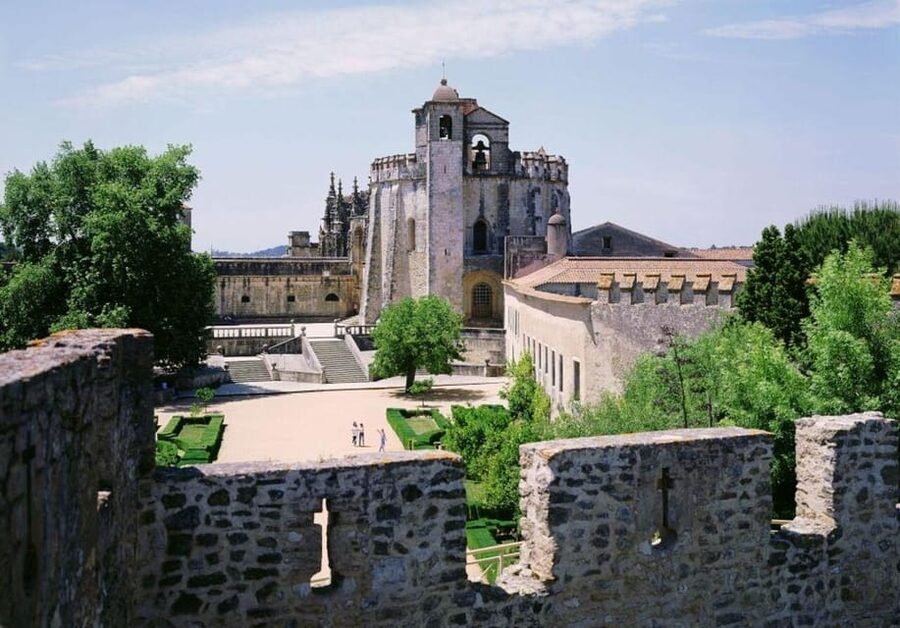
- Charola’s rare round shape: a special temple form inspired by Jerusalem’s Holy Sepulchre theme
- Templar Castle history in walking form: medieval fortifications you can trace with your own steps
- Five cloisters, not just one: you’ll move through different architectural styles within the convent
- Manueline details where you can slow down: including the nave and High Choir areas
- The Chapter Window connection to maritime power: a visual symbol of Portugal’s expansion-era mindset
- Pegões Aqueduct at full scale: Spanish King Filipe-era engineering you can really grasp in person
Tomar’s Convent of Christ: Why This UNESCO Visit Is Worth Your Day
Tomar isn’t trying to be a theme park, and that’s exactly why the Convent of Christ works. This UNESCO site is packed with layers—medieval military power, Renaissance religious ambition, and practical infrastructure engineering—all in one walkable complex. When you see them back-to-back, it’s easier to understand how Portugal’s identity formed over centuries instead of reading it like disconnected chapters.
I like that the ticket gives you a clear sense of progression. You start with the Templar Castle area, then move into the Renaissance convent spaces, and finish with the Pegões Aqueduct. Even if you only spend a bit of time in each stop, you’ll come away with a strong mental map.
Entering the Templar Castle: Fortifications You Can Read
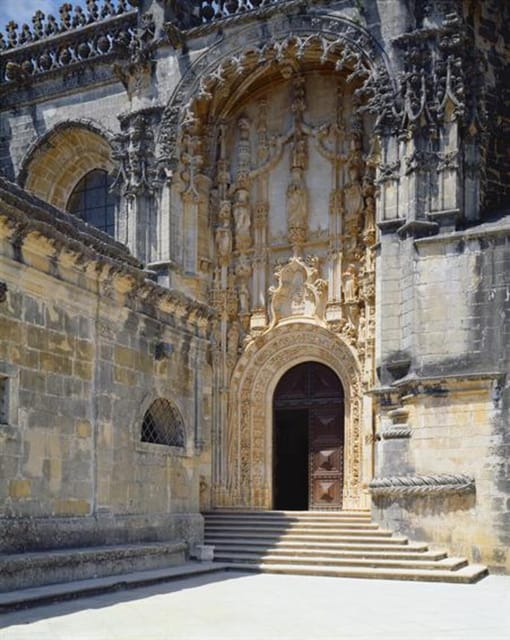
Your visit starts at the main entrance of the Convent of Christ, and the first big payoff is the medieval feel of the Templar Castle. The castle area was founded in 1160, and walking through it makes that date more than trivia. You can get a feel for how defensive architecture shapes movement—how you approach spaces, where views open up, and how the complex signals strength rather than comfort.
The Templar portion also sets up the rest of the visit. It’s not just a separate attraction; it’s the foundation that later religious and architectural chapters grow out of. If you enjoy architecture more than wordy explanations, this first section is a good anchor because you can let the stone do the talking.
The Charola: A Round Temple That Feels Unusual
One of the most distinctive stops here is the Charola, a rare round-shaped temple. The design is inspired by the Jerusalem Holy Sepulchre idea, so you get a sense of the Crusader-era cultural reach without needing a long detour. What matters for you on-site is that the shape is memorable. A round temple isn’t common in everyday sightseeing, so it instantly gives the visit a signature moment.
If you’re the type who likes photos, this is one of your best chances—just remember: flash photography is not allowed. Natural light and patience beat flash anyway. Bring your comfortable shoes, because being able to stand, look around, and take a breather matters more than speed.
The Renaissance Convent: Manueline Nave and High Choir
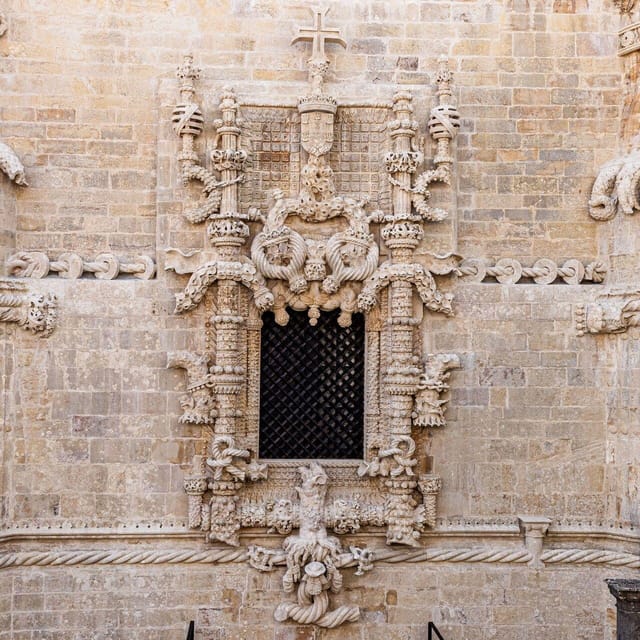
After the castle and its medieval texture, the experience shifts. You’ll step into the Renaissance convent of the Order of Christ, where the mood changes from defensive to ceremonial. This is where you’ll notice the Manueline nave and the High Choir.
Manueline architecture is famous for detail, and in this complex you’ll see it in a way that feels closer to you than a textbook would. Look for how light moves through spaces and how ornament and structure work together. The High Choir area is especially helpful if you like to connect buildings with use—this is a place designed for ritual movement and focus, not just passive viewing.
What Makes This Section Special for You
I think this part is valuable because it teaches you to slow down. When you see the nave and choir areas, you start noticing scale: how big the space is, how far a person would stand, and how sound and attention would be directed. Even without a long lecture, you’ll understand why religious spaces were built with intention.
Five Cloisters in One Day: Matching Style to Mood
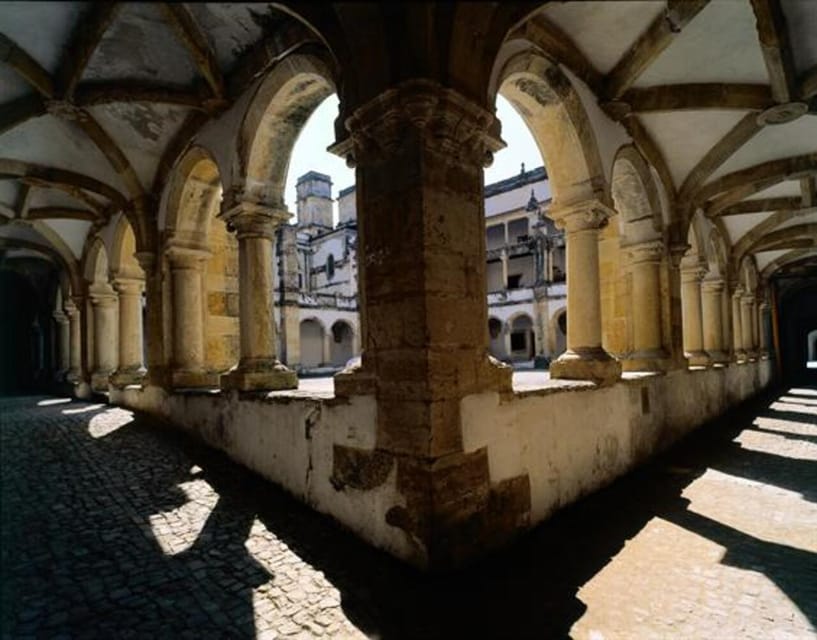
One of the best parts of this ticket is that it doesn’t stop at a single cloister. You’ll be exploring five distinct cloisters within the Renaissance convent, each reflecting different architectural styles—from Gothic to Mannerist.
This is where the visit becomes more than a checklist. Walking from one cloister to the next gives you a visual timeline. You can sense how tastes shift over time: from sharper, more Gothic-feeling proportions to later styles that start to play with form and attitude. It’s not just decorative. It’s also emotional. Cloisters feel different when the style changes, even if you can’t name every feature.
A Practical Tip: Plan for Stopping
Give yourself permission to pause in each cloister. Even short pauses help you compare styles without rushing. If you’re traveling with people who want to see everything quickly, I’d steer them gently toward the cloisters because they’re the section where your patience pays off the most.
The Chapter Window: A Visual Symbol of Portugal’s Reach
As you move through the convent spaces, you’ll encounter the Chapter Window, a detail presented as a symbol of Portugal’s maritime expansion. This is the kind of feature that’s easy to overlook if you’re focused only on big monuments—but it’s exactly the kind of detail that can make the whole complex click.
Maritime expansion is not always obvious in architecture until you know what to look for. The Chapter Window gives you a tangible link between belief, power, and Portugal’s outward-facing ambitions. If you like history that connects to real objects, this is one of your strongest “now I get it” moments.
And if your guide is doing a good job—people specifically praise guides for explaining complex concepts in a clear, interesting way—this is typically the kind of stop where the explanation helps.
Pegões Aqueduct: Engineering You Can Feel in Your Feet
Every UNESCO site has its big star. In this case, the ending is a literal structural flex: the Pegões Aqueduct. It’s a grand engineering work from the period of Spanish King Filipe, and you’ll see it in a way that’s hard to match with photos.
The aqueduct gives you something the rest of the complex doesn’t: scale you can measure. You’ll likely find yourself walking a bit slower here, just to understand the logic of the arches and the straight-line intention behind it. It’s also a nice contrast to religious architecture. Where the convent’s message is spiritual and ceremonial, the aqueduct’s message is practical—getting water where it needs to go.
Ending Back in Tomar
Your visit concludes at a central location in Tomar and ends back at the meeting point. That’s a helpful design for you because you can keep the momentum going—either with casual wandering, a meal later, or connecting to other sights nearby.
Price and Value: Is a $17 Ticket a Good Deal?
At about $17 per person, this ticket sits in a reasonable range for a major UNESCO site. The big reason it feels like value is that you’re not buying one object—you’re buying access to a cluster of experiences that naturally connect: medieval castle spaces, a Renaissance convent with multiple cloisters, the rare Charola, plus the Pegões Aqueduct.
The only way $17 stops being a great deal is if you’re expecting a heavy, fully guided, stop-by-stop lecture the whole time. One drawback that comes up is that the experience can feel more like entry access than a deeply guided tour. If you’re the type who really wants narrative throughout, focus on choosing the right option for your day—or plan to use your phone or any on-site materials to fill in gaps as you go.
What to Bring (So You Enjoy the Walk More)
This is an outdoor-friendly day, so your comfort matters. Bring:
- Comfortable shoes (you’ll be walking through multiple sections)
- Hat and sunscreen (sun hits on outdoor stretches)
- Any essentials you normally carry for a museum-style day
Also note what you won’t be able to do:
- No flash photography
- No alcohol or drugs
- No explosive substances
- No bare feet
I’d treat the no-flash rule as a non-issue; it forces you to work with light, and the architecture usually photographs better with natural conditions anyway.
Who This Ticket Fits Best
This ticket is a strong match if you:
- Like architecture you can compare—Gothic to Mannerist in one sweep
- Want a UNESCO visit that isn’t only about one building
- Enjoy history when it’s tied to real spaces, especially the castle-to-convent-to-aqueduct progression
- Prefer a manageable plan that still includes multiple highlights
It’s also a decent choice for independent travelers who want structure without feeling locked into a long, rigid schedule. If you’re traveling with family, the mix of spaces helps keep the day from feeling monotonous—though you may need to guide attention toward the cloisters and Charola to make it land.
Brief Logistics You Should Know Before You Go
Start at the main entrance of the Convent of Christ and arrive 15 minutes early for check-in. The ticket is valid for 1 day, and starting times depend on availability, so check the schedule before you finalize your plan.
If you’re sensitive to walking distances, wear shoes you trust for long museum days. And if you need step-free access, the experience is listed as wheelchair accessible.
Should You Book This Tomar Convent of Christ Ticket?
I’d book it if you want one day that covers medieval fortifications, Renaissance religious spaces, a standout round temple, and a major aqueduct—without switching towns or stacking multiple long transfers. The $17 value makes sense because the ticket gets you into a full complex with several “wow” moments, especially the Charola, the five cloisters, and the Pegões Aqueduct.
Skip the booking (or adjust your expectations) if you’re specifically chasing a heavy guided narrative where every stop feels explained in depth. This can feel more like access to a major monument complex than a nonstop commentary tour.
If you like to understand a place at your pace—then return to your questions later—you’ll likely find this ticket a smart, satisfying way to experience Tomar’s most important site.
FAQ
What does the ticket include?
The ticket includes entry to the Convent of Christ.
How long is the ticket valid?
It is valid for 1 day. You should check availability to see starting times.
Where does the tour start?
It starts at the main entrance of the Convent of Christ.
Where does it end?
It ends back at the meeting point.
Is photography allowed?
Yes, photography is allowed, but flash photography is not allowed.
What should I bring?
Bring comfortable shoes, a hat, and sunscreen.
Is the experience wheelchair accessible?
Yes, it is listed as wheelchair accessible.
Are meals included?
No, meals and beverages are not included.
Is the ticket refundable?
The activity is listed as non-refundable.
What is not allowed during the visit?
Flash photography, alcohol and drugs, explosive substances, and bare feet are not allowed.