REVIEW · VENICE
Venice Museum Pass & Doge’s Palace Entrance Ticket
Book on GetYourGuide →Operated by Bucintoro Viaggi · Bookable on GetYourGuide
Venice can feel like a maze built out of canals. This pass helps you walk straight into the big sights instead of queuing forever. I like the Doge’s Palace visit paired with the Correr Museum area, and I like that it lasts 180 days once you exchange your voucher in Venice. The main drawback: you still go through security and Doge’s Palace may have add-on costs once you’re inside, so don’t assume everything is automatically included.
This is essentially a one-ticket way to roam Venice’s San Marco Civic Museums at your own pace. You’ll get access to the Doge’s Palace plus 11 other civic museums (depending on the option you choose), and you can spread visits across months instead of cramming them into one stressful day.
In This Review
- Key things to know before you go
- What this Venice Museum Pass really includes at San Marco
- Entering Doge’s Palace without losing half your day
- Correr Museum and the San Marco Civic Museums circuit
- Beyond the palace: Natural History, National Archaeological Museum, and more
- Glass Museum and Lace Museum: when Venice turns craft-forward
- The Chorus Pass for 16 churches: useful bonus or wasted time
- Price and value: does a $41 pass make sense?
- Exchange points in Venice: where to pick up your pass
- Timing strategy over 180 days: how to actually use the pass well
- How this compares to a guided museum day
- Should you book this Venice Museum Pass for Doge’s Palace?
- FAQ
- How long is the Venice Museum Pass valid?
- Where do I exchange my voucher for the official pass?
- Does the pass include Doge’s Palace and Correr Museum?
- Will I skip lines?
- What is included with the Chorus Pass?
- Is the bell tower included in the ticket?
Key things to know before you go
- Six months to use it: Your 180-day clock starts when you exchange your voucher for the official pass in Venice.
- Skip the main lines, not security: You’ll likely skip lineups for non reserved tickets, but security checks are still required.
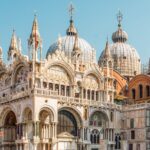
- Doge’s Palace + Correr Museum area: The ticket is built around the St. Mark’s Square museum zone, so it’s efficient on foot.
- Murano glass and lace are part of the mix: If you want more than paintings, look for the Glass Museum and Lace Museum entries.
- Chorus Pass is a bonus, not the core: Some people find it useful, others say it’s not worth the time.
What this Venice Museum Pass really includes at San Marco
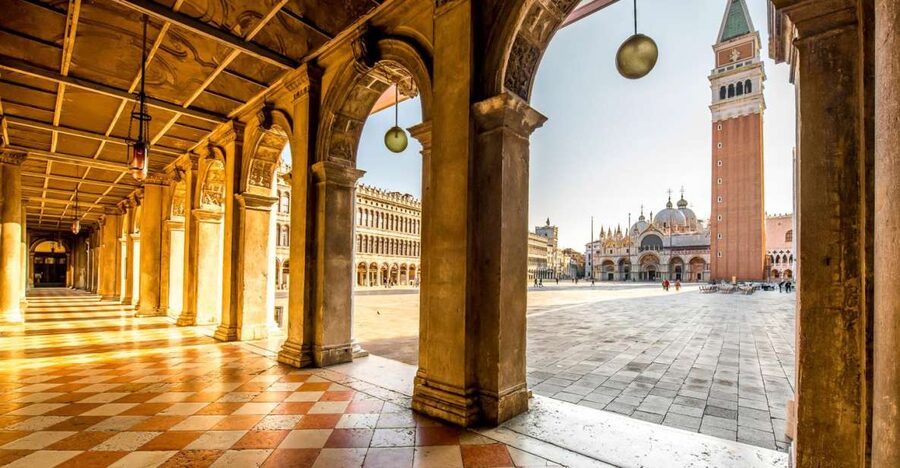
Think of this pass as a time-saver for the St. Mark’s Square museum cluster. The core prize is Doge’s Palace, plus access to the Correr Museum and the surrounding San Marco civic museum network. Instead of buying separate tickets for each museum, you get one pass and a ticket-valid window that’s long enough to match real-life Venice pacing.
On the art and culture side, you can expect major civic collections across several venues in the area. The pass also explicitly points to specific museum stops you can target: the San Marco Civic Museums (including Doge’s Palace and Correr), the National Archaeological Museum, and the Biblioteca Marciana. If you prefer variety to a single themed museum, this setup makes that easier.
And it’s not just big halls. One of the most praised parts in the feedback is that you can bounce between different kinds of collections. People call out the Natural History museum as a favorite, which is a nice reminder that this pass can work even if your group has mixed interests. If someone wants art, you can do art. If someone wants artifacts and collections, you can do that too.
The key tradeoff is that Venice museum access always depends on what’s open and how busy it is that day. This pass helps with entry, but it doesn’t guarantee you’ll see every single room in every location every time.
You can also read our reviews of more tours and experiences in Venice.



Entering Doge’s Palace without losing half your day
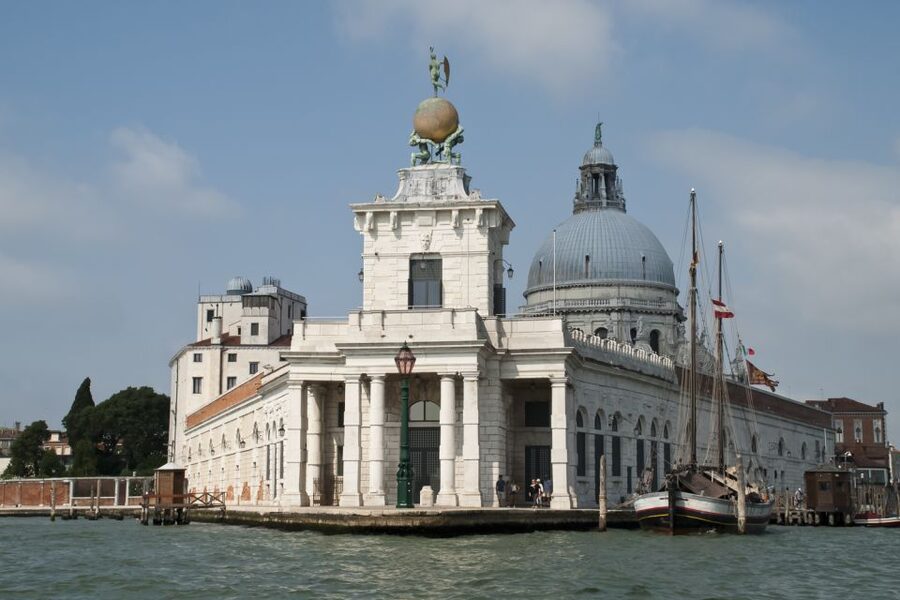
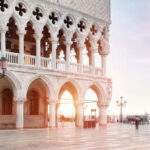
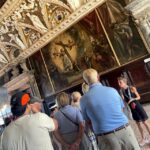
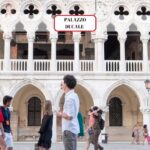
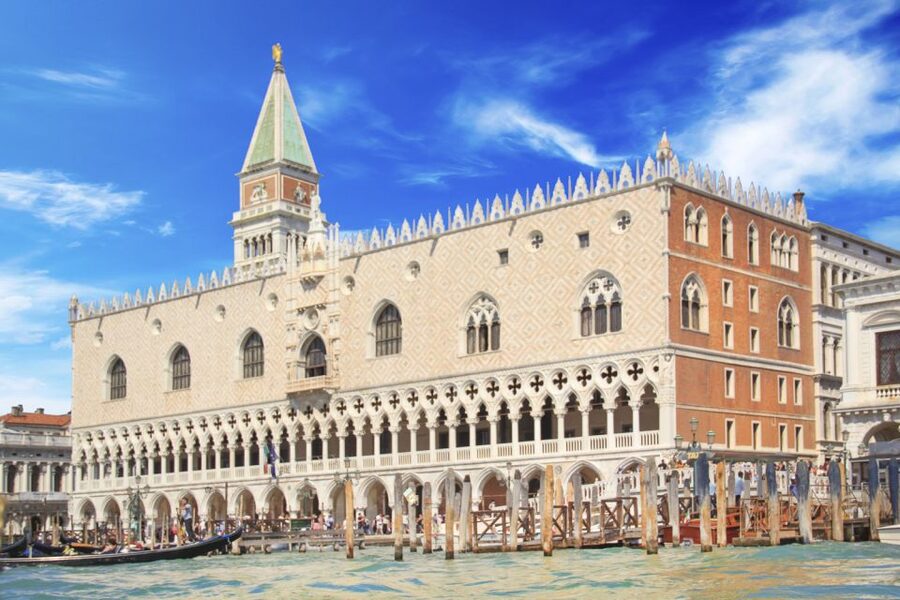
Doge’s Palace is the big headline for a reason. Even when it’s not your usual museum style, it’s hard not to feel something walking through a palace tied to Venice’s government and ceremonial life. The pass is built to get you into the Doge’s Palace and lets you move on to the adjacent museum circuit quickly.
The practical point: you might experience lines for entry at Doge’s Palace and the Correr Museum due to security checks. That’s not a dealbreaker, but it’s also not “zero waiting.” The good news is that the pass is designed to skip the line for non reserved tickets, so you’re usually not stuck in the same long ticket-buying queue as everyone else. Once you’re cleared, you can settle into the palace at your own pace.
One review adds an important inside-the-building reality check: after getting in, some visitors were hit with additional charges for things that can feel like they should be included, such as an audio guide and Doge’s personal apartments. So I’d plan your budget with this in mind. Treat the palace as the main event, and treat extra experiences as optional.
Also, don’t rely on an all-day plan that assumes perfect quiet. Another tip from feedback: if you plan to use an audio guide device, the palace environment can be noisy, and some people didn’t enjoy the audio setup. If you hate distractions, consider going in with a simpler strategy: read key labels as you go and save deeper context for a short pre-read the night before.
Correr Museum and the San Marco Civic Museums circuit
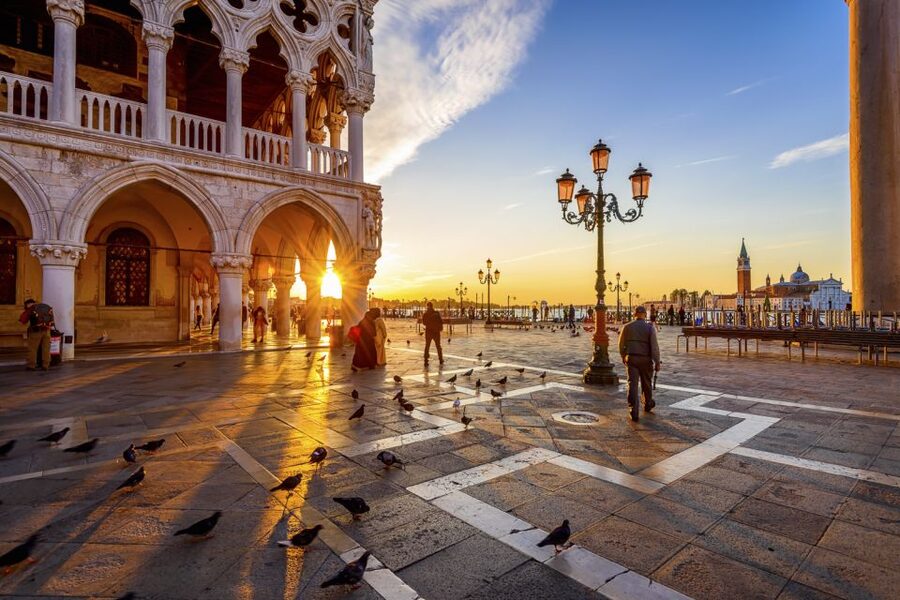
The Correr Museum is a strong partner to Doge’s Palace because it broadens the story from power and ceremony into art, civic identity, and everyday Venice. With the pass, you can link these spaces logically instead of treating them as separate ticket obligations.
What I like about this pairing is the pacing logic. You can start in a dramatic, high-impact setting (Doge’s Palace), then switch to a more museum-like flow (Correr). If you’re the type who gets museum-fatigue, this is a good way to break it up. You also get the flexibility to spend 20 minutes somewhere that interests you less, then give yourself an extra 40 minutes where you’re actually leaning in.
The pass also explicitly mentions other San Marco Civic Museums components beyond Doge’s Palace and Correr. That matters because your day can follow your attention. If you’re drawn to history and objects, you can keep moving through the civic collections. If you’re more art-focused, you can concentrate on venues that align better with that mood.
And yes, you’ll still do security checks. But once inside the cluster, the pass makes it realistic to bounce between venues in one area without burning time on ticket desks again and again.
Beyond the palace: Natural History, National Archaeological Museum, and more
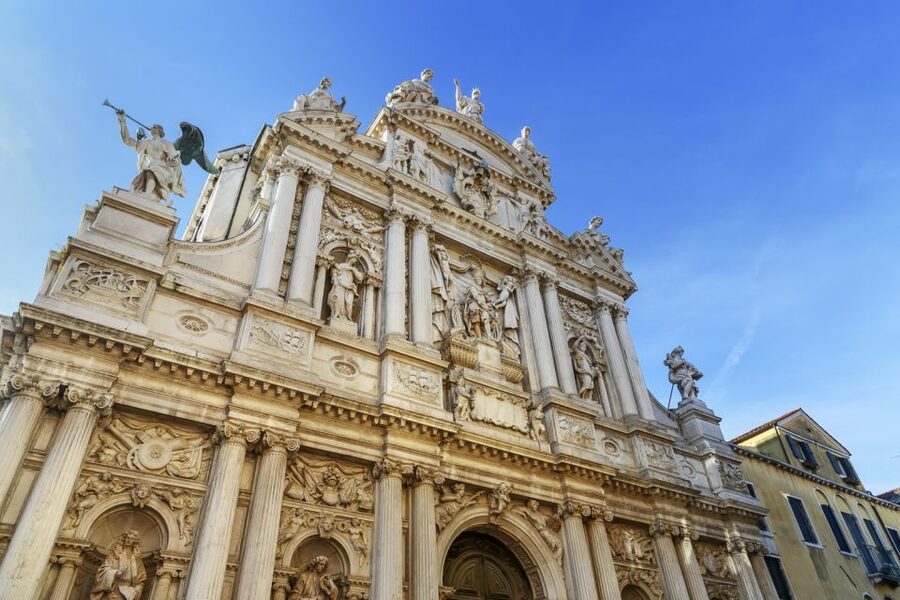
One of the clearest “value signals” from the feedback is variety. People weren’t just satisfied with the flagship sites; they found surprises, especially the Natural History museum, which came up as someone’s top pick. That tells me this pass can work even if you’re not a hardcore Venice art-history person.
Here are the types of additional stops the pass is designed to cover:
- The National Archaeological Museum, for artifacts and the long view of Mediterranean civilizations.
- The Biblioteca Marciana, if you want a cultural stop that feels more scholarly than spectacle.
- Glass Museum and lace related collections, especially if you want Venice at its craft level rather than its official-history level.
Murano glass gets a specific mention, and lace work gets called out too. That’s a big deal because these are Venice’s craft traditions made visible. If you like seeing how a city makes things (not just how it governs or decorates), these stops can be the most memorable parts of the day.
One small note on expectations: a few people found the museums at smaller venues. That can be a positive if you dislike crowd-drenched mega-museums. It can also feel underwhelming if you expected “one ticket, one huge museum.” If you manage your expectations, you’ll likely enjoy the mix.
Glass Museum and Lace Museum: when Venice turns craft-forward
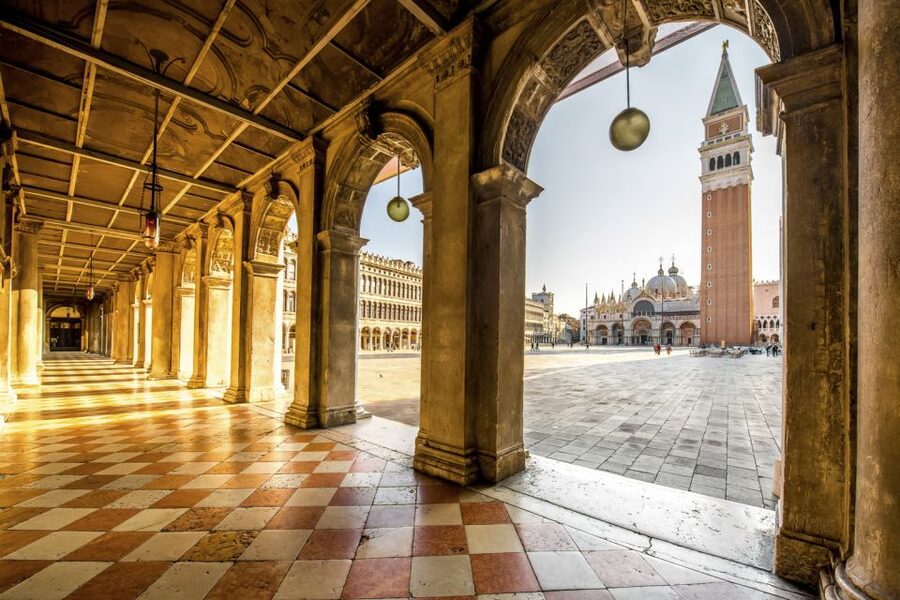
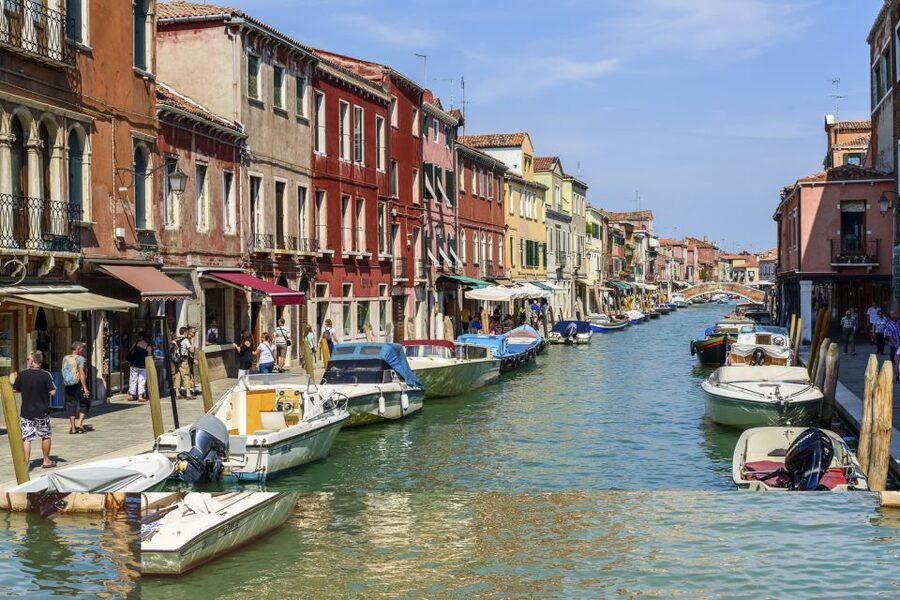
Venice isn’t only paintings on walls. It’s also trades, techniques, and materials that developed for centuries in a city built on water transport and specialty workshops. The pass includes entries tied to Murano glass and lace work, which is why it can be more interesting than a purely art-focused ticket.
If the Glass Museum is on your list, plan your logistics for travel time between venues. The information you’re given doesn’t list exact island logistics for each museum, but it does connect Murano glass to the experience. In practice, that often means using public transport like the vaporetto, and that can add time to your museum schedule—especially if it’s crowded.
Still, I like that the pass doesn’t force you into only one type of visit. On a day when Doge’s Palace feels intense, these craft-linked stops can reset your brain. You’re shifting from politics and symbolism to hands-on production and design.




The Chorus Pass for 16 churches: useful bonus or wasted time
The pass bundle includes a Chorus Pass for 16 churches in Venice. On paper, that sounds like a great add-on—more culture, more variety, more time in beautiful interiors.
In reality, feedback is mixed. One visitor felt the Chorus Pass was unnecessary, and another reported being turned down at churches they tried to access, even though it was advertised. That doesn’t mean all churches won’t work for you, but it does suggest you should treat the Chorus Pass as flexible rather than guaranteed.
My advice: build your church plan as optional. Put your main energy into the civic museums circuit (Doge’s Palace, Correr, and the other museum entries). If churches are easy to access on your dates, great. If they’re not, you won’t feel like your day collapsed.
Price and value: does a $41 pass make sense?
At around $41 per person, the value depends on how you use the time window. The 180-day validity is the key part of the math. If you’re staying long enough to naturally spread visits, you can squeeze more value out of one purchase and avoid separate ticket buys later in your trip.
Here’s the value logic I use:
- If you’re going to do Doge’s Palace and at least a couple of additional museums, you’re already leaning into the pass’s strengths.
- If your trip is short and you only have time for one museum day, the pass may still be convenient, but you’ll feel more “comparison pressure” against buying fewer tickets.
- If your group has mixed tastes, the pass helps because it’s not a single-venue experience. People in the feedback highlight how easy it was to see multiple museums with one pass.
The tradeoff is you might still pay for add-ons once you’re inside. One review specifically mentioned extra charges for the audio guide and Doge’s personal apartments. If you were counting on those to be included, you’ll want to adjust your expectations.
Also, one review notes the bell tower wasn’t included. So if you’re planning a whole St. Mark’s Square package, keep in mind that you might need a separate ticket for certain elements.
Exchange points in Venice: where to pick up your pass
Your voucher gets exchanged for the official Venice Museum Pass at specific ticket offices in Venice. The exact office you use matters because each place has a different opening window.
You can exchange at:
- Marco Polo Airport boat departure pier (open 7:45 AM–12:00 PM)
- Alilaguna Ticket Office in front of Giardinetti Reali in San Marco (open 9:00 AM–5:00 PM)
- Alilaguna Ticket Office at the railway station (open 8:30 AM–2:20 PM)
- Tronchetto InterParking (open 8:00 AM–6:00 PM)
I like having multiple exchange options because Venice travelers often arrive at different entry points: airport first, train first, or dock transfers. If you don’t want to waste time, pick the exchange location that matches how you’re moving through the city anyway.
One more “learned the hard way” note from feedback: a visitor had trouble locating local partners and ended up checking multiple addresses before getting the pass. That’s not something you can predict, but it’s a reminder to give yourself a little buffer the first time you try to exchange.
Timing strategy over 180 days: how to actually use the pass well
You’re not limited to one week. You’re not limited to one day. The pass is designed for a 6-month window from exchange, which is basically the dream for real travel: you can choose museum days when the weather is wrong, when the crowds peak less, or when you wake up feeling like history.
A smart way to use it is to create a “core day” and “bonus days.”
- Core day: Doge’s Palace + Correr Museum (and maybe one more in the cluster).
- Bonus day: one of the craft-linked museum entries (Glass Museum / Lace museum type stops) plus whichever museum fits your mood that day.
This reduces stress. You won’t feel forced to cram every location because you know you can come back. It also helps you avoid the all-at-once disappointment some people feel when they compare a palace ticket against other major European museums they love more.
If you’re sensitive to crowds, plan the palace visits earlier in the day when possible. The pass can help with queueing, but the palace security checks still exist, and Venice can get thick.
How this compares to a guided museum day
This pass is self-guided. That means you control pacing, but you don’t get a structured explanation unless you add it yourself.
One review complained that they didn’t get a guide and felt they would have gotten more out of it with professional help. Another said an audio guide wasn’t a great match for the environment and the equipment felt uncomfortable. So I’d be honest with you: if you want someone to connect the dots for you, you might want a separate guide option specifically for Doge’s Palace.
If you’re fine reading labels and letting the palace do the talking, you’ll probably love the freedom. The pass is strongest when you treat it like a menu, not like a checklist you must finish.
Should you book this Venice Museum Pass for Doge’s Palace?
Book it if:
- You want Doge’s Palace plus multiple civic museums without buying separate tickets each time.
- Your trip includes enough time to use the pass across different days, not just one rushed afternoon.
- Your group has mixed interests, and you like the idea of jumping from civic art to archaeological or even Natural History collections.
Skip it or think twice if:
- You only plan to do one museum and nothing else. The long validity won’t help you.
- You expect everything inside Doge’s Palace to be fully included with no add-ons. Some items may cost extra.
- You’re counting on the Chorus Pass to reliably open church doors for a strict itinerary, since experiences are mixed and some people reported being turned away.
If you’re the type who likes to wander St. Mark’s Square area and make Venice days happen on your schedule, this pass is a practical way to do it. It doesn’t remove the need for security checks, but it does help you keep momentum, and that is half the battle in Venice.
FAQ
How long is the Venice Museum Pass valid?
The pass is valid for 180 days starting from the moment you exchange your voucher in Venice for the official pass.
Where do I exchange my voucher for the official pass?
You can exchange it at one of these ticket offices: Marco Polo Airport boat departure pier, Alilaguna Ticket Office in front of Giardinetti Reali in San Marco, Alilaguna Ticket Office at the railway station, or Tronchetto InterParking.
Does the pass include Doge’s Palace and Correr Museum?
Yes. The pass is described as granting access to Doge’s Palace and Correr Museum, along with other civic museums depending on the option selected.
Will I skip lines?
The information says you may skip the line for non reserved tickets, but security checks are mandatory.
What is included with the Chorus Pass?
The bundle includes a Chorus Pass for 16 churches in Venice.
Is the bell tower included in the ticket?
One review notes that the bell tower is not included with the ticket.