REVIEW · HISTORIC CENTER OF VIENNA
Vienna: Mozart & Strauss Classical Concert at Börse Palace
Book on GetYourGuide →Operated by Wiener Residenzorchester · Bookable on GetYourGuide
Vienna can feel like a lot at once, so I love how this concert gives you a clean hit of Mozart and Strauss in just 90 minutes. You get an internationally praised Vienna Residence Orchestra performance in the Old Stock Exchange Palace setting, plus live opera singers and ballet moments that keep the evening moving. One thing to plan for: the experience is close, and some seats can feel tight or have slightly limited views of staging.
The show runs nightly at 6:30 PM and 8:30 PM, so you can pair it easily with dinner and an evening stroll. The program rotates by season and by the vocal soloist, but you should expect Viennese Classicism plus crowd-pleasers like waltzes and overtures. Also note: on certain dates the performance is held in a different venue, so check your ticket carefully before you leave your hotel.
In This Review
- Key highlights at a glance
- Vienna’s Mozart and Strauss concert: the smart shortcut
- Inside the Old Stock Exchange Palace: what the venue does to the sound
- What the program usually sounds like: Mozart, Strauss, and friends
- The Vienna Residence Orchestra and Sylvia Moser: elegant playing, clear solo moments
- Opera singers and ballet: why this isn’t just a plain concert
- Timing that actually works: two start times and a real mid-show break
- Seats, coats, and the practical stuff that can affect your night
- Price and value: what $55 buys you in Vienna
- Who should book, and who should think twice
- Final call: should you book this Mozart and Strauss concert?
- FAQ
- FAQ
- How long is the concert?
- What time do the concerts run?
- Where is the concert usually held?
- On which dates does the venue change?
- What is included with the ticket price?
- Is a printed program included?
- Is there a cloakroom?
- Does the concert include more than music?
- Which composers are featured in the program?
- Is cancellation free?
Key highlights at a glance
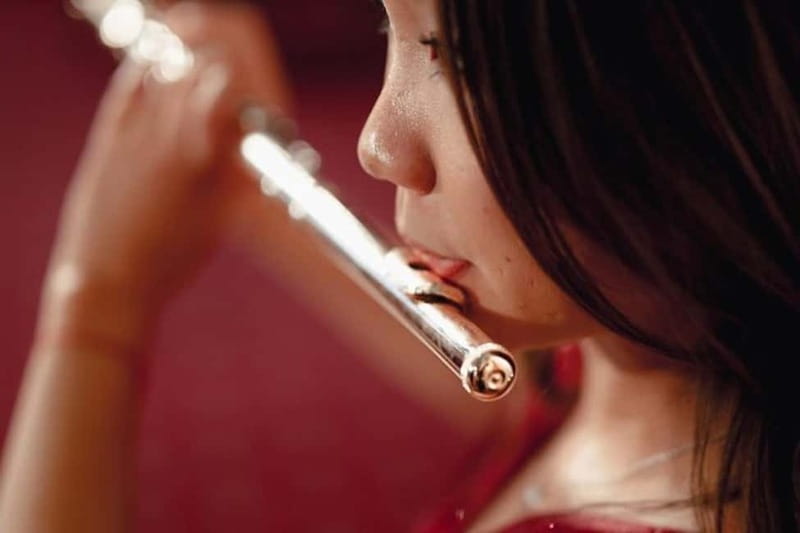
- Old Stock Exchange Palace setting: a historic room that makes small orchestral sounds feel present
- Vienna Residence Orchestra under Sylvia Moser: elegant, expressive Viennese classic music
- Opera + ballet, not just music: staged moments that change the feel of a standard concert
- Most nights at 6:30 PM or 8:30 PM: two start times makes planning simpler
- Program includes familiar composers: Mozart, Strauss, Haydn, Beethoven, plus seasonal Vivaldi
Vienna’s Mozart and Strauss concert: the smart shortcut
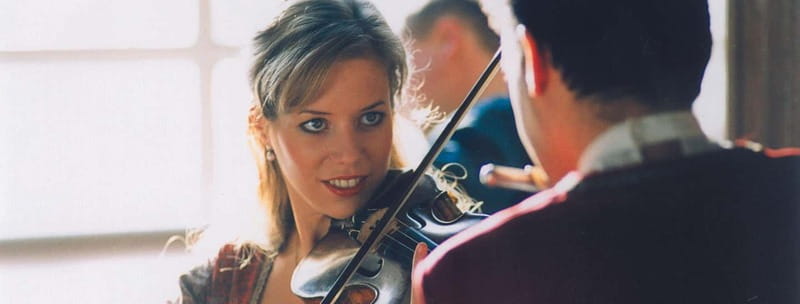
If you’re short on time in Vienna, a full-day plan can turn into a blur. This concert is a focused way to experience the sound people come to Vienna for, without needing to understand every reference in advance. In the space of an hour and a half, you get a mix of classical favorites and light, theatrical touches.
I like that it doesn’t treat you like a beginner, but it also doesn’t make you work too hard. The pieces are built around what most people recognize: Mozart melodies and Strauss waltz energy, with extra variety from composers like Haydn, Beethoven, and Lehár. It’s a great choice if you want classical music with a little showmanship, not just a formal sit-and-stare concert.
The one consideration: this is a performance evening, so you should expect the mood to be lively. If you’re extremely sensitive to audience movement, kids being present, or occasional distractions, choose your seat carefully and aim to arrive ready to settle in.
Inside the Old Stock Exchange Palace: what the venue does to the sound
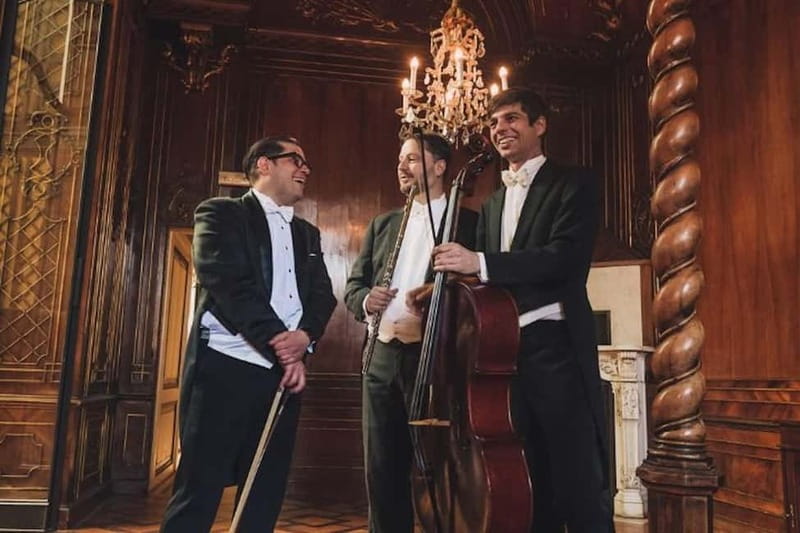
The main draw here is the setting. The concert takes place in the Old Stock Exchange Palace, a historic venue where the orchestra’s balance can feel intimate and close to your ears. People often comment on the acoustics and the way the room helps you hear both instruments and voices clearly.
This kind of hall matters more than you’d think. In a small to mid-sized room, you don’t have to strain for detail, and you’re more likely to catch the character of a soloist’s line—strings phrased cleanly, wind lines coming through, and the rhythm of waltzes landing with confidence. Even if your seat isn’t the front row, the design of the space keeps the overall experience musical rather than distant.
Do plan around finding the venue entrance. One practical tip from past attendees: the entrance can be easy to miss, with access described as being at the back of the building. Give yourself a few extra minutes before the start time so you’re not arriving late and rushing.
What the program usually sounds like: Mozart, Strauss, and friends
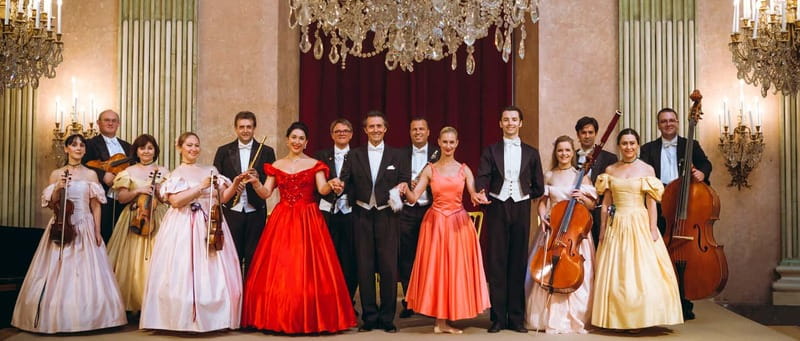
Your program won’t be identical every night. It can change seasonally and depending on the vocal soloist, but the provided sample repertoire gives you a strong idea of the mix.
Here are pieces specifically named in the program excerpt:
- Antonio Vivaldi: a movement from The Four Seasons (varies by season)
- W.A. Mozart: A Little Night Music; Le Nozze di Figaro Overture; Papageno–Papagena from The Magic Flute
- Ludwig van Beethoven: Romance in F major
- Johann Strauss: Viennese Blood Waltz; Danube Waltz
- Franz Lehár: Ball Sirens from The Merry Widow
- Joseph Haydn: Serenade op.3, No.5 Andante cantabile
…and more
That lineup is deliberate. Mozart and Strauss carry the Viennese identity most people want, and Haydn plus Beethoven give the evening a grounding in Classical-era beauty rather than only “party music.” Vivaldi’s Four Seasons piece also makes the concert feel seasonal and time-specific, which helps it feel less like a generic greatest-hits set.
If you care about hearing variety, this program format is a good fit. You’ll hear pure orchestral moments, plus vocal highlights, and then the evening shifts into ballet-linked interludes so the pacing doesn’t drag.
The Vienna Residence Orchestra and Sylvia Moser: elegant playing, clear solo moments
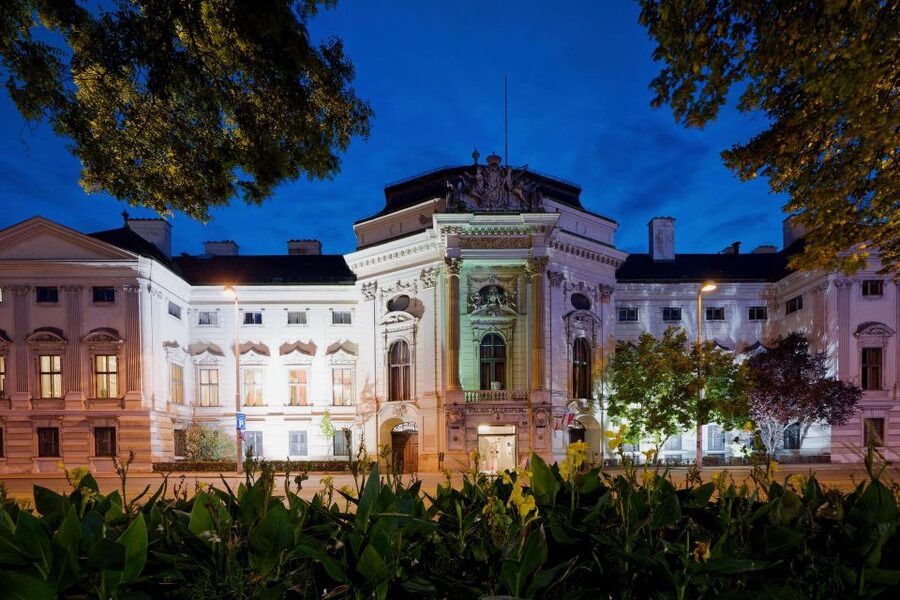
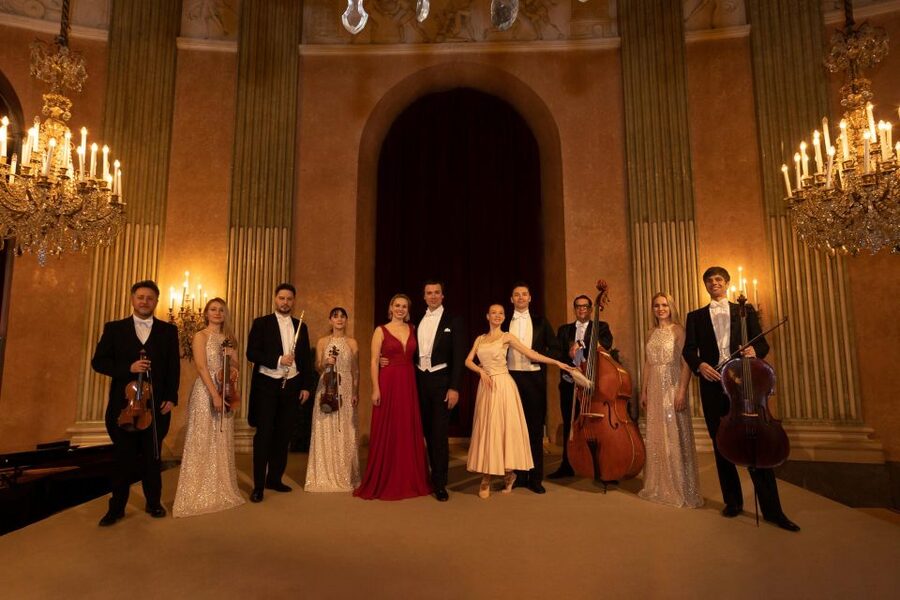
The Vienna Residence Orchestra (Wiener Residenzorchester) is presented as a professional ensemble with an elegant, expressive approach to Viennese classical music. Under artistic direction of Sylvia Moser, the performances aim for refinement rather than volume for its own sake.
What I take from that for your planning: you’re not just attending a list of famous pieces. You’re coming for interpretive detail—how phrases are shaped, how transitions between sections are handled, and how the orchestra supports soloists and singers without overpowering them.
Many past attendees praised the musicianship, with particular enthusiasm for individual performers like cello and lead violin moments. That’s a big deal in smaller ensembles, because you can hear who’s driving the musical story rather than getting swallowed by a large orchestra.
There’s also something reassuring about a 90-minute concert with a tightly built cast: it keeps the pacing brisk and helps the musicians stay sharp throughout.
Opera singers and ballet: why this isn’t just a plain concert
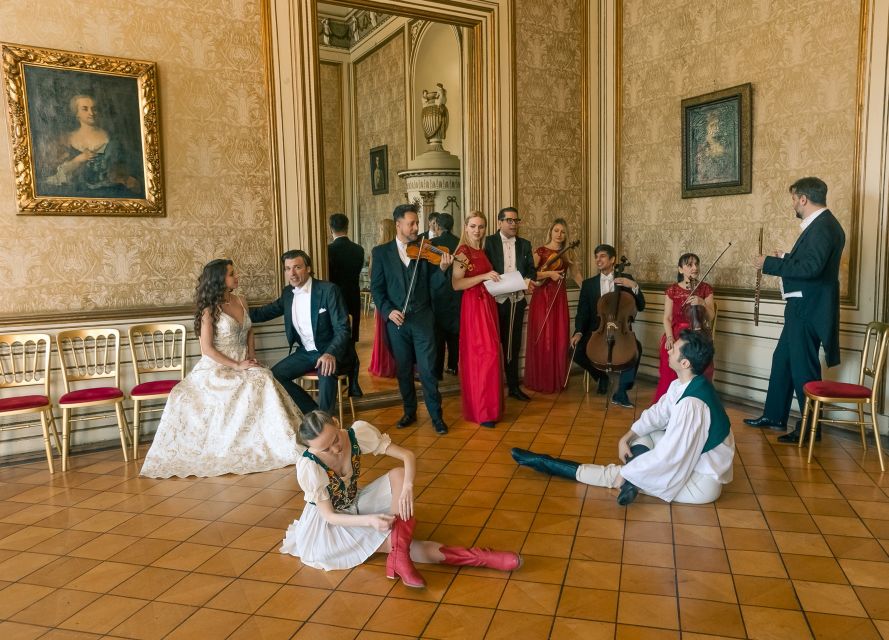
A standard classical concert can be pure listening. This one adds live opera singing and classical ballet into the evening, with live music driving the performance.
That blend is where the show becomes more than background. The opera singers add vocal texture and theatrical framing, and the dancers bring physical phrasing that works well with the rhythm of waltzes and the lift of orchestral melodies. Several people described the ballet and dance elements as entertaining and skillful, not tacked-on.
There’s also an element of light audience participation mentioned by some attendees. That doesn’t turn it into a chaotic event, but it does mean the performance tends to feel friendly and watchable, especially if you’re bringing someone who doesn’t usually attend classical concerts.
If your goal is to hear Mozart and Strauss only, the vocal and dance pieces might be a change from what you expected. But if your goal is a fun Vienna night that still sounds high-quality, this format delivers.
Timing that actually works: two start times and a real mid-show break
The concert runs daily at 6:30 PM and 8:30 PM. That’s helpful because Vienna evenings often get booked solid, and having two options lets you match the show to your dinner plan.
Duration is listed as 90 minutes. Several people described a break in the flow, around 15 to 20 minutes, which is a practical feature if you’re pairing this with a busy day. It also helps explain why the evening can include multiple performance types—music, singing, and ballet—without feeling rushed.
My advice: show up early enough to get oriented calmly. One small hiccup that comes up is coat handling and venue flow—some people found the logistics of jackets and entry less straightforward than expected. If you arrive early, you absorb all that without stress.
Seats, coats, and the practical stuff that can affect your night
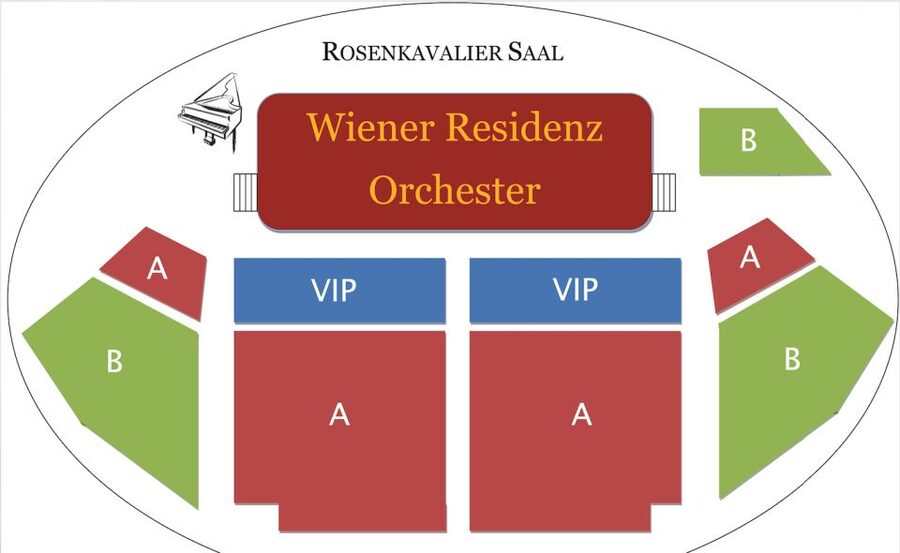
This event includes your ticket for a selected seating category. What it doesn’t include: a printed program, and there’s no listed cloakroom. If you like to follow along with text and translations or want a program in hand, plan to use your phone for a quick look-up instead of expecting paper.
Past attendees also brought up a few on-the-ground details worth knowing:
- Some described tight seating layouts and the possibility of limited sightlines for ballet staging
- People noted that the venue is relatively small, which is great for intimacy but can make comfort a bit seat-dependent
- Coat rules can feel strict, and you may be asked to leave jackets in an area at the venue rather than keeping them with you
If you’re sensitive about comfort, your seat choice matters. Even in a small room, being off to the side can change how much of the dance you see. If ballet views are important to you, pick seats that face the stage more directly.
Also, if you’re using a mobile ticket, have a backup plan. One account described needing extra time to exchange phone tickets for paper tickets at the door, so build in a little buffer.
Price and value: what $55 buys you in Vienna
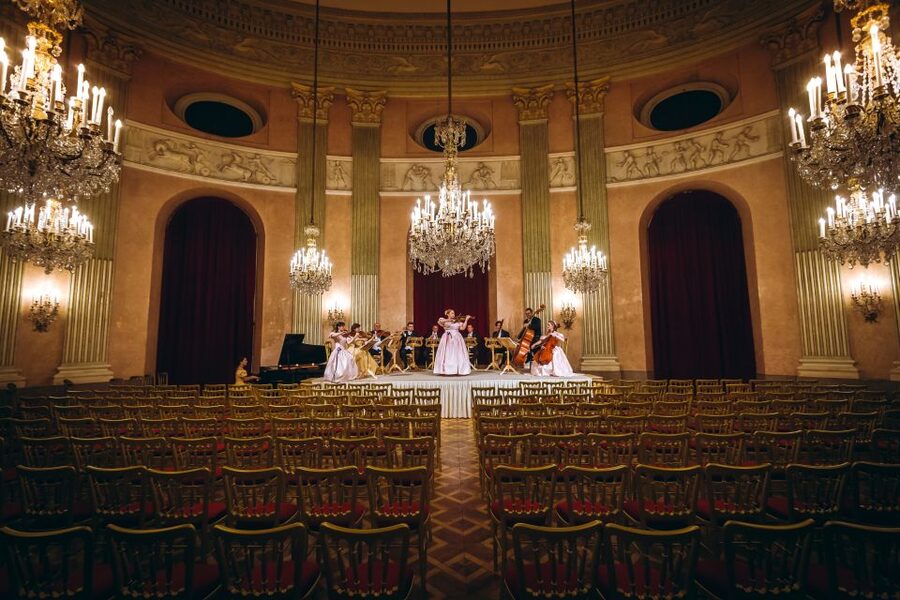
At $55 per person for a 90-minute concert, the value comes from three things working together: a professional orchestra, plus live singers and dancers, in a notable historic venue.
If you’re comparing this to the cost and time of a bigger “all day” theater outing, this is an efficient way to get a complete performance package without committing your whole evening. You’re not only hearing Mozart and Strauss; you’re also seeing how the music connects to opera-style singing and movement.
I also like that you get flexibility with the two daily start times, which makes it easier to plan around your energy level. And because the program changes by season and vocal soloist, you can catch a slightly different experience even if you return on another night.
The main value trade-off is the same trade-off with many smaller classical venues: you’ll want to be thoughtful about your seat and comfort expectations. This is less about grand stage spectacle and more about close, crafted performance in a room that supports it.
Who should book, and who should think twice
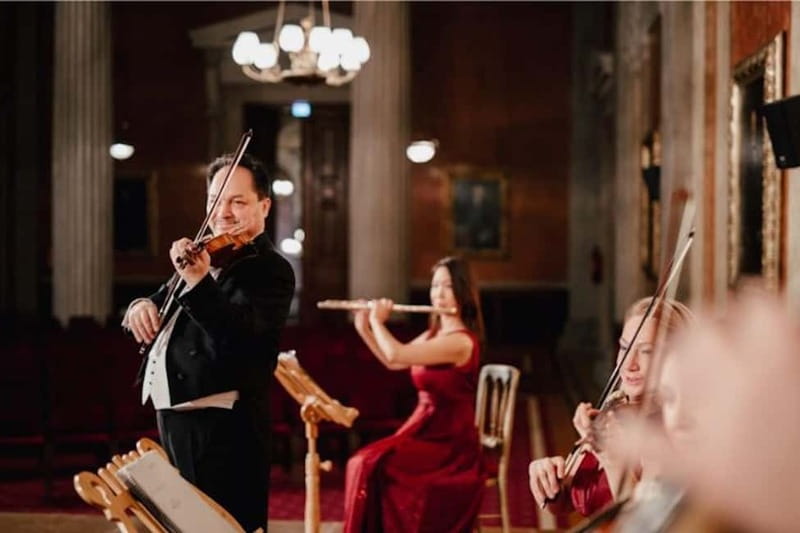
This concert is best for people who want a Vienna night that feels lively and accessible, but still “real classical.” It’s also a strong match if you’ve never been to a classical concert and want a friendly on-ramp: recognizable composers, clear pacing, and a blend of music with singing and dance.
It’s especially good for:
- First-time classical listeners who want famous Mozart and Strauss within an entertaining format
- People on a tight schedule who still want something memorable and distinctively Viennese
- Families and multigenerational groups, since the evening is described as entertaining and watchable
Think twice if:
- You need a quiet, purely listening-only concert with zero audience interaction
- You strongly prefer paper programs and on-site cloak services
- You’re very picky about stage views for ballet moments, since seating can affect what you see
Final call: should you book this Mozart and Strauss concert?
I’d book it if you want a high-value Vienna evening that gives you Mozart, Strauss, and more in a compact 90 minutes—plus live singers and ballet. The Old Stock Exchange Palace setting and the orchestra’s focus under Sylvia Moser make it feel like a true night out, not a filler activity.
I’d be more cautious if you know you’re sensitive to tight seating or limited sightlines. If that’s you, spend time picking a seat category that faces the performance area, and arrive early to handle entrance and jacket rules without stress.
FAQ
FAQ
How long is the concert?
The concert lasts 90 minutes.
What time do the concerts run?
Concerts take place daily at 6:30 PM and 8:30 PM.
Where is the concert usually held?
It’s described as taking place at the Old Stock Exchange Palace in Vienna. On certain dates, the venue changes, so check the location on your ticket when booking.
On which dates does the venue change?
The concert is listed at Konzerthaus, Schubertsaal (Lothringerstraße 20, 1030 Wien) on: 16, 22, 23, 29 April; 7, 20 May; 16 June; 16, 30 September; 15, 19, 20, 22 October; 6, 7, 11, 12, 18, 19, 28 November; 3, 4, 10, 11 December.
What is included with the ticket price?
You get a concert ticket in your selected seating category.
Is a printed program included?
No, printed programs are not included.
Is there a cloakroom?
No, cloakroom service is not included.
Does the concert include more than music?
Yes. The experience includes classical ballet and opera singers accompanied by live music.
Which composers are featured in the program?
The sample program includes pieces by Vivaldi, Mozart, Beethoven, Johann Strauss, Franz Lehár, Joseph Haydn, and more. The exact pieces can change seasonally and depending on the vocal soloist.
Is cancellation free?
Yes. Free cancellation is available up to 24 hours in advance for a full refund. Reserve now & pay later is also offered.