REVIEW · ACCRA
10 Days Trip to Cape Coast and Elmina Castles from Accra
Book on Viator →Operated by Continent Tours · Bookable on Viator
One look at a Cape Coast wall and you get it. This 10-day trip strings together Ghana’s culture and Cape Coast and Elmina history with real time outdoors at Kakum National Park. You also get a chance to catch PANAFEST activities while you’re in the Central Region, so the story of the coast isn’t just museum labels and quiet stone.
I especially like how the schedule mixes “big landmarks” with context. You’ll start with major Accra sites tied to independence and Pan-Africanism, then move into the Ashanti world through Kumasi museums and craft villages, before finishing with the coast’s memorial sites and emancipation story. It’s a lot, but it stays organized with a private car and an experienced guide.
One caution: the itinerary is packed with stops and emotionally heavy places (the castles and Assin Manso). Also, a few people have flagged that some included dinners can feel repetitive or spicy, so plan to manage your food preferences.
In This Review
- Key things to know before you go
- First Steps in Accra: Orientation, Du Bois, Nkrumah, and Jamestown’s Lighthouse
- Kumasi in Motion: Prempeh II Museum and the Ashanti Empire Context
- Ashanti Craft Villages: Ahwiaa, Ntonso, and Bonwire Hand Skills
- Cape Coast and Elmina Town Walk: Harbor Energy and Elmina’s Strong Sense of Place
- Kakum National Park: Canopy Walkway and the Optional Forest-Stroll Choice
- Elmina Castle and St. George’s Walls: The Memorial Ceremony on the Beach
- Assin Manso: Slave River Site, Re-interred Remains, and Emancipation Day Durbar
- PANAFEST on Your Dates: How Festival Nights Fit the Route
- Price and Logistics: What $4,695 Covers (and What You Still Need to Budget)
- Who This Tour Fits Best (and How to Prepare Without Stress)
- Should You Book the 10-Day Cape Coast and Elmina Castles Tour?
- FAQ
- Where does the tour start and end?
- What time does the experience start?
- How many travelers are in the group?
- Is airport to hotel transport included?
- What meals are included in the price?
- Does the tour include bottled water?
- What are the options at Kakum National Park?
- What memorial activities are included?
- How does PANAFEST work during the trip?
- What is not included in the price?
Key things to know before you go
- Small group, private vehicle: maximum 10 travelers, with dedicated driver + guide for the whole run.
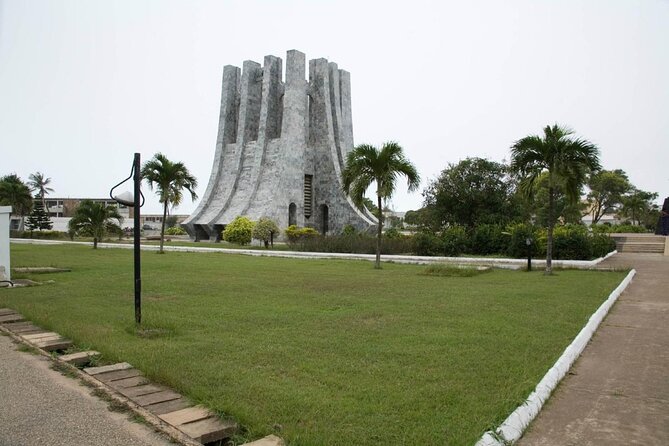
- Accra orientation and Pan-African landmarks: Du Bois Centre, Independence Square, and the Black Star flame context.
- Ashanti crafts you can watch up close: woodcarving in Ahwiaa, Adinkra stamping in Ntonso, and Kente weaving in Bonwire.
- Kakum National Park canopy walkway: 1,000-foot seven-bridge walk with high viewing platforms above the forest floor.
- Memorial moments with purpose: bread thrown into the sea and a candle ceremony at Elmina Castle.
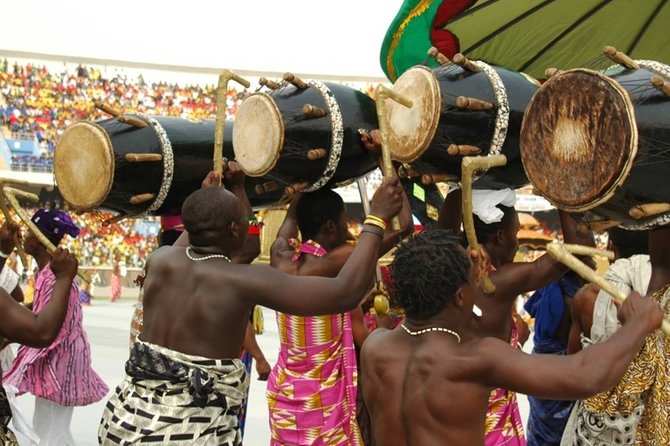
- Assin Manso and Emancipation Day: the Slave River site, then a Grand Durbar with chiefs and fontomfrom drums when scheduled.
First Steps in Accra: Orientation, Du Bois, Nkrumah, and Jamestown’s Lighthouse
Your trip starts the moment you land at Kotoka International Airport. You clear immigration and customs, then meet your guide and get transferred to your Accra hotel. After check-in, you get Akwaaba (welcome) and a practical orientation that includes a lecture/discussion on Ghanaian history, culture, customs, plus safety and health basics. That first day matters more than it sounds. It helps you feel steady before you start moving through places with strong cultural and historical meaning.
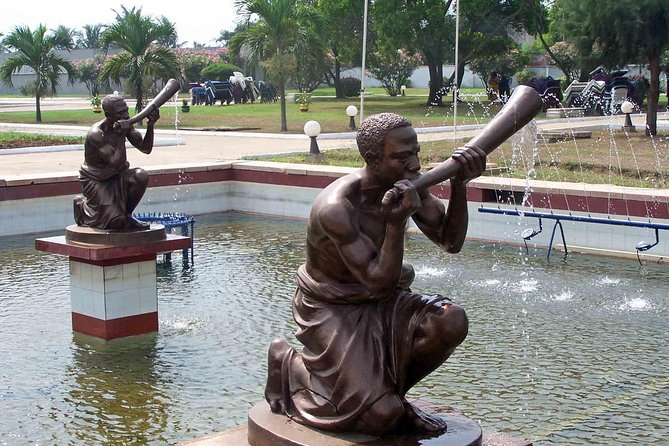
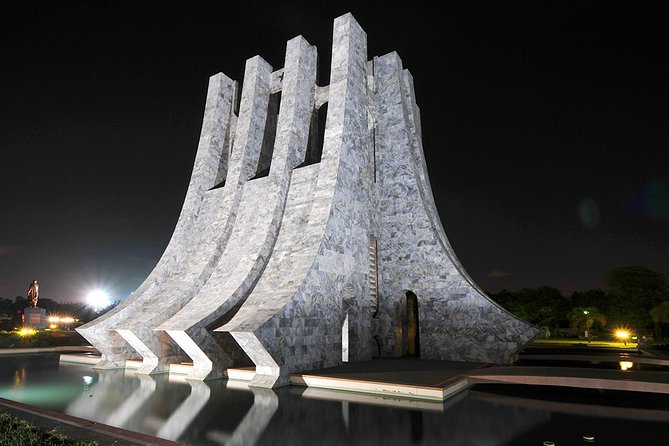
Day 2 is built around Accra’s national story and the everyday life of the city. You’ll visit the W.E.B Du Bois Centre, which honors Du Bois’s life choices in Ghana. Then you head to Independence/Black Star Square, where the Independence flame tied to African liberation was lit in 1961. The Kwame Nkrumah Memorial Park is also on the route, giving you the political and symbolic backbone for what you’ll see later along the coast.
A smart add-on here is the Jamestown Fishing Community and the lighthouse area. You’re not only learning about Ghana in theory—you’re seeing parts of coastal life that keep going, even as Accra grows modern. The stop at the Brazil House rounds things out visually, so the city’s history doesn’t feel stuck in one place.
If you’re lucky, your guide will be someone like Joshua, Elvis, George, Kwaku A., Nee, or Henrietta—names that have come up for making history understandable and for keeping the day-to-day smooth. (You won’t control who you get, but the program’s track record is clearly about strong guiding.)
You can also read our reviews of more tours and experiences in Accra.


Kumasi in Motion: Prempeh II Museum and the Ashanti Empire Context
From Accra, you head to Kumasi, the seat of the Ashanti Empire. This isn’t a random detour. It’s how you learn the power structure behind much of Ghana’s cultural life. Kumasi also brings a different pace than the coast, with the National Cultural Center and museum spaces that help you connect names, symbols, and traditions you’ll hear about later.
When you arrive, you go to the National Cultural Center, which includes the Prempeh II Jubilee Museum. This museum is named for the former Asantehene, and it gives you a clearer picture of Ashanti leadership and artistic tradition. What I like about this stop is that it’s not only “look at artifacts.” It’s paired with studios and craft-making spaces around it, so you can see culture as something made by people, not just collected.
Even though this day ends later in the afternoon, you still get enough time to leave with more than a checklist. You’ll be thinking in terms of society, organization, and the way art and authority connect. That mindset pays off on Day 4, when you get out into the craft villages.
Ashanti Craft Villages: Ahwiaa, Ntonso, and Bonwire Hand Skills
Day 4 is a big highlight if you like making, not just viewing. You visit three craft villages—each tied to a different skill set and material. You’ll start with Ahwiaa, known for woodcarving. This includes royal stools, walking sticks, and fertility dolls made in the traditional style. The real value here is watching the work unfold and having time to ask questions while you’re still seeing the tools and process.
Next is Ntonso, where artisans create Adinkra textiles using hand-stamp patterns on cotton cloth. If you’ve only seen printed Adinkra before, this is the moment where it clicks: it’s craft method plus meaning, repeated by hand with consistency.
Finally, you head to Bonwire, where Kente cloth is made on looms. You’ll observe Kente weavers creating fabric using a time-honored approach passed through generations. This stop is also where you’ll likely do the most satisfying shopping—because you can buy with context, not just for the look.
A gentle drawback to flag: these craft village days can feel purchase-focused, because you’ll see goods up close. If you want to keep control, set a simple rule for yourself before you go—one or two items you truly want—then enjoy the rest as observation.
Cape Coast and Elmina Town Walk: Harbor Energy and Elmina’s Strong Sense of Place
After finishing Kumasi, you travel late morning to Cape Coast, stopping through key city sights like the Kejetia Market area. Then you settle into the Central Region with time to explore Elmina’s historic town through a guided evening walk.
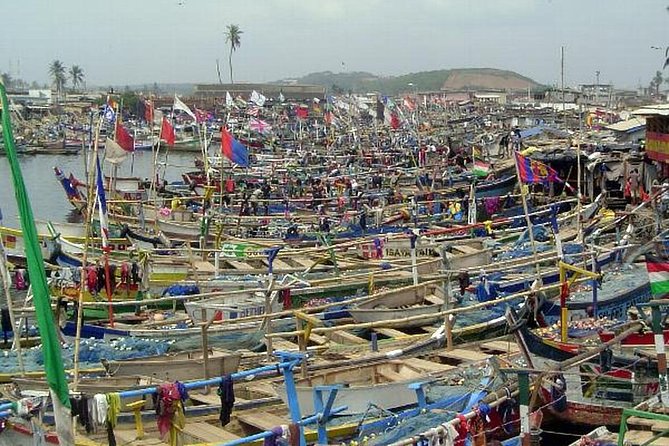
The Elmina lagoon area and the harbor are where the tone shifts. You’ll see colorful fishing canoes preparing to go out for another night’s work. This matters because it keeps the story anchored. The coast is famous for castles, but it’s also a living place with routine, labor, and family life. The contrast between modern movement and old stone is part of why this region hits so hard.
If your PANAFEST dates align, you’ll also begin to feel the festival atmosphere building. Even when you’re not watching performances, festival timing shows up in how streets feel and how people move.
Plan for a slower evening pace here. You’re stacking later emotional sites, and you’ll appreciate the chance to absorb the coastal atmosphere first.
Kakum National Park: Canopy Walkway and the Optional Forest-Stroll Choice
Day 6 is your nature break, and it’s a smart one. After breakfast, you get a choice: relax at your hotel pool or take a dip in the ocean, or head to Kakum National Park. I like the flexibility because it respects different travel styles—some people want to recharge; others want to walk while they’re still fresh.
If you choose Kakum, you can do a forest-floor walking tour and learn about how ancestors lived in the forest. You’ll also look out for birds, butterflies, and possibly mammals including monkeys and even the reclusive forest elephant. The highlight is the canopy walkway: a 1,000-foot-long, seven-bridge structure with viewing platforms that rise over 150 feet above ground. It’s the kind of experience that makes you understand why people come back to this park.
There’s also an alternate option at the park: a 2 km nature walk through the forest to discover butterflies, birds, exotic floral species, and the medicinal values linked to them. If you’re wary of heights, this can be the calmer choice. If you love views and photos, the canopy walkway is the “wow” moment.
Either way, your guide will help you pace it. The park day is also where you get a break from monuments, even though you’ll still be learning.
Elmina Castle and St. George’s Walls: The Memorial Ceremony on the Beach
Elmina Castle is where the trip becomes unforgettable in a serious way. You visit Elmina Castle, originally known as St. George’s Castle—often noted as the first European structure built in Sub-Saharan Africa. You tour the castle grounds and rooms filled with haunting history, then you head down to the beach area for a memorial ceremony.
Here’s the specific ritual you’ll take part in: each person throws bread into the waters in remembrance of ancestors. A wreath with a candle is also cast out to sea, followed by a respectful moment of silence. That pacing matters. It’s not “quick photo, move on.” You’re given time to participate thoughtfully.
After that, you may also attend scheduled PANAFEST activities with your guide. When it happens, the festival side of Ghana isn’t treated as an add-on. It’s part of the lived culture around you, even as you stand in a place tied to the middle passage.
This is also the day where I’d suggest you bring a private buffer mindset. Wear what makes you comfortable for standing and walking, and mentally set expectations: the content here is heavy, and your body will feel it even if your mind is prepared.
Assin Manso: Slave River Site, Re-interred Remains, and Emancipation Day Durbar
Assin Manso is the emotional center of the itinerary. On one morning, you visit the Assin Manso Slave Market and River Site. The focus includes the burial site of two former slaves from the U.S. and Jamaica whose remains were re-interred in August 1998 during Ghana’s first Emancipation Day celebration. You’ll also see the Slave River, where captured Africans were washed before being confined in the slave castles awaiting shipment to the Americas and Caribbean.
This place is not only about history you read. It’s about geography—the “final transit point” idea, and how a landscape became part of a system. The guide’s role here is key because you need the context stated clearly and with care.
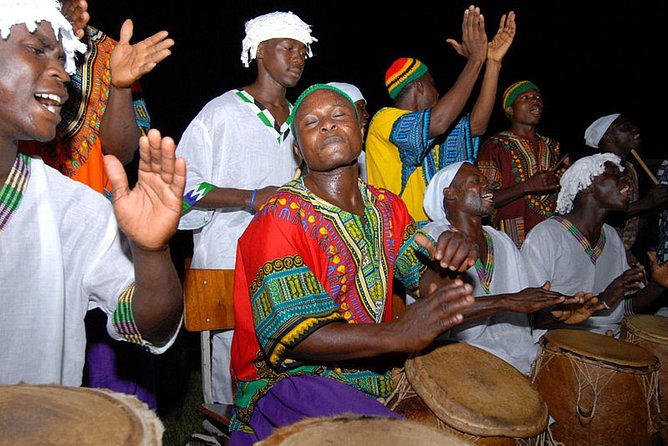
Then you return again the next morning for the Emancipation Day opening with a Grand Durbar of traditional chiefs and people of the Central Region. This is described as colorful and spectacular, with chiefs dressed in ceremonial traditional clothing and adorned with glittering gold jewelry and traditional beads. You’ll also feel the rhythm as you dance to the beat of fontomfrom drums.
That pairing—river-site remembrance and durbar celebration—might sound like two different worlds. But that contrast is exactly why the itinerary works for many people. It keeps the story moving from harm toward ceremony, survival, and public cultural leadership.
The day ends with a farewell dinner at your hotel. It’s a nice closing frame after those heavy mornings.
PANAFEST on Your Dates: How Festival Nights Fit the Route
PANAFEST shows up in the plan on multiple days, when scheduled. That means you’re not left guessing what’s happening—you’ll attend scheduled PANAFEST activities with your guide during the Central Region portion of the trip.
I like this because it changes the trip from museum-first to culture-first. You’re still seeing castles, forts, and memorial sites, but you’re also experiencing how people live with those memories. Festival timing gives you music, ceremony energy, and community movement that you can’t replicate with standalone sightseeing.
Since festival schedules can vary by year, keep your flexibility. If your guide suggests specific festival events during your dates, say yes at least to the major ones—they’re the best chance to see the Central Region’s cultural voice right now, not just in the past tense.
Price and Logistics: What $4,695 Covers (and What You Still Need to Budget)
At $4,695 per person for an approx. 10-day trip, you’re paying for a full package built around transport, lodging, meals, guides, and key admission tickets. The big value pieces are:
- round-trip airport/hotel transfers
- private vehicle transport throughout
- hotel accommodation in the indicated properties
- an experienced tour guide for the full run
- meals: breakfast daily (9) and dinner (9)
- bottled water per person per day
- admission tickets listed for several major stops
- mobile ticket delivery
This is also a small-group format with a maximum of 10 travelers. That matters for comfort and pacing. You’re not spending most of your day waiting in a big crowd.
What’s not included is also important:
- visas and round-trip international flights
- travel insurance
- gratuity for driver and guide
- meals not listed
- personal expenses
Also, dinner quality can vary by location. One practical takeaway from feedback patterns is to expect that some included dinners may lean spicy and repetitive for some tastes. If you’re picky, plan to adjust with simple strategies—ask for non-spicy options when possible, and keep a light snack plan for long travel days.
If you want a smooth, guided, historically grounded route without doing logistics yourself, this price starts to look reasonable. If you’re trying to travel at the lowest cost possible and don’t need guides, you could probably build a cheaper self-planned route. But you’d lose the structure that helps this trip stay coherent.
Who This Tour Fits Best (and How to Prepare Without Stress)
This one fits best if you want two things at the same time: cultural context and direct site visits. The Ashanti craft villages work well if you enjoy hands-on traditions. Kakum National Park works well if you like nature walks and want a break from stone-and-stories. The castles and Assin Manso are not casual sightseeing—they’re for travelers who are ready to feel the weight and still move forward with respect.
You’ll also appreciate the private-vehicle rhythm if you dislike long public transit connections. The schedule is built around guided time at each stop, and you’re brought along from place to place with fewer “how do we get there?” moments.
Preparation-wise, focus on the basics:
- wear comfortable shoes for walking inside historic sites and on uneven ground in nature areas
- bring something for sun protection for outdoor stretches
- pack modest layers since you’ll go between city and park settings
- keep an emotional buffer for memorial days, especially Elmina Castle and Assin Manso
On the final day, you return to Accra with early afternoon arrival. You get a day-room to relax, plus help from your driver and guide for last minute shopping and collecting custom-made outfits. That’s a good capstone if you plan to bring home something tied to the craft stops.
Should You Book the 10-Day Cape Coast and Elmina Castles Tour?
I think you should book if you want a guided route that connects the coast’s slavery story to Ghana’s independence and cultural identity, and you want nature time in Kakum without having to plan it yourself. The small-group size and the emphasis on memorial pacing are real strengths. The guide quality is consistently a big part of why people feel safe, informed, and moved.
You might skip or rethink if you know you won’t do well with emotionally heavy sites, or if you strongly prefer very flexible days with fewer structured stops. Also consider that included dinners may not match every palate.
If you fall in the first group, this trip is the kind that changes how you see the country while you’re there—and how you talk about it when you get home.
FAQ
Where does the tour start and end?
It starts at Kotoka International Airport in Accra and ends back at the meeting point.
What time does the experience start?
The start time listed is 8:30 am (local time).
How many travelers are in the group?
The maximum group size is 10 travelers.
Is airport to hotel transport included?
Yes. Round-trip airport/hotel transfers are included.
What meals are included in the price?
Breakfast is included daily (9 breakfasts). Dinner is also included (9 dinners), following the schedule of the trip.
Does the tour include bottled water?
Yes. Bottled water per person per day is included.
What are the options at Kakum National Park?
At Kakum, you can either relax at the hotel pool or ocean, or visit the park. Within Kakum, you can do the canopy walkway or a 2 km nature walk.
What memorial activities are included?
At Elmina Castle, you participate in a memorial ceremony including throwing bread into the sea, casting a wreath with a candle, and observing a moment of silence.
How does PANAFEST work during the trip?
You attend any scheduled PANAFEST activities during the days it falls on your tour dates, guided by your tour guide.
What is not included in the price?
Visas and round-trip international flights, travel insurance, gratuity for the driver and guide, meals not listed, and personal expenses are not included.