REVIEW · ACCRA
Cape Coast and Elmina Castles Tour
Book on Viator →Operated by Kadelo Travels · Bookable on Viator
In This Review
- A full day, and it hits hard.
- Smooth logistics so you can focus.
- A guide who keeps the day human.
- Key highlights
- 5:30 a.m. Start and a 10–16 Hour Day You Can Actually Handle
- Kakum National Park: Rainforest Hike to the Canopy Walk
- Elmina Castle: The Oldest European Building and the Slave-Trade Story
- Cape Coast Castle: Museum and Dungeons Where the Story Gets Specific
- Price and Logistics: Why $157.50 Can Be Good Value (If You’ll Use the Inclusions)
- What the Guide Actually Does With the Day (Foster’s Style)
- Comfort Notes for Kakum + Two Castles in One Go
- Should You Book This Cape Coast and Elmina Castles Tour?
- FAQ
- What time does the tour start?
- How long is the Cape Coast and Elmina Castles Tour?
- Is pickup and drop-off included?
- Are entrance fees included for the attractions?
- What’s included in the price, and what’s not?
- What is the cancellation policy?
A full day, and it hits hard.
I love how this tour mixes rainforest adventure with Ghana’s heavy history in one tight route. The Canopy Walk hike is the kind of thing you remember for years, and the castle stops turn big, painful history into details you can actually hold onto. One drawback to plan for: it’s a long day and the sites are far from Accra, so expect a very early start.
Smooth logistics so you can focus.
I like that entrance tickets are included, which means you’re not stuck in ticket lines while the day slips by. Pickup and drop-off within Accra city also saves you hassle, and the air-conditioned vehicle helps a lot when you’re out for up to 16 hours.
You can also read our reviews of more tours and experiences in Accra.


A guide who keeps the day human.
When I visited, my guide Foster was patient and professional, and he didn’t rush the story. You’ll get clear explanations along the way—plus small extras like pictures and extra stops for context—so you’re not just collecting sights. The main thing to consider is emotional content: this is slavery history, so go with the mindset that it will feel real.
Key highlights
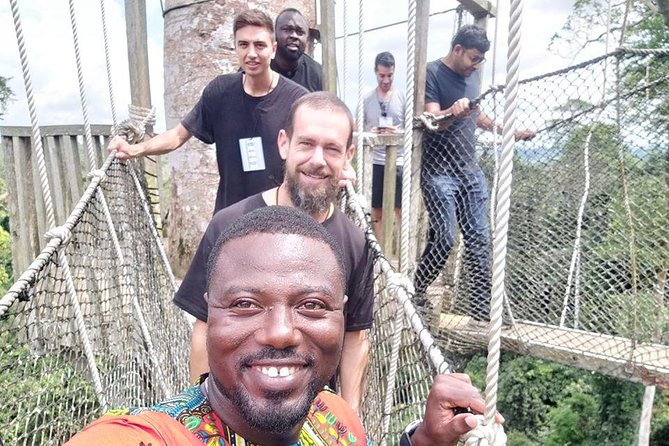
- Kakum National Park Canopy Walk with a guided hike through the rainforest (rope bridges included)
- Elmina Castle tour time focused on the slave-trade story and the oldest European building in Sub-Saharan Africa
- Cape Coast Castle museum and dungeons view that explains what enslaved people endured
- Admission fees included, so you spend less time waiting and more time seeing
- Accra pickup and drop-off plus an air-conditioned vehicle for a long travel day
5:30 a.m. Start and a 10–16 Hour Day You Can Actually Handle
This tour starts at 5:30am, and that alone tells you what kind of day it is. You’re leaving early so you can hit Kakum and both castles without turning it into a slow-motion scramble. The total day runs about 10 to 16 hours, so it’s not a quick “one stop, one photo” outing. It’s a real itinerary.
What makes it manageable is how the day is organized for you. You get pickup and drop-off within Accra, and you’re traveling by air-conditioned vehicle. Bottled water is included too, which matters because once you’re out in the heat and humidity, dehydration sneaks up fast.
The trade-off is energy. If you’re hoping to sleep in, this will feel like a wake-up slap. Also, the distance from Accra to the sites means you’ll spend a chunk of the day on the road—so choose clothing and footwear that work for both walking and hot travel.
Kakum National Park: Rainforest Hike to the Canopy Walk
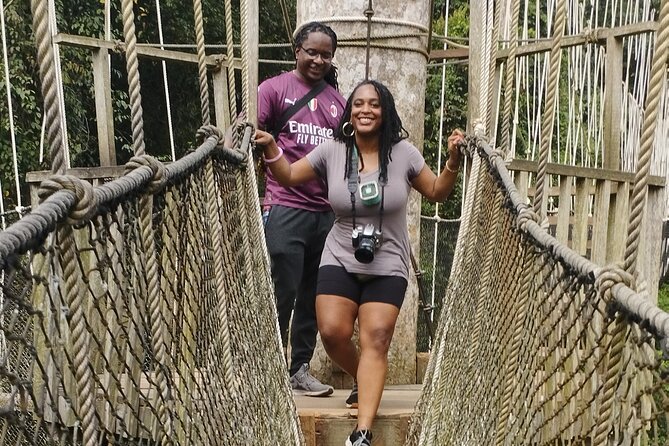
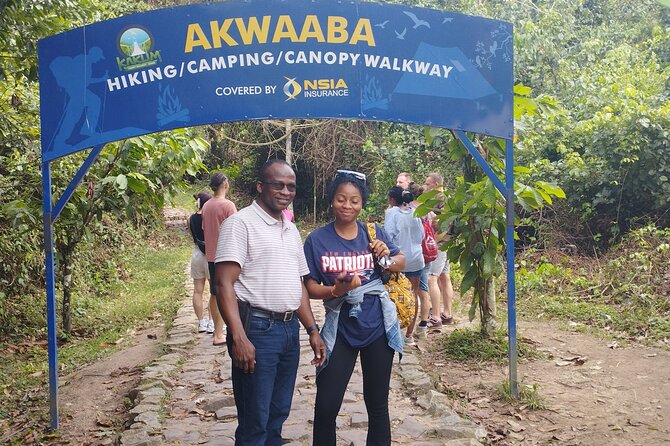
Kakum National Park is the green breath of the day, and the rainforest hike sets the tone. You don’t wander around alone; you go with a guide who helps you navigate so you don’t get lost. That matters here, because rainforest trails can feel repetitive until you’re with someone who understands how the path flows.
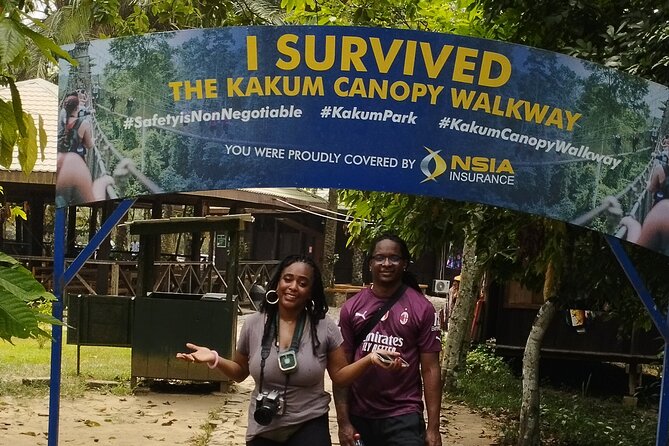
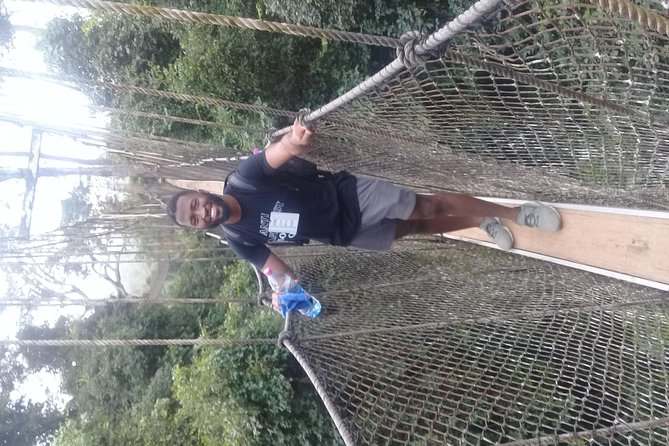
Then comes the Canopy Walk. It’s a guided walk along the elevated walkway between treetops, often remembered for its rope-bridge feeling as you move from platform to platform. It’s the rare stretch of the day where you’re focused on footing, air, sound, and the view—less about absorbing history, more about simply being in the forest.
A quick practical note: wear shoes with grip. Even if conditions are dry, a rainforest environment can mean slick ground. Also, plan for a little sweat. The canopy experience is cool and special, but the lead-up trail time will get warm.
What I like about this stop is the rhythm. You start with nature, then you transition into human history. That contrast makes the later castle stories hit even harder—in a meaningful way.
Elmina Castle: The Oldest European Building and the Slave-Trade Story

Elmina Castle is one of the anchors of this tour. You get around one hour here, with a focus on two big parts: what the site was physically, and what it meant for people caught in the slave trade.
First, there’s the architecture and age. You’ll see the oldest European building in Sub-Saharan Africa, built in 1482. That fact alone can feel surprising at first—until the guide ties it back to the purpose of the place.
Second, you’re there for the story of the slave trade, including the horrors of what happened while people were held and processed before shipping to the New World. This is not presented as an abstract lesson. The point is to connect the site to lived suffering.
One reason I think this stop is so valuable is how it helps you understand the long shadow slavery cast on local communities. Even when the details are centuries old, the guide’s explanations make it clearer how the impact didn’t vanish when the ships sailed away.
If you’re someone who prefers to mentally prepare before emotional sites, take a moment before entering. You don’t need to do anything fancy—just be ready for the day to turn serious.
Cape Coast Castle: Museum and Dungeons Where the Story Gets Specific
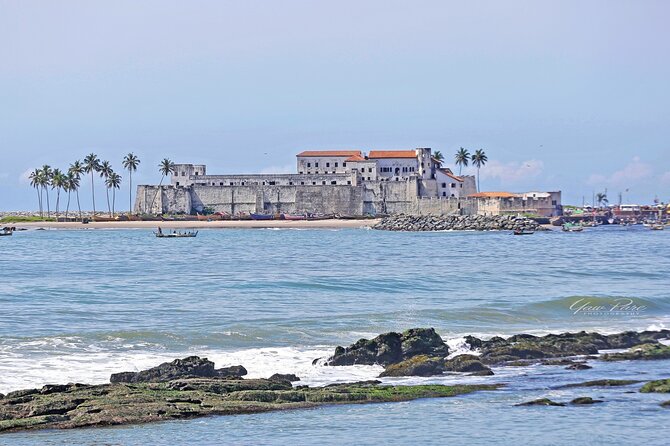
Cape Coast Castle is where the tour shifts from historical context to the blunt mechanics of the system. Like Elmina, you get about one hour here, and the visit includes the museum and dungeons where enslaved people were kept while waiting for shipping.
This stop is also tied to British colonial administration. Cape Coast Castle served as an administration center for British rule in West Africa, so you’re seeing how European power wasn’t only about ships and trading—it was also about governance, control, and infrastructure.
One of the strongest parts of this visit is that it’s not just a building tour. You’re walking through spaces meant to contain people. The guide’s commentary helps you understand what you’re looking at and why it mattered—so you don’t just pass rooms as if they’re ordinary exhibit halls.
The story here often circles around the idea known as the Door of No Return—a phrase that captures how many people experienced that moment as final. The emotional weight comes from the specificity: this wasn’t a single event, it was a system.
To get the most out of this hour, try to slow down when you’re in the dungeons and museum areas. Let the guide’s details land. You’ll leave with more than images—you’ll leave with a clearer mental map of what happened here.
Price and Logistics: Why $157.50 Can Be Good Value (If You’ll Use the Inclusions)
The price is $157.50 per person, and the first thing I check is what’s actually covered. In this case, a lot is baked in.
Included:
- Air-conditioned vehicle
- Professional tour guide
- Entrance fees for the stops
- All fees and taxes
- Pickup and drop-off within Accra city
- Bottled water
Not included:
- Lunch
- Tips
When you think about value, the big win is time. Entrance fees included means less waiting in line and less extra budgeting at each site. For a long day, that matters. The guide also changes the experience. These castles aren’t just “see-and-go.” Without interpretation, you’d miss the links between architecture, purpose, and consequences.
Is it a bargain? Not exactly. But it’s fair for a full day that mixes park hiking and two major castle visits, with transport and admission handled. If you have to factor in taxi rides plus ticket lines plus guide time, the price starts to look less surprising.
Also, the tour is private, meaning it’s only your group. That can be a big quality-of-experience upgrade. You’re not competing with other people’s pace.
One more practical detail: it’s typically booked about 22 days in advance. If you have tight dates, book sooner rather than later, especially if you’re traveling as a couple or small group.
What the Guide Actually Does With the Day (Foster’s Style)
A good tour guide doesn’t just point at things. They explain what the place is, why it matters, and how to read the space.
In the best version of this tour, your guide—like Foster—keeps the day structured and respectful. He was described as patient and professional, and that fits the job. You’re dealing with a lot: rainforest navigation, canopy walkway safety, then fast transitions into slavery history and colonial administration.
What I find especially helpful is how the guide connects facts to human impact. Instead of treating slavery history as a chapter you read and forget, you get explanations of how it shaped local communities over time. That helps the castles feel less like museum artifacts and more like a living part of the region’s story.
You might also get small extras that make the experience feel more tailored. For example, my guide included pictures and helped with additional context stops. Even if those specifics vary by day, it signals the kind of attention you’ll likely receive.
Comfort Notes for Kakum + Two Castles in One Go
This itinerary is physical in one part and emotional in two.
For Kakum and the Canopy Walk:
- Wear closed-toe shoes with grip.
- Bring a light layer if you’re sensitive to sudden shifts in temperature under the canopy.
- Expect sweat. Rainforest air can be humid even when skies look calm.
For the castles:
- Dress in a way that keeps you comfortable standing and moving through indoor and outdoor areas.
- Go slowly. The museum and dungeon areas are where you’ll want your full attention.
Food is your main gap. Lunch isn’t included, so you’ll want to plan a simple fix:
- Either bring a snack you can handle during the drive, or be ready to buy lunch when the schedule allows.
- Hydration is covered with bottled water, but you still may want extra small snacks if your day runs long.
Also, tips aren’t included, so keep a little budget aside for that. Many people prefer to tip guides in cash at the end when the day feels complete.
Should You Book This Cape Coast and Elmina Castles Tour?
If you want a day that combines nature + history without the stress of organizing it, I’d book it. The best reasons are practical and real: entrance fees are included, transport is handled from Accra, and the guide brings context so you don’t just see sights—you understand them.
You should seriously consider booking if:
- You’re short on time in Ghana but want the key Cape Coast and Elmina experiences.
- You prefer a guided pace, especially for the rainforest navigation and the emotional weight of the castles.
- You want the comfort of pickup/drop-off and air-conditioned transport for a long travel day.
Skip it or think twice if:
- A 5:30am start and a potentially very long day will wreck your plans.
- You’re not ready for slavery history. This tour doesn’t soften that reality, and that’s part of the point.
If you do book, my advice is simple: wear good shoes, plan for lunch on your own, and give the guide room to take you through the story carefully. This is the kind of tour where the value is not only what you see, but what it teaches you to notice afterward.
FAQ
What time does the tour start?
The tour starts at 5:30am.
How long is the Cape Coast and Elmina Castles Tour?
It typically runs 10 to 16 hours.
Is pickup and drop-off included?
Yes. Pickup and drop-off within Accra city are included.
Are entrance fees included for the attractions?
Yes. Entrance fees are included, so you don’t need to wait in ticket lines for admission.
What’s included in the price, and what’s not?
Included are things like the air-conditioned vehicle, professional tour guide, all fees and taxes, entrance fees, and bottled water. Not included are lunch and tips.
What is the cancellation policy?
You can cancel for free up to 24 hours in advance of the experience’s start time for a full refund.