REVIEW · SEOUL
Seoul: UNESCO Sites tour: Palace, Shrine & Bukchon Village
Book on GetYourGuide →Operated by I LOVE SEOUL TOUR Co., Ltd. · Bookable on GetYourGuide
A UNESCO day that actually feels fun. This guided Seoul outing strings together Changdeokgung Palace and Jongmyo Shrine, then slows down in Bukchon Hanok for real, everyday Korean culture. I like how the guide connects royal architecture and ancestral rites so it makes sense fast, not later.
I also like the fact you get real time to wander hanok lanes and take photos, with guides who are willing to stop, frame shots, and help with practical details like where to buy a hanbok. That makes the day feel like more than a checklist; you can actually absorb Bukchon Hanok Village.
One thing to plan for: it is a long day and it runs rain or shine, so wear comfy shoes and don’t count on wheelchair-friendly routes. Lunch is a break, not included, so budget for that extra cost.
In This Review
- Key highlights that make this tour worth your time
- How the full day runs, from Myeongdong to Suwon
- Bukchon Hanok Village in the morning: best streets for photos and atmosphere
- Jongmyo Royal Shrine: ancestral rites, plus the Tuesday Insadong replacement
- Changdeokgung Palace and its gardens: why this one feels different
- The practical ginseng stop: Cheongha Korea Ginseng and a quick medicine lesson
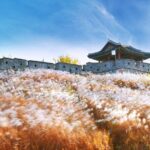
- Suwon Hwaseong Fortress: late-18th-century engineering you can actually walk
- Logistics that can make or break your day
- Guide quality: friendly explanations and photo-help that feels real
- Value check: does $36 really make sense for what you get?
- Who this tour is best for (and who should consider another option)
- Should you book this UNESCO Seoul to Suwon tour?
- FAQ
- What UNESCO sites does this tour include?
- Where and when do I meet the tour?
- Is lunch included in the price?
- What happens on Mondays?
- What happens on Tuesdays?
- Does the tour run in bad weather?
Key highlights that make this tour worth your time
- UNESCO in three major stops: Changdeokgung, Jongmyo, plus Suwon Hwaseong Fortress
- Royal stories made clear: palaces and shrine rituals explained in plain English
- Bukchon with photo support: guides help with angles and quick stops for the best pictures
- Smart day-of substitutions: Monday and Tuesday swaps keep your itinerary moving
- A ginseng stop with real context: learn why Korea’s ginseng matters in traditional medicine
- Good value for a guided day: entrance fees, professional guide, and van transfer included for $36
How the full day runs, from Myeongdong to Suwon
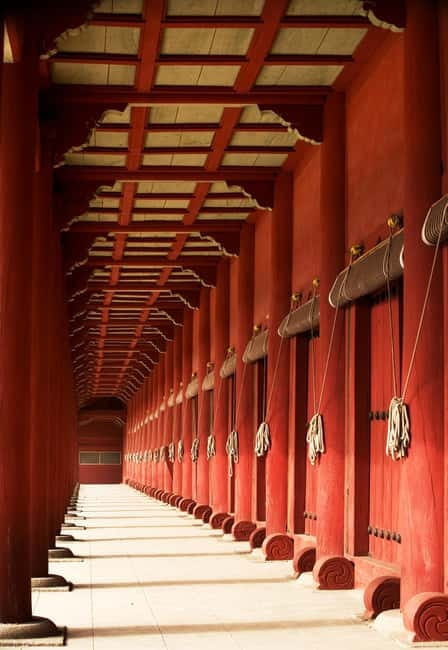
Your day starts early in Myeongdong. Meet outside exit #10 of the Myeong-dong subway station at 08:30 am. From there you’re moving around by van with a driver, which helps a lot when you’re hopping between neighborhoods and two different UNESCO areas.
The tour keeps a steady rhythm: cultural streets first (Bukchon), then religious heritage (Jongmyo), then royal power (Changdeokgung). After that, you switch gears to Suwon for Hwaseong Fortress, one of Korea’s standout examples of late-18th-century engineering. You’ll return to Seoul at the end, with drop-off back in Myeongdong near the subway station.
At $36 per person, the value is in the “group problem-solving.” Entrance fees and van transfer are included, and you’re getting a professional guide doing the navigation, history, and on-the-ground pacing. The main extras you’ll carry are your own lunch and getting yourself to the meeting point (hotel pickup and hotel drop-off are not included).
You can also read our reviews of more tours and experiences in Seoul.


Bukchon Hanok Village in the morning: best streets for photos and atmosphere
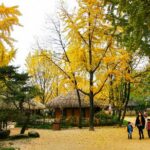
Bukchon Hanok Village is one of those places where the details do the talking. You’ll walk past traditional Korean houses (hanok) lined along narrow streets, many of which have been turned into cafés and cultural spaces. Even if you’ve seen hanok photos before, walking the area is different. The rooflines, courtyards, and doorway shapes make more sense in person.
What I like about this stop is how it’s timed for exploration. The morning start generally means fewer crowds than you’d get later in the day, and you’re not rushing yet. Your guide also helps you interpret what you’re seeing, so you’re not just collecting pictures—you’re learning why the architecture looks the way it does.
Practical note: if Bukchon Hanok Village is closed, the tour replaces it with Namsangol Hanok Village. That means you still get the hanok experience rather than losing this portion of the day. If you’re the type who likes options, that swap matters.
Jongmyo Royal Shrine: ancestral rites, plus the Tuesday Insadong replacement
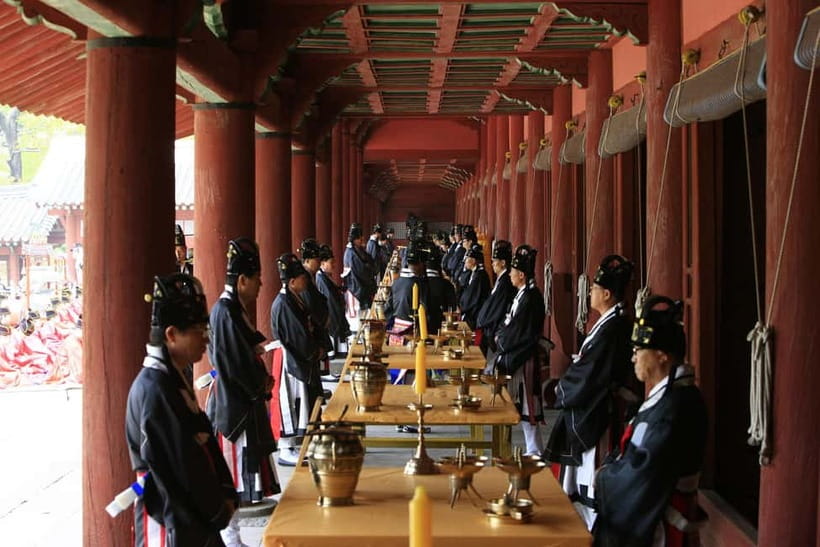
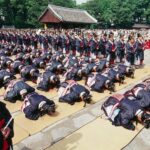
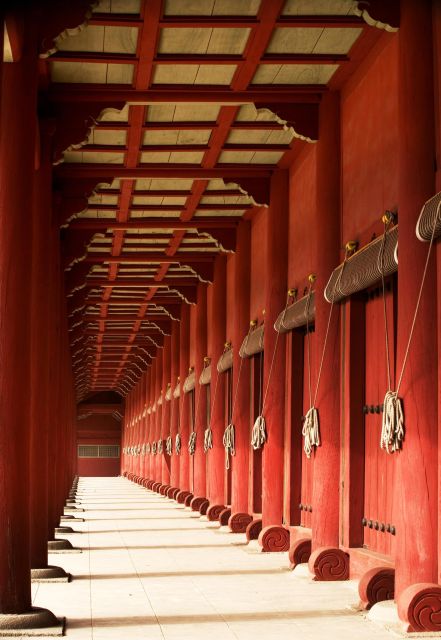
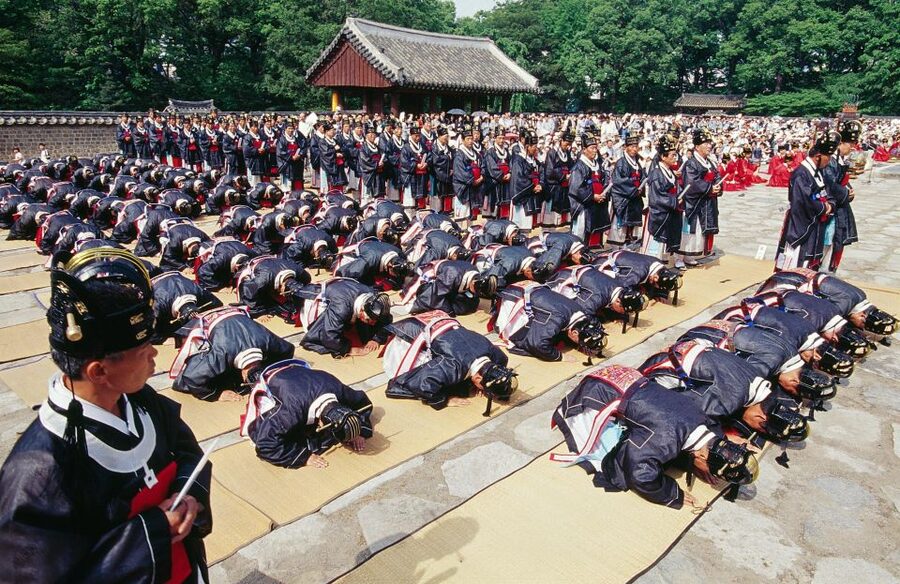
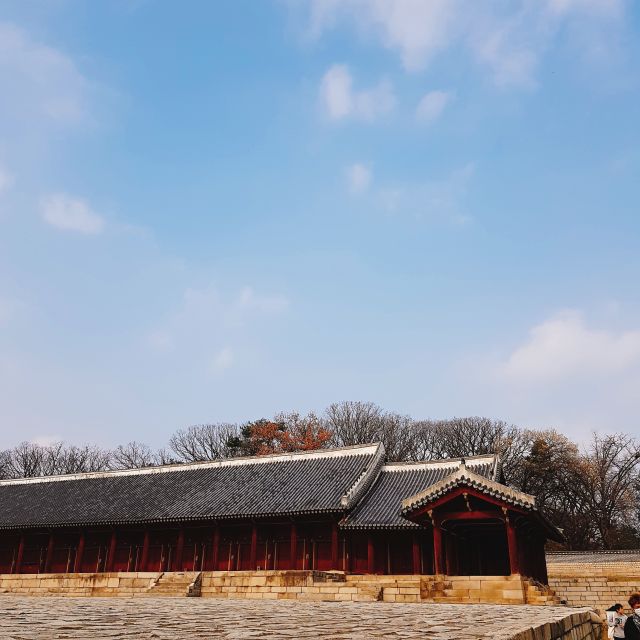
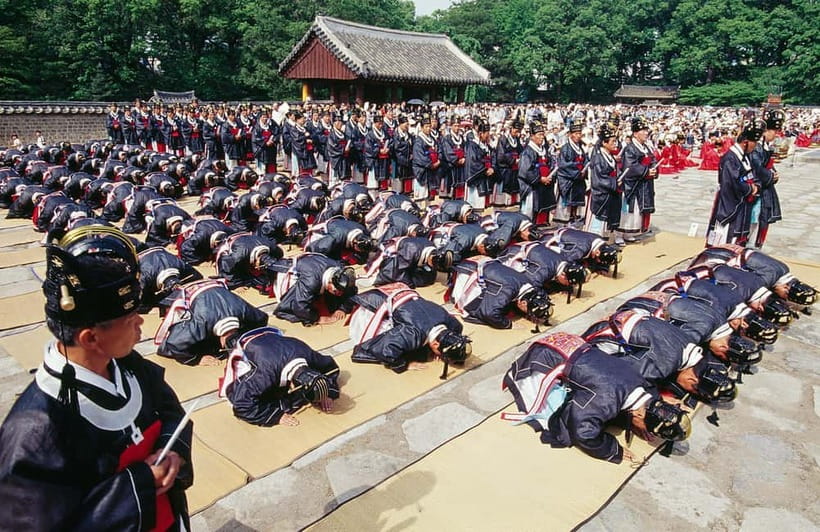
After Bukchon, you’ll head to Jongmyo Royal Shrine, a sacred site built nearly 600 years ago for royal ancestral rites. This isn’t a “look and leave” kind of place. The big idea is that Korean kings historically came here to honor past monarchs, and the shrine connects that practice to Korea’s longer spiritual and cultural world.
Jongmyo is also recognized as a UNESCO World Heritage Site. The tour notes that traditional memorial ceremonies and court music performances can happen there sometimes. That’s the kind of detail that turns a guided visit into a more meaningful one, because you understand it’s an active heritage space, not only a museum.
Now for timing and planning: Jongmyo is closed on Tuesdays. On Tuesdays, your visit swaps to a guided tour of Insadong Culture Street, known for antique shops, galleries, and traditional tea houses. If you’re traveling on a Tuesday, Insadong becomes your “heritage mood.” You’ll trade shrine ritual for street-level old Seoul culture—still guided, still practical, and a lot easier on the schedule.
Changdeokgung Palace and its gardens: why this one feels different
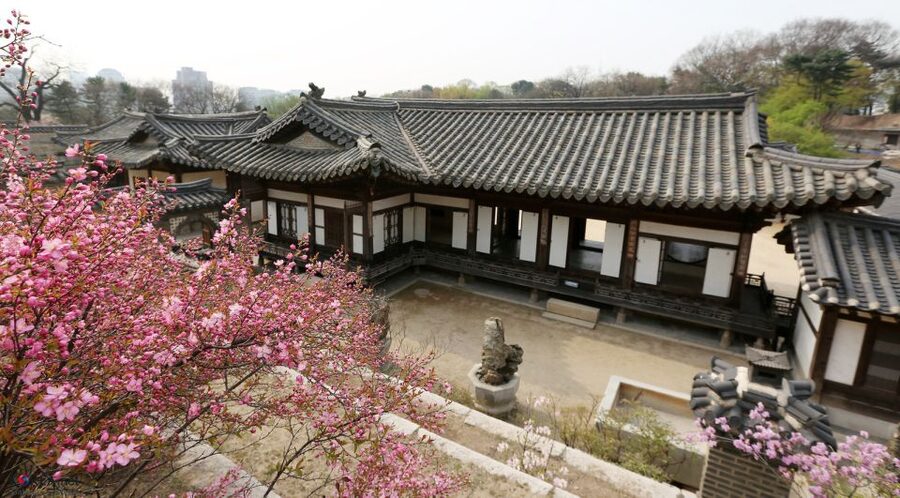
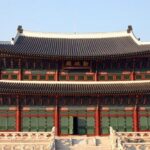
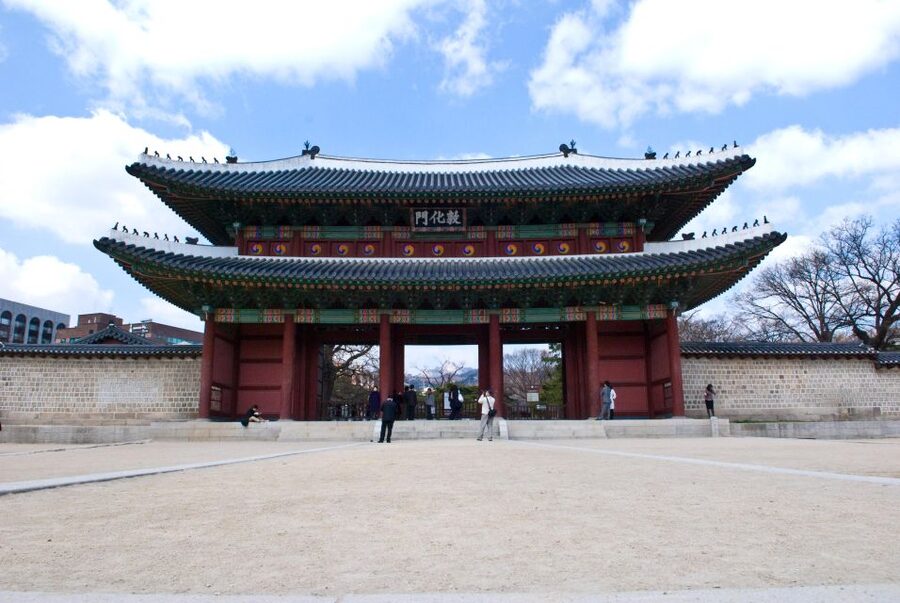
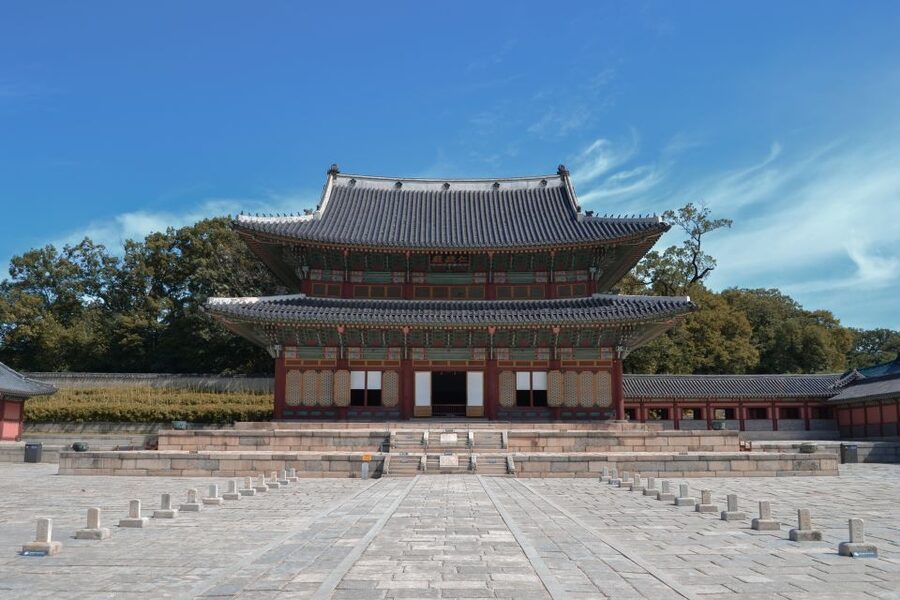
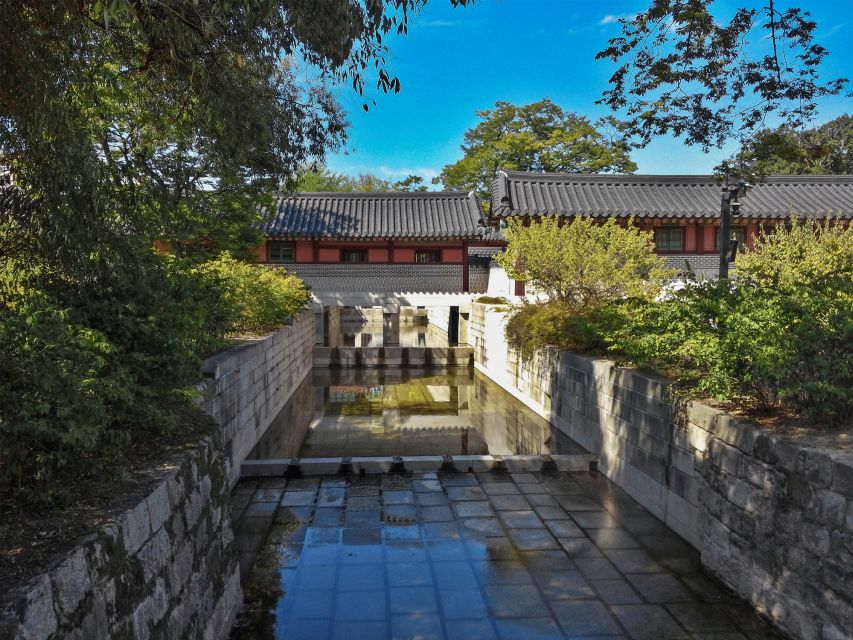
Next comes Changdeokgung Palace, another UNESCO-listed site. Changdeokgung matters because it’s tied to royal residence and governance, but the standout feature here is the way the architecture and gardens work together. The tour highlights the palace’s elegant design and landscaped gardens that reflect traditional Korean aesthetics.
This is the kind of place where a guide pays off. When you understand what you’re looking at—how spaces relate to royal life, how design supports daily function—each courtyard and hall feels less random. You spend less time thinking what is this? and more time appreciating the choices behind it.
One more day-of swap: on Mondays, Changdeokgung Palace is replaced by Gyeongbokgung Palace. Same general royal theme, different palace setting. If you’re visiting on Monday, don’t worry that you’ll lose the “palace day.” You’ll still get that UNESCO royal experience, just through a different palace.
The practical ginseng stop: Cheongha Korea Ginseng and a quick medicine lesson
After the palace visit, you’ll stop at Cheongha Korea Ginseng. This isn’t just a shop stop with a vague explanation. The tour frames ginseng as part of long East Asian medicine history, with documentation dating back to the Han Dynasty in a classic medical text (Ji Jiu Zhang). You learn why Korean ginseng has been valued, including the idea that it’s considered adaptogenic—used to help the body resist stress and support general health.
This is a short segment, but it can be useful if you like understanding what you’re buying before you buy it. If you’re not interested in supplements or remedies, keep your expectations realistic: this is an educational stop, not a medical seminar. Still, it’s better than random shopping because it connects to a real cultural product.

Suwon Hwaseong Fortress: late-18th-century engineering you can actually walk
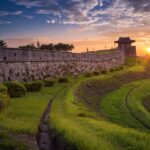
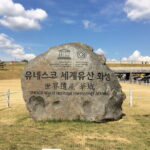
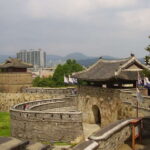
In the afternoon, you continue to Suwon in Gyeonggi-do Province. The big hit is Suwon Hwaseong Fortress, another UNESCO World Heritage Site. The tour describes it as one of Korea’s best-preserved fortifications showing advanced military engineering from the late 18th century.
Here’s why this matters for your trip planning. Fortresses can feel like “just stone walls” if you don’t have context. With guidance, you start noticing how the structure would have functioned: the design choices, the strategic layout, and how the space supports defense and movement. Even if you’re not a history fanatic, you’ll likely enjoy the sheer scale and the sense of what it took to build this.
You also visit Hwaseong Haenggung Palace, described as a temporary residence for kings during travels outside the capital. That gives the fortress a human side. You’re not only seeing defense systems; you’re also seeing where royal life would pause during a journey.
Logistics that can make or break your day
This tour is in English, and the day is built around a van transfer and driver. That’s a big plus when you’re hopping between neighborhoods like Myeongdong, Bukchon, and Suwon.
A few points to keep you comfortable:
- Rain or shine: the tour runs in bad weather. Bring a small umbrella or rain jacket and wear shoes you trust on uneven pavement.
- No alcohol or drugs: this is straightforward, but it does set the tone for a more family-friendly, orderly day.
- Lunch break included, meal not included: expect time to eat, but you’ll pay for your own meal.
- No pickup, meeting point matters: you’ll need to get yourself to exit #10 at 08:30 am. Hotel drop-off is not included; the tour returns you to Myeongdong near the subway.
Accessibility note: it is not suitable for wheelchair users. Plan for walking and museum-style surfaces, even if the van handles the longer transfers.
One small “admin” detail that helps: your exact meeting point and time are confirmed by the local partner via email. If you don’t see it in your inbox, check your spam folder or contact the partner.
Guide quality: friendly explanations and photo-help that feels real
The best tours don’t just list sites. They make you understand what you’re seeing and help you feel comfortable in a new place.
On this one, guides are repeatedly praised for being friendly and doing a clear job explaining Korean history and cultural meaning. Names that come up include Stella, Park (including KyungAh Park, also called Chloe), Leo, and Orota. The common thread is practical storytelling: not just facts, but how to read palace architecture and shrine purpose in plain English.
You’ll also notice photo support. Several guide accounts highlight that they took lots of photos for people and even helped with small logistics like finding a hanbok shop. If you care about getting good shots without turning it into a solo scavenger hunt, this tour’s “helpfulness factor” is a real plus.
Value check: does $36 really make sense for what you get?
At $36 per person, the math works best if you want a guided day that handles:
- Entrance fees (included)
- Professional guide
- Van transfer and driver
The costs that are not included are mostly personal choices: meals (lunch), and any snacks you add, plus getting to the meeting point yourself. Hotel pickup and hotel drop-off aren’t part of the price either.
So the value is strongest if you:
- don’t want to plan public transport across multiple UNESCO sites
- want a guide to translate the meaning behind palaces and shrines
- prefer a structured day that ends back in an easy area (Myeongdong)
If you’re traveling ultra-budget and enjoy self-guided wandering, you might spend less by building your own route. But you’ll also spend more time figuring out logistics and context. This tour tries to buy your time back.
Who this tour is best for (and who should consider another option)
This is a great match for history-and-culture visitors who want a first serious taste of Seoul’s royal heritage without spending your whole trip on ticket lines and map apps.
It’s also a good fit if you’re:
- traveling solo or as a couple and want built-in guidance
- the type who likes architecture and ritual settings
- keen on photos and appreciate help getting them
You might want to look for a different option if:
- you can’t handle a long day with walking and stairs
- you need hotel pickup (this one starts at a set meeting point)
- you’d rather not do a shop stop at the ginseng location
Should you book this UNESCO Seoul to Suwon tour?
Yes, if you want a guided day that hits the big UNESCO names without feeling chaotic. The itinerary is packed, but it’s built around clear themes: ancestral worship, royal residence, then fortress engineering, with neighborhood time in Bukchon as the human-scale break.
Book it especially if you like learning as you go. The guide quality seems to matter a lot here, and the tour’s substitutions on Mondays and Tuesdays help you keep your “UNESCO day” even when specific sites are closed.
Don’t book it if you hate early starts, dislike walking, or don’t want any cultural-shop detours. For everyone else, this is the kind of organized day that makes Seoul feel understandable fast.
FAQ
What UNESCO sites does this tour include?
You’ll visit Changdeokgung Palace and Jongmyo Royal Shrine in Seoul. In the afternoon, you’ll also explore Suwon Hwaseong Fortress, which is a UNESCO World Heritage Site.
Where and when do I meet the tour?
Meet outside exit #10 of the Myeong-dong subway station at 08:30 am. The tour ends back at the meeting point area in Myeongdong near the subway station.
Is lunch included in the price?
A lunch break is provided, but the cost of the meal is not included in the tour price.
What happens on Mondays?
On Mondays, Changdeokgung Palace is replaced by Gyeongbokgung Palace.
What happens on Tuesdays?
On Tuesdays, Jongmyo Royal Shrine is closed, so the tour replaces it with a guided visit to Insadong Culture Street.
Does the tour run in bad weather?
Yes. The tour operates rain or shine.