REVIEW · SEOUL
Seoul: City Hightlights, Palace Tour, and Optional Hanbok
Book on GetYourGuide →Operated by TRIPPER · Bookable on GetYourGuide
Wear hanbok, then tour royal Seoul. This guided walking experience strings together Gyeongbokgung Palace (with the Changing of the Guard) and Bukchon Hanok Village, so you see Korea’s past in two very different settings. You also get a chance to try hanbok at a local shop before stepping into the busiest, most photo-friendly palace moments.
I especially like the way the tour balances big icons with smaller, human-scale places. The Bukchon lanes feel like an actual neighborhood, and the stop at Baek In-je’s House gives you a clearer picture of elite life in early 20th-century Korea.
One drawback to plan for: it’s a walking tour and it takes time to put on and return the hanbok. On hot days (and inside the palace complex), shade can be limited, so comfortable shoes and a water strategy matter.
In This Review
- Key highlights you’ll care about
- A walk that stitches together Korea’s palace and neighborhood side
- Price and what $55 really covers in Seoul terms
- Starting near Gyeongbokgung: where you meet and how you should plan your arrival
- Hanbok at K star Hanbok: fun, but build time for it
- Gyeongbokgung Palace and the Changing of the Guard ceremony
- National Palace Museum: Joseon royal artifacts in context
- Bukchon Hanok Village: photo spots and the feel of an old neighborhood
- Baek In-je’s House: a look at elite life, not just architecture
- Snack break: tteokbokki or rice cake skewers and a real reset
- Logistics that can make or break your day
- Who should book this tour (and who might want a different plan)
- Should you book this Hanbok + Palace + Bukchon walking tour?
- FAQ
- How long is the tour?
- What is included in the price?
- Do I have to wear a hanbok?
- Where does the tour start and end?
- Is it a walking tour?
- What language is the tour guide?
- Can I cancel and get a refund?
Key highlights you’ll care about
- Hanbok rental setup before you enter the palace, with a snack-and-rest break built in
- Changing of the Guard at Gyeongbokgung with plenty of chances to line up for photos
- Bukchon Hanok Village walking loop through traditional courtyard-style homes
- National Palace Museum of Korea focus on Joseon royal artifacts and craftsmanship
- Baek In-je’s House for a grounded view of early 20th-century upper-class life
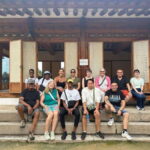
- Small group energy and photo help, including guides who will take family photos
A walk that stitches together Korea’s palace and neighborhood side
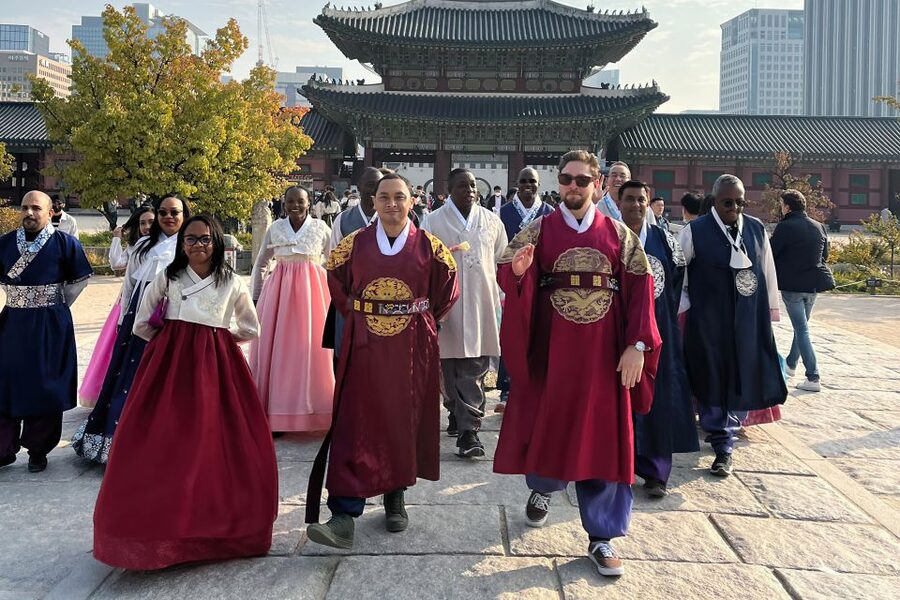
This tour works because it doesn’t treat Seoul like a checklist. You start with the hanbok experience, then shift into the palace world of ceremony, power, and architecture—before changing gears to Bukchon’s residential, everyday-feeling streets.
The pacing is also designed for sightlines. Gyeongbokgung is enormous, and it can feel overwhelming when you’re trying to figure out where to go. Having a guide help you hit key spots (including the Changing of the Guard) saves you time and stress.
And if you’re a first-timer in Seoul, this tour is a smart “orientation” day. You’ll leave with mental landmarks: where the palace atmosphere starts, what Bukchon’s streets feel like under your feet, and how the story of Korea’s elites continues in Baek In-je’s House.
You can also read our reviews of more tours and experiences in Seoul.

Price and what $55 really covers in Seoul terms
At about $55 per person for a 4-hour guided experience, the value comes from what’s included—not just what you see. The tour includes a live English guide, all entrance fees, a bottled water, and the hanbok rental if you choose the hanbok option. It also includes a snack (tteokbokki or a rice-cake skewer).
That matters because hanbok rental plus palace/area entry fees can add up fast if you try to DIY it. Here, you’re paying for a bundled day: someone organizes the flow, you don’t waste time hunting entrances, and you get cultural context in the moments you’re standing in front of the real objects and buildings.
One small catch: hotel pickup/drop-off isn’t included. The tour is designed to start at a specific meeting point (near the palace area) and end back where you started, with drop-off options in Insa-dong. So you’ll want to plan how you’ll get there on your own.
Starting near Gyeongbokgung: where you meet and how you should plan your arrival
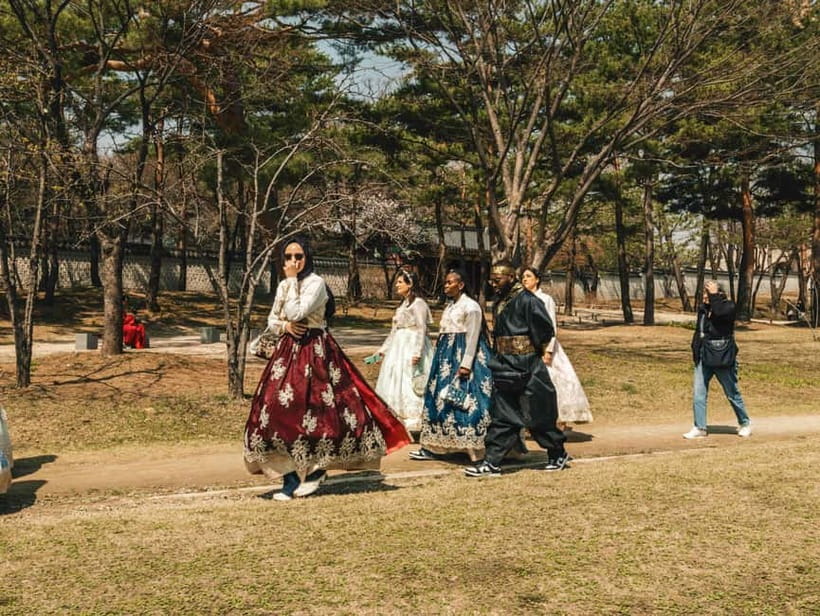
Your start point is listed as two options that use the same location: Flash Coffee Gyeongbokgung branch (the meeting point may vary depending on the option booked). That’s helpful, because it anchors you near where the day’s main sites begin.
I recommend arriving a little early, especially if you’re wearing hanbok. You’ll need time to get fitted and dressed, and you don’t want to rush the rental process. Also, if you’re meeting a group that includes non-hanbok guests, keep in mind that those without hanbok will need to wait while others change outfits.
Because this is a walking itinerary, your best move is to treat your arrival like part of the tour. Eat something light beforehand if you can, and bring a phone battery pack if you’re the type to take lots of photos during the ceremony.
Hanbok at K star Hanbok: fun, but build time for it
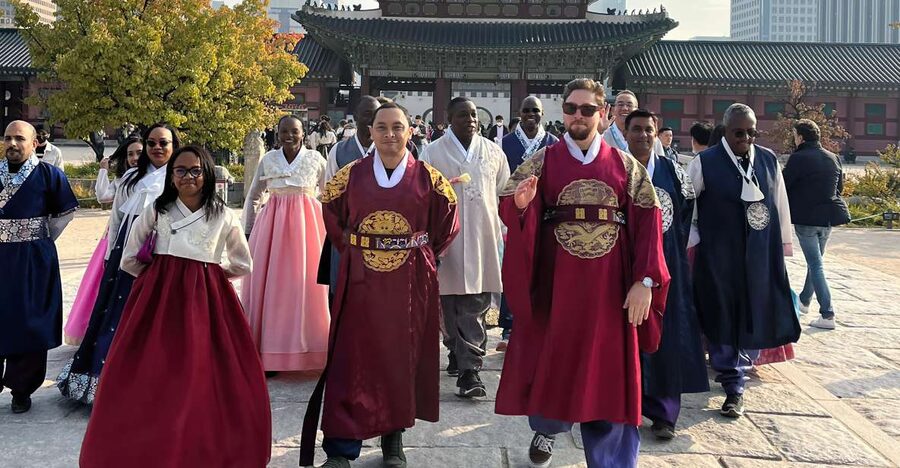
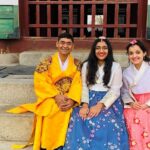
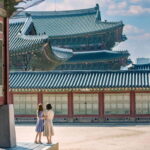
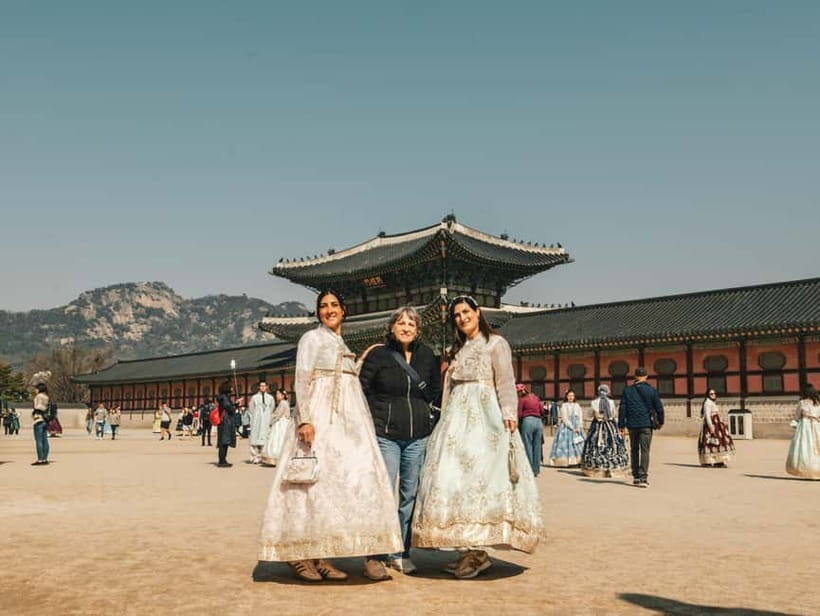
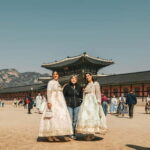
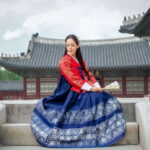
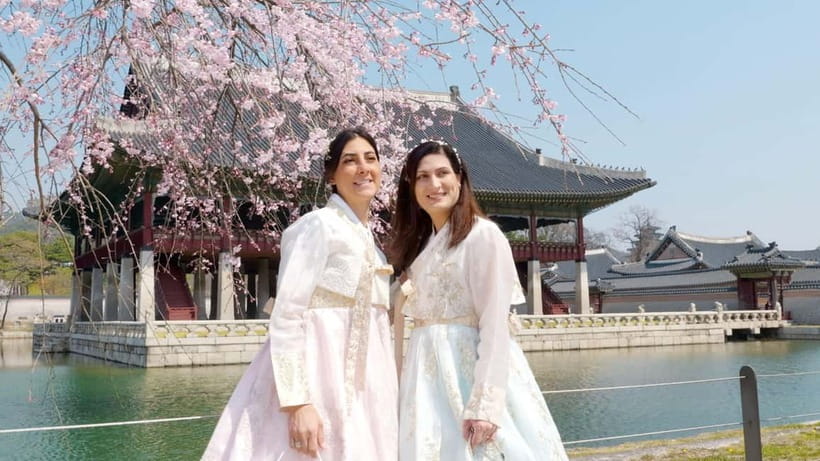
The tour includes a hanbok rental visit at K star Hanbok (about 30 minutes). This is the moment that makes the whole day feel different. Putting on traditional clothing isn’t just a costume—it changes how the palace complex photographs and how you move through the space.
A few practical points make this smoother:
- Wear easy-slip-on footwear for the rental changeover and then switch to comfortable walking shoes once fitted.
- Expect time to put on and return the outfit. This tour explicitly notes you should plan for that.
- If you’re not doing hanbok, there’s a café available inside the rental shop area where you can grab a drink while you wait.
In cold weather, hanbok can still be exciting—some groups have even talked about wearing it in very low temperatures and still enjoying the experience. But in general, think “comfort first,” because you’ll be under the open sky for a portion of the walking.
Gyeongbokgung Palace and the Changing of the Guard ceremony
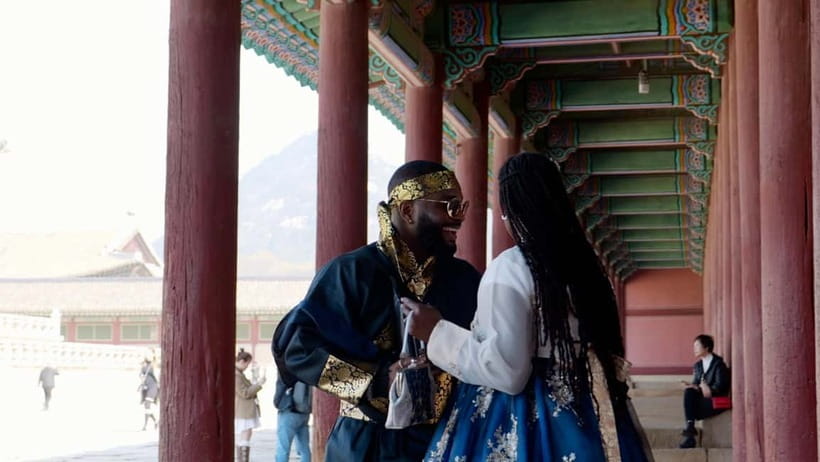
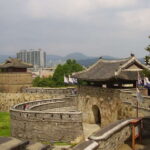
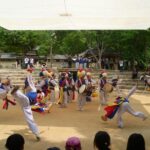
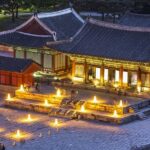
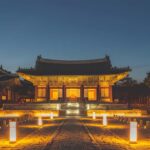
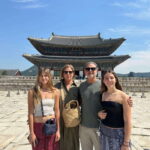
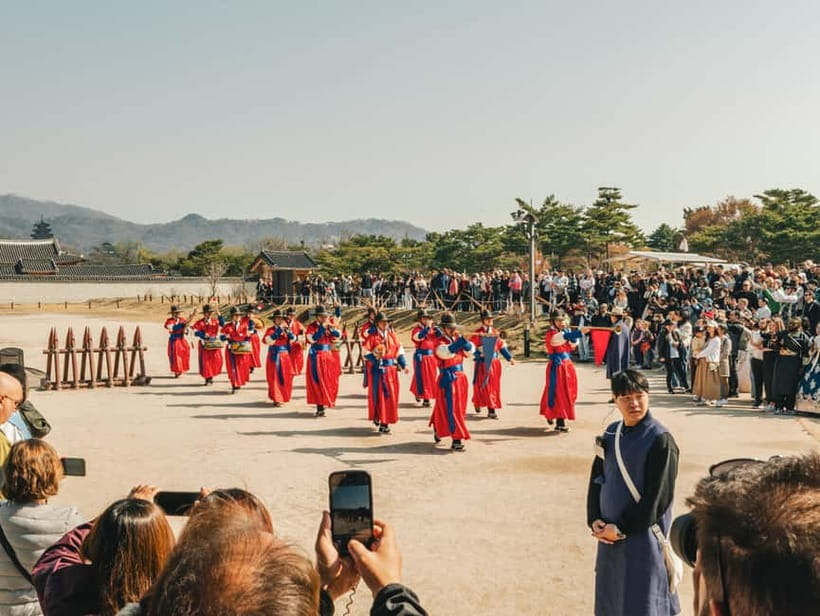
This is the headline stop: Gyeongbokgung Palace for photos, sightseeing, and a guided tour (about 1.5 hours). You’ll see the Changing of the Guard ceremony, which is where the choreography and costumes turn the palace grounds into a living stage.
Here’s why this moment is worth prioritizing. In a normal museum setting, you read about formality and symbolism. In Gyeongbokgung, you experience it through timing, movement, and scale—standing where the Joseon-era court culture played out. The costumes and precise routine also create a photo-friendly backdrop, especially with you in hanbok.
Now, a realistic caution: the palace complex can be busy, and some areas have limited shade. One useful tip from guide-led tours is to bring water—especially since wearing hanbok can make you feel warmer than you expect. You’re going to walk, look up, and pause for photos, so dehydration sneaks up.
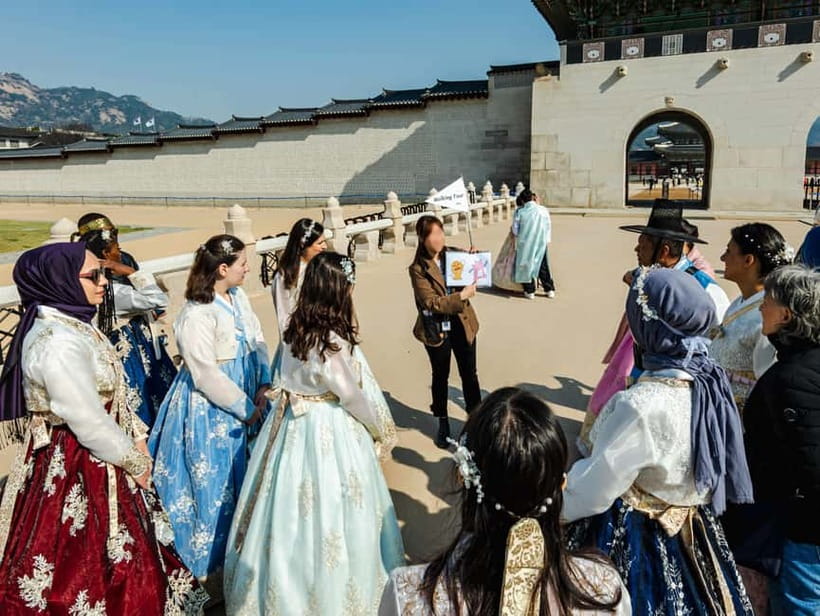
Also, the palace is huge. Guides can help you focus on the right spaces rather than wandering in circles. A number of English-speaking guides named in past groups—like Thomas and Janice—are praised for explaining buildings and structures inside the palace and keeping the flow organized.
National Palace Museum: Joseon royal artifacts in context
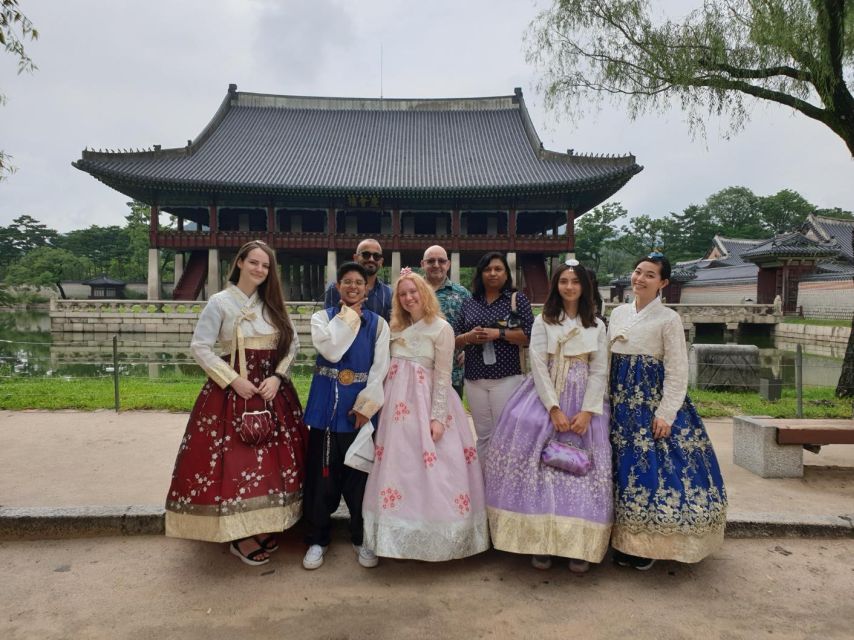
Your palace time also connects to the National Palace Museum of Korea theme—Joseon Dynasty history through royal artifacts. Even when you only have a limited window, this kind of stop gives you something important: a reason to look closely.
Instead of treating the grounds as scenery, you learn what the objects were meant to represent—materials, craftsmanship, and court culture. That context makes your photos better too, because you start recognizing details instead of just capturing angles.
One smart way to use this part of the tour: don’t only look for the biggest items. Ask your guide what a specific object reveals about the Joseon era. Guides in this format often steer people toward the stories behind the objects, so you leave with more than “I saw a museum.”
Bukchon Hanok Village: photo spots and the feel of an old neighborhood
After Gyeongbokgung, the tour moves to Bukchon Hanok Village with a guided walk plus photo stops (about 1 hour). This is where the experience shifts from royal ceremony to domestic life.
The key difference you’ll notice is atmosphere. Bukchon’s narrow lanes lined with traditional hanok houses make it feel like you’re moving through a preserved neighborhood rather than a staged attraction. That’s why people often come away calling Bukchon their favorite portion of the day: it feels personal in a way palace yards don’t.
Practical tips here are simple:
- Wear shoes you trust on uneven stone and crowded sidewalks.
- Go slow enough to look up. A lot of Bukchon’s beauty is in the angles.
- If you want photos in hanbok, coordinate with your guide. Some guides are specifically praised for knowing photo spots and getting groups into the right positions quickly.
This stop is also a good place to ask questions like: how did these houses manage heat, privacy, or community life? Even if you only have an hour, your guide can steer you toward the details that matter.
Baek In-je’s House: a look at elite life, not just architecture
Your final major cultural stop is Baek In-je’s House (about 30 minutes). This historic home offers a different lens on Korea’s past: how early 20th-century upper-class people lived, and what “opulence” meant in a house that’s been preserved.
If you’re trying to understand the arc of Korean society, this is a helpful bridge. Earlier parts of the day focus on royal ceremony and Joseon court symbolism. Baek In-je’s House brings the story closer to daily life of the elite—how space, rooms, and household style reflected status.
It’s also a calm ending compared with palace crowds and Bukchon foot traffic. You’ll have time to pause, listen, and take in how the house is arranged.
Snack break: tteokbokki or rice cake skewers and a real reset
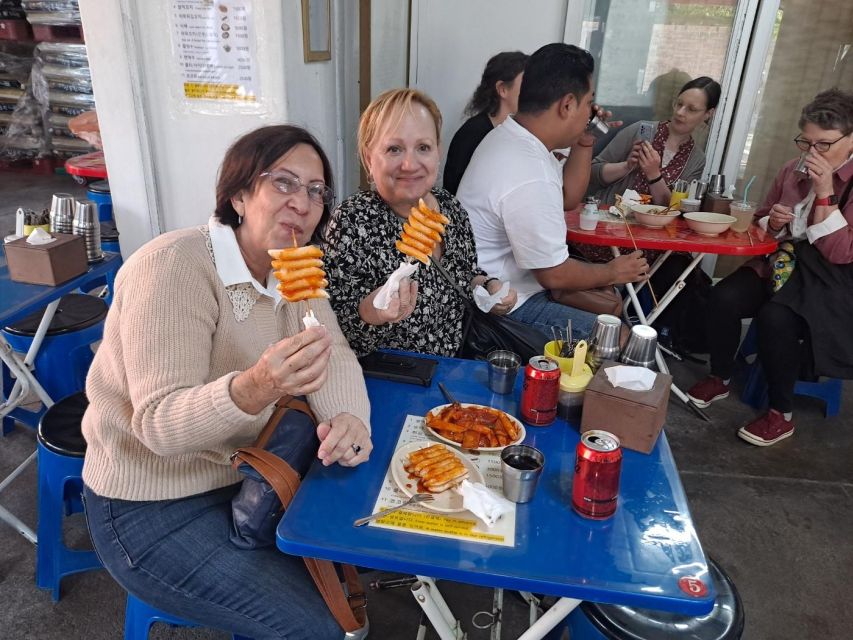
This tour includes a local snack stop (about 30 minutes). You’ll get tteokbokki or a rice cake skewer snack, plus the tour provides bottled water.
This is more than a “cute add-on.” With hanbok on, you’ll be more aware of heat and walking rhythm. A planned snack stop keeps energy up so you can enjoy the later stretches rather than rushing them.
If you’re sensitive to spice, ask your guide what’s in the sauce. Some guides are also praised for taking groups to tasty tteokbokki spots, so you’re not stuck guessing where to go once you’re tired.
Logistics that can make or break your day
This tour is walking-heavy, and the “hard part” is rarely the sightseeing—it’s the comfort details. The tour explicitly notes a moderate physical fitness level due to the walking involved, and it also warns that the schedule can shift based on local circumstances.
Here’s what I’d plan for in real life:
- Shoes: palace stone and Bukchon lanes can be unforgiving. Choose comfort over style.
- Heat management: some palace areas don’t have much shade, and hanbok can make it feel warmer. Use water and take short breaks when your guide suggests them.
- Timing for non-hanbok guests: if you’re not in hanbok, you’ll have waiting time while others get dressed. There’s a café option inside the rental shop area, which helps.
- Pace: a few groups note the tour can feel rushed if you’re hoping for extra photo time. If photos are your top priority, keep your expectations realistic and let your guide know early that you want more picture time at key spots.
On the plus side, many guides named in past groups—like Pearl and Susu—are praised for friendliness, helpfulness, and making sure the group gets good photos.
Who should book this tour (and who might want a different plan)
This tour is a strong match if you want a curated Seoul day that’s still grounded in real places. It’s especially good for first-timers who want Gyeongbokgung and Bukchon without spending hours figuring out entrances and routing.
You’ll also enjoy it if you care about photo moments. Hanbok + palace ceremony + Bukchon lanes are three things that photograph well, and guides on this format often take pride in getting groups into the right spots.
You might want a different plan if you:
- hate walking for 4 hours (including time near multiple stops),
- need lots of downtime between sights,
- or expect a relaxed, slow-paced photo shoot with no schedule pressure.
Also, if you’re very sensitive to heat, treat water as non-negotiable and pick the right season.
Should you book this Hanbok + Palace + Bukchon walking tour?
I’d book it if you want the easiest path to Seoul’s most iconic “old Korea” atmosphere in one afternoon. You’re getting hanbok rental (optional), Changing of the Guard, guided palace context, Bukchon’s neighborhood feel, Baek In-je’s House, plus snacks and water. For about $55, that bundled value is hard to beat for a guided day that includes entrance fees.
I wouldn’t book it if your ideal tour is slow, minimal walking, and lots of free time. This is structured, and the day moves—because the sights are timed and the spaces are busy.
If you do book, go in prepared: bring comfort shoes, plan for heat, and let your guide know what you care about most—ceremony photos, palace architecture, or the Bukchon streets. That’s the best way to make the schedule work for you.
FAQ
How long is the tour?
The tour duration is listed as 4 hours.
What is included in the price?
The included items are a historical guide, all entrance fees, premium hanbok rental depending on the option selected, a tteokbokki or rice cake skewer snack, and bottled water.
Do I have to wear a hanbok?
No. The tour offers an option with or without hanbok. If you skip it, you’ll need to wait while other guests change into their outfits, and a café is available at the hanbok rental shop.
Where does the tour start and end?
The meeting point may vary depending on the option booked, and the tour ends back at the meeting point. Drop-off locations include Insa-dong.
Is it a walking tour?
Yes. It’s described as a walking tour, with moderate physical fitness recommended due to the amount of walking.
What language is the tour guide?
The tour has a live English-speaking guide.
Can I cancel and get a refund?
Yes. Free cancellation is offered up to 24 hours in advance for a full refund.