REVIEW · SEOUL
Seoul Cultural Tour – Kimchi Making, Gyeongbok palace with Hanbok
Book on Viator →Operated by VIP TRAVEL Co.Ltd · Bookable on Viator
Photo-ready Korea, with food you make. This Seoul cultural tour strings together hanbok dress-up, Gyeongbokgung Palace, a tea break, a folk game, and a hands-on kimchi class into one smooth morning-to-afternoon plan. It’s built for people who want real Korean culture, not just a quick photo stop.
I especially like the mix of structured guidance and active doing. You’ll practice formal etiquette while dressed for the part, then get to get your hands messy with kimchi prep in a focused 30-minute class. A small group size (max 10) also means your guide can actually explain what you’re seeing and keep everyone engaged.
One thing to plan for: lunch isn’t included. Also, this is a 6.5-hour day with multiple stops, so if you’re sensitive to standing and walking at palaces and cultural centers, wear comfortable shoes and pace yourself.
In This Review
- Key highlights at a glance
- Hanbok + Gyeongbokgung Palace: Instant Korea, Without Waiting
- Insadong and the Tea Ceremony: Politeness with a Side of Calm
- Kimchi Class in Action: What 30 Minutes Really Teaches
- Folk Games Like Yut-Nori: Learning by Playing
- Stop-When-You-Shop: Ginseng Centers and Amethyst Factories
- Price, Group Size, and Guides: Is $99 a Good Deal?
- Who Should Book This Tour (and Who Might Prefer a Different Day)
- Should You Book This Seoul Hanbok + Kimchi Tour?
- FAQ
- What time does the tour start, and how long is it?
- How much does the tour cost?
- Does the tour include hotel pickup and transport?
- What’s included in the kimchi making part?
- What Korean cultural activities besides kimchi are included?
- Is lunch included?
- Can I cancel for a full refund?
Key highlights at a glance
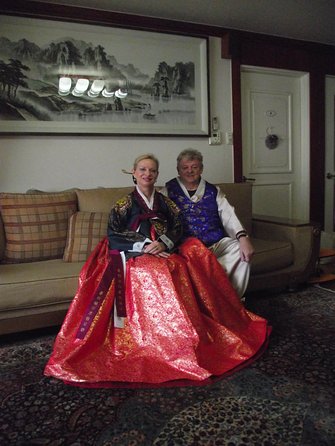
- Hanbok dress-up for photos plus etiquette practice in traditional style
- Gyeongbokgung Palace viewing with a professional English or Chinese guide
- Tea ceremony and a classic folk game from the Joseon era
- Kimchi making class with a lecture on tradition and uses of kimchi
- Return stops via an amethyst factory or a ginseng center
Hanbok + Gyeongbokgung Palace: Instant Korea, Without Waiting
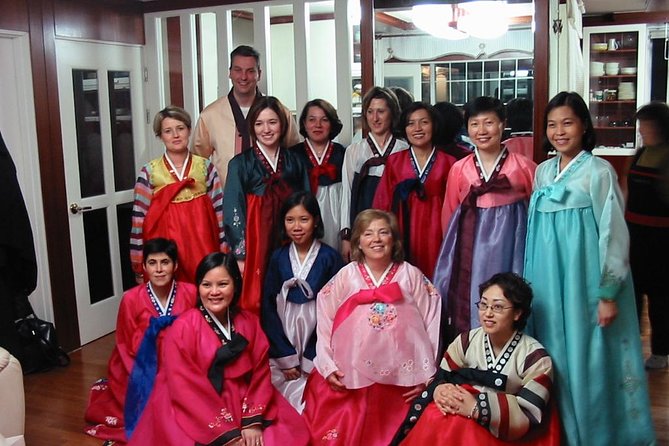
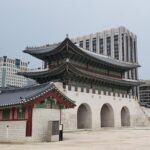
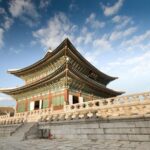
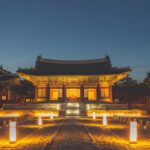
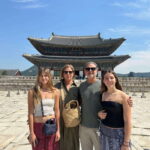
Gyeongbokgung Palace is one of those places where Seoul’s past feels close enough to touch—big gates, long palace lines, and lots of photo angles. With this tour, you don’t just walk around the grounds. You arrive with a plan to understand how you should behave while wearing hanbok, which changes the whole feel of the visit.
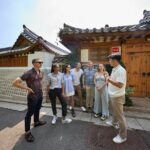
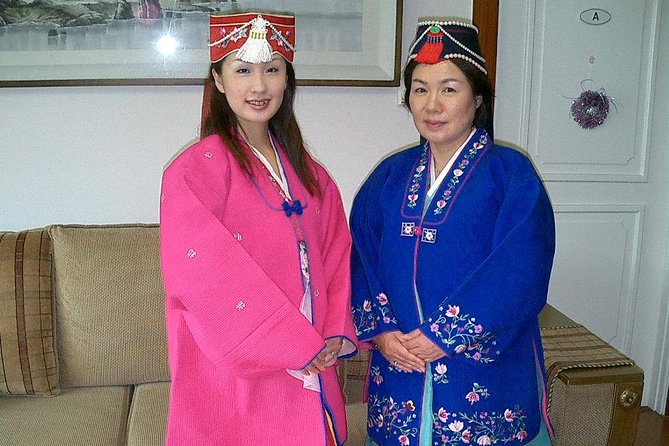
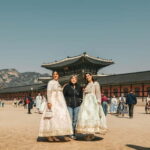
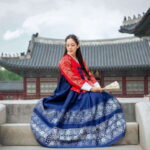
The standout here is the hanbok factor. You’ll try on Korean clothing and wear it during the palace portion, so you’re stepping into the visual mood of Joseon-era Korea. You’ll also practice formal social etiquette while dressed in traditional style. That matters because it turns hanbok from a costume into something you’re using correctly—how you greet, how you move, and how you pose so you look respectful, not like you’re rushing for a selfie.
Two practical tips if you want great results:
- Bring your best patience. Palace time is often photo-heavy, but you’ll move with a guide who can steer you toward the most worth-it viewpoints.
- Assume it’s going to feel cooler or windier than expected in the palace area. Comfortable outer layers help.
Possible drawback: hanbok is fun, but it can be less forgiving than regular clothes for heavy walking. If you’re planning a second day with more long-distance sightseeing, keep the rest of your schedule light.
You can also read our reviews of more tours and experiences in Seoul.

Insadong and the Tea Ceremony: Politeness with a Side of Calm
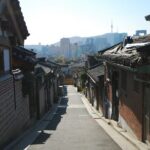
After the palace, the tour heads toward Insadong, a neighborhood many people use as a cultural base—traditional crafts, teahouses, and that easy walking vibe. The tour uses the area as more than a backdrop. You’ll connect the dots between what you see and what people actually did day to day.
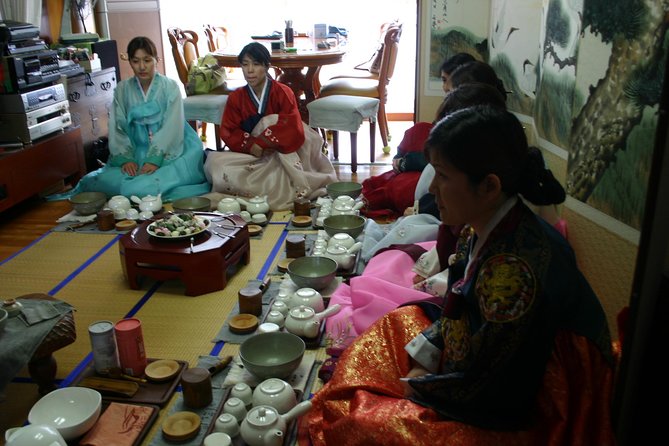
A highlight is the tea ceremony. You’re not just drinking something warm to recharge. The format helps you slow down and focus, which is useful when you’ve been moving around a large site like Gyeongbokgung. It’s also a nice reset before the hands-on kimchi part, since your food-learning brain works better when you’re calm.
The etiquette piece also carries through here. Wearing hanbok while learning how to behave adds context to what you see in palace spaces and cultural centers. In Korea, manners are not just abstract rules. They show up in greetings, posture, and how you interact in shared spaces—especially during cultural demonstrations.
If you want to take photos that actually look natural, this is the moment to do it. Between tea, etiquette practice, and guided pacing, you’ll get more than random snapshots.
Kimchi Class in Action: What 30 Minutes Really Teaches
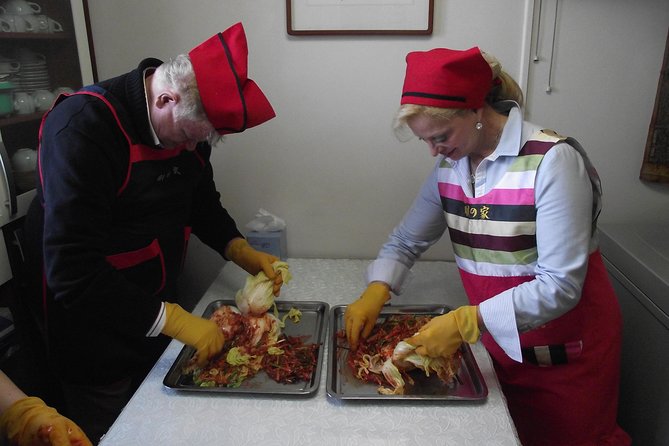
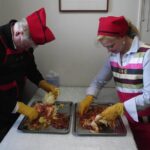
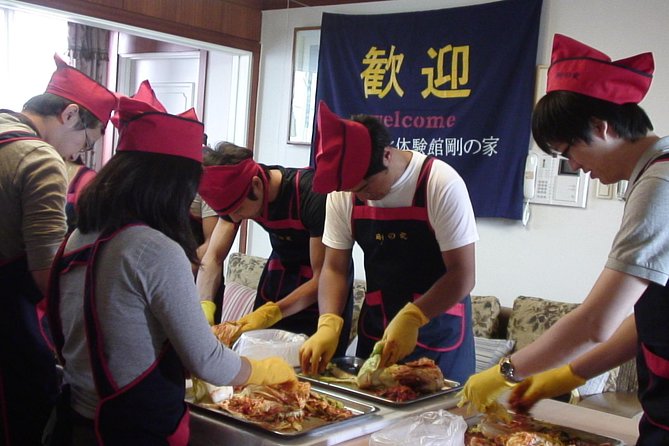
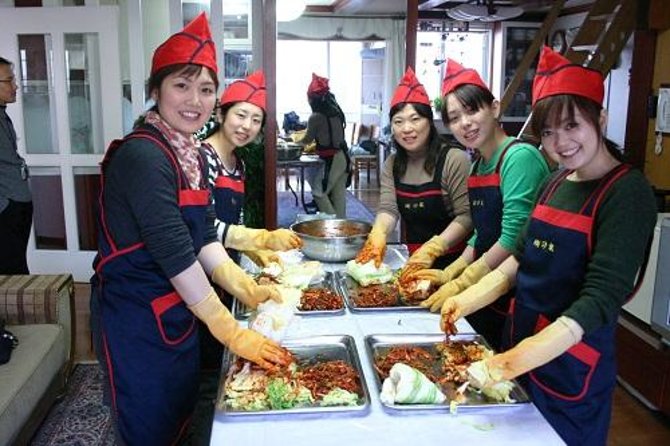
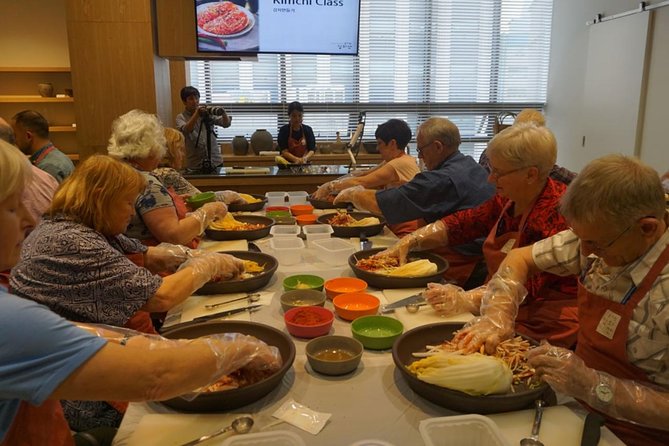
The kimchi making portion is the heart of the day, and it’s hands-on. You get a 30-minute class plus a lecture about kimchi’s history and tradition, and why it’s considered a healthy staple in Korean diets. Then you learn how to prepare it and understand the many ways it’s used.
Here’s why this is valuable: kimchi can sound like one thing—fermented cabbage. But in Korean cooking, it’s a foundation ingredient. Learning the basics with guidance helps you connect the dots to what you’ll likely see later in meals: kimchi on the side, mixed into rice dishes, folded into stews, or used to add tang and depth.
Keep expectations realistic. This isn’t a multi-hour fermentation workshop. It’s a short, focused class designed to teach process and fundamentals without swallowing your whole day. The payoff is that you’ll leave knowing what matters—how ingredients work together, what makes kimchi’s flavor profile recognizable, and how to talk about it when you eat it.
Practical note: if you’re sensitive to spice or strong smells, tell your guide ahead of time. Kimchi ingredients and mixing can get intense. You don’t need to fear it, but a heads-up keeps the experience comfortable.
Also, because this tour includes a professional guide (English or Chinese) and the kimchi-making lecture fee, you’re paying for more than just a cooking station. You’re paying for explanation: what you’re doing and why.
Folk Games Like Yut-Nori: Learning by Playing
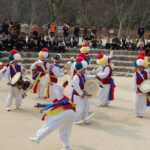
One of the most fun parts is the traditional folk game linked to the Joseon era. In the best runs, you’ll play Yut-Nori, a classic board game where you use sticks and luck to move forward. It sounds simple, but it’s surprisingly social—great for breaking the ice in a small group and keeping the mood light after palace walking and etiquette practice.
This is more than entertainment. Folk games helped communities spend time, settle scores, celebrate holidays, and teach rules the same way stories teach values. By playing, you understand the structure of the game in a way that reading about it never gives you.
If you’re traveling with kids or older adults, this is the section that tends to work. It’s low-tech (no screens needed), and the guide can help you understand what to do quickly.
Pro tip: bring a phone strap or keep your hands free. Games plus photos can lead to dropped devices. I’m not saying it happens. I’m saying it’s a risk.
Stop-When-You-Shop: Ginseng Centers and Amethyst Factories
On the way back to your hotel, the tour includes a return stop via an amethyst factory or a ginseng center. The goal is educational, but it’s also where you may see products and learn how people market traditional items.
Why it’s included: ginseng and amethyst are often connected in tours to Korea’s ideas of health and natural resources. The ginseng center usually ties into how the plant is used and why it’s culturally important. The amethyst factory is more about the material and production story.
What you should expect from a practical standpoint:
- There will be time spent listening, looking, and asking questions.
- You might be encouraged to purchase, depending on how the stop runs that day.
- If your priority is strict sightseeing only, this is the part where you may want to manage your energy.
Good news: since it’s at the end of the day, you can treat it as flexible. If you’re tired, you can still follow along without having to feel like you’re “missing” a major landmark.
Price, Group Size, and Guides: Is $99 a Good Deal?
At $99 per person, this tour isn’t cheap in the “budget deal” sense. But it does add up when you break down what’s covered.
Your price includes:
- Hotel pickup and round-trip transport in Seoul
- A professional guide (English or Chinese)
- Kimchi-making lecture/class components (including the kimchi-making lecture fee)
- All taxes, fees, and handling charges
- Mobile ticket convenience
It also runs about 6 hours 30 minutes. That’s a solid block of time for a tour that combines palace time, cultural demonstrations, and a food class.
The small-group limit (max 10 travelers) is important. You’re not stuck in a huge herd, and you’re more likely to get help with instructions, photo timing, and questions. The guide quality also looks strong based on real guide names you may see associated with this provider, like Jay, Eva, Alice, Lena, Tom, Lady K, Grace, and Mi So. You won’t necessarily have the same person, but it signals that they staff the tour with active, talkative hosts.
Value check: if you were to do these parts separately—palace guide, hanbok photo time, etiquette coaching, tea ceremony participation, and a kimchi class—you’d likely pay far more once you add transport and guidance. Here, you’re buying coordination and context in one package.
One consideration: lunch isn’t included. If you hate hunting for food mid-day, plan a light snack before you start or decide where you’ll eat after the tour ends.
Who Should Book This Tour (and Who Might Prefer a Different Day)
This is a good fit if you want:
- A hands-on cultural day with tangible results (you learn kimchi, you wear hanbok, you play a folk game)
- A guided experience that organizes palace time so you don’t waste your energy guessing
- A small group vibe (max 10) so you can actually hear explanations
It’s also family-friendly, and the folk game + hanbok photo opportunities tend to land well with younger travelers and grandparents alike.
Who might look elsewhere:
- If you’re only chasing one big “must-see” landmark and prefer long free time on your own, this tour’s structured pace might feel too scheduled.
- If you’re extremely sensitive to spice or strong fermented smells, you’ll still enjoy it with a heads-up, but kimchi prep can be intense.
If you’re the type who likes learning manners as much as food, you’ll likely enjoy the etiquette component. It’s not just cultural theater. It gives you a way to interact appropriately in spaces where traditions still matter.
Should You Book This Seoul Hanbok + Kimchi Tour?
Yes, I’d book it if you want a single day that hits multiple Korean cultural themes with real hands-on participation. Kimchi making plus hanbok plus palace time is the rare combo that stays fun from start to finish—especially because you’re not only watching. You’re doing.
Book it with one simple plan: eat smart and wear comfy shoes. Lunch isn’t included, and you’ll be on your feet through several parts of the day. If you handle that, this is a strong way to get more Seoul per hour without turning your trip into a checklist.
If you want a day where you can laugh, learn, and leave with both photos and a new food skill, this one fits.
FAQ
What time does the tour start, and how long is it?
It starts at 9:30 am and runs about 6 hours 30 minutes.
How much does the tour cost?
The price is $99.00 per person.
Does the tour include hotel pickup and transport?
Yes. Round-trip hotel transport in Seoul is included, and pickup is offered. You’ll also get a mobile ticket.
What’s included in the kimchi making part?
You get the kimchi-making lecture fee plus instruction through the class, along with a professional guide (English or Chinese).
What Korean cultural activities besides kimchi are included?
You’ll try on and wear hanbok for photos and etiquette practice, take part in a tea ceremony, and play a traditional folk game.
Is lunch included?
No. Lunch is not included.
Can I cancel for a full refund?
Yes, you can cancel for a full refund up to 24 hours before the experience’s start time.