REVIEW · SEOUL
Seoul: Gyeongbok Palace, Bukchon Village, and Gwangjang Tour
Book on Viator →Operated by I Love Seoul Tour · Bookable on Viator
Four hours, and Seoul hits hard. This guided run strings together royal drama at Gyeongbokgung Palace, classic hanok alleys, mountain views, and a food-market finish, all with admissions handled and a mobile ticket. I like the personal, guide-led pacing (plus air-conditioned transport). I also like how efficiently it mixes old Seoul with modern scenes. The one drawback: the schedule is tight, and the ginseng museum stop can feel sales-heavy.
You start at Myeongdong Station and end at Gwangjang Market, so it’s not the kind of tour where you get picked up and dropped off at your hotel. Still, if you’re on a first-timer timeline, this is a solid way to get your bearings fast—with enough time for photos at each stop.
In This Review
- Quick Hits Before You Go
- A 4-Hour Seoul Sprint That Still Feels Guided
- Gyeongbokgung Palace and the Guard Change: Where the Day Comes Alive
- Bukchon Hanok Village: Hanok Photos With a Time Limit
- Bugak Skyway (Bugak Palgakjeong): The Best View Stop for Quick Breathing Room
- The Ginseng Museum: Culture Stop With a Sales-Room Side Effect
- Gwangjang Market Finale: Snack Strategy in a Small Time Window
- Transport and Timing: Why the Route Works (and When It Doesn’t)
- Who This Seoul Tour Fits Best
- Should You Book This Seoul Half-Day Tour?
- FAQ
- How long is the Seoul tour?
- What is the price, and what’s included?
- Where do I meet the guide?
- Where does the tour end?
- Are food and drinks included?
- Is hanbok rental included?
- Does the tour run in bad weather?
- Can I get a full refund if I cancel?
- Is there a minimum number of travelers to operate?
Quick Hits Before You Go
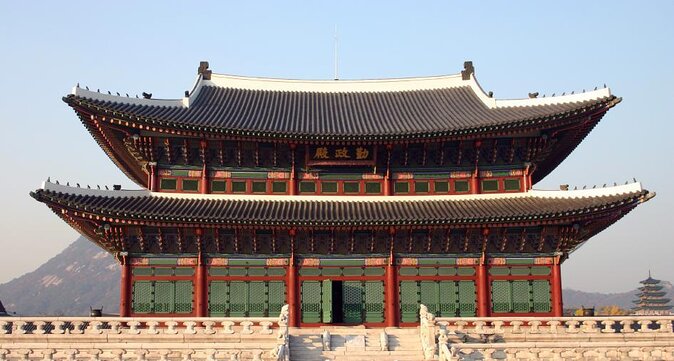
- Gyeongbokgung Palace + Royal Guard Changing Ceremony gives you Seoul at full theatrical volume
- Bukchon Hanok Village is built for picture-taking, with a short, focused time block
- Bugak Skyway / Bugak Palgakjeong delivers panoramic Seoul views from Bugaksan Mountain
- Ginseng Museum stop adds culture and context, but expect a strong retail presence
- Gwangjang Market finish is your chance to snack your way through the neighborhood food scene
A 4-Hour Seoul Sprint That Still Feels Guided
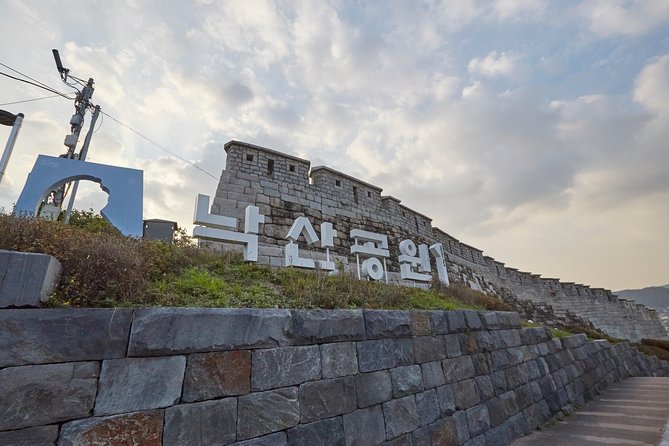
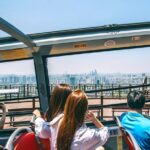
This tour is built for speed without making you feel lost. You travel by air-conditioned minivan or coach, and you’ve got a professional guide who keeps the day moving and explains what you’re seeing. The day is designed around five stop moments, each with a set amount of time—so you’re not wandering alone trying to figure out how everything fits together.
At $32 per person, the value is the mix of what’s included: professional guide, transport, and admission fees. Food and drinks are on you, but the structure helps you avoid “I spent hours getting between places” travel fatigue. One thing to keep in mind: it’s not a true private tour, so you’ll likely be in a group. The cap is up to 100 travelers, though the transport and guide support still make it feel organized rather than chaotic.
Also, timing matters here. Meeting at Myeongdong Station is required, and you can’t join once it starts. That rule is there for a reason: the tour keeps moving on a schedule.
You can also read our reviews of more tours and experiences in Seoul.

Gyeongbokgung Palace and the Guard Change: Where the Day Comes Alive
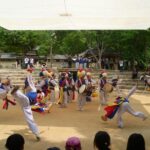
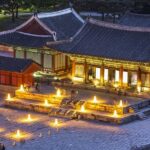
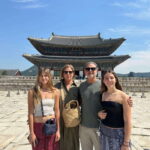
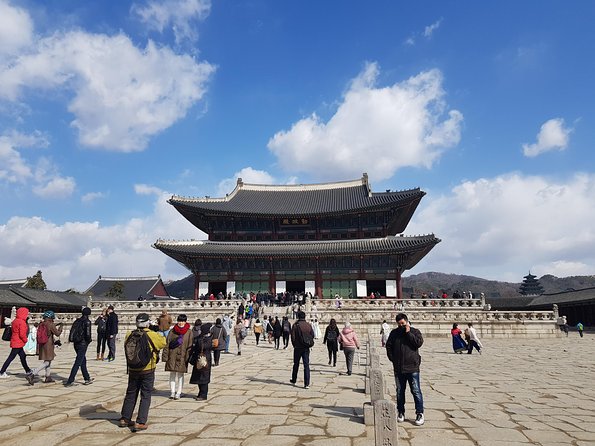
If you only do one palace in Seoul, you’ll understand why people obsess over Gyeongbokgung Palace. It’s one of the city’s largest and most beautiful palaces, and it’s the natural start of this kind of half-day route. You also get the Royal Guard Changing Ceremony, which is a big deal visually. Even if you’re not a history buff, you’ll feel the pageantry.
You’ll have about 30 minutes for this stop, with an admission ticket included. That’s enough time to do the essentials: orient yourself in the palace grounds, find a good spot for the ceremony, and get a few photos without spending your whole morning in line-wait mode.
Practical note: palace visits can be more tiring than they look. Surfaces are uneven in spots and people move around quickly. Comfortable shoes matter, especially because you’re not just doing one stop—you’re doing five.
Bukchon Hanok Village: Hanok Photos With a Time Limit
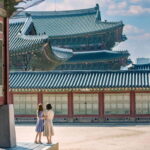
Bukchon Hanok Village is where old Seoul turns into a photo set. You’ll see hanok—traditional Korean houses—packed into a neighborhood that feels like it’s designed for storytelling with your camera. This stop is short (about 20 minutes), and admission is free, so your time goes toward walking the right lanes and soaking up the vibe.
The upside of this time-boxed visit is that you don’t get stuck in the “photo forever” loop. You’re there to see the character of Bukchon, get your pictures, and move on. The downside is also real: if you want to read every sign, explore deeper residential corners, or slow down for a long sit-down break, you won’t have that luxury here.
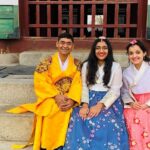
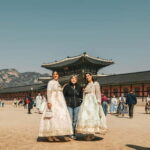
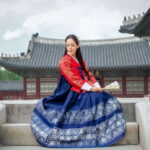
One more practical thing: the tour doesn’t offer hanbok rental time. If you want that traditional look for photos, you’ll need to arrange it separately.
Bugak Skyway (Bugak Palgakjeong): The Best View Stop for Quick Breathing Room
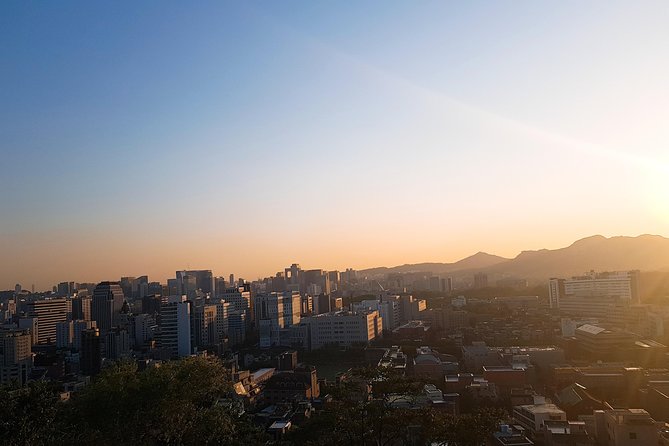
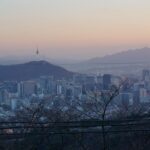
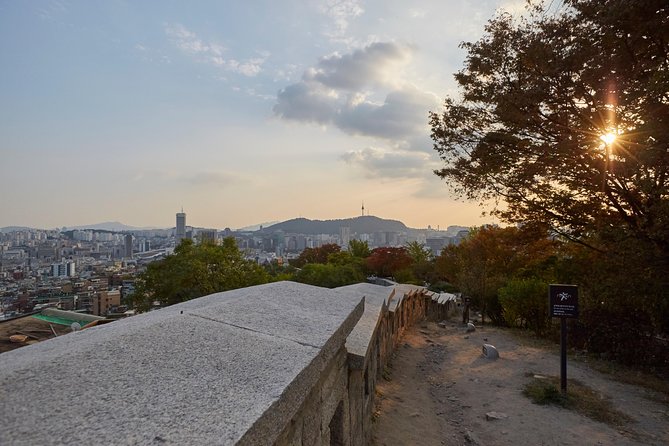
Then comes a very different mood: Bugaksan Mountain and Bugak Palgakjeong, also known as the Bugak Skyway area. This is the calm break in the middle of a fast schedule. The pavilion sits on the slopes of the mountain, and the main reward is the panoramic look over Seoul.
You get about 40 minutes here, and admission is included. That longer window compared to some other stops helps you do the sensible things: walk to a viewing spot, take photos without feeling rushed, and just reset for the next urban section.
Because this is a mountain-side stop, plan for some walking and uneven paths. The tour asks for moderate physical fitness, and this is one of the parts where that matters. Wear shoes you trust.
The Ginseng Museum: Culture Stop With a Sales-Room Side Effect
Next up is the Cheongha Korea Ginseng Museum. The tour frames ginseng as a major herb with deep roots in East Asian medicine history. You’ll get context that it’s mentioned in Ji Jiu Zhang during the Han dynasty, described as a plant used for a wide range of ailments—often treated like a cure-all in traditional belief.
Admission at this stop is free in the tour listing, and the time on site is about 30 minutes. That’s enough time to understand the story, see what’s on display, and move along.
Now for the tradeoff. Multiple guides across the tour lineup are praised overall, but this particular stop is where people sometimes feel the retail push. A museum like this typically includes a sales component, and if you’re not interested in shopping, you may feel like your time is being directed toward purchases rather than learning.
My practical advice: go in with a mindset of looking for the educational bits, not the shopping experience. You’re not obligated to buy anything. If you’re more interested in history than products, keep your expectations aligned and treat it as a short cultural stop before you hit the market.
Gwangjang Market Finale: Snack Strategy in a Small Time Window
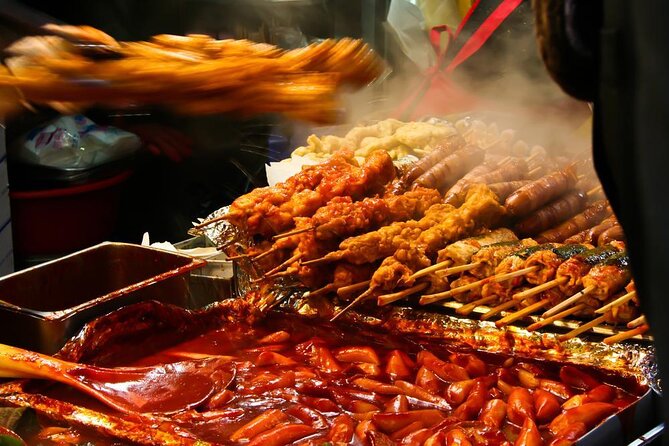
The tour ends at Gwangjang Market, where the idea is simple: taste your way through Korean street-food culture. Your time here is about 15 minutes, and admission isn’t an issue because it’s a market. Food and drinks are not included, so you’re choosing and paying for your own bites.
This short finish time is a smart design for a half-day tour. You get the excitement of the market without turning your schedule into a food crawl that steals the rest of your afternoon. The downside is you can’t try everything. Pick a couple of items you genuinely want and don’t let decision fatigue win.
If you care about eating well (not just eating quickly), do this: have one or two must-try categories in mind before you arrive—like savory pancakes, dumplings, or other classic market foods—then order fast and eat where you can.
Also, because this is the end point, don’t schedule anything tight right after. Build in a little buffer so you’re not sprinting for your next train the moment the tour is over.
Transport and Timing: Why the Route Works (and When It Doesn’t)
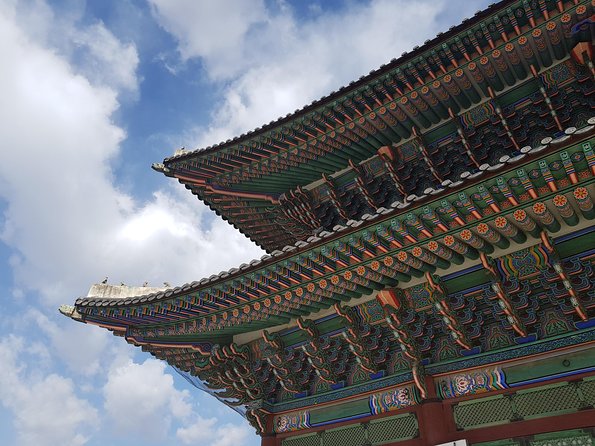
The big reason this tour is popular is logistics. You’re not figuring out subway routes between five separate neighborhoods while also trying to line up admissions and keep track of opening hours. Transport is handled by air-conditioned minivan or coach, and the guide keeps you on the timeline.
A tour that lasts about four hours means you’ll feel the “hit list” rhythm. That rhythm is great for:
- first-time visitors who want the highlights fast
- people traveling with limited time
- anyone who likes photo stops but still wants context
It can feel rough for:
- people who hate being on a schedule
- anyone who wants long museum-style reading time
- visitors who dislike retail stops
The “rain or shine” part matters too. Outdoor stops at palaces and viewpoints don’t magically get better in bad weather, but the tour keeps going. Bring a light umbrella or rain jacket, and keep your shoes dry-ish if possible.
One more small detail that affects your day: the maximum group size is up to 100 travelers. In practice, that means you’ll want to listen closely during regrouping times and follow your guide’s directions for the quickest path to the next stop.
Who This Seoul Tour Fits Best
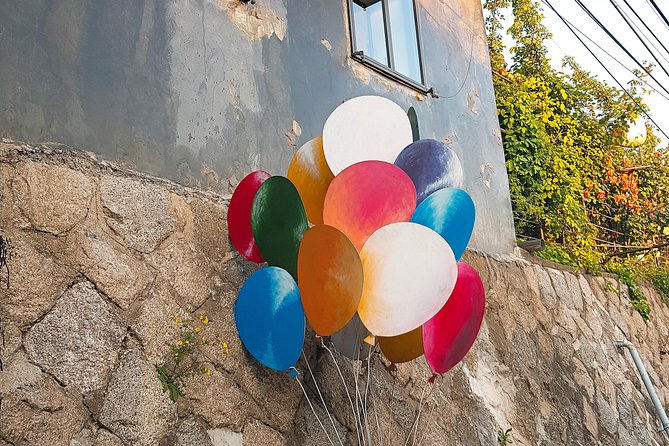
This is a strong fit if you want a guided sampler platter of Seoul. You’ll cover:
- royal architecture and ceremony at Gyeongbokgung Palace
- traditional neighborhood scenes at Bukchon
- viewpoint payoff at Bugaksan Mountain
- a quick health-history culture stop at the ginseng museum
- a practical food ending at Gwangjang Market
It’s especially ideal for your first day in Seoul or your only half-day slot. If you’re the type who likes a plan but still wants to take photos, you’ll probably enjoy how each stop is timed.
If you want a deeper, slower day in one single area—like spending half a day just on palace grounds or wandering Bukchon for longer—this route won’t scratch that itch. It’s built for breadth, not for slow immersion.
As for the guide experience: the guide lineup is often praised by name for things like clear English, strong storytelling, and helping people get good photos at the right moment. You might hear guide names like Chloe or Shin for history narration, or Grace, Sophie, Sunny, Stella, and Henry for energy and organization. Whoever you get, the goal is consistent: keep you moving with context.
Should You Book This Seoul Half-Day Tour?
I’d book it if you’re trying to make Seoul make sense quickly. For $32, you’re getting paid guide time, transport, and admissions, plus a route that hits palace, traditional streets, mountain views, and market food in one afternoon. That kind of efficiency is hard to recreate on your own without spending your energy on logistics.
Skip it (or adjust your expectations) if you’re picky about retail stops or you hate tight time windows. The ginseng museum could feel like a sales-focused detour, and the market stop is brief. Also, because you must meet on time and can’t join mid-tour, you need to treat the start seriously.
FAQ
How long is the Seoul tour?
The tour runs for about 4 hours.
What is the price, and what’s included?
It costs $32 per person. Included are a professional guide, transport by air-conditioned minivan or coach, and admission fees.
Where do I meet the guide?
You meet at Myeongdong Station Exit 1061-7 Chungmuro 2(i)-ga, Jung District, Seoul.
Where does the tour end?
The tour ends at Gwangjang Market.
Are food and drinks included?
No. Food and drinks are not included, and you’ll have time at Gwangjang Market to taste items on your own.
Is hanbok rental included?
No, hanbok rental time is not offered.
Does the tour run in bad weather?
Yes, the tour takes place rain or shine.
Can I get a full refund if I cancel?
Yes. You can cancel up to 24 hours in advance for a full refund.
Is there a minimum number of travelers to operate?
Yes. This tour requires 2 people minimum to book.
If you want, tell me your travel dates and whether you’re going in winter or summer, and I’ll help you plan what to wear and what snack stops to prioritize near Gwangjang Market.