REVIEW · SEOUL
Seoul: Gyeongbok Palace, Bukchon Village, and Gwangjang Tour
Book on GetYourGuide →Operated by I LOVE SEOUL TOUR Co., Ltd. · Bookable on GetYourGuide
Seoul in one tight plan. I like how this tour bundles Gyeongbokgung Palace and the Royal Guard Changing Ceremony with Seoul’s best photo stops, then ends where you can actually eat and shop. I also like the way the day builds to Bugak’s viewpoints, so you get that classic high-up look at the city. One drawback: it’s a fast-moving schedule, so you’ll want comfortable shoes and you should expect some walking even though the big transfers are by minivan or coach.
You get an English live guide, plus air-conditioned transport between stops. And the plan runs rain or shine, so you’re not stuck waiting out weather with nothing to do. Most days land you back in central Seoul at a market area for your own meal timing.
At around $32 per person, this is strong value for first-time Seoul visitors who want palace context, hanok atmosphere, and a practical shopping/food finish. If you want a slow, deep, no-rush museum day, you may feel a bit capped by the time at each site. Still, the pacing is the point here: see the key highlights without losing your whole day to logistics.
In This Review
- Key Things That Make This Tour Worth Your Time
- A Seoul Sampler Built for Real Time (4–9 Hours)
- Gyeongbokgung Palace and the Royal Guard Ceremony: What You’ll Get
- Bukchon Hanok Village: Traditional Lanes and Real Texture
- Bugak Skyway and Bugak Palgakjeong: The Panoramic Break You’ll Feel
- Cheongha Korea Ginseng Museum: Shopping With a Real Backstory
- Gwangjang Market Drop-Off: Eat Like a Local After the Tour
- How the Tuesday and Full-Day Versions Change the Story
- Tuesday Shared Group Option: N Seoul Tower and Deoksugung
- Full-Day Version: War Memorial, UN Cemetery, and More
- Price and Logistics: Why $32 Can Feel Like a Win
- Pacing, Shoes, and Choosing the Right Departure Time
- Who Should Book This Tour (and Who Might Prefer Something Else)
- Should You Book This Seoul Palaces and Ginseng Tour?
- FAQ
- How long is this Seoul tour?
- What’s included in the price?
- Is hotel pickup available?
- Where do I meet the tour?
- Does the tour run rain or shine?
- Is hanbok rental included?
- Is the N Seoul Tower observatory included on the Tuesday option?
- What food can I try at Gwangjang Market?
- Is the tour wheelchair accessible?
Key Things That Make This Tour Worth Your Time
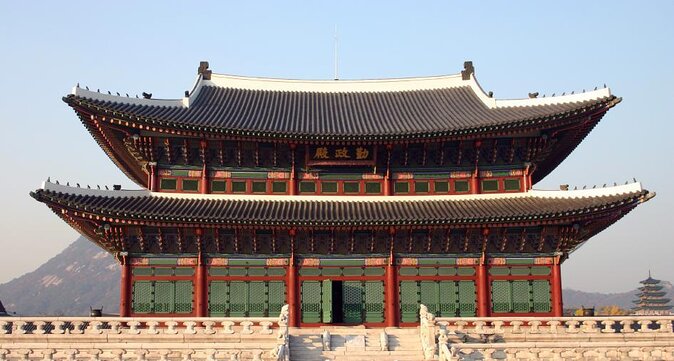
- Royal Guard Changing Ceremony at Gyeongbokgung so you’re not just looking at walls, you’re seeing a signature tradition
- Bukchon Hanok Village photo time in the traditional-house lanes, with a backup if Bukchon is closed
- Bugak Skyway and Bugak Palgakjeong viewpoints for a high, calmer perspective over Seoul
- Cheongha Korea Ginseng Museum shopping with a story behind the product, not just a sales stop
- Gwangjang Market drop-off so you can eat on your schedule at Korea’s best-known old-school market
A Seoul Sampler Built for Real Time (4–9 Hours)
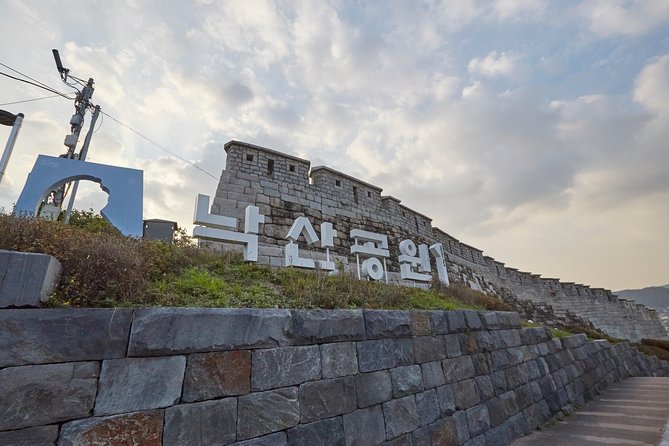
This tour is designed for the problem most people have in Seoul: you want big sights, but you don’t have weeks to spread them out. Depending on the option you pick, your day can run anywhere from a half-day feel to a fuller day plan. In all versions, the structure is the same: a palace start, hanok village time, an elevated viewpoint, a ginseng stop, and then a market-area end.
The $32 price point makes sense because you’re not just paying for someone to point at landmarks. You’re also covered for entrance fees, a local guide, and transport by air-conditioned minivan or coach. Lunch isn’t included, and personal spending is on you, but you do get the “organized parts” handled.
If you’re the type who likes to get your bearings fast—then wander on your own after—this fits well. If you dislike group pacing, you may feel rushed at the shorter guided stops. The good news is that you’ll still have enough free time at the market to slow down and choose what you actually want to eat.
You can also read our reviews of more tours and experiences in Seoul.

Gyeongbokgung Palace and the Royal Guard Ceremony: What You’ll Get
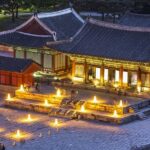
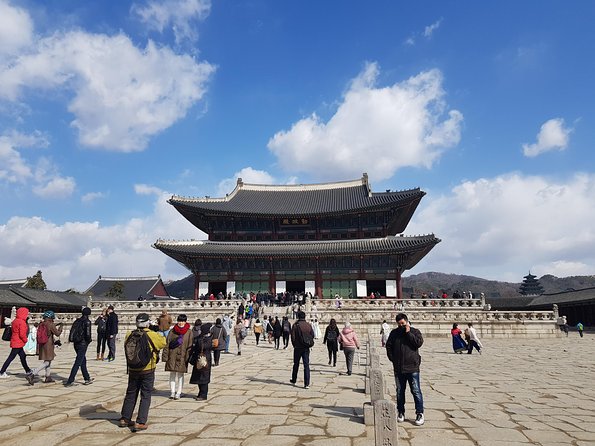
Your tour starts with a guided walkthrough of Gyeongbokgung Palace, one of Seoul’s most important royal sites. The time on-site is about an hour with your guide, which means you’ll get the key orientation points: where you should look, what the buildings represent, and how the palace layout ties to Korea’s historical power structure.
The headline moment is the Palace Royal Guard Changing Ceremony. This is the kind of event that can feel random if you show up on your own with no timing help. On this tour, it’s baked into the visit. You’ll watch it as part of the palace experience, which turns “a beautiful place” into “a living tradition.”
Practical tips to help you enjoy this part:
- Wear shoes that handle uneven stone and lots of standing.
- Bring a phone/camera grip you can hold steady; you’ll probably pause for photos.
- If you care about a specific angle of the ceremony, get set early so you’re not jostling after it starts.
Guides also matter a lot for palace visits, and the named English-speaking guides you might be assigned—like Grace, Sophie, Sunny, Shin, Chloe, Henry, or Winnie—are repeatedly described as energetic and fun with different group types. That usually helps you stay focused during the ceremony and the palace context.
Bukchon Hanok Village: Traditional Lanes and Real Texture
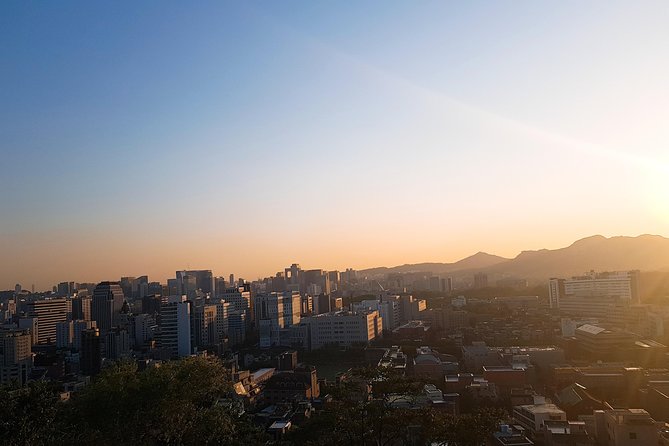
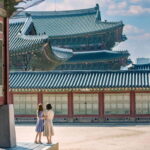
After the palace, you head to Bukchon Hanok Village for about 30 minutes of guided time. This is where Seoul switches gears from royal-scale stone to everyday-old architecture. The word hanok is more than a photo keyword here: you’ll move through areas filled with traditional houses that function as cultural centers, guesthouses, and small restaurants.
Expect short stops for photos. The hanok alleys are narrow, and the whole point is the look—wood textures, tiled roofs, and that “you can almost picture daily life” feeling.
Important detail: if Bukchon Hanok Village is closed, the tour will go to Namsangol Hanok Village instead. So your plan still lands you in hanok surroundings rather than leaving you with a blank time slot.
One consideration: this is still a group tour. The guided time is brief, so treat it like a chance to learn the setting, then decide later if you want to wander back for longer on your own.
Bugak Skyway and Bugak Palgakjeong: The Panoramic Break You’ll Feel
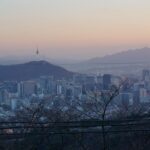
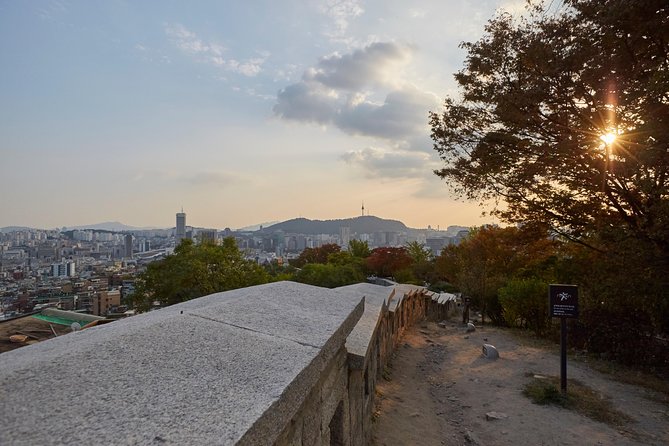
Next comes the elevation. You’ll visit Bugak Skyway (guided for about 30 minutes), then make a stop at Bugak Palgakjeong (the Bugak Pavilion) for around 10 minutes. These viewpoint segments are short on paper, but they’re a mental reset.
The pavilion sits on the slopes of Bugaksan Mountain, giving you sweeping views over Seoul. This is exactly the kind of break that makes the rest of the day feel more satisfying. You’re not just collecting stops—you’re also getting that sense of space that the palace courtyards can’t give.
Photo note: Bugak is a place where wide shots usually beat tight shots. If you’re aiming for that “map-like” city view, take a couple steps to line up your horizon before you shoot.
Also, the viewpoint stops are a reason to wear good shoes. Even when the walking isn’t dramatic, the ground can be slick or uneven depending on season and rain.
Cheongha Korea Ginseng Museum: Shopping With a Real Backstory
One of the most distinctive parts of this tour is the Korean Ginseng Museum stop, also described as Cheongha Korea Ginseng. You’ll spend about 30 minutes shopping there.
If you’re thinking this will just be a sales floor, you might still be surprised by how much story your guide can connect to the product. Here’s the context your visit is built around: ginseng is first mentioned in Ji Jiu Zhang during the Han dynasty of China, where it’s described as an herb used for many ailments. In that traditional framing, ginseng is treated like a cure-all. The tour also points to studies suggesting Korean ginseng shows strong results in adaptogenic properties.
Now, the practical side: whether you buy anything, you’ll learn what you’re paying for. This stop is also where the tour earns its “value” reputation, because it’s not random. It’s a cultural health-product stop with time built in.
What to do if you want to shop smart:
- Decide what you’re buying before you enter. Think about gifts vs. personal use.
- Compare forms (tea, capsules, extracts) if the shop offers options.
- If you’re sensitive to strong flavors or supplements, ask what’s easiest to start with.
You can treat this stop as optional shopping time, but it’s part of the itinerary for a reason—Korea’s ginseng reputation is too central to skip if you want a complete Seoul day.
Gwangjang Market Drop-Off: Eat Like a Local After the Tour
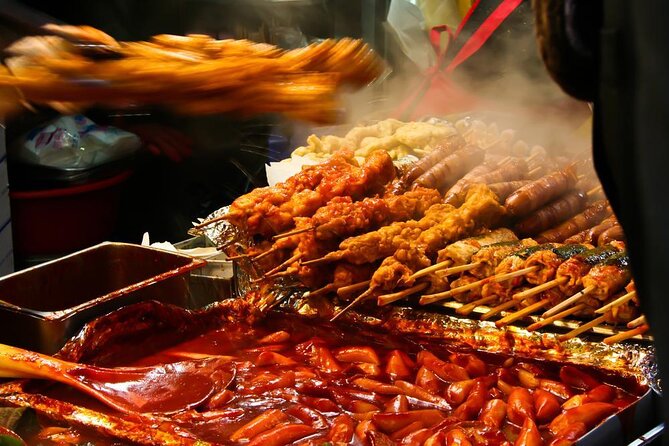
At the end of the main itinerary, you get a drop-off at Gwangjang Market, Korea’s “first market.” Your guided time stops, but the practical value stays: you’re in a food-and-shopping zone right when you’re ready for your own lunch or snacks.
Lunch isn’t included in the full-day option, and the market is explicitly where you can choose your own food. This is good. It means you’re not forced into a single group meal that might not match your tastes.
Two specific dishes to look for:
- bindaetteok (mung bean pancakes)
- mayak gimbap (seaweed rice rolls)
If you’re hungry, start with one hot snack and one drink, then walk the aisles before you commit to a full meal. Market eating is easier when you slow down once you’re there.
Also, because this is a market, shopping is part of the point. You’ll find a wide selection of goods at prices that tend to feel less brand-driven and more bargain-friendly compared to some Seoul shopping streets.
How the Tuesday and Full-Day Versions Change the Story
This tour doesn’t always follow the same exact stops. The big difference is which palace and which extra sites you add.
Tuesday Shared Group Option: N Seoul Tower and Deoksugung
On Tuesdays, the plan changes to include N Seoul Tower, but the observatory isn’t included. You still get to visit the area with your guide’s help, then it moves on to Bukchon Hanok Village, plus Deoksugung Palace with the Royal Guard Changing Ceremony.
Then it goes to the Korean Ginseng Museum and finishes at Gwangjang Market. If you like having a second palace option, Tuesday is a good fit—especially if you’re curious about Deoksugung’s different feel compared to Gyeongbokgung.
Full-Day Version: War Memorial, UN Cemetery, and More
In the full-day schedule, after the usual palace/hanok/viewpoint/ginseng sequence, you get a stronger cultural and historical day:
- War Memorial of Korea, mainly the 3rd floor United Nations Memorial Cemetery
- Jogye Temple
- Tapgol Park
- Drop-off at Myeongdong Cathedral
There’s also lunch time built in, but it’s own expenses. This version is for you if you want more than just palaces and photos—you want a deeper day that blends memorial space with temple and neighborhood stops.
If you’re sensitive to emotional history, go in knowing the War Memorial section is a serious, reflection-focused stop.
Price and Logistics: Why $32 Can Feel Like a Win
$32 is a simple number, but the real question is what you’re buying with it. Here’s what the price covers:
- Entrance fees
- Local guide
- Transport by air-conditioned minivan or coach
- Hotel pickup only if you choose a pickup option (and only within central areas)
What you’re not buying:
- Food and drinks
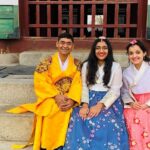
- Hanbok rental (and the tour doesn’t offer hanbok rental time)
- Travel insurance
- Personal expenses
- Hotel drop-off (drop-off is included, but not to your hotel)
This is why it feels like good value. The entrance fees and the palace ceremony time are the kind of items that cost real money on your own—and they’re also the items that are hardest to coordinate when you’re tired or short on time.
One more practical note: the tour recommends using the subway for convenience, which tells you the itinerary is designed with city access in mind. You’ll still use the group transport between stops, but you won’t be stuck feeling “dependent” on one single system if plans change.
Pacing, Shoes, and Choosing the Right Departure Time
This tour is built for efficiency. Guided portions are time-limited, especially at Bukchon and viewpoints. That doesn’t mean it’s rushed in a chaotic way—it means you’ll need to be ready to move when the group moves.
What to do before you go:
- Bring comfortable walking shoes.
- Expect the schedule to run rain or shine.
- Dress in layers; viewpoints can feel colder than palace courtyards.
A smart strategy for palace crowds: if you have a choice, consider selecting a morning departure. The earlier palace timing can mean fewer people to manage around the ceremony and walkways, which makes photos and viewing less stressful.
Also remember the rules: meeting happens at Gyeongbokgung Palace, and you can’t join after the tour starts. If you’re late, the guide can’t wait while you figure it out. So aim to arrive early and be ready to go at the start time.
Who Should Book This Tour (and Who Might Prefer Something Else)
This tour fits best if:
- You’re on a first Seoul visit and want a strong hit list without planning every detail.
- You enjoy palaces and traditions, especially if you care about the Royal Guard Changing Ceremony.
- You like a view payoff (Bugak) rather than stacking only indoor stops.
- You want one dedicated shopping/food landing zone at the end (Gwangjang Market).
You might want to skip it if:
- You use a wheelchair. This tour isn’t suitable for wheelchair users.
- You hate group pacing or you want hours of unhurried wandering inside each site.
- You’re not interested in ginseng shopping. It’s a scheduled stop, with about 30 minutes set aside.
For many solo travelers and couples, this kind of structured day is calming. You get the big moments handled, then you can relax with your own choices afterward.
Should You Book This Seoul Palaces and Ginseng Tour?
Yes, if you want a high-value Seoul introduction that combines Gyeongbokgung Palace, traditional hanok streets, Bugak panoramic views, and a real finish at Gwangjang Market. The mix is practical: ceremony + culture + a viewpoint break + shopping + food.
I’d book it if you’re short on time, okay with a guided group pace, and willing to wear good shoes for transfers and outdoor segments. I’d skip it only if you need a slow museum-style day or you rely on wheelchair access.
If you can match your preferences to the option—Tuesday for Deoksugung and N Seoul Tower area, full-day for War Memorial and Jogye Temple—you’ll end up with a Seoul day that feels like it covers the right bases.
FAQ
How long is this Seoul tour?
The tour duration varies by option, running from about 4 to 9 hours.
What’s included in the price?
It includes entrance fees, a local guide, and transport by air-conditioned minivan or coach. Hotel pickup is included only if you select an option that offers pickup.
Is hotel pickup available?
Pickup is optional for private tour customers or selected options, with pickup in central Seoul areas such as Gangnam, Myeongdong, Gwanghwamun, Itaewon, and Dongdaemun. Pickup time is listed between 7:20 AM and 8:40 AM.
Where do I meet the tour?
The meeting point can vary depending on the option booked. The tour joins at Gyeongbokgung Palace, and joining after the tour has started is not permitted.
Does the tour run rain or shine?
Yes. The tour takes place rain or shine.
Is hanbok rental included?
No. Hanbok rental is not included, and the tour does not offer rental time.
Is the N Seoul Tower observatory included on the Tuesday option?
No. For the Tuesday itinerary, the observatory at N Seoul Tower is not included.
What food can I try at Gwangjang Market?
The market is known for dishes like bindaetteok (mung bean pancakes) and mayak gimbap (seaweed rice rolls). Lunch or snacks are on your own.
Is the tour wheelchair accessible?
No. It is not suitable for wheelchair users.