REVIEW · SEOUL
Seoul: DMZ, Gyeongbokgung Palace & City Tour
Book on GetYourGuide →Operated by Cosmojin Tour Consulting · Bookable on GetYourGuide
The line between fiction and reality gets thin fast. This 10-hour Seoul day trip brings you to Korea’s most sensitive border zone plus Gyeongbok Palace, with an expert guide and smooth coach transportation.
What I like most is that you get both sides of the story: the Third Tunnel Experience and the DMZ viewpoints, then a palace visit that explains how the royal court actually worked like a staffed operation. It also helps that guides here are described as professional security specialists, so the day doesn’t feel like a museum lecture.
One thing to consider: this isn’t a casual stroll. You’ll need a valid passport, you’ll walk a fair bit, and there are strict rules in the DMZ area, including shoe requirements.
In This Review
- Key Things You’ll Appreciate
- A 10-Hour Day That Feels Busy in the Best Way
- DMZ Stops: What Each One Helps You Understand
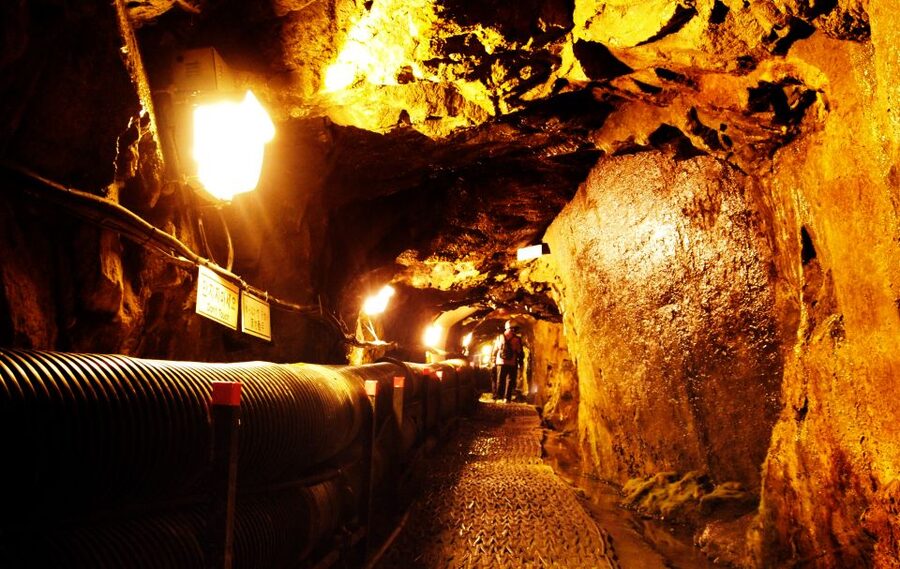
- Third Tunnel Experience: Invasion Intent Made Physical
- Observatory Views: The DMZ as a Living Line
- War History Pavilion: The Story Behind the Scenery
- Imjingak: More Than a Memorial Moment
- The Context Center: Past, Present, and Future in One Thread
- Gyeongbokgung Palace: More Than Royal Photos
- When Gyeongbok Palace Is Closed
- The Role of Your Guide: Security Specialists Who Can Explain
- Price and Value: What $110 Covers (and What It Doesn’t)
- Practical Rules That Actually Matter in the DMZ
- Timing and Logistics: Getting There Without Wasting a Morning
- Who This Tour Fits Best
- Should You Book This DMZ and Gyeongbok Palace Day Tour?
- FAQ
- What is the duration of the tour?
- How much does the tour cost?
- Where do I meet the tour?
- Is hotel pickup and drop-off included?
- What should I bring?
- Is lunch included?
- Are there any restrictions on clothing or footwear?
- Is the tour suitable for wheelchair users?
- What if I travel with children?
- What happens if Gyeongbok Palace is closed on Tuesdays?
Key Things You’ll Appreciate
- DMZ access with a military tourist guide focused on inter-Korean relations and war history
- Major stops in one outing: Third Tunnel, observatory views, War History Pavilion, and Imjingak
- A separate venue for context that frames Korea’s past, present, and future
- Gyeongbok Palace with a practical explanation of how the court functioned day to day
- Coach logistics that reduce stress so you spend less time navigating and more time paying attention
- Clear alternatives if plans change (DMZ training event replacement and palace replacement on Tuesdays)
A 10-Hour Day That Feels Busy in the Best Way
This is the kind of itinerary you book when you want big contrasts in one day. You start with Seoul’s grand royal centerpiece, then you head out to the DMZ area to see the reality of a divided peninsula.
The pace is purposeful. You’re not just passing landmarks; you’re moving between places that each answer a different question: What happened? What’s happening now? What might happen next? The payoff is that your understanding builds step-by-step.
And because this is organized with hotel pickup/drop-off and a shuttle vehicle, you’re not wasting hours on transit. The day is designed for flow, with guided timing that keeps everyone within the DMZ rules.
You can also read our reviews of more tours and experiences in Seoul.

DMZ Stops: What Each One Helps You Understand
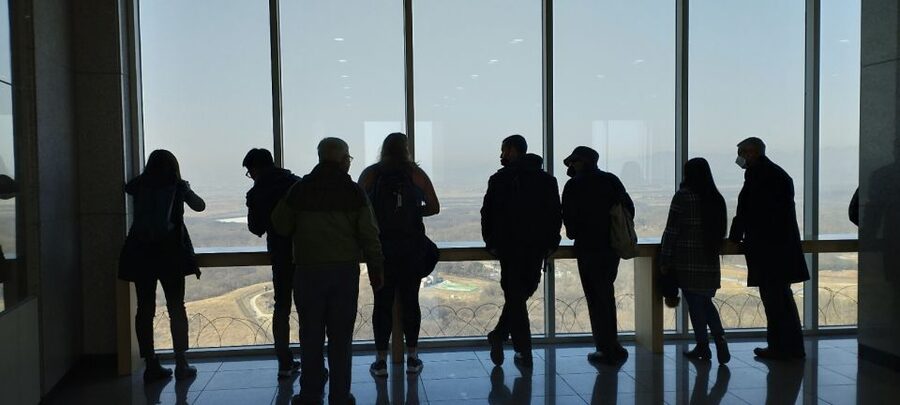
The DMZ day isn’t one single “look and leave” experience. It’s a set of stops that, together, explain why this area matters and how the conflict shaped what you see today.
Third Tunnel Experience: Invasion Intent Made Physical
The Third Tunnel Experience is where history stops being abstract. It was designed as an invasion route aimed at reaching South Korea using tanks, so the experience frames the war threat in concrete engineering terms.
What you’ll take away here is the logic behind fear and preparation on both sides. Even if you already know the basics, this kind of “designed to do X” history makes the stakes feel immediate.
Observatory Views: The DMZ as a Living Line
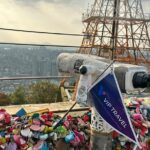
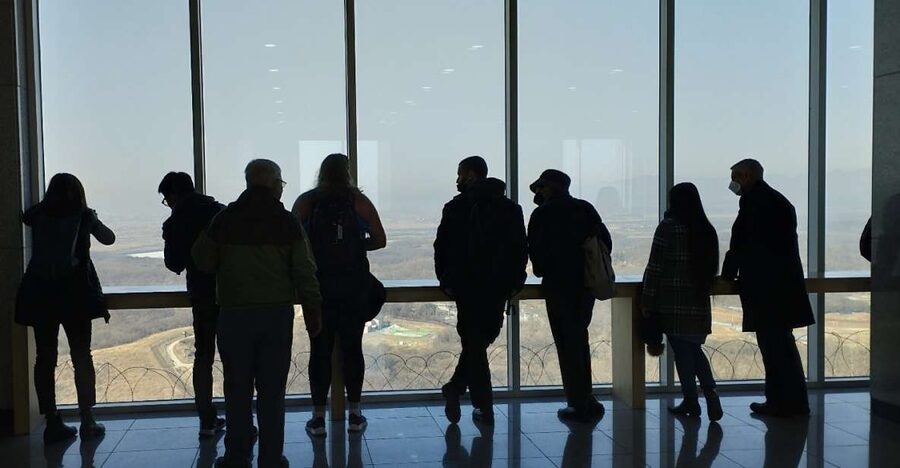
Next comes an observatory where you can view North Korean residents. This part changes the emotional temperature of the day because it turns the border into something more human and less theoretical.
Expect to follow your guide’s instructions closely, especially around photography rules. The goal is to see what you’re allowed to see, then process it without turning it into a distraction.
War History Pavilion: The Story Behind the Scenery
The War History Pavilion is the stop that helps the day click into place. It’s focused on explaining the history of war, which matters because the DMZ is easy to misunderstand if you only see it as a dramatic border fence.
A well-run war-history stop also prevents the day from becoming a checklist. You should leave with a clearer sense of timeline and cause-and-effect, not just locations.

Imjingak: More Than a Memorial Moment
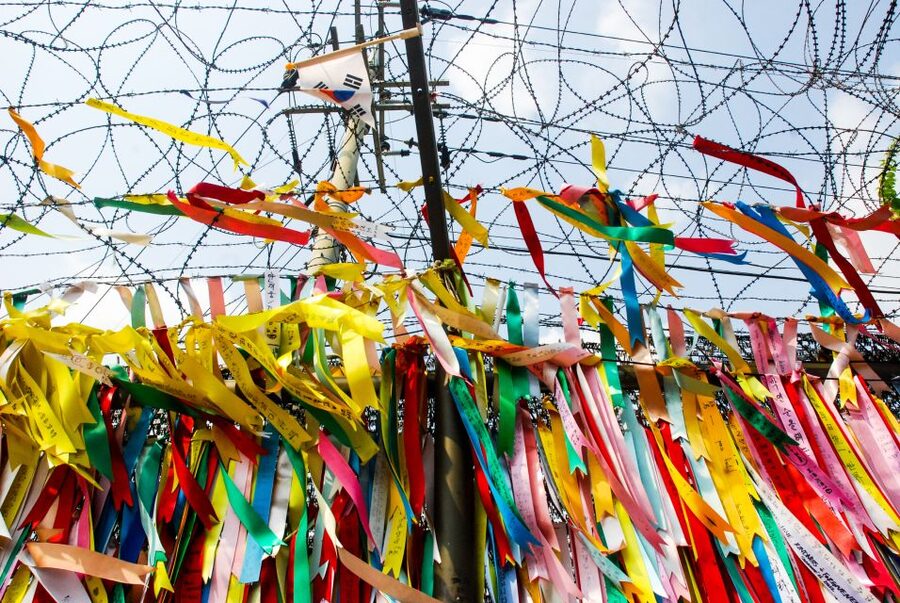
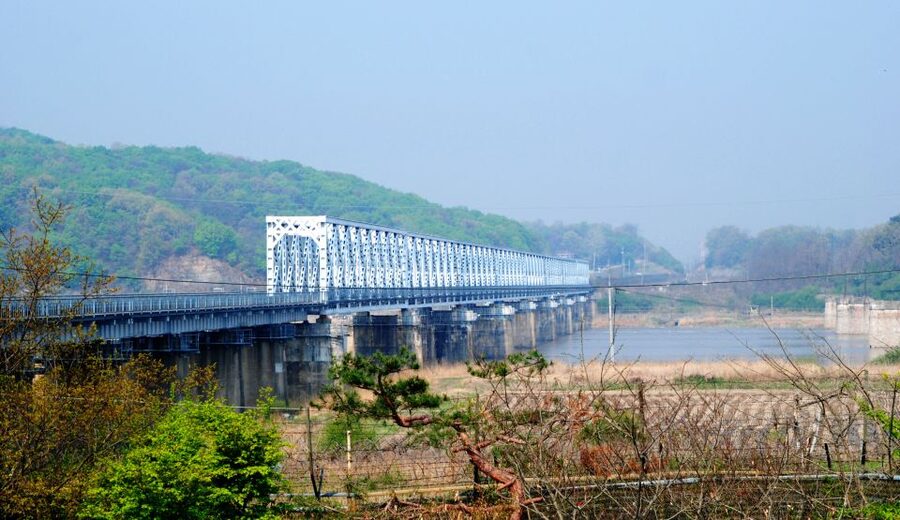
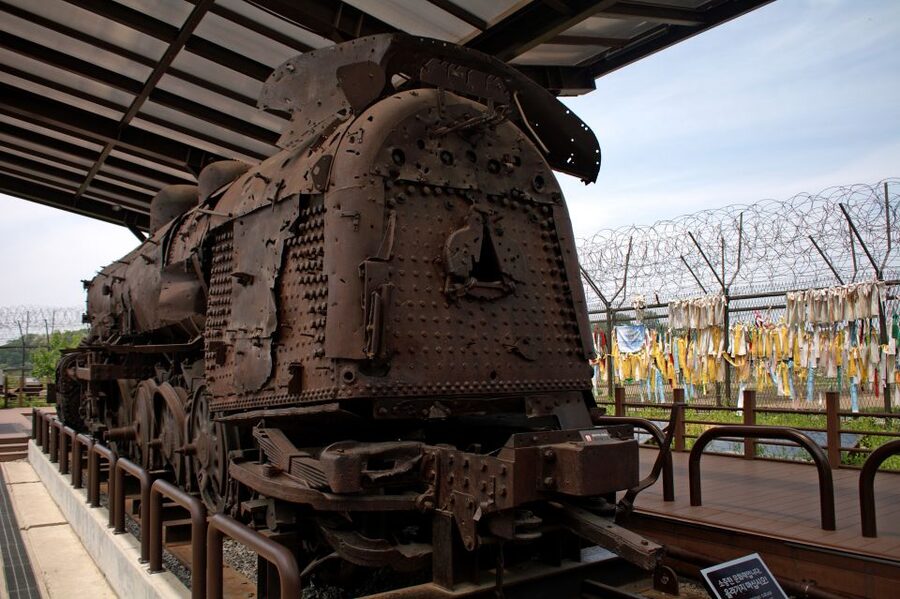
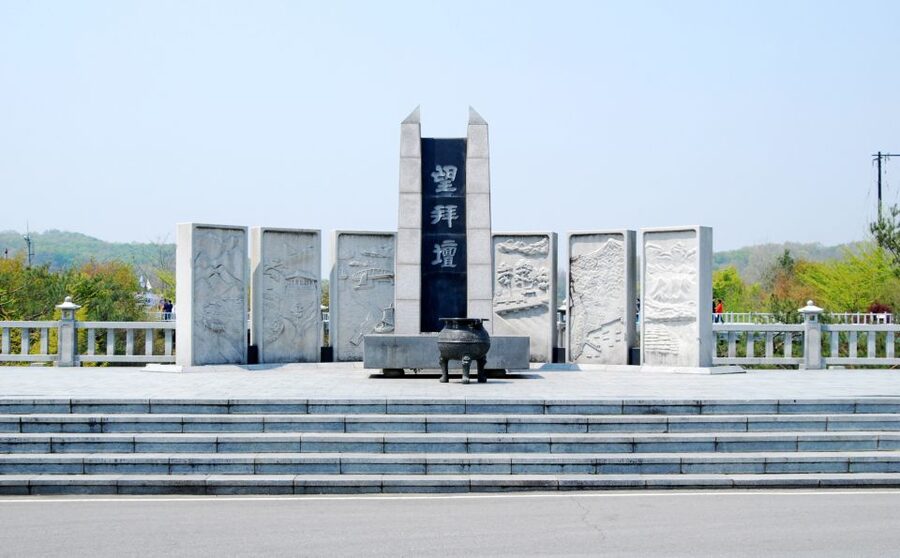
Imjingak rounds out the “why” and the “who.” It’s part of the DMZ area experience that gives you a broader sense of division and the human impact around the peninsula.
This is a good stop for reflection. You’ll feel the day’s seriousness here, and it pairs well with the more technical stops earlier.
The Context Center: Past, Present, and Future in One Thread
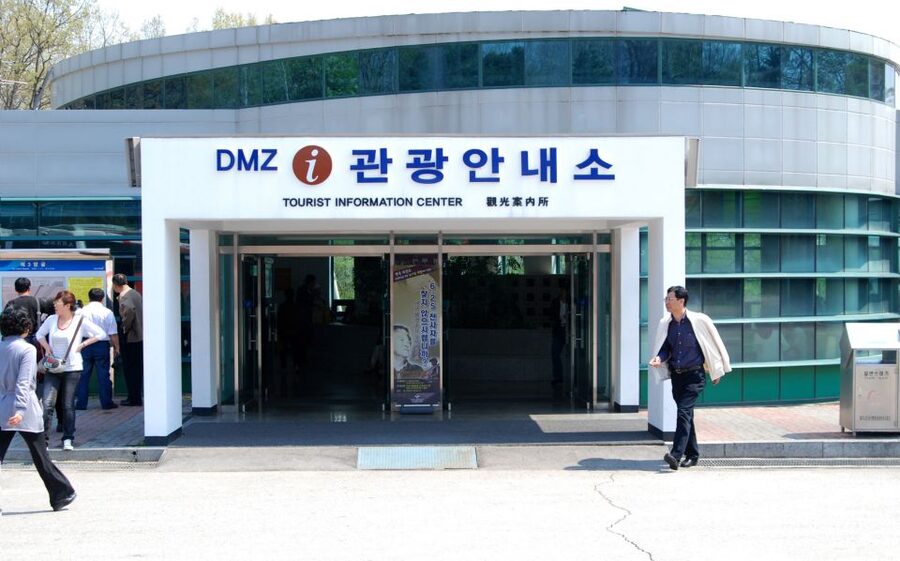
A big value of this tour is that it doesn’t treat the DMZ as a stand-alone event. It includes entry to a venue that helps explain war history and Korea’s broader situation, and it’s designed to make the “past” connect to the “present.”
That matters because DMZ tours can go wrong when they’re only about danger or only about spectacle. Here, the framing is meant to keep you oriented: what you see today didn’t come from nowhere.
If you like structure, you’ll appreciate how the day builds. You go from education and context, to tangible sites, to viewpoints, and then back to a fuller picture.
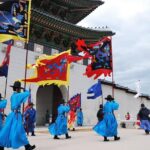
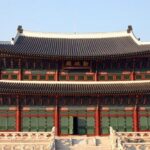
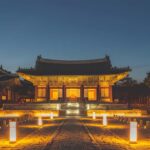
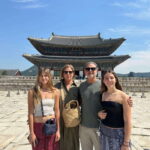
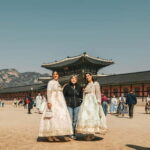
Gyeongbokgung Palace: More Than Royal Photos

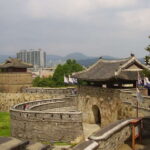
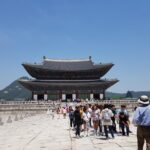
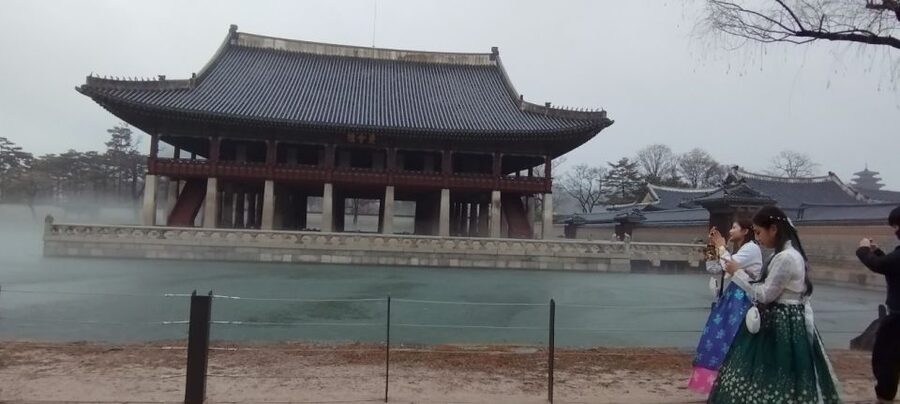
After the DMZ, Gyeongbok Palace gives you the other half of the story: how Korea governed itself before the modern era turned the peninsula into a geopolitical spotlight.
You visit a palace with the legacy of the king, his family, and about 2,000 others who lived there as the nation was ruled. That scale helps you understand the palace as a working center, not just a pretty backdrop.
Here’s the detail I really like: the way the palace is explained. Instead of treating it like a royal-only stage, the guide highlights how the palace ran more like a modern-day organization, with employees and advisers handling day-to-day functions.
That’s a smart approach for visitors. It helps you picture the people and systems behind the drama, not just the buildings.
When Gyeongbok Palace Is Closed
If Gyeongbok Palace is closed on Tuesdays, your visit is replaced with Deoksu Palace. This is the kind of adjustment you want to know in advance, so you don’t feel like you lost something important when the calendar doesn’t cooperate.
The Role of Your Guide: Security Specialists Who Can Explain
This kind of tour lives or dies on the guide. The information you get from security-minded specialists tends to be sharper, and it’s also more respectful of the topic.
In the feedback you’ll find patterns: guides named Molly, Ron Han (Han Solo), and SP are praised for professionalism, clear explanations, and answering questions without making anyone feel rushed. People also mention that these guides take great photos, which sounds minor until you realize how quickly you’ll want something better than a blur when the rules limit where you stand.
The best part is not just knowing facts. It’s learning how to watch: where to look, what matters, what not to obsess over, and how to make sense of what’s visible versus what isn’t.
Price and Value: What $110 Covers (and What It Doesn’t)
At $110 per person for a 10-hour day, the value is in what’s included, not just in the headline price. You’re paying for a package that covers hotel pickup and drop-off, a professional English guide, transportation, and entry to the DMZ.
You also benefit from the structure of DMZ tourism itself: shuttle movement plus guided access that you can’t easily replicate on your own without planning and risk. In places with restrictions, organized access is worth real money because it saves both time and headaches.
What isn’t included is also important: lunch and personal expenses. Plan for a meal outside the included moments, and don’t count on finding a quick snack during tight DMZ timing.
If you’re traveling with limited days in Seoul, this is the kind of “maximum meaning per day” choice. If you have plenty of time and you love unstructured travel, you might prefer a slower approach. But for most people, this hits a sweet spot.
Practical Rules That Actually Matter in the DMZ
This day has rules because it’s a sensitive area. The good news is they’re straightforward. The key is following them without getting stubborn.
You’ll need a current valid passport on the day of travel. Bring it with you, not in your hotel room. Also note that unaccompanied minors aren’t allowed, and children must travel with an adult.
Footwear matters: no sandals or slippers, and sneakers are required. The walking is enough that comfy shoes aren’t optional.
Photography rules are also mentioned. You’ll be traveling on the authorized bus and you’ll need to follow time photo regulation. Translation: don’t assume you can shoot whenever you want. Your guide will keep the group within the safe, permitted rhythm.
One more reality check: the tour is not wheelchair accessible. If mobility is an issue, you should plan on alternative arrangements.
Timing and Logistics: Getting There Without Wasting a Morning
Your meeting point is at Exit 7 of City Hall Station at 07:30AM. That early start can feel like it belongs to a different vacation. But it’s part of why you can fit both the palace and the DMZ into one day.
If you opt for hotel pickup in Seoul, that simplifies your morning. Either way, you’ll want to build in a buffer for getting to the meeting point on time, because the tour runs on a schedule and the DMZ is not the place to show up late.
It’s also helpful to pack smart. Bring your passport in a way you can grab quickly, and keep any essentials accessible without stopping the group every five minutes.
Who This Tour Fits Best
This is a strong match if you want a single day with high impact and high meaning. It’s especially good for first-timers to Seoul who only have a short window and still want to understand the peninsula beyond pop culture.
It’s also a good fit if you prefer structure. You’ll be in a group with a professional guide, seeing major sites in an organized flow, and getting explanations that connect the stops.
I’d steer you toward something else if you dislike rule-heavy days or if you need very flexible timing. The DMZ environment rewards patience, not spontaneity.
Should You Book This DMZ and Gyeongbok Palace Day Tour?
If you want one day in Seoul that teaches you how Korea’s past shapes its present, I think this is a smart booking. You get organized DMZ access, major checkpoints that explain multiple angles, plus Gyeongbok Palace with a guide-led explanation that feels grounded in real court life, not just postcard views.
The main reason not to book is if you’re not comfortable with early mornings, steady walking, and strict rules. If that sounds fine, book it and plan to show up ready to learn. This isn’t a day for casual wandering. It’s a day for focused seeing and careful attention.
FAQ
What is the duration of the tour?
The tour runs for 10 hours.
How much does the tour cost?
The price is $110 per person.
Where do I meet the tour?
You meet at Exit 7 of City Hall Station at 07:30AM.
Is hotel pickup and drop-off included?
Yes. Hotel pick-up and hotel drop-off service are included (pickup is described as optional from your hotel in Seoul).
What should I bring?
Bring a passport.
Is lunch included?
No. Lunch is not included.
Are there any restrictions on clothing or footwear?
Yes. No sandals or slippers are allowed, and you should wear sneakers.
Is the tour suitable for wheelchair users?
No. The tour is not wheelchair accessible.
What if I travel with children?
Children must be accompanied by an adult, and unaccompanied minors are not allowed.
What happens if Gyeongbok Palace is closed on Tuesdays?
If it’s closed on Tuesdays, Gyeongbok Palace is replaced by Deoksu Palace.