REVIEW · SEOUL
Seoul Palace Morning Tour
Book on Viator →Operated by SEOUL CITY TOUR CO. LTD. · Bookable on Viator
Palaces and temples in one packed morning. This Seoul Palace Morning Tour strings together Jogyesa Temple, major Joseon-era highlights at Gyeongbok Palace, and the changing of the guard ceremony at Gwanghwamun Gate, with hotel pickup and entrance fees handled. I especially like the way the guide connects what you’re seeing to everyday royal life, and I like that the tour includes admission so you can focus on sights instead of ticket lines. One possible drawback: the schedule is efficient, so if you want to linger quietly at each building, the pace might feel a bit fast.
You’ll start at 9:00 am with pickup from your Seoul hotel, then ride in an air-conditioned vehicle with a group of up to 30. The Blue House stop is more of a pass-by than a photo stop, because security limits where you can stand—still, it’s a memorable way to orient yourself in modern Seoul.
This is a strong choice if you want a guided highlights route that fits a morning block and still leaves you free for lunch and the rest of your day. If the ginseng center stop sounds like your thing, great—if not, plan to treat it as a short practical stop rather than a major attraction.
In This Review
- Key things I’d circle before you book
- Morning Easy Mode: Hotel Pickup and a Tight 3-Hour Circuit
- Jogyesa Temple: Zen Traditions, 500-Year-Old Trees, and Seokgamoni
- Passing the Blue House: What You Can See Behind the Security Gate
- Gyeongbok Palace Grounds: Throne Hall, King and Queen Areas, and Formal Banquet Space
- Korean National Folk Museum: Everyday Life Lessons Inside Palace Space
- Gwanghwamun Gate and the Changing of the Guard Ceremony
- The Ginseng Center Stop: Useful or a Detour?
- Price, Time, and What Your Money Buys at Each Stop
- Pace and Communication: When the Morning Feels Too Fast
- How This Compares to DIY: When a Group Tour Makes Sense
- Who Should Book the Seoul Palace Morning Tour
- Should You Book? My Practical Take
- FAQ
- FAQ
- What time does the Seoul Palace Morning Tour start?
- How long is the tour?
- Do I get hotel pickup?
- Where does the tour end?
- Are entrance fees included?
- What attractions are included in the route?
- Is there a shopping stop?
- What type of ticket do I use?
- How big is the group?
- Can I get a full refund if I cancel?
Key things I’d circle before you book
- Hotel pickup + air-conditioned vehicle: reduces the early-morning hassle
- Entrance fees included: you’re paying for guided access, not just transportation
- Jogyesa Temple specifics: 500-year-old trees and the main hall details
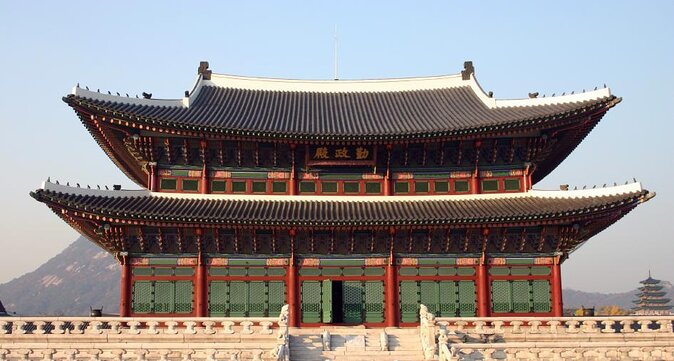
- Joseon Palace highlights: throne hall, king and queen quarters, and formal banquet space
- Changing of the guard at Gwanghwamun Gate: the ceremony is the payoff moment
- Ginseng center stop: a potential trade-off depending on your shopping tolerance
Morning Easy Mode: Hotel Pickup and a Tight 3-Hour Circuit
This tour is built for people who want Seoul’s big heritage sites without spending their whole day “figuring it out.” After pickup, you’re on the move early enough to beat some crowds and still have a chunk of afternoon left.
The schedule runs about 3 hours, which is short in the best way. You’ll hit multiple sites in one run—temple, palace complex, and ceremony—so the morning feels productive instead of scattered.
The group size can be up to 30 travelers, so you get the energy of a group tour, not the quiet pace of a private guide. On the positive side, that also means logistics are handled quickly: you’re not waiting for the whole group to regroup again and again.
You can also read our reviews of more tours and experiences in Seoul.

Jogyesa Temple: Zen Traditions, 500-Year-Old Trees, and Seokgamoni
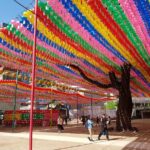
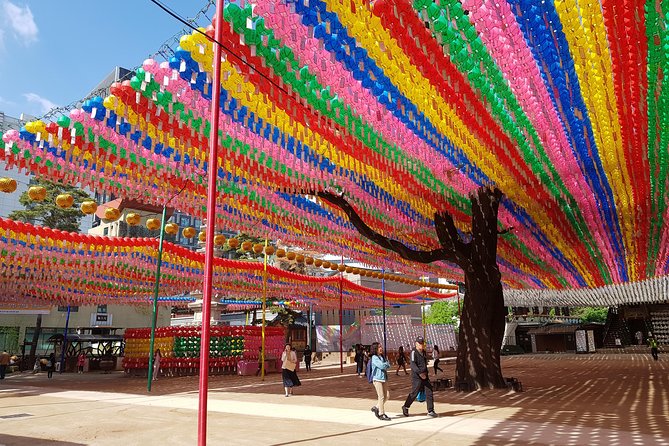
Jogyesa is the tour’s spiritual and visual warm-up. Your first big moment is walking up in front of the locust trees and baeksong trees outside the main hall area—trees that are described as around 500 years old. If you like small “you’re standing in history” details, this is the kind of stop that sticks.
Inside the main hall area, you’ll see the Daeungjeon building, noted for its colorfully painted exterior. The tour also points out what’s inside the hall—there’s a statue of Seokgamoni—so you’re not just looking at architecture without context.
You’ll also come across a seven-storey stone pagoda nearby, and the tour explains that it contains Jinsinsari. These are the kinds of details that turn a quick temple visit into something you can actually remember.
A practical note: temples often involve quiet behavior and some walking on uneven grounds. Even though it’s a morning tour, wear shoes you’re happy to move in for a bit.
Passing the Blue House: What You Can See Behind the Security Gate
The tour includes the Blue House area as a passing sight on the way toward Gyeongbok Palace. Since it’s a security zone, you can’t stop right in front of it, so don’t expect a long viewing pause or close-up photos.
Still, I like that the tour handles this expectation clearly. It keeps the day honest: you get the orientation value of seeing what you’ve heard about, without building your morning around a stop that security would never allow.
If you’re the type who wants to understand modern South Korea’s political present in the same morning as Joseon-era palaces, this pass-by helps connect the eras.
Gyeongbok Palace Grounds: Throne Hall, King and Queen Areas, and Formal Banquet Space
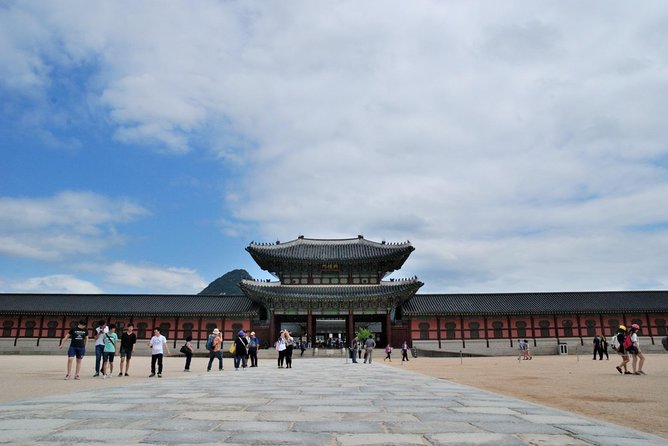
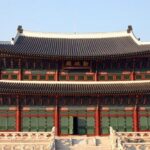
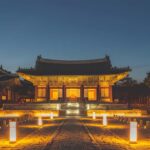
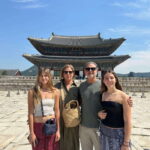
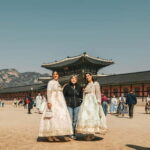
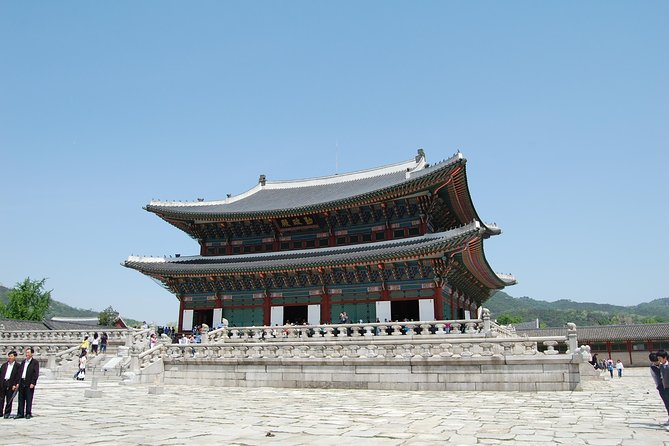
Gyeongbok Palace is the heart of the experience. This is the Joseon Dynasty’s main palace—so when you’re walking the grounds, you’re moving through a physical story of rule, ceremony, and daily court life.
Your guide focuses on several key areas, including Geunjeongjeon, the main throne hall. You’ll also visit spaces described as Sajeongjeon (king’s office) and Gangnyeongjeon (king’s living quarters). On the women’s side of palace life, the tour includes Gyotaejeon, the queen’s living quarters.
One standout detail is Gyeonghoeru, described as the place where the king threw formal banquets for foreign envoys. That matters because it reminds you this wasn’t just power and ceremony—it was also diplomacy, display, and hospitality.
Here’s where group pacing can matter. The palace is large and full of buildings, and a morning tour has limited time. If you’re hoping for slow wandering, keep your expectations aligned: you’ll see the highlights with guidance, not every corner of the complex.
Korean National Folk Museum: Everyday Life Lessons Inside Palace Space
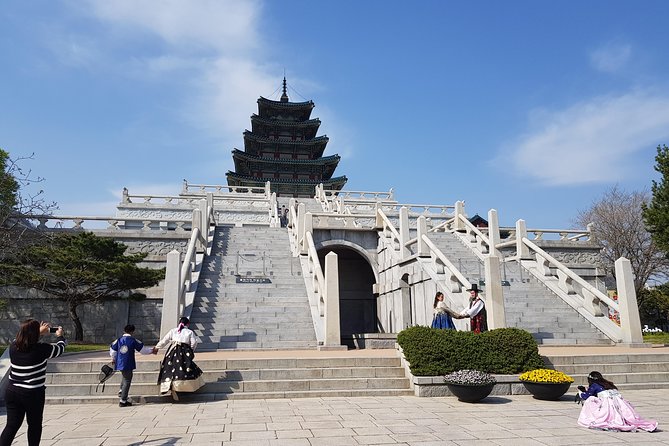
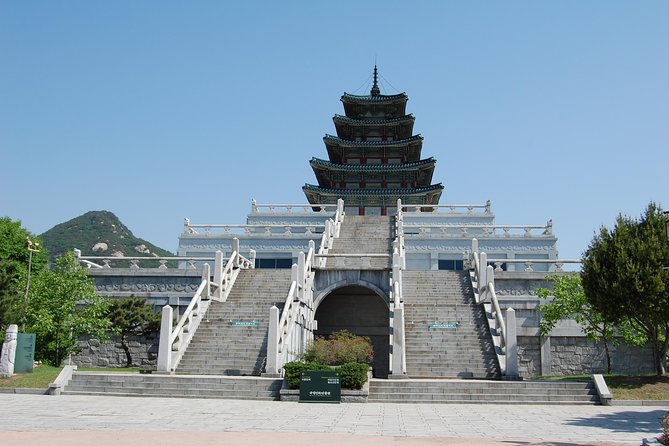
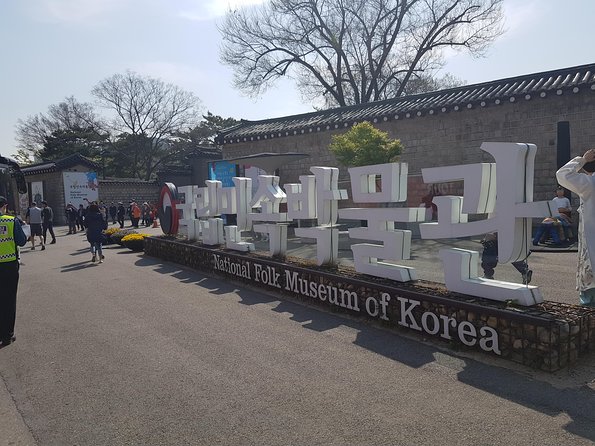
After palace walking, you’ll go to the Korean National Folk Museum, which is part of the broader palace area. What I like about adding a museum here is that it balances the big ceremonial architecture with real-life culture.
The museum is described as representing daily life and culture in Korea, and it offers educational opportunities to better understand traditional Korean living. In practical terms, it’s a good reset if you’ve been moving fast between palace halls.
If your brain needs a break from “where is the throne hall again?” the museum’s more interpretive content can make the morning feel coherent instead of rushed.

Gwanghwamun Gate and the Changing of the Guard Ceremony
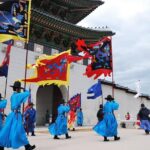
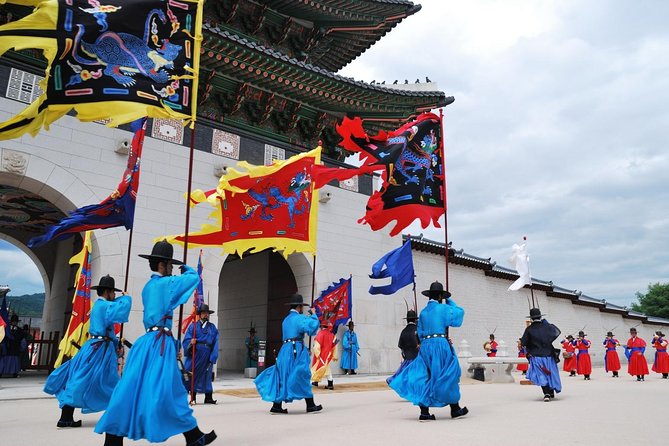
You end at Gwanghwamun Gate, described as the south gate of Gyeongbok Palace. Then you’ll see the changing of the guard ceremony, which is often the moment you remember most clearly because it’s action, timing, and symbolism in one place.
In a morning tour, ceremony moments are gold. They give structure to your visit—before the ceremony, you’re learning about palace life; during it, you see how those traditions look when they’re performed.
This is also a good time for photos, but be mindful that ceremonies can pull crowds around specific sight lines. If you want a clean photo, stand where you can see without blocking others.
The Ginseng Center Stop: Useful or a Detour?
Every version of this tour includes a ginseng center stop—and at least one shopping center is included in the experience.
How you’ll feel about it depends on your goals. If you like learning about products and don’t mind a short retail-style visit, it can feel like a cultural add-on. If you’d rather spend every minute at real sites, it can feel like a detour.
From what people describe, some visitors want less time at the shopping portion and more time at the palace area itself. My practical advice: treat it as part of the package, not a bonus attraction. If you’re not into shopping, keep your priorities on the temple and palace—those are the reason you booked.
Price, Time, and What Your Money Buys at Each Stop
At $40 per person for about 3 hours, the value depends on one big factor: you’re paying for guided access plus included entrance fees. That matters in Seoul, where even short sightseeing days can add up once tickets and transit time stack.
Your money also buys you less decision fatigue. Hotel pickup and an air-conditioned vehicle reduce the early-day friction, and having a guide helps you understand what you’re seeing without needing to translate signage or piece together palace maps.
The strongest value moments are:
- Jogyesa Temple with specific attention to the trees, Daeungjeon, and the pagoda details
- Gyeongbok Palace with guided focus on the major halls and court areas
- Changing of the guard as a timed, memorable finish
If your biggest sightseeing goal is palace heritage, this tour is a fairly efficient way to do it in a morning.
Pace and Communication: When the Morning Feels Too Fast
This is where you should calibrate expectations before you book. Some people found the guide’s delivery too quick and felt they didn’t get much time to look on their own after the explanations.
On the other hand, there are plenty of positive reports about guides being friendly, professional, and happy to help with photos. One guide name that stands out from feedback is Chloe, praised for sharing stories and helpful information during the tour.
So the real variable isn’t the route—it’s how the specific guide’s pace fits your style. If you like to ask lots of questions mid-walk, choose a mindset of short, direct questions, and don’t rely on messaging before the tour day if you can avoid it.
How This Compares to DIY: When a Group Tour Makes Sense
DIY palace days are totally possible, but you’ll spend time:
- figuring out transit and museum timings
- buying entry tickets you might not know you need
- walking huge palace grounds without a clear “what matters most” path
This tour is for you if you want a guided best-of route that gets you to the ceremony at Gwanghwamun Gate and keeps the morning tight. It’s less ideal if your travel style is slow, solitary, and photo-heavy, because the structure is designed to cover multiple stops efficiently.
If you’re doing other Seoul neighborhoods later (or you’re only in town for a short stay), this morning format is a practical way to get the main heritage hits early.
Who Should Book the Seoul Palace Morning Tour
Book it if:
- you want Gyeongbok Palace highlights without spending hours planning
- you like temples, palaces, and ceremonies all in one morning
- you’d rather pay for a guide than navigate palace complexes with limited context
- you’re traveling with family and want a tour that fits the day
You might skip it (or choose a different format) if:
- you hate shopping stops and feel annoyed by retail-time
- you want maximum time inside palace buildings rather than a highlights circuit
- you prefer a slower pace for absorbing details at your own speed
Should You Book? My Practical Take
I think the Seoul Palace Morning Tour is a good value if you like structured sightseeing and you’re happy trading a little free time for expert guidance. The combination of Jogyesa Temple, major Joseon palace halls, the changing of the guard ceremony, and a museum stop is a lot to fit into roughly three hours.
Make your booking decision based on two things:
1) Your tolerance for a ginseng center shopping stop
2) Your comfort with a schedule that can feel efficient and fast
If those two points sound workable, you’ll likely leave with a clear sense of Seoul’s royal and spiritual sides—and still have time for lunch and your own explorations.
FAQ
FAQ
What time does the Seoul Palace Morning Tour start?
The tour starts at 9:00 am.
How long is the tour?
It runs about 3 hours (approx.).
Do I get hotel pickup?
Yes. Hotel pickup is included.
Where does the tour end?
The tour ends at City Hall in Seoul, and it does not include hotel drop-off.
Are entrance fees included?
Yes. Entrance fees are included for the attractions visited on the tour.
What attractions are included in the route?
The tour includes Jogyesa Buddhist Temple, a pass-by of the Blue House, Gyeongbok Palace (including key halls), the Korean National Folk Museum, and the changing of the guard ceremony at Gwanghwamun Gate.
Is there a shopping stop?
Yes. There is a ginseng center stop, and one of the shopping centers is included.
What type of ticket do I use?
A mobile ticket is used.
How big is the group?
The maximum group size is 30 travelers.
Can I get a full refund if I cancel?
Yes. Free cancellation is available up to 24 hours in advance for a full refund.