REVIEW · VENICE
Prisons’ Palace: Maleficia, Inquistion torture tools
Book on GetYourGuide →Operated by CITY TOURS CO LTD · Bookable on GetYourGuide
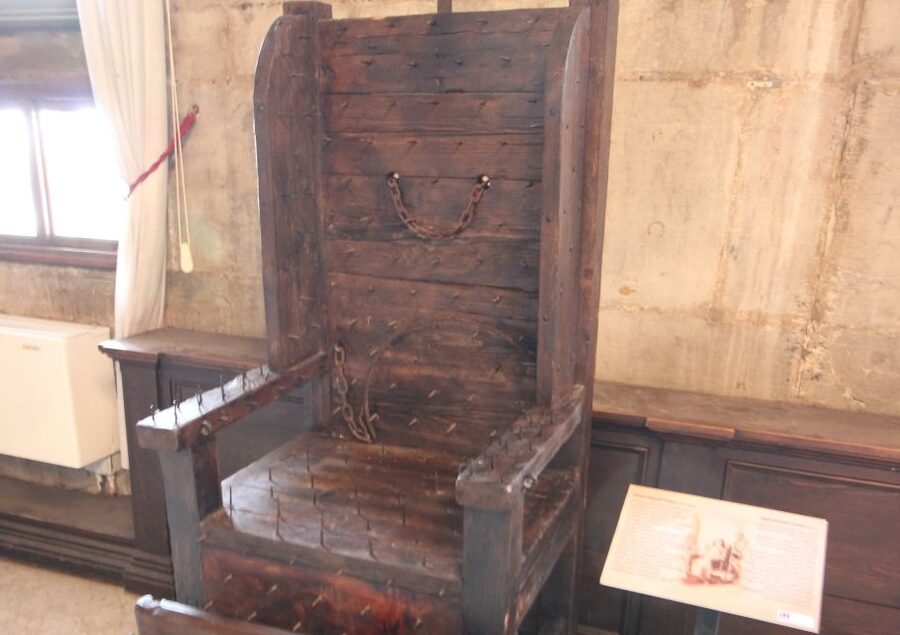
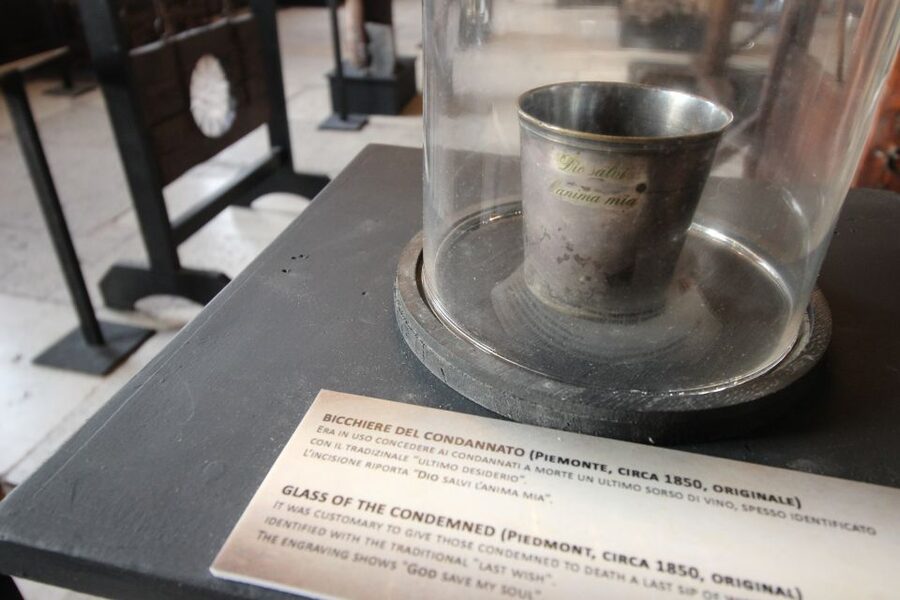
Torture, in a Venetian prison. The Maleficia exhibition inside Prisons’ Palace turns the Holy Office’s witchcraft persecution into something you can follow room by room. I like the up-close display of instruments of justice—including pieces identified as garrote, head crusher, pillory, and a whipping post—because they’re presented with the original idea of what the tribunal claimed to be doing. One caution: the subject matter is disturbing, and the museum leans into that.
In about one hour, you’ll move through suggestive testimonies, documents, and reproductions tied to the centuries when Venice’s authorities treated “magic arts” as a threat. You’ll also get a look at a cell for women accused of witchcraft, which makes the theme feel less like a lecture and more like a documented system.
In This Review
- Key highlights you’ll actually care about
- Entering the Prisons’ Palace near San Marco, without the wrong door
- The exhibition’s flow: documents and testimonies first, spectacle last
- What the Holy Office material teaches you about witchcraft persecution
- Instruments of torture: what you’ll see (and how to be mentally ready)
- The women accused of witchcraft: the cell that changes the tone
- Casanova in the palace story: why his name is included
- Using the audio guide well in a 1-hour visit
- Price and value: is $11 worth your hour?
- Who should book this Maleficia exhibition?
- Final call: should you book Maleficia in Prisons’ Palace?
- FAQ
- Where is the Prisons’ Palace meeting point?
- How long does the Maleficia exhibition take?
- How much does it cost?
- What’s included with the ticket?
- What languages are available on the audio guide?
- What are the opening hours?
- Does this experience help you avoid waiting in line?
- Is it suitable for people with mobility impairments?
- Can I cancel for a refund?
- Is there an option to reserve first and pay later?
Key highlights you’ll actually care about
- Prisons’ Palace setting: the exhibition sits in the same famous complex tied to Venice’s justice history
- Holy Office paperwork: you’ll see ancient documents connected to the persecution of witchcraft
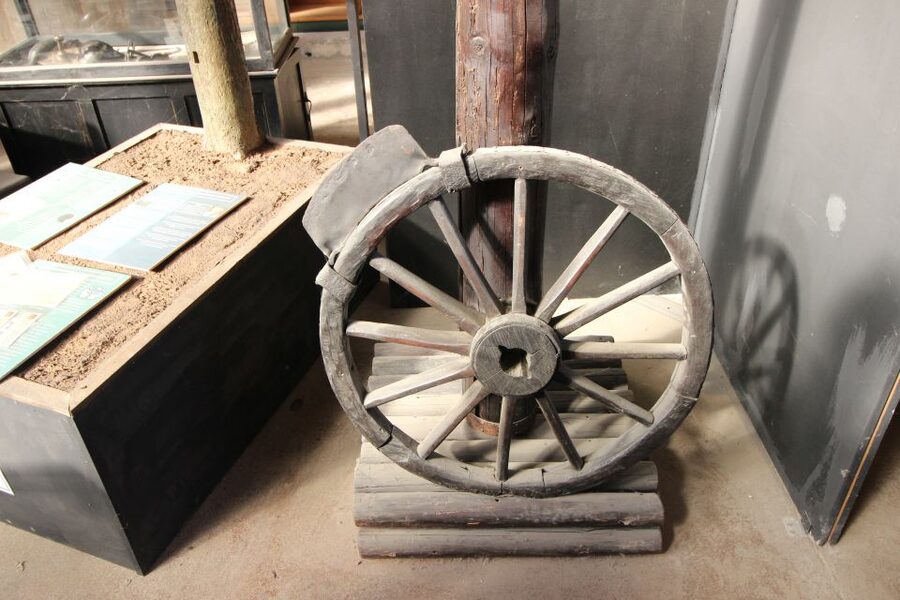
- Instruments of punishment: garrote, head crusher, pillory, and a whipping post are part of the display
- A women’s cell: the women’s accusation side of the story is specifically represented
- Casanova appears in the context: the palace history includes mention of Giacomo Casanova being accused of occult dabbling
Entering the Prisons’ Palace near San Marco, without the wrong door
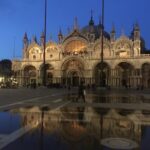
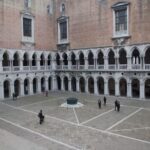
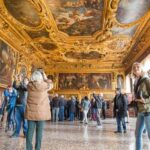
Start by orienting yourself at San Marco Square. The Prisons’ Palace is close to the Doge’s Palace, but you don’t enter through the Doge’s Palace entrance. Instead, cross the bridge on the right side of the Doge’s Palace entrance to reach the Prisons’ Palace.
This matters because Venice directions can be slippery if you’re trying to do it quickly. The good news is your ticket experience is designed for speed: it includes skip-the-ticket-line, so once you’re at the right spot, you’re not stuck waiting at a queue before the museum even starts.
You have a solid window to go—10:00 AM to 5:00 PM—and the visit itself is built to fit into a 1-hour timeframe, which helps you plan around other St. Mark’s area sights.
You can also read our reviews of more tours and experiences in Venice.

The exhibition’s flow: documents and testimonies first, spectacle last
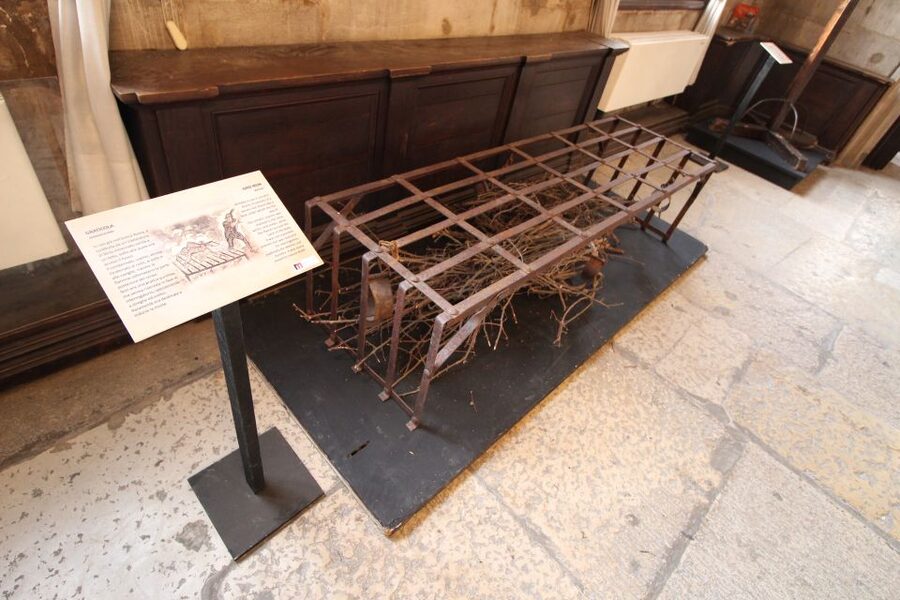
Maleficia is presented as a journey through objects and records—some are original documents, and others are reproductions—paired with the logic the tribunal used. That ordering is useful. You get the idea of how the Holy Office framed accusations before you start seeing the physical side of punishment.
Expect rooms where the story is carried by:
- suggestive testimonies (how claims were formed and repeated)
- documents tied to the Holy Office
- historical objects presented as tools of justice against witchcraft
You’ll notice the exhibition is not trying to make you comfortable. It’s built to make you reflect on suffering and condemnation during the 15th to 18th centuries. The timeline focus is one reason it works well in just an hour: you don’t wander into unrelated Venice trivia—you stay on theme.
What the Holy Office material teaches you about witchcraft persecution
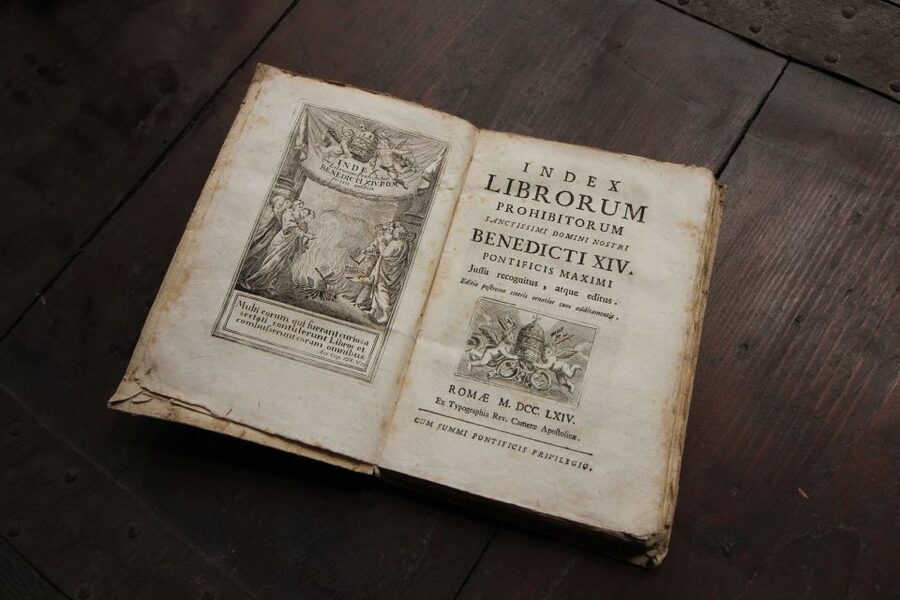
One of the strongest reasons to choose this museum is that it treats witchcraft persecution as an organized system. The show links the persecutions to the Holy Office and presents items that connect to the tribunal’s approach to accusations.
In practical terms, here’s what you’ll get from that:
- You’ll see how the Holy Office operated in Venice during the centuries when the “seriousness” of accusations could become deadly.
- You’ll understand the exhibition’s core message: punishment wasn’t random cruelty—it was framed as justice.
If you’re interested in how authority builds a narrative, you’ll appreciate the balance of documents and objects. If what you want is mostly atmospheric Venice storytelling, you might find the museum is more focused than you hoped. The overall feedback sits around 4.1 out of 5 from 66 reviews, which fits this kind of niche theme: it lands well for people who want history-by-object, and it can feel too specific for people looking for a wider Venice lens.
Instruments of torture: what you’ll see (and how to be mentally ready)
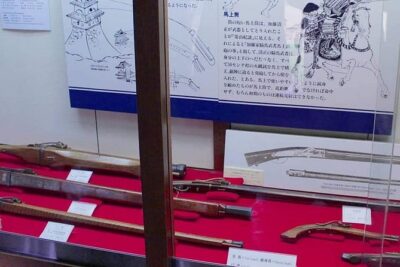
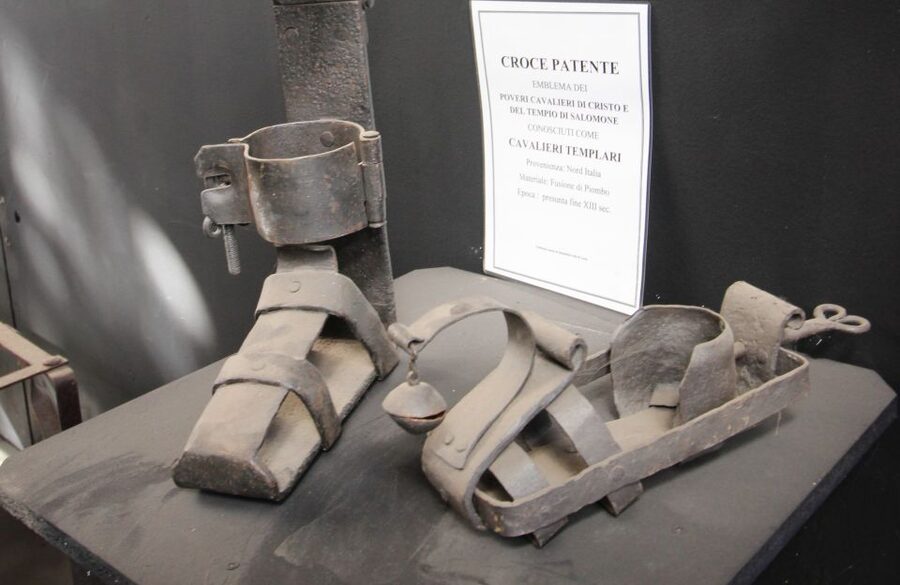
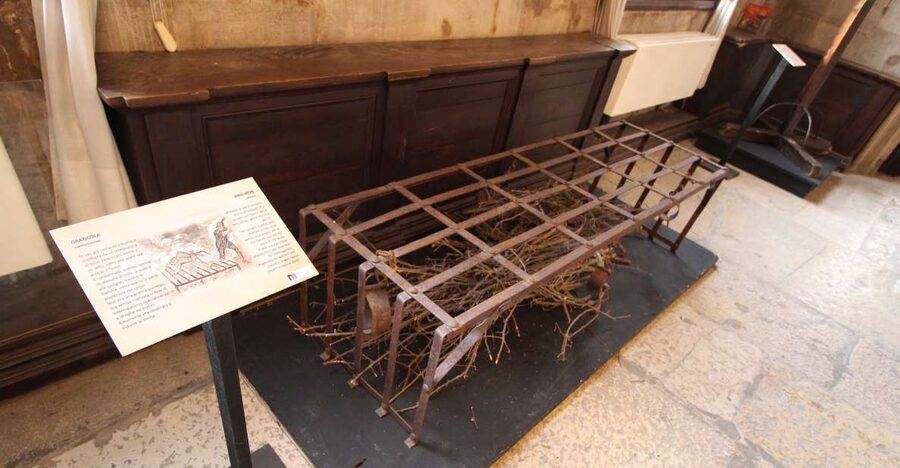
The centerpiece is the display of instruments of justice associated with the tribunal. The exhibition includes the tools described as being used like:
- garrote
- head crusher
- pillory
- an authentic whipping post
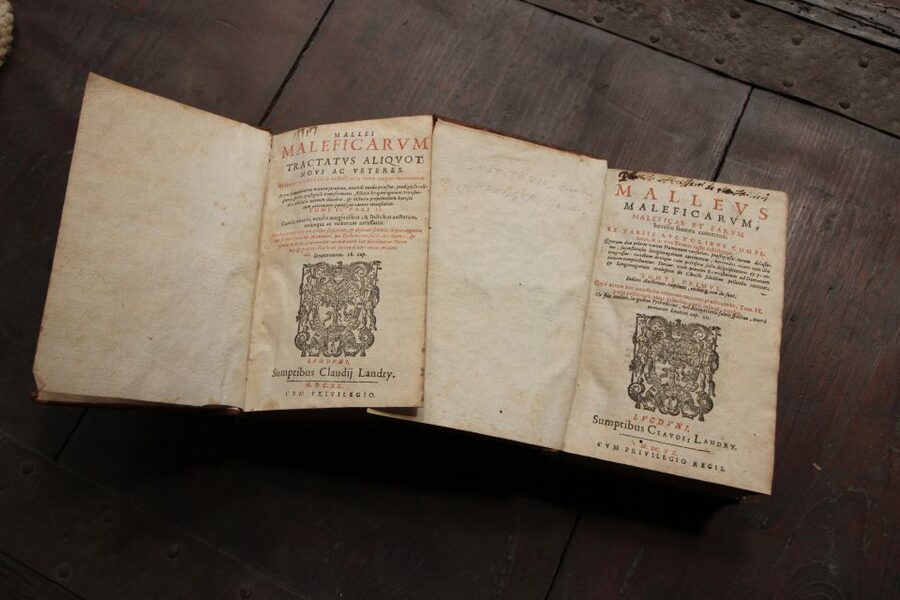
The descriptions connect these items to the logic of persecution, including the idea that instruments are prescribed in the Maleficia book. Even if you’ve read about the Inquisition before, the museum’s method of showing the pieces as physical artifacts makes the subject hit harder. There’s something different about seeing an object and being told what it was used to do, versus reading abstract explanations.
I recommend you go with a quick mindset check:
- If you’re sensitive to graphic themes, know that this exhibition is intentionally built around punishment.
- Plan for a calmer pace than you might in other museums around St. Mark’s—there’s no need to speed through.
Also, take a moment in front of each item to read what’s provided. These tools aren’t just “props.” The point is the tribunal’s idea of justice in a witchcraft context.
The women accused of witchcraft: the cell that changes the tone
One standout element is the inclusion of a cell for women accused of witchcraft. This is where the exhibition stops being only about objects and starts feeling like a record of how accusations targeted real people.
That women-focused detail matters because the “witchcraft” idea can sometimes get generalized in popular retellings. Here, the museum makes it explicit: the tribunal’s consequences were applied to women accused of evil spells and magical arts.
You’ll come away with a clearer sense of who the system moved through, not just what tools it claimed to use. It’s also one reason the museum can feel emotionally heavy, even though the visit is short.




Casanova in the palace story: why his name is included
The palace history in the exhibition context includes a mention of Giacomo Casanova, presented as someone accused of dabbling in magic and the occult. That detail is not there just for a famous name drop. It supports a bigger point: the tribunal’s reach wasn’t only about anonymous villagers.
In other words, it pushes the exhibition beyond the stereotype of witch trials as something far away in time or class. If you’re the type who likes historical links between famous figures and institutions, Casanova becomes a shortcut to understanding how authorities connected “magic interests” to suspicion and condemnation.
Using the audio guide well in a 1-hour visit
Your ticket includes an audio guide commentary, and you can listen in English, French, Italian, or Spanish. It’s designed for a self-paced visit, so you control how long you spend in each room.
Here’s how I’d use it to get more value out of the one-hour format:
- Start the moment you enter and follow the guide’s order, so you don’t miss the document-and-instrument progression.
- Spend a bit more time on the rooms that include the tribunal context (Holy Office materials and the women’s cell), then move faster through instrument rooms if you need a break.
- If you’re reading while listening, take short pauses. Trying to do both at high speed can make the theme blur.
If you prefer not to rely on your phone app style, the audio guide commentary is available online (there’s a direct link provided with the activity info). Either way, the audio is what ties the objects together into a story you can actually follow.
Price and value: is $11 worth your hour?
At $11 per person for a 1-hour visit that includes an entrance ticket plus an audio guide, this is positioned as a quick, targeted museum experience. You’re not buying a half-day tour. You’re buying a focused set of rooms built around a single theme: Holy Office justice and witchcraft persecution.
You’re also getting practical value:
- The skip-the-ticket-line benefit helps you stay on schedule near St. Mark’s.
- The audio guide is included, so you’re not paying extra to understand what you’re seeing.
- The setting inside Prisons’ Palace adds atmosphere you can’t replicate by just reading about Inquisition history elsewhere.
So the value question comes down to your preferences:
- If you want a short, object-driven history visit in Venice’s St. Mark’s area, it’s good value.
- If you’re expecting a broad Venice-by-Venice deep dive into “everything about witchcraft fears,” you might feel the hour is too tight.
That matches the mixed sentiment that shows up in the feedback: one higher-score comment says the visit met expectations, while a lower-score comment argues the topic could be expanded with more Venice storytelling. This isn’t a long-form museum. It’s designed to be direct.
Who should book this Maleficia exhibition?
This experience fits best if you:
- like history that you can read through documents and physical artifacts
- want Prisons’ Palace without adding a full extra tour block
- feel comfortable with dark themes and want context, not just ghost-story vibes
It’s probably not for you if:
- you want only lighter cultural stops (this is about persecution and punishment)
- you need the visit to be fully mobile-friendly
- you get overwhelmed easily by imagery or subject matter involving torture
One more note: the activity info states it is not recommended for people with limited mobility and is not suitable for people with mobility impairments. If mobility is a concern, it’s worth choosing a different Venice museum that better fits your needs.
Final call: should you book Maleficia in Prisons’ Palace?
If your idea of a great Venice stop is smart, focused, and specific, I’d recommend this. You get a tight 1-hour window with Holy Office documents, a direct look at instruments of punishment, and a women’s-cell element that keeps the theme human. Add the included audio guide and skip-the-line access, and it’s a practical use of time near San Marco.
Skip it if you want a cheerful afternoon, or if you’re worried about accessibility or emotional discomfort with torture-related material. Also, if your main goal is broad Venetian storytelling rather than a concentrated theme, you may want to pair your day with a different museum so the overall trip feels balanced.
FAQ
Where is the Prisons’ Palace meeting point?
Prisons’ Palace is close to San Marco Square, beside Doge’s Palace. To get there, cross the bridge on the right side of the entrance of Doge’s Palace. Do not go to the Doge’s Palace entrance.
How long does the Maleficia exhibition take?
The visit is about 1 hour.
How much does it cost?
The price is $11 per person.
What’s included with the ticket?
Your ticket includes entrance to the Maleficia Museum plus audio guide commentary.
What languages are available on the audio guide?
The audio guide is available in English, French, Italian, and Spanish.
What are the opening hours?
The venue is open from 10:00 AM to 5:00 PM.
Does this experience help you avoid waiting in line?
Yes. The ticket includes skip the ticket line.
Is it suitable for people with mobility impairments?
It is not recommended for people with limited mobility and is not suitable for people with mobility impairments.
Can I cancel for a refund?
Yes. You can cancel up to 24 hours in advance for a full refund.
Is there an option to reserve first and pay later?
Yes. You can reserve now & pay later so you pay nothing today, if that option is available at booking.