REVIEW · TOKYO
Tokyo: Imperial Palace, the history of Japan (ENGLISH GUIDE)
Book on GetYourGuide →Operated by Sunrise Adventure · Bookable on GetYourGuide
A walk through Tokyo Imperial Palace is never just a stroll. This guided circuit turns the eastern gardens and ruins into a clear, human-sized story about Japan’s past—and how it shaped the country you see today. I love the way the guide connects history to real place, and I also like the photo-friendly stops that keep you from wandering with no plan.
You’ll also get hands-on attention to details most people miss, like the palace grounds, garden layout, and the special koi fish that live here. One thing to keep in mind: this tour does not include access to the inner palace, so you’re there for the grounds and history context, not for a full inside look.
Key things to know before you go
- English-guided promise, but French is listed: double-check language expectations when booking.
- Otomoen main gate entry sets the tone fast, then you move through palace grounds and gardens.
- Special local koi fish are a standout moment, with real explanation from the guide.
- Miniature structure of the former palace helps you picture what’s missing today.
- You focus on the eastern gardens and ruins, not the inner palace.
- Your guide calls out photo spots, so you can shoot without guessing.
In This Review
- Why the Imperial Palace grounds feel like a history lesson in motion
- Meeting at Wadakuramon Fountain Park and finding your guide
- Otomoen and the palace perimeter: what you’ll see first
- Eastern Gardens: koi, calm paths, and guide-led photo spots
- The main castle is gone for a reason—and you’ll see the substitute
- Former soldiers’ barracks and Edo’s foundation under your feet
- Trees from different prefectures: a living Japan lesson
- Language and guide style: getting the most from your group
- Price and logistics: does $40 buy real value?
- Rules that actually matter on-site
- Who this tour fits (and who should think twice)
- Should you book this Imperial Palace history tour?
- FAQ
- Is the inner palace included?
- Where do I meet the guide?
- How do I get there from major stations?
- What language is the tour in?
- What’s the tour focus?
- Is there a dress code?
- What happens if I’m late?
- Are there any restrictions during the tour?
- Can I pay later or get a refund?
Why the Imperial Palace grounds feel like a history lesson in motion
Tokyo Imperial Palace isn’t just a pretty set of lawns. The eastern gardens and remaining ruins let you see how space, power, and ceremony worked in Japan over centuries. As you walk, the guide keeps the story moving from past eras toward the present-day Japan you’re already exploring.
What I like most is that this tour doesn’t treat history like a lecture. It’s tied to what you’re looking at: gates, garden paths, old areas tied to the Edo period, and the quiet feel of the grounds. That’s what makes it more rewarding than snapping a few photos and calling it done.
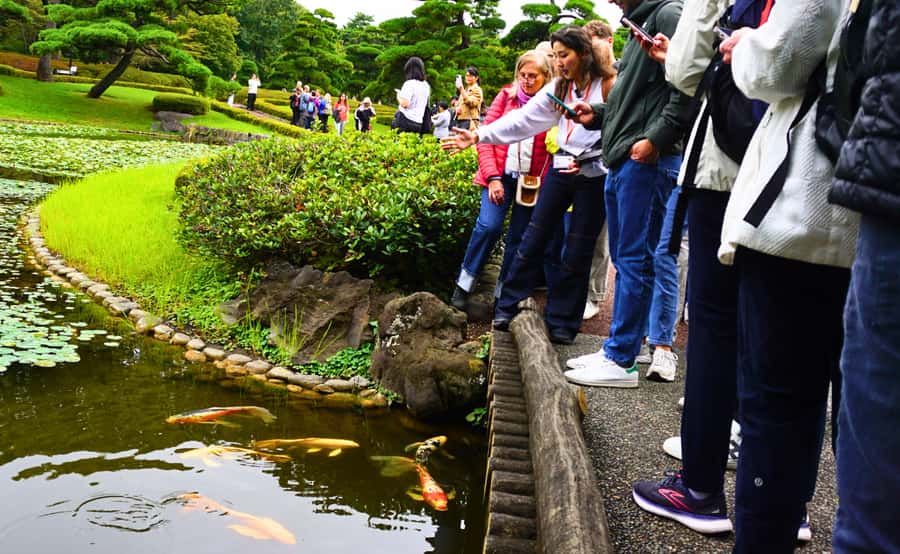
And yes, there’s a moment you’ll remember long after: meeting special koi fish that are found here. It’s such a simple thing, but a guide-led look gives it meaning instead of turning it into a quick glance.
Meeting at Wadakuramon Fountain Park and finding your guide
You start with an easy transit plan: take the train to Tokyo Station or Otemachi Station, then walk about 5–10 minutes. From there, head to Wadakuramon Fountain Park and look for the Starbucks.
Your guide will be waiting near the fountain holding a sign with the logo SUNRISE ADVENTURE. This matters more than it sounds. When you’re in a big city, starting point confusion can waste your trip energy fast, and this setup is clear and practical.
One small caution: if you don’t show up within 10 minutes of the meeting time, the tour starts without you. That’s a normal policy for group walking tours, but Tokyo is busy—so build in buffer time and don’t sprint in at the last second.
You can also read our reviews of more tours and experiences in Tokyo.
Otomoen and the palace perimeter: what you’ll see first
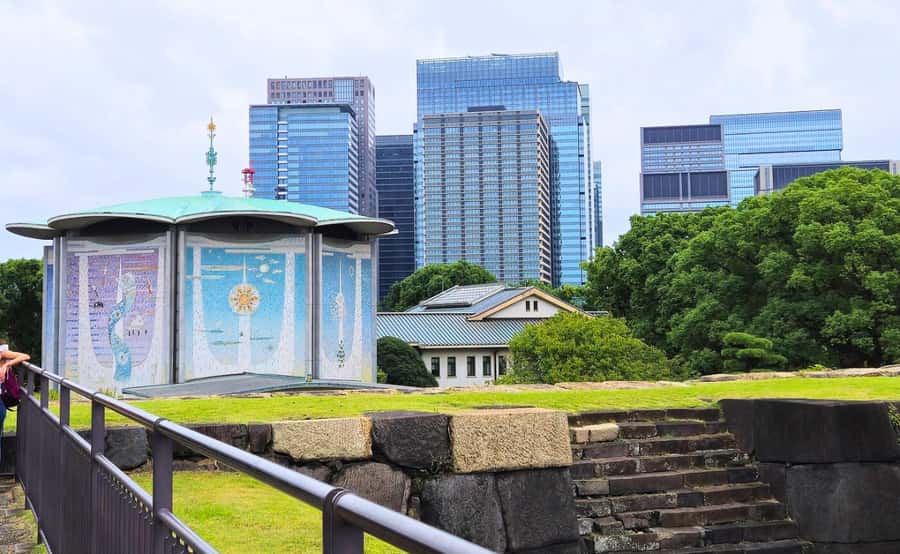
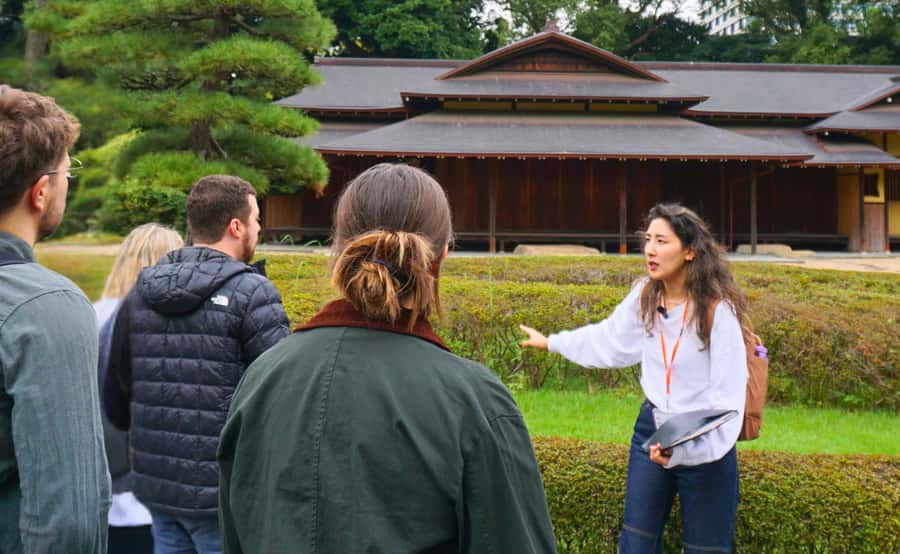
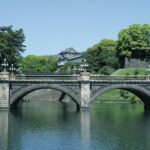
Once you’re with the guide, you head to the main gate (otemon) of the Tokyo Imperial Palace. That gateway moment is useful even before the history starts. It frames the scale of the site and gives you a sense of how ceremonial access has always worked.
From there, you follow your guide through the palace grounds and toward the eastern garden areas. The tour is designed as a walking route, so you’re not just standing still trying to read plaques. You’ll keep moving, and that makes it easier to connect the story to the places.
Important expectation check: this visit does not include access to the inner palace. You’ll see what’s available around the grounds, plus the history interpretation that fills in what you can’t enter.
Eastern Gardens: koi, calm paths, and guide-led photo spots
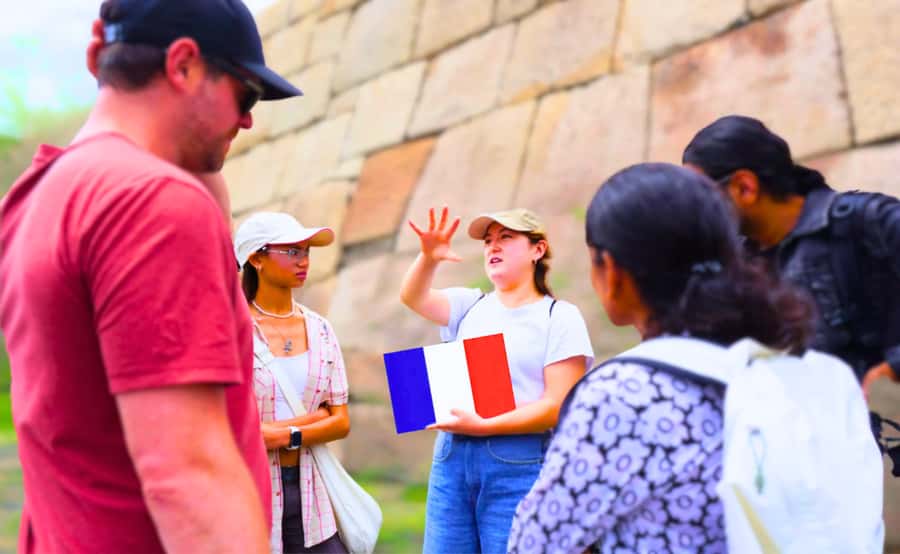
The eastern gardens are where the tour becomes genuinely enjoyable, not just educational. The environment shifts your pace: you slow down, you look longer, and you start noticing details.
One of the top highlights is the chance to meet a unique breed of koi found here. This is the kind of detail that would be easy to miss on your own. With a guide, you get the context and the point of interest—so it feels like a story moment rather than a random pond.
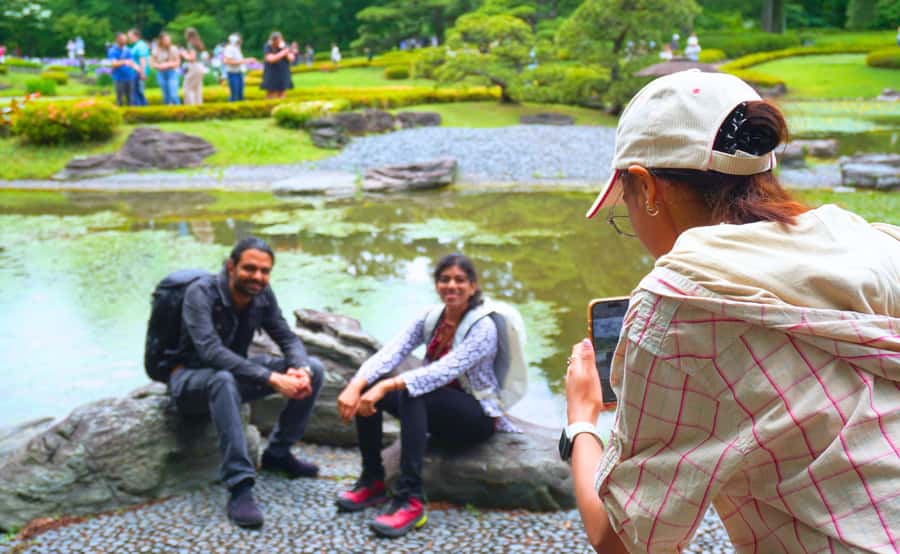
You’ll also get help finding good viewpoints for photos. Instead of guessing where the best angles are, your guide points you toward strong spots. That can save time and help you avoid the frustrating cycle of taking ten similar shots and hoping one of them works.
And because the tour is paced as a walk through the grounds, the serenity of the palace stays intact. You get a sense of space and quiet without turning it into a museum shuffle.
The main castle is gone for a reason—and you’ll see the substitute
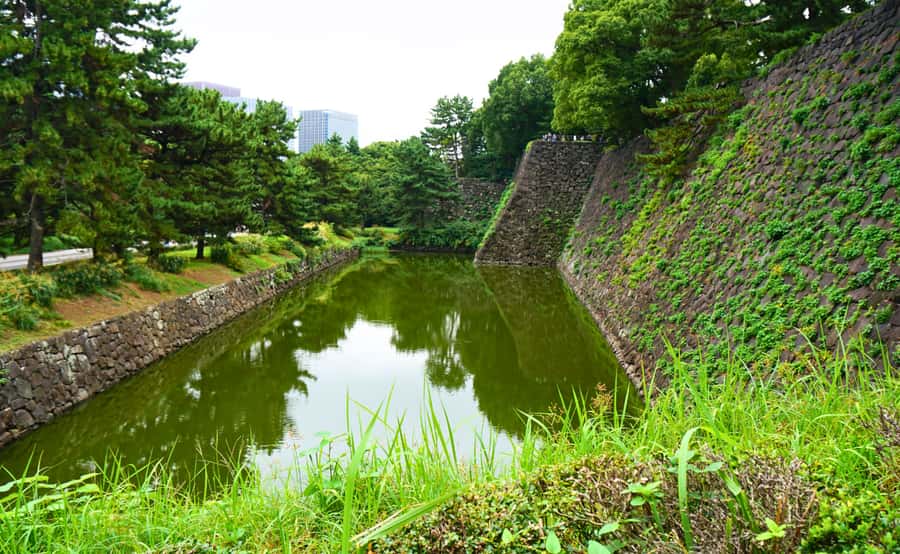
One of the most interesting things you’ll learn is why the main castle no longer exists. Your guide explains it during the tour, which matters because missing context makes big sites feel confusing rather than meaningful.
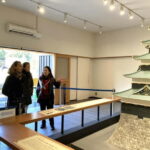
Instead of leaving you with only absence, you’ll also see a miniature structure of the former palace. That small-scale replica does a big job: it gives you a reference point so you can mentally rebuild the layout while you’re walking the current grounds.
This is a smart way to handle a site with what’s missing. You don’t need to be a history expert. You need something you can visualize, and the miniature structure supports exactly that.
Former soldiers’ barracks and Edo’s foundation under your feet
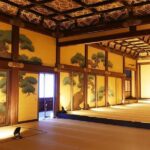
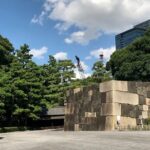
As you continue, the tour moves into history-connected areas such as the former soldiers’ barracks. This is where the Imperial Palace grounds stop being purely ornamental and start feeling like they were built for real life: defense, order, and control.
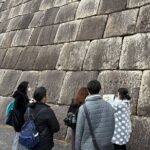
You’ll also explore the former base of Edo Castle more than 350 years ago. That’s the kind of detail that helps you understand Japan’s transformation. Edo Castle wasn’t just a building; it was the center of political gravity for a long period.
The guide’s interpretation makes the walk feel connected rather than scattered. You’re not collecting trivia. You’re building a timeline in your head while you see the physical locations tied to those eras.
One caution: if you expect a fast, checklist-style tour with constant “wow” visuals, you might find sections quieter than you want. But if you like understanding how cities and countries evolve, this portion is the glue.


Trees from different prefectures: a living Japan lesson
Another standout detail is the tour’s attention to trees from different prefectures. That’s a subtle theme, but it helps you see the site as more than a single-era artifact.
Japan isn’t one place; it’s a chain of regions with their own identities. Seeing this reflected through plantings gives you a practical, visual way to think about unity and continuity.
Again, you’re not just looking at greenery. You’re learning how place connects to Japan’s wider picture. It’s also a nice change of pace from buildings and ruins, especially if you want a break from stone and history plaques.
Language and guide style: getting the most from your group
The tour is described as an English guide experience, but the provider information lists French as the tour language. That mismatch matters. If you’re counting on English, confirm the exact language for your date when you book.
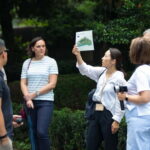
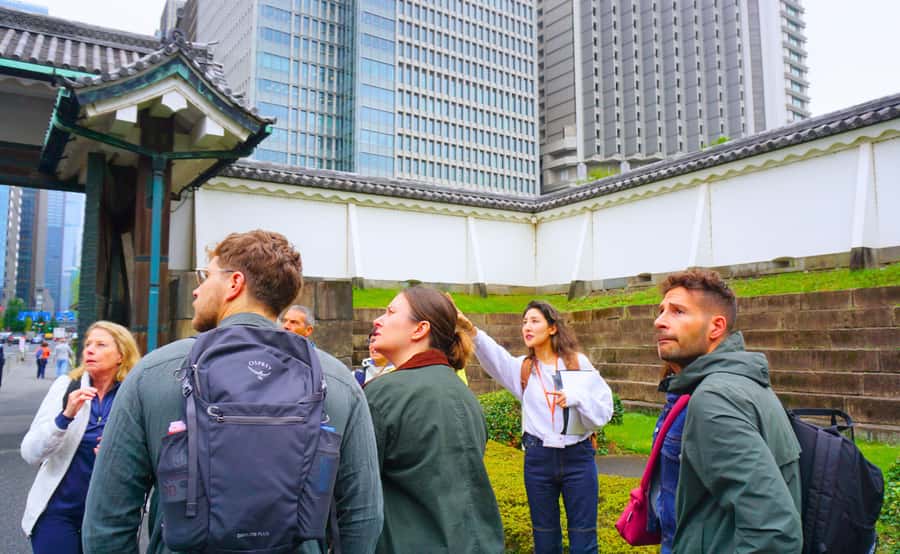
In terms of guide quality, one example that stands out is a Franco-Japanese guide named Nicolas, who answered lots of questions and shared not only history but also mythology, language topics, and Japan in general. That kind of back-and-forth is what turns a walking tour into a conversation, not a one-way presentation.
You may also find the group size stays small. On one visit, the group was only five people, which makes it easier to talk and ask questions without shouting over a crowd.
Price and logistics: does $40 buy real value?

At $40 per person, you’re paying for a guided walking experience with historical interpretation plus the chance to see the palace grounds with context. You’re not paying for the inner palace (that part is not included), so the value comes from the explanation and the guided pacing.
Here’s how I’d judge the price for your money:
- If you like learning while you walk, a guide helps you “read” the site faster and with more confidence.
- If you’re the type who enjoys stopping for details and asking questions, the historical framing is exactly what you’re paying for.
- If you mostly want a self-guided photo walk and you don’t care much about Edo-era context, you might feel like it’s more effort than reward.
For most history-curious travelers, $40 makes sense because the tour gives you structure. Without that structure, Imperial Palace grounds can feel large and quiet in a way that leaves you wondering what you’re looking at.
Rules that actually matter on-site
These restrictions aren’t just fine print. They shape how the experience feels day-to-day and how smoothly the guide can manage the group.
You’ll want to be prepared for these “don’t do it” rules:
- No smoking
- No drones
- No alcohol and drugs
- No littering
- No skateboards
Also, plan your clothing for the weather. The tour runs in good weather or bad, so bring layers or rain protection as needed. Tokyo weather can shift fast, and a walking tour is only as comfortable as your outfit.
Who this tour fits (and who should think twice)
This tour is ideal if you want Japan’s story explained through a physical place—gates, gardens, ruins, and the Edo-era foundations tied to the site. It also works well if you’re the type who enjoys questions. A good guide will answer more than the basics.
You may want to think twice if your priority is the inner palace itself. Since this tour doesn’t include inner access, you’ll still get a lot of the grounds, but you won’t get that inside experience.
If you’re short on time, remember this is a walking route that stays on the grounds and gardens. It’s not a quick “see everything” sprint across the entire Imperial Palace complex. Plan your day with a realistic buffer.
Should you book this Imperial Palace history tour?
I think you should book if you care about understanding how Japan turned into the country you’re visiting now, and you like learning through walking. The combination of guided history, the eastern gardens, the special koi fish moment, and photo support makes it a practical way to enjoy Tokyo’s most iconic grounds without getting lost in guessing.
Skip it if your main goal is the inner palace or if you want a purely self-paced photo mission with no interpretation. In that case, you may be better off going independently.
If you book, do one simple thing: check the language you’ll actually get on your date. Once that’s clarified, this tour is a calm, story-driven way to see Tokyo with your eyes turned on.
FAQ
Is the inner palace included?
No. This tour does not include access to the inner palace.
Where do I meet the guide?
Meet at Wadakuramon Fountain Park near Starbucks. The guide will be holding a sign with the logo SUNRISE ADVENTURE.
How do I get there from major stations?
Take the train to Tokyo Station or Otemachi Station, then walk about 5–10 minutes to Wadakuramon Fountain Park.
What language is the tour in?
The tour is described as an English-guide experience, but the provider information lists French as the tour language. Confirm the language for your specific booking.
What’s the tour focus?
It’s a historical walking tour that covers the Imperial Palace grounds and eastern gardens, plus how Japan evolved over time.
Is there a dress code?
Wear clothing appropriate for the weather. The tour runs in good weather or bad.
What happens if I’m late?
If you don’t show up within 10 minutes of the meeting time, the tour can start without you.
Are there any restrictions during the tour?
Yes. Smoking, drones, alcohol and drugs, littering, and skateboards are not allowed.
Can I pay later or get a refund?
You can reserve and pay later (book and pay nothing today). You can cancel up to 24 hours in advance for a full refund.