REVIEW · TOKYO
Tokyo: Imperial Palace and Shogun Walking Tour
Book on GetYourGuide →Operated by Traveling Tokyo · Bookable on GetYourGuide
Tokyo’s power story starts behind these gates. This 2-hour stroll through the Imperial Palace East Gardens takes you past surviving Edo Castle traces and into the world of samurai and shoguns, with an English-speaking guide who answers questions and keeps things clear. I especially like the way guides such as Tony and Izzy tie the palace grounds to the bigger story of how Japan ruled itself and then changed.
I also love the calm payoff. You get Ninomaru Garden with koi-filled ponds, plus quiet views that make the place feel less like a museum and more like a working memory of how authority sat in plain sight. Guides like Blake are often praised for making the garden feel more vivid, even when you are surrounded by stone and history.
One consideration: this is a walk that stays outdoors for long stretches. If you hate standing on your feet, or if you want lots of indoor, ticketed attractions, you may find the pace a little more reflective than action-packed.
In This Review
- Key highlights worth showing up for
- Entering the Edo Castle story at Ote-Mon Gate
- Tokyo Imperial Palace grounds: ruins, moats, and power geography
- Hyakunin Bansho Guardhouse: the defense mindset in human scale
- Fujimi-yagura: why watch points matter on fortress land
- Imperial Palace East Gardens: moats and stone foundations you can feel
- Ninomaru Garden: koi ponds and seasonal calm
- Value at about $16 for a guided 2-hour history walk
- Pace, comfort, and who this tour fits best
- Should you book the Tokyo Imperial Palace and Shogun walking tour?
- FAQ
- Where do I meet for the tour?
- How long is the tour?
- What is the price per person?
- What language is the tour guide?
- What will I see during the tour?
- Is the tour wheelchair accessible?
- Can I cancel and get a refund?
- Is there a pay-later option?
Key highlights worth showing up for
- Ote-Mon Gate set-up: you start at a major entry point so the rest of the tour makes immediate sense
- Guardhouse and watch points: Hyakunin Bansho Guardhouse and Fujimi-yagura add the defense angle behind palace walls
- Ninomaru Garden’s koi ponds: calm water, slow movement, and a classic seasonal feel
- Big stone walls explained: your guide turns fortress architecture into something you can picture
- English guides who go off-script: Tony, Izzy, Blake, and Jim Allen are repeatedly praised for handling questions and sharing practical ideas for the rest of your Tokyo day
Entering the Edo Castle story at Ote-Mon Gate
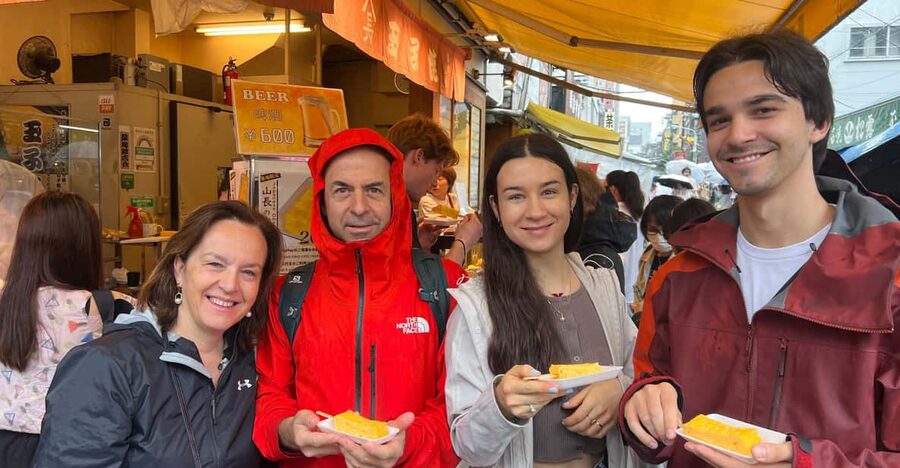
The tour starts at Starbucks Kokyo Gaien Wadakura Fountain Park, in front of the café. That location matters because it gets you into the palace-area rhythm fast, without wasting time hunting for the right entrance or platform. The meeting point is simple, and the experience begins with orientation rather than a random wander.
From there, you head to the Ote-Mon Gate for a guided start. This is your first real clue that you are not visiting a normal garden. Gates like this were about control: who could enter, who could move, and how authority shaped daily movement around the castle complex. Even if you have only a basic background on Japan’s feudal era, the guide’s narrative helps you connect the dots quickly.
You’ll spend a short chunk of time learning the layout logic before you start moving through the grounds. It’s an efficient way to get your bearings fast, especially on a first Tokyo day when everything feels spread out.
You can also read our reviews of more tours and experiences in Tokyo.
Tokyo Imperial Palace grounds: ruins, moats, and power geography

Next comes the Imperial Palace East area with a guided visit that focuses on how the old Edo Castle footprint still shows up in the present. This is where the tour earns its keep: you are not just looking at pretty walls and quiet paths. You are learning how space worked as a political tool.
The description of the tour emphasizes grand gates, stone foundations, and moats that once protected the seat of the Tokugawa shogunate. In practice, that means your guide points out the structural clues you could easily miss on your own: where the defenses would have funneled people, how stone and water created boundaries, and why certain positions mattered.
This is also where the tour’s story arc becomes useful. The guide talks about the samurai and shoguns, then connects that long feudal chain to Japan’s transition into modern rule. For me, that connection is the difference between seeing a palace grounds photo and actually understanding why it feels different than, say, a temple complex or a shrine walk.
Hyakunin Bansho Guardhouse: the defense mindset in human scale

The stop at Hyakunin Bansho Guardhouse shifts the tone from broad history to concrete function. You’re still in the same general palace environment, but the guide’s focus turns toward protection, surveillance, and what it meant to control access in castle days.
This is one of those “small label, big meaning” moments. A guardhouse isn’t dramatic like a statue or a gate with movie lighting. But that is exactly the point. The Tokugawa-era system relied on layered control, not just one impressive wall. Your guide uses the setting to explain how security and authority were built into daily space.
If you like your history practical—how people actually moved and how power enforced itself—this stop is a good match. If you only want broad political storytelling, you may still enjoy it, but you might wish the tour had more time in the garden later. The good news is the schedule keeps the pace moving so you don’t feel stuck.
Fujimi-yagura: why watch points matter on fortress land
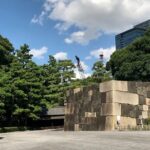
After the guardhouse, you reach Fujimi-yagura and get another guided break from straight sightseeing into “look for the reason” mode. Fortress architecture is often hard to read because it looks like “stuff” until you know what to notice: sightlines, elevation, and how a structure supported observation.
The tour’s emphasis on decoding the massive stone walls and power geometry fits perfectly here. Even without a detailed technical explanation, the guide helps you see the landscape as a defensive machine. That shift makes everything from corners to elevations feel purposeful.
I find these stops are especially valuable if you’ve never visited the Imperial Palace area before. Without context, it’s easy to treat the buildings and walls as scenery. With context, they start telling you how the area was designed to protect leaders and limit risk.
Imperial Palace East Gardens: moats and stone foundations you can feel
Once you get into the Imperial Palace East Gardens section, the mood softens. You still get history, but the experience becomes more about walking through traces—ruins, foundations, and greenery shaped into calm public space.
This part is a mix of “see it” and “understand it.” Your guide points out how the gardens coexist with remnants of a former castle layout. The moat idea matters again here: water isn’t just pretty. It was a defensive boundary, and recognizing that changes how you interpret the stillness around you.
If you like Japan for the way it blends old and new, this is one of the easiest places to notice that skill. The grounds feel peaceful now, but your guide keeps reminding you what stood there when the Tokugawa government held real power from this part of Tokyo.

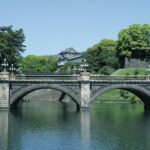

Ninomaru Garden: koi ponds and seasonal calm

Then you arrive at Ninomaru Garden, the tour highlight that most people come for. This is where tranquil becomes more than a marketing word. You see koi swimming in ponds inside the palace grounds, and the environment supports the kind of slow attention that fast city walking never gives you.
The tour framing makes Ninomaru Garden feel connected to power instead of separate from it. The Tokugawa era wasn’t only about weapons and walls. It was also about how leaders lived inside controlled calm spaces. A garden with koi tells you something about status and taste, even when you are just watching fish move through light reflections.
And because the tour includes seasonal beauty, you’re not walking through one mood only. Depending on the time of year, the garden feel can change, and your guide helps you notice what’s doing the work visually at that moment.
If you want a break from crowded Tokyo streets, this section delivers. It’s not a theme-park pause. It’s more like a well-timed exhale.
Value at about $16 for a guided 2-hour history walk
At $16 per person for a roughly 2-hour guided walk, the value is in the guide. The palace-area layout is confusing at first glance, and the difference between walking it with a story and walking it without one is huge.
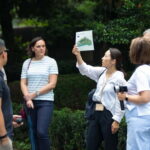
This tour also tends to work well because the group time is organized. You get multiple “why it matters” stops—gate, guardhouse, watch point, gardens—so you’re not stuck with one long explanation followed by empty time. People also report that guides keep it interactive: Tony answers questions and adds suggestions for eating nearby, Blake is praised for humor and keeping different ages engaged, and Jim Allen is specifically mentioned for patience and making the history feel approachable.
That practical add-on matters. If your day is just a list of landmarks, you miss how to actually live in the city. A good palace guide often helps you shape the rest of your Tokyo route based on what you learned here.
Pace, comfort, and who this tour fits best
This experience is best for:
- First-time Tokyo visitors who want an anchor point for Japan’s feudal story
- History lovers who like clear explanations tied to specific features like moats, gates, and stone walls
- People who enjoy gardens but want more meaning than just pretty photos
This experience may feel less ideal if:
- you want mostly indoor museum-style content
- you get restless with slow, reflective garden time
- you are sensitive to outdoor walking
Practical tip: wear comfortable shoes. Also, bring a light layer and plan for changing weather since the tour is outdoors for much of the time.
Should you book the Tokyo Imperial Palace and Shogun walking tour?
Yes, if you want a smart mix of authority and calm in one package. The big win is that the guide helps you read the ground—stone walls, moats, gates, guard structures, and Ninomaru Garden—as a single story of how power was organized in the Edo period and how that legacy still shapes Tokyo’s feel.
If you are short on time and want one guided experience that connects feudal Japan to the present day, this tour is a solid pick. It’s also a great “reset” activity after busy neighborhoods, because it ends in the kind of quiet most city days don’t offer.
FAQ
Where do I meet for the tour?
Meet in front of Starbucks Kokyo Gaien Wadakura Fountain Park. The provided coordinates are 35.6830391, 139.7614181.
How long is the tour?
The duration is 2 hours.
What is the price per person?
The price is $16 per person.
What language is the tour guide?
The tour has an English-speaking live guide.
What will I see during the tour?
You’ll visit the Ote-Mon Gate, the Tokyo Imperial Palace area, Hyakunin Bansho Guardhouse, Fujimi-yagura, the Imperial Palace East Gardens, and Ninomaru Garden. The tour highlights include the Ninomaru Garden koi ponds and the palace stone walls.
Is the tour wheelchair accessible?
Yes, the tour is wheelchair accessible.
Can I cancel and get a refund?
Free cancellation is available up to 24 hours in advance for a full refund.
Is there a pay-later option?
Yes, you can reserve now and pay later.