REVIEW · TOKYO
Tokyo: Pvt. Tour – Edo Castle & Imperial Palace East Gardens
Book on GetYourGuide →Operated by gotcha Corporation · Bookable on GetYourGuide
A short walk can feel like a time machine. This private 2-hour tour pairs Edo Castle ruins with the calm Imperial Palace East Gardens, so you get history plus real breathing room in the middle of Tokyo. I especially like how the guide turns stone walls, gates, and garden paths into a story you can follow without needing a history degree.
The main catch to plan around: you cannot enter the Inner Palace or the part where the Emperor resides, so your experience stays focused on the outer grounds and gardens, not inside rooms and buildings.
In This Review
- Key things that make this tour worth your time
- From Otemachi to Imperial grounds: how this tour actually starts
- Walking in the footsteps of shoguns: what you’ll see in Edo Castle ruins
- The Imperial Palace East Gardens: calm walking with clear boundaries
- Ninomaru Garden: seasonal color and what to do if it’s not perfect
- Main Gate to gardens: why the guide’s explanations matter so much
- Price and value: is $63 per person fair for a 2-hour private tour?
- Entry checks and practical tips for a smooth Imperial Palace grounds visit
- Who should book this Tokyo Edo Castle and East Gardens tour
- Should you book it
- FAQ
- Where is the meeting point for this private tour?
- How long is the tour?
- What is included in the tour price?
- Can you enter the Inner Palace or the Emperor’s residence?
- Do you have to go through security or baggage checks?
- What should I do if I buy Japanese knives before the tour?
- What are the cancellation and payment options?
Key things that make this tour worth your time
- English-speaking guide who keeps the pace easy and explains what you’re seeing
- Edo Castle remnants like stone walls, moats, and the massive keep area
- Imperial Palace East Gardens with a guided stroll built for walking, not rushing
- Ninomaru Garden and seasonal flower moments such as cherry blossoms, irises, and autumn leaves
- Main Gate details including a traditional guardhouse and modern security blend
- Private format so you can ask questions and move at a comfortable speed
From Otemachi to Imperial grounds: how this tour actually starts
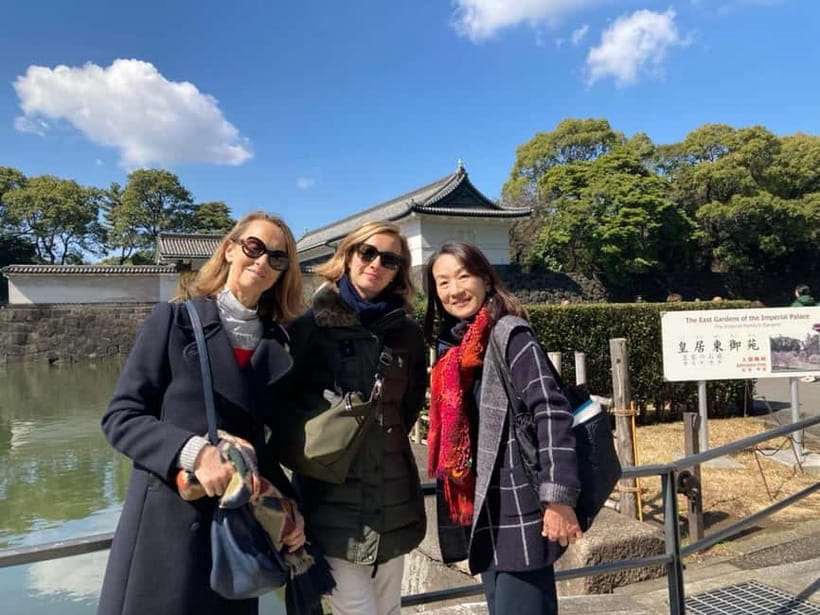
This is the kind of tour that works well when you want a focused slice of Tokyo without spending your whole day on logistics. You’ll meet your English-speaking guide at Starbucks in Wadakura Fountain Park, and you’re looking for a sign board that says gotcha.
The meeting spot matters because it’s right in the Marunouchi/Otemachi area, where Tokyo transit feels simple compared to some other neighborhoods. If you’re coming by subway, the walk from Tokyo Metro Otemachi Station exit D2 is about 3 minutes. From Tokyo Station (Marunouchi central exit), it’s roughly 10 minutes on foot.
You’ll be in a private group, so you’re not squeezed into a big crowd. That can make a real difference in this kind of garden-and-gates tour, where small pauses are part of seeing it properly.
You can also read our reviews of more tours and experiences in Tokyo.
Walking in the footsteps of shoguns: what you’ll see in Edo Castle ruins
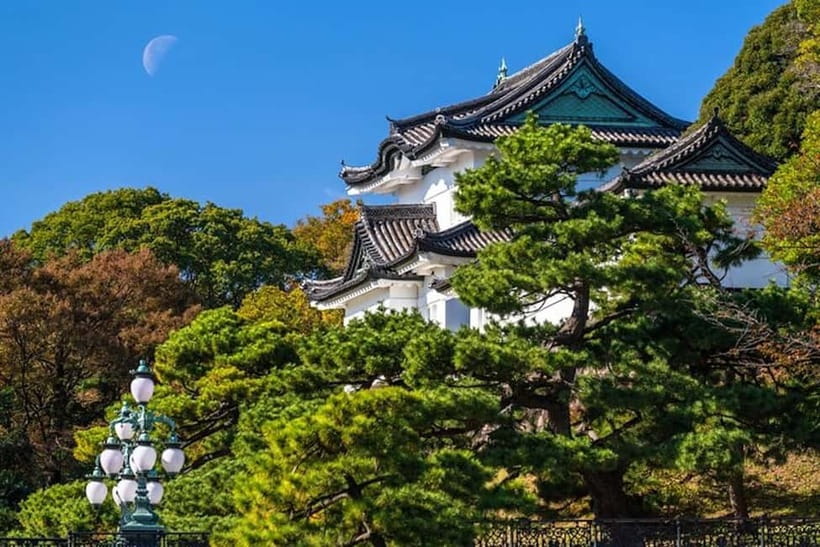
Your guided walk includes the ruins of Edo Castle, and that’s one of the biggest reasons to book instead of wandering on your own. Even when you know the basics, it helps to have someone point out what you’re looking at—especially when the scale is hard to fully grasp in modern Tokyo.
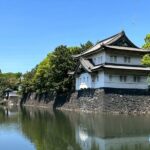
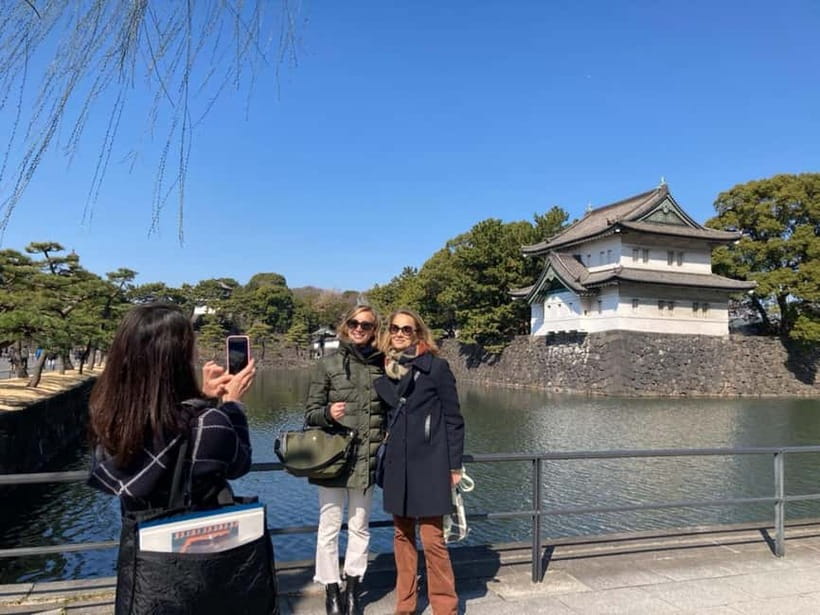
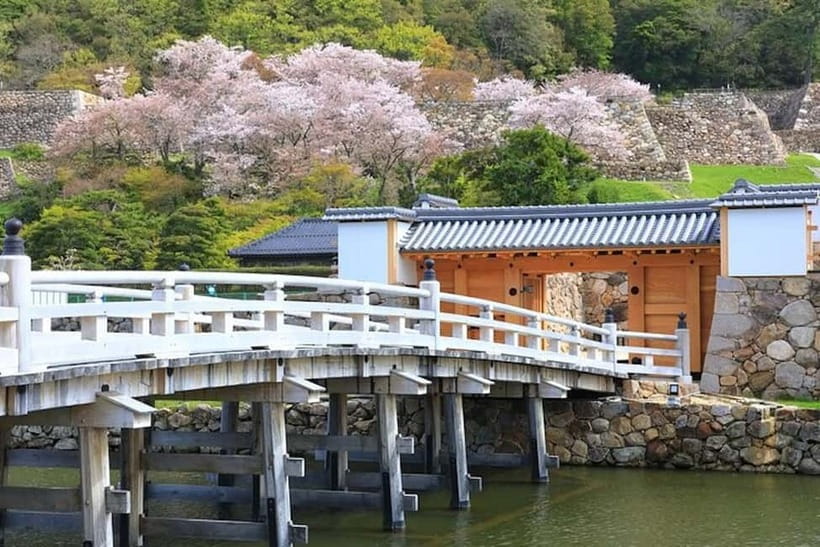
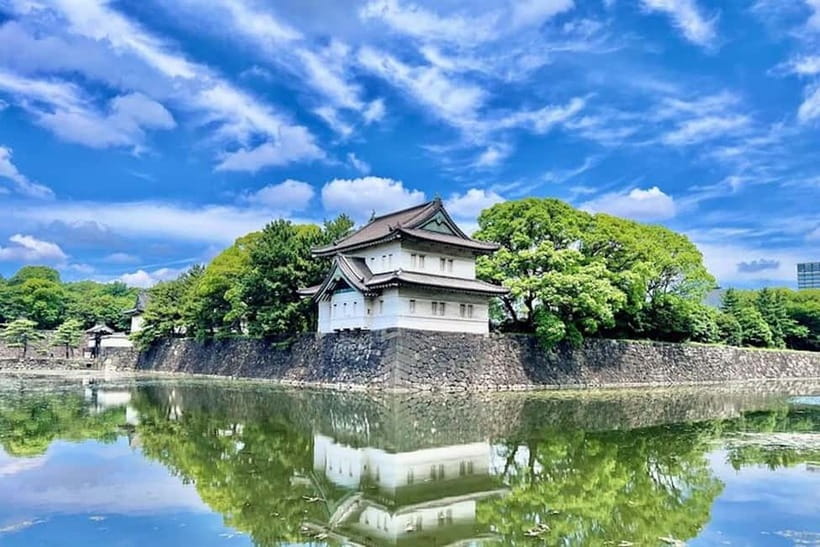
Expect to see elements that are tied to Japan’s feudal power era, including ancient stone walls, moats, and the massive keep area. The visual impact here is practical, not just dramatic. When you see the structure’s footprint in person, you understand how a castle design could control movement, defense, and authority in one place.
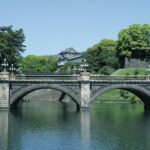
You’ll also pass the historic Main Gate, which includes a traditional guardhouse while still reflecting the reality of present-day security. That mix of old and new is a theme in the whole experience: you’re not in a museum room. You’re walking through living city space where history still has rules, gates, and boundaries.
If you like architecture, fortifications, and how design signals power, this part delivers.
The Imperial Palace East Gardens: calm walking with clear boundaries
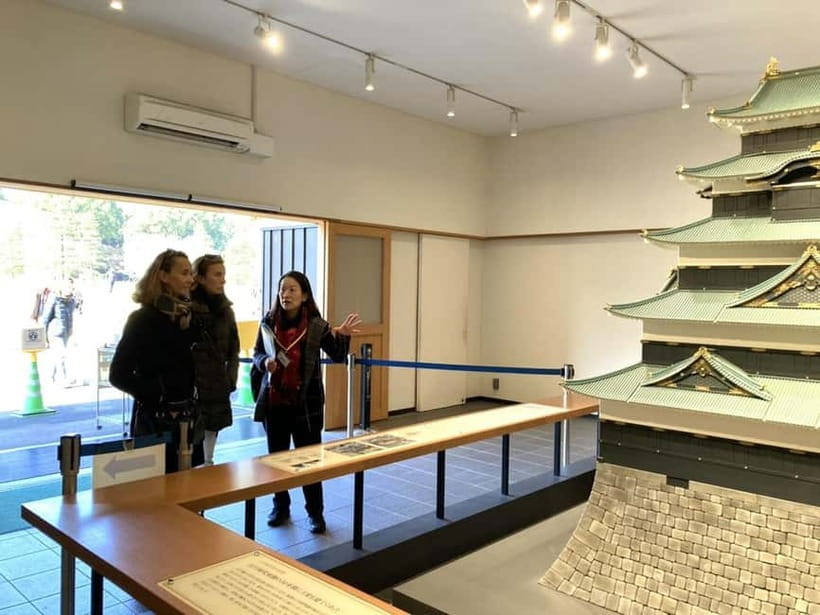
After the Edo Castle side, the tour shifts into the Imperial Palace East Gardens with a guided stroll designed for an easy 2-hour pace. This is where the experience becomes both peaceful and surprisingly informative.
The gardens are on the grounds connected to Edo Castle, and that link is exactly why the tour works. You’re not just seeing pretty paths. You’re seeing how garden layout, views, and seasonal planning relate to the larger power story of the site.
A quick but important limitation: this tour does not include the Inner Palace, and it is not possible to enter the palace where the Emperor resides. In other words, you can still enjoy the grounds and garden areas, but you’re not getting access to inner residential spaces.
So if your goal is to walk into the imperial residence areas or see rooms inside the palace complex, you’ll be disappointed. If your goal is to understand what these grounds represent—and enjoy the walking and interpretation—you’re in the right place.
Ninomaru Garden: seasonal color and what to do if it’s not perfect
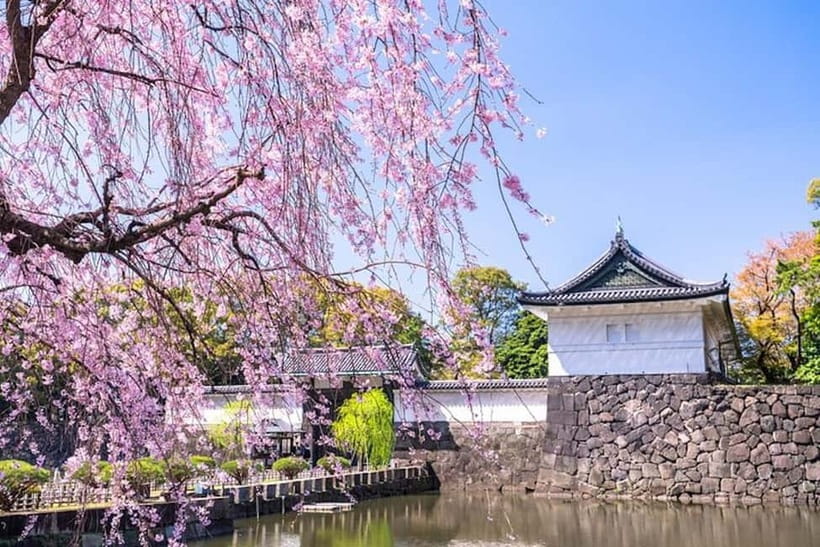
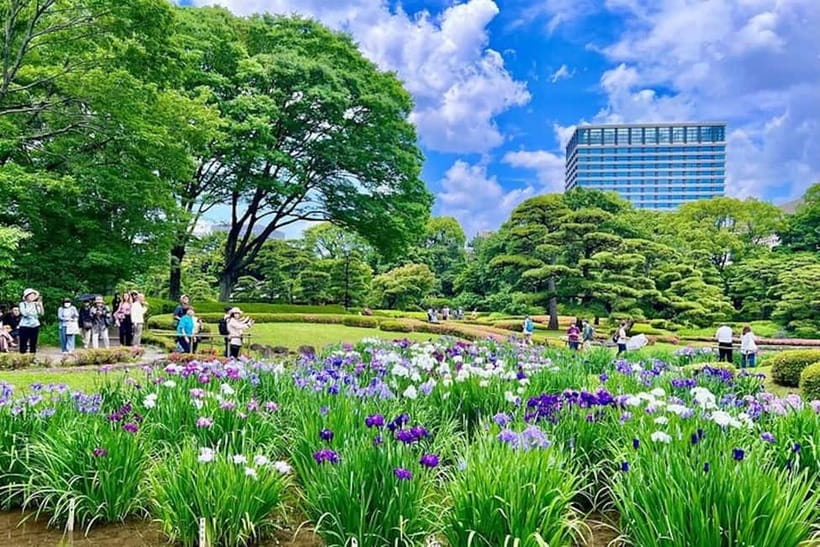
One of the highlights is the Ninomaru Garden, a traditional Japanese garden with seasonal flowers. The tour notes that you might see different highlights depending on the time of year, including:
- cherry blossoms in spring
- irises in summer
- autumn leaves in autumn
Here’s the practical reality: gardens can look great even when the peak flower isn’t in full bloom. One of the guides’ jobs is helping you read the garden anyway—what the design is doing, where to look for form and texture, and how the space is meant to be experienced at human scale.
In fact, at least one recent experience had cherry blossoms not quite out yet, and that was disappointing for the person who booked expecting peak spring bloom. That doesn’t mean the garden is wrong. It just means you should plan with flexibility: treat the seasonal flowers as a bonus, not the only reason to go.
If you’re traveling in late spring or early autumn, you’ll often have a better shot at peak color, but the guided interpretation still makes a difference regardless of the season.
Main Gate to gardens: why the guide’s explanations matter so much
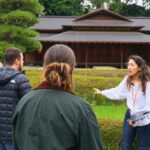
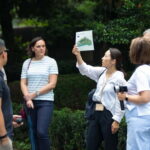
A private, English-led walk sounds simple, but the difference is in how fast you start noticing things. The guide experience here is repeatedly praised for being clear, friendly, and responsive—plus the tours are paced so you’re not sprinting through scenic spots.
You’ll see this in the specific examples of guides and their style:
- Hiroshito was praised for being super kind, with a garden experience that felt perfect and beautiful.
- Yoshi-san received praise for strong English and for sharing details about palace buildings and garden features.
- Masahito was noted for explaining history of the gardens and palace clearly, and for answering questions quickly; when he didn’t know right away, he contacted another guide to find an answer.
- Mari and Ishida were both mentioned for being prompt and informative, with explanations that felt organized and easy to follow.
- Yuji came up for a comfortable walking pace and for garden insights people wouldn’t have noticed alone.
- Naoko was highlighted for being warm and extremely detailed, including notes on koi and garden elements.
- Chichiro earned strong thanks for being helpful and making the experience feel smooth.
- David and Maru were also described as friendly, informative, and worth recommending.
You don’t need to memorize names—but it’s useful to understand what you’re paying for with a private guide. It’s not just facts. It’s interpretation: what to look at, how to connect stone and garden design to the site’s role over time, and how to keep questions from going unanswered.
And yes, it helps that the experience is structured around a 2-hour window. That keeps you from losing your energy before you’ve even seen the best parts.


Price and value: is $63 per person fair for a 2-hour private tour?
At $63 per person for 2 hours, this is priced like a focused private guide experience rather than a long-day sightseeing package. Whether it’s a good deal depends on what you’d do without it.
Here’s how I’d think about value:
- If you’re the type who visits sites and wants to understand them beyond reading a few signs, a guide usually saves you time and confusion. Even a short tour can make the area feel “legible.”
- If you’re the type who enjoys wandering and you’re comfortable piecing together the meaning on your own, you might skip paying for interpretation.
In this case, the tour’s value leans toward people who want the best garden-and-fortification story, especially with the private format. Reviews also point to clear organization and comfort of pace, which matters because Imperial-area walking is easier when you’re not figuring out everything on your feet.
Bottom line: at this price point, you’re buying convenience plus interpretation, and the tour’s content fits neatly into a half-morning or early afternoon block.
Entry checks and practical tips for a smooth Imperial Palace grounds visit

There’s one operational detail you should treat seriously: upon entering the grounds of the Imperial Palace, visitors are subject to a baggage inspection. That’s not the time for surprises. Build in a little patience for waiting and be ready to cooperate calmly.
Also, if you’re shopping and planning to buy items that could be seen as weapons—like Japanese knives—the tour specifically warns you to leave them in a coin locker or similar before the meeting (it notes places such as Tsukiji or Asakusa as where people might buy these items).
That means the smart move is to plan your shopping around the tour. If you’re coming straight from a market with purchases, double-check what you’re carrying and how you’ll store it.
Wear comfortable walking shoes. The tour is short, but you’re moving through garden paths and site areas where you’ll likely stop often. One more tip: if your group includes kids or anyone who needs a slower pace, this tour is described as having guides willing to walk at a pace that works for families.
Who should book this Tokyo Edo Castle and East Gardens tour
This is a strong choice if you want:
- an easy way to connect Edo Castle ruins to the Imperial Palace East Gardens in one guided walk
- an English-speaking guide to explain what you’re seeing as you go
- a calm experience that’s still structured and meaningful in a city known for constant motion
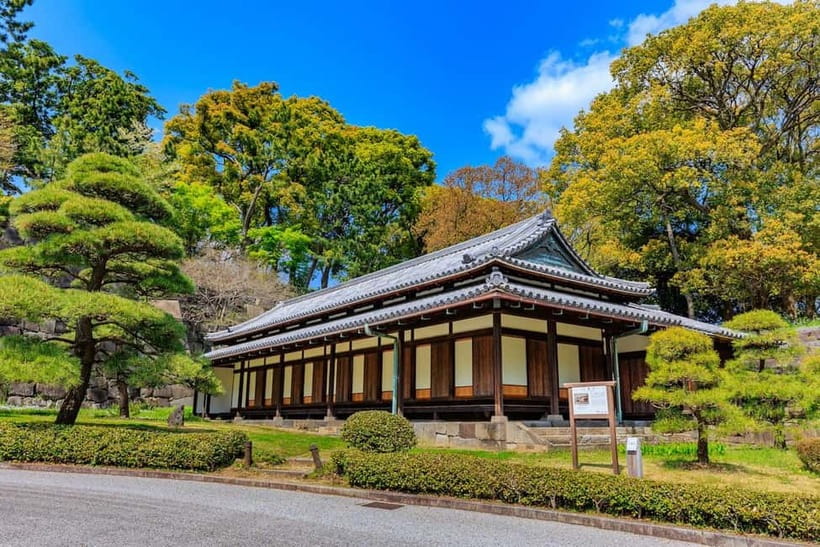
It’s also a good match if you’re visiting Tokyo for the first time and want one “big identity” stop that isn’t just a photo spot. The site has gates, walls, gardens, and stories tied to Japan’s imperial and feudal periods, and the guided format helps you read it without stress.
If your #1 priority is entering the Inner Palace or going inside the Emperor’s residence areas, this tour isn’t for you. Your access is focused on the outer grounds and garden experience.
Should you book it
Yes, you should consider booking if you’re craving a short, high-impact guided walk through Tokyo’s most symbolic site areas. The strongest reason is the combination of Edo Castle ruins, Imperial Palace East Gardens, and a guide who can explain the meaning of stones, gates, and garden design in clear English.
I’d skip it only if you specifically want to go inside the Inner Palace (you can’t) or if you’re trying to avoid any chance of disappointment from seasonal flower timing. If you treat the seasonal blooms as a bonus rather than a guarantee, the garden still offers a lot—and the guide helps you notice it.
FAQ
Where is the meeting point for this private tour?
You meet your guide in front of Starbucks at Wadakura Fountain Park. Look for the guide holding a sign board that says gotcha.
How long is the tour?
The tour lasts 2 hours.
What is included in the tour price?
Included are the guide and a walking tour of the East Gardens.
Can you enter the Inner Palace or the Emperor’s residence?
No. This tour does not include the Inner Palace, and it is not possible to enter the palace where the Emperor resides.
Do you have to go through security or baggage checks?
Yes. Upon entering the grounds of the Imperial Palace, visitors are subject to a baggage inspection.
What should I do if I buy Japanese knives before the tour?
The tour advises that if you plan to purchase Japanese knives or other items that could be used as weapons, leave them in a coin locker or similar before the meeting.
What are the cancellation and payment options?
There is free cancellation up to 24 hours in advance for a full refund. You can also reserve now and pay later (so you pay nothing today).