REVIEW · TOKYO
Tokyo Imperial Palace with Kagurazaka Alley Tour
Book on Viator →Operated by Japan Wonder Travel · Bookable on Viator
Tokyo can feel like a machine: fast trains, bigger crowds, quicker photos. This tour slows things down with a smart route through Imperial Palace grounds and the side streets of Kagurazaka. You get context you usually miss—how Tokyo’s modern map overlaps with Edo-period life.
Two things I really like about it: the pacing in a max of 8 people (so your guide can answer questions), and the way the tour connects architecture and street details to Japanese history. One possible drawback: you’re on your feet for about 3.5 hours, and the walking is real even though the stops feel quick.
In This Review
- What you’ll remember most on this Kagurazaka-and-Palace route
- Start at Shin-Marunouchi and Tokyo Station: your easy “Tokyo bearings” moment
- Imperial Palace grounds: free views, real structure, and what you can’t enter
- Nippon Budokan: why this stop matters even if you’re not into arenas
- Tokyo Daijingu Shrine: Amaterasu, the imperial connection, and quiet details
- Kagurazaka’s cobblestones and old lanes: the Edo feeling in plain sight
- The part most people miss: why the alleys feel different
- Ushigome Mitsuke at the Edo Castle edge: gate history without the heavy museum feeling
- Small-group tour style: what the best guides do with 8 people
- Price and value: is $52.84 a good deal for 3.5 hours?
- Practical walking tips for this 9:00 am start
- Should you book this Tokyo Imperial Palace with Kagurazaka Alley Tour?
- FAQ
- What is the duration of the tour?
- How much does it cost?
- What time does the tour start?
- How many people are in the group?
- Where do I meet, and where does the tour end?
- Do I need to buy admission tickets for the stops?
- What is the cancellation policy?
What you’ll remember most on this Kagurazaka-and-Palace route
- Imperial Palace grounds viewpoints with free entry listed for the scheduled stop
- Tokyo Station as an easy “orientation” start point before you go deeper into older Tokyo
- Budokan as a modern anchor built for the 1964 Olympics martial arts events
- Tokyo Daijingu Shrine and its link to Amaterasu and the imperial tradition
- Kagurazaka’s Geisha Alley + narrow food-and-drink lanes where the Edo vibe still shows through
- A guide who turns symbolism into something you can actually notice, like rooftop details explained by guides such as Sho and Aya
Start at Shin-Marunouchi and Tokyo Station: your easy “Tokyo bearings” moment
You meet at the Shin-Marunouchi Building in Chiyoda, right in the heart of Marunouchi. That’s a useful choice. Tokyo Station isn’t just a transport hub—it’s a landmark you’ll recognize instantly once you’re there, and it gives you a clean mental grid for the rest of the day.
The tour’s first sighting is Tokyo Station itself, with a short stop (about 5 minutes) and no paid admission noted. Think of it as your jump-off point: you’re learning how to read the city before you start looking for older textures—moat edges, shrine placement, alley turns, and gate remnants.
If you’re the kind of traveler who loves to understand how a place works, you’ll appreciate that this isn’t only about “pretty streets.” The route is designed so you gradually shift from fast-city Tokyo into the quieter layers underneath.
You can also read our reviews of more tours and experiences in Tokyo.
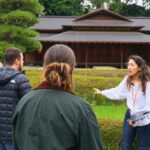
Imperial Palace grounds: free views, real structure, and what you can’t enter
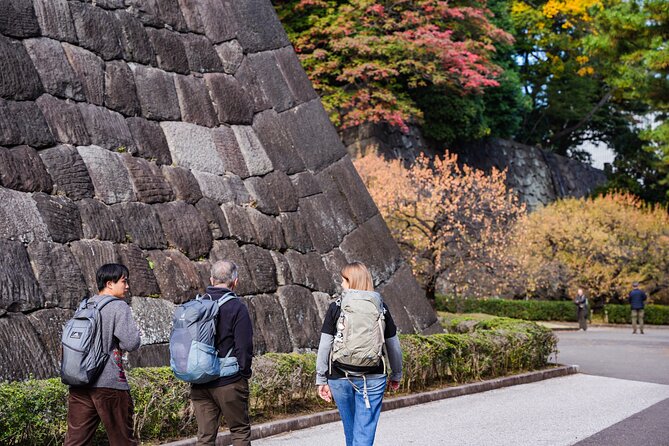
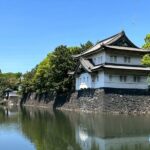
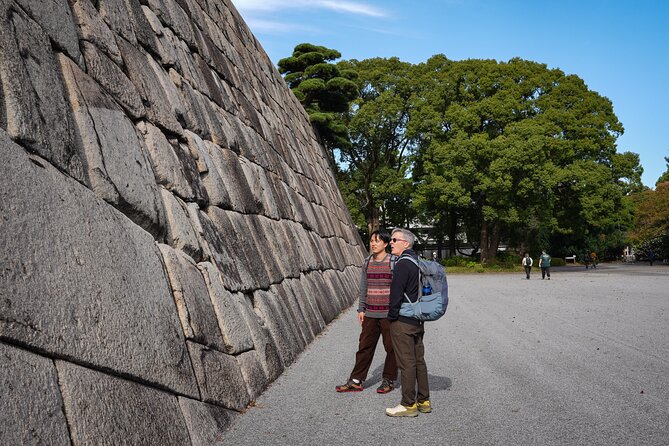
The highlight here is the Imperial Palace area, with about 55 minutes set aside. The palace residence is centered in the city and surrounded by gardens, moat, and broad park spaces. Even though the palace building itself isn’t included as open access (as indicated in the tour description), the grounds are where the lesson happens.
Here’s what makes this stop worth it for me: you get to understand the physical layout—why walls, moats, and gardens matter in Japanese urban design. The Imperial Palace isn’t just a “thing to see.” It’s a way of seeing how power, protection, and ceremony shaped space. On top of that, the scheduled admission for this stop is listed as free.
In the reviews, guides like Sho were praised for tying palace history to broader Japanese history, not just reciting dates. Another guide, Aya, was noted for guiding people through the castle-and-garden feel and even helping with group photos—small, practical value if you want memories without awkward camera-hand-offs.
Practical note: even if you’re not a big palace person, this is a good place to slow your pace. It’s also a natural time to ask your guide what symbols to look for next, since you’ll soon transition into shrine and Edo-adjacent neighborhoods.
Nippon Budokan: why this stop matters even if you’re not into arenas
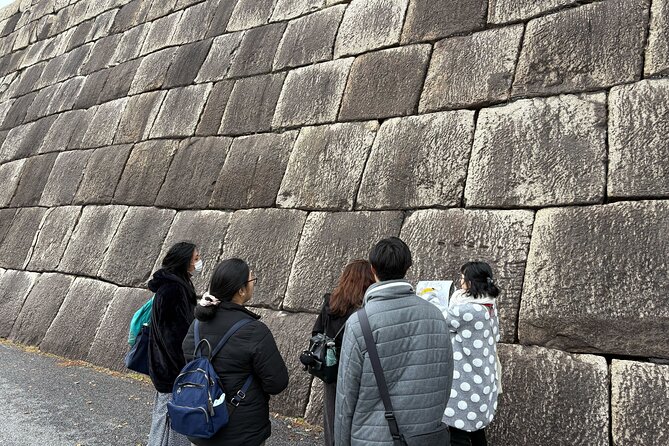
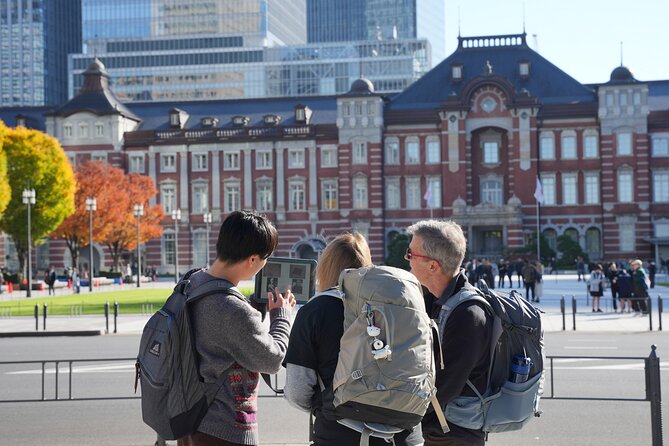
Next comes the Nippon Budokan area in Kitanomaru Park, with a stop included in the route. Budokan is famous as an indoor arena that was originally built in 1964 for martial arts events during the Tokyo Olympics. It now hosts a wide range of events.
So why place it between Imperial Palace and older neighborhood streets? Because it helps you feel the jump between “historic Tokyo” and “modern Tokyo” in one walk. You don’t have to be a sports fan to appreciate that Tokyo can reinvent its identity while still keeping strong anchors in the geography.
Also, this is one of those stops that breaks the rhythm. After palace grounds and before Kagurazaka’s tight lanes, a different type of landmark gives your legs and your brain a quick reset.
Tokyo Daijingu Shrine: Amaterasu, the imperial connection, and quiet details
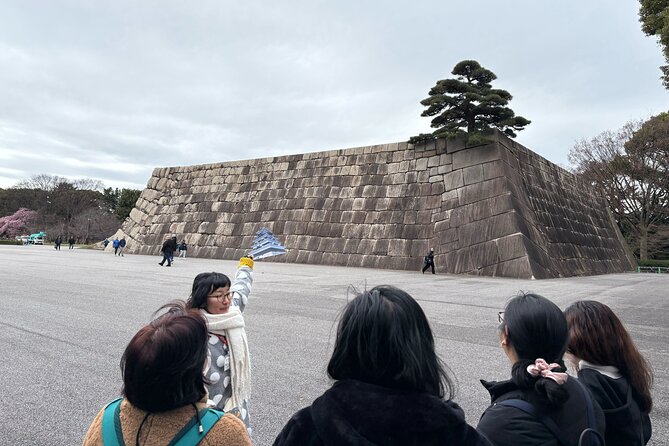
Then you head to Tokyo Daijingu Shrine in the Kanda district. It was established in 1880 and is dedicated to Amaterasu, the sun goddess, plus the spirits connected to the imperial family. Admission for this stop is listed as free.
If you only skim shrine basics, you might miss the point. This stop is valuable because shrines in Tokyo aren’t stuck in the past; they’re living places of belief tied to national mythology and continuity. A good guide helps you see how the layout and the dedication connect to the story Japan tells about itself.
In reviews, a guide also tied Buddhist tradition with architecture during a season with blossoms. While that exact timing isn’t guaranteed, the takeaway for you is that you’ll likely get interpretive links that help you connect religion, symbolism, and built form—without needing to be a history expert.
Short stop (about 15 minutes) means you should show up ready to focus. That’s not enough time for a full shrine ritual, but it’s enough time to understand what you’re looking at: where to stand, what symbols might mean, and how the shrine fits into the wider area.
Kagurazaka’s cobblestones and old lanes: the Edo feeling in plain sight
Now the tour’s secret weapon: Kagurazaka. This neighborhood is famous for the mix of old and new Japan. Once associated with geisha culture, it’s known today for narrow cobblestone lanes lined with traditional restaurants, stylish cafes, and boutique shopping.
Kagurazaka isn’t about “one main street you can Instagram.” It’s about turns. Tiny streets. Unexpected passages. This is the kind of place where walking slowly pays off, because each alley changes the mood.
This part of the tour includes multiple Kagurazaka lanes and mini-stops:
- The Geisha Alley area: a historic-feeling lane with narrow paths and traditional teahouse charm where you can sense nostalgic Tokyo.
- Hyogo Yokocho: a narrow alley with old-fashioned vibes, lined with small cozy eateries and traditional shops.
- Kakurenbo Yokocho: a hidden-feeling lane with small bars and eateries, geared for a quieter, more intimate atmosphere.
- And you also visit Ushigome Mitsuke, one of the Edo Castle gates.
All of these are described as free to visit as part of the experience, and they’re exactly the kind of spots that guide-led context turns from “cute alleys” into “Edo-era leftovers with modern life plugged in.”


The part most people miss: why the alleys feel different
Tokyo can be loud. Kagurazaka’s lanes feel smaller because they were shaped for older patterns of movement—slower routes, local access, more privacy. When you walk them with a guide, you start noticing why streets curve, why there are tight entries, and how daily life likely fit into these spaces.
In one review, a traveler learned the meaning of rooftop fish details. That’s the kind of thing that makes Kagurazaka click: your eyes shift from decoration to symbolism and function. If your guide is the type who points out small architectural clues, this section becomes the most memorable part of the day.
Ushigome Mitsuke at the Edo Castle edge: gate history without the heavy museum feeling
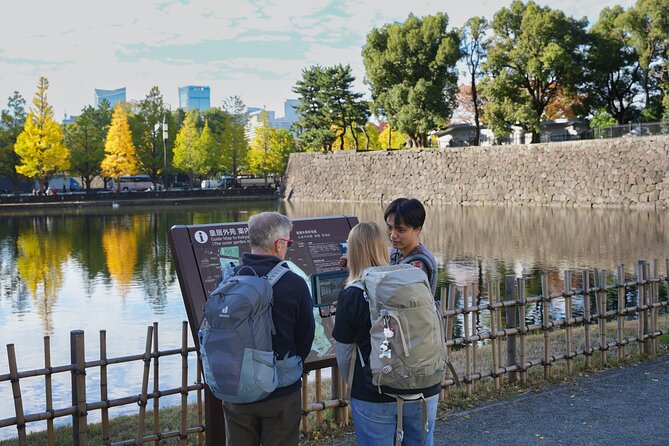
Ushigome Mitsuke is a gate connected to the Edo Castle complex. It’s located in the Ushigome area and was originally part of the castle’s defensive structure during the Edo period. The gate itself no longer exists, but the spot is part of what you’re learning about on this walk.
This works well for travelers who want history but don’t want to sit in a museum for hours. You get the story tied to a real location. The absence of the original gate can even help. It forces you to understand how history survives through layout, remaining structures, and local markers.
It’s also a smart bridge between Imperial Palace grounds and Kagurazaka. You’re moving from the modern imperial center to the Edo-era defensive world, then straight into a neighborhood that grew around the rhythms of older Tokyo.
Small-group tour style: what the best guides do with 8 people
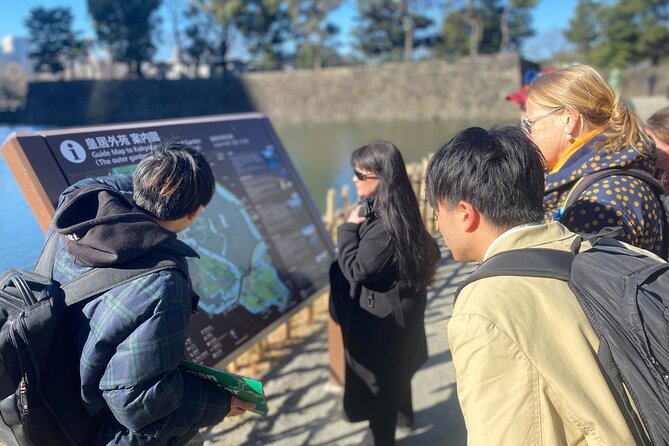
The tour is capped at a maximum of 8 travelers. That’s a big deal in Tokyo, where groups often feel like a human train. With a small group, you’re more likely to:
- hear explanations clearly without leaning in
- get answers to questions on the spot
- take photos without chasing the guide at every turn
The reviews highlight guide energy and structure. Sho was praised for enthusiastic palace storytelling tied to Japanese history. Aya was praised for knowledge and for taking good group pictures. Another guide was noted for connecting Buddhist tradition with architecture and even having solid plant knowledge during blossom timing.
So yes, you’re getting a route. But you’re also getting a guide who helps you look. That’s what makes this tour feel worth the price instead of “just walking in good neighborhoods.”
Price and value: is $52.84 a good deal for 3.5 hours?
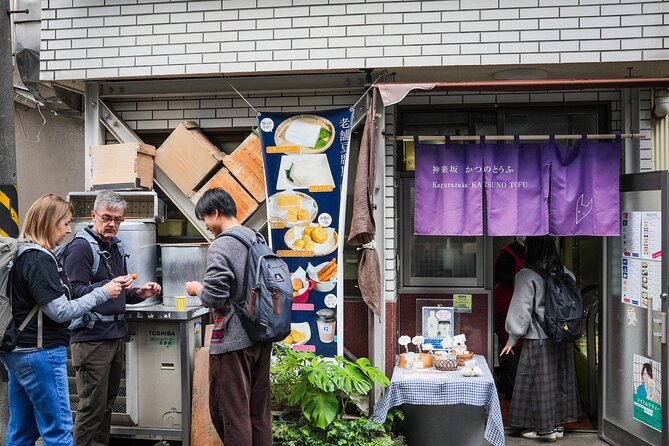
At $52.84 per person for about 3 hours 30 minutes, this is priced like a tour with interpretation, not just transportation. The key value is that many of the planned stops are listed as free admission, including Tokyo Station, Imperial Palace, and Tokyo Daijingu Shrine.
So where does the money go? Mostly into:
- guide time and pacing
- route planning that connects Imperial-area sites to Kagurazaka lanes
- small-group management (max 8)
- keeping you on-track with a mobile ticket for a smooth start
Also, the fact that it’s commonly booked about 42 days in advance suggests it’s popular. That’s not a guarantee of quality, but it often lines up with tours that sell out when people realize the route goes beyond the typical checklist.
If you’re someone who likes to learn what you’re seeing, you’ll likely find this a fair price. If you only want a self-guided stroll, you might do it cheaper on your own—but you’ll miss the “why” that makes the places click.
Practical walking tips for this 9:00 am start
This tour starts at 9:00 am. In Tokyo, that’s a helpful time. You can get good light, and you avoid the hardest peaks of midday foot traffic—especially around the big rail and palace-area zones.
A few practical things that will make the day easier:
- Wear comfortable shoes. You’re covering Tokyo Station area, Imperial Palace grounds, shrine time, and multiple Kagurazaka alleys.
- Bring a layer. Morning chill can linger, and your guide’s timing may keep you outside at several points.
- Expect short stop windows. For example, Tokyo Daijingu is about 15 minutes, so you’ll want to focus while you’re there.
- If you care about photos, be ready right then. Aya was specifically noted for helping take group pictures, but you still need to be prepared when a good viewpoint appears.
- Use the mobile ticket. The tour is set up for that, and it helps keep your start smooth.
The meeting point is the Shin-Marunouchi Building (Chiyoda), and the tour ends in Kagurazaka near the main street at 3-chōme-2-202, with a note that it’s near where a FamilyMart convenience store is. That last bit is useful if you’re planning dinner nearby.
Should you book this Tokyo Imperial Palace with Kagurazaka Alley Tour?
Book it if you want Tokyo with fewer crowds and more meaning. This route is strong if you care about how neighborhoods form—how Imperial-era space, shrine tradition, and Edo-era gate history connect to Kagurazaka’s alley layout and mood.
Skip it (or consider a different option) if you only want major sightseeing highlights and don’t care about interpretation. The tour’s best moments are the explanations and the attention to small details—symbol meanings, architectural clues, and the logic behind alley space.
If your goal is to see Tokyo beyond the obvious lanes and learn what makes Kagurazaka feel different, this is a very reasonable choice for the money. And with a small group of 8, you get a shot at real interaction, not just following behind someone.
FAQ
What is the duration of the tour?
The tour runs for about 3 hours 30 minutes.
How much does it cost?
It costs $52.84 per person.
What time does the tour start?
The start time is 9:00 am.
How many people are in the group?
The maximum group size is 8 travelers.
Where do I meet, and where does the tour end?
You meet at the Shin-Marunouchi Building1-chōme-5-1 Marunouchi, Chiyoda City, Tokyo 100-6590, Japan. The tour ends at 3-chōme-2-202 Kagurazaka, Shinjuku City, Tokyo 162-0825, near the main street of Kagurazaka.
Do I need to buy admission tickets for the stops?
The tour information lists admission as free for Tokyo Station, Imperial Palace, and Tokyo Daijingu Shrine.
What is the cancellation policy?
You can cancel for a full refund up to 24 hours before the experience’s start time. If you cancel less than 24 hours before, the amount paid is not refunded.