REVIEW · TOKYO
Tokyo Castle, Imperial Palace, Shogun & Garden Walking Tour
Book on Viator →Operated by Sunrise Adventure · Bookable on Viator
History waits behind Tokyo’s quiet walls. This tour helps you make sense of the Imperial Palace East Gardens without getting lost, and it’s built for a small group (up to 10 people). I love how the guide connects what you see—Ōtemon Gate and the garden areas—to how Tokyo grew from Edo Castle into the capital you know today. I also love the practical add-ons, like photo spot tips you can use right away. One possible drawback: you don’t enter the main Imperial Palace buildings, so if you’re expecting a full “palace” visit, you’ll need to adjust your expectations.
The walk is relaxed and timed for questions, with stories that cover samurai-era defenses, daily court life themes, and how the Emperor/Shogun system shaped modern Japan. You’ll meet at a major landmark that’s easy to find (Starbucks Coffee by Wadakuramon Park) and end back there, which keeps the logistics simple. If you hate walking in heat or cold, plan your day carefully—this is a grounds tour, not a quick stop-and-go photo sprint.
In This Review
- Key things I’d watch for
- Imperial Palace East Gardens: what you’re really seeing
- The meeting point: getting your bearings quickly
- Ōtemon Gate and the Edo Castle ruin feeling
- Guardhouse ruins and castle defenses you can picture
- Ninomaru Garden: the calmer half of the story
- Tour length and pacing: what fits (and what doesn’t)
- Who this tour suits best
- Is $31.84 worth it?
- Mobile ticket and “no dress code” practical notes
- Weather and seasonal expectations (yes, it affects comfort)
- The guide factor: what makes the difference
- Should you book this Imperial Palace East Gardens walking tour?
Key things I’d watch for
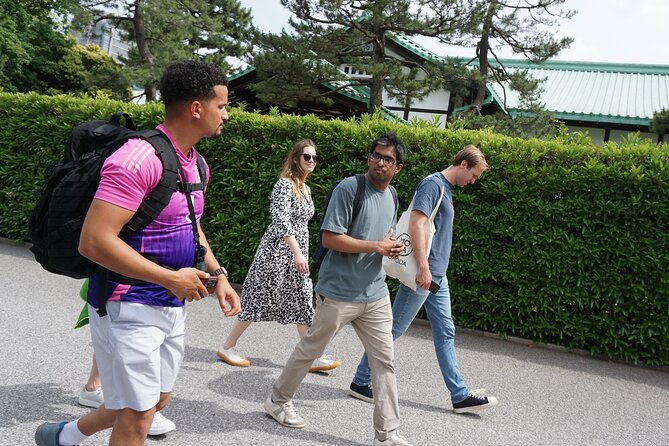
- Small group size (max 10) means more time for your questions and less “stop, look, move on.”
- Ōtemon Gate + guardhouse ruins help you understand the site even though so much was never rebuilt.
- Ninomaru Garden gives you a greener, calmer pace and great viewing angles for photos.
- Edo Castle connections make the gardens feel less like scenery and more like a story you can read.
- Photo spot guidance saves you from guesswork in a huge, easy-to-get-confused area.
Imperial Palace East Gardens: what you’re really seeing
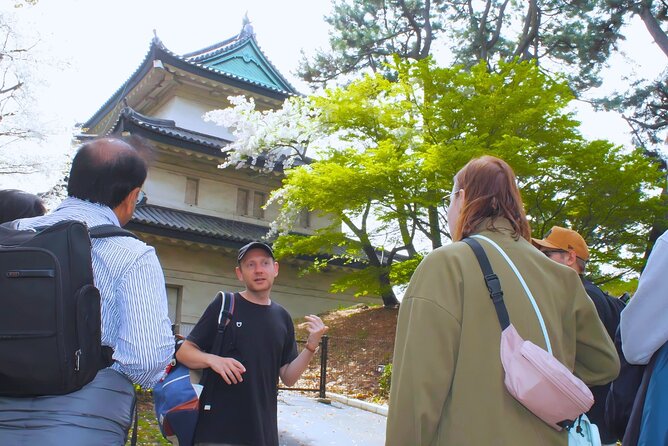
The big thing to know up front is that the Imperial Palace grounds aren’t a museum layout of restored halls and artifacts. Most visitors arrive expecting dramatic “palace buildings” and then realize the emphasis is different: it’s history you interpret through walls, gates, garden design, and the layout of the area.
That shift is exactly why this tour works. The guide doesn’t just point; they explain. You walk from one recognizable edge of the grounds to the next and learn what those places meant when Edo Castle was the center of power—plus how the property’s role changed over time. So instead of feeling like you’re staring at grass and stone, you’re learning how the place functioned.
And yes, it’s peaceful. Even when Tokyo is loud outside the walls, the gardens have a quieter rhythm. That matters on a first trip, because the Imperial Palace area can feel intimidating if you’re wandering solo with no map of what to look for.
You can also read our reviews of more tours and experiences in Tokyo.
The meeting point: getting your bearings quickly
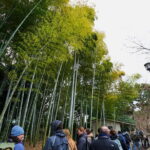
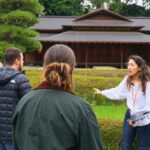
You start at Starbucks Coffee – Kokyo Gaien Wadakura Fountain Park (3-1 Kōkyogaien, Chiyoda City). This is a smart choice because the meeting spot is easy to recognize and it gives you a clear anchor before you enter the palace grounds area.
From there, the tour’s pacing is designed to help you get oriented fast: you’re moving toward the grand main gate (Ōtemon), then continuing through the east-side areas where you’ll learn how the old castle’s structure and defenses shaped the space. The good part for you is that you don’t spend the first half-hour hunting down the right direction.
If you’re traveling with kids, a guided start helps even more. Several guides for this tour have been praised for keeping families engaged, including groups with teenagers who usually tune out long explanations.
Ōtemon Gate and the Edo Castle ruin feeling

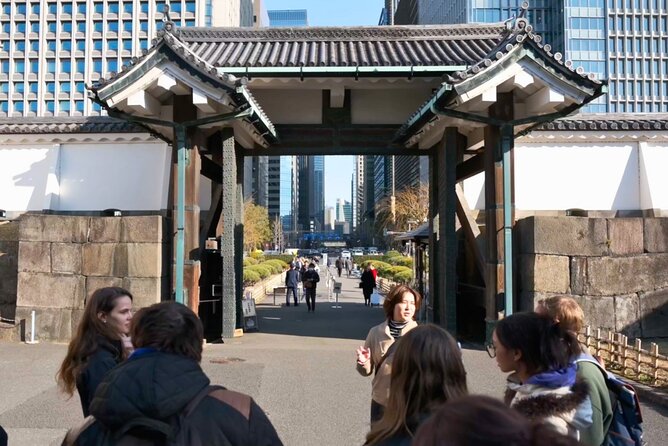
The first major “wow, I get it now” moment comes as you head toward the main gate, Ōtemon. It’s the kind of place where the details matter. Up close, gates and surrounding structures help you visualize how controlled access used to work—something you can’t easily grasp from a distance.
What I like about this segment is the framing: the guide connects the gate to Edo Castle Ruin context—so the story isn’t random dates. You learn what the Shogun-era power center needed: order, control, movement pathways, and protection. Then you look around and your brain fills in the logic of the layout.
Practical upside: if you care about photos, Ōtemon is one of the spots where your angle changes the whole image. The tour includes best-photo guidance, so you’re not just taking pictures while the group is standing in the wrong line of sight.
Guardhouse ruins and castle defenses you can picture
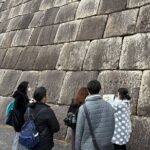
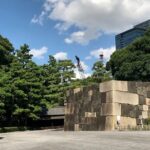
The tour also includes a stop at the guardhouse ruins. This is where the Imperial Palace grounds start to feel less like a garden walk and more like “architecture with a job.”
You’ll get stories about defenses and how the site worked as a protected compound. Even if you don’t have a background in Japanese castle design, the guide translates what you’re seeing into plain English concepts: why certain areas were positioned the way they were, how visitors and officials would have moved, and how the space was meant to discourage trouble.
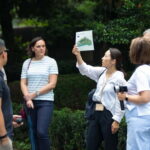
This is also where pace matters. The group stays small, so you can ask follow-ups without the guide having to sprint to stay on schedule. You’ll often find that a quick question turns into a useful explanation that makes later stops click.
If you enjoy historical structure in general (not only “big buildings”), this section is one of the best reasons to book rather than walking around alone.
Ninomaru Garden: the calmer half of the story
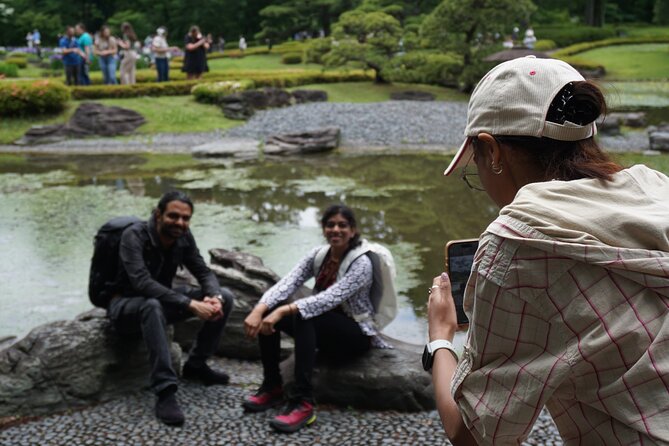
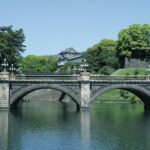
After the gate-and-defense context, the route shifts into garden time with a visit to Ninomaru Garden. This part is valuable for two reasons.
First, it gives your eyes a break. The Imperial Palace grounds are huge, and garden walking is how you experience the scale without feeling rushed. Second, it turns the history into something sensory. Instead of only thinking about power and control, you start noticing how garden design shapes movement, sightlines, and mood.
In the reviews, people repeatedly mention how guides brought the gardens to life—especially on days with nice weather or seasonal beauty like cherry blossom time. That matters because the garden is the part you’ll remember even if the castle details blur later.
Photo-wise, Ninomaru Garden is also where you tend to get better results without needing special gear. The guide’s photo spot tips help you find angles that fit the space instead of trying to force a flat “postcard” shot.


Tour length and pacing: what fits (and what doesn’t)

The tour runs about 2 hours. That’s a good length for this kind of visit because it balances explanation time with enough walking to feel like you saw real portions of the grounds.
Here’s the trade-off: you won’t cover every inch of the Imperial Palace area. You also won’t see the inner palace (it isn’t open to the public). So think of this tour as a guided “best of the east-side experience” with enough context to understand what you’re looking at—not an exhaustive grounds tour.
If you’re a first-time Tokyo visitor and you’re trying to decide what to prioritize, this is one of the safer bets because the guide gives you meaning. If you’re returning and you’re already familiar with the broader palace area, you may want to pair it with other nearby neighborhoods so the day feels varied.
Who this tour suits best
This walking tour is a great match if you:
- want a structured way to see the Imperial Palace East Gardens without feeling lost
- like history that ties directly to what you can still observe (gates, ruins, garden spaces)
- appreciate small-group pacing so you can ask questions as they come up
- want family-friendly energy—guides have been praised for keeping kids and teens engaged
It may be less ideal if you:
- mainly want to enter the palace buildings themselves (you can’t)
- hate walking or get uncomfortable in winter chill or summer heat without breaks
Is $31.84 worth it?
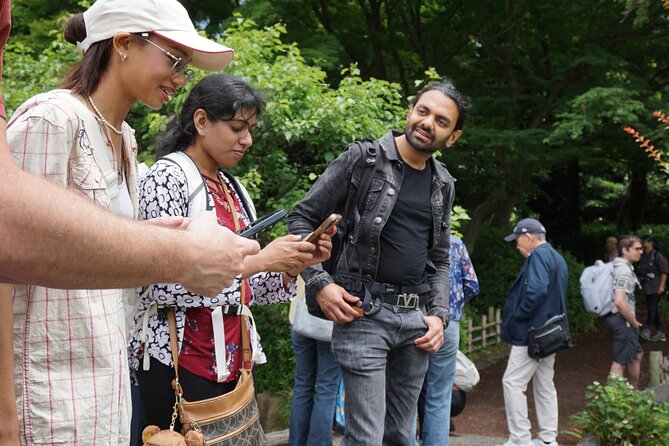
For $31.84 per person and about 2 hours, the value comes from what you gain, not what you mechanically “check off.” The Imperial Palace area is partly serene and partly confusing if you’re on your own. What you pay for here is a guide who explains the why behind the layout and helps you focus on the points that make the space meaningful.
Also, the tour includes specific highlights rather than a vague stroll. You’ll visit areas like Ōtemon Gate, guardhouse ruins, and Ninomaru Garden, and you’ll get photo spot guidance so you leave with better pictures and better understanding.
If you’re the type who enjoys learning while walking—asking questions, connecting details, and using a guide to avoid dead-end wandering—this price tends to feel fair. If you’re expecting a full palace interior visit, you might feel it’s overpriced. The tour is about context and the visible parts of the grounds.
Mobile ticket and “no dress code” practical notes
This experience uses a mobile ticket, which keeps things simple once you’re in Tokyo. It also states that there’s no dress code and tattoos are welcome. That’s worth noting if you’re traveling with swimwear, daily street clothes, or you’d rather not pack extra “tour clothes” for one site.
Bring comfortable shoes. Even though the walk is relaxed, you’re covering enough ground that your feet will notice if you show up in anything flimsy.
Weather and seasonal expectations (yes, it affects comfort)
The grounds can be a joy in mild weather, but comfort depends on season. The experience notes that it requires good weather, and some comments about winter and cherry blossoms suggest people really do time their visit for seasonal appeal.
If you’re visiting in hot months, plan a pace that includes breaks and hydration. If you’re visiting in cold months, dress for outdoor standing and walking—especially near gate areas where you may linger for photos.
Rainy days can happen too. When that’s the case, the guide still makes the experience work, but your enjoyment will depend on your rain gear and willingness to slow down and take photos when the sky clears.
The guide factor: what makes the difference
Several guides named for this tour—Mika, Natsumi, Nico/Nicolas, and Lakki/Lakky—show up in feedback with similar strengths. People consistently highlight clear communication in English, strong Edo-period and Shogun-era connections, and the ability to connect garden details to big-picture leadership and court structure.
That’s the real reason you book a tour here. The palace grounds can look underwhelming at first glance if you don’t know what you’re looking for. A good guide turns small details into explanations you can remember.
If you get someone who’s great with families, you’ll also notice the pacing adapting. That’s a big deal when your group includes teenagers who want answers that sound relevant, not lecture-like.
Should you book this Imperial Palace East Gardens walking tour?
I recommend booking if you want a guided, small-group way to understand Tokyo’s power story from Edo Castle through the modern Imperial Palace grounds—especially if it’s your first (or early) visit to the area. It’s also a good pick if you’d rather trade solo wandering for a route that includes Ōtemon Gate, guardhouse ruins, and Ninomaru Garden, with photo tips built in.
Skip or rethink if your main goal is entering the inner palace buildings. This tour focuses on what’s publicly accessible, and the site’s structure is more about interpretation than restored grandeur.
If you’re on the fence, here’s my quick decision rule: if you’ll enjoy history that explains what you’re standing in front of, you’ll likely leave happy. If you only want “the palace itself” as a centerpiece, this is probably not the ticket you’re imagining.