REVIEW · TOKYO
Tokyo’s Imperial Palace & Nihonbashi Tour
Book on Viator →Operated by True Japan Tour · Bookable on Viator
Two Tokyo classics in one half-day. This tour pairs Imperial Palace East Gardens strolls with a shop-heavy route through Nihonbashi, where you’ll taste dashi, see centuries-old crafts, and end with sake.
I love that the guide-interpreter helps you connect the dots between what you’re seeing and what it means, even when language gets in the way.
You’ll also like the hands-on feel at Ozu Washi, where you make your own sheet of washi, not just watch a video and move on. A fair consideration: expect lots of walking, and the tour is weather-dependent, so rain can shift how much time you spend at each stop.
In This Review
- Key highlights you’ll care about
- Starting at Tokyo Station: easy to find, easy to finish
- Imperial Palace East Gardens: what you’ll actually see
- Edo Castle history meets real Tokugawa leftovers
- Nihonbashi: from old highway start to modern shopping streets
- Dashi and nori: food lessons you can taste immediately
- Knife culture at Kiya Nihombashi: practical craft, not just souvenirs
- Ozu Washi paper-making: the hands-on moment
- Toyama Prefecture Antenna Shop: a calmer ending with choices
- The $101.72 value: what you’re paying for
- When guides make or break the day
- How to make this tour work for your travel style
- Should you book this Imperial Palace and Nihonbashi tour?
- FAQ
- What’s included in the tour price?
- Where does the tour start and where does it end?
- How long does the tour take?
- Is transportation to the meeting point included?
- Does the tour run in bad weather?
- What’s the group size limit?
Key highlights you’ll care about
- Imperial Palace East Gardens focus: you get the public areas in a guided route, not just a quick photo stop
- Nihonbashi’s old-town food and crafts: dashi, nori roasting, knife culture, and washi paper-making
- Tasting built into the day: dashi sampling and a Japanese sake set are included
- Season matters in the palace grounds: cherry and pine scenery, plus seasonal blossoms when timing lines up
- Small-group pacing: capped at 28 people, which helps you keep momentum and ask questions
- A practical ending: the final drop is in Nihonbashi, so you can keep exploring on your own
Starting at Tokyo Station: easy to find, easy to finish
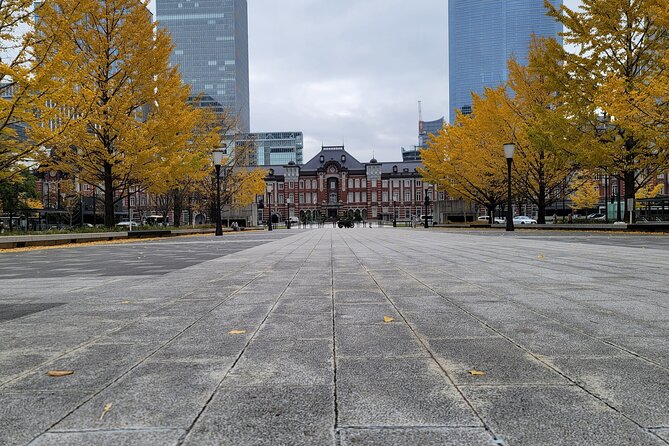
I like tours that start where you already are, and this one does. You meet at Tokyo Station (Marunouchi area), then the day ends in Nihonbashi near Nihombashi Station and Mitsukoshimae Station. That means you’re not stuck reversing your route at the end of a long walk.
The experience runs about 4 hours, and you can pick a morning or afternoon departure. That scheduling flexibility is underrated in Tokyo, where “half-day” can quickly turn into “half-day plus subway stress” if you don’t plan around your other sights.
This is also a mobile ticket tour. That’s one less thing to worry about when you’re bouncing between trains and stations, especially if you’re also using IC cards and hopping lines.
You can also read our reviews of more tours and experiences in Tokyo.
Imperial Palace East Gardens: what you’ll actually see
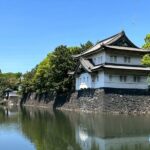
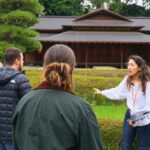
Let’s clear up the big naming point. The tour is called Imperial Palace, but what you’ll get is the East Gardens area, which is the public-facing garden space. In other words: you enjoy the grounds, gates, paths, and seasonal scenery with a guide—not a tour of private imperial interiors.
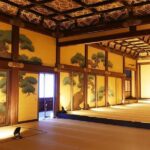
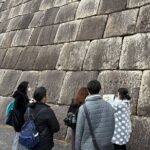
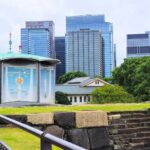
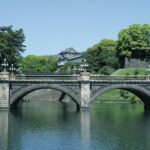
You begin with a walk along a ginkgo tree-lined avenue toward the palace area. Once inside, the route takes you through the East Gardens, including passing the Otemon Gate, which once served as a main entrance to Edo Castle in Tokugawa-era days. The historical connection matters because Edo Castle is the foundation story for how this part of Tokyo grew—this isn’t random landscaping. It’s planned space with a political past.
The grounds themselves are described as spanning large landscaped areas dotted with cherry and pine trees. One reason I’m a fan of guided palace garden time is that you notice details you’d miss alone: where certain views land, what a gate implies, and why the garden design feels “intentional” instead of just pretty.
Two practical notes:
- This is still a garden walk. Wear shoes you trust on pavement, and bring layers.
- If your expectations are set to see something beyond the public East Gardens, you may feel a mismatch. The upside is you still get a guided walk through a major Tokyo icon.
Edo Castle history meets real Tokugawa leftovers
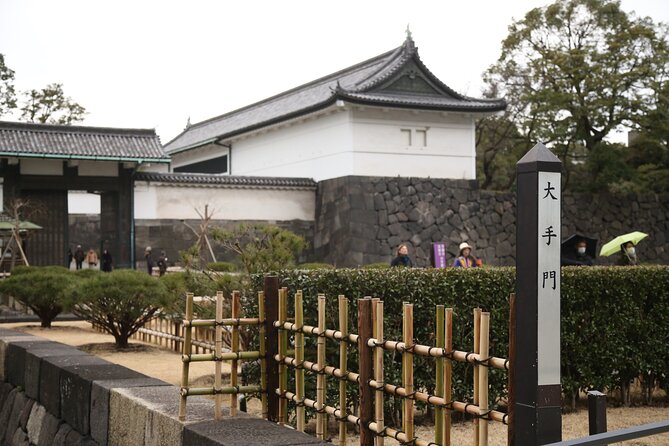
Here’s what makes the Imperial Palace portion more than scenery: it frames what you’re looking at as a surviving layer of Tokyo’s older world.
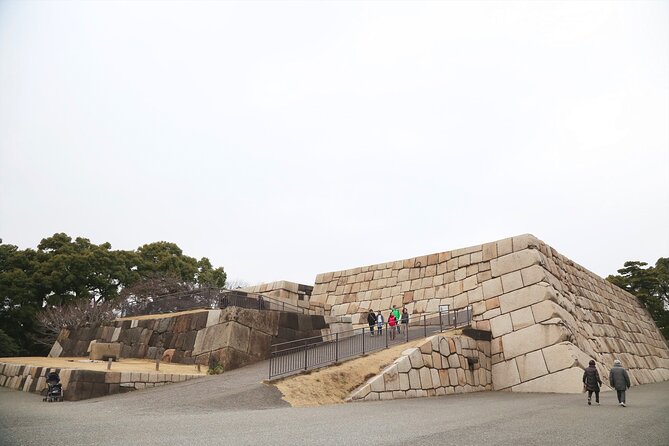
When you walk through the East Gardens after Otemon Gate, you’re effectively walking through the remains and echoes of Edo Castle—the home of the Tokugawa shoguns. The guide context helps you connect the dots between:
- a gate built for movement and control,
- garden paths shaped by past priorities,
- and how the modern imperial setting sits on older foundations.
People often think of Tokyo history as museums only. This route is different because it makes history physical. You’re learning while your feet are moving, which is exactly the kind of learning that sticks.
If you’re the type who likes a “story with stops,” this is a good match. If you only care about interiors and architecture close-ups, you may wish you had paired it with an additional activity that focuses on buildings you can enter.
Nihonbashi: from old highway start to modern shopping streets
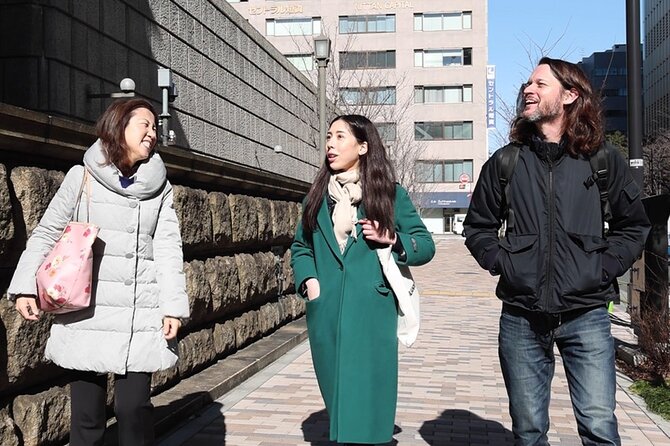
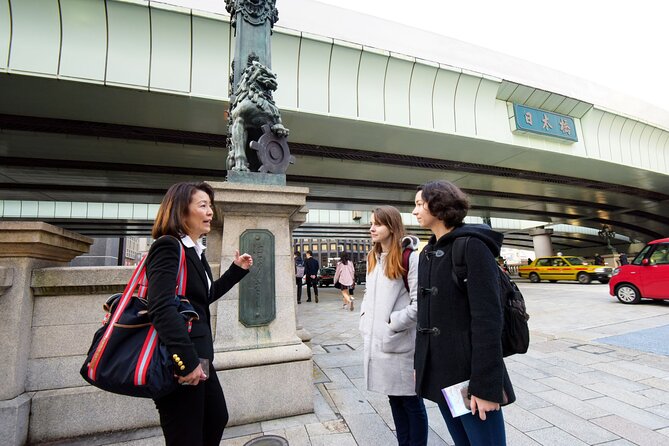
After the palace portion, the tour transitions to Nihonbashi, one of Tokyo’s best-known commercial districts. The big historical idea you’ll hear is that Nihonbashi was a starting point for Japan’s national highway network going back to the early seventeenth century.
That’s not just trivia—it changes how you walk. Nihonbashi isn’t presented as a themed street. It’s treated as a working district with deep roots. You’ll pass through areas where long-running businesses still operate, and the guide connects craft and commerce to the neighborhood’s role as a hub.
Timing can matter here. One practical thing to know: there’s typically a short transfer between the palace area and Nihonbashi. Some groups report taking a subway ride during the shift. If it’s raining, those “in-between” minutes can feel heavier than the walking itself—because you’re wet, bundled, and trying not to rush.
Still, I like finishing in Nihonbashi because the area is functional for continuing your day. Once you’re done with the tour, you’re already where you’d want to be for shopping, snacks, and easy train access.
Dashi and nori: food lessons you can taste immediately

One of the strongest reasons this tour works is that it’s not only visual. You taste, and you see the ingredients in context.
At the Ninben dashi stop, you’ll learn about dashi, the traditional Japanese soup stock that shows up across hotpots, noodle soups, and everyday cooking. Then you get a dashi soup stock sampling as part of the included experience. This is one of those tastings that actually prepares you for what you’ll taste later in Tokyo restaurants.
Next, you visit Yamamoto Nori Honten, a nori producer that has been operating since 1849. You can see different types of nori and watch staff roast the seaweed. That roasting step is important because it’s one of the key moments where aroma changes fast—so it’s not just “see product, move on.”
A quick caution, based on what’s been reported: if a specific shop isn’t operating as expected on the day you go, the guide may adjust the plan with alternatives. You’ll still get stops that match the theme of ingredients, but the exact depth and presentation can vary.


Knife culture at Kiya Nihombashi: practical craft, not just souvenirs
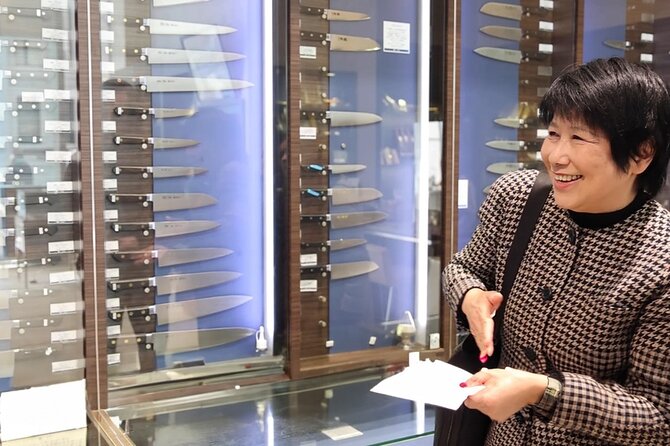
After the food stops, the tour pivots into tools: knives, sharpening culture, and what it means to buy something you’ll actually use.
You visit Kiya Nihombashi Main Branch, a knife store founded in 1792. The shop has a wide range of utensils, from traditional Japanese knives to more modern styles (including European options). Even if you don’t plan to buy, it’s a fascinating reset for your brain. You start thinking about craft as process, not just product.
One detail I appreciate: the tour doesn’t just frame knives as expensive keepsakes. It positions them within everyday Japanese cutlery culture—why the tools matter, and how long these businesses have served local customers.
If you do want to buy, go in with a plan. Knife shopping can be tempting, but it’s not always the lightest or easiest souvenir to transport. Still, it’s one of the more memorable stops because it feels real, not staged.
Ozu Washi paper-making: the hands-on moment
Then comes the activity I’d most recommend to anyone who wants to leave with more than photos.
At Ozu Washi, you learn about Japanese paper (washi) and Japanese stationery through both what you see and what you do. The itinerary includes making your own sheet of washi—and that’s the difference between a passive craft visit and an experience with a finish line.
This is also where the guide’s explanations really pay off. Washi can seem abstract until someone connects the material to how it’s used in Japan: the feel, the strength, and why it’s treated as craft, not just paper.
On busy days, people sometimes run out of energy. But washi-making is a great “focus task” because it slows your pace. You’re doing something with your hands, not only walking and listening.
Toyama Prefecture Antenna Shop: a calmer ending with choices

To close things out, you stop at the Toyama Prefecture Antenna Shop. The idea here is simple: you see products from a specific coastal region on the Sea of Japan, and you can browse at a relaxed pace.
This isn’t presented as a culinary blowout. It’s more of a friendly landing spot so you don’t end the tour exhausted and rushed into a shopping frenzy. If you like “one last shop” moments, this fits.
The $101.72 value: what you’re paying for
At $101.72 per person for about 4 hours, this tour is not the cheapest way to see Tokyo sights. But it also isn’t trying to be. The value is in the mix.
You’re paying for:
- an accredited guide-interpreter who can manage language barriers,
- East Gardens access (the tour includes entry),
- a dashi sampling plus a Japanese sake set,
- and a route through multiple specialist shops that have strong historical footing.
It also helps that the group size is capped at 28. You’re not in a huge herd, which makes it easier to ask questions and keep your bearings while moving between stops.
That said, consider the trade-off: a half-day that includes palace grounds and a shopping-street craft route can mean your time is distributed across several locations. In bad weather, you might spend extra minutes moving between transit points, which can make the day feel more like logistics than sightseeing. If you’re traveling in rainy season, plan on flexibility.
When guides make or break the day
A lot of the praise in the tour experience centers on the guide role. Different groups have been led by guides such as Mari, Michi, Yoshi, Toyo, and Eriko (sometimes with an assistant), and the consistent theme is pacing and responsiveness—especially in tough weather.
That’s a big deal here because the itinerary depends on you understanding what you’re seeing and why. When the guide explains the significance of a gate, a craft, or an ingredient, the stops feel connected instead of random.
Still, not every departure is perfect. One concern that’s been raised is that English levels can vary, and in a few cases, stops were missed or time felt unbalanced. If you’re picky about how much is covered and you strongly want every stop exactly as described, I’d keep that in mind and set expectations for variation.
How to make this tour work for your travel style
This tour is best for you if you like:
- walking-based sightseeing with guided context,
- practical food education (dashi, nori, sake),
- and seeing crafts that still operate in long-standing shops.
It’s also a solid first-day Tokyo activity because it gives you orientation. You see a palace-garden side of the city and then switch to the commercial reality of old Tokyo, all within a half day.
If you dislike walking or hate being rained on, you might want to think twice. The tour needs good weather, and rain has been a factor in how smoothly the day runs.
Also, if you mainly care about palace interiors and big-ticket architecture that you can’t miss, the East Gardens-only format might feel like a limitation. But if you’re happy with gardens, gates, and historical framing, it’s a satisfying use of your time.
Should you book this Imperial Palace and Nihonbashi tour?
I’d book it if you want a balanced Tokyo sampler that doesn’t stay stuck at “look but don’t touch.” The combination of East Gardens history, dashi tasting, nori roasting, knife shop culture, and washi paper-making gives you more than one kind of memory.
I’d think twice if:
- you’re expecting an inside-the-palace experience beyond the public gardens,
- you’re very sensitive to rain and long walks,
- or you need every single stop to run exactly the same way no matter what.
If your goal is a guided, story-filled afternoon that ends in a lively area you can keep exploring, this one is a strong choice.
FAQ
What’s included in the tour price?
The tour includes an accredited guide-interpreter, entrance into the East Gardens of the Imperial Palace, a sample of dashi soup stock, and a Japanese sake set.
Where does the tour start and where does it end?
The meeting point is Tokyo Station (1 Chome-9 Marunouchi, Chiyoda City). The tour ends in the Nihonbashi area (nearest stations listed include Nihombashi Station and Mitsukoshimae Station).
How long does the tour take?
The duration is about 4 hours.
Is transportation to the meeting point included?
No. Transportation to the meeting point is not included.
Does the tour run in bad weather?
The experience requires good weather. If it’s canceled due to poor weather, you’ll be offered a different date or a full refund.
What’s the group size limit?
The tour has a maximum of 28 travelers.