REVIEW · TOKYO
Tokyo Castle & Imperial PalaceーShogun Walking Tour
Book on Viator →Operated by Local Guide Stars · Bookable on Viator
Tokyo’s history hides behind plain walls. This small-group walk connects samurai security design to Japan’s long imperial story, using real surviving Edo structures around the Imperial Palace. It’s the kind of tour where you stop guessing and start seeing patterns.
I love how the guide turns the fortress layout into something you can understand fast. You move past turrets, gates, and multiple guardhouses, and each one ties back to how Edo Castle stayed firm even when emperors and shoguns were pulling the strings. I also like the pacing: the last stretches slow down into the Ninomaru Garden area with koi and seasonal greenery.
One thing to plan for: the tour includes a security check for Imperial Palace entry areas and expects you to handle stairs and steep slopes. Also, the Emperor’s residence isn’t open to the public, so this is a look around the grounds, not a peek inside the home itself.
In This Review
- Key Things I Think You’ll Like
- Why This Shogun-Era Walk Makes Tokyo History Click
- Meeting at Kokyo Gaien and What the 2-Hour Rhythm Looks Like
- Edo Castle Defenses You Can Still Spot: Turrets, Gates, and Guard Lines
- Constable, Hyakunin Bansho, and Obansho: How Samurai Duty Changes by Location
- Fujimi-yagura Watchtower: The View That Explains the Plan
- Kokyo Sannomaru Shozokan: The Model Stop That Makes the Missing Parts Clear
- East Gardens and the Edo Castle Main Tower Site That’s No Longer There
- Ninomaru Garden: Koi, Seasonal Plants, and a Breather Before Tokyo Station
- Logistics That Matter: English-Only, Security Check, and Hills on Foot
- Price and Value Check for $23.88
- Who Should Book This Tour (and Who Might Skip It)
- Should You Book Tokyo Castle & Imperial PalaceーShogun Walking Tour?
- FAQ
- How long is the Tokyo Castle & Imperial PalaceーShogun Walking Tour?
- How much does it cost?
- What group size should I expect?
- Is the tour in English?
- Do I need to go through security?
- Is the Emperor’s residence open to the public on this tour?
- What should I know about walking conditions?
Key Things I Think You’ll Like
- Up to 10 people keeps questions flowing and makes the history feel personal.
- English-only guiding means you get one clear narrative all the way through.
- Real Edo Castle defense points in view, including turrets and the Otemon gate area.
- Samurai roles explained by location, from lower-rank guardhouses to higher-rank duties.
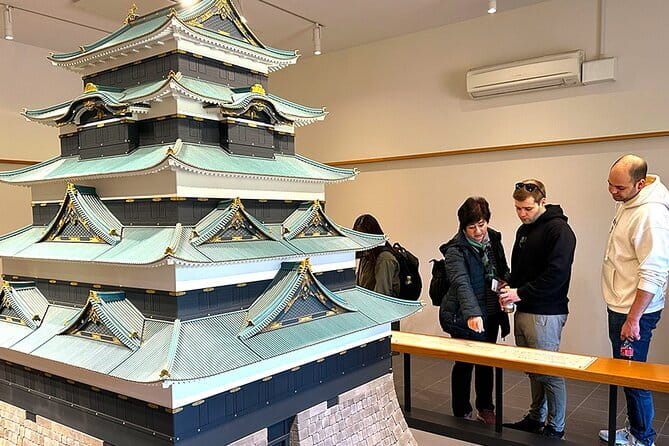
- Kokyo Sannomaru Shozokan adds context with an Edo Castle scale model.
- Garden calm at the end, including Ninomaru’s koi pond vibe and photo-friendly scenery.
Why This Shogun-Era Walk Makes Tokyo History Click
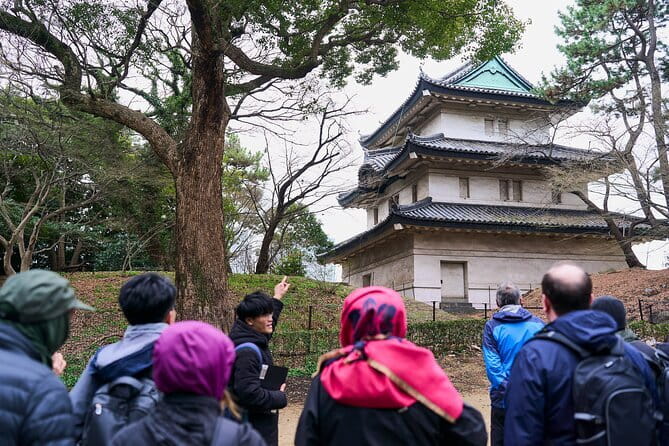
Tokyo likes to keep its secrets behind careful landscaping. Around the Imperial Palace area, you get a rare cheat code: the grounds are the textbook. You walk where Edo Castle functioned as Japan’s largest fortress, and you see why its defenses were hard to crack.
What makes this tour work is the way it frames the players. You’re not just learning names and dates. You’re learning how the samurai system operated under the shogun, and how the emperor’s 2,600-year legacy shaped the political stage.
And yes, you’ll spend time in garden space too. The tour doesn’t treat nature as an afterthought. It gives you that contrast between military purpose and quiet court atmosphere.
You can also read our reviews of more tours and experiences in Tokyo.
Meeting at Kokyo Gaien and What the 2-Hour Rhythm Looks Like
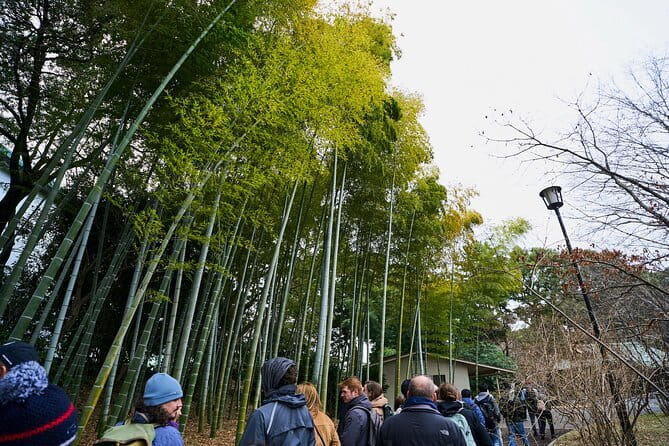
You start at Starbucks Coffee at Kokyo Gaien Wadakura Fountain Park (3-1 Kōkyogaien, Chiyoda City). From there, the route is built for an easy logic: short stops, clear explanations, then another point of interest.
Expect about 2 hours on foot. The itinerary moves in roughly 10-to-20 minute blocks, with a bit of extra time where you can slow down, especially around garden and model areas. In real life, that rhythm matters. If you’re the type who gets restless in long museum lectures, this layout helps you stay engaged.
It’s also a good day-one or day-two activity. You’ll come away with a map in your head—where the outer defenses were, how the gates mattered, and what’s left from the Edo period.
Edo Castle Defenses You Can Still Spot: Turrets, Gates, and Guard Lines
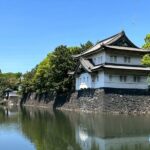
The first “wait, I can actually see that?” moment is at Sakurada Tatsumi Yagura. It’s a surviving turret from the Edo period, and your guide connects it to the security systems that still protect the Imperial Palace today. This is one of those stops that feels small until you understand the function behind it.
Next comes Kokyo Otemon Gate. You’ll look at massive gates and stone walls tied to the original castle. The talk here focuses on design—how the layout helped protect the shogun. This is where the tour starts teaching you to read architecture like strategy.
Then the guard line starts to stack up. You move through several guardhouse stops, each one with a different flavor and different job in the castle system. The tour keeps repeating a useful theme: roles weren’t random. They were placed where the risk was.
Constable, Hyakunin Bansho, and Obansho: How Samurai Duty Changes by Location
The tour doesn’t just say samurai guarded things. It walks you through what kind of samurai would be positioned where—and why. At the Constable Guardhouse, the focus is on lower-ranking samurai, and how a smaller guard position still mattered to overall defense.
Then you step into Hyakunin Bansho Guardhouse, the larger guardhouse where many samurai were stationed. This stop helps you understand the human scale of fortification: walls and towers are only half the story. The other half is the people assigned to watch, control access, and respond.
Obansho Guardhouse is next, a more central position near the inner gate. Here, the explanation shifts toward higher-rank duties. Even if you don’t remember all the terms, you’ll feel the difference in how the castle worked as you move deeper into the defensive logic.
Fujimi-yagura Watchtower: The View That Explains the Plan

At Fujimi-yagura, you get the classic fortress idea: distance and sightlines. This old watchtower overlooks the area, and the guide uses that vantage point to explain how observation was built into the defense system.
This is a smart stop because it trains your eyes. Instead of just snapping photos, you learn what the builders were watching for. When you later look at the surrounding grounds on your own, you’ll recognize where a guard would stand or why a tower would be placed there.
The value here is practical. You’ll be able to connect the dots without relying on a screen.


Kokyo Sannomaru Shozokan: The Model Stop That Makes the Missing Parts Clear
Not everything you’ll see is intact. That’s normal for historic sites. Kokyo Sannomaru Shozokan helps you deal with that by giving you context in a tangible way.
You can see a scale model of the former Edo Castle, which is a big help for visual learners. It turns the walking route into a coherent picture—so you’re not just collecting separate sights. There’s also a souvenir shop with palace-related goods if you want something small and relevant to bring home.
If you’ve ever felt frustrated that ruins look like random rocks, this part solves that. You’ll leave with the “whole structure” in your mind.
East Gardens and the Edo Castle Main Tower Site That’s No Longer There
The East Gardens of the Imperial Palace area includes the Edo Castle ruin site, where the main tower used to stand. The guide talks about why it’s no longer standing and what remains now.
This stop is important for a simple reason: history changes shape. You’ll learn how to interpret absence. Instead of thinking the area is less interesting because key buildings are gone, you’ll learn what the site still communicates.
Even in brief time, this is one of the most meaningful stops on the route. It reframes what you’re looking at: a footprint of power and strategy, not just an empty green space.
Ninomaru Garden: Koi, Seasonal Plants, and a Breather Before Tokyo Station
Then you shift to a more restful pace at Ninomaru Garden. It’s a traditional Japanese garden with seasonal plants and a pond with koi. This is the tour’s calm window, and it’s timed well because you’re not rushing through it.
I like this part because it gives your brain a reset after the fortress explanations. You can take a slower look around, and it turns the whole tour from military history into a fuller view of court life and aesthetics.
You also get strong photo opportunities here. The trick is to pause longer than you think you need. The garden rewards patience, and the koi pond makes it easy to get that peaceful Tokyo break without leaving the historic zone.
Logistics That Matter: English-Only, Security Check, and Hills on Foot
This tour is conducted in English only, and Japanese language support isn’t available. If you want a shared group story in one language, that’s great. If you’re hoping for bilingual help, you should plan accordingly.
There’s also a security check to enter the Imperial Palace areas. Don’t bring knives or alcohol. This is common sense, but it’s worth repeating because security lines can change your timing.
You’ll also walk up steep slopes and stairs. Most people can do it, but you’ll enjoy the tour more if you wear supportive shoes and take your time on the uphill stretches.
If you’re visiting on a hot day, plan for sun exposure. The tours are often long enough that heat can sneak up on you, so bring water and something for shade if you normally run warm.
Price and Value Check for $23.88
At $23.88 per person, this tour isn’t about buying access to buildings you can’t reach. Many stops are listed as free-entry areas, so what you’re really paying for is the guide’s ability to connect the dots.
You get a structured story across multiple Edo defense points, then context from the scale model, then a relaxing garden finish. In other words, you’re paying for time-efficient learning. Without that, you could stroll around the grounds on your own and still enjoy the scenery—but the defensive logic of Edo Castle would take longer to unlock.
Small groups help too. Up to 10 people means you can ask questions and keep the pace from turning into a lecture-only experience.
If you like history but hate random facts, this is a strong match for your money.
Who Should Book This Tour (and Who Might Skip It)
Book this if you want to understand the Imperial Palace area in terms of how Edo Castle worked. It’s ideal for first-time Tokyo visitors who want a foundation in samurai and shogun-era thinking without spending a full day on formal museums.
It’s also a good choice if you care about guided interpretation. The tour relies on the way the guide explains each point, from guardhouse roles to the meaning of the main tower site.
Consider skipping if you only want scenery and don’t care about security design and rank-based guard duties. You can enjoy the gardens at your own pace. But if you want the story that makes those stones and gates feel like strategy, the guide is the whole point.
Should You Book Tokyo Castle & Imperial PalaceーShogun Walking Tour?
I’d book it if you want a short, focused history walk that turns the Imperial Palace area into something you can actually picture. The best part is the combination: fortress defenses you can see, a clear explanation of samurai roles, and then a calm garden finish.
You’ll just want to come prepared for security rules and some stairs. If that’s fine for you, this is a solid value way to understand one of Tokyo’s most meaningful historical zones.
FAQ
How long is the Tokyo Castle & Imperial PalaceーShogun Walking Tour?
The tour runs for about 2 hours.
How much does it cost?
It costs $23.88 per person.
What group size should I expect?
The tour is described as a small-group experience with up to 10 people.
Is the tour in English?
Yes. The tour is conducted in English only, and Japanese language support is not available.
Do I need to go through security?
Yes. There is a security check to enter the Imperial Palace areas, and you should not bring knives or alcohol.
Is the Emperor’s residence open to the public on this tour?
No. The Emperor’s residence is not open to the public.
What should I know about walking conditions?
You should be ready for steep slopes and stairs. Comfortable footwear helps a lot.