REVIEW · TOKYO
Tokyo: Imperial Palace East Gardens Walking Tour
Book on GetYourGuide →Operated by Localized Walking & Food Tours · Bookable on GetYourGuide
Imperial Palace East Gardens feel like a history lesson you can walk. You get Edo Castle remnants and the serene Ninomaru Garden explained in a way that makes Tokyo’s feudal past click. One thing to plan for: this tour stays outside the palace, so you will not step into Imperial Palace buildings.
I like that the pace is built around looking—ponds, bridges, carefully trimmed bonsai, stone walls, guard houses, and watch-tower style structures—so the gardens do more than just look pretty. And when the seasons change, the tour changes with them: cherry blossoms in spring, colorful foliage in fall, and lots of reasons to slow down and stop for photos.
There’s also real value here. At about 2.5 hours and $19, you’re paying for an English-speaking guide and context, not another ticket. Just pack for walking (mostly outdoors) and accept that the “big-ticket” palace interior is not part of the deal.
In This Review
- Key things to know before you go
- Meeting at Kokyo Gaien: The easiest start for a Tokyo classic
- East Gardens on foot: ponds, bridges, bonsai, and seasonal color
- Honmaru ruins: seeing Edo Castle’s core and its defense mindset
- Ninomaru Garden: traditional Japanese design for slow looking
- Old Tokyo meets New Tokyo: shogun stories and practical context
- What you won’t do: no Imperial Palace interior access
- Timing and value: why $19 works here
- Who this tour suits best (and who might want a different plan)
- Should you book the Imperial Palace East Gardens Walking Tour?
- FAQ
- Is entry to the Imperial Palace included?
- How long is the Imperial Palace East Gardens walking tour?
- Where do we meet for the tour?
- Is the tour guided in English?
- Is this tour wheelchair accessible?
- What if my plans change?
Key things to know before you go
- Meet near Kokyo Gaien Wadakura Fountain Park at Starbucks, so you can find the group quickly.
- You won’t enter the Imperial Palace, but you still see the former Edo Castle grounds that matter.
- Ninomaru Garden is the calm centerpiece, with traditional design you’ll understand once it’s pointed out.
- Honmaru remnants show the castle layout, including foundation ruins and defensive thinking.
- Seasonal color is a main feature—especially cherry blossoms and autumn leaves.
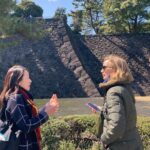
- English guides like Mei, Kei, and Laura are often praised for turning facts into stories you can follow.
Meeting at Kokyo Gaien: The easiest start for a Tokyo classic

Your tour begins at Starbucks Coffee in Kokyo Gaien Wadakura Fountain Park. It’s a very practical meeting point because Kokyo Gaien is a well-known area, and the Starbucks landmark makes it easier to match up with your guide without guesswork.
Bring comfortable shoes. You’ll cover a loop through the East Gardens, and even if the distances aren’t huge, Tokyo sidewalks and garden paths add up when you’re stopping often for explanations and photo breaks. I also suggest arriving a few minutes early and doing a quick scan for your guide; the guide waits nearby rather than inside a ticket line.
One small planning tip: since you’re starting in a casual spot (coffee shop area) rather than a strict museum entrance, you can treat this tour like a relaxed afternoon with a history guide attached—not like a timed “rush through.”
You can also read our reviews of more tours and experiences in Tokyo.
East Gardens on foot: ponds, bridges, bonsai, and seasonal color
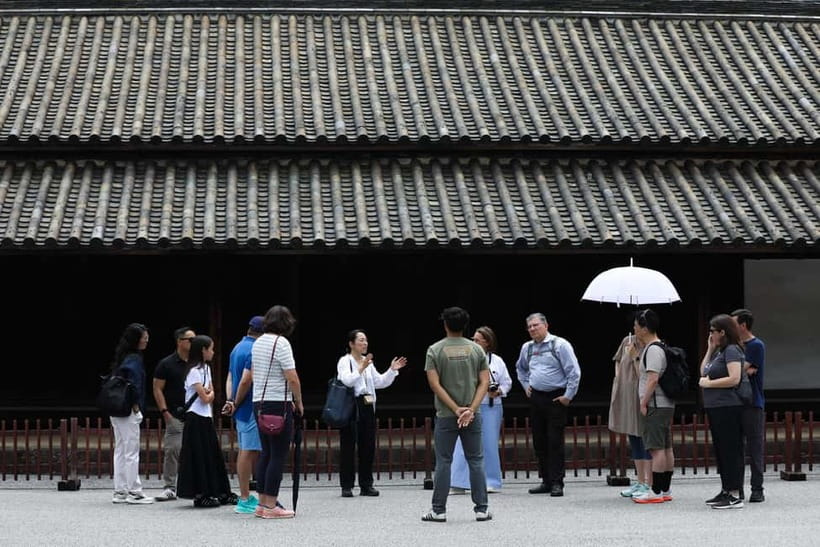
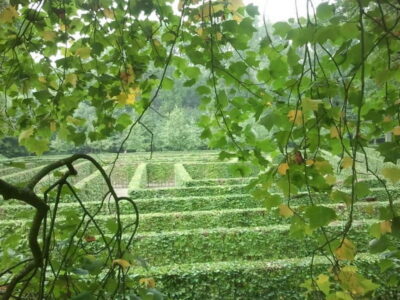
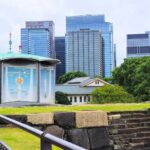
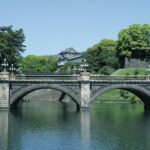
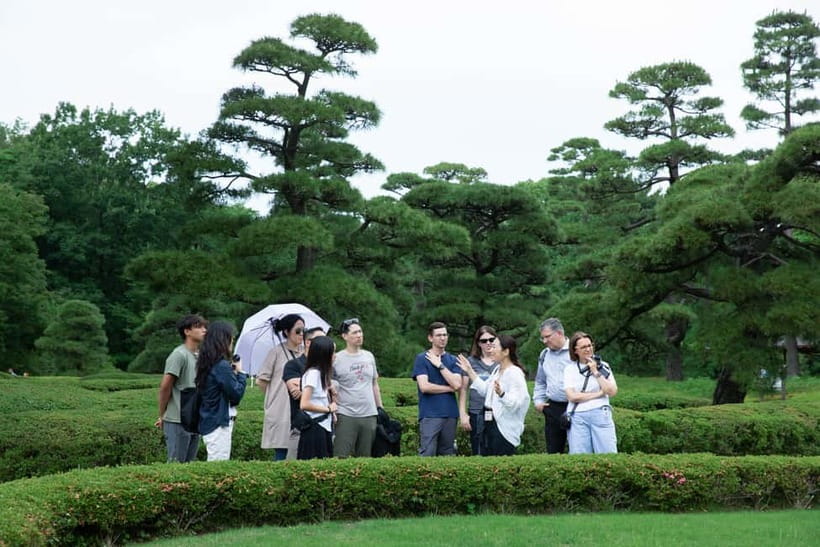
The heart of the experience is a guided walk through the Imperial Palace East Gardens, a former part of the Edo Castle grounds. The East Gardens are famous for being orderly in a way that feels almost effortless: paths, ponds, bridges, and manicured plantings that guide your eyes without you feeling led.
This is where the guide earns their keep. If you’re simply walking on your own, you’ll still enjoy the scenery. But with a guide, you start noticing the design logic: where a view is framed, why a pond feels centered, how the bridges and edges control what you see next. The tour description also calls out meticulously pruned bonsai, lush greenery, and tranquil water features—so you’ll want time to actually pause, not just stroll.
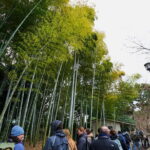
Seasonal timing can change the mood dramatically. In spring, cherry blossoms turn the walk into a soft, pink-hued route where you’ll want to stop at key viewpoints. In fall, the foliage brings deeper tones and stronger contrast against stone and water. If you can choose, those are the two best times for sheer visual payoff—but even off-season, the garden structure still matters.
Honmaru ruins: seeing Edo Castle’s core and its defense mindset
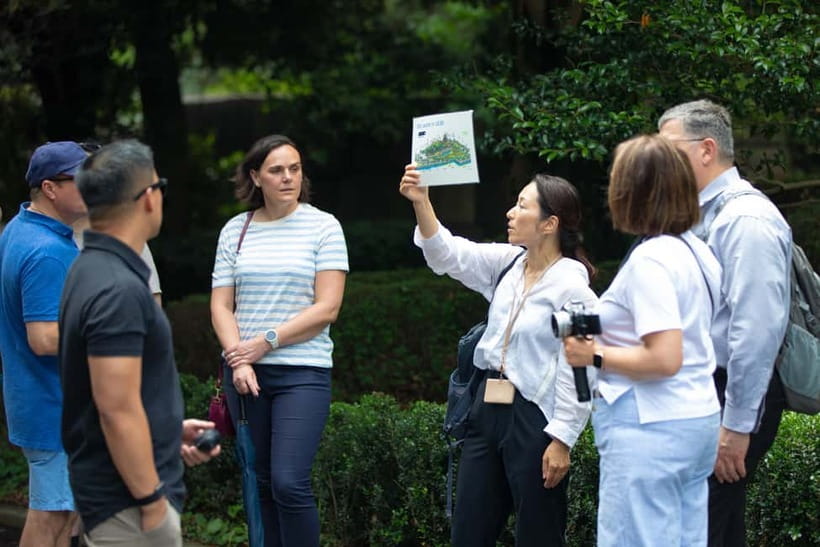
A big reason to book this specific tour is that it doesn’t only focus on aesthetics. You also get the Honmaru area, which was once the main compound of Edo Castle—effectively the administrative and power center.
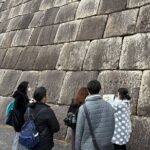
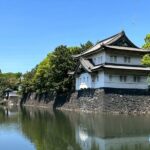
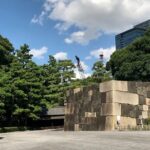
What you’ll look for here are the physical leftovers: foundation ruins, gates, and defensive structures. Even though you’re not looking at a fully intact castle, these remaining elements are extremely helpful for understanding how the site worked. The guide’s job is to connect the layout to the feudal reality of the time: movement through gates, how walls shaped access, and how defensive thinking influenced where structures were placed.
A tour like this is especially useful if you’ve seen photos of castles in Japan and wondered what role all those walls and angles played. Here, you get a clearer mental map. If you like military architecture or city planning, you’ll probably find this part more satisfying than you expected—because the garden grounds stop feeling like a peaceful park and start feeling like a strategically designed space.
Ninomaru Garden: traditional Japanese design for slow looking
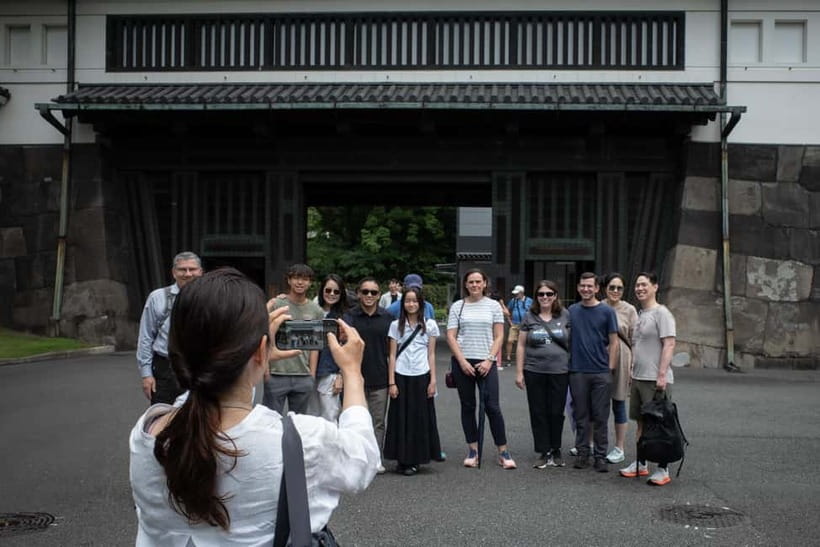
After you’ve taken in the Honmaru remnants, you shift into a calmer mode with the Ninomaru Garden. This area is known for traditional Japanese design, and the key is that it encourages contemplation. Instead of rushing between sights, you’ll notice how the garden composition supports quiet attention.
The tour highlights stone lanterns, carefully arranged trees and shrubs, and a peaceful atmosphere. That sounds simple until you’re standing there and someone points out how the garden’s layout guides your gaze and creates rhythm—what you see first, what you notice second, and why certain features feel positioned for pause.
Even if you usually don’t spend long in gardens, I think you’ll appreciate this stop because it gives you a contrast: the Honmaru section is about function and structure; the Ninomaru section is about feeling. If you’re traveling with someone who prefers scenery over history, this is a good compromise area.
Old Tokyo meets New Tokyo: shogun stories and practical context

One of the most common compliments in guide descriptions for this tour is that history doesn’t come out as dry dates. The experience focuses on the contrasting worlds of Old and New Tokyo, with stories tied to the shogun.
You’ll also hear about how the Imperial Palace connects to the shoguns’ residence during the Edo period. That’s important context for Tokyo, because modern Tokyo often feels disconnected from its feudal roots unless someone hands you the right thread. A good guide helps you see why the East Gardens exist where they do and why the grounds still shape how the area feels today.
Some guides are praised for mixing serious explanation with lighter notes about Japan’s modern royal family. That balance matters. It keeps the tour from feeling like a lecture, but you still leave with real understanding.
If you enjoy asking questions, this tour format tends to fit well. A walking setting makes it easy to pause, ask, and get an answer right where the topic shows up in front of you.


What you won’t do: no Imperial Palace interior access
Here’s the one constraint you should build into your day: the tour does not go inside the Imperial Palace. Entry is not included, and the experience is focused on the East Gardens and former castle grounds outside the palace interior.
So if your only goal is to see the palace buildings up close, this may feel incomplete. But if your goal is to understand the origins of the grounds, the castle layout, and the garden design that exists because of that history, you’re in the right place.
Practically, this also makes planning easier. You can pair this with other sights nearby without worrying about coordinating palace interior hours, because your time is mainly spent walking the gardens.
Timing and value: why $19 works here
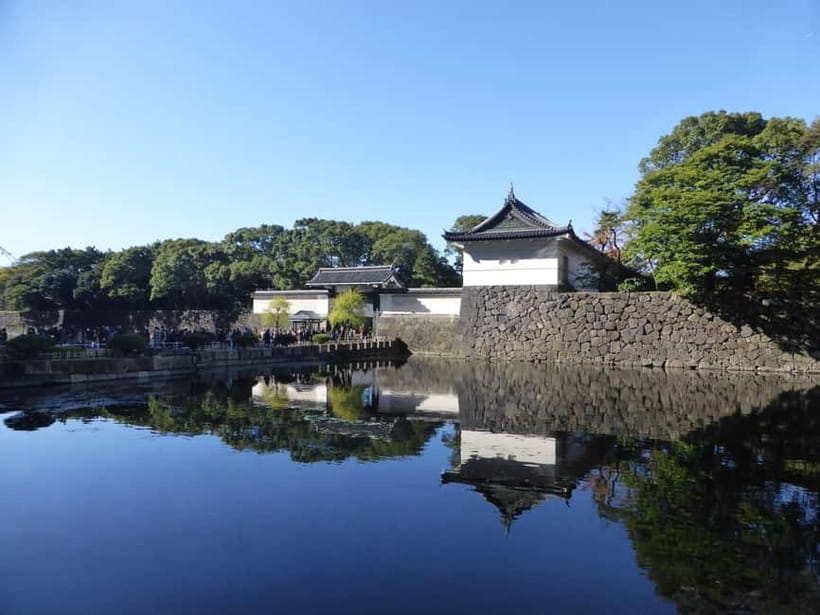
At 150 minutes (about 2.5 hours) and $19 per person, the value comes from what you’re buying: a live English guide and guided interpretation. You’re not just paying for someone to lead you between points. You’re paying for the “why,” especially around the Edo Castle remnants and the Ninomaru Garden design.
Tokyo can be expensive, and garden tickets alone don’t always explain what you’re looking at. This is the kind of experience where, once the guide points out foundation ruins, gates, and defensive thinking, the entire walk starts clicking into place. In other words: the price feels fair when you’re the one learning, not just the one moving your feet.
I’d budget this as a mid-day or early afternoon activity, especially if you want a break from crowds. The walking pace and garden setting help you reset, even though you’re in central Tokyo.
Who this tour suits best (and who might want a different plan)
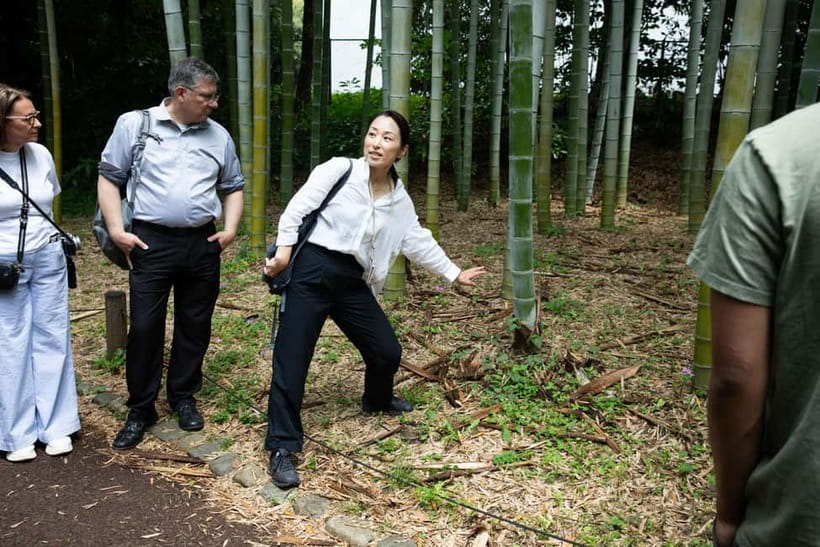
This tour fits best if you:
- Love gardens but want context, not just photos
- Want to understand Edo Castle layout without needing a map-reading degree
- Prefer history explained through objects you can see (stone walls, remnants, garden features)
- Enjoy asking questions and getting answers while you’re standing in the exact spot
You might want a different plan if you:
- Only care about entering the Imperial Palace interior
- Prefer very long, unstructured wandering with zero explanation
- Don’t like walking outdoors for about 2.5 hours
A nice bonus: the tour is listed as wheelchair accessible, which can matter in Tokyo where many outdoor areas have uneven routes. Even if you don’t use a chair, it often signals the paths are manageable enough for a wide range of walkers.
Should you book the Imperial Palace East Gardens Walking Tour?
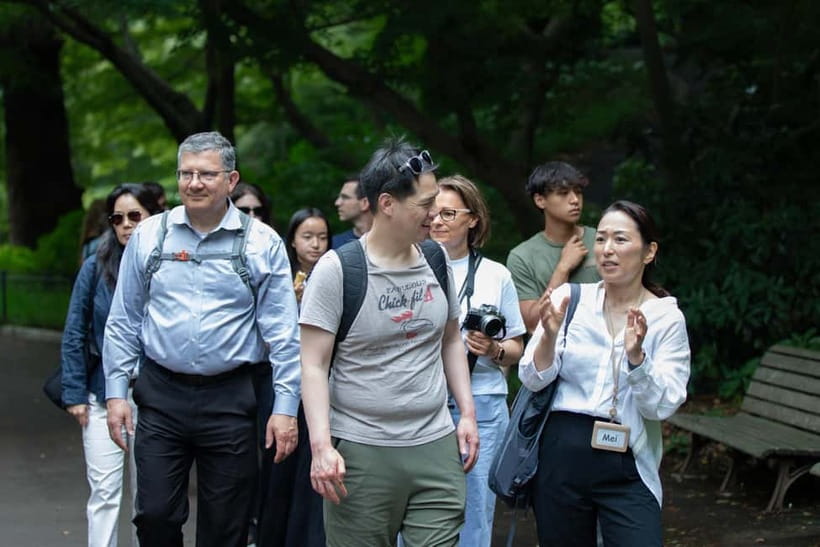
Yes—if your ideal Tokyo afternoon includes garden views plus a clear explanation of what you’re looking at. For the money, you get an organized walk through the East Gardens, the Honmaru remnants, and the Ninomaru Garden, with seasonal scenery doing most of the visual work.
Book it especially if you want the bridge between Old Tokyo and New Tokyo, and if you like history that’s grounded in physical places. Your best move is to treat it as guided looking: slow down, ask questions, and let the garden layout teach you the story.
If you’re chasing palace interior access, then skip this one and plan a separate approach. But for most people who want a smart, affordable introduction to the Imperial Palace grounds and their Edo roots, this is a strong choice.
FAQ
Is entry to the Imperial Palace included?
No. The tour does not go inside the Imperial Palace, and Imperial Palace entry is not included.
How long is the Imperial Palace East Gardens walking tour?
The guided tour runs for about 150 minutes (2.5 hours).
Where do we meet for the tour?
You meet at Starbucks Coffee – Kokyo Gaien Wadakura Fountain Park. The guide waits nearby. (Coordinates: 35.68299330000001, 139.7611971)
Is the tour guided in English?
Yes. The live tour guide is listed as English.
Is this tour wheelchair accessible?
Yes, it is listed as wheelchair accessible.
What if my plans change?
You get free cancellation up to 24 hours in advance for a full refund, and you can reserve with pay later.