REVIEW · TOKYO
Kyoto: Nijo Castle World Heritage Guided Tour with Admission
Book on GetYourGuide →Operated by Local Guide Stars · Bookable on GetYourGuide
Kyoto’s palace walls have a way of talking back. This small-group Nijo Castle tour mixes UNESCO-grade sights with the human details that make the Tokugawa story click. I particularly love how you get a tight 90-minute route that still leaves room for questions, and I also like that the focus isn’t just dates—it’s how the building was designed to control people. One thing to consider: inside the palace you’ll need to remove your shoes, so plan for that.
What makes this tour memorable is the contrast. You’ll walk through spaces built for spectacle and quiet intimidation, not battle, and you’ll hear how the shoguns held authority while the Emperor stayed right in the same city. The tour also puts real emphasis on the big turning point—Tokugawa Yoshinobu returning power in 1867—so the visit feels like a story with an ending, not a checklist.
In This Review
- Key Points Before You Go
- Meeting at Nijōjō-mae Exit 1: Where the Tour Begins
- A Up-To-10 Group in Nijo Castle: Easy Pace, Real Q&A
- Shogun vs Emperor: Reading the Castle as Silent Power
- Ninomaru Palace: Hierarchy You Can Feel
- Nightingale Floors: The Moment the Building Talks
- Gardens and Koi Carp in the Moats: Pretty Relief
- The 1867 Handback Room: The Shogunate Ends Here
- Timing and Tour Flow: How the 90 Minutes Usually Works
- Shoes Off Inside the Palace: The One Rule That Matters
- Price and Value at Around $40
- Who Should Book This Nijo Castle Tour
- Should You Book This Tour?
- FAQ
- How long is the Nijo Castle guided tour?
- What is included in the price?
- Where do I meet the guide?
- Is the tour in English?
- How big is the group?
- Is the terrain wheelchair accessible?
- Do I need to remove my shoes?
- What should I expect the tour to cover?
- Is there free cancellation and reserve options?
Key Points Before You Go
- Small group (up to 10) keeps the pace easy and questions welcome.
- Nightingale floors add a hands-on moment you can’t really get on your own.
- Moat koi and gardens give you a softer, colorful counterpoint to the strict palace spaces.
- Shogun vs Emperor framing helps you understand why the Tokugawa palace was placed here.
- Admission included means you’re not juggling tickets mid-day.
- English live guide with strong storytelling, with guides such as Nao, Uta, Benjamin, and Alexander mentioned for answering questions well.
Meeting at Nijōjō-mae Exit 1: Where the Tour Begins
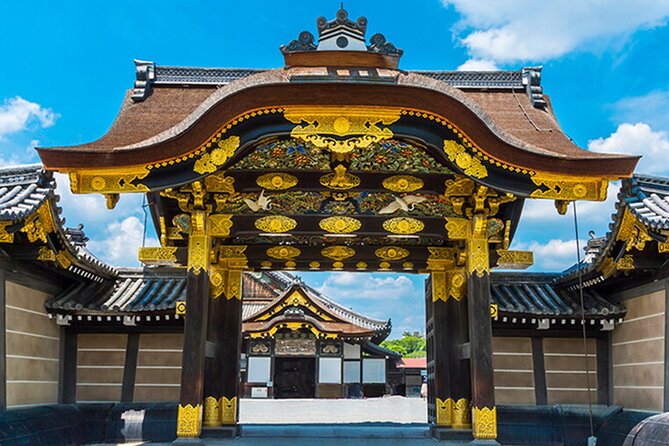
This tour starts right where you want it to: at Nijōjō-mae Station, with the meeting point outside Exit 1. Your guide will be holding a sign that says Local Guide Stars. That’s a big deal in Kyoto, where it’s easy to lose time shuffling between exits and entrances.
Expect a straightforward start. You’ll begin on foot and head into Nijo Castle with the tour context already set, so you’re not staring at gates thinking, Okay, what am I looking at. The guide’s job is to help you read the place—who had power, how it was displayed, and how the layout was meant to shape behavior.
You can also read our reviews of more tours and experiences in Tokyo.

A Up-To-10 Group in Nijo Castle: Easy Pace, Real Q&A
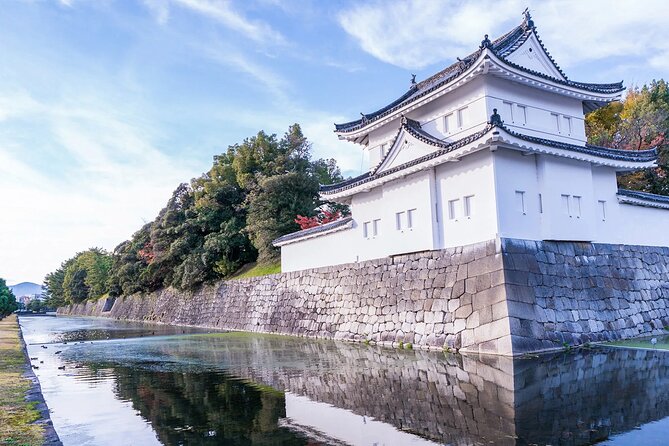
The tour limits the group to 10 people, and that changes the experience. With a small group, you can actually hear the guide’s explanations without craning your neck or waiting for the pace to compress. You’ll also get more direct chances to ask questions, which matters a lot for this specific site because it’s about power, protocol, and hierarchy—not just pretty architecture.
You’ll likely find that the guide’s style leans conversational. Guides including Nao, Naoya, Uta, Benjamin, and Alexander are described as friendly and able to answer questions clearly. That’s especially useful if you’ve read something about the rivalry between shoguns and emperors and want the real-world setting to match the story.
Shogun vs Emperor: Reading the Castle as Silent Power
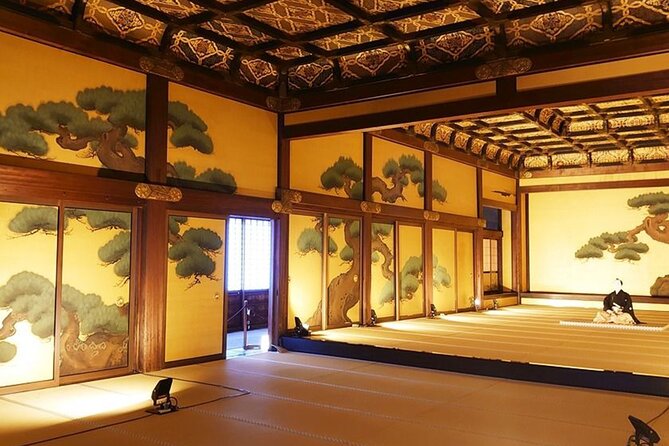
Nijo Castle can look like a calm set of buildings at first glance. The tour helps you see the hidden message: spaces designed to display authority, intimidate without violence, and enforce strict control—plus why the Tokugawa shoguns built something lavish so close to the Emperor’s residence.
You’ll learn why Tokugawa rulers, operating from distant Edo (now Tokyo), still needed a strong physical presence in Kyoto. The palace wasn’t just a home. It was a statement: the shogun’s influence was right here, in the Emperor’s world, whether or not the shogun was living in Kyoto full-time.
The guide walk also marks the end of the Shogunate period in a very literal way—so even if you’re not a history nerd, you’ll get a clear sense of before-and-after.
Ninomaru Palace: Hierarchy You Can Feel
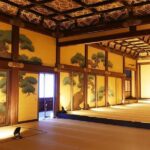
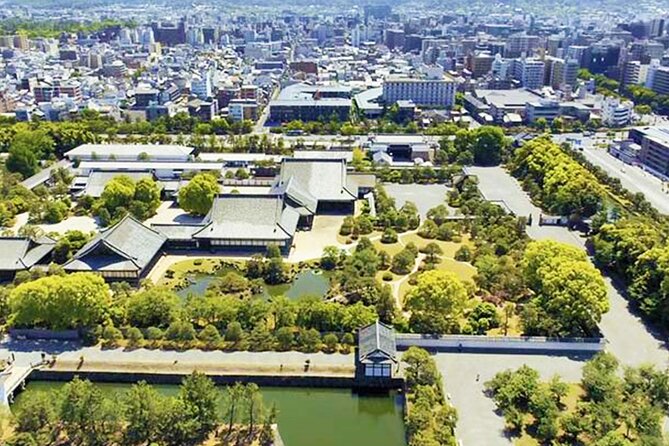
Inside the Ninomaru Palace, the tour focuses on how physical design reflected social ranking. Room size, floor height, and decoration weren’t random style choices. They were visual rules you had to respect, even when you weren’t thinking about them.
You’ll also spend time on the layered corridors and gates, the kind meant to slow people down and overwhelm them psychologically. That doesn’t mean it’s unpleasant. It means it’s effective storytelling through architecture. You start noticing how movement is controlled: where you pause, where you turn, and how sightlines change. It’s one of those experiences where the building teaches you how power worked in everyday life.
If you’ve ever wondered why feudal Japan felt so formal, this is where that question starts to answer itself.
Nightingale Floors: The Moment the Building Talks
One of the tour’s signature moments is the famous nightingale floors. These are the boards known for chirping sounds when stepped on. In a guided setting, it’s easier to understand what you’re hearing and why it mattered.
The idea is practical: the floors could help expose intruders by creating a warning sound. So you’re not just hearing a cool trick. You’re experiencing a security concept built into how people moved through the space.
It’s also a great pause point in the tour. Everyone ends up noticing the sound at almost the same time, which turns the building into a shared moment. That’s exactly what I want from a guided visit: a memory you walk away with, not just photos.


Gardens and Koi Carp in the Moats: Pretty Relief
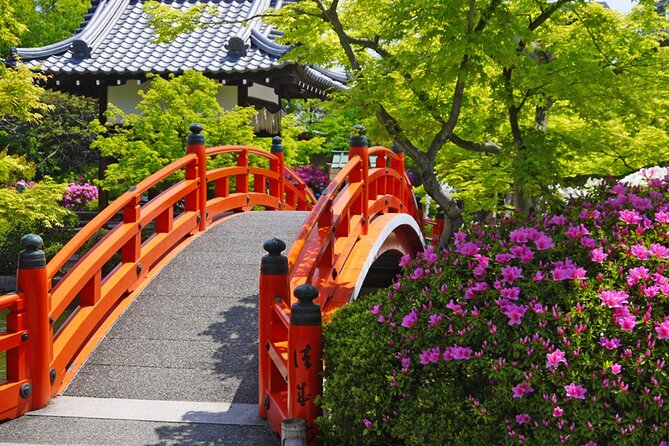
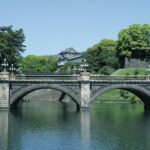
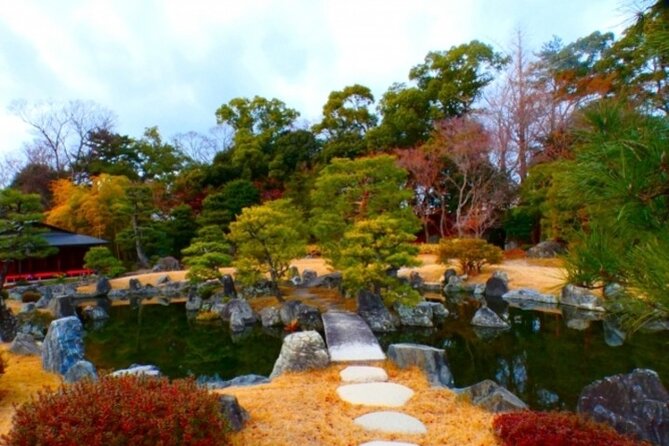
Not every part of Nijo Castle is tense. The tour highlights the photogenic gardens and colorful koi carp swimming through the castle’s moats. It’s a smart contrast, because the palace is about control and hierarchy, while the gardens give you breathing room and color.
When you see koi moving through the water, the mood shifts. You get a calmer look at why this place wasn’t only about politics. Even under strict systems, people still valued beauty, daily scenes, and the feeling of a landscaped world around power.
If you like taking photos, this is where you’ll feel happy you came on a clear day. Even on busy Kyoto days, the moat area tends to give you good visual variety.
The 1867 Handback Room: The Shogunate Ends Here
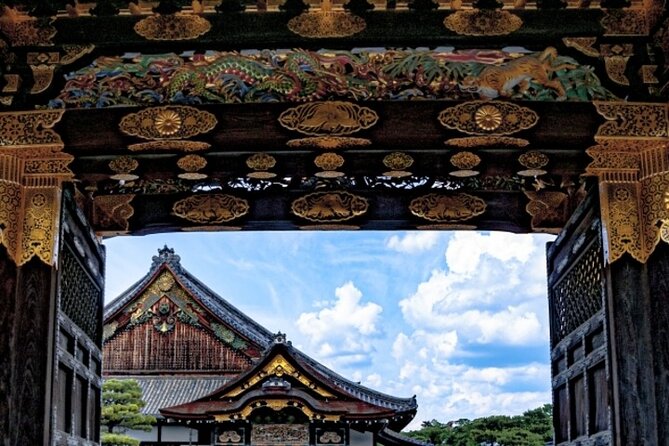
This tour doesn’t just describe the Tokugawa era. It gets specific about the ending. You’ll stand in the very room where, in 1867, Tokugawa Yoshinobu returned authority to the Emperor.
That’s a crucial piece of context for understanding why the shogun vs emperor rivalry wasn’t just political theory. It was about actual transfers of power, and this moment helped usher in the Meiji Restoration. The guide helps you connect the building’s earlier messaging—control and status—to the historical pivot that changed Japan’s direction.
It’s the kind of stop that makes the visit feel grounded. You’re not “learning history” in an abstract sense. You’re standing in a location tied to the moment the story turns.
Timing and Tour Flow: How the 90 Minutes Usually Works
The total duration is 90 minutes, and the pace is designed as a single focused loop rather than a long, exhausting marathon. You’ll typically spend about an hour with the guided walk through the main areas, then finish back near the station so you can keep your Kyoto day moving.
This timing is handy because Nijo Castle is often paired with other nearby stops in Kyoto. The value of a compact tour is that you don’t waste the best daylight hours bouncing between distant attractions.
Plan a little buffer around your day. Even with a smooth route, Kyoto schedules can shift with crowds and station flow. A short tour also means you can pivot if you decide you want more time in the garden areas or want to catch a better angle of the palace spaces.
Shoes Off Inside the Palace: The One Rule That Matters
There’s one logistics detail that affects comfort more than you’d think: you must remove your shoes when entering the palace. The tour is mostly flat terrain, but the shoes-off rule means you’ll want to wear something easy to take on and off.
If you’ve got sensitive feet, bring socks you’re comfortable walking in. The tour isn’t long enough to be a major problem, but it can be annoying if you’re wearing shoes that take forever to remove.
Good to know: the experience is listed as wheelchair accessible, and since the terrain is mostly flat, that’s a helpful sign for mobility planning.
Price and Value at Around $40
At $40 per person, this is one of those “small cost, big payoff” categories in Kyoto—because you get both admission and a guided walkthrough. The guide work matters here. Nijo Castle is full of design signals about hierarchy, control, and status. Without interpretation, a lot of that can slip by as just rooms and doors.
This tour also reduces friction: you’re not assembling tickets and figuring out what’s most important. You get an orderly path through Ninomaru Palace, the corridor gates, and the nightingale floor moment, plus the historical ending tied to 1867.
For me, that’s the core value equation. You’re paying to understand what you’re seeing quickly, with time to ask questions during the route.
Who Should Book This Nijo Castle Tour
I think this tour suits you best if:
- you want the shogun vs emperor context explained clearly, not assumed
- you like small groups and don’t want to feel rushed
- you’re curious about how design reflected social rank and authority
- you want one memorable experience moment like the chirping nightingale floors
It’s also a smart pick if you’re visiting Kyoto for the first time and want a high-impact historical stop. Nijo Castle isn’t only about what’s preserved. It’s about how power used architecture, sound, and movement to control people.
Should You Book This Tour?
Yes—if you care about understanding the place, not just photographing it. The combination of admission included, a small group size, and a strong guide-led story is what makes this worth it. If you’re the type who enjoys asking questions and getting straight answers, you’ll likely appreciate the format.
If you’re extremely price-sensitive or you only want free-style wandering with zero structure, you might prefer going independently. But for most people trying to get the full meaning of Nijo Castle in a short window, a guided tour is the efficient move.
FAQ
How long is the Nijo Castle guided tour?
It lasts 90 minutes total.
What is included in the price?
Admission to Nijo Castle and a 1.5-hour guided tour are included.
Where do I meet the guide?
Meet outside Entrance (Exit) 1 of Nijōjō-mae Station. The guide will hold a sign that says Local Guide Stars.
Is the tour in English?
Yes, the live guide is available in English.
How big is the group?
The tour is a small group limited to 10 participants.
Is the terrain wheelchair accessible?
The activity is listed as wheelchair accessible, and it notes mostly flat terrain.
Do I need to remove my shoes?
Yes. Visitors must remove their shoes when entering the palace.
What should I expect the tour to cover?
You’ll explore Nijo Castle with focus on the Tokugawa shogun and Emperor rivalry, the Ninomaru Palace (including hierarchy details and nightingale floors), the gardens and koi in the moats, and the room marking the 1867 return of authority to the Emperor.
Is there free cancellation and reserve options?
Free cancellation is available up to 24 hours in advance for a full refund, and you can reserve now and pay later.